Panama, February 16, 2026.- The Tableño Carnival, held in the town of Las Tablas, Province of Los Santos, is recognized as one of Panama's most representative carnival.
That holiday, held during the four days leading up to Ash Wednesday from Saturday, 14 to Tuesday, February 17, brings together thousands of people around a centuries-old tradition that combines music, dance, joy, healthy competition and a profound sense of cultural identity.
Its essence revolves around the historic rivalry between the tunes of Calle Arriba and Calle Arriba, with their culecas, parades, nocturnal performances and artistic performances filled with life the main street of the district.
The summit moment comes with the traditional Tensan topon, the final meeting between both tunes and their queens, that symbolizes the closure of the Carnival with a scene with emotion, pride and tradition for the Tensan people.
That confrontation takes place at Porra Park, where both tunes advance from opposite ends: Calle Aducha enters onto Punta Fogón and Calle Adusta onto Calle Bolívar, to find face to face with a display of tradition, music, elegance and fireworks that light up both ends of the park.
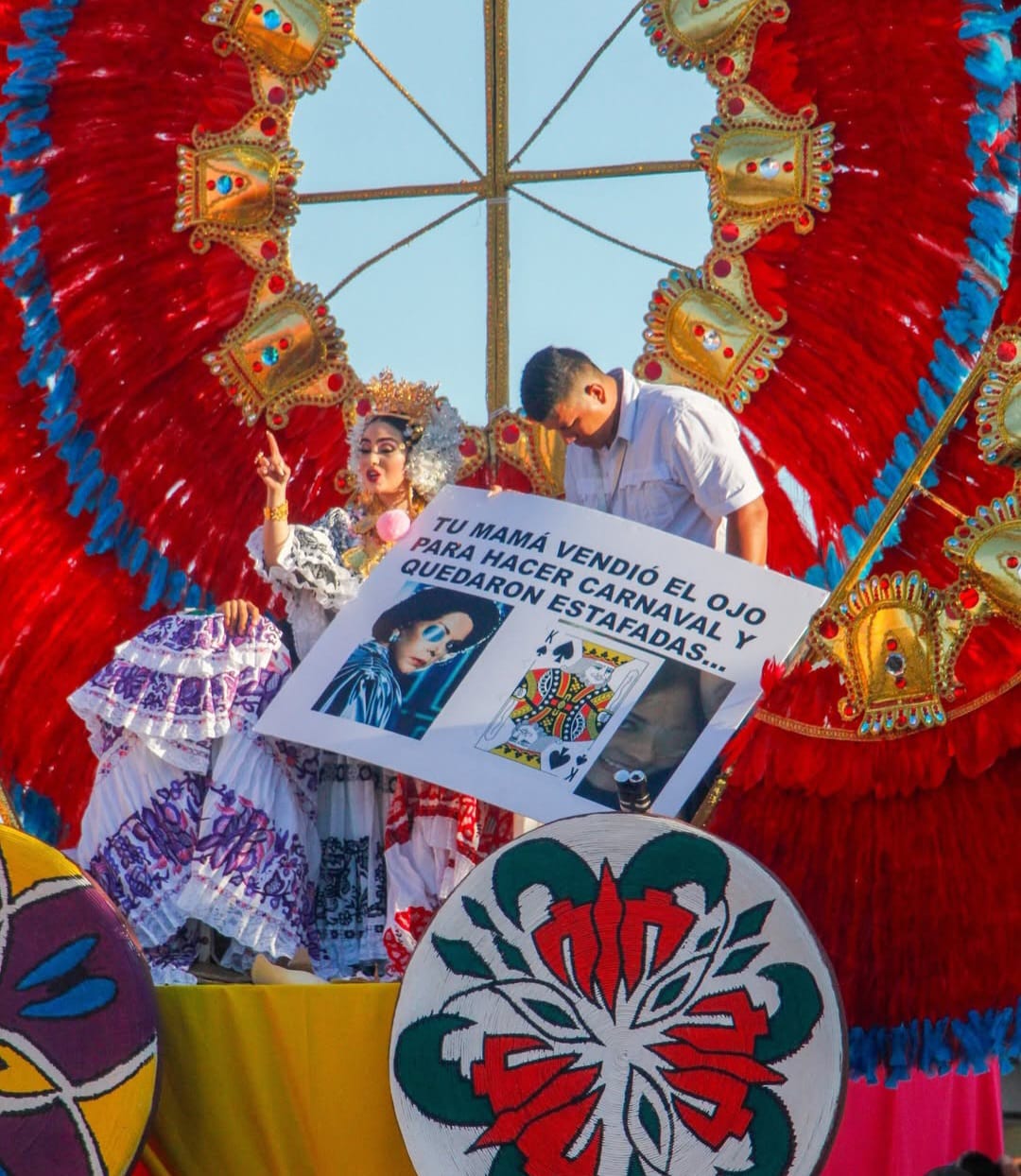
The topon is a measure of forces between the tunes. Not only through the tones and sound of the murga, but also through the spectacle of fireworks and the imposing presence of the queens with their gala tights, as this meeting takes place earlier on Ash Wednesday.
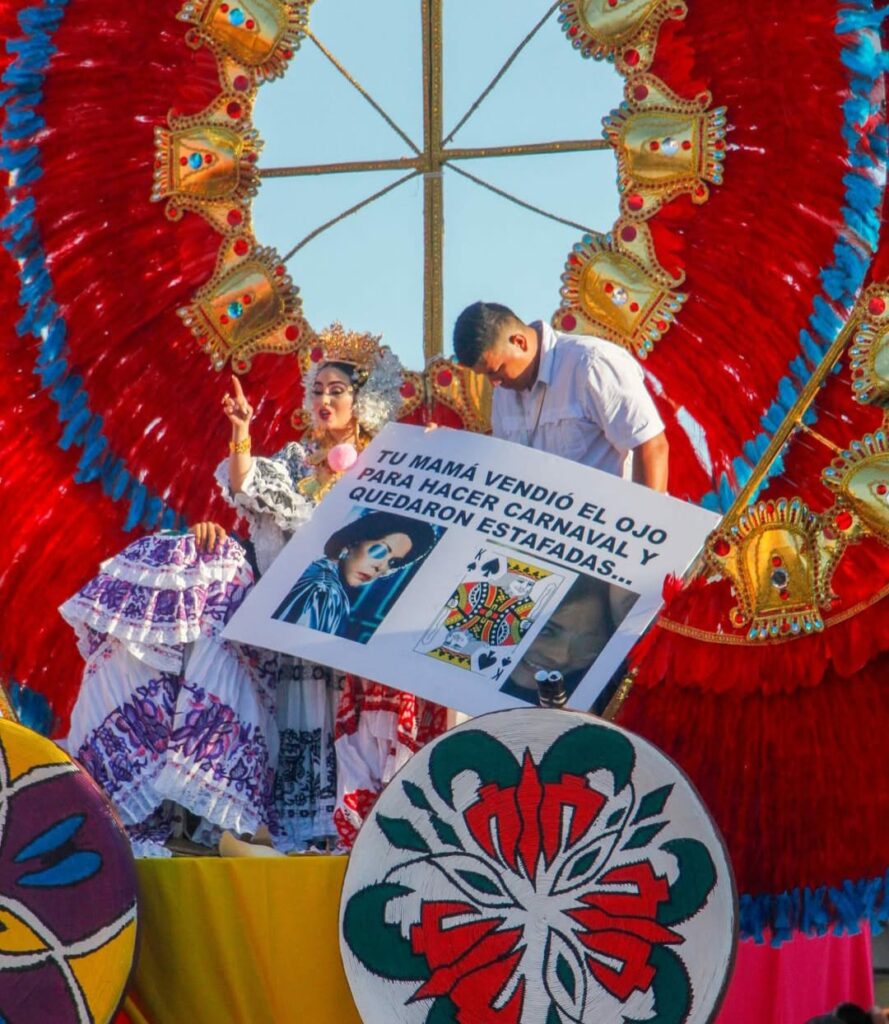
Over the years, this tradition has evolved. In earlier times, topon focused exclusively on music and elegance and in recent years elements such as mofas with sign forms have been incorporated and new forms of expression have been added.
Although this tradition was born at Las Tablas, today the concept of topon is replicated at different points of the country, as a reflection of the influence of the Torinos tableño on national culture.
For many, a tuna "wins" the topon for the perfection of his tunants, his co-ordination, his murga's strength and his queen's elegance. Nevertheless, beyond competition, his topon is organized by his own members of Calle Arriba and Calle Arriba as a family tradition passing from generation to generation.
Eric Polo, a tableño, describes this as: "The topon is a tradition that we tableans love. It's no hate, it's a healthy rivalry, a cultural heritage that we have passed on to the rest of the country."
The Spanish Carnival is a legacy with more than two centuries of history and the topon represents the synthesis of this heritage. It's the result of an entire year's work and preparation to offer a show that people admire, enjoy and recognize as a living part of Panamanian identity, she added.