Expand at Tomb 3 at El Caño: A more than a thousand year old finding that strengthens Panama's archaeological heritage
Content of the News
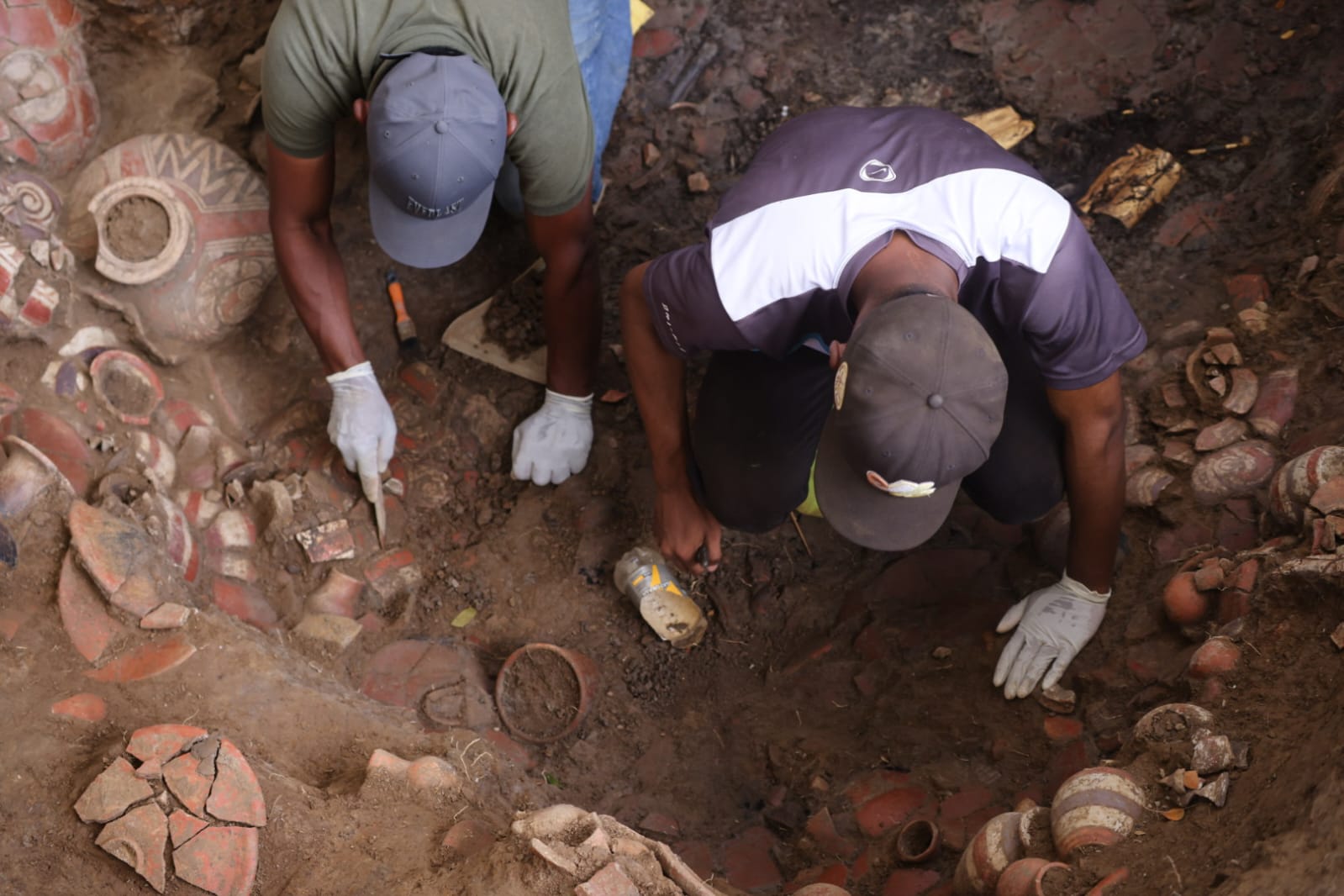
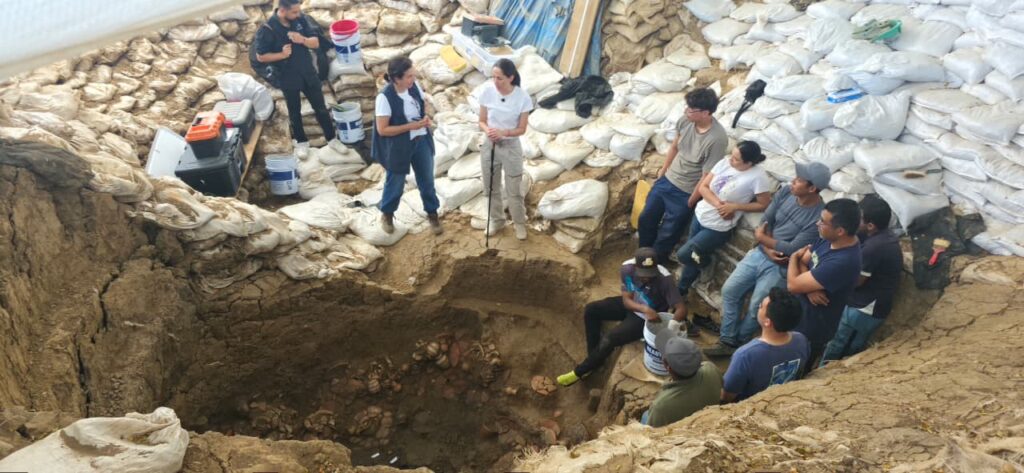
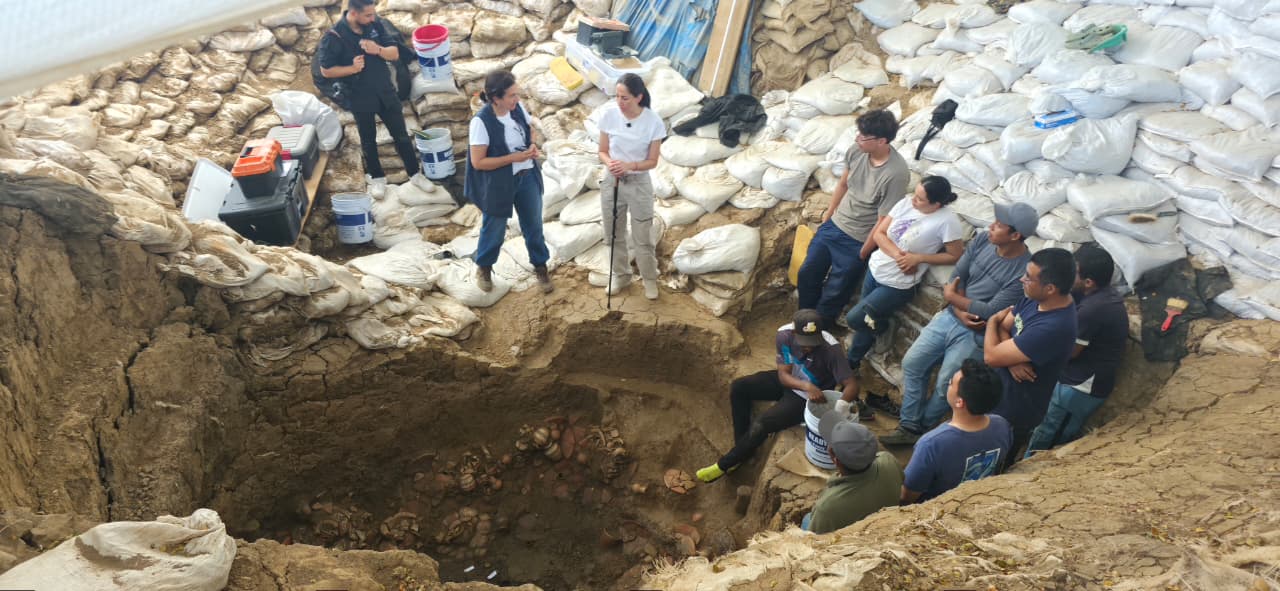
Coclé, February 20, 2026. - The excavations season of 2026 at the El Caño archaeological site in Natá de los Knights District, province of Coclé, are currently complete with the excavation of a new grave, called Tumba 3. The excavations are financed by the Ministry of Culture of Panama in collaboration with the El Caño Foundation. The tomb, more than a thousand years old, adds to other important findings developed at the site for nearly two decades.
The discovery of Tucba 3 is an event of great relevance to Panamanian archaeology and to the study of the pre-Hispanic societies of the Central American isthmus. The Caño has been established as one of the most important pre-Hispanic cemeteries of the region, associated with the societies that inhabited the central provinces of Panama between the eighth and eleventh centuries AD. The new grave expands the known funeral register and will bring new information about social organization, political power, interchange networks and ritual practices, among other things.
The Minister of Culture, María Eugenia Herrera, visited Tucba 3 and commented that it's very important to follow up with these excavations. "We are focused on bringing forward the Museo de El Caño as a research and educational centre for all Panamanians and visitors interested in our origins and our history."
He added that "we are ready to tell the world more about our cultural wealth and to ponder it, first to feel all Panamanian proud of our identity, thanks to all this valuable research that the El Caño Foundation goes forward with the Ministry of Culture."
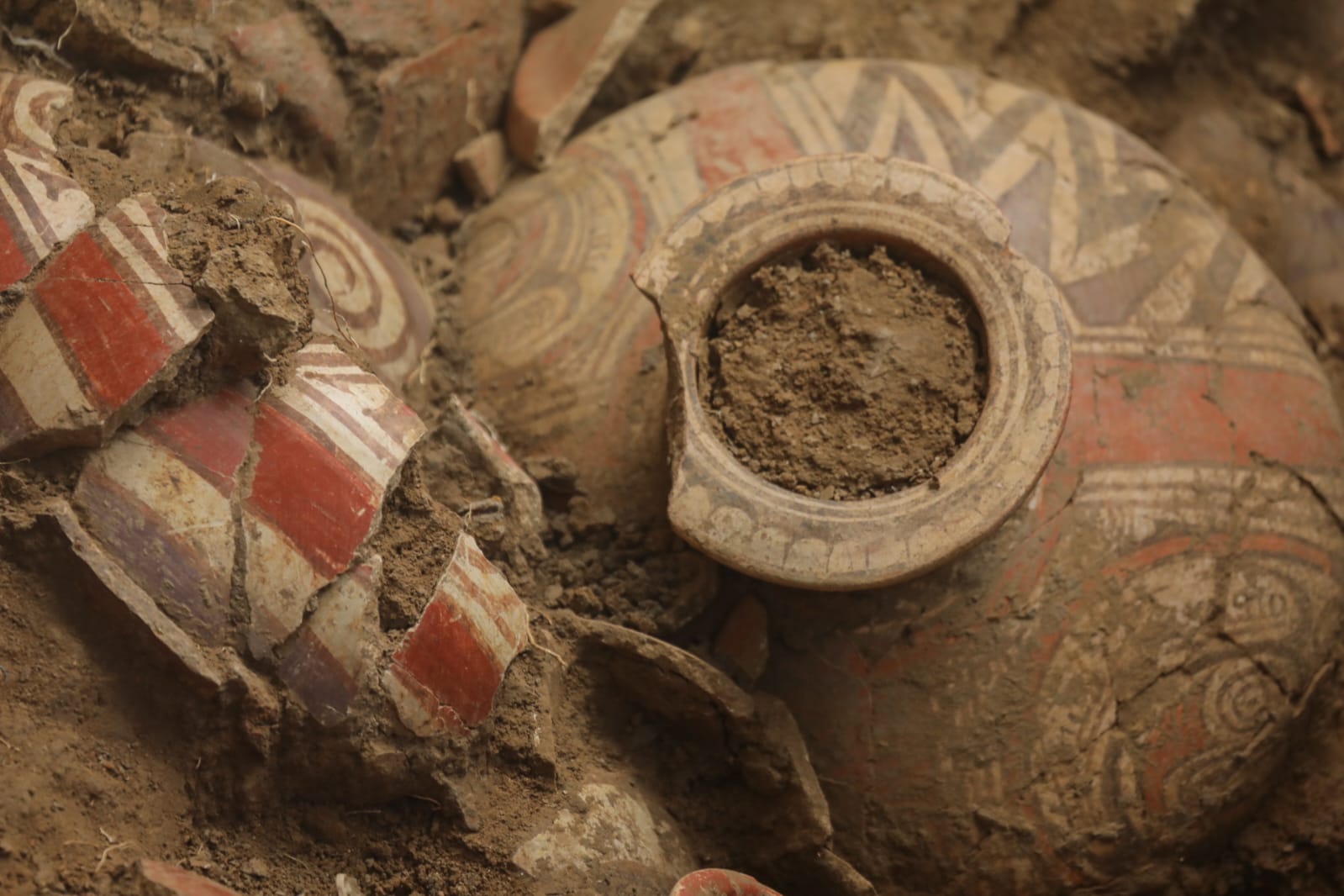
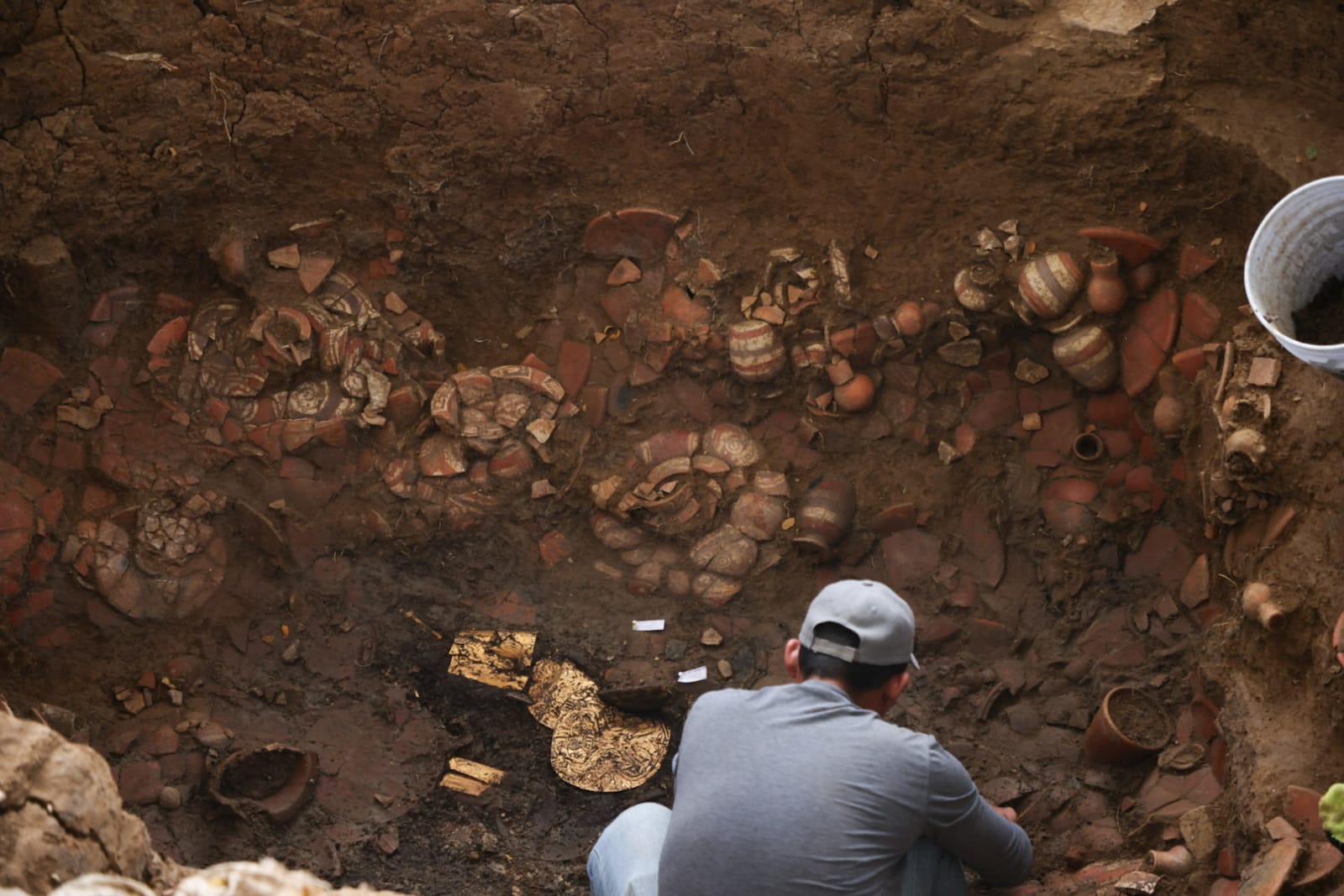
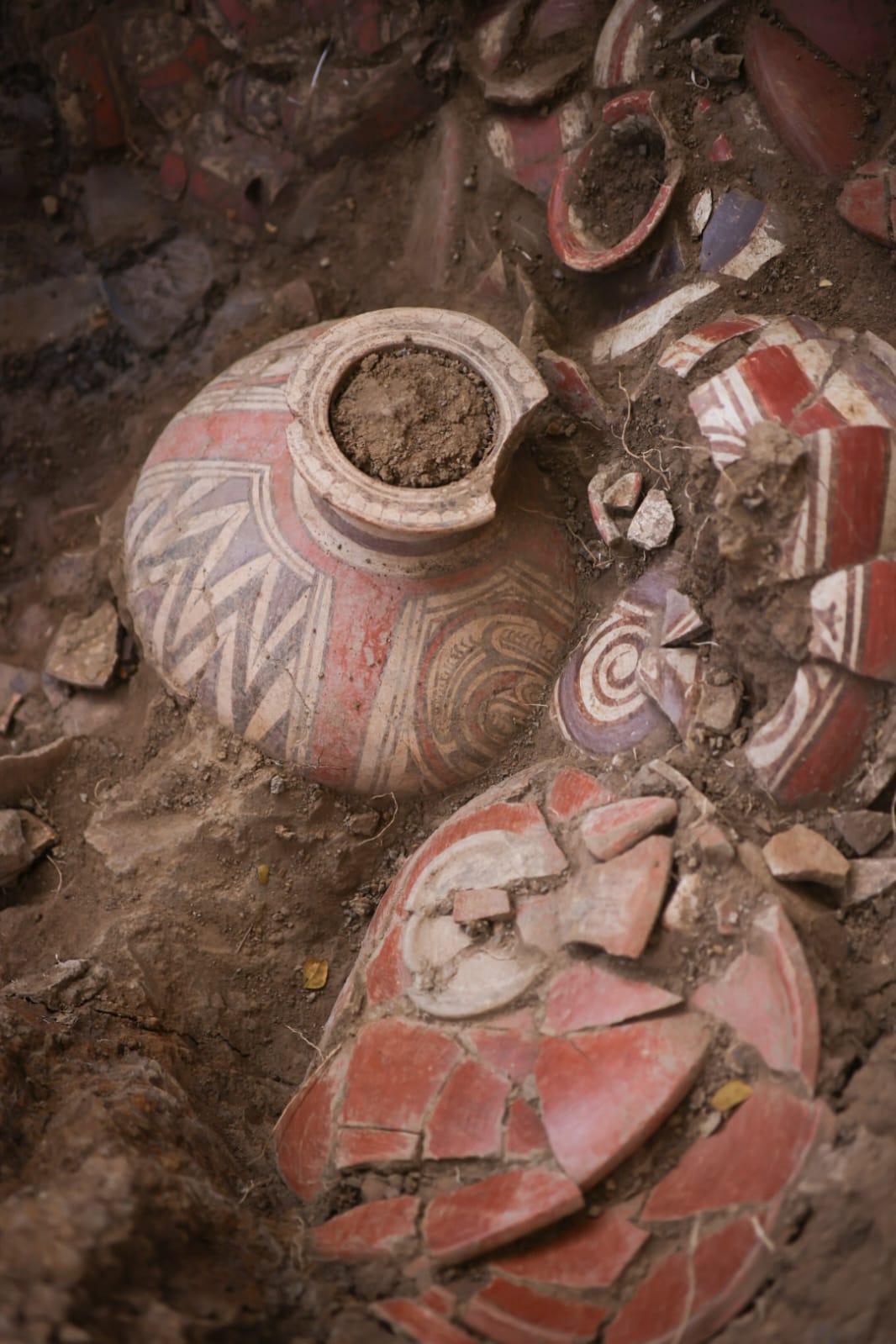
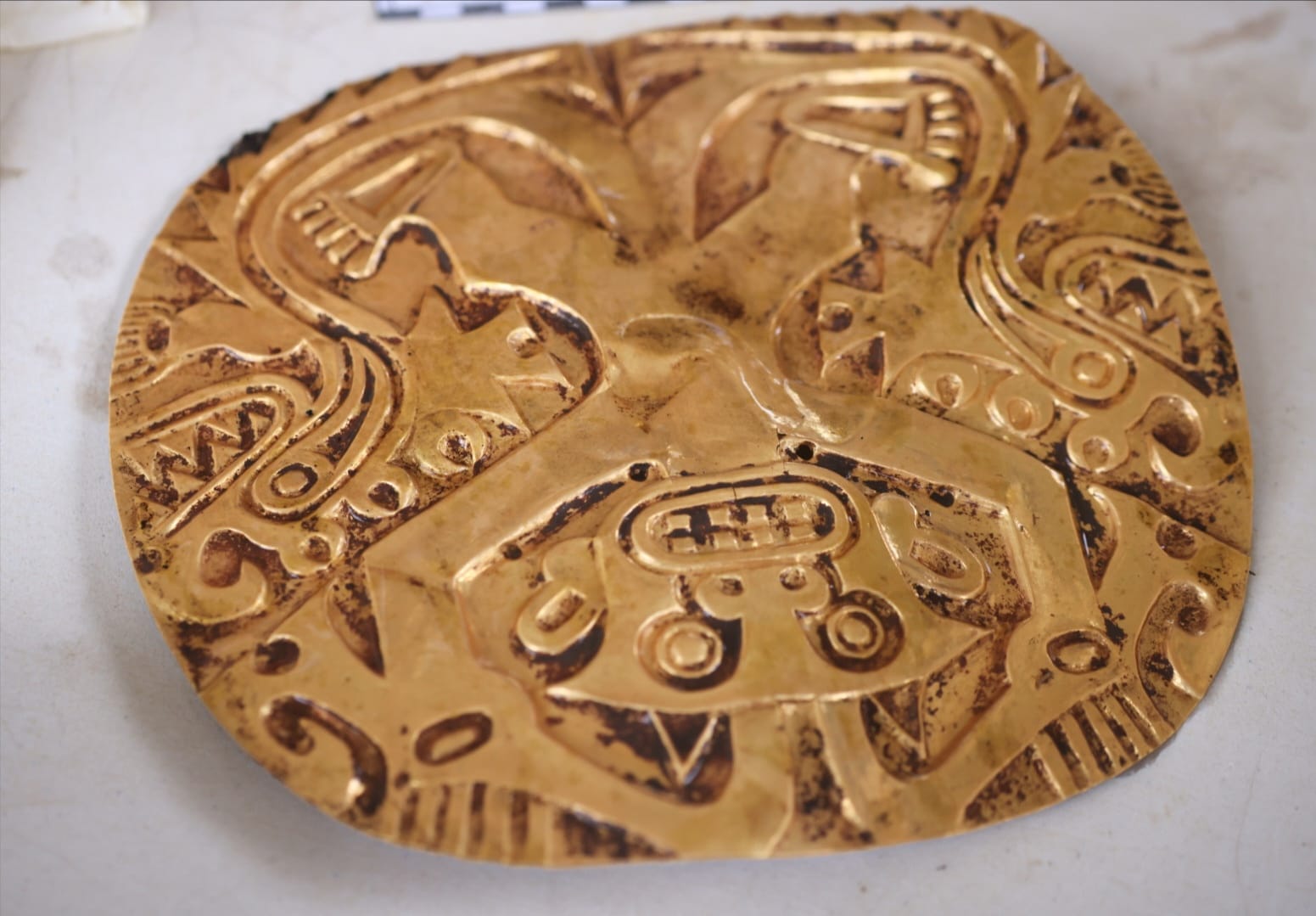
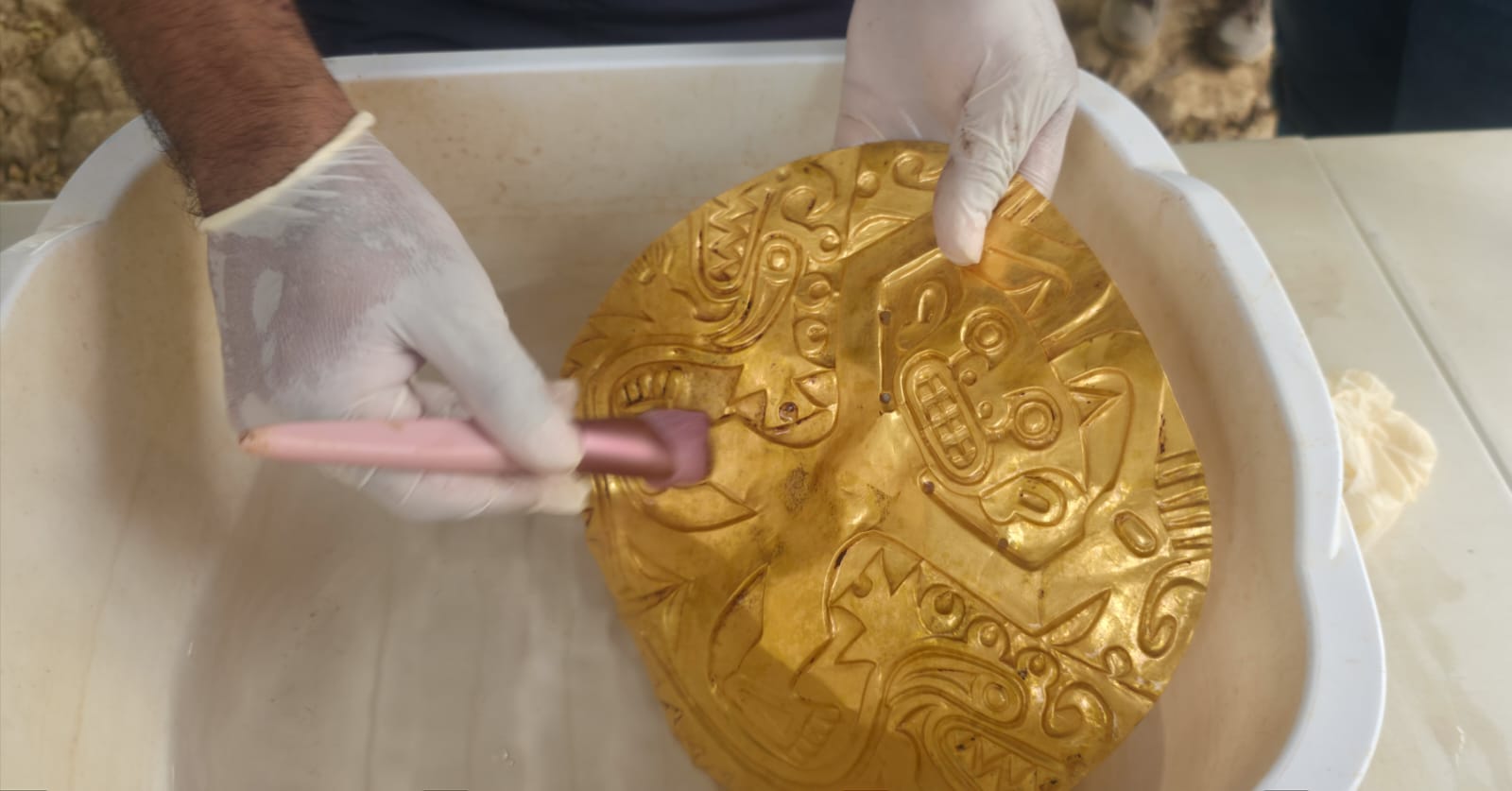
Tumba 3 was first identified during work performed at the site in 2009, when a high concentration of ceramic materials and metal fragments was found. The excavation developed this season revealed a complex structure composed of funerals and a multiple burial with a main character accompanied by several individuals and an abundant juicy. The central individual, arranged in an extended position, is surrounded by a number of prestigious objects that reveal his high status within his community's social and political hierarchy. Among the materials found are metal ornaments - pectoral, ear and bracelet - and some of his or his or her local architecture, as well as his or his local architecture and his or his local architecture.
The wealth of the funeral jujuar, particularly its metal objects, confirms that El Caño was part of a regional system of interaction that included other contemporary centers, including the Conte Site. The stylistic and technological similarities between the objects recovered at both locations strengthen the assumption that these communities share a common cultural tradition and have close political and economic links. The new grave provides information that will be vital to re-evaluating these relations and better understand regional historic dynamics during the period of increased social and political development in the area.
That excavation will give significant information about ritual practices associated with death. The disposal of the bodies, the specific selection of deposited objects and the space organisation of the whole reflect an elaborate system of beliefs. In this context, death represented an end but a transition to another sphere of existence in which social status continued to have relevance. The display of material wealth at the burial of the main individual can be interpreted as a tangible manifestation of his or her power and as a mechanism of social cohesion that strengthens the authority of the elite to the community.
In scientific terms, Tumba 3 offers an opportunity to review theoretical models about the emergence and consolidation of complex headquarters in the isthmus. The evidence accumulated at El Caño suggests the existence of focused political structures capable of mobilizing resources, organizing large-scale ceremonies and maintaining long-range exchange networks. The new grave expands the available sample and will allow more precise assessment of the internal variability of these funeral practices as well as potential changes throughout time.
Also, the finding will gain an important heritage and educational dimension. The Caño has become a reference for the value of the Panamanian archaeological heritage. Tucba 3 will enrich the educational discourse and will allow us to update the narrative about the pre-Hispanic past with new data and interpretative perspectives. The impact of the finding goes beyond the academic sphere. For today's communities of the region, these discoveries will contribute to strengthening cultural identity and recognition of an ancient and dynamic past. The responsible and accessible dissemination of the results is an integral part of the project's commitment to bringing about the development and protection of cultural diversity and cultural diversity.
To sum up, the discovery of Tucba 3 reaffirms the importance of continuing to invest in archaeological research. Each context excavated at El Caño doesn't only bring spectacular pieces but builds solid scientific knowledge about the societies that inhabited Panamanian territory more than a thousand years ago and strengthens our cultural identity. The new grave represents an additional chapter in a story that's still far from complete.