

Overall goal
We are a direction that aims to promote and promote public policy concerning Cultural Rights for the sustainable development of all communities in Panama.
Specific objectives
- To design and implement PNC through participation of the national cultural ecosystem.
- To develop strategies, plans, programmes and projects related to gender, multiculturalism and inclusion.
- To put in place a monitoring and evaluation system that includes specialized indicators for each care group, especially for vulnerable groups.
Mission
To promote, develop and promote Cultural Rights of the whole population, from creative and cultural processes.
Vision
To be the cultural reference through the design, promotion and implementation of public policy that guarantees the cultural rights of all citizens.
What are Cultural Rights?
The Cultural Rights They are essential to human dignity and are an integral part of human rights and will be interpreted and applied in accordance with the principles of universality, indivisibility and interdependence.
Cultural rights are human rights that allow individuals, groups and communities to enjoy their culture, identity and heritage and are fundamental to human dignity and have to be applied without discrimination.
Everyone has the right to:
Identity Report Cultural freedom Cultural heritage
Freedom of artistic creation Freedom of investigation Cultural participation
Access to culture Cultural and creative education Intellectual property
What people do we care about?
Children and adolescents
People with disabilities deprived of their liberty Migrants Other groups
National Biblioteca Department
- National Library.
- National Network of Public Libraries (41 national libraries).
Under Act No. 175 of 2020, Section 237, The Ernesto J. Castillero National Library and public libraries attached to the Ministry of Education will be referred with their respective budget allocations to the Ministry of Culture as from 2022.
Act No. 331 of 24 October 2022 lays down the legal framework for regulating public libraries in Panama. Public libraries have been moved from the Ministry of Education to the Ministry of Culture and currently they are designing a plan for public libraries as of 2025.
National Department of Community Culture
- Art and Cultural Center (Cultural Center of Antón, Metropolitan Cultural Center, Center of Art and Culture of Colón).
- Social and Cultural Management.
- National Network of Orquestas and Coros Infantiles and Juveniles (11 national modules).
National Publications Department
- Editorial Mariano Arosemena.
- Impressor La Nación.
- Marketing (The House of Writer).
Department of Public Policy Development
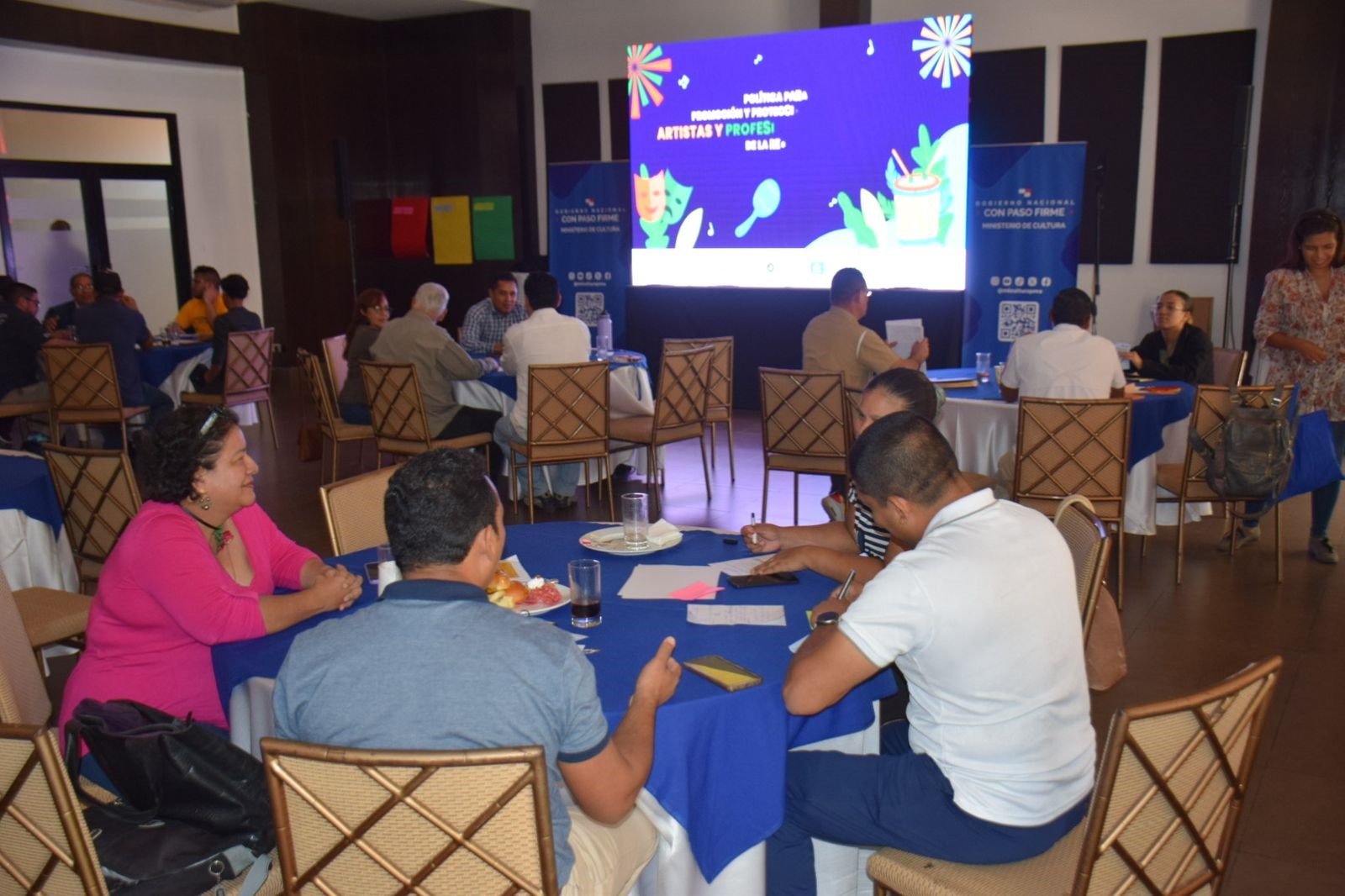
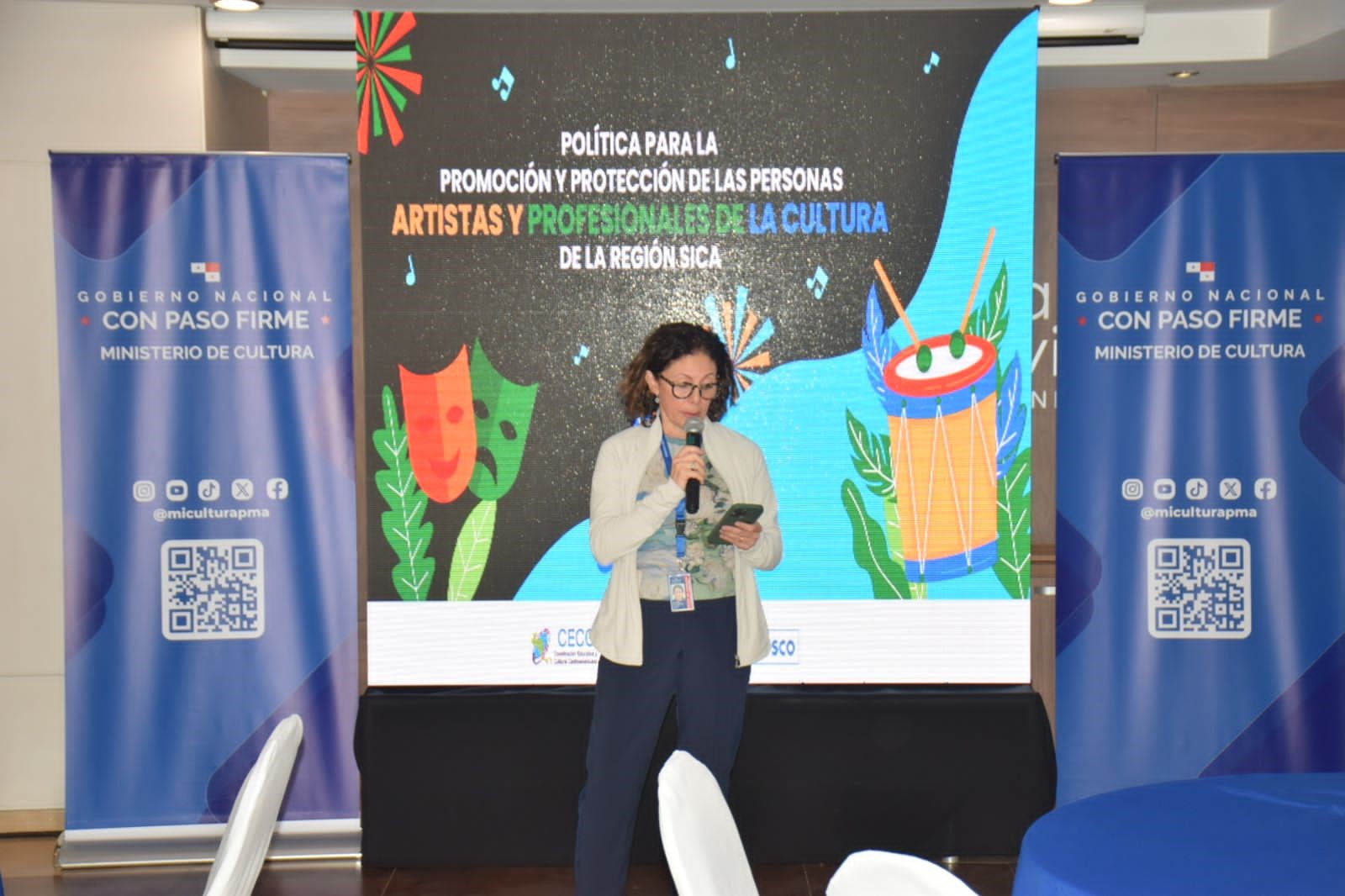
Panama undertook to conduct the necessary processes for information at the national level for the design of the Regional Policy for the Promotion and Protection of Artists and Professionals of Culture SICA, a process currently at its final stage, where it will soon be launched at the level of Central America.
Public Policy CECC-SICA
Through the Advisory Council of Ministers, the countries of Honduras, Guatemala, El Salvador, Nicaragua, Dominican Republic, Belize, Costa Rica and Panama have committed themselves to conduct public consultation for collection of data and information for Design of the Regional Policy for the Promotion and Protection of Religious and Professional Persons SICA.
A first workshop was held to prepare for public consultations with the participation of two representatives by countries from the Ministries of Culture of the 8 Central American countries in June 2024.
We have been following up with the National Consultation in five provinces of the country:
- Province of Chiriquí
- Province of Veraguas
- Province of Herrera
- Province of Coclé
- Province of Panama
INDIVIDUAL RESULTS FROM THE NATIONAL CONSULTATION PROCESS
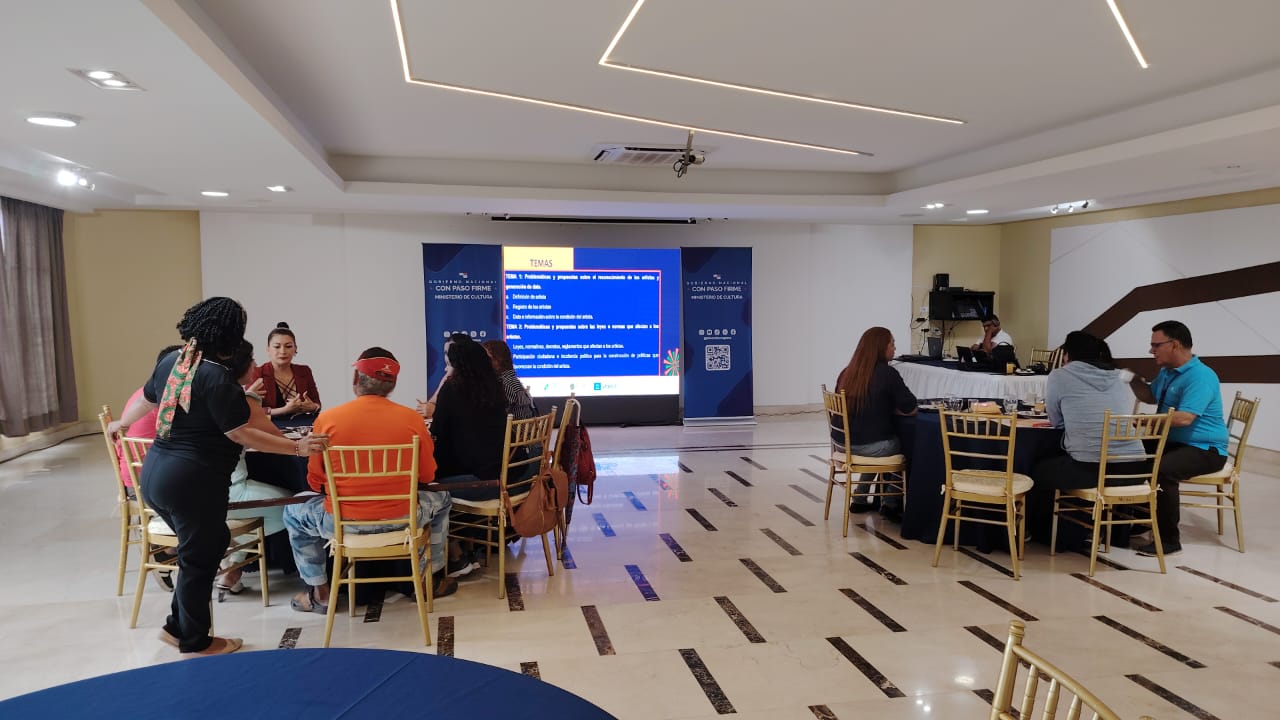
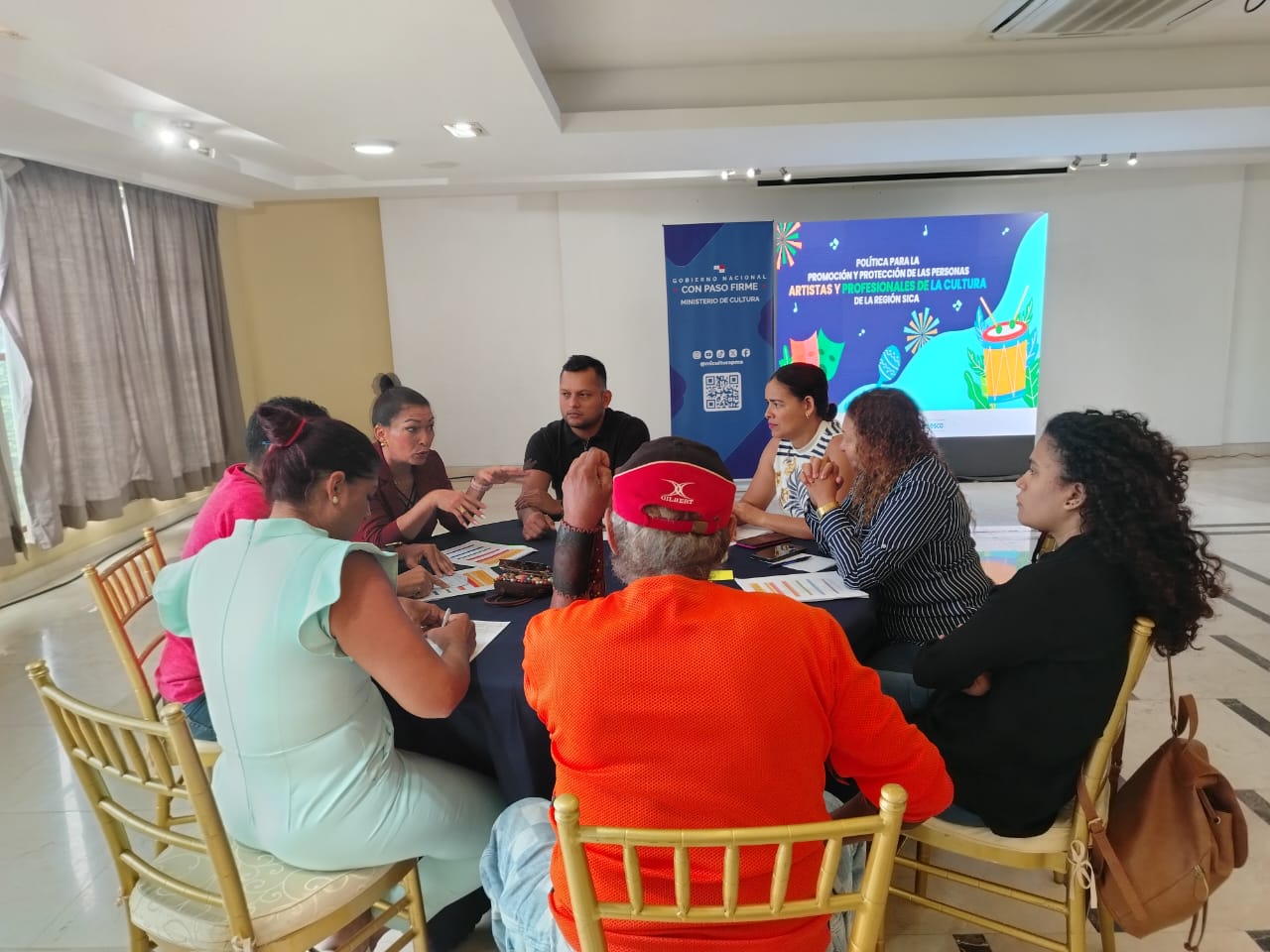
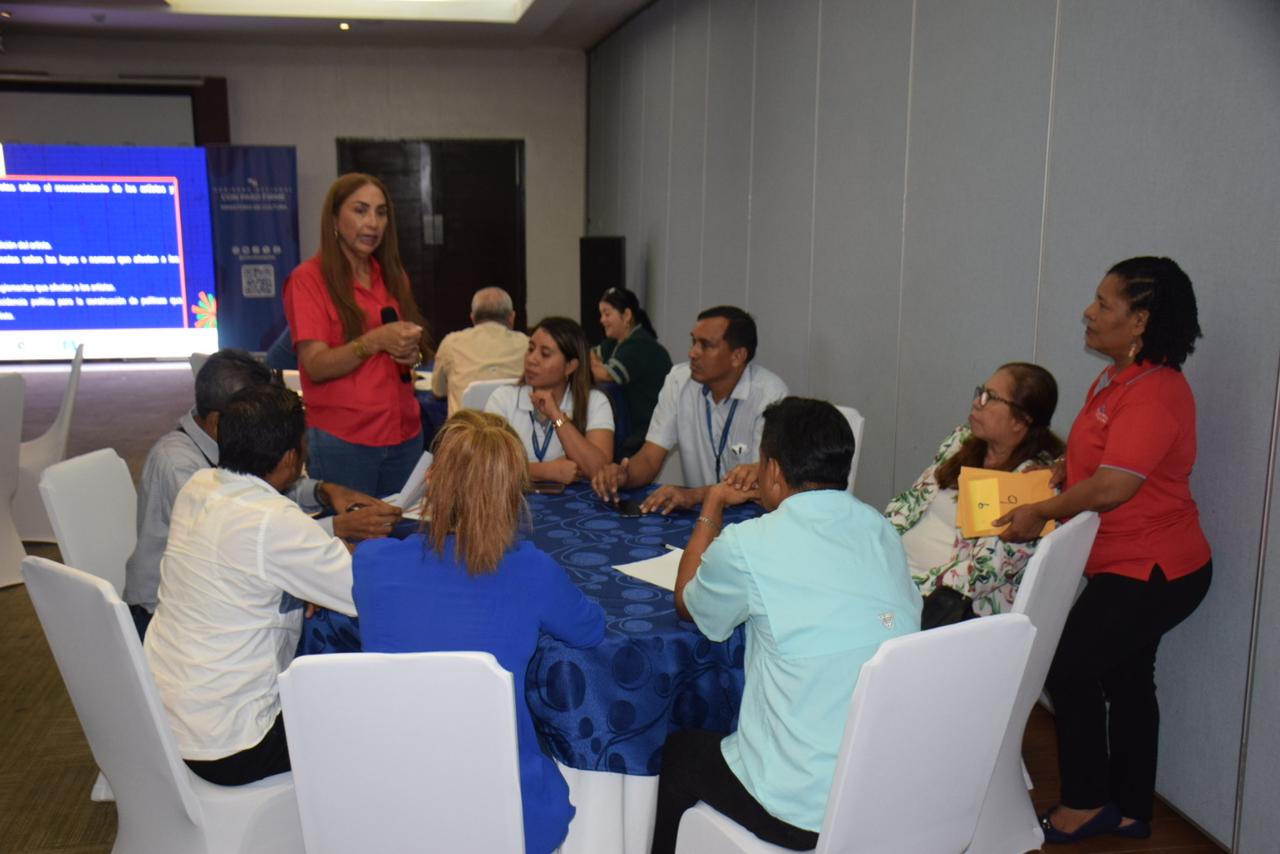
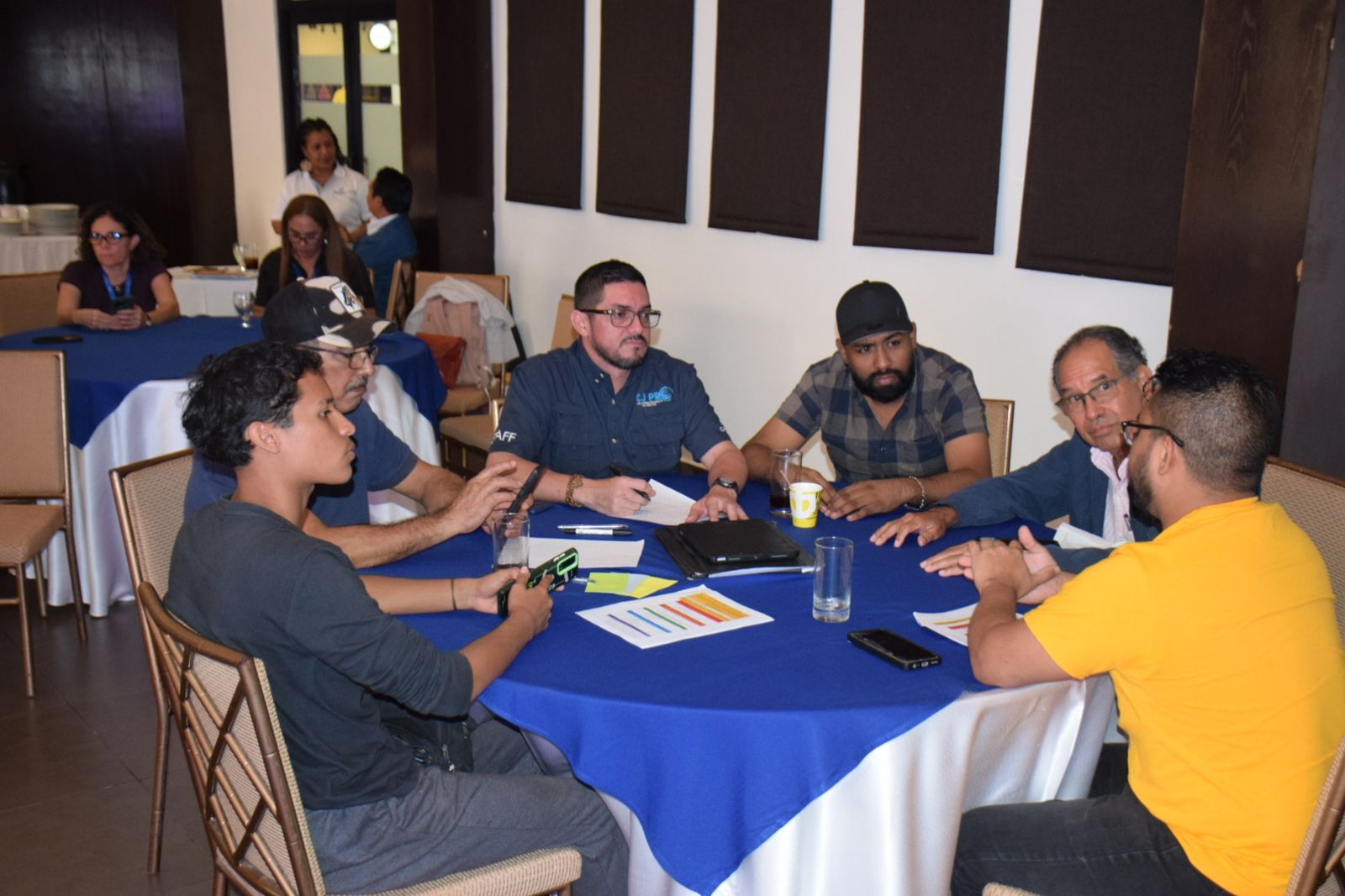
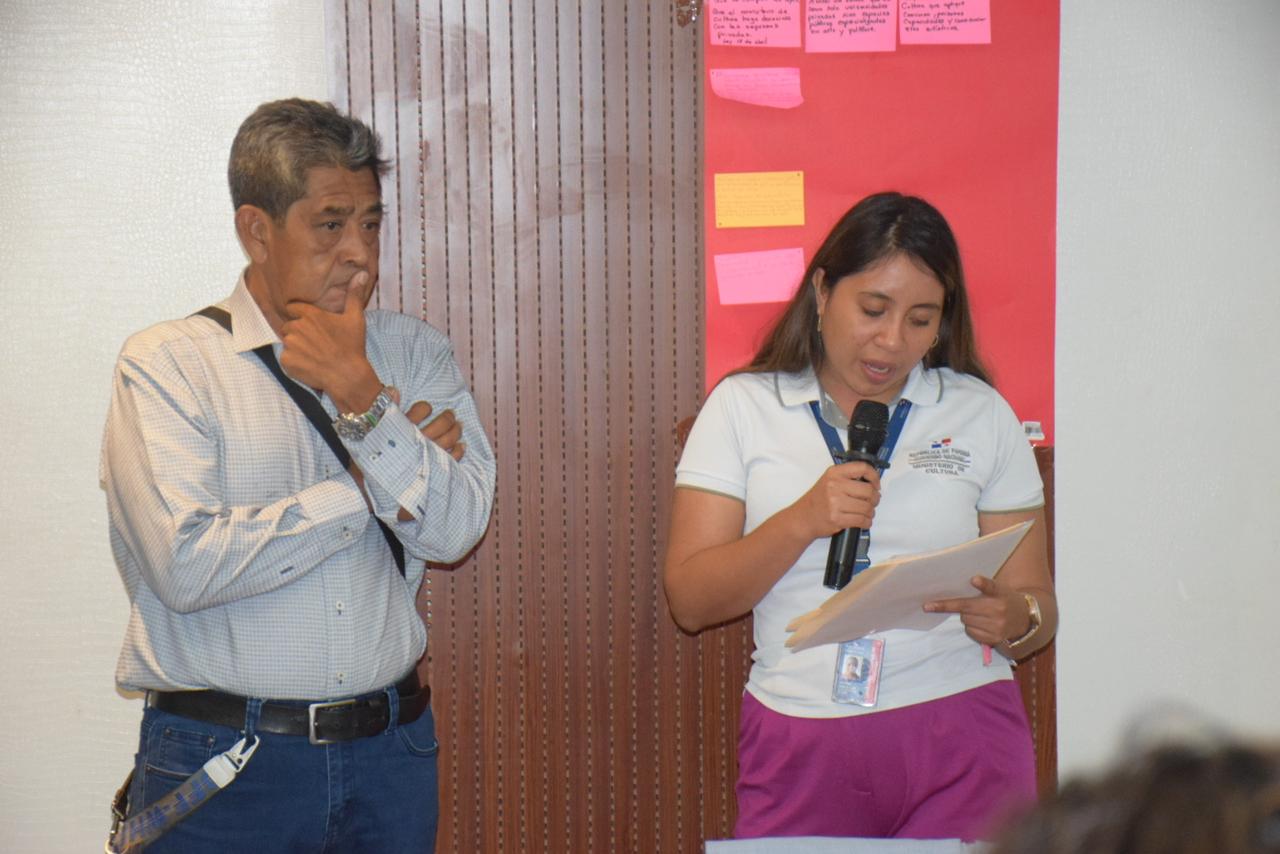
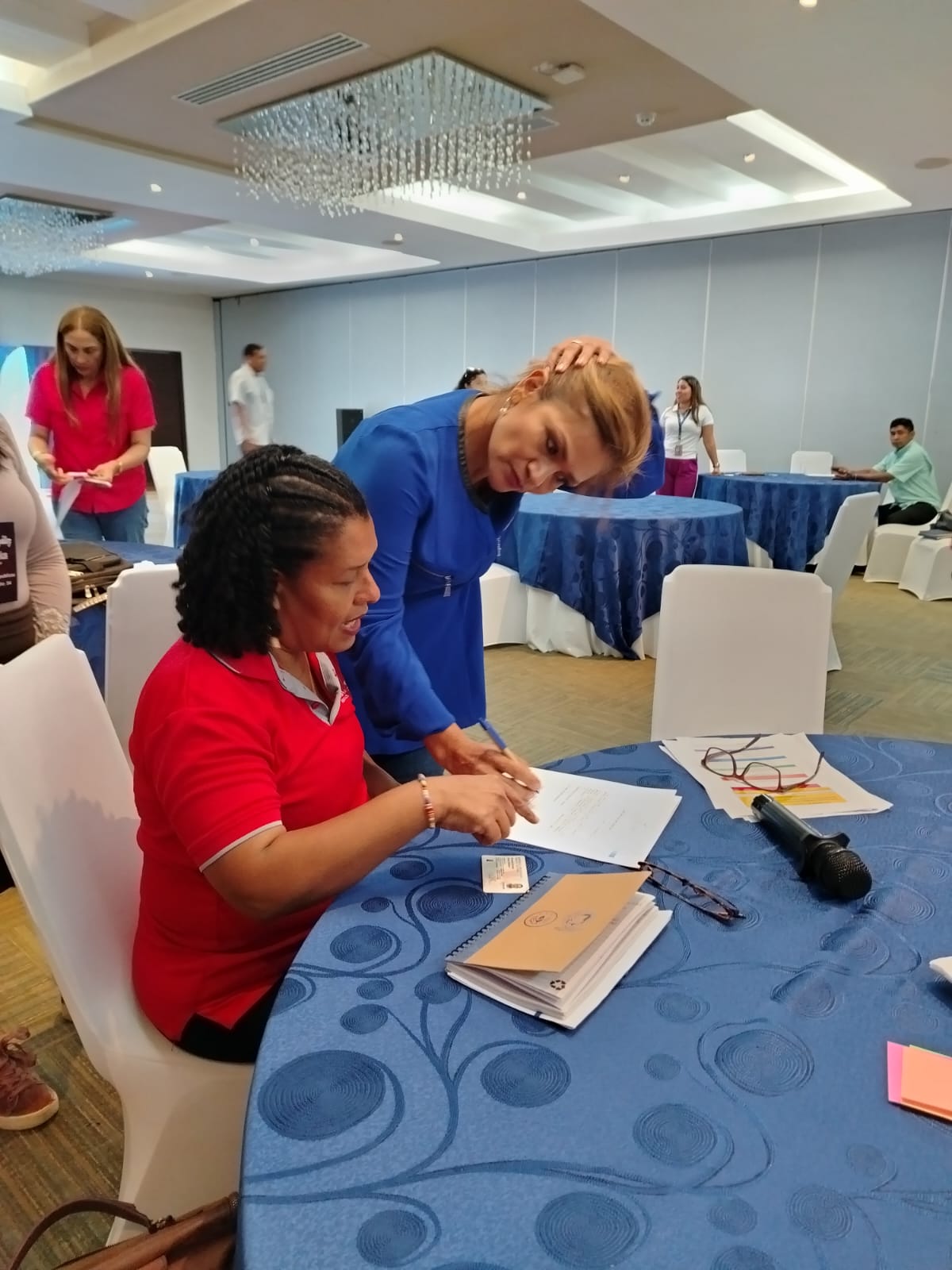
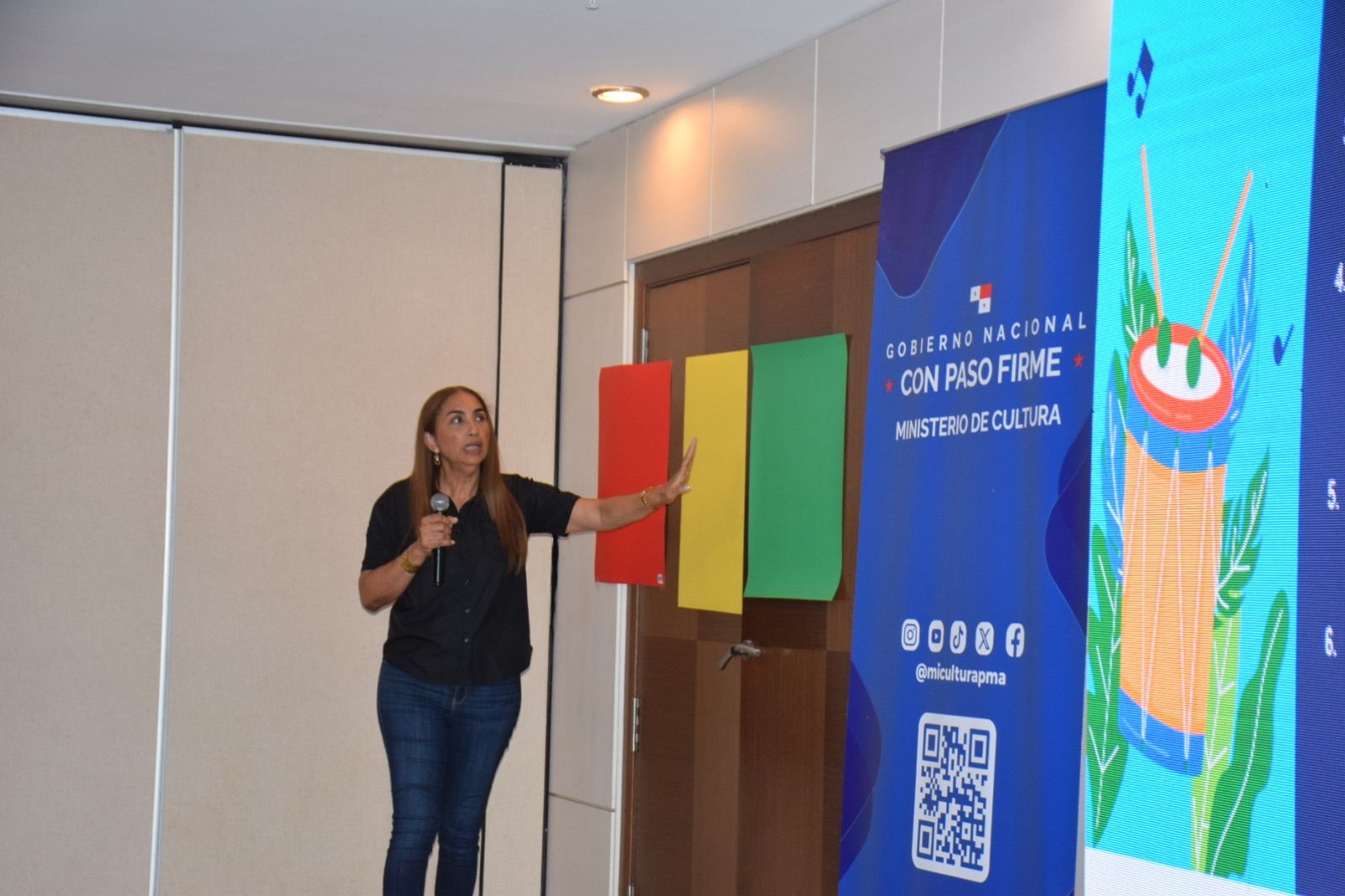
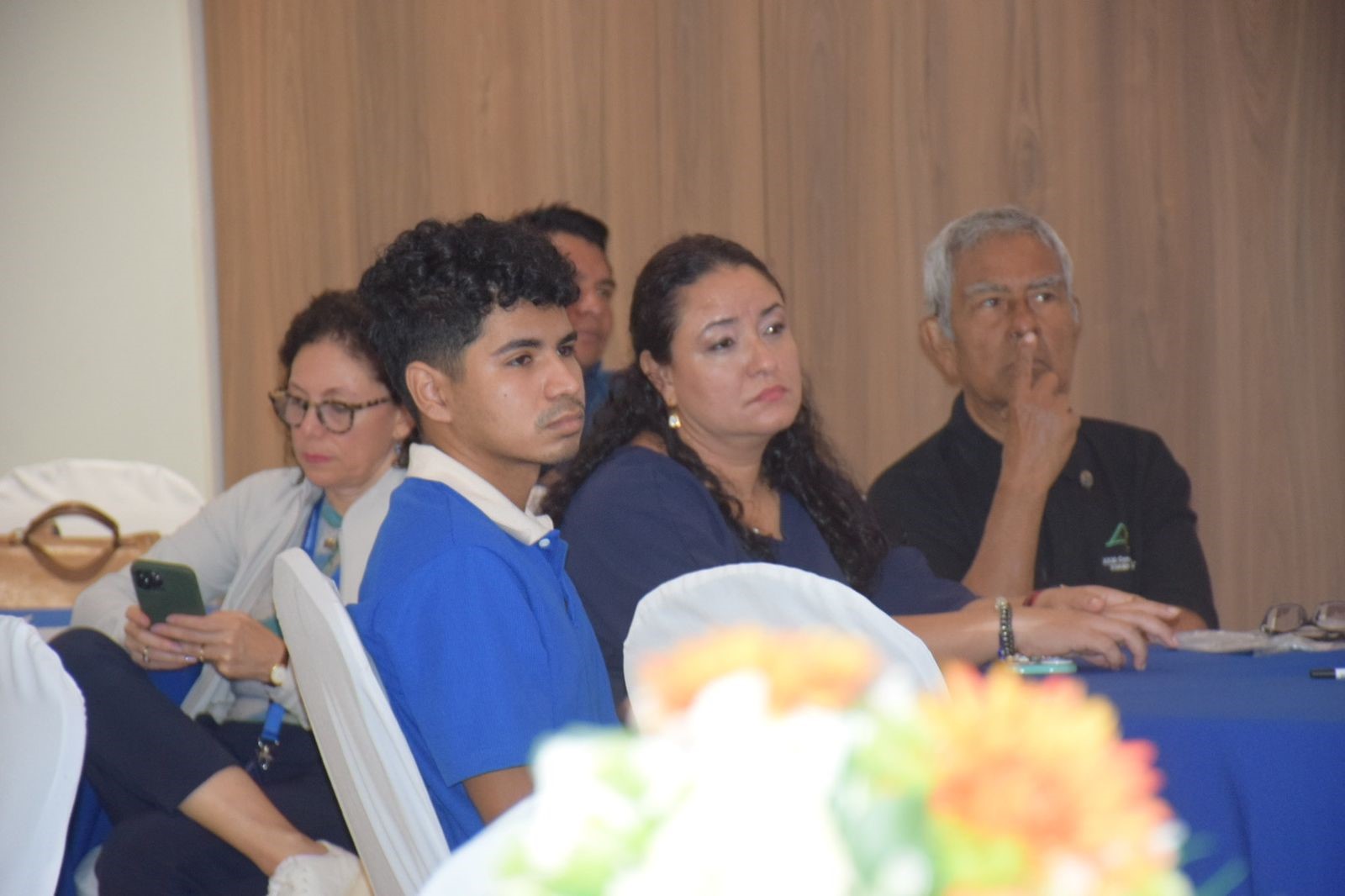
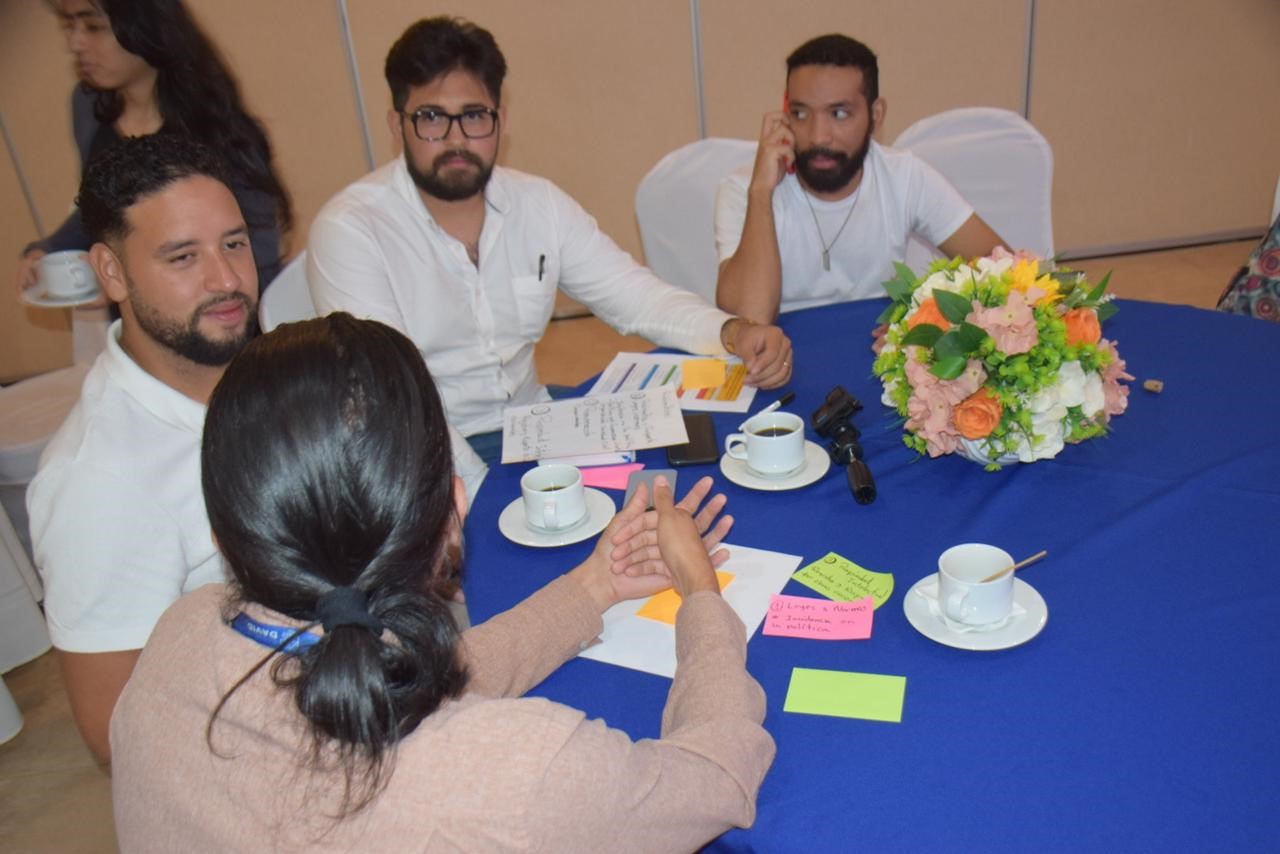
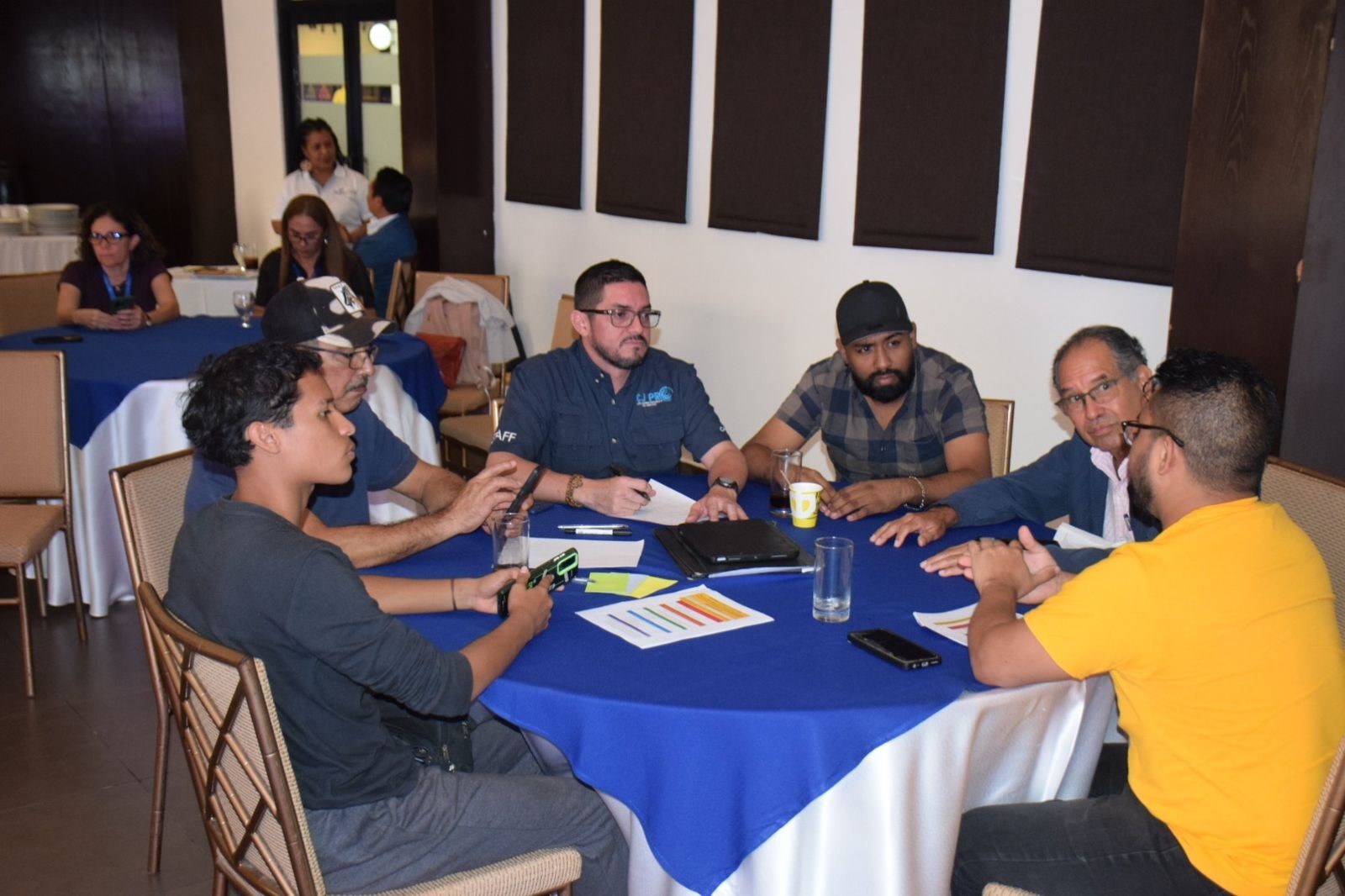
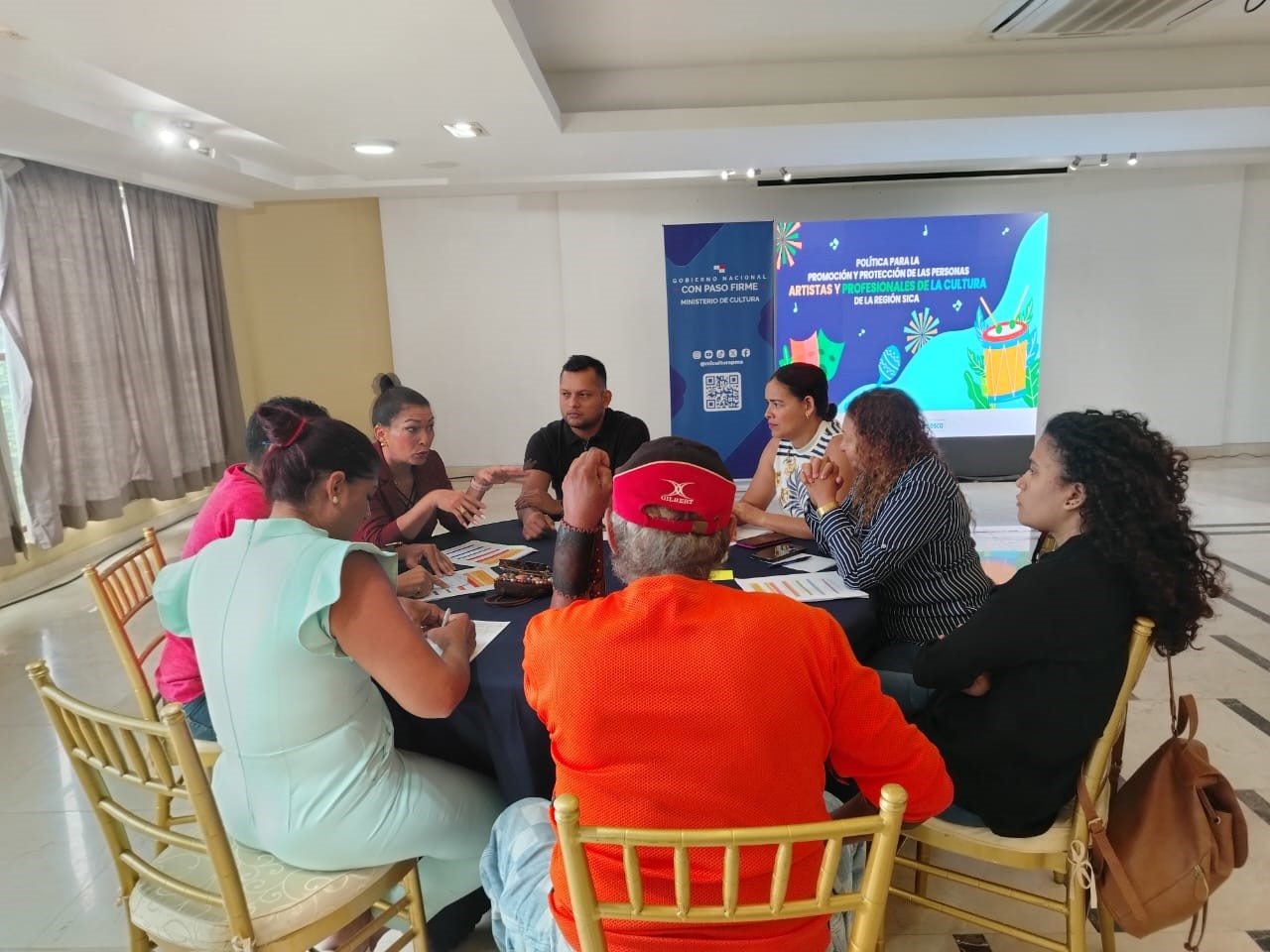
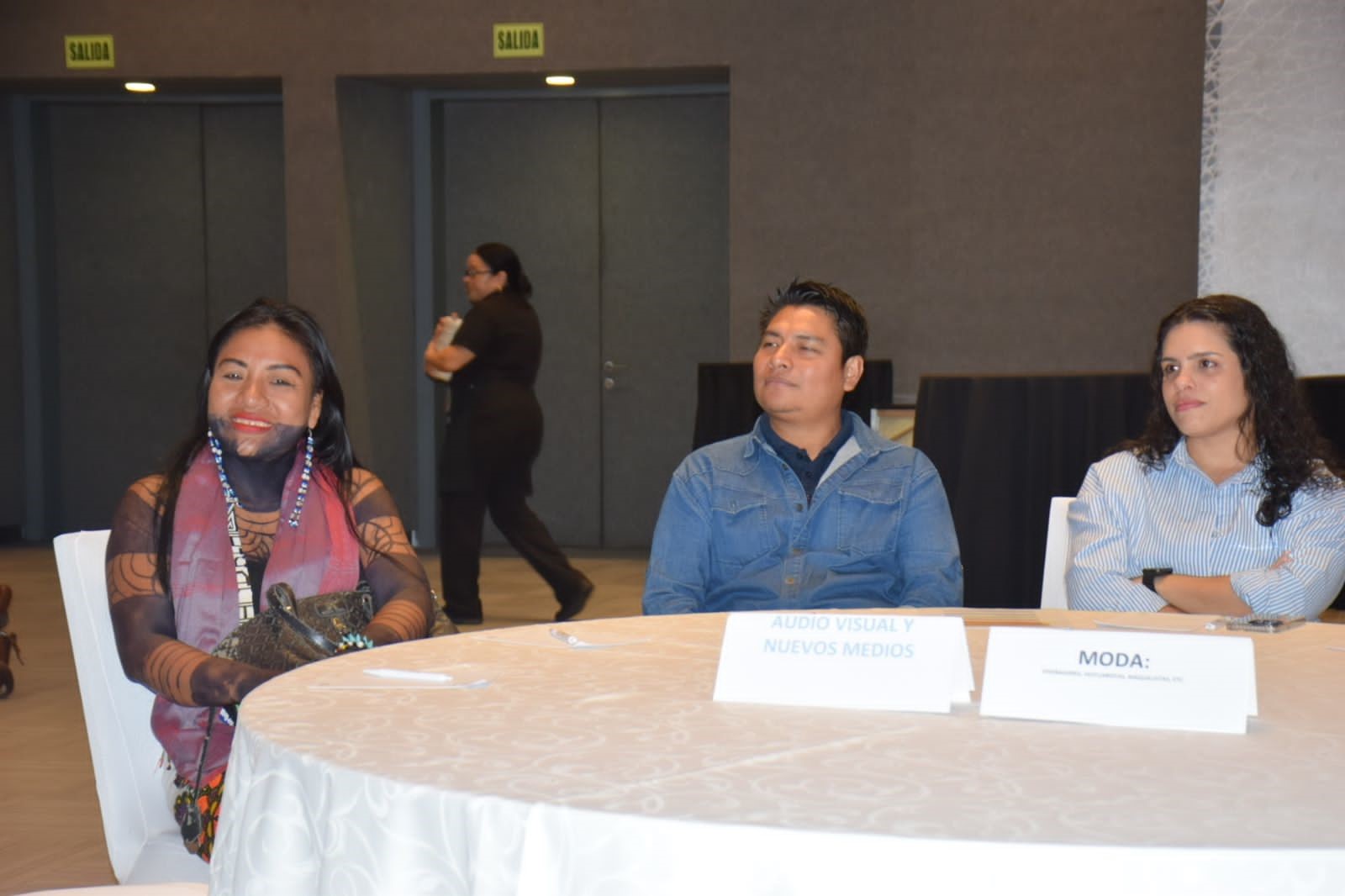
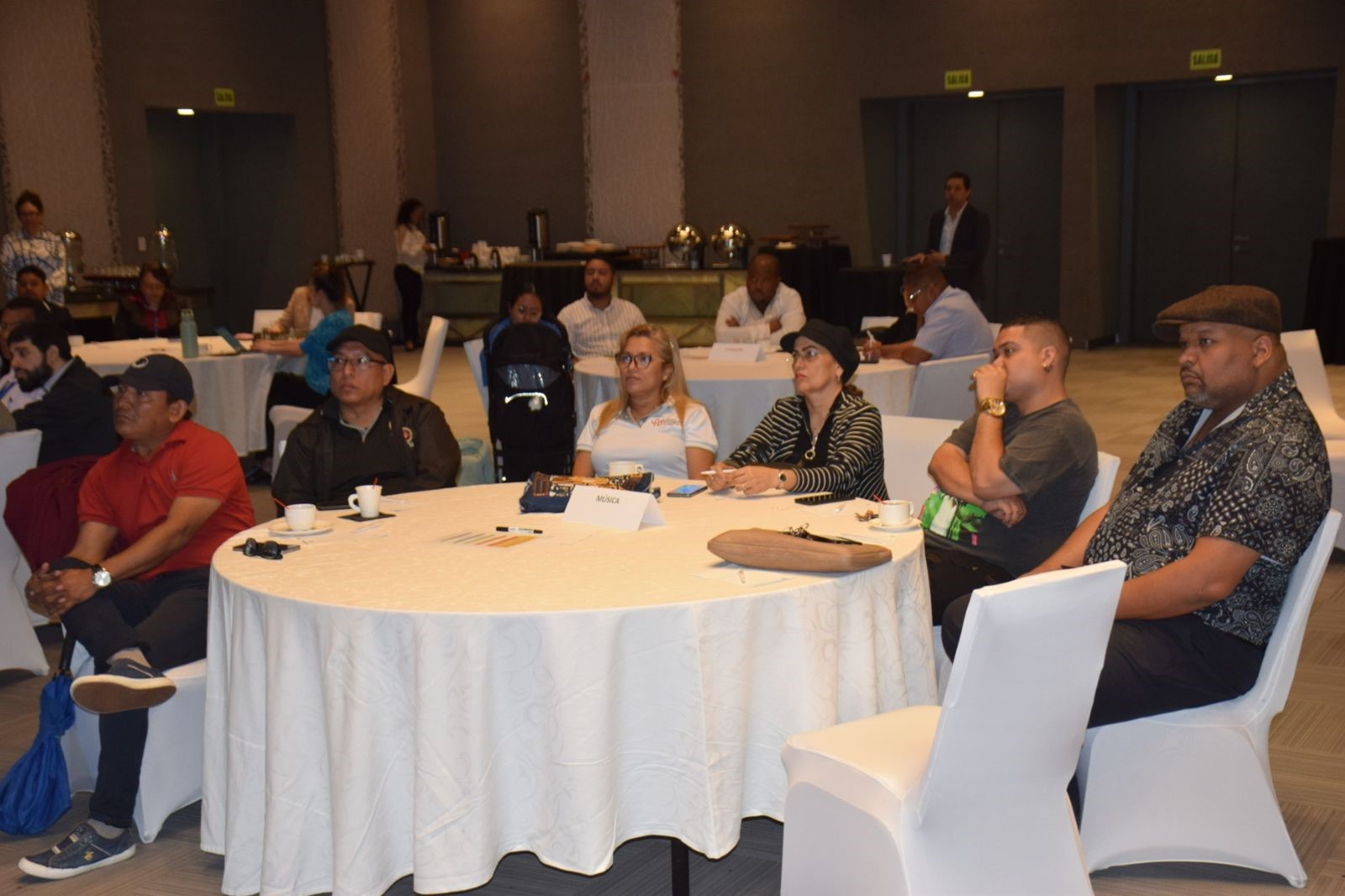
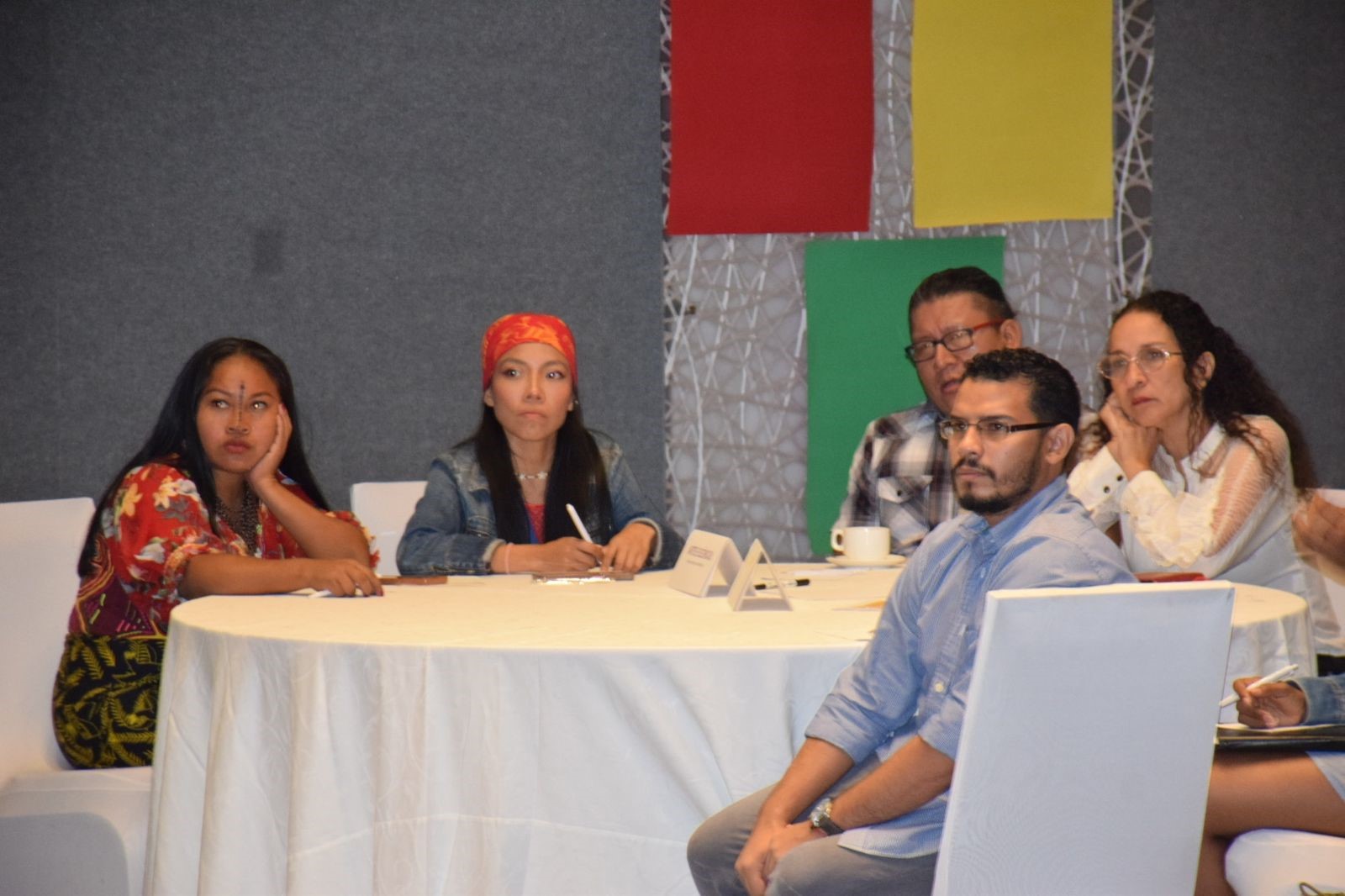
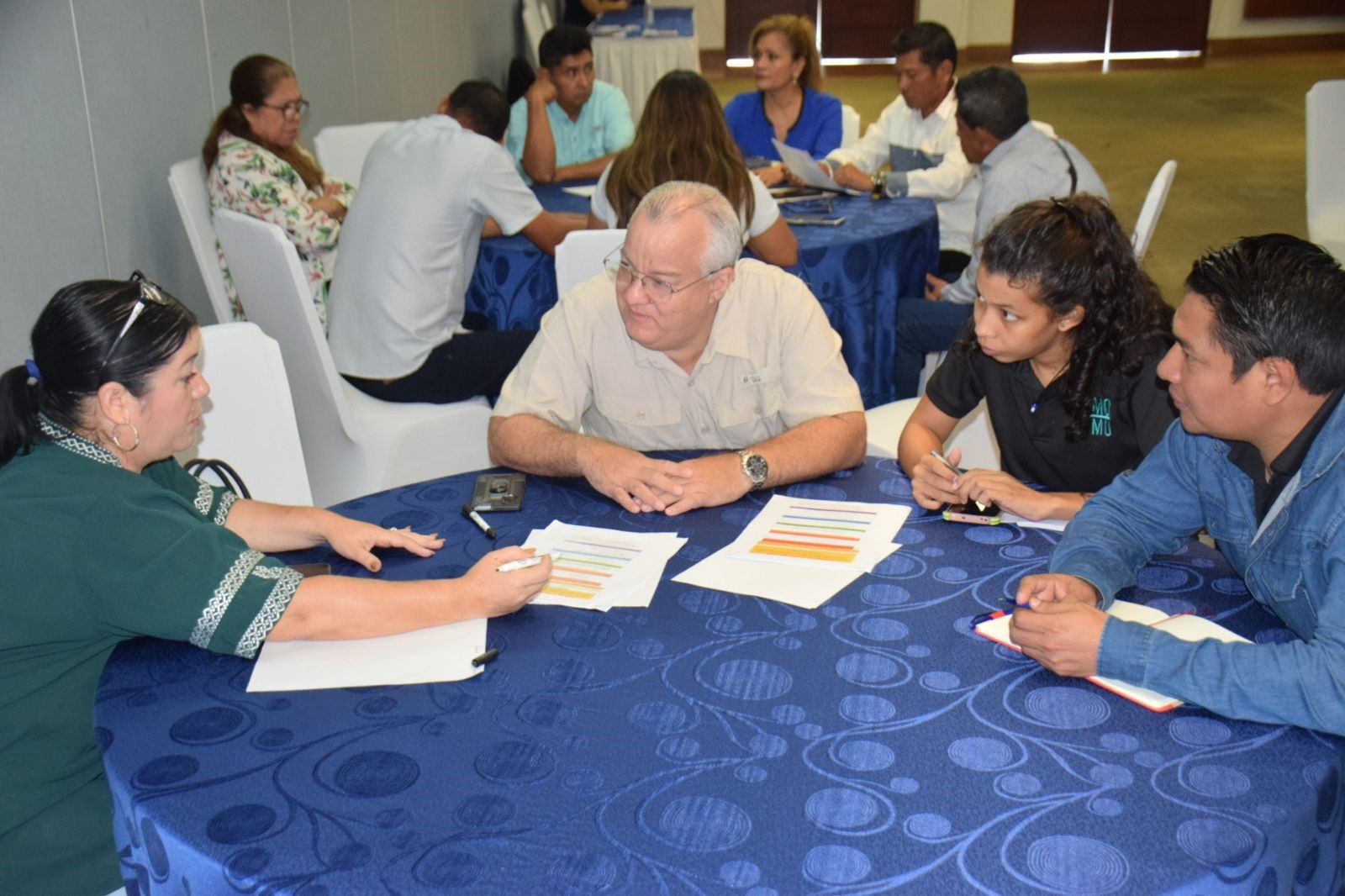
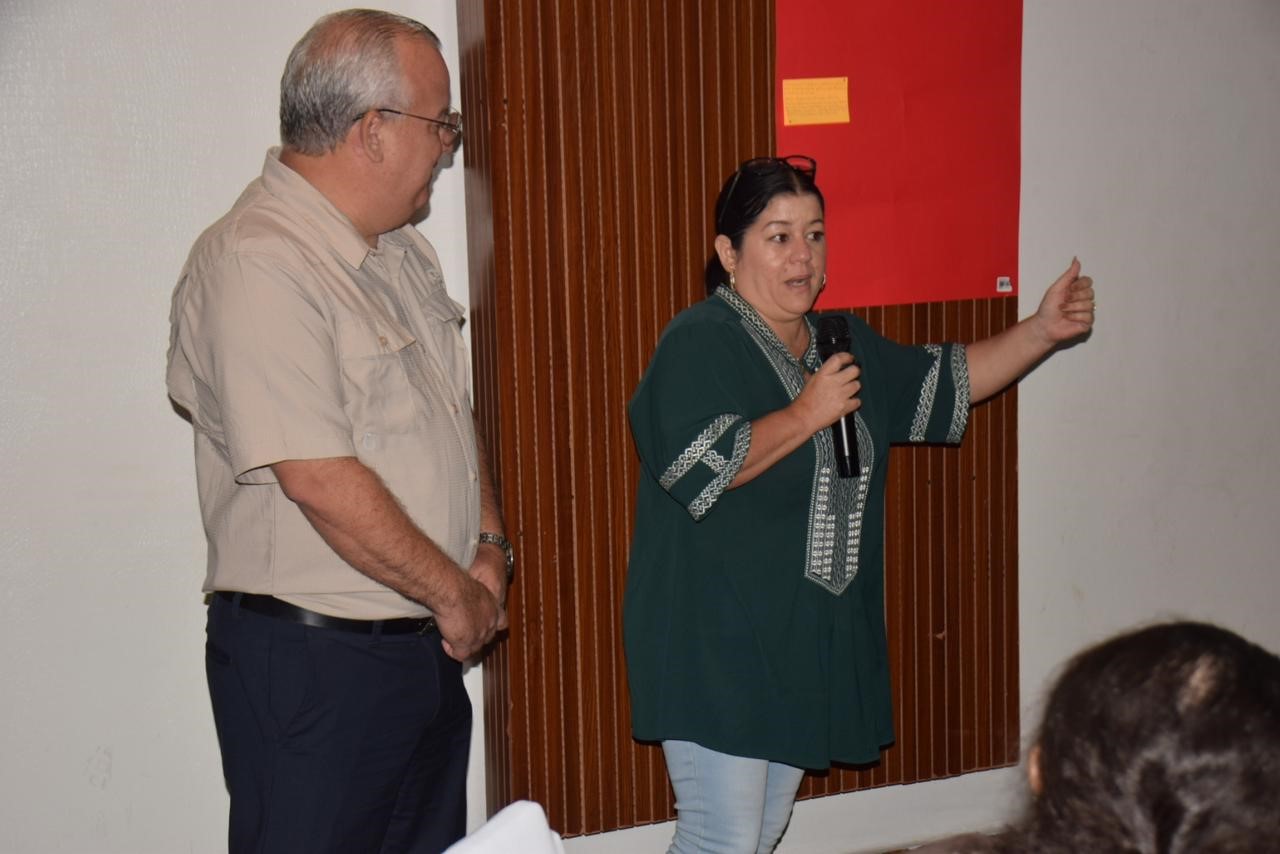
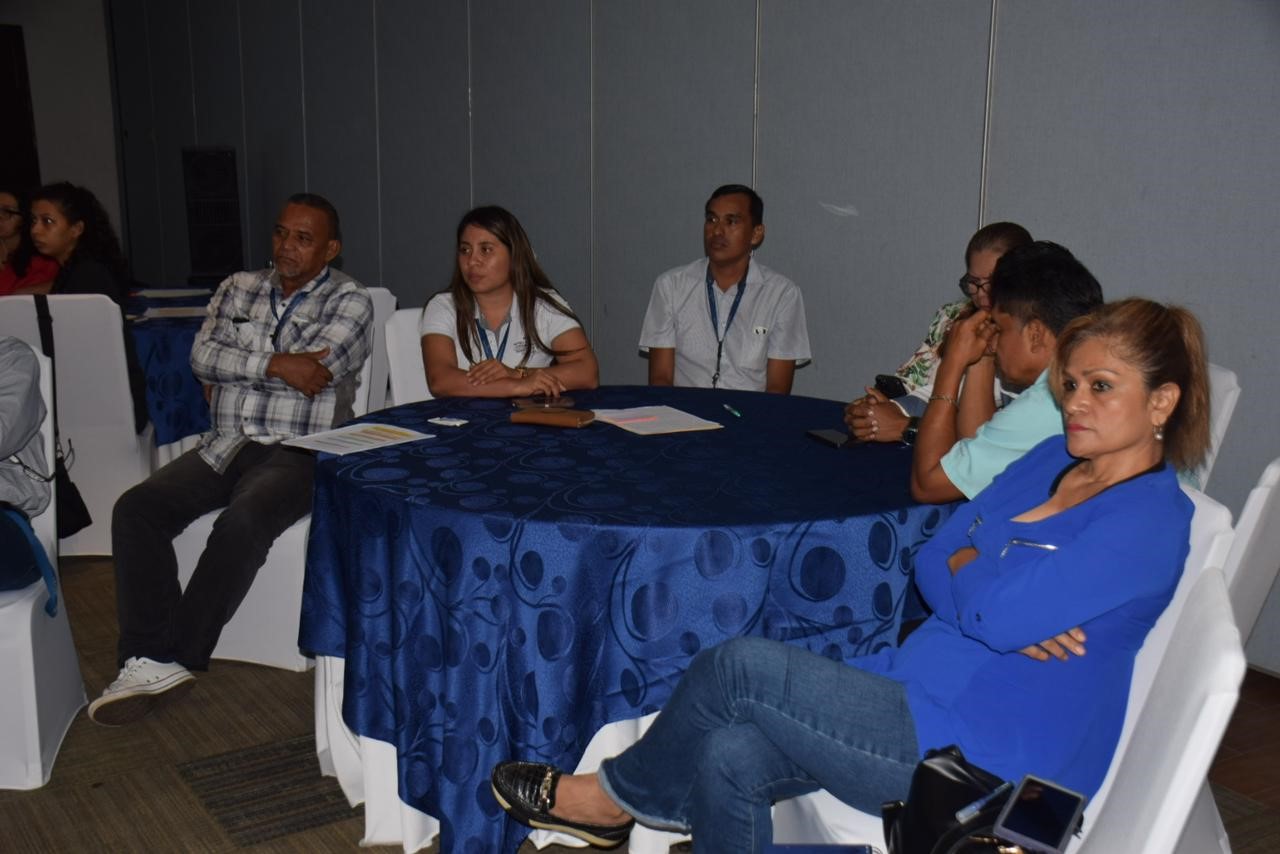
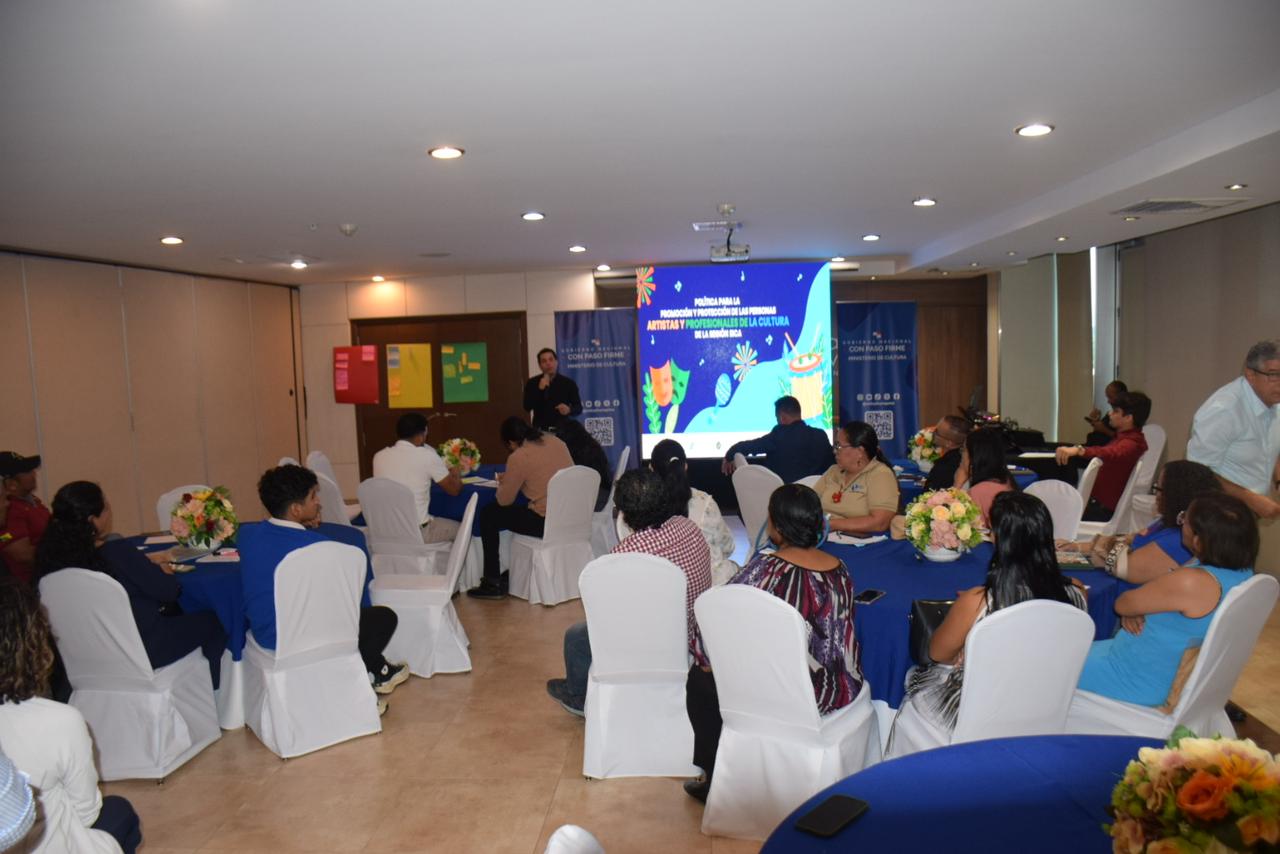
A public consultation was held in Panama in 5 provinces: Chiriquí, Veraguas, Herrera, Coclé and Panama, from 9 to 16 September 2024, with a team of 7 professionals, 6 from the Ministry of Culture and 1 from MITREL.
Of the participants, 54.39 and 45.61 per cent are male and 5.2 per cent are indigenous and 7.02 per cent are Afro-descendants and 1.75 per cent have disabilities.
Percentage of artistic sectors by participation:
| No. | SECTOR | % PARTICIPATION |
| 1 | Scenic arts | 10.53% |
| 2 | Visual and Plastic arts | 28.95% |
| 3 | Music | 10.53% |
| 4 | Book and Literature | 7.89% |
| 5 | Audiovisual and New Media | 2.63% |
| 6 | Cultural managers | 13.16% |
| 7 | Folklore | 21.93% |
| 8 | Fashion | 0.88% |
| 9 | Crafts | 3.50% |
| TOTAL | 100% |
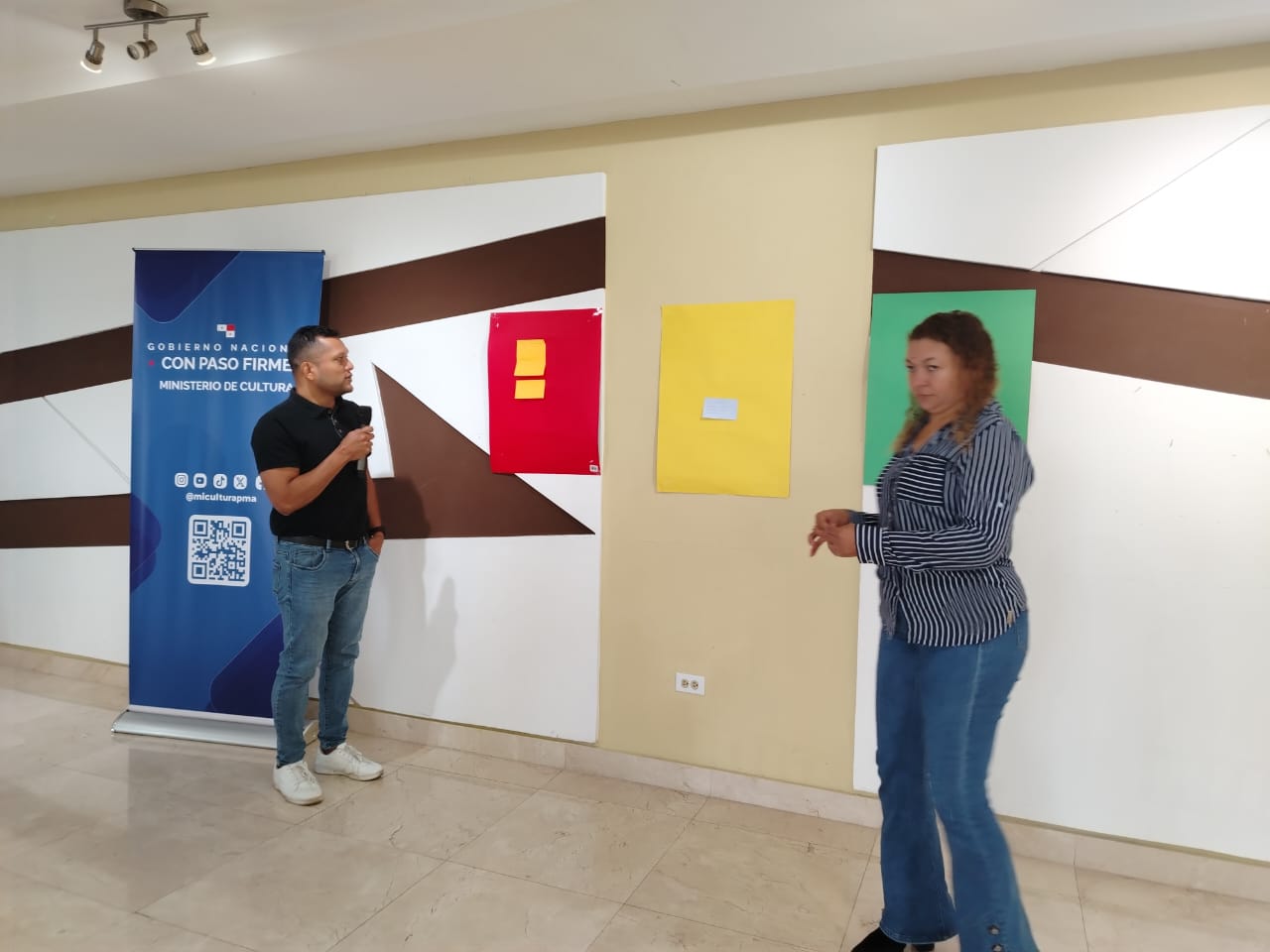
The participants brought about the prioritization of nine (9) themes by work table, of those four themes were best selected.
Priority themes for artists and cultural managers.
Theme 1: Problems and proposals about the recognition of artists and data generation
- There isn't an up-to-date basis for all artists in the country by sector and subsector.
- There's no clear definition that lays down who's an artist and who doesn't realize that some artists are empirical and some are formed.
Item 2: Problems and proposals about laws or norms affecting artists
At this point other issues have been identified as:
- No organization or impact of artists to participate in the development of policies to protect them
- Unfamiliarity with existing laws and standards by artists
- Non-compliance with existing laws
Item 3: Problem and proposals about social protection of artists
- Lack of special insurance for cover by artists and cultural managers with regard to social security
Item 4: challenges and proposal on fair pay and access to financing
The most urgent need was to:
- The need for fair pay commensurate with the academic level of artists
- Support through financing for cultural projects
Achievements
- To conduct consultations amidst a change of government
- Consultation in different parts of the country (5 provinces).
- To strengthen the links of the Ministry of Culture with civil society.
- Prioritizing challenges by cultural professionals
- To listen to the situations and vicissitudes that artists and cultural managers have
- We gain confidence in the art sector
- We have two sign-tongue interpreters for person with hearing impairment
- At the last consultation we achieved indigenous participation
Difficulties
- Adoption of the budget
- The timeliness of consultation
- The call for population groups was very low
- The Assistance Confirmation Mechanism was late
- Call low at some locations
Learning and recommendations for improvement
- We have to use all available means to secure call (radio, mayors, regional, etc.)
- Important to emphasize about punctuality
- Designate a neutral moderator that manages the catarsis and control exposure time
- To join the regional level to achieve more assistance and give them relevance within the area
Herrera
Herrera
Herrera
Retirement
Retirement
Retirement
Retirement
Chiriquin
Chiriquin
Chiriquin
Coclé
Coclé
Herrera
Herrera
Panama
Panama
Panama
Retirement
Retirement
Retirement

The National Cultures Plan is established by Act No. 175 General on Culture of 3 November 2020, and especially Section IV Public Cultural Policy, Section 47, "The National Cultures Plan is the conceptual and operational document that will contain and propose the Public Cultural Policy of the Republic of PanamaThat decision shall be adopted by a decision of the Ministry of Culture and shall be valid for a period of 7 years.
The National Plan for Cultures will be referred to in the production, design and implementation of Public Cultural Policies at the local level
The design process of National Cultures Plan began in February 2024 with the call to select the main and alternates representatives by sectors and subsectors, as well as the appointments of public servants by ministry, to form the National Cultures Meeting.
That body will be a coordinating body and will have a participatory character and will promote co-responsibility of its members in the design, implementation, implementation and evaluation of cultural policies, plans, strategies and programs.
The National meeting of cultures It includes representatives of some public institutions, different artistic sectors, trade unions of artists, representatives of women, youth and older persons, indigenous and Afro-descendant peoples.
Training was conducted in January 2025 at Cultural Rights for members of the National meeting of cultures to create and strengthen the skills of people as part of the First National Cultures PlanI give this training to Dr. Enrique López Hurtado from UNESCO those who are supporting us with this important initiative for the country.
Contact Us
Odelys Retibezo - secretaria - phone 501-4010, mail odadriguez @ MiCultura.gob.pa phone number 507-4010
Shasbir Duque - Administrator - phone 501- 4956, mail sduque @ MiCultura.gob.pa phone number 507-4956
Directory
Katherine Bucktrona - National Director of Cultural Rights and Citizenship
Guillermo Artiles- Cultural Rights Advisor, Mailor gartiles @ MiCultura.gob.pa
Carmen contrer- National Department of Community Culture - mail ccontreras @ MiCultura.gob.pa phone number 524-1441
Priscilla Delgado - National Department of Publications - mail pdelta @ micultutura.gob.pa phone number 502-4995
Gabriel Estrad- Impresa La Namenona - mail gestrada @ micultuta.gob.pa phone number 524-3069
Olga Cuev- National Department of Mail Libraries ocuevas@binal.ac.pa
José Cruzo - commercialization "The House of the Writer" - mail jcruzo @ MiCultura.gob.pa phone number 524-2167
Electra Castill- Director of the Network of Orquestas and Coras infantile and Juveniles, mail electrac @ MiCultura.gob.pa 502-4836