Machine translation. This content was automatically translated from Spanish. The Spanish version is the only official one: for all legal purposes, and in the event of any discrepancy, the original Spanish text prevails. View the official Spanish version

PANAMA FORTALLECTS THE SALVAGUARDY FROM THE KINCHA HOUSE and THE BOARD OF EMBARRE WITH A NATIONAL PROTECTION AGENDA
Back to blog

PANAMA FORTALLECTS THE SALVAGUARDY FROM THE KINCHA HOUSE and THE BOARD OF EMBARRE WITH A NATIONAL PROTECTION AGENDA

PANAMA FORTALLECTS THE SALVAGUARDY FROM THE KINCHA HOUSE and THE BOARD OF EMBARRE WITH A NATIONAL PROTECTION AGENDA

Content of the News
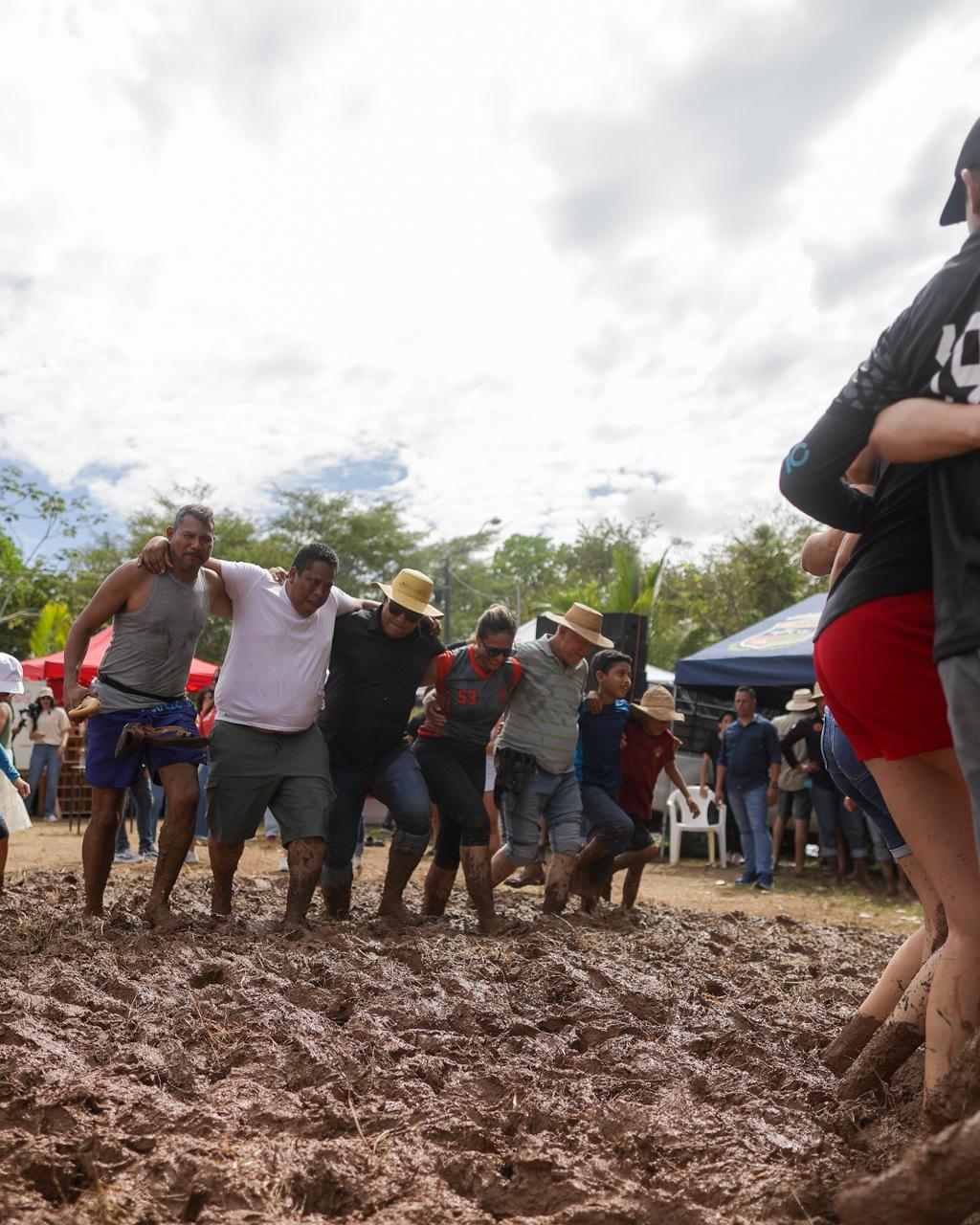
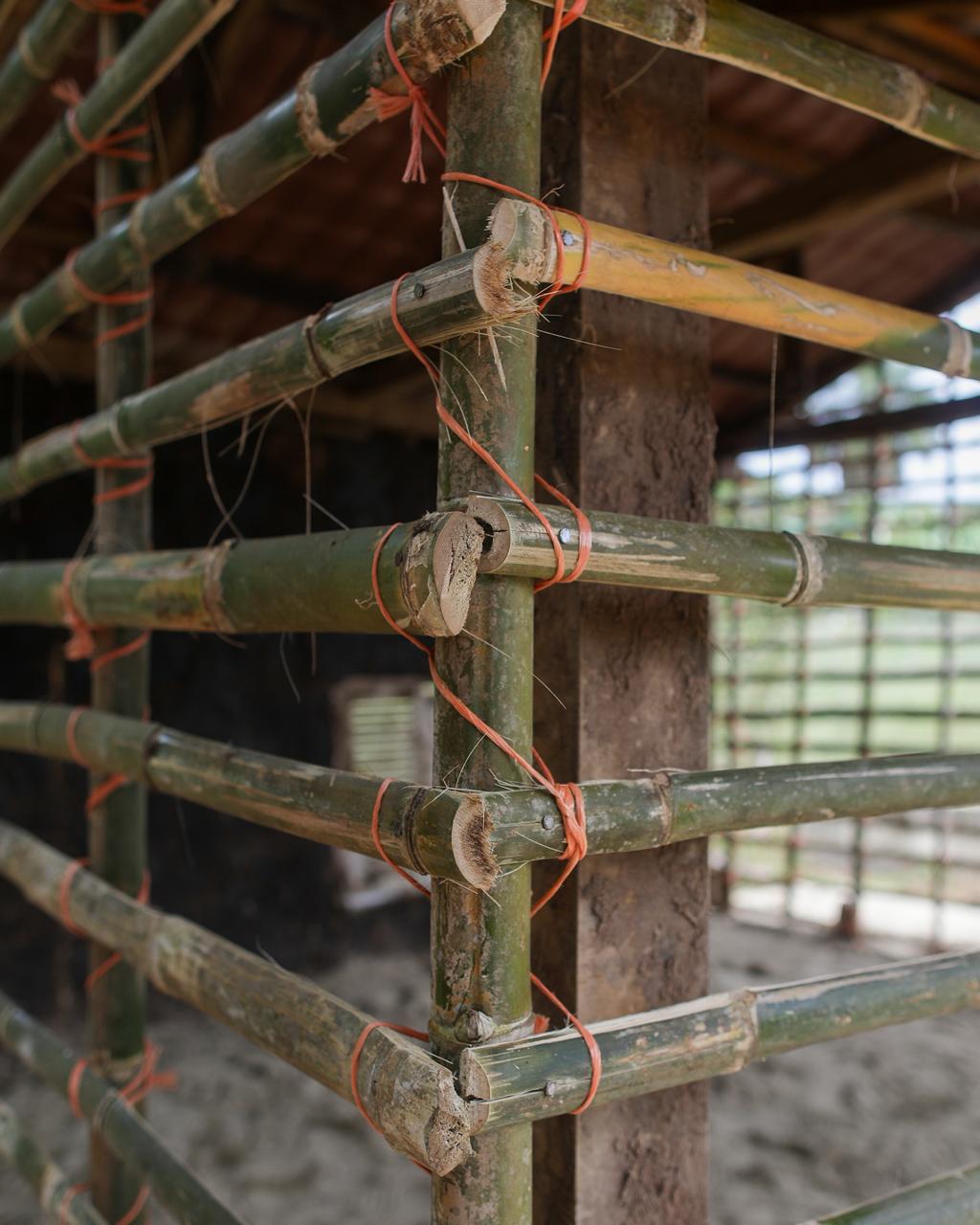
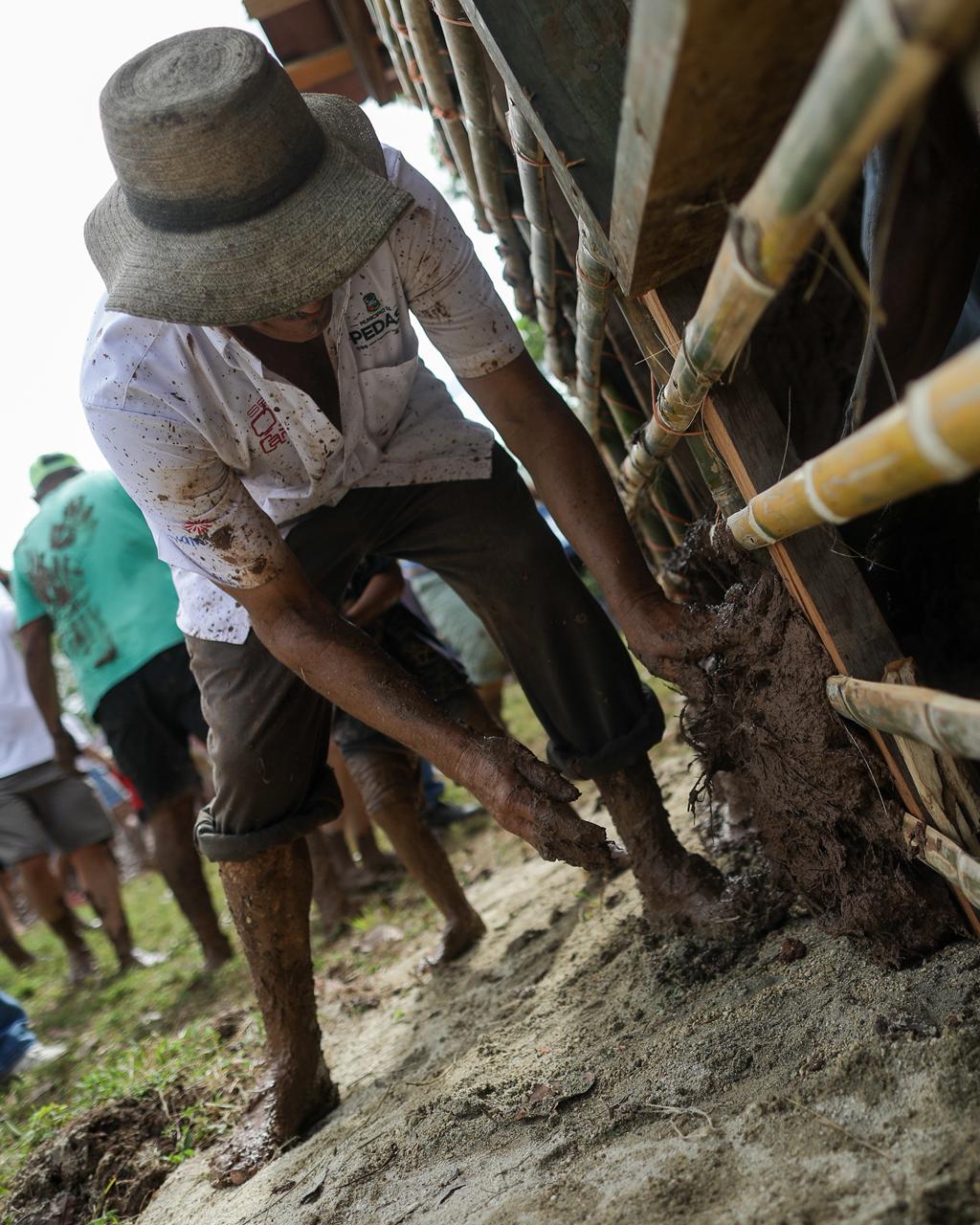
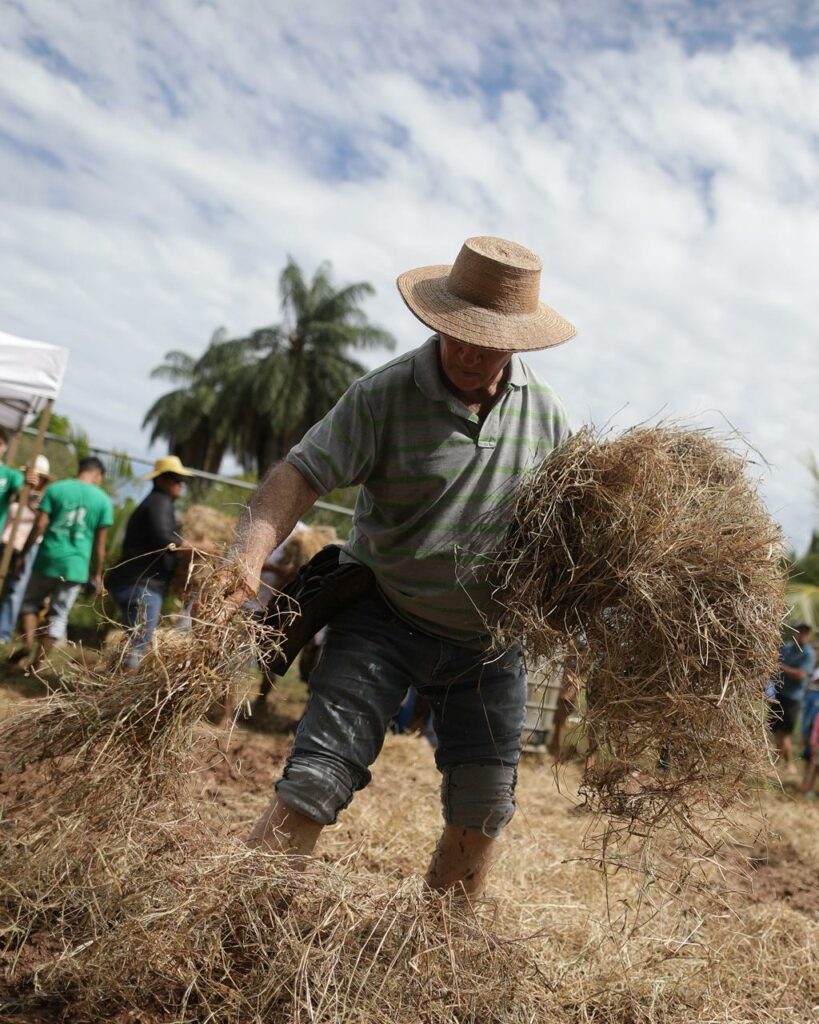
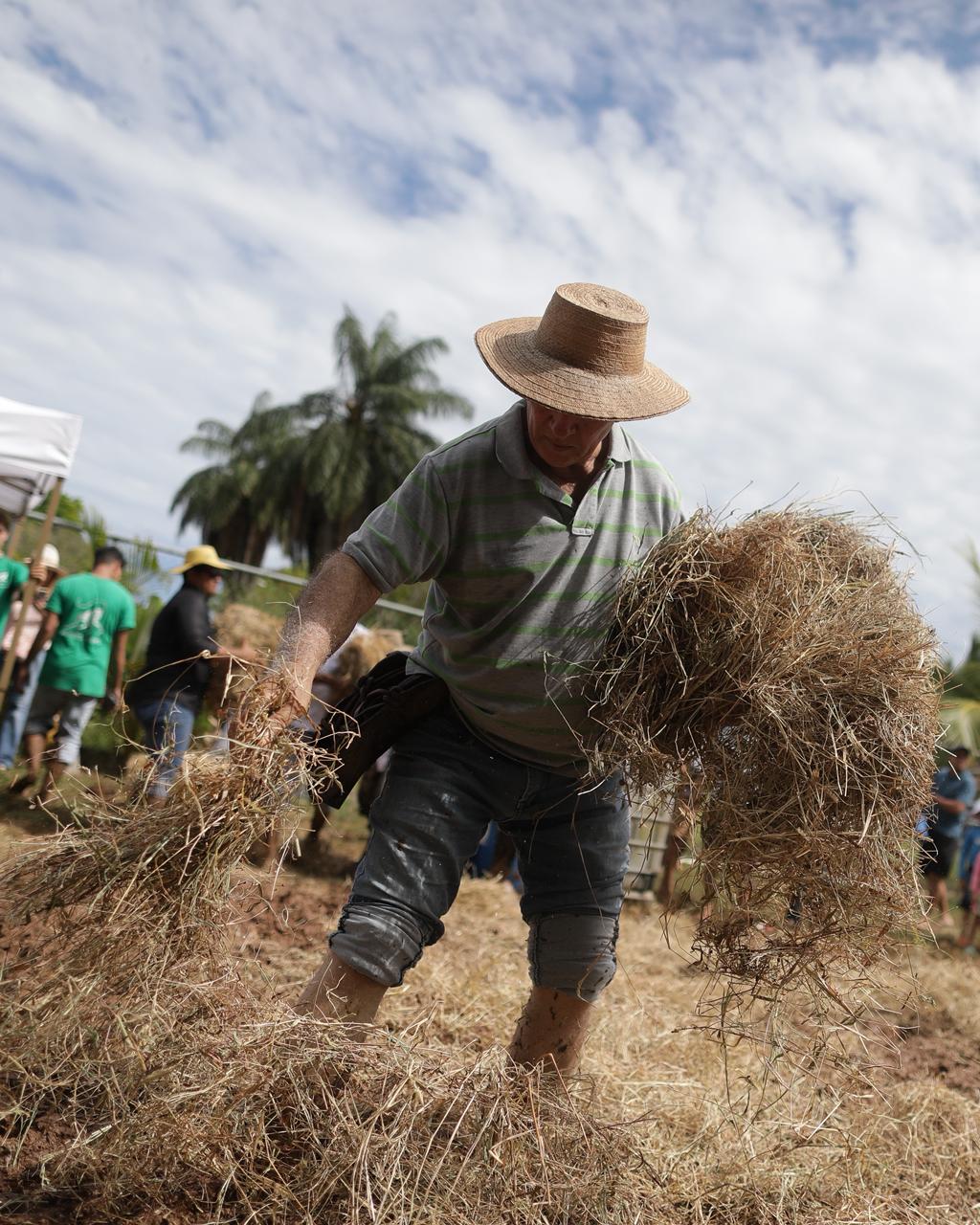
Panama, February 10, 2026 - The traditional construction processes ofquincha house and billing boardpropose by Panama have been registered withList of Intangible Cultural Heritage of Humanity in the Necessity Category of Urgente Safeguardsfrom UNESCO, as adopted by the Intergovernmental Committee of the Convention for the Safeguarding of the Intangible Cultural Heritage at its twentieth meeting held in New Delhi, India, in December 2025.

The official notification was referred to the Panamanian State on 28 January 2026 by the Convention Secretariat and with its registration certificate, which was also delivered physically at the Convention's meeting.

That registration entails concrete commitments for the Panamanian State. The Ministry of Culture promotes the protection of this intangible heritage through the National Programme for the Protection of Building Techniques of the House of Quincha and the Board of Embarre / Embarra, which includes, among its priority actions, the collection of a national inventory of these traditional practices.

The development of this inventory constitutes a vital tool for the identification, documentation and intergenerational transmission of the ancestral knowledge associated with these constructive technologies and responds both to the commitments entered into with registration with the UNESCO and to aresponsibility of the State with the cultural legacy and traditional knowledge of carrier communities.

The second phase of the programme includes the creation of workshops for the transmission of ancestral knowledge with a view to training, training and awareness-raising of new generations in these traditional constructive technologies. The Ministry of Culture also includes a legislative initiative aimed at protecting quincha houses as an expression of cultural heritage with a view to strengthening their safeguard from the national normative framework.

That action has been supported byNational Governmentas part of its commitment to protecting the intangible cultural heritage, strengthening cultural identity and compliance with the 2003 Convention for the Safeguarding of the Intangible Cultural Heritage.