
Women's voices: a legacy in Ibero-America
Content of the News
Panama, October 27, 2025. - "Women: Voices and Legacies in Iberoamerica: A 200-year dialogue with the Anifictionic Congress of Panama" is the theme of this academic and cultural day, organized by the Colombian Embassy in Panama with the support of the Organization of Ibero-American States for Education, Science and Culture (OEI) and the Latin American and Caribbean Parliament (PARLATINO).
The Minister of Culture, María Eugenia Herrera, emphasized that "the strength of our women was born from our history, from the sum of different cultures of our native peoples, from the inheritance of people of African descent and from the legacy of women from other regions and countries of the world that have contributed to shaping the personality and merit of our continent's women."
He added that history isn't preserved by itself, so it requires institutions, critical thought and committed souls. "And women have been there, sustaining the social fabric, defending dignity, promoting the dialogue and cooperation that Bolívar dreamed and inspired for the conduct of the 1826 Anfictionic Congress."
Minister Herrera congratulated the initiative of these spaces of reflection and unity, because an untiring mission to listen to the voices and to recognize those who have been the silent soul of our nations for centuries: the women of the Americas. "Women, often invisibilized by official accounts, have been vital actors in the construction of our republics," emphasized the Minister.
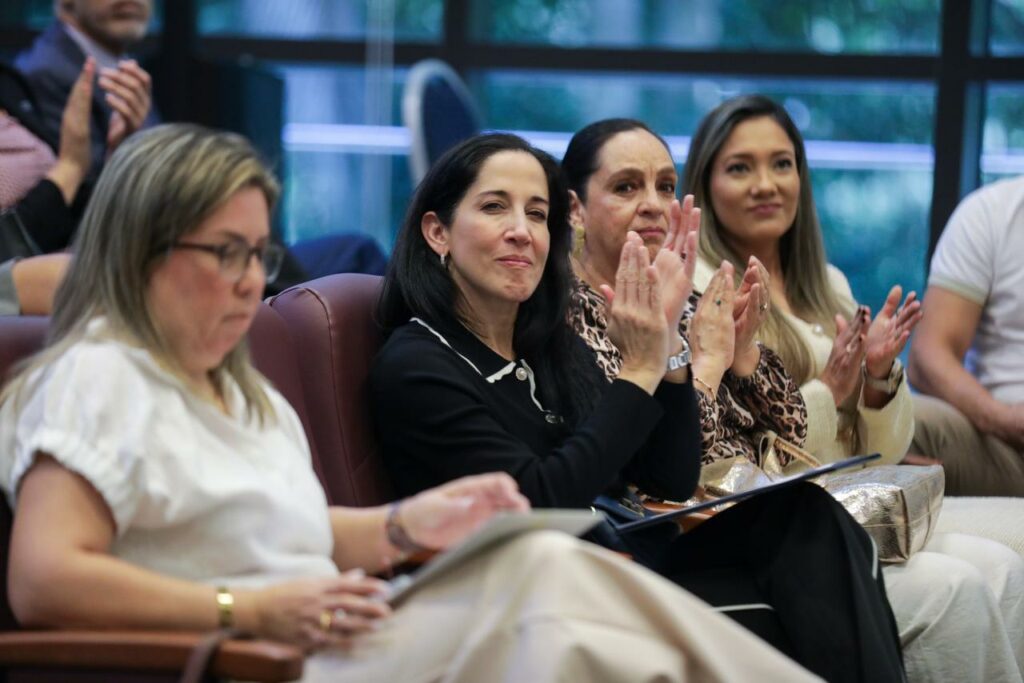
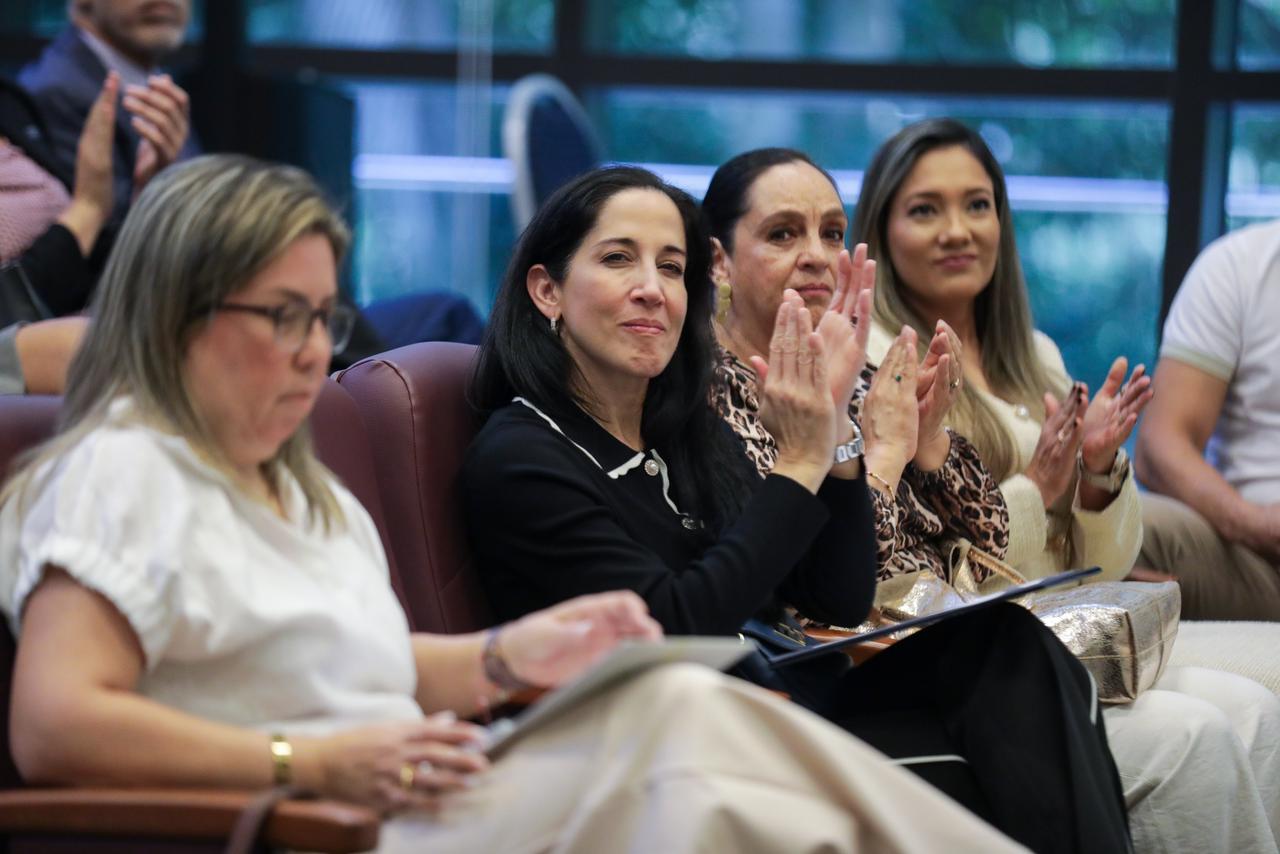
Minister Herrera was an guest of honor and was accompanied by Colombia's Ambassador, Fabio Mariño, and OEI's Director in Panama, Melissa Wong Sagel, and elías Castillo, Executive Secretary of PARLATINO and ambassadors and directors of international agencies and members of the Bolivarian Society of Panama.
The program included a Magistral Conference by María Margarita López, a Colombian historian, who established the conceptual framework of the Bicentennial as an important historic landmark. A panel of experts was also established that addressed the recognition of the feminine legacy from three key pillars: Institutional, Narrative / Civil and Legal / Political. Panelists were María Margarita López, Vladimir Berro-Lemm and Thatiana Pretelt.