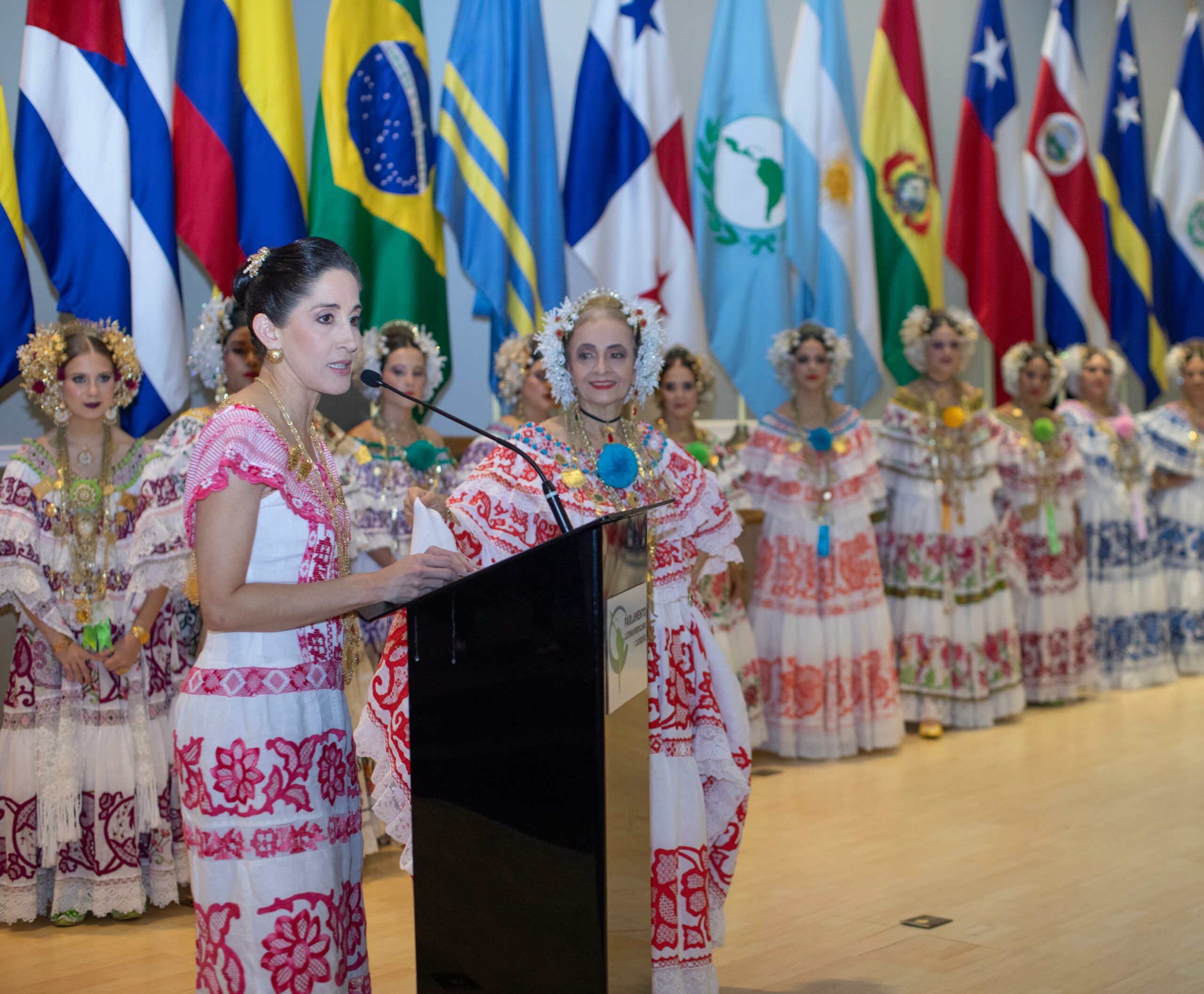
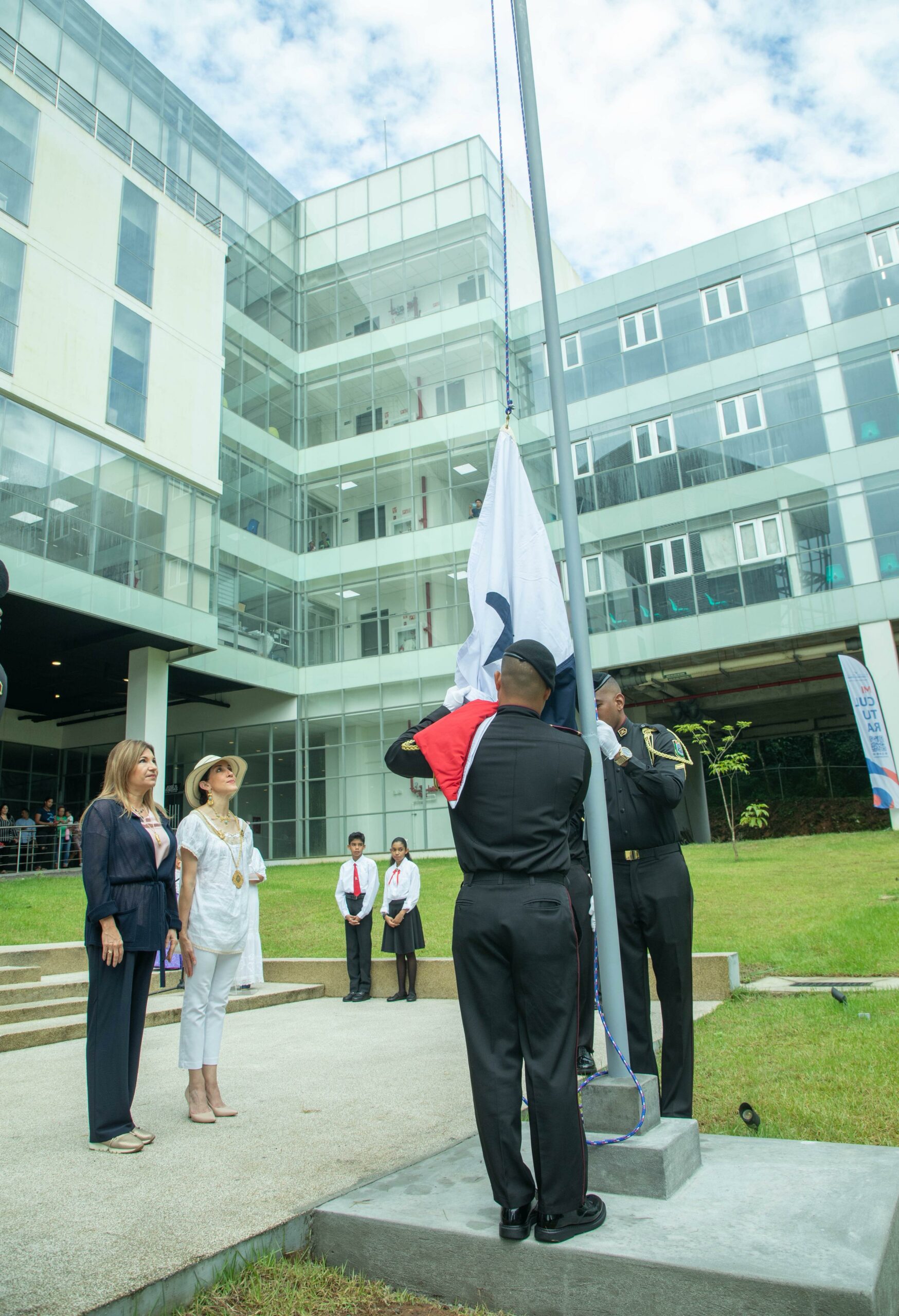
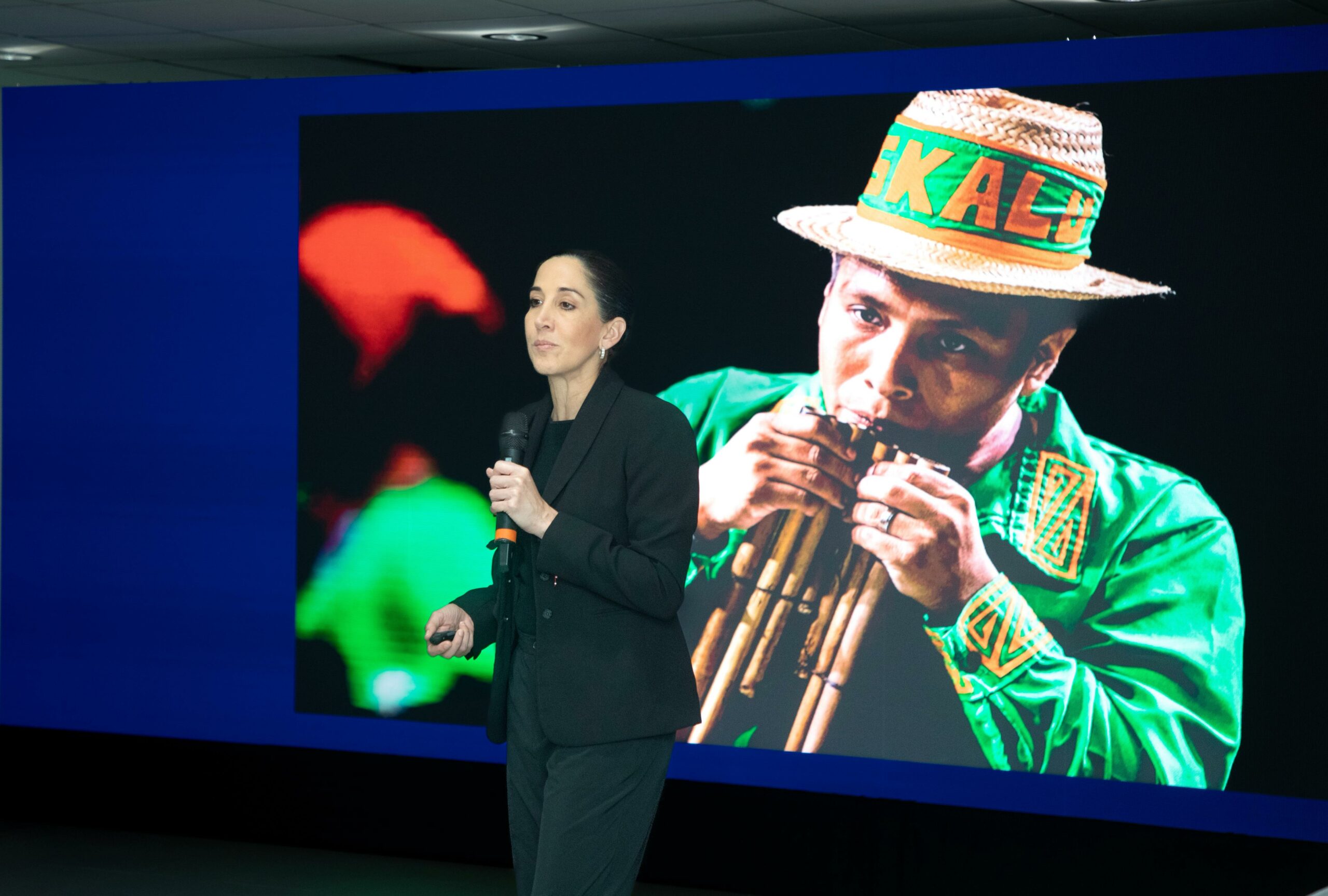
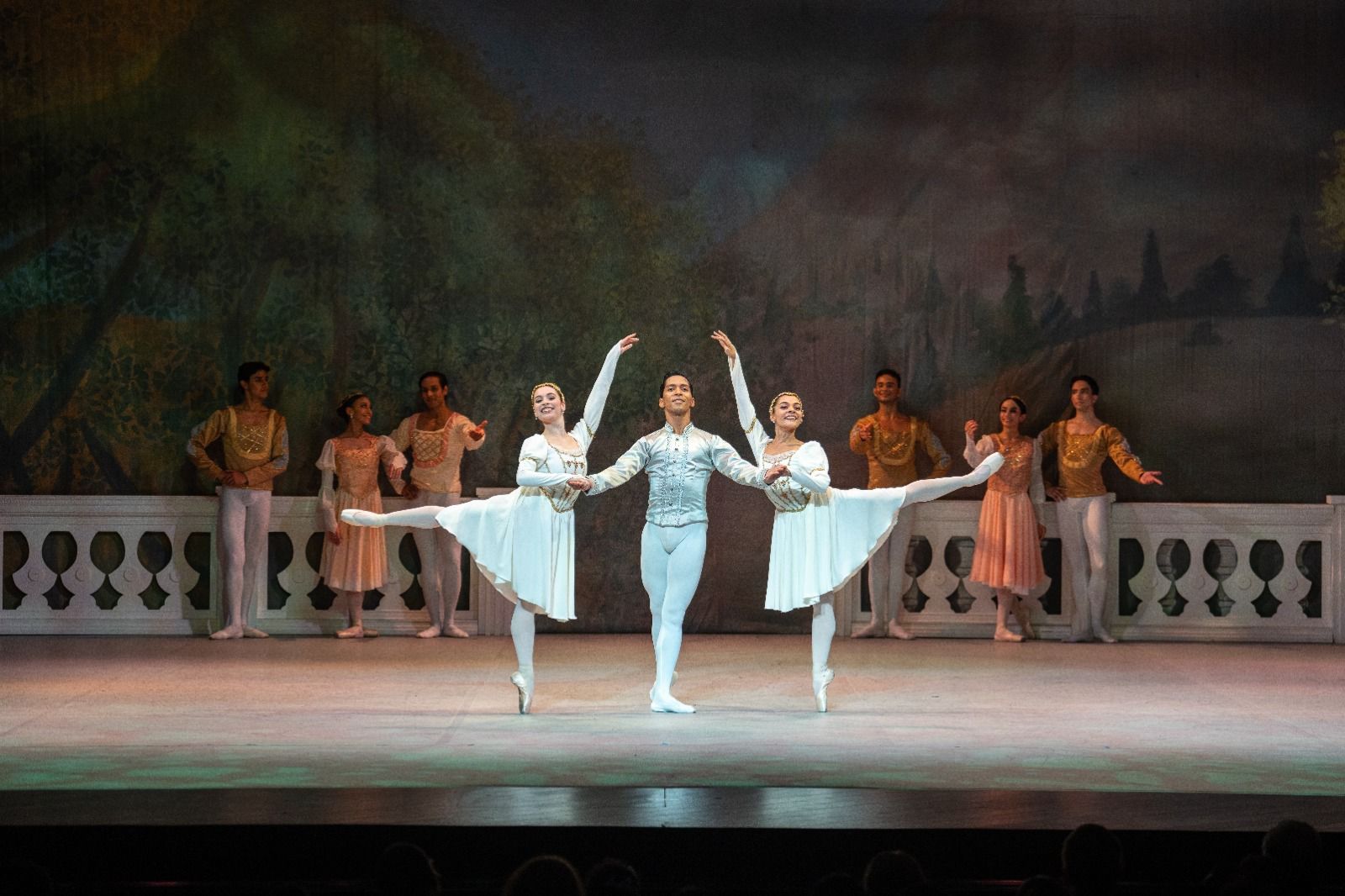
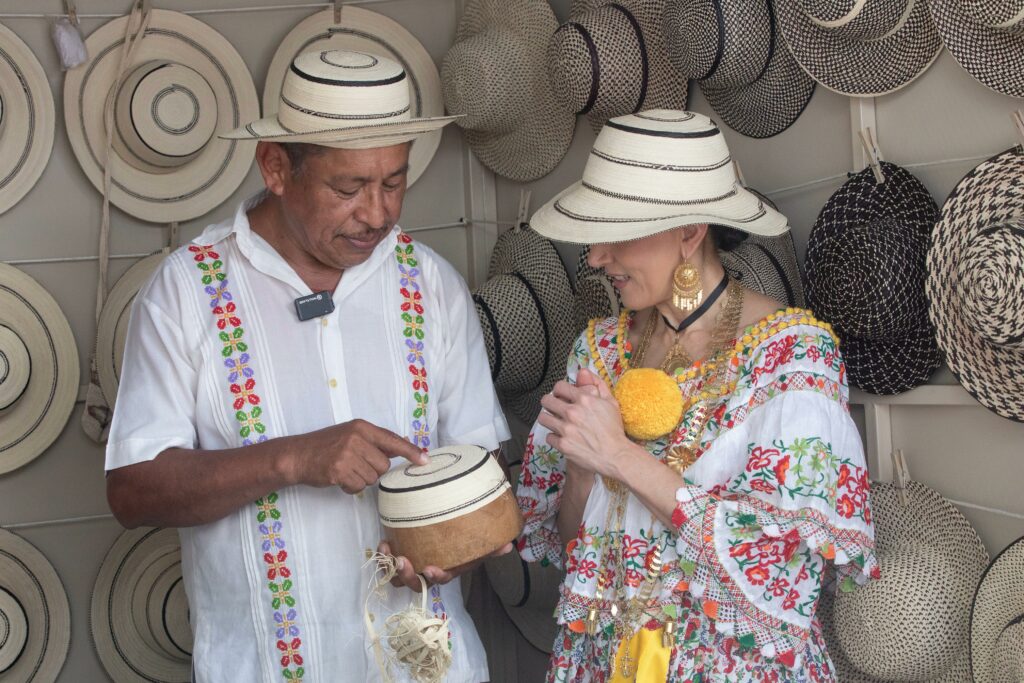
Today, August 15, as part of the Foundation of Old Panama, the Ministry of Culture celebrates its sixth anniversary. Minister María Eugenia Herrera emphasized her whole team's commitment to protecting and promoting the soul of the nation that is Culture, highlighting projects that have transformed artistic education, historic heritage and the lives of thousands of children, youth and communities throughout the country.
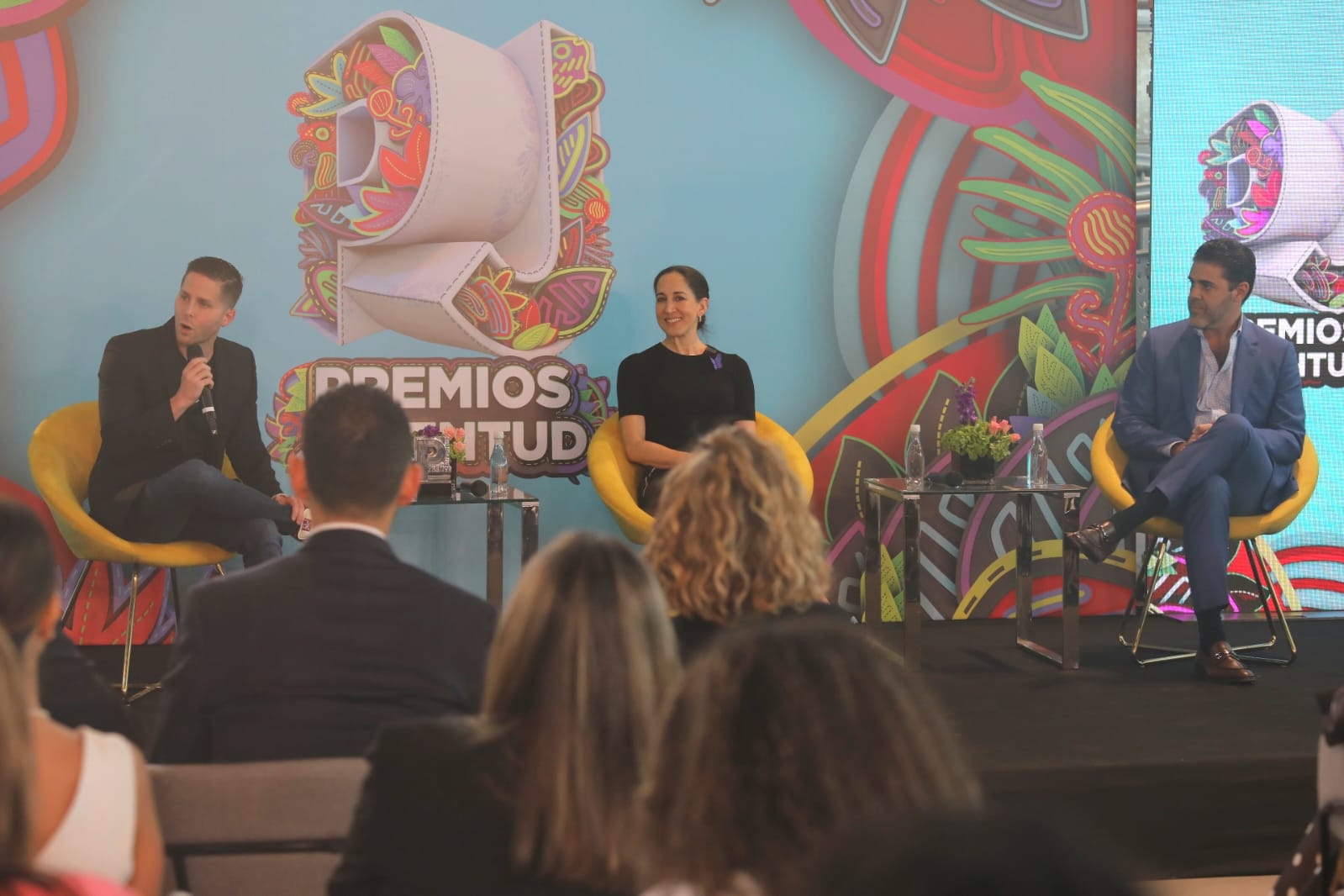
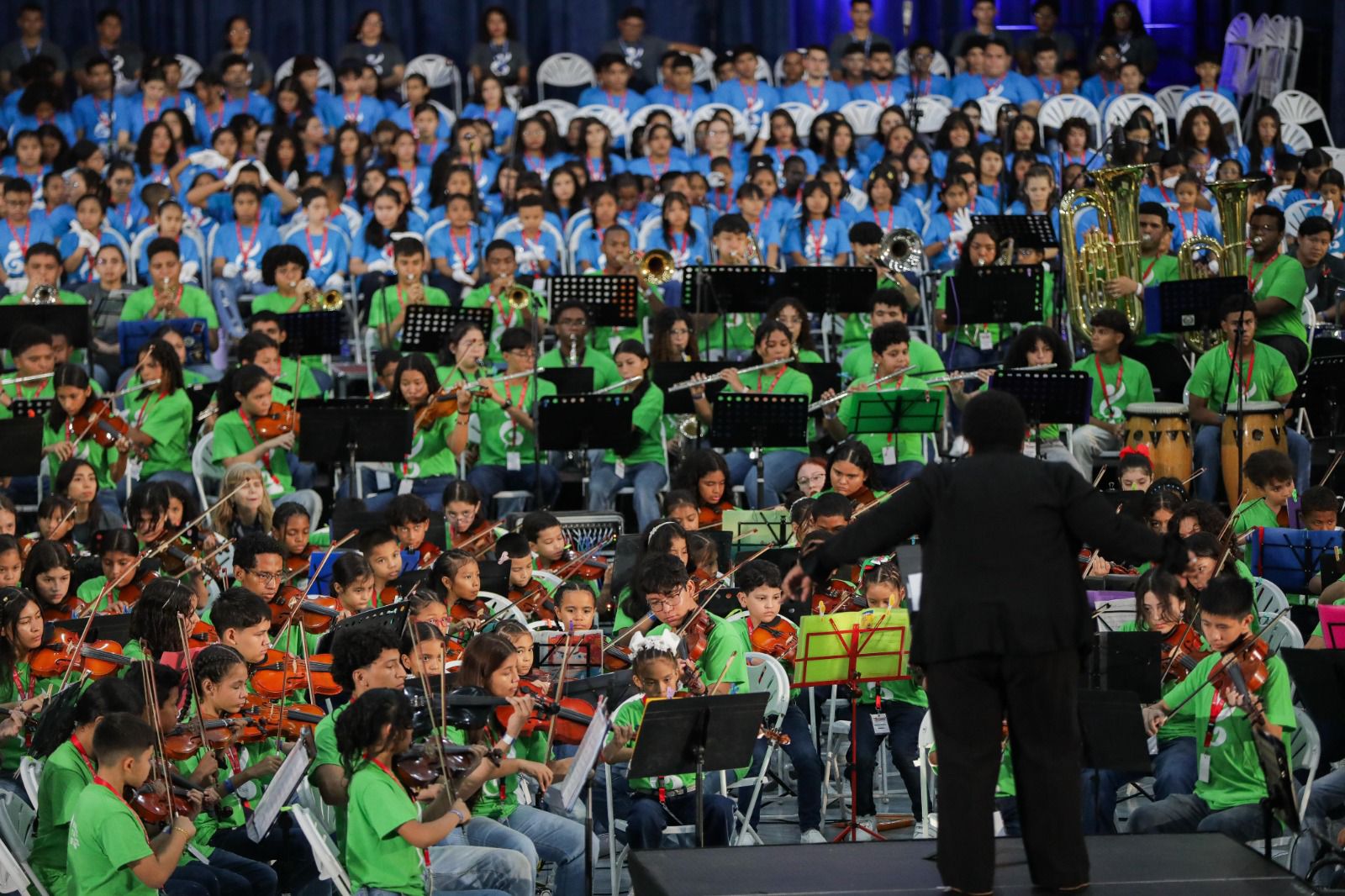
Highlights mentioned the recognition of the Transitory Colonial Route as a World Heritage by the UNESCO, the success of international initiatives such as Pinta Panama and Youth Awards, the recovery of important historic sites, the return of arts schools to MiCultura and the strengthening of the Orquestas and Coros Network, which has been beneficial to thousands of lives and currently has an enrolment of about 8,000 children and youth.
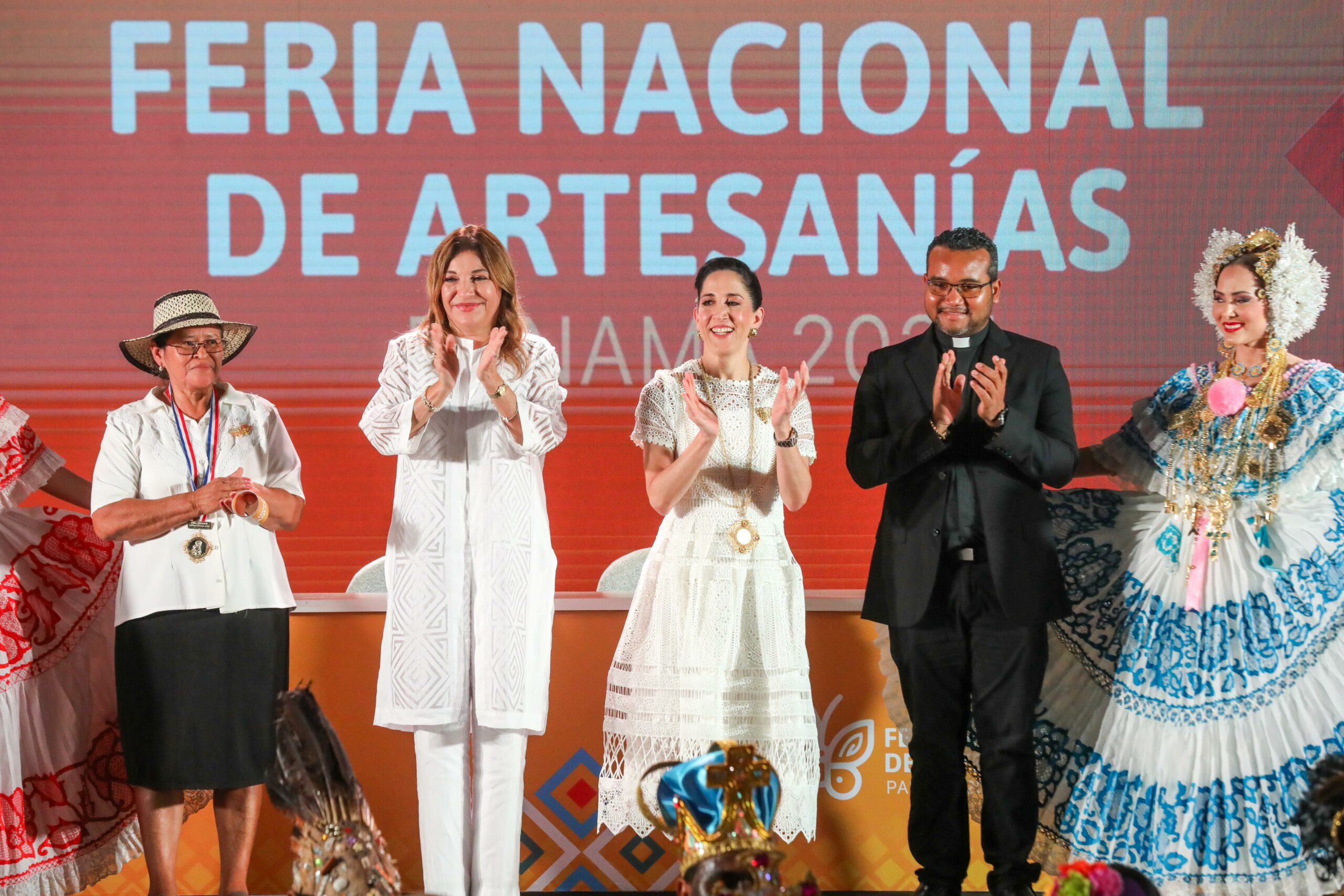
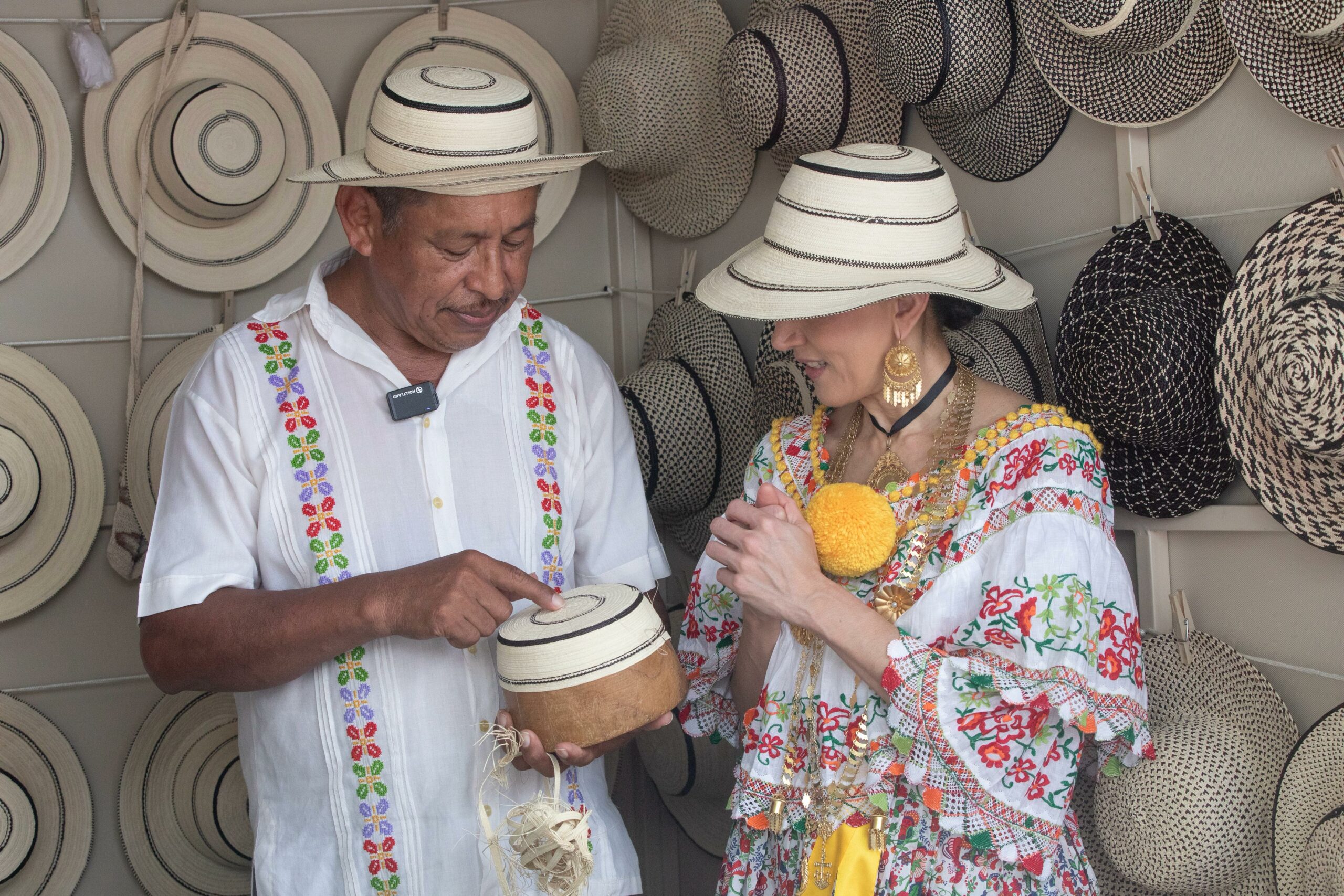
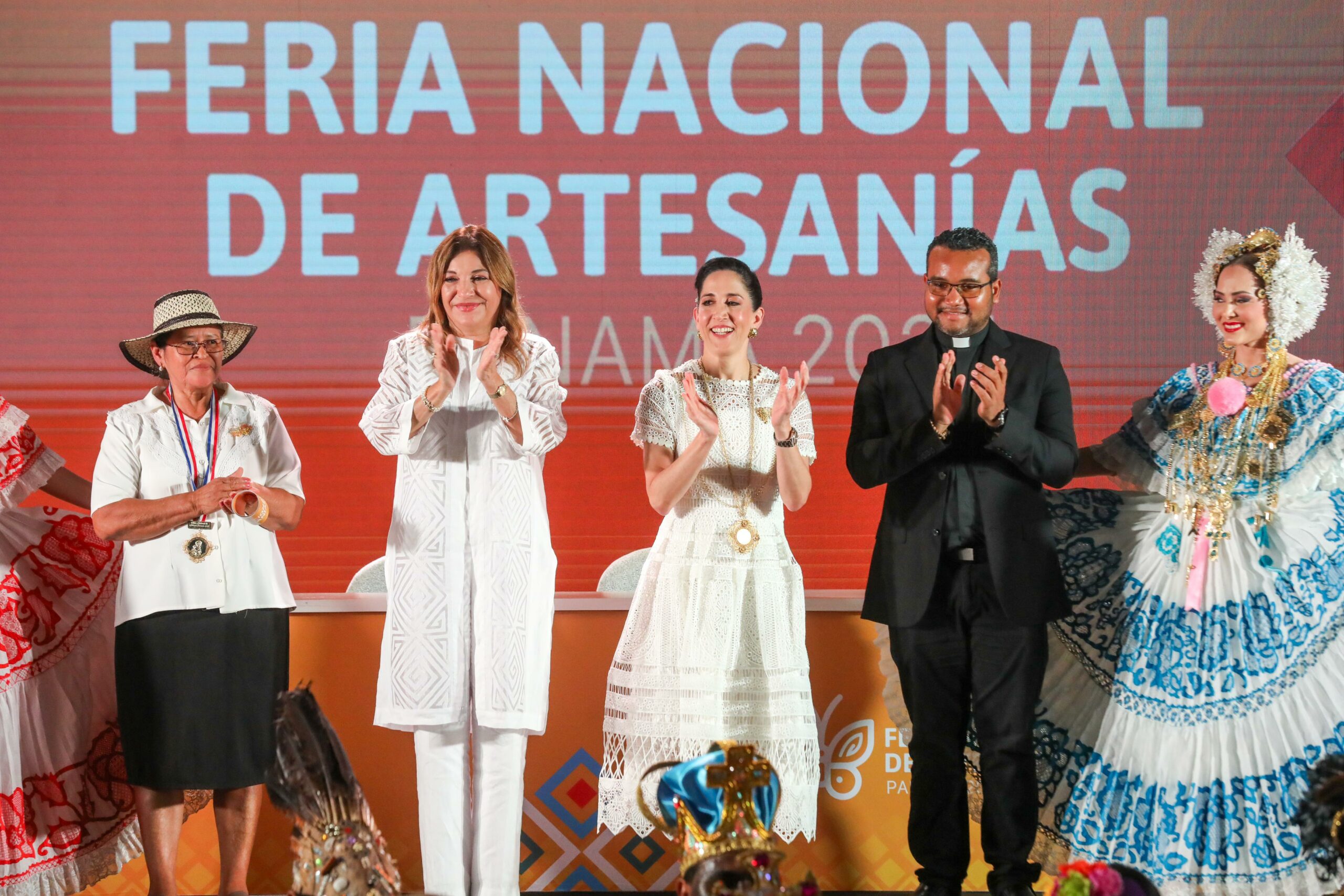
He also highlighted the impact of the National Crafts Fair 2025, the impetus of cultural infrastructure at Coclé, Azuero and Bocas del Toro, and the Pro tempore Chair of the CECC- SICA. With a message of gratitude and optimism, he reaffirmed that the Ministry will continue to work to give culture the value that it deserves as a collective essence of Panamanian people.
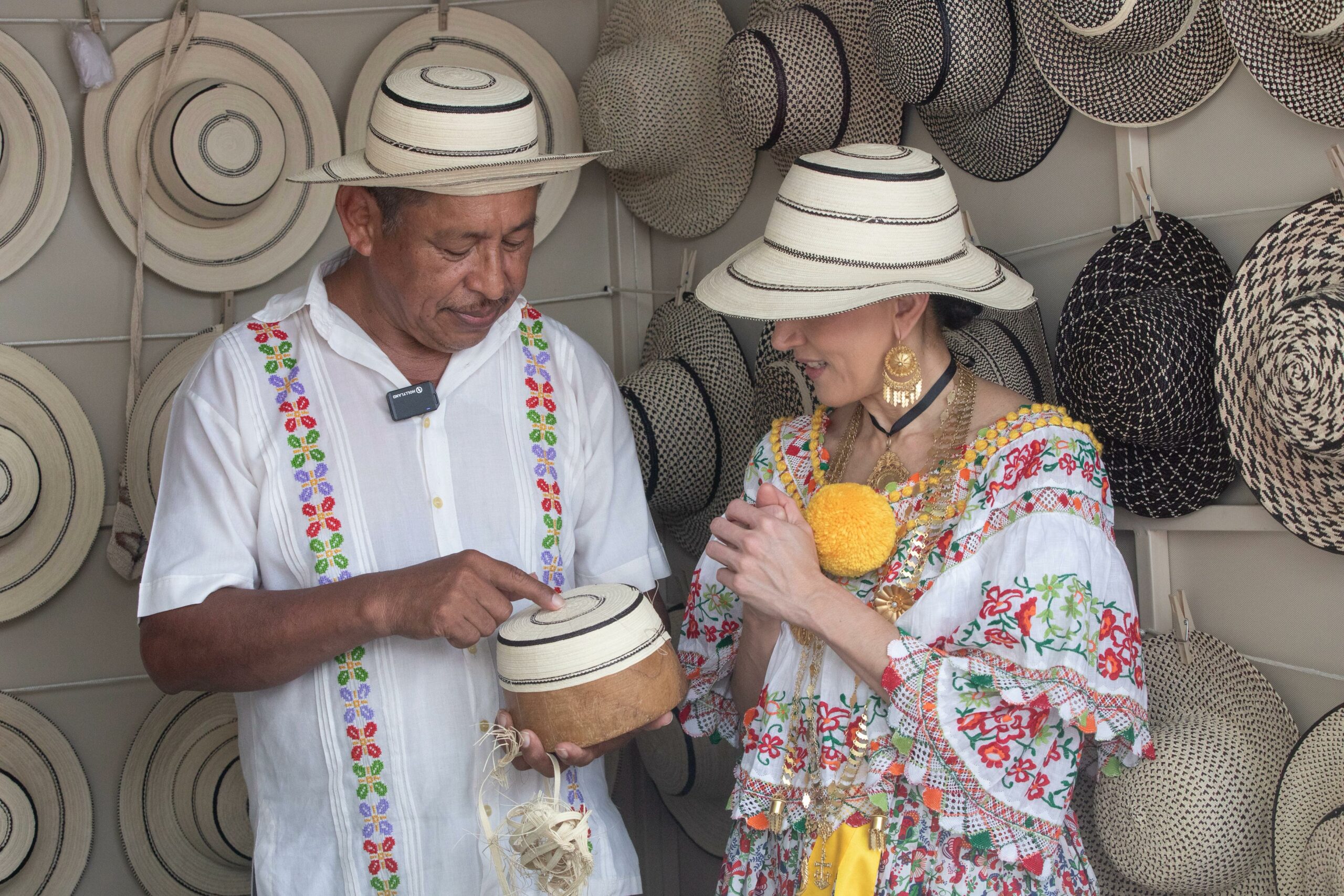
In terms of traditions, folklore once again became an engine of community life with an investment of B /. 2.5 million in cultural festivals and competitions that stimulated local economies. More than 11 thousand registered artisan have generated an impact of B /. 370 thousand pits showing that creativity also drives development.
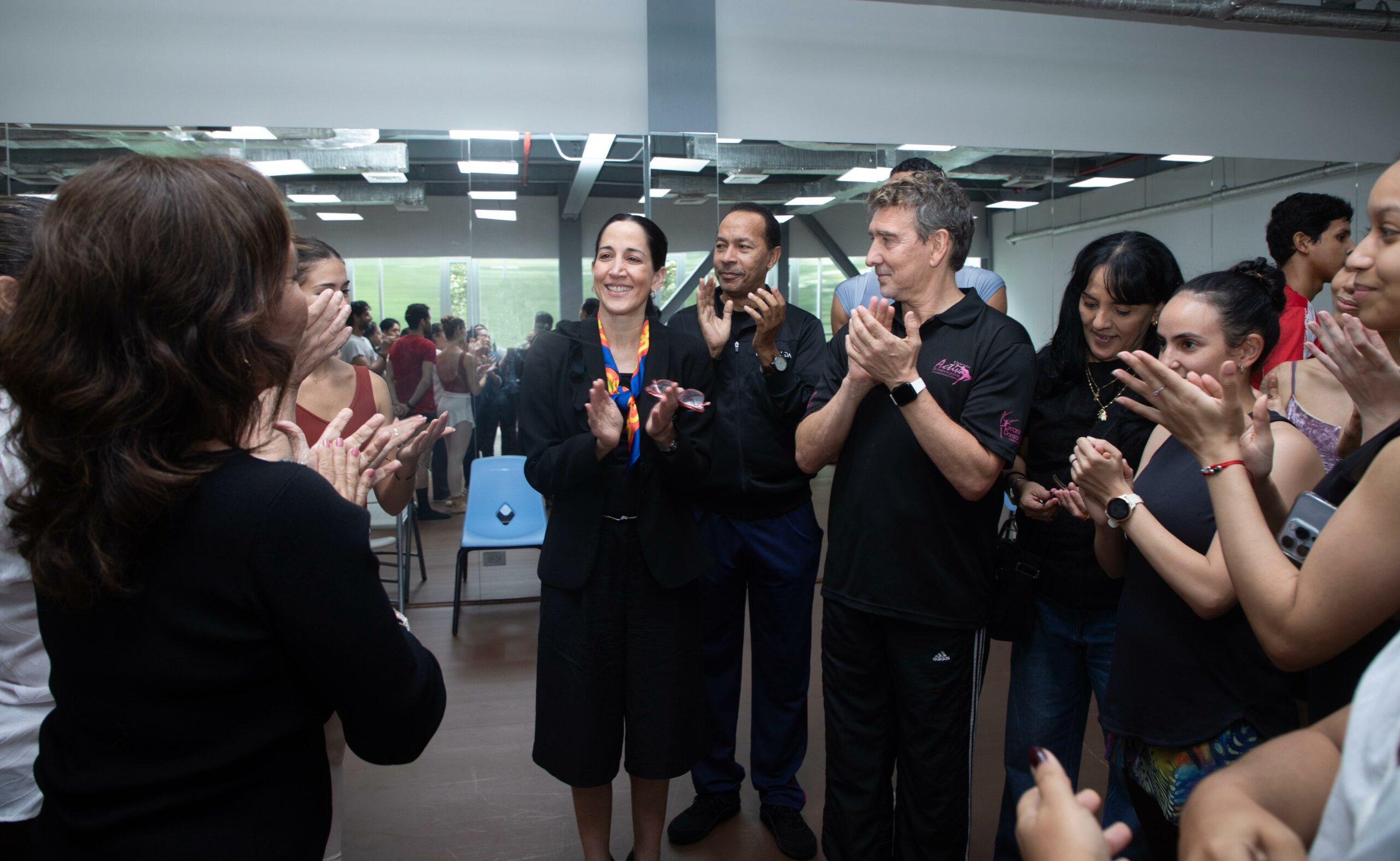
The artistic education had been undergoing a historic rebirth with the adoption of Act No. 455 of 2024, which had transferred the administration of the Higher Educational and Technical Institutes at Fine Arts and Folklore to the ministry. That had been an opportunity to re-activate 23 centers and to increase enrolment from 3,700 to 8,453 students and to open 3,580 quotas for free courses, bringing art closer to more communities.
The creative economy was built up as an emerging engine: 450 entrepreneurs were trained, 15 creative markets generated more than B /. 200,000 and Panamanian cinema lived a golden year with 17 supported production, 19 training projects, 7 short films and more than 250 trained people.
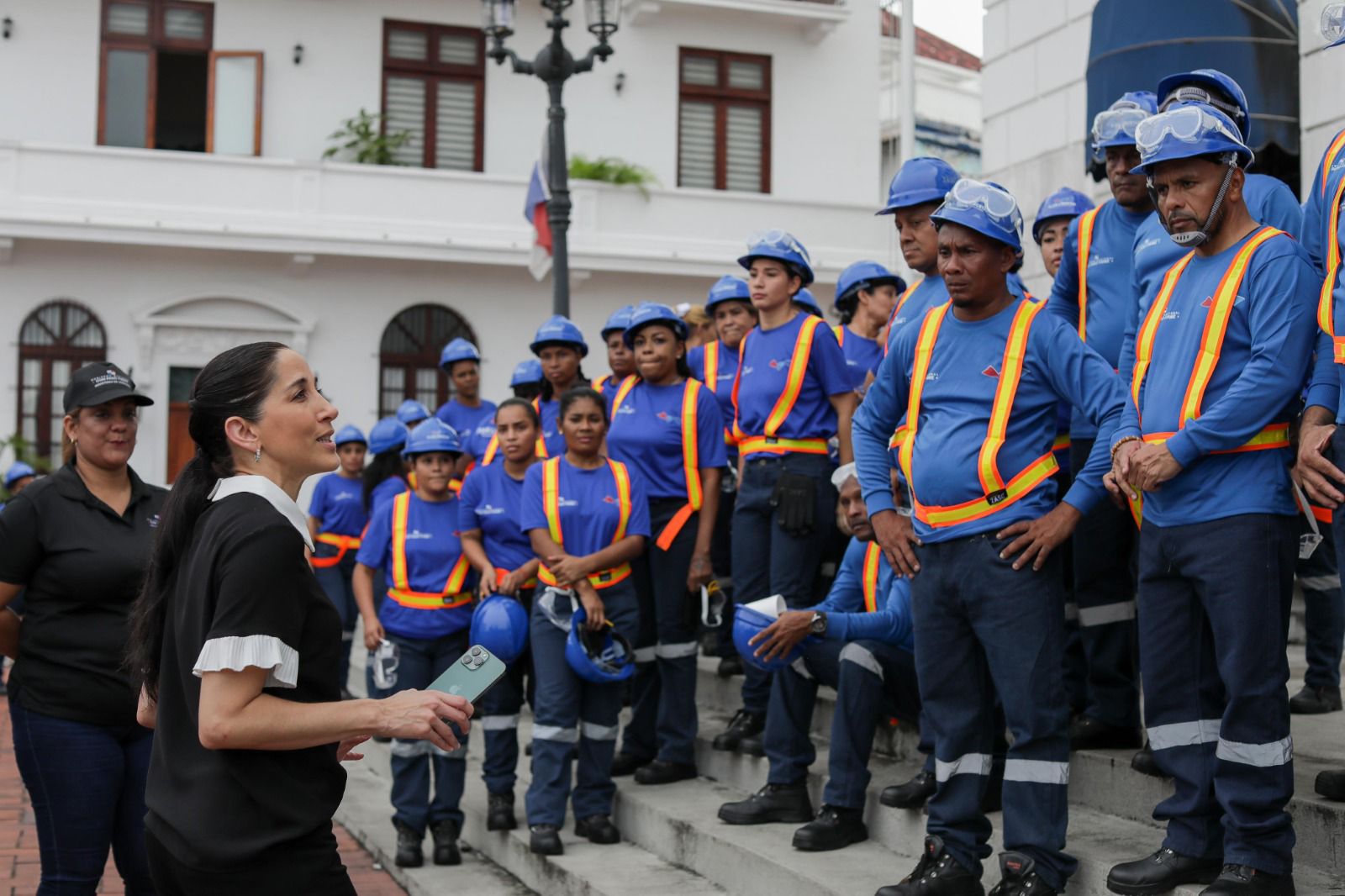
Programs such as Vibra Panama brought together more than 200,000 people in 85 free cultural functions, and the innovative project Latidos del Barrio will transform public spaces at Arraijan, Pedregal and Rig 3.
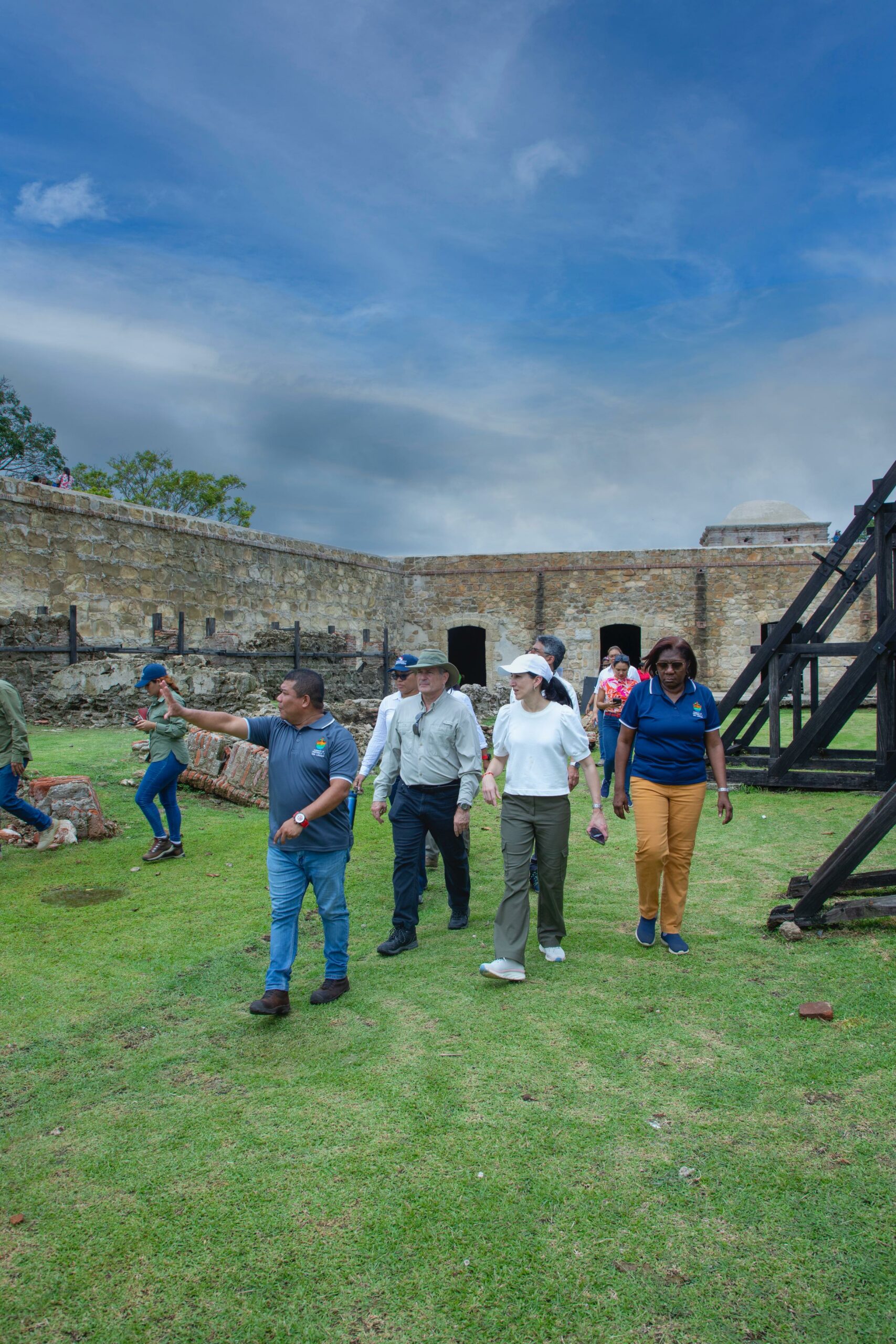
The cultural heritage received an unprecedented impetus: B /. 59 million to restore historic jewelry such as the Castle of Santiago de la Gloria, the Fuertes de San Fernando and San Jerónimo and the Reina Torres Museum of Araúz.
The installation of the Office for Restoration, Rehab, Value and Conservation of the historic centre of the town of Colón, is an accomplishment for this province and the country.
The City of the Arts, with an investment of B / .4.8 million in equipment, already benefits more than 9,000 students. Also advanced are iconic works such as the Metropolitan Cultural Center and the restoration of the Anita Villalaz Theater.
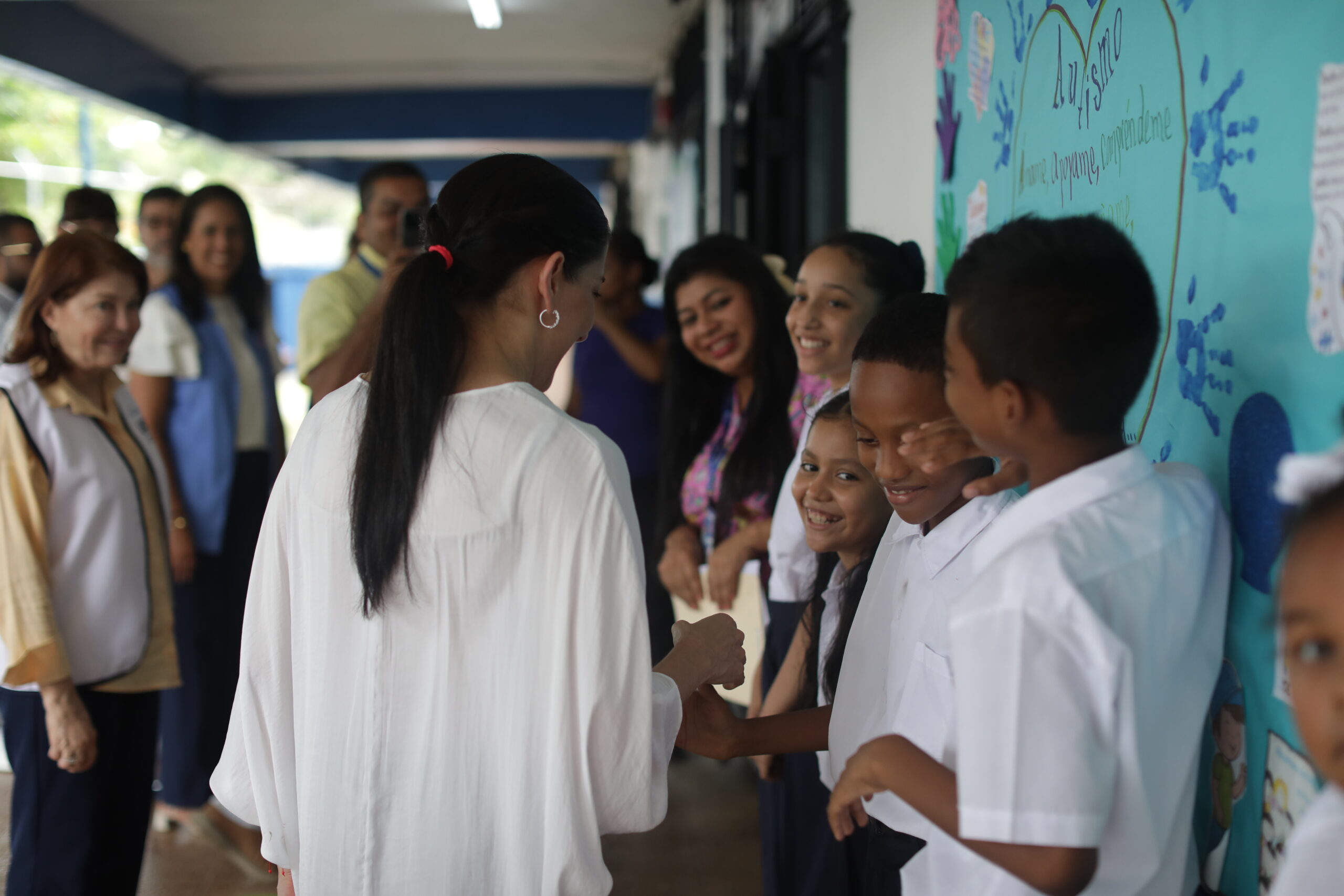
In terms of inclusion, Panama made a strong step with the first Cultural Accessibility Guide, the modernisation of 40 public libraries and the creation of a database of disabled artists. The Research Satellite Account, with 93% progress, will allow for the first time to measure the economic impact of the cultural sector.
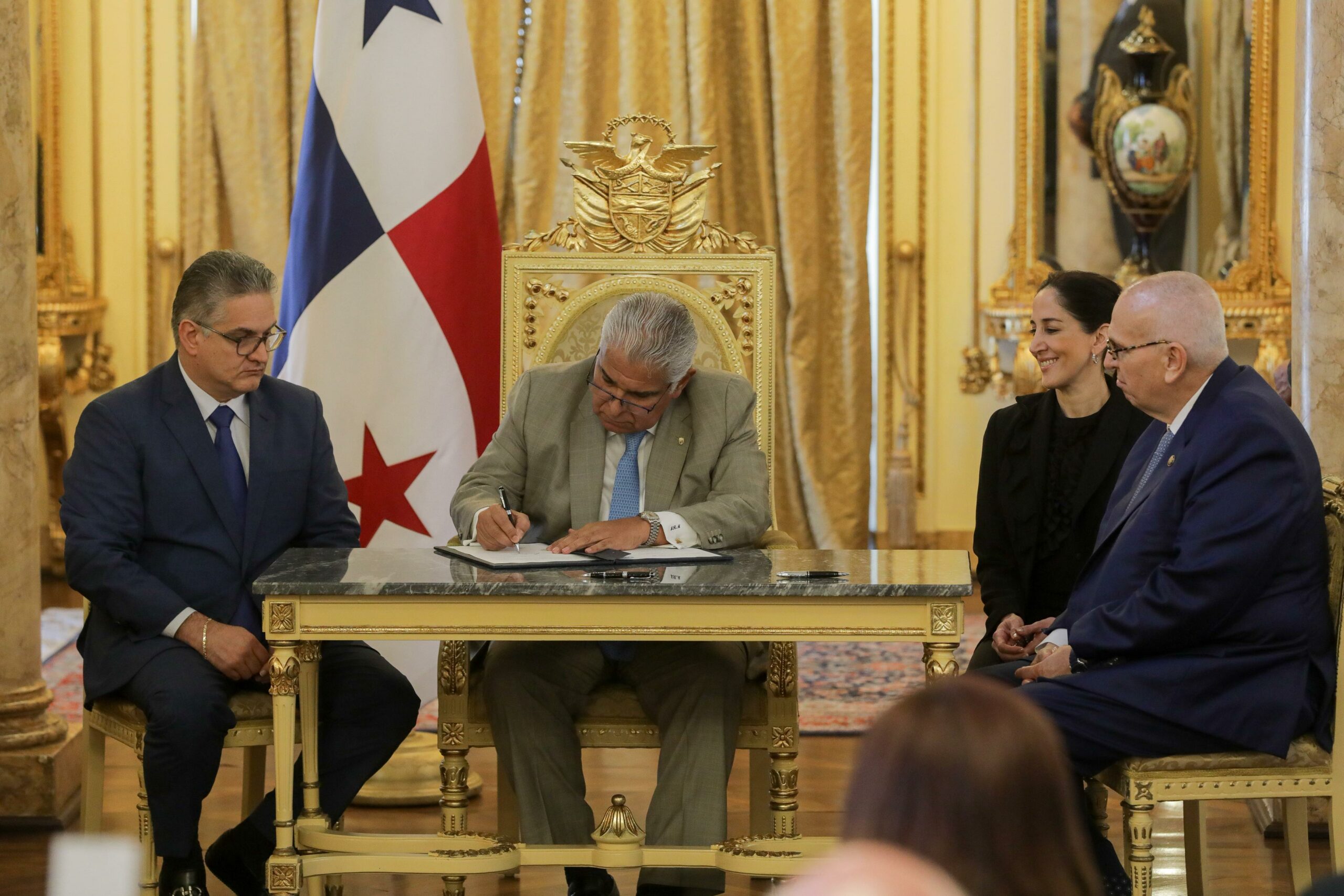
That year also brought with them pride: the adoption of Act No. 456 that recognizes the Transverse Colonial Route as a Panamanian Cultural Heritage, the restoration of the historic Wounded Flag and the repatriation of 13 archaeological pieces from Canada.