
Piezas de El Caño Impresses Visitors at Panama's New History Museum
Content of the News
Piezas de El Caño Impresses Visitors at Panama's New History Museum
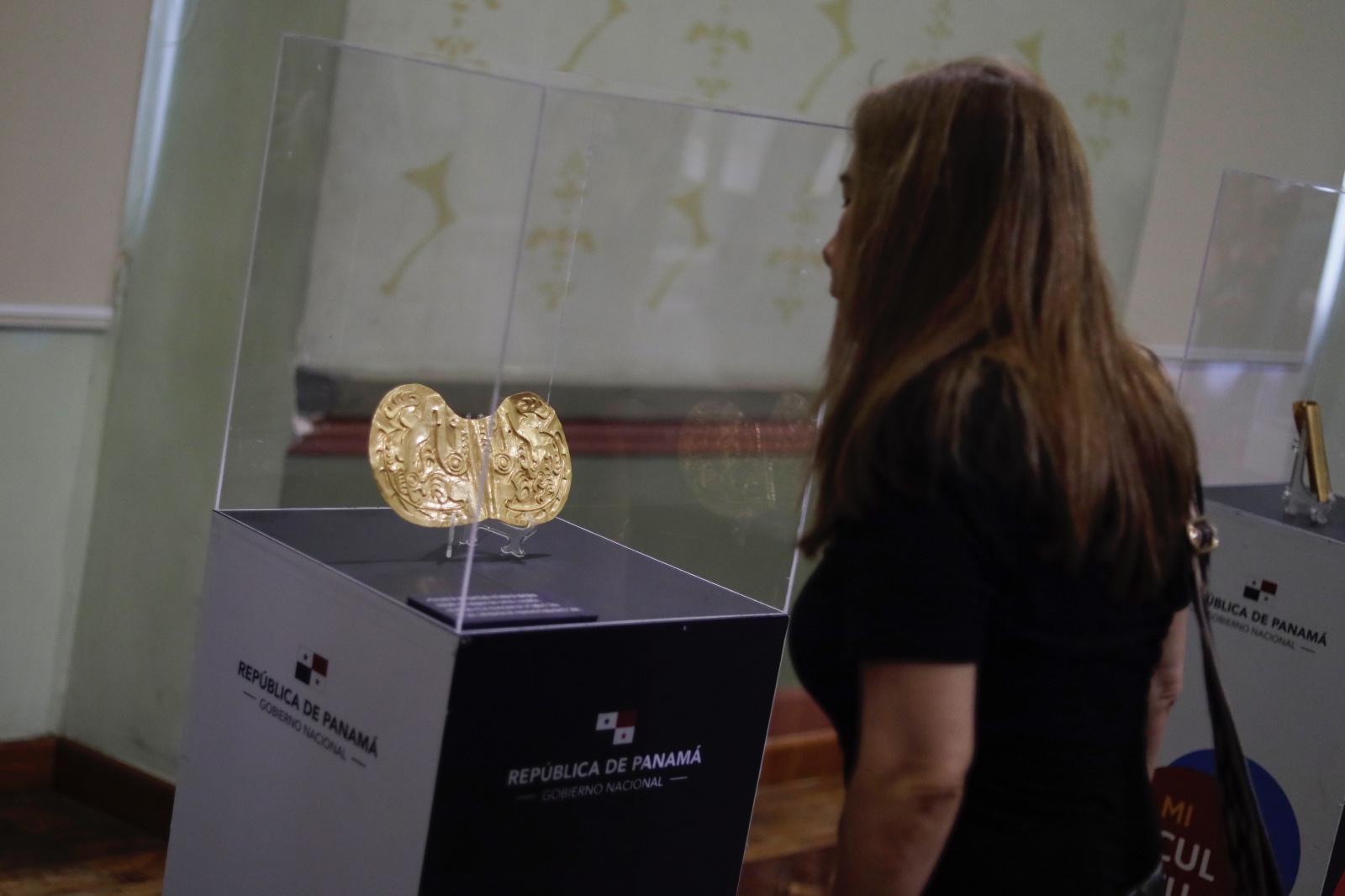
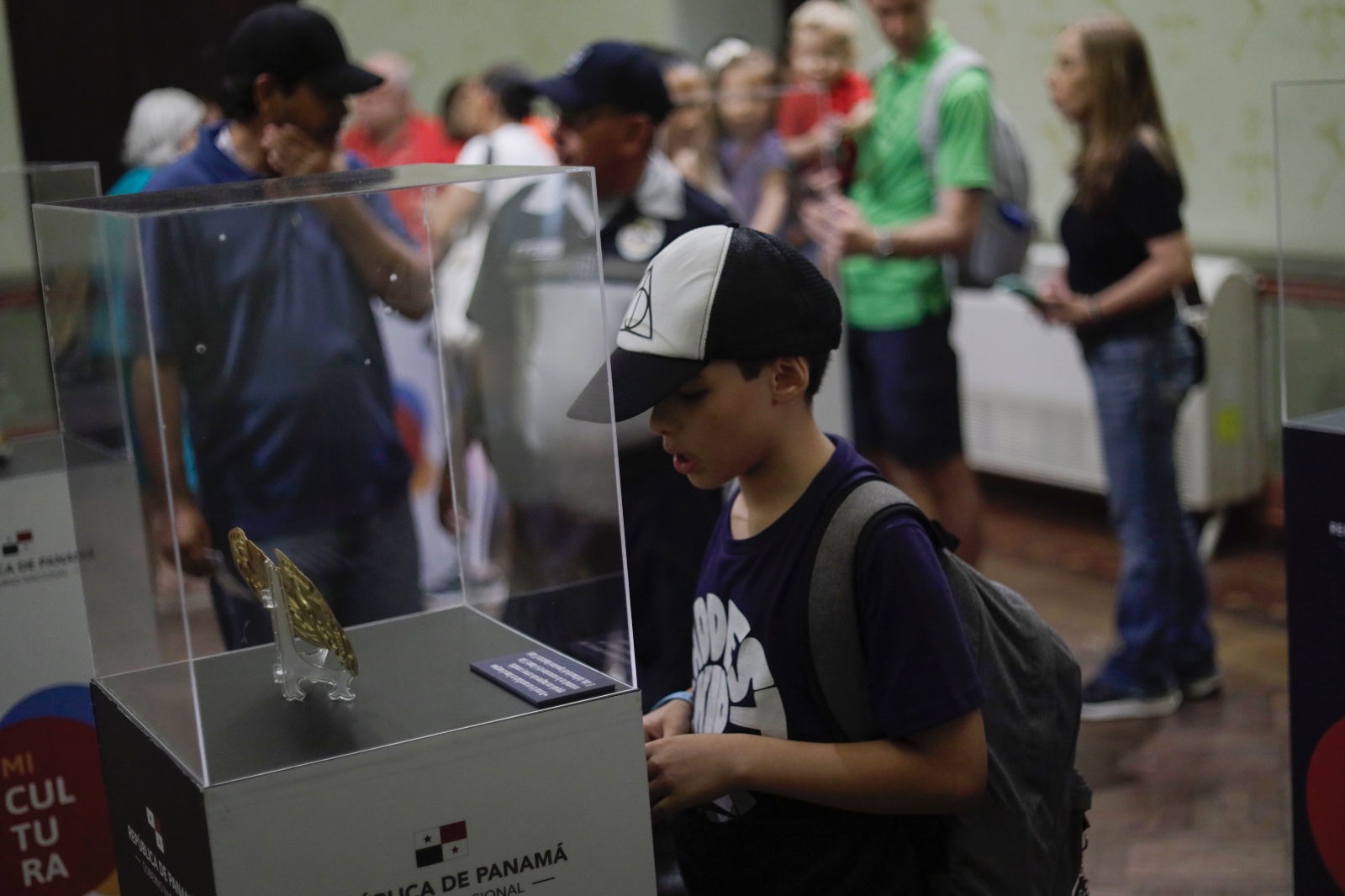
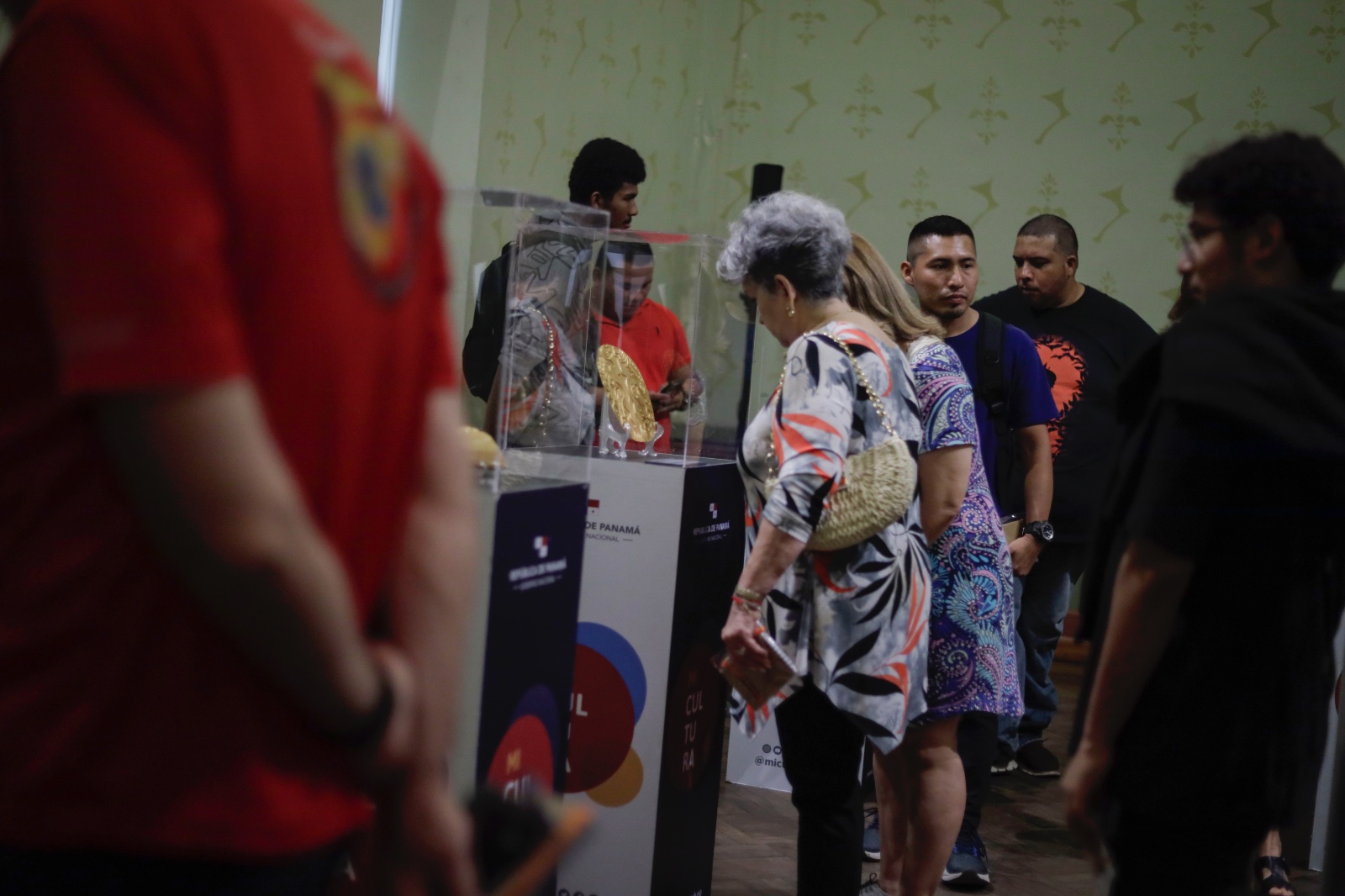
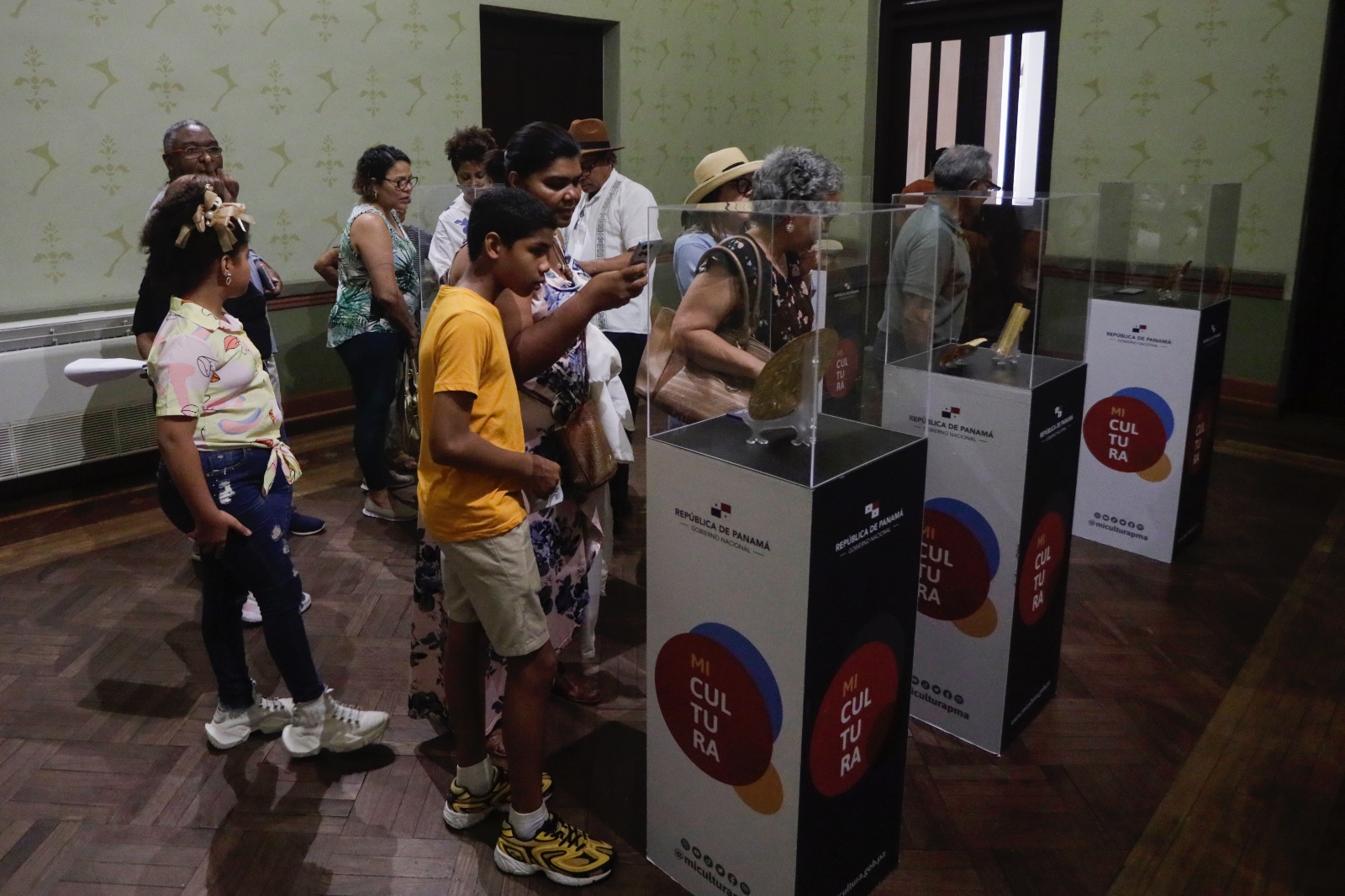
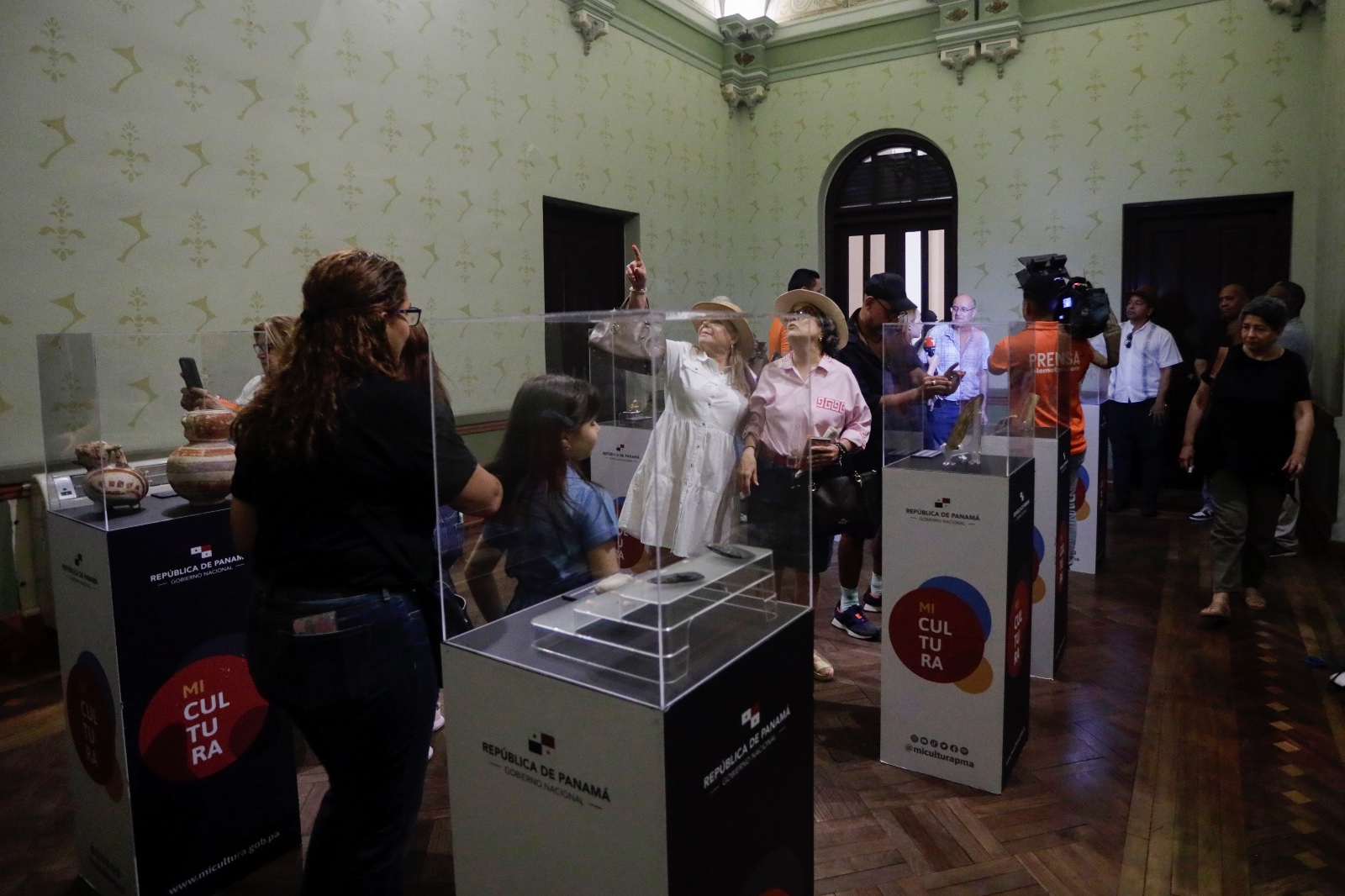
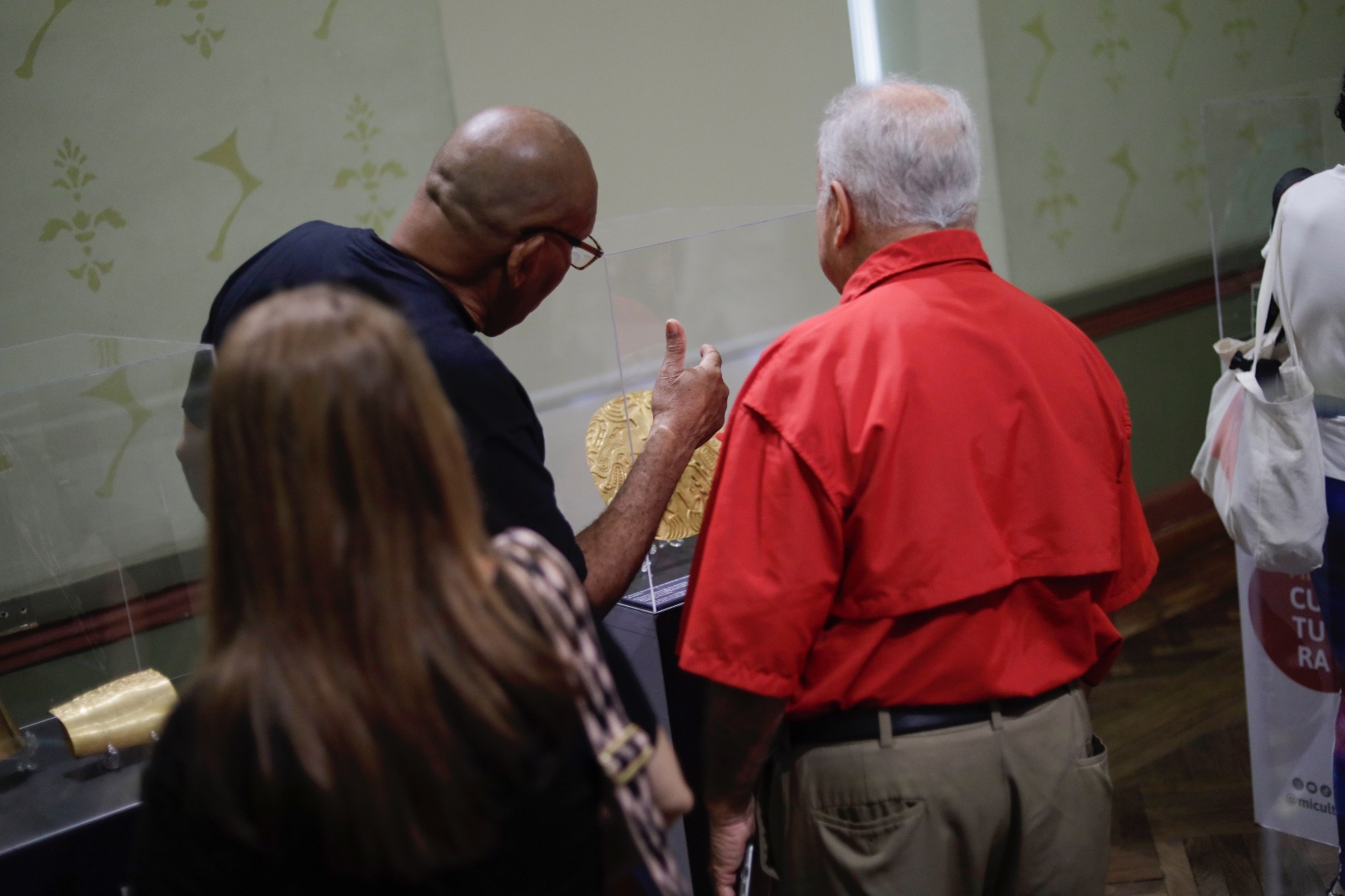
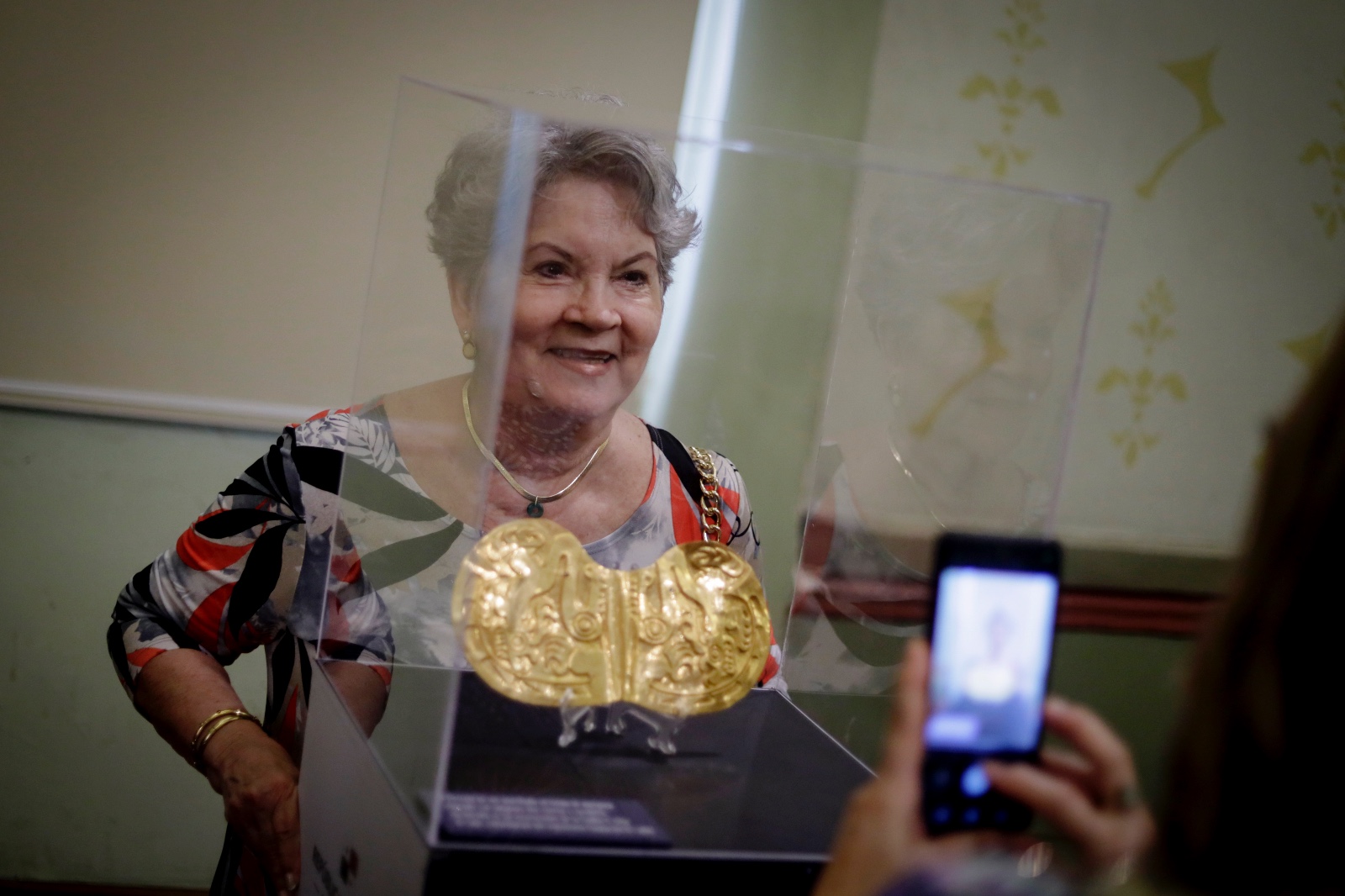
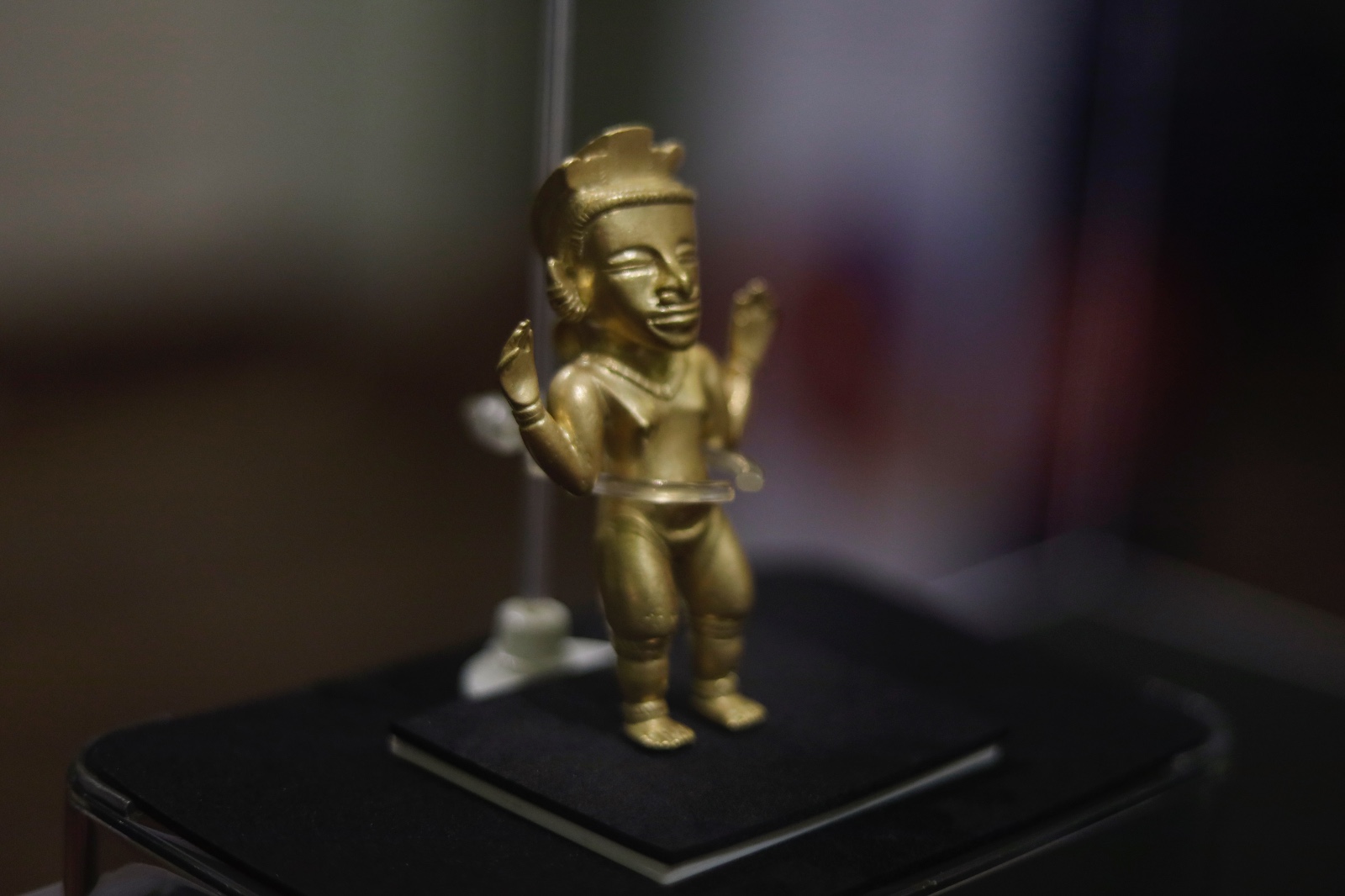
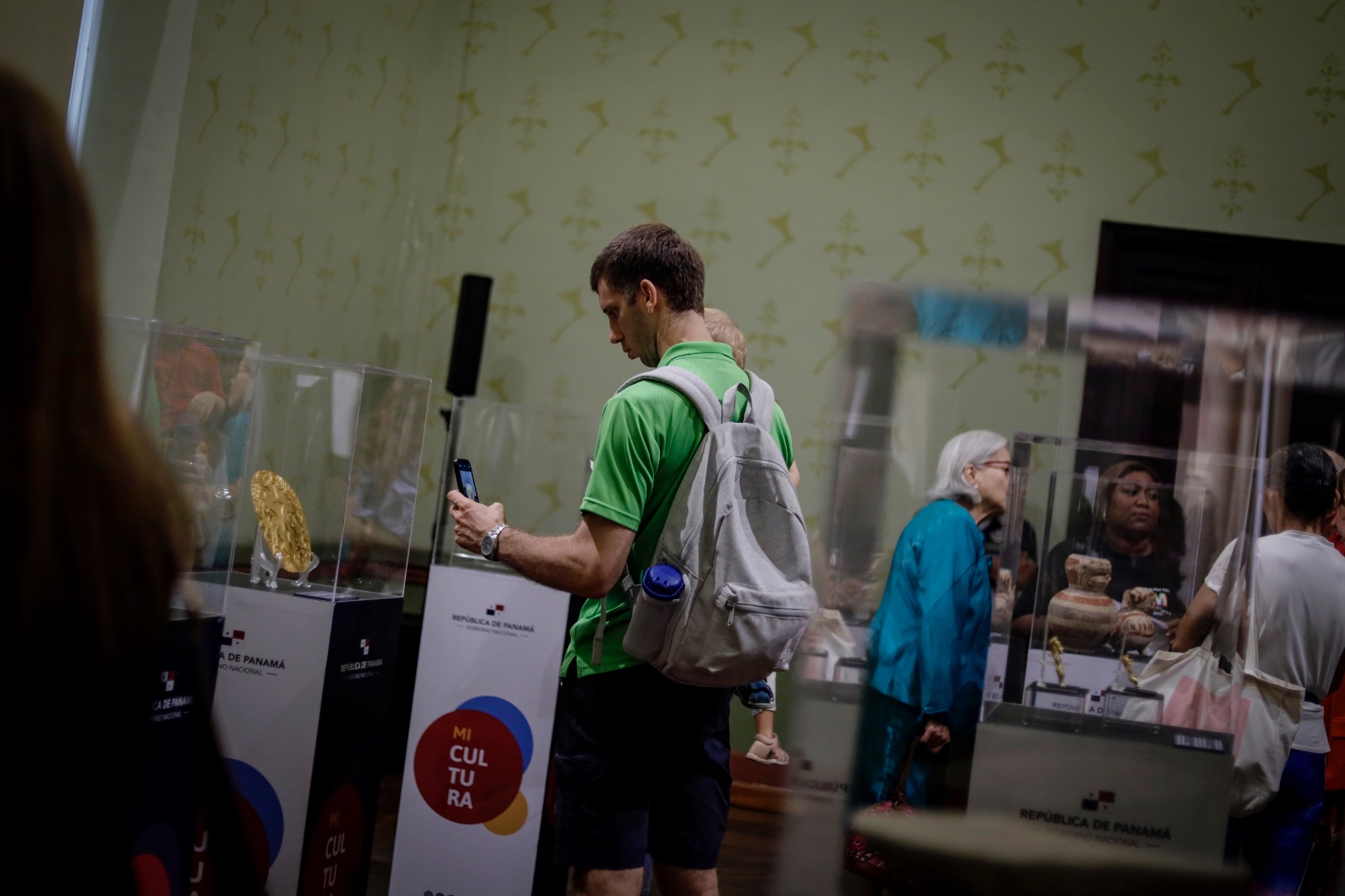
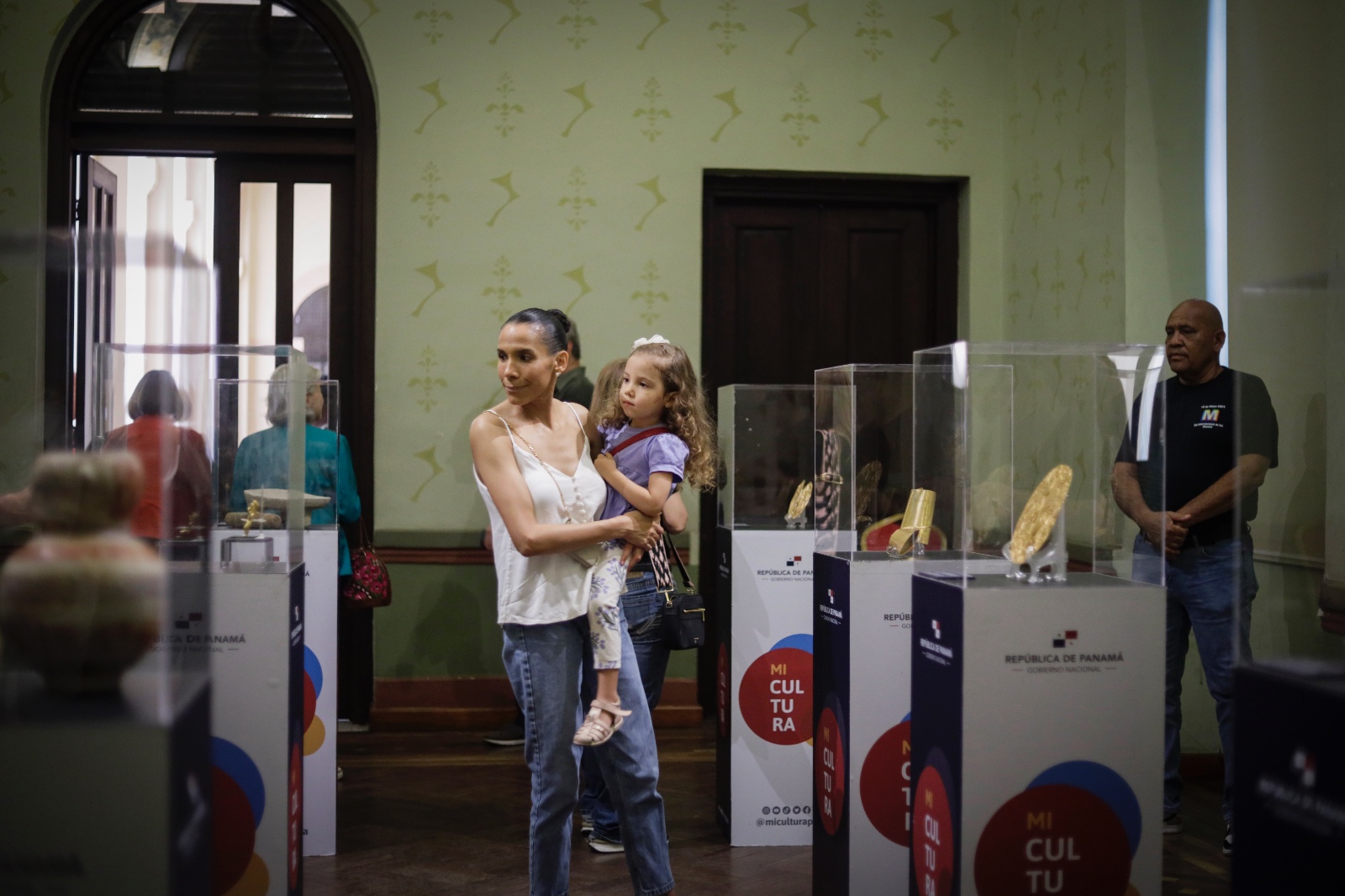
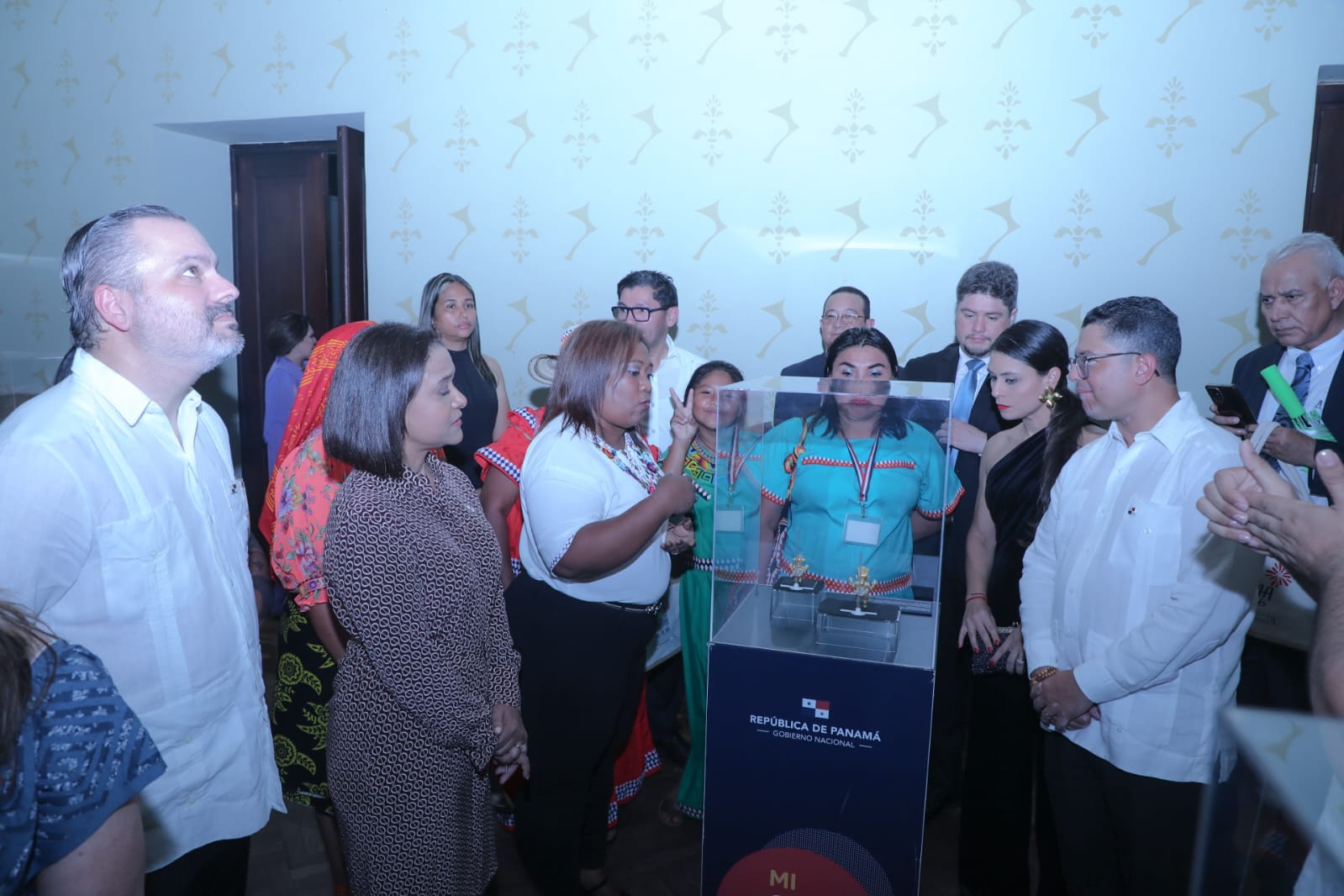
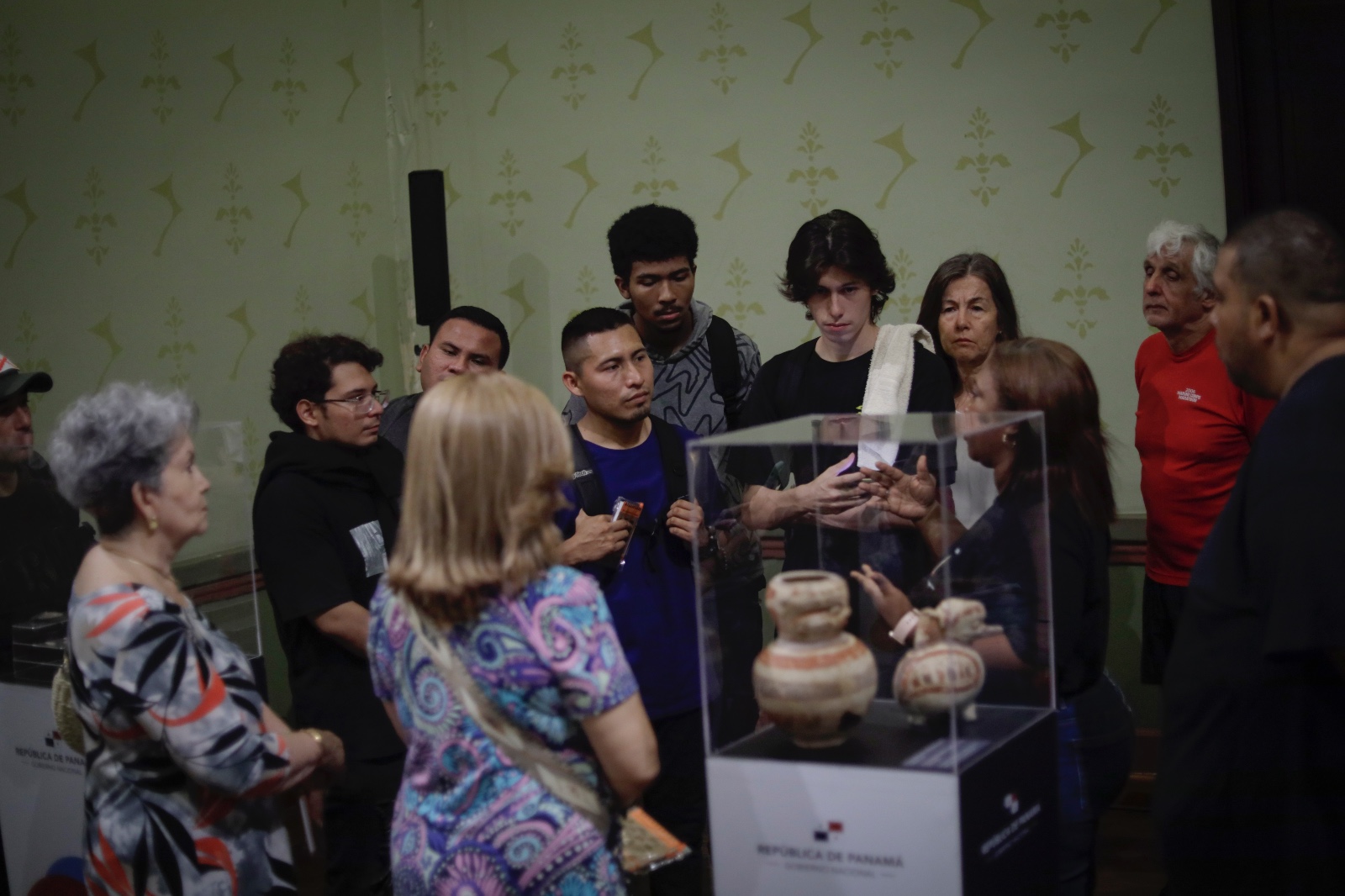
Welcoming the International Day of Museums, the Ministry of Culture (MiCultura) shown more than two thousand visitors that they approached the new History Museum, the pieces that belong to the findings that were given in February of this year at the Archaeological Site of El Caño, in Natá District, province of Coclé, and date back to the pre-Hispanic period.
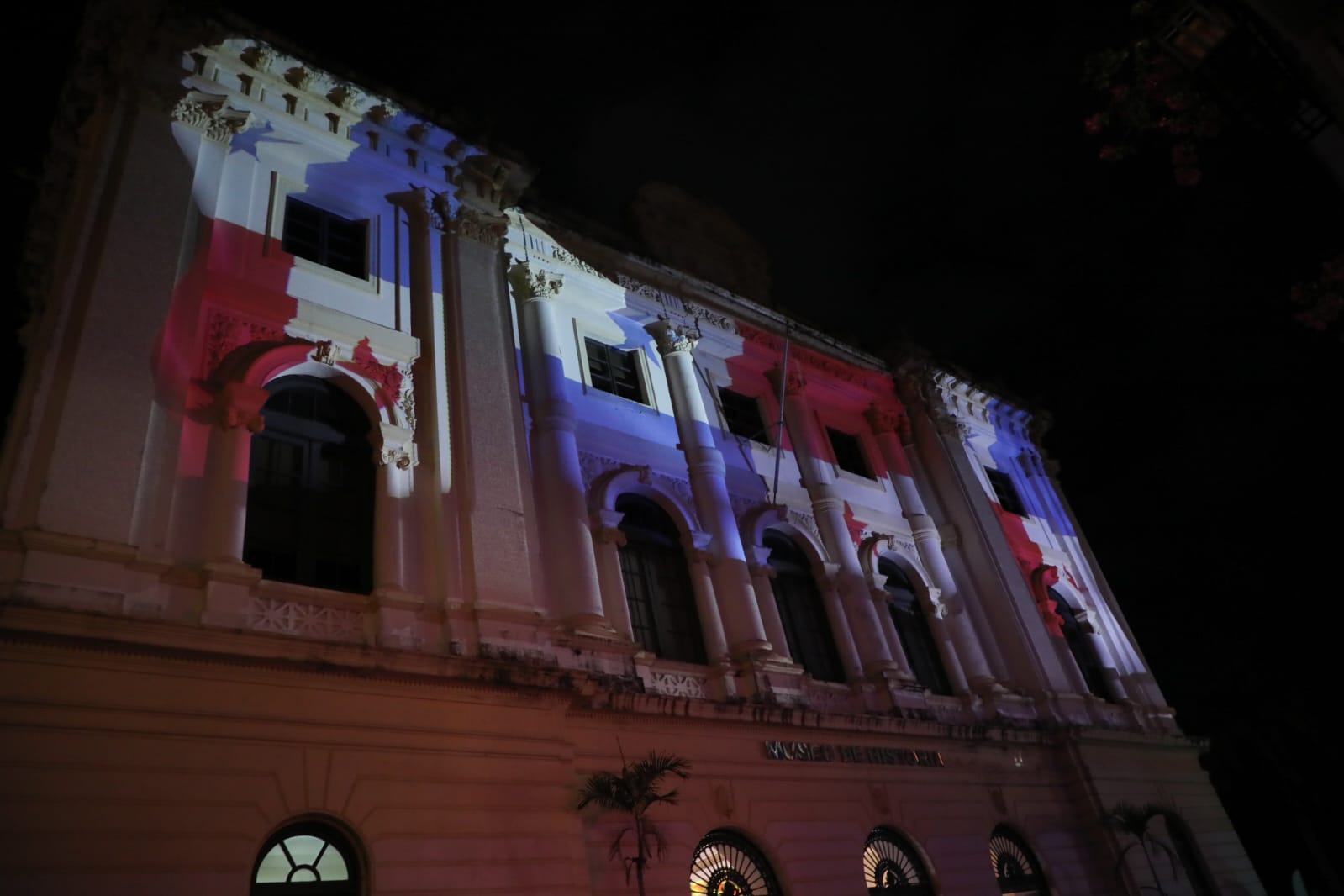
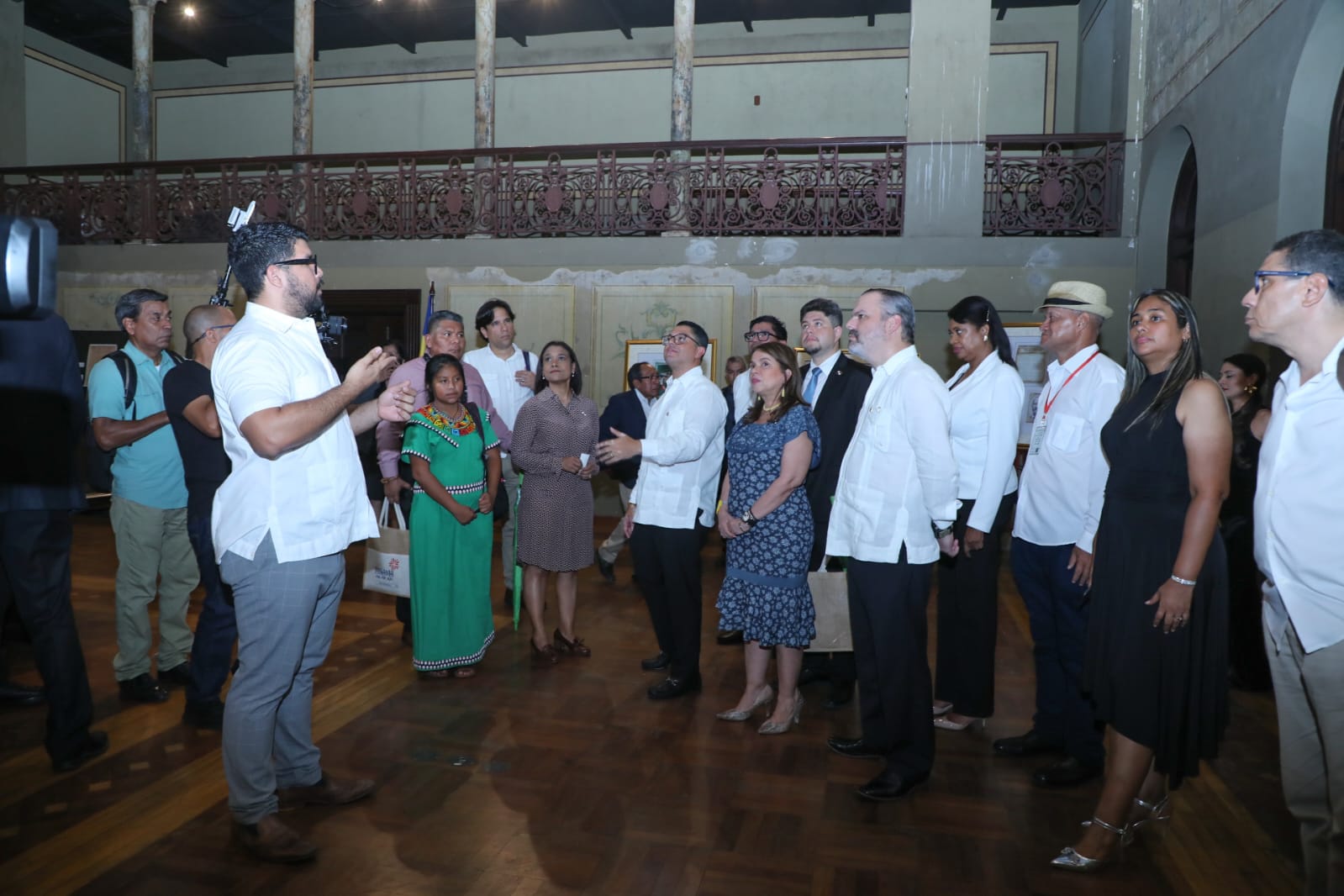
The exhibition was held within a day of "open doors" where great and boys assembled as families and as a group of friends came to the headquarters of the Government Palace, located at Casco Antiguo in Panama City, with an interest to get to know more about this centuries old building that will become the new headquarters of the History Museum and what will also be housed by the Museo de los Pueblos Indígenas and the office of the first association of public interest, the Center for Anthropological and Cultural Historical Research (CIHACAIP).
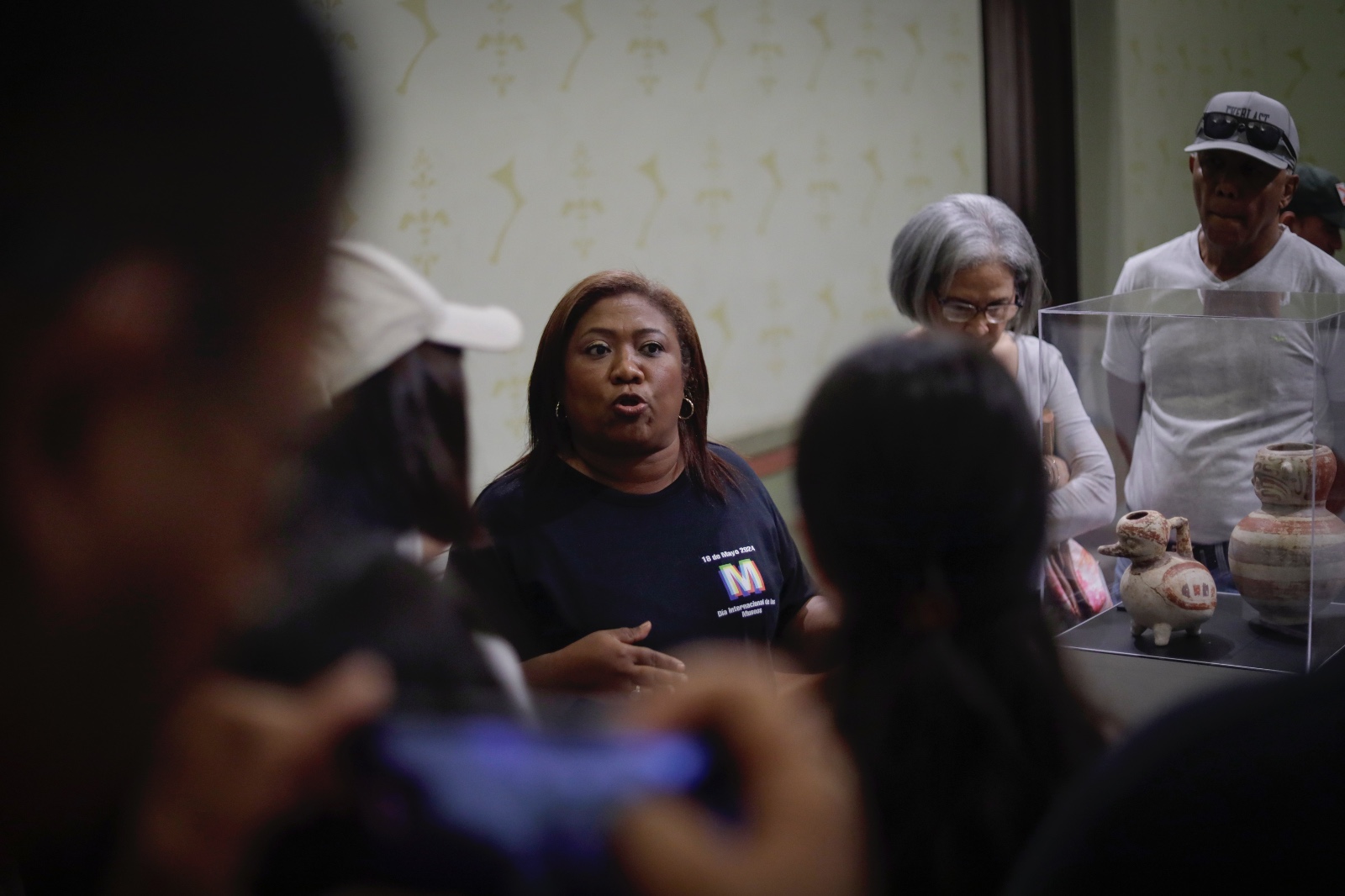
The sample included 23 pieces, 6 of gold, two pieces of ceramics, some tools that can be considered as weapons, a metate of lytics, among other things as part of objects found at tomb nine, which according to the specialists that did these jobs give the impression that they belong to an important Mr. Coclé (750-800 AD).
"That was a great opportunity for the public to get to know about our ancestors and to observe the work that's been done from the direction of heritage, together with other entities to explore more about our past, to protect them, to preserve and preserve our heritage," said Itzela Quiros, National Director of Museums of MiCultura.
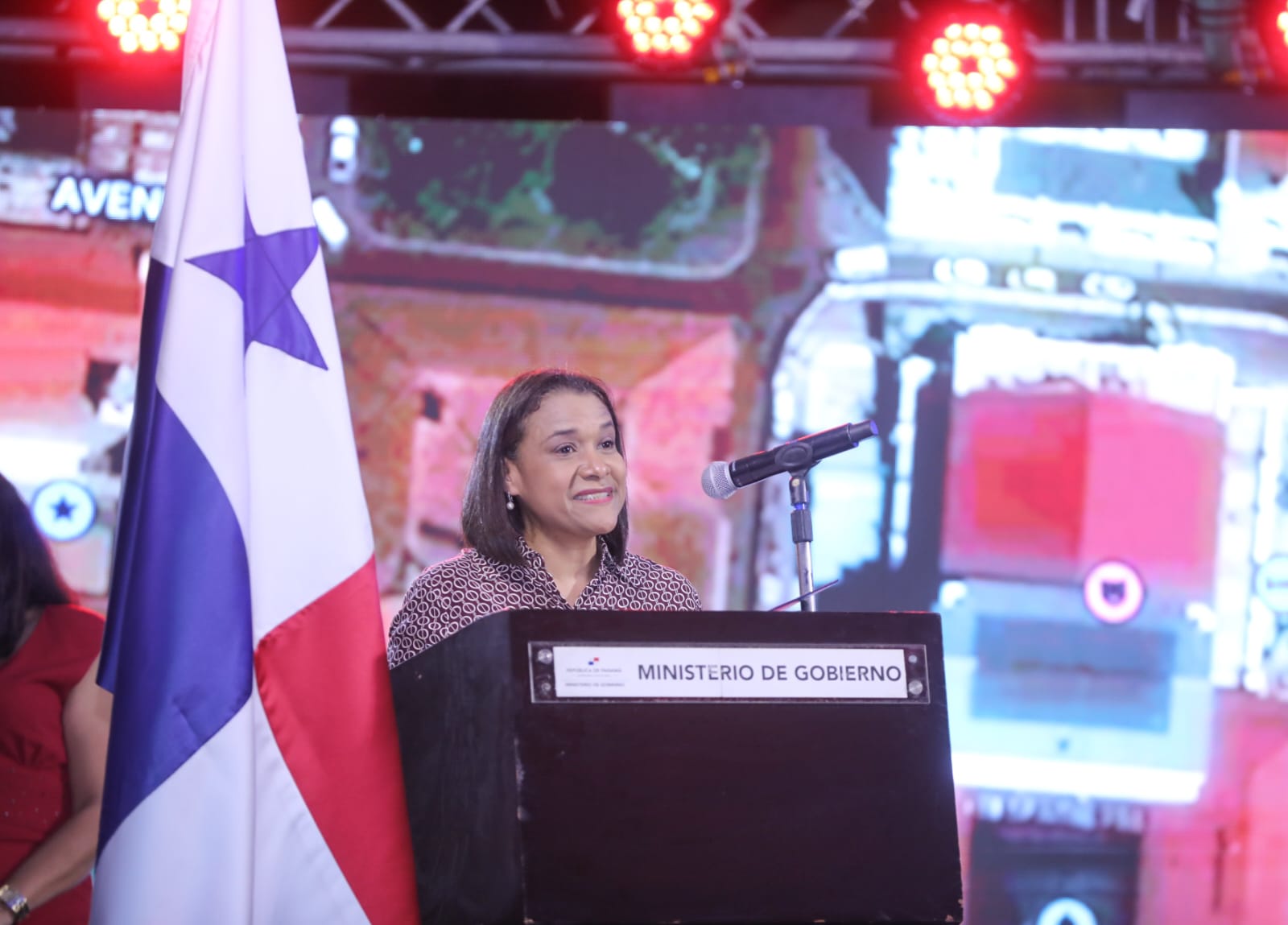
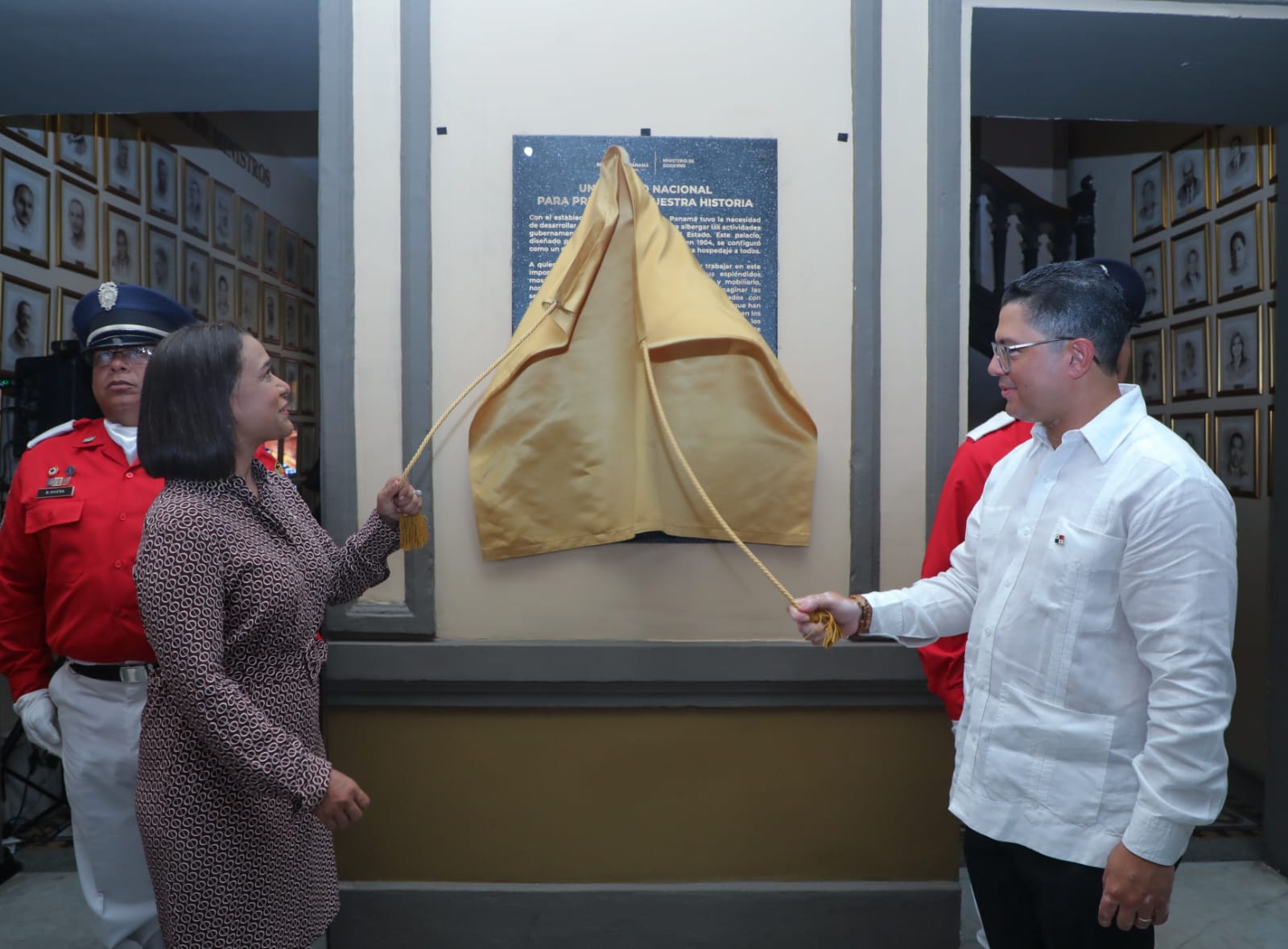
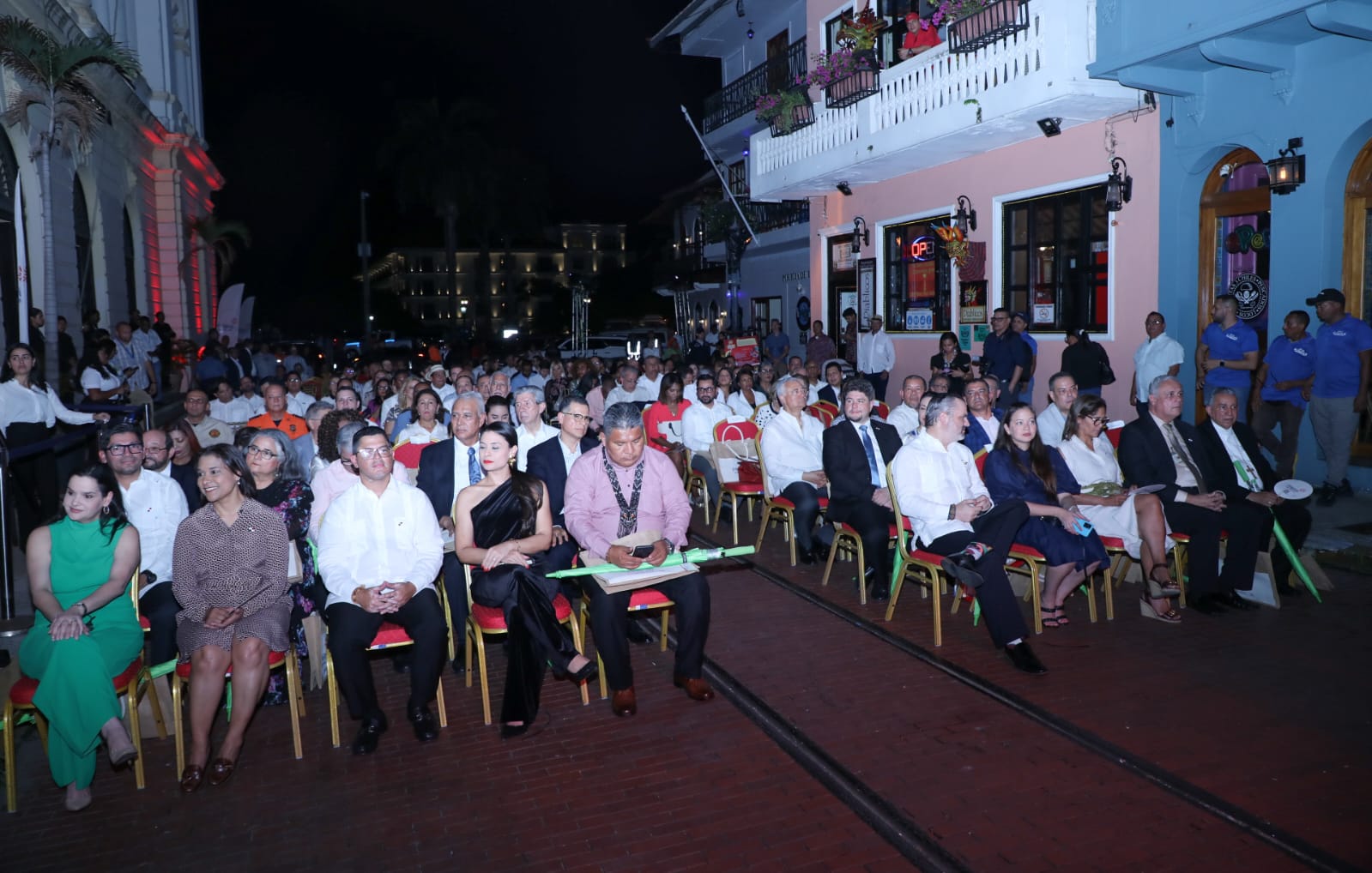
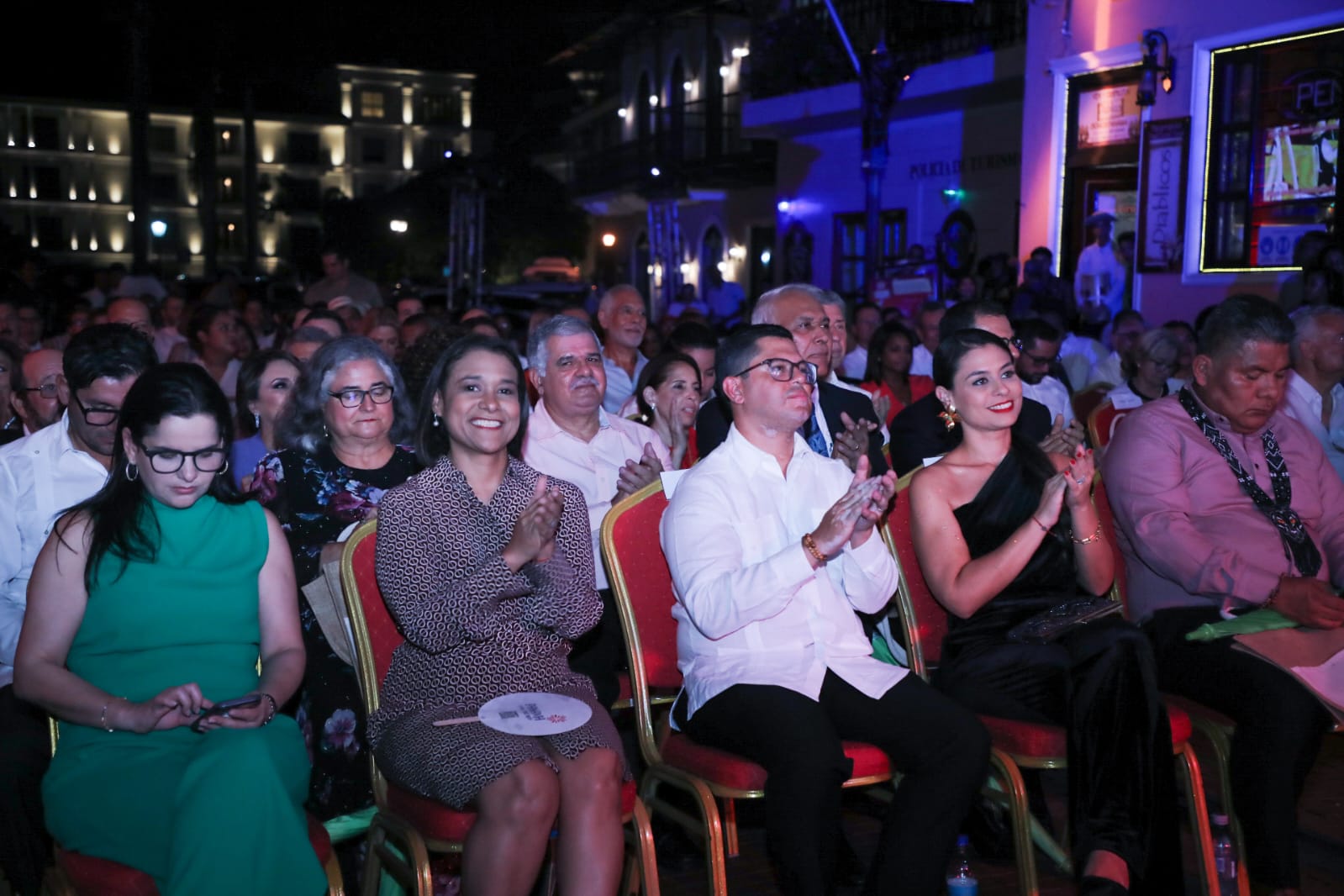
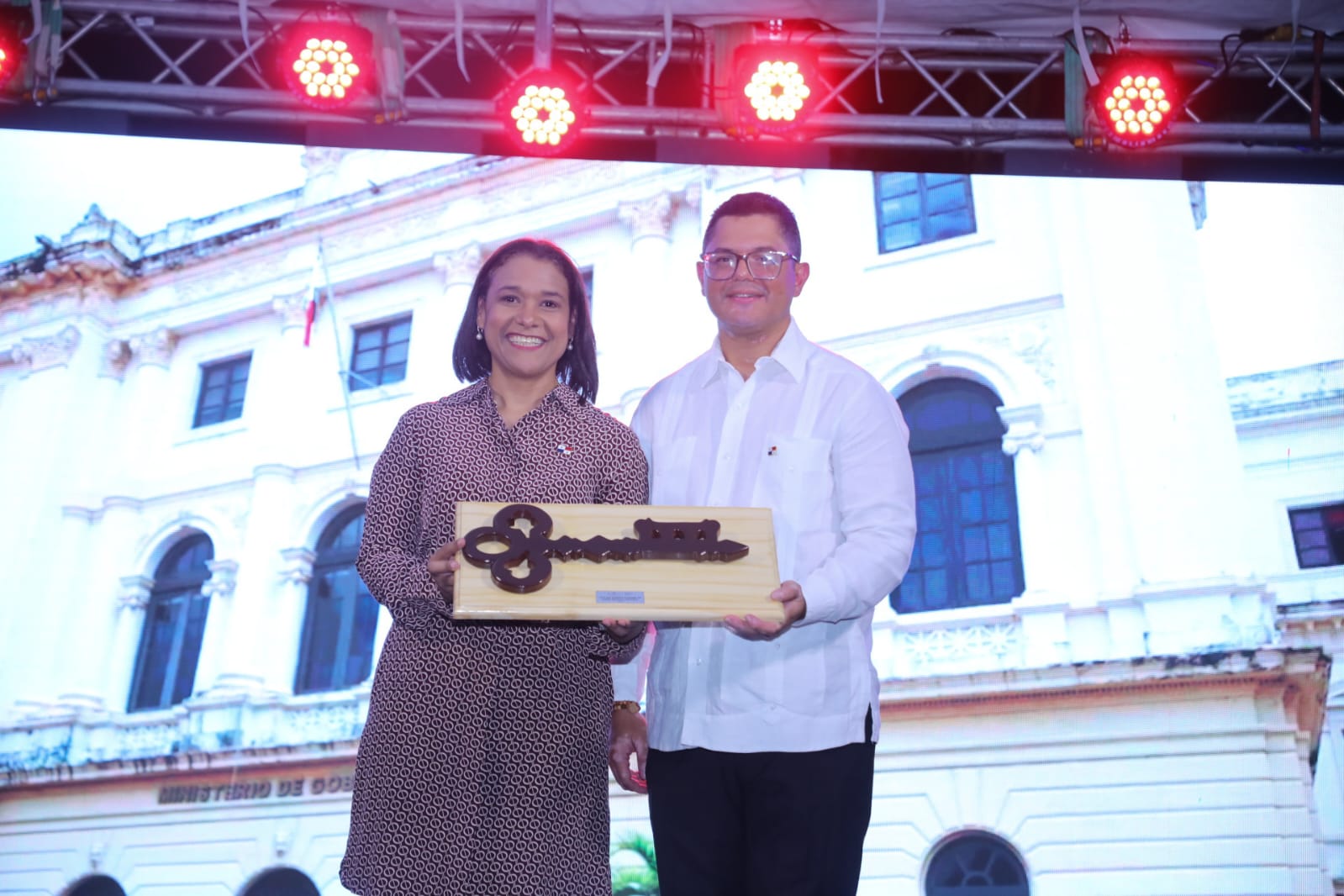
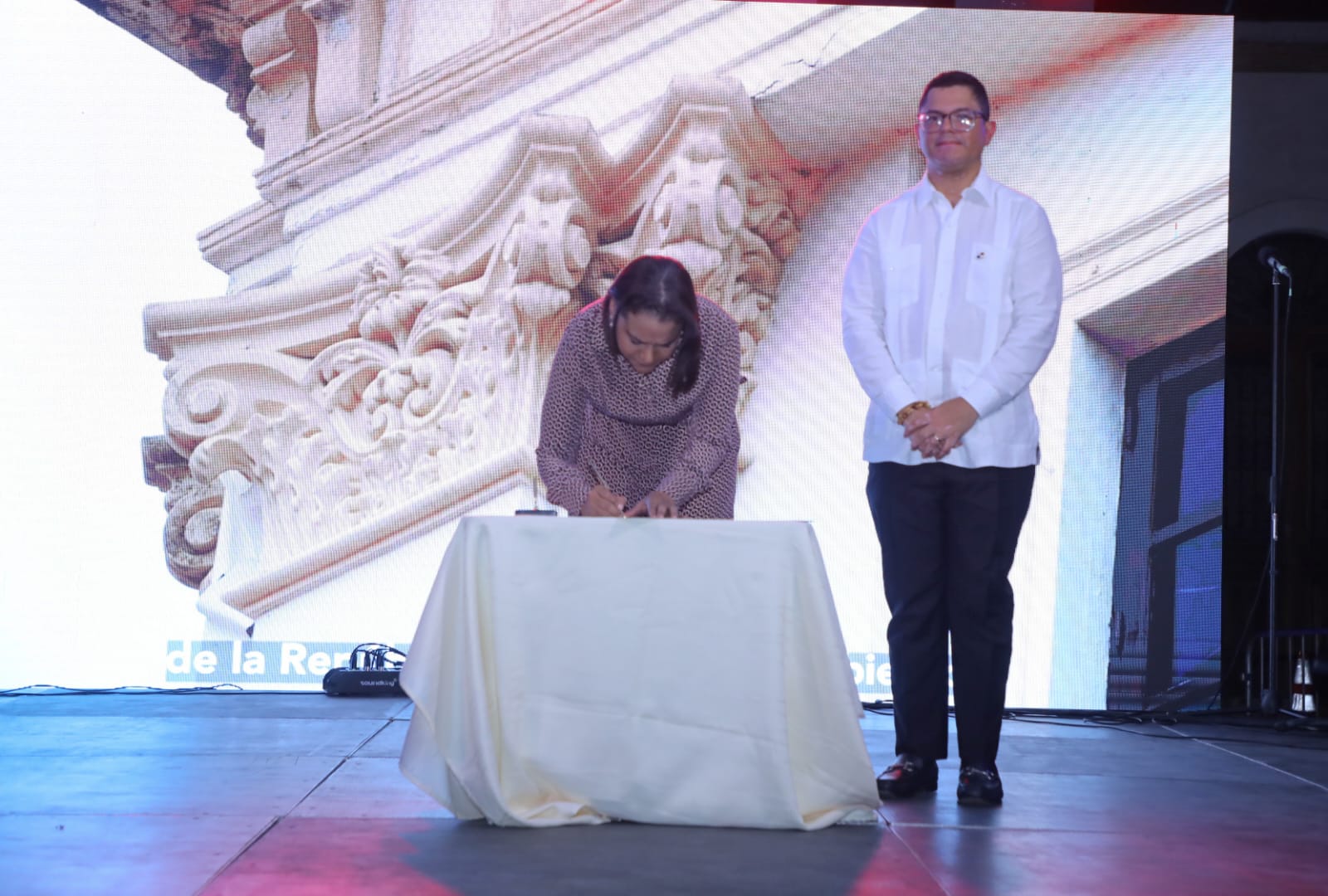
In addition to his date, information was shared with his guests about the transfer of the building that was housed by the Ministry of Government to the Ministry of Culture and that, from this May 17 at an official event, Minister Giselle González Villarrué received from his counterpart Minister Roger Tejada, a symbolic key made of wood by the persons deprived of their liberty at La Joya prison and the document of surrender of this property that at the beginning of his establishment had been housed by the three organs of the State.
At this official ceremony, the Minister of Culture gave Vladimir Berrio Lemm, director of the National Commission of National Symbols, the issue of the book "The Shields of Panama, a heraldic introduction," a work run by the Bicentennial Commission of the Republic and will be available at the Writer's House in the City of The Arts.
"Reported by the UNESCO as a cultural good, it's within the historic district of Panama City, one of the most important buildings, for that reason it's transcendental that today the Ministry of Culture takes up the flag, saving this relic, this architecture jewel of the twentieth century designed by the Italian Genaro Ruggieri that represents the efforts of the Provisional Board of Government of the founders and creators of the homeland," stated Roger Tejada, Minister of Government during the evening.
Meanwhile, González Villarrué emphasized his statement that "today we write a new story, this will be a place that will become a meeting place of art professionals, students, researchers, writers and playwrights, in which his living rooms will come to form a new stage of that building, in which we will have the responsibility to put him into technology, as it's an effective tool to move us into the past."
"That represents an important step for the Ministry of Culture, a dream of all that our history was housed in a worthy home and with this we have been starting a new stage where we have been marking an earlier and a later one, because for the first time our native peoples will have their museum, a great legacy of traditions, and where through what this place will have we will get to the heart of local and foreign people and that with pride we can say that this is the History Museum of this great country."
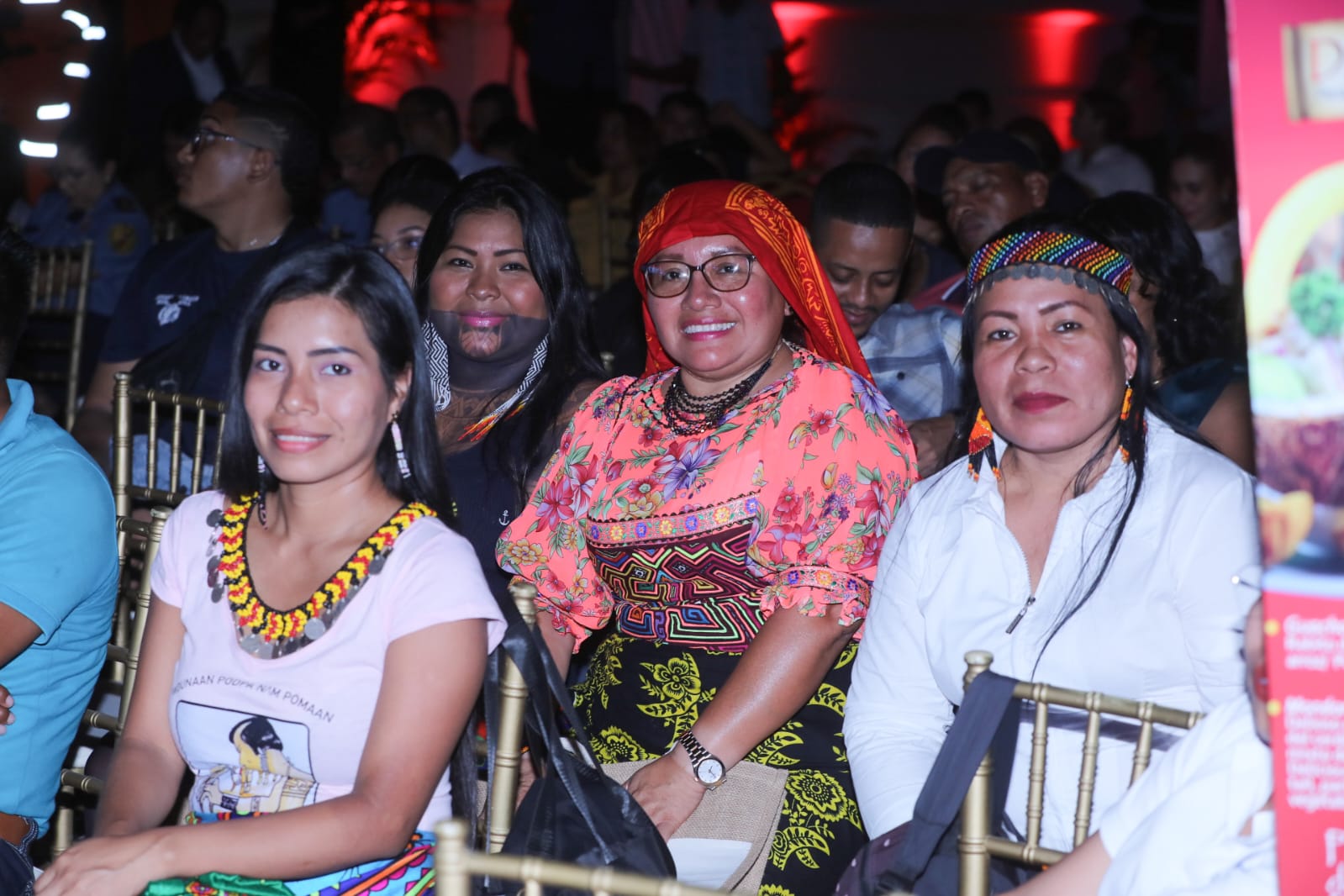
With regard to the initiative of the Museo de los Pueblos Indígenas, Sara Omi, an advocate for the Ipeti Emberá people of Panama and president of the Coordination of Women's Territorial Leaders of Mesoamerica (CMLT) of the Mesoamerican Alliance of Peoples and Forests (AMPB), stated that "it means giving that place that we have earned from indigenous peoples, will be an recognition of that struggle, that resistance, that is something that is necessary to continue to advance the identity of indigenous peoples and to maintain that history, that legacy and more important that Panamanian society knows how to secure our lives."