Machine translation. This content was automatically translated from Spanish. The Spanish version is the only official one: for all legal purposes, and in the event of any discrepancy, the original Spanish text prevails. View the official Spanish version

The Folklore National School trains 400 students with scientific training
Back to blog

The Folklore National School trains 400 students with scientific training

The Folklore National School trains 400 students with scientific training

Content of the News
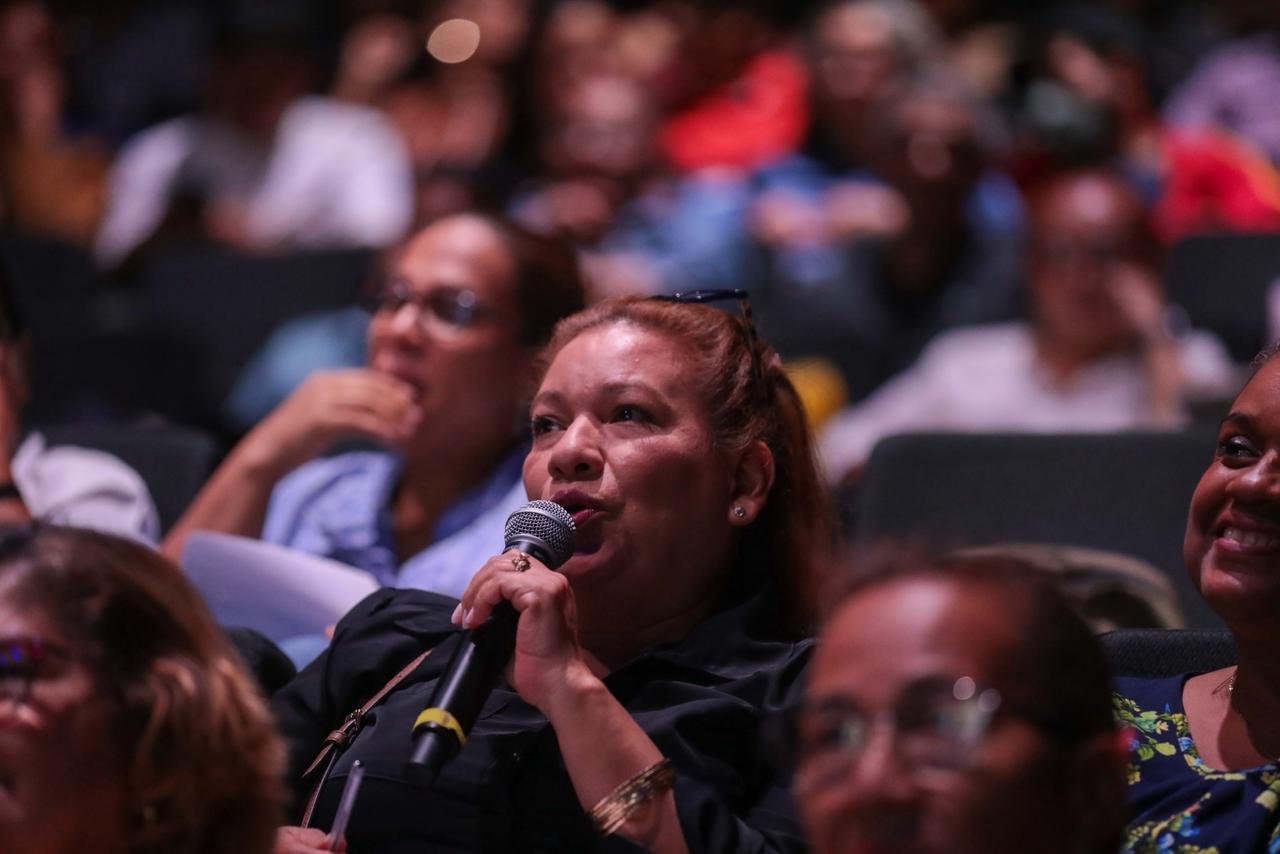
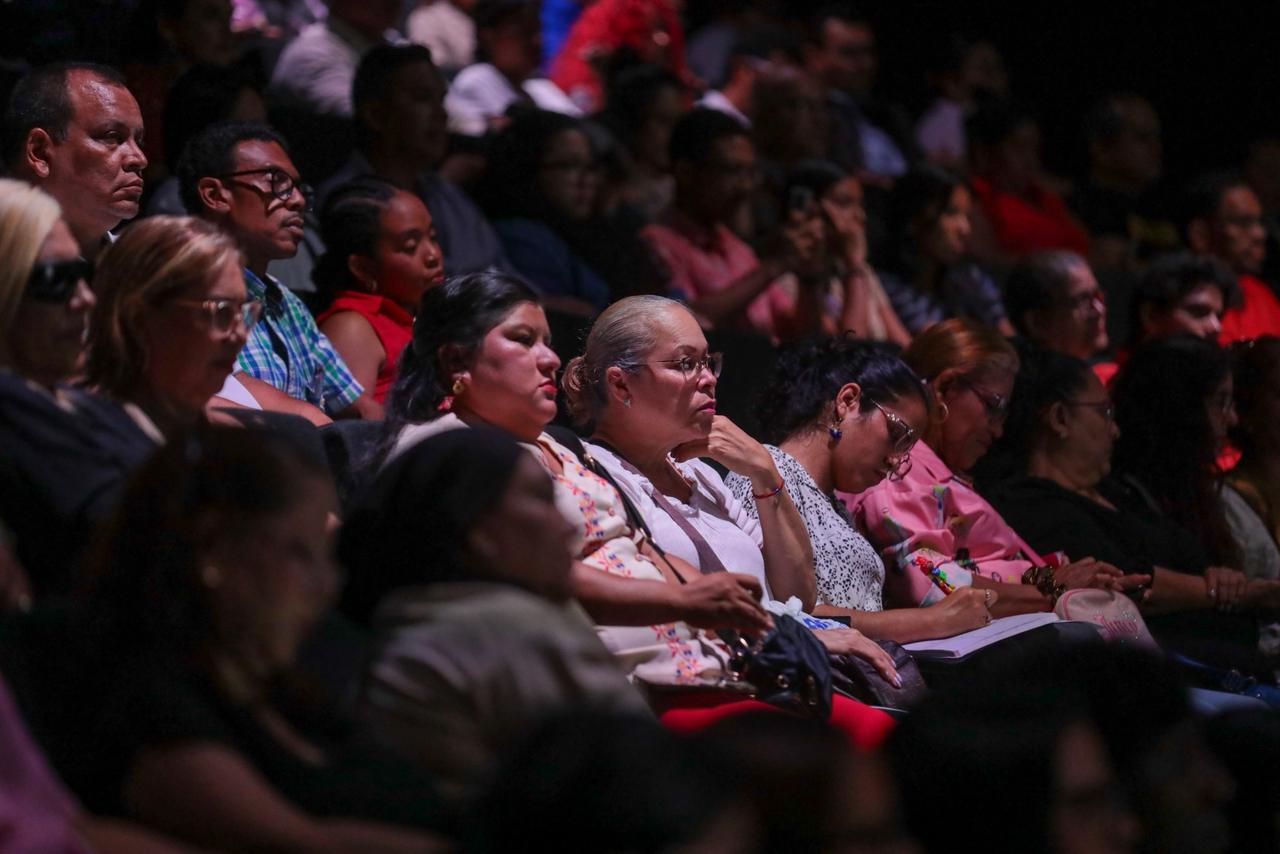
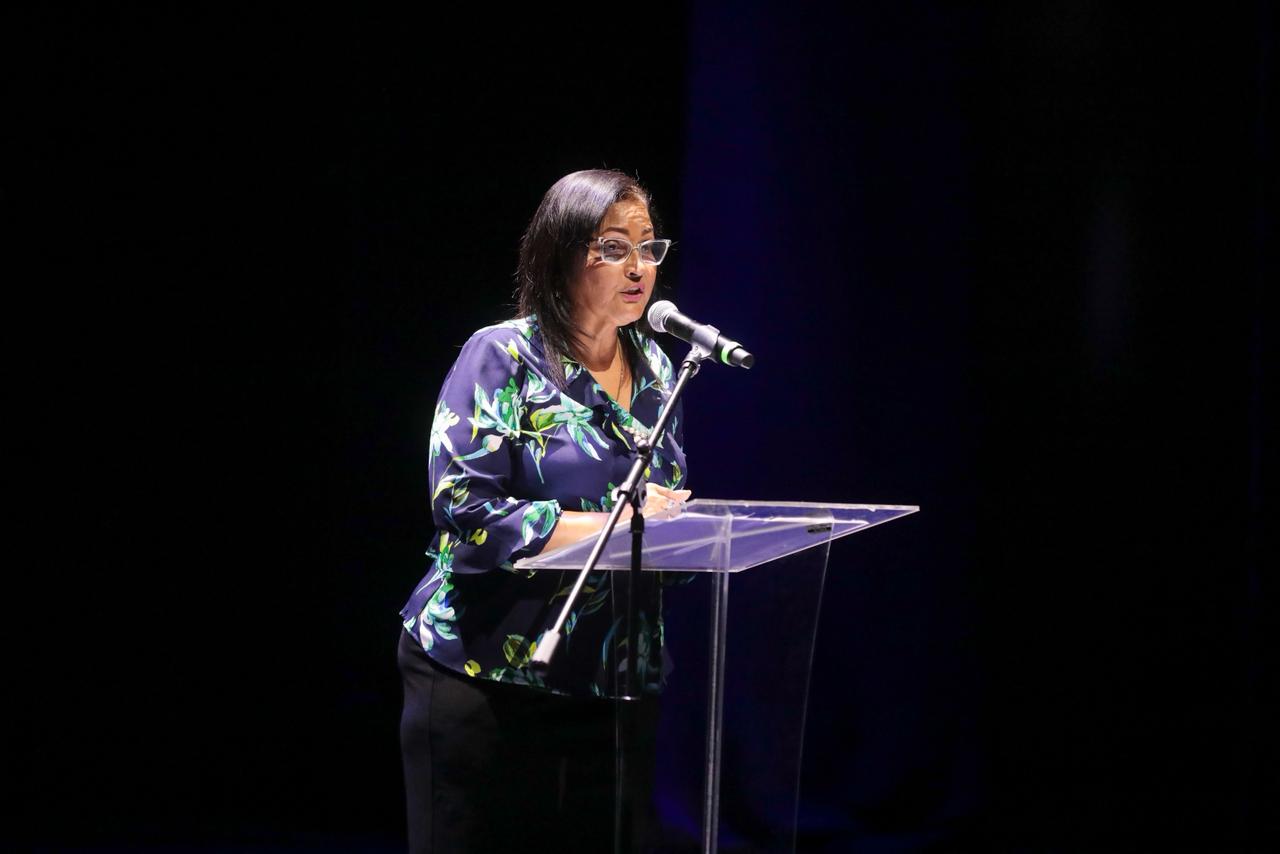
Panama, April 7, 2026. The National Folklore School of La Villa de Los Santos, under the co-ordination of the Postmedia Technical Program at Folklore of the Ministry of Culture, initiated a two-day cycle of master classes aimed at the scientific study of Panamanian traditions.

That academic initiative aims at deepening the professionalism of the sector by analyzing technical concepts that underpin the cultural identity of the country.

Alberto Gutiérrez, coordinator of the program, explained that the aim of these sessions was to make clear distinctions between disciplines such as folchlorology and folchloristics. According to Gutiérrez, while these terms are often confused with daily language, they have different natures that post-middlelevel students have to master to achieve a better understanding of matter under the guidance of specialists in folklore science.

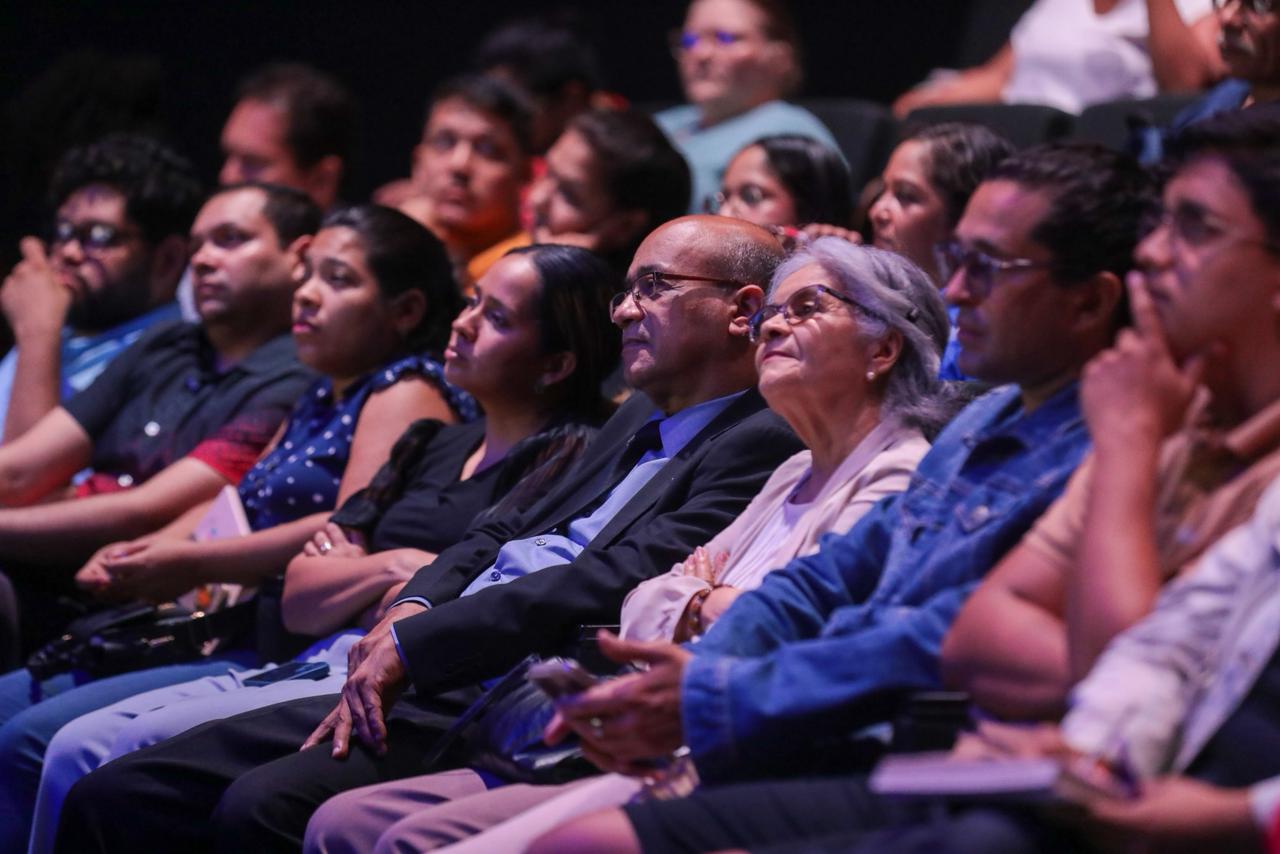
The presentations are put forward by researchers Yulissa Léguizamo, Lesbia Samaniego and Professor Artitides Burgos Villarreal, who put up with an audience of about 400 students. The work dynamic for both days includes both theoretical exhibitions and spaces for interaction, enabling attendees to put questions and resolve questions about issues that have not been fully integrated into the empirical practice of guild.

The program aims at a paradigm shift in Panamanian folklore formation, traditionally turned to practice and festive activity. The current approach prioritizes the scientific study of traditional culture, providing participants with the necessary bases to promote and disseminate national heritage with academic rigour.

That exercise of professionalism will be complemented with a dedicated congress in May and a diploma in Folchlorology scheduled for August, thus strengthening the training schedule of the institution.