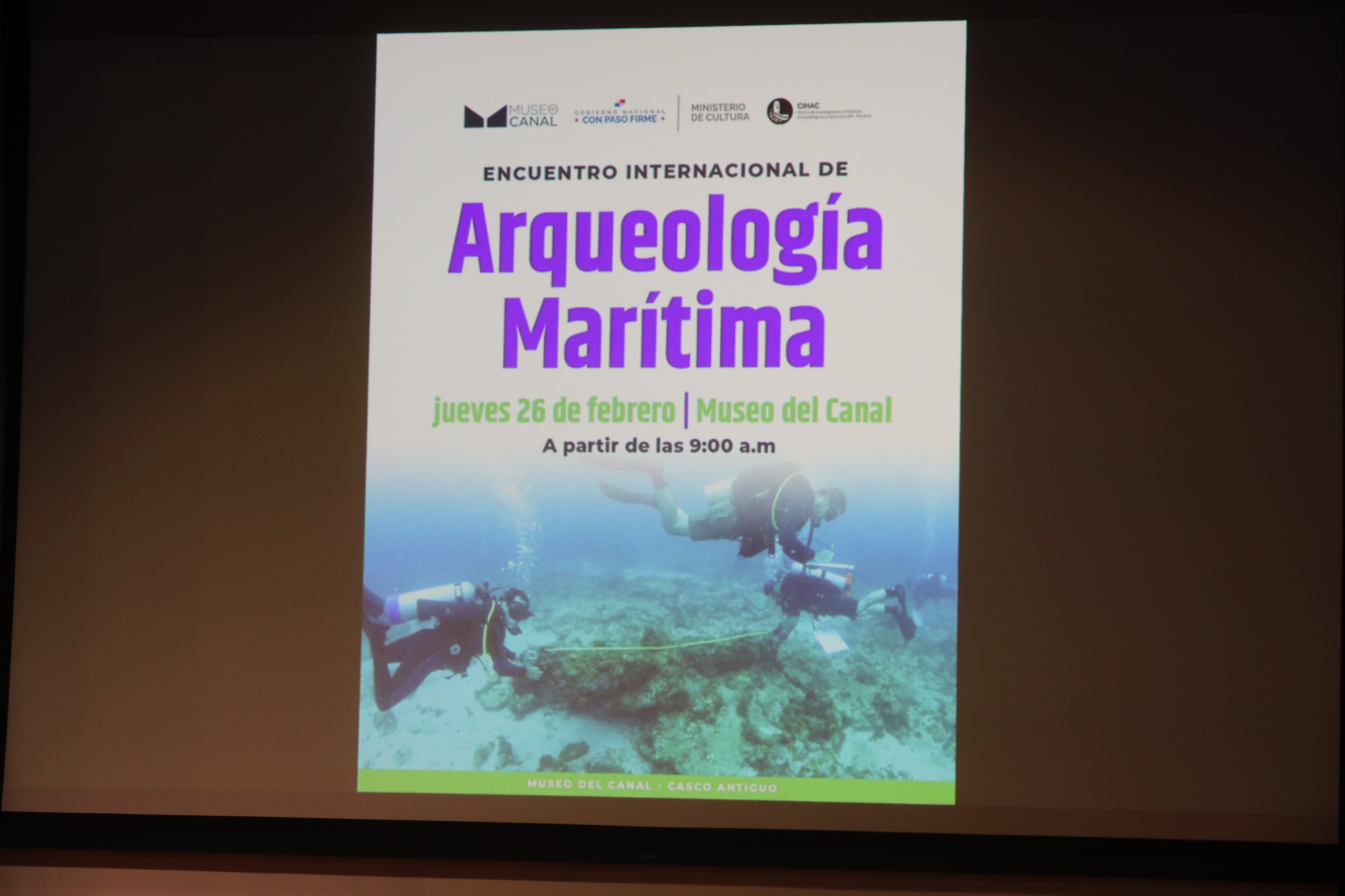
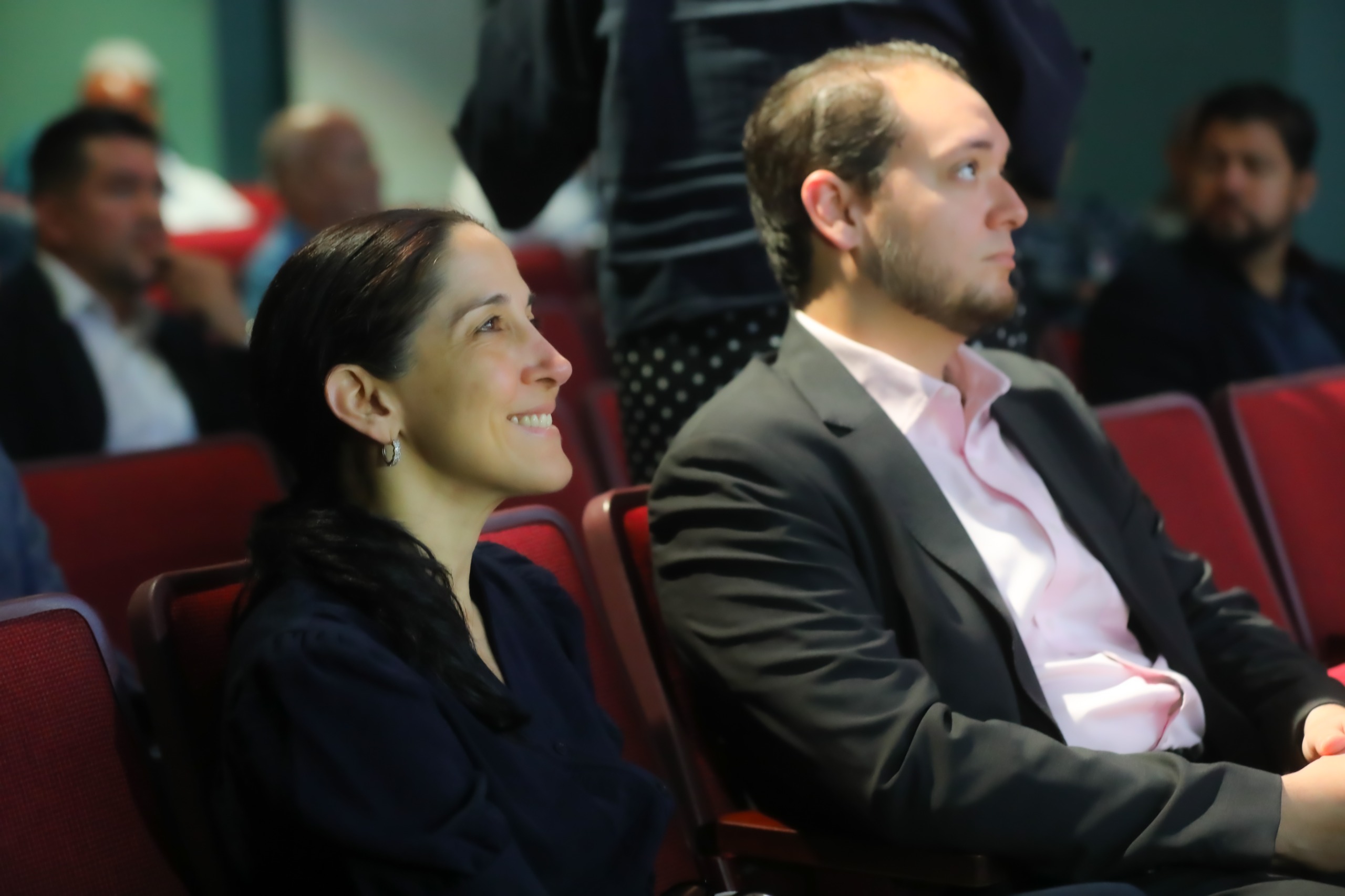
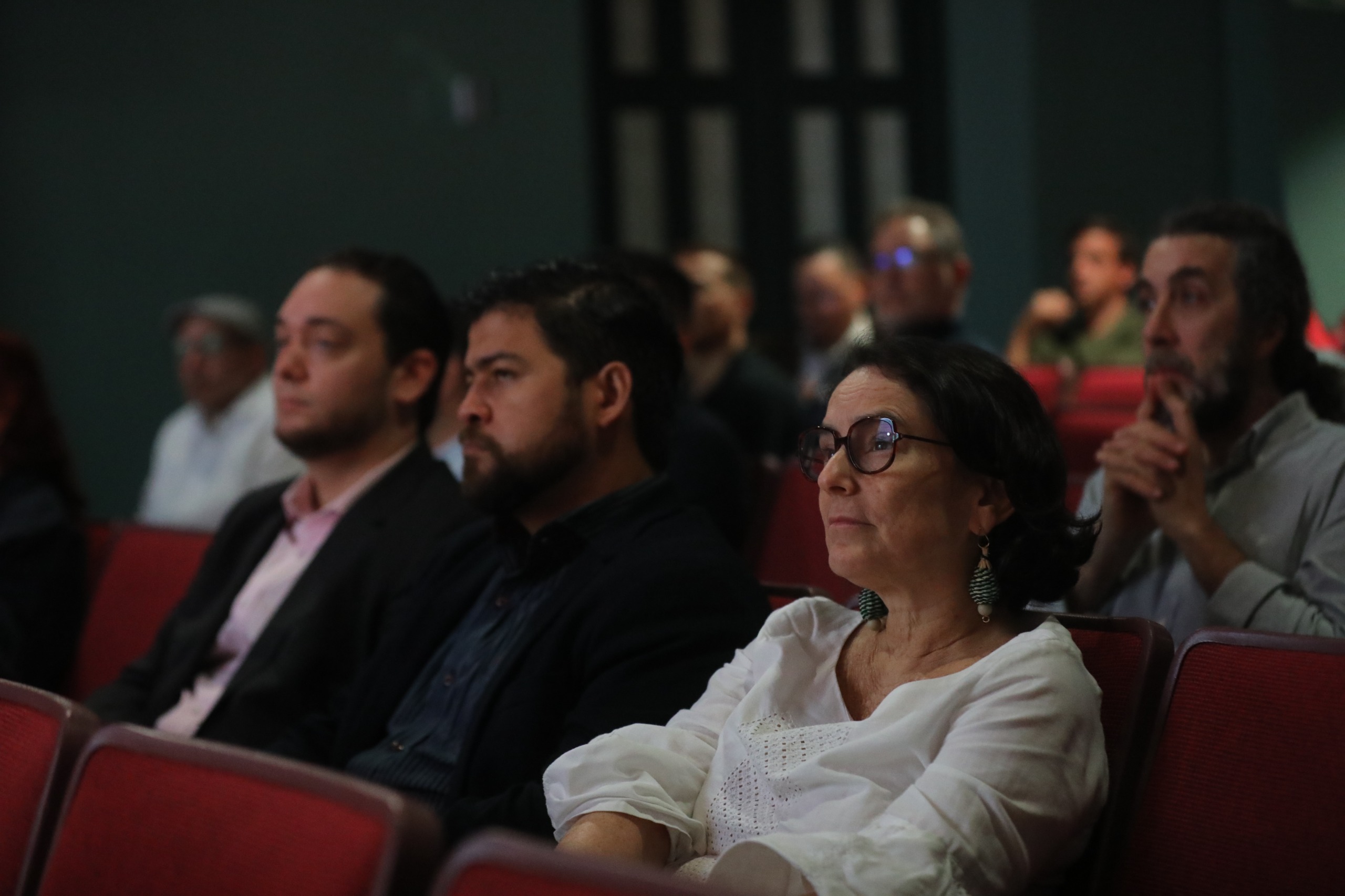
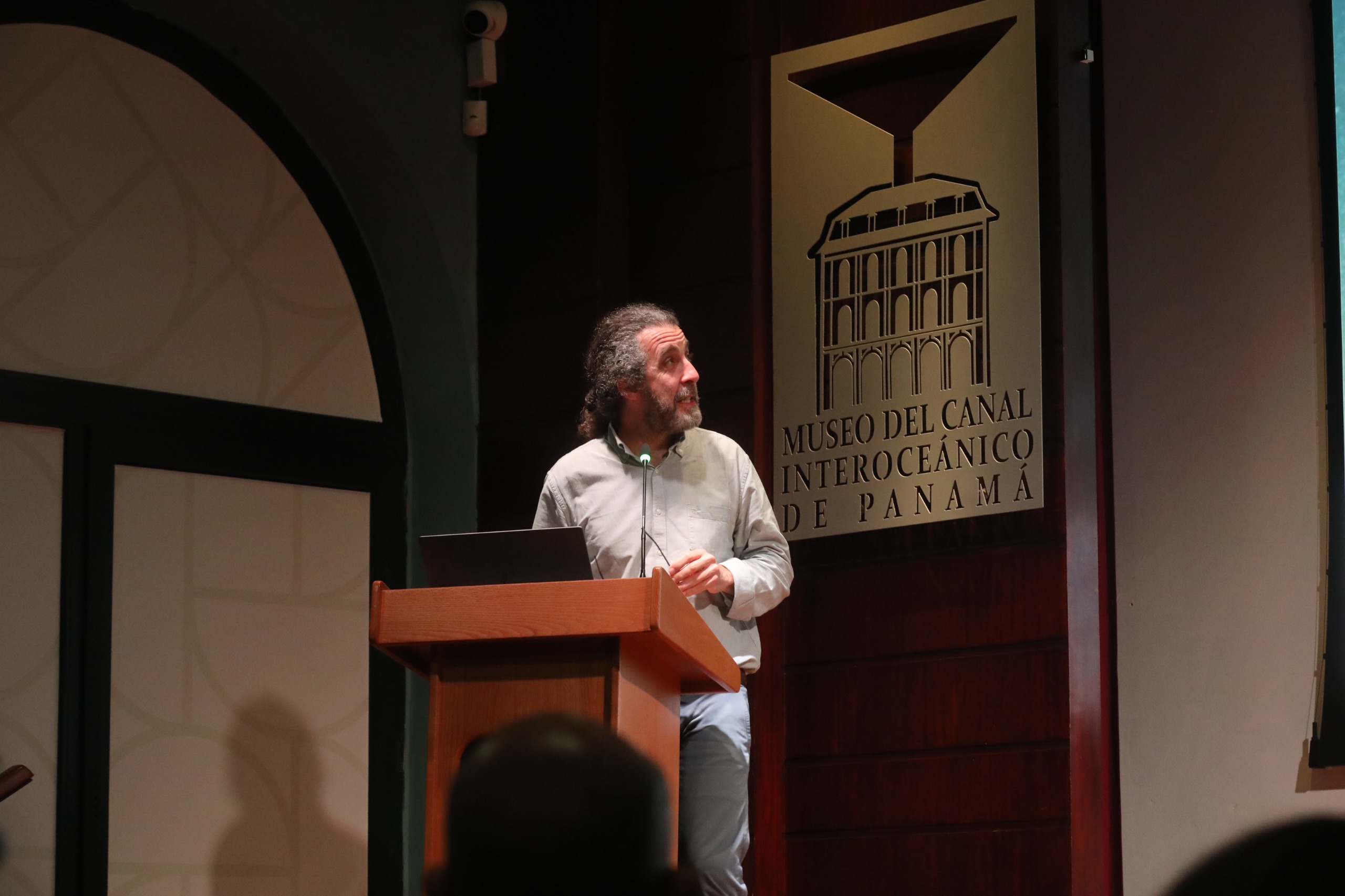
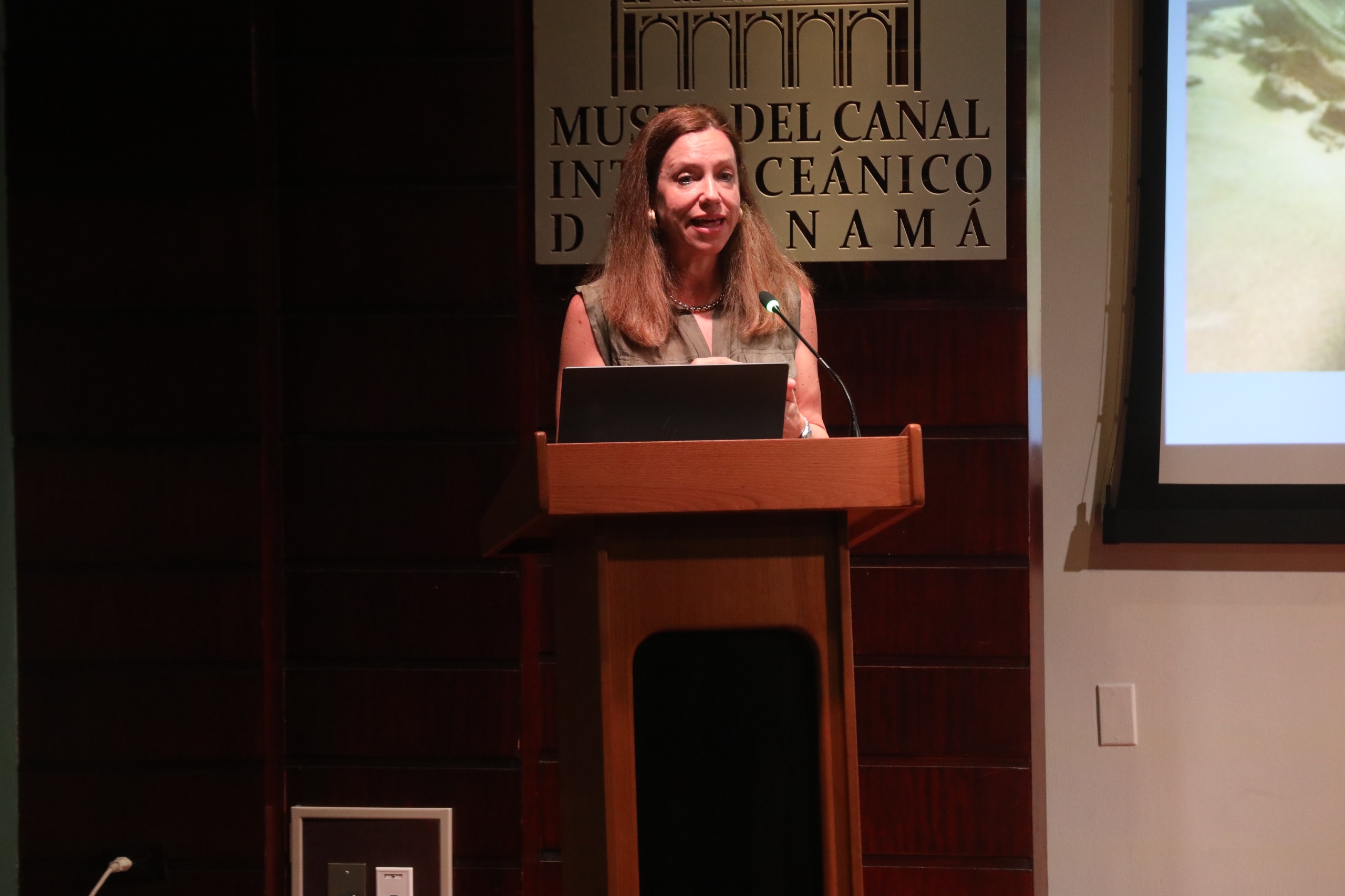
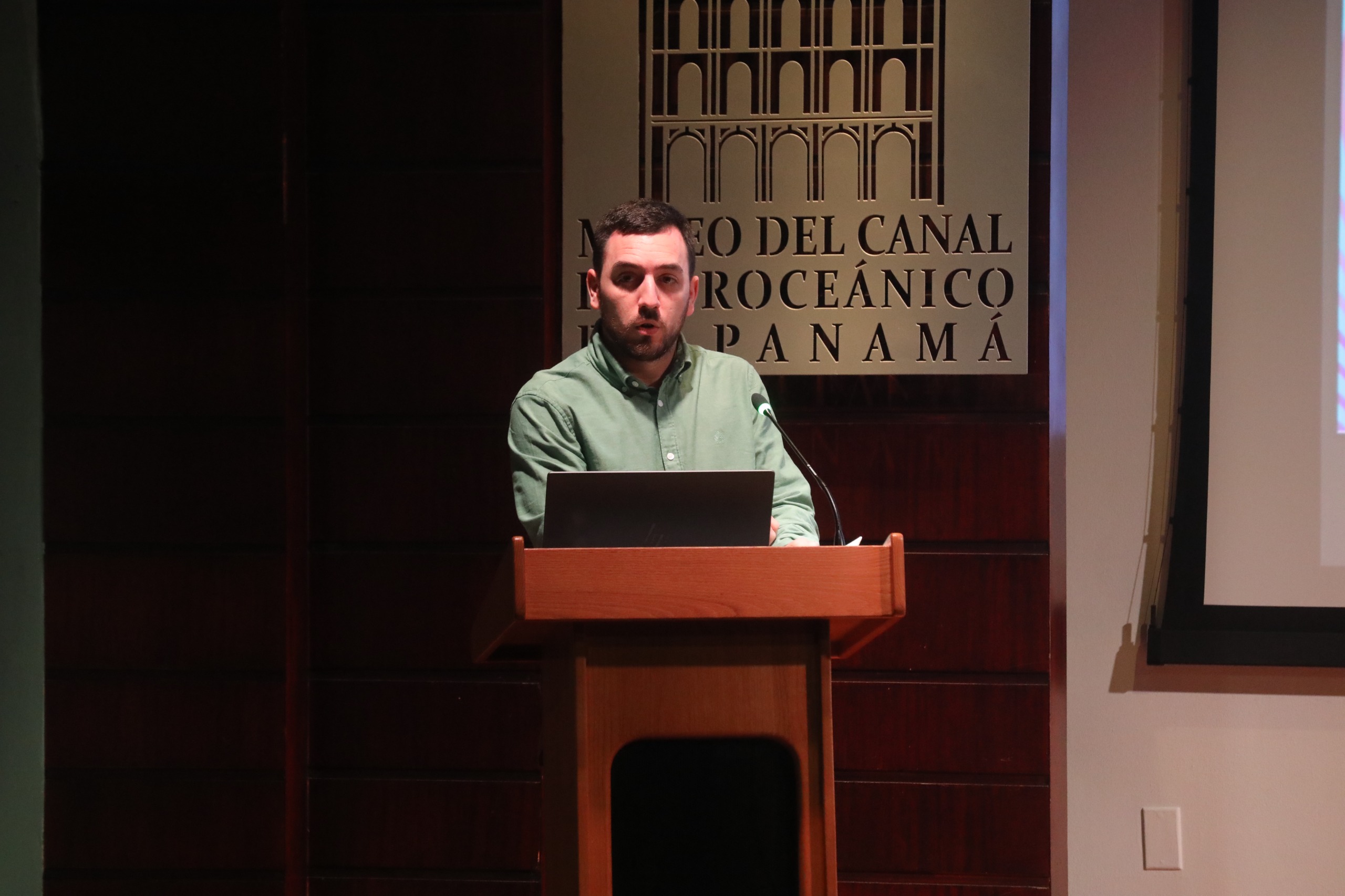
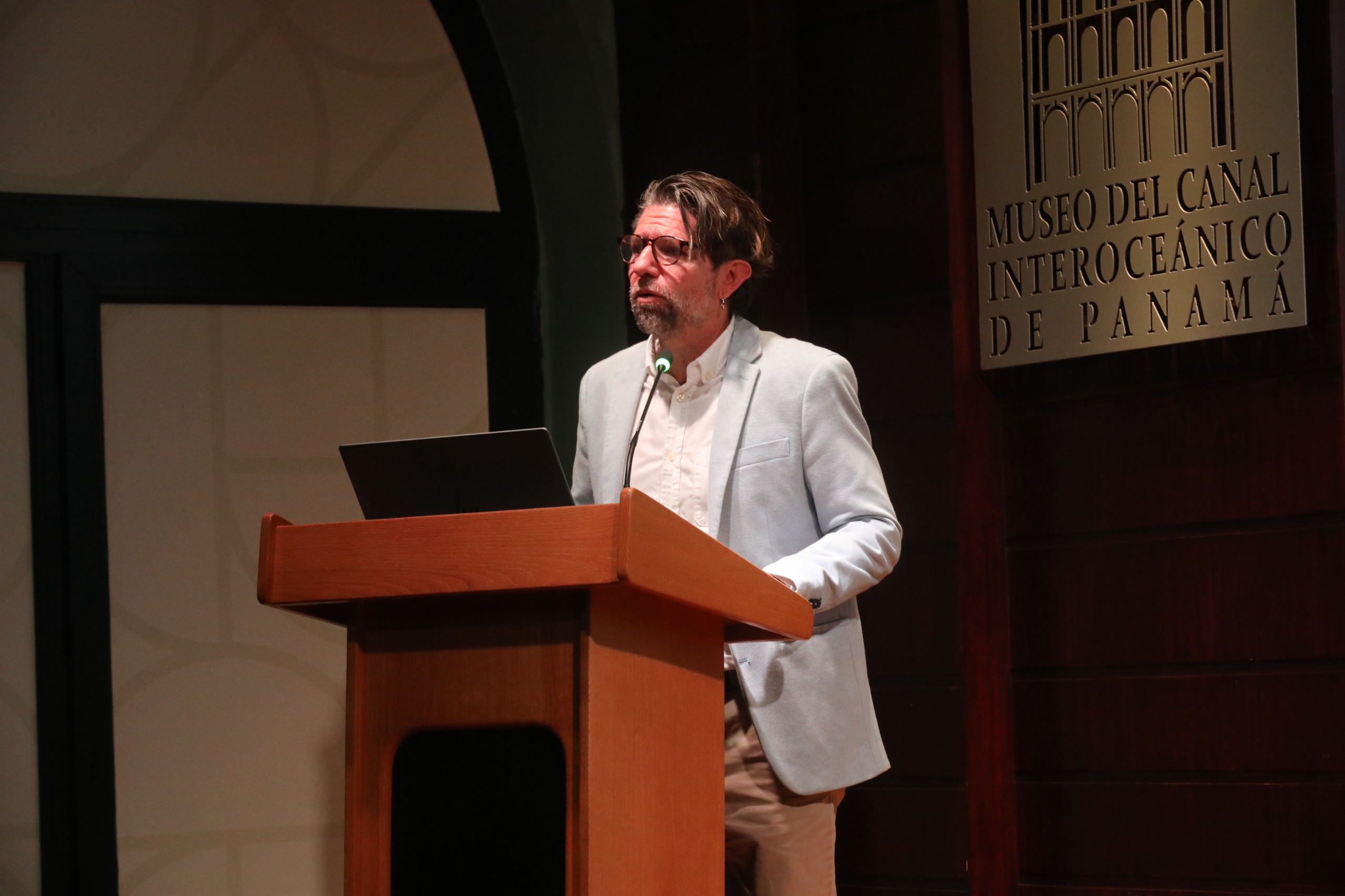
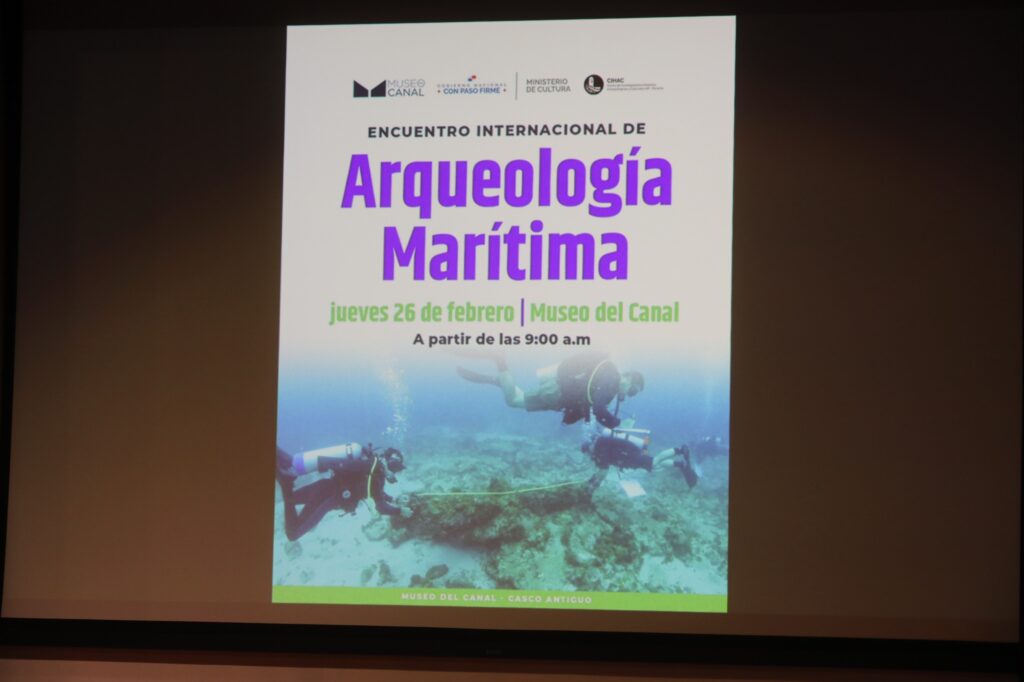
Panama, February 27, 2026. - The Ministry of Culture of Panama, in co-ordination with the Center for Historical, Anthropological and Cultural Research (CIHAC AIP), held an International Maritime Archaeology Meeting at the Interoceanic Canal Museum as part of a week of scientific work dedicated to research and protection of the nation's underwater cultural heritage.
The initiative was developed with the aim of making progress with the Panama Caribbean Underwater Cultural Heritage Inventory and establishing technical bases for its proper management and conservation.
The activity was attended by specialists from Spain, Portugal, UK, Colombia and Panama, who held academic sessions, scientific committee meetings and technical tours to historic Caribbean sites such as the San Lorenzo Fort, Name of God and Portobelo. These exchanges allowed for a joint analysis of methods and experiences in maritime archaeology and management of submerged heritage.
The meeting covered issues such as the protection of the underwater cultural heritage from the Spanish documentary collection, management experiences in Spain and Portugal and the use of technologies such as ROV, marine geophysics and data automation systems. Methodological proposals were also put forward for the archaeological inventory of the Panamanian Caribbean as well as scientific approaches to the conservation and study of the submerged heritage linked to the Transistmal Maritime Route.
The Minister of Culture, María Eugenia Herrera, noted that it was not by chance that Panama was the first country to ratify the 2001 Convention of the UNESCO on the Protection of the Underwater Cultural Heritage, this decision responded to the conviction that "the submerged heritage should be seen as an exploitable resource but as a legacy that has to be protected and studied with scientific rigour."
He noted that the National Government financed the first inventory of the Caribbean Underwater Cultural Heritage, a project run by CIHAC AIP, with the aim of having a dedicated database that will allow the State to manage these goods with responsibility and to secure their conservation for future generations.
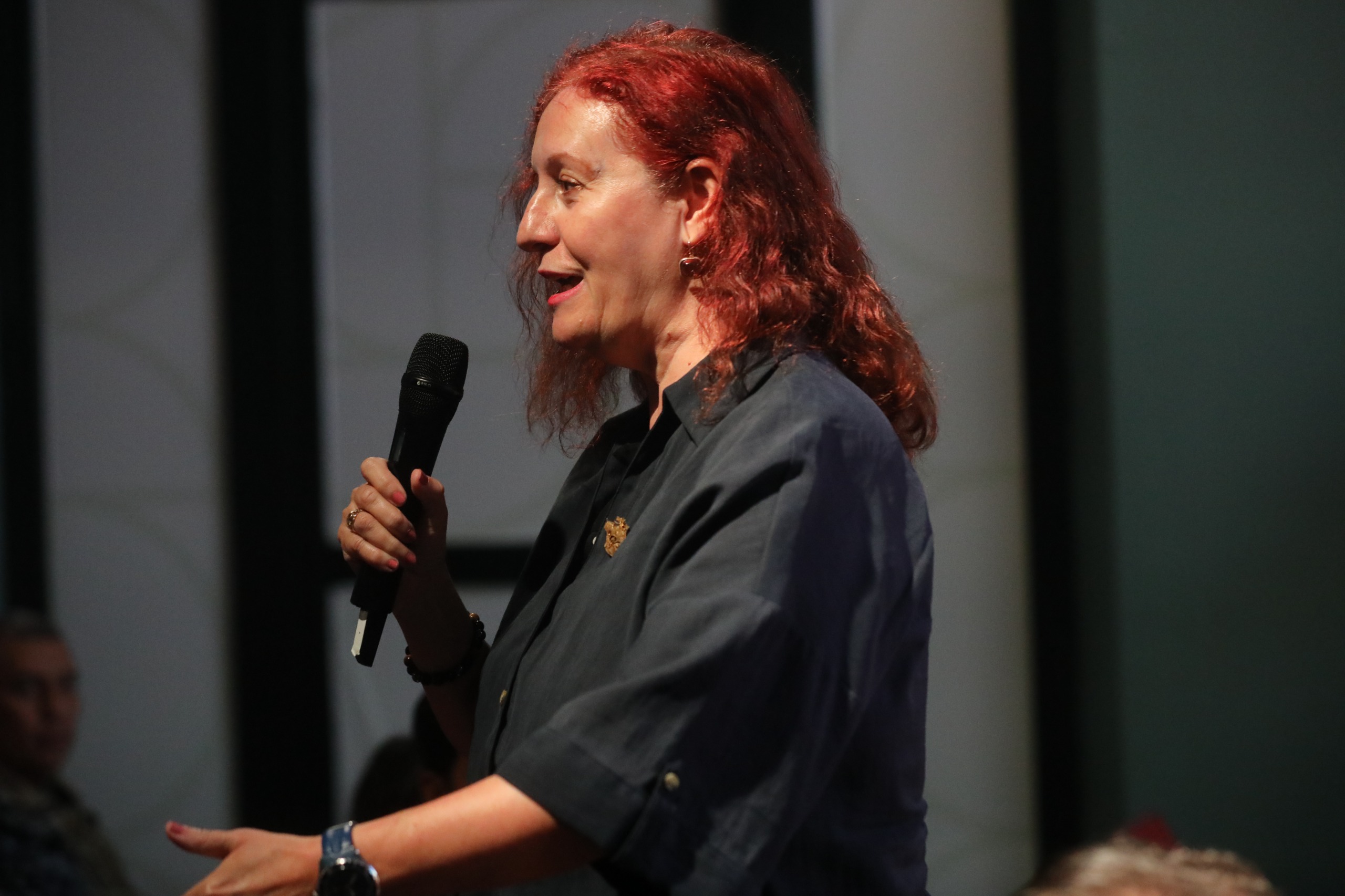
The guest specialist Cristina Guerrero López, a restaurant Conservative at the Spanish Ministry of Culture, explained that this work will better understand the history of Panama, trade and people connected with the seaport and set a regional precedent by developing a systematic project with international cooperation and thus strengthening the protection and scientific study of the country's submerged cultural heritage.
The project includes an estimated 3-year duration and will be conducted in three phases, the first phase of international archived documentation, the second phase of geophysical prospecting in strategic areas of the Panamanian Caribbean and the third phase dedicated to underwater monitoring through specialized technologies.