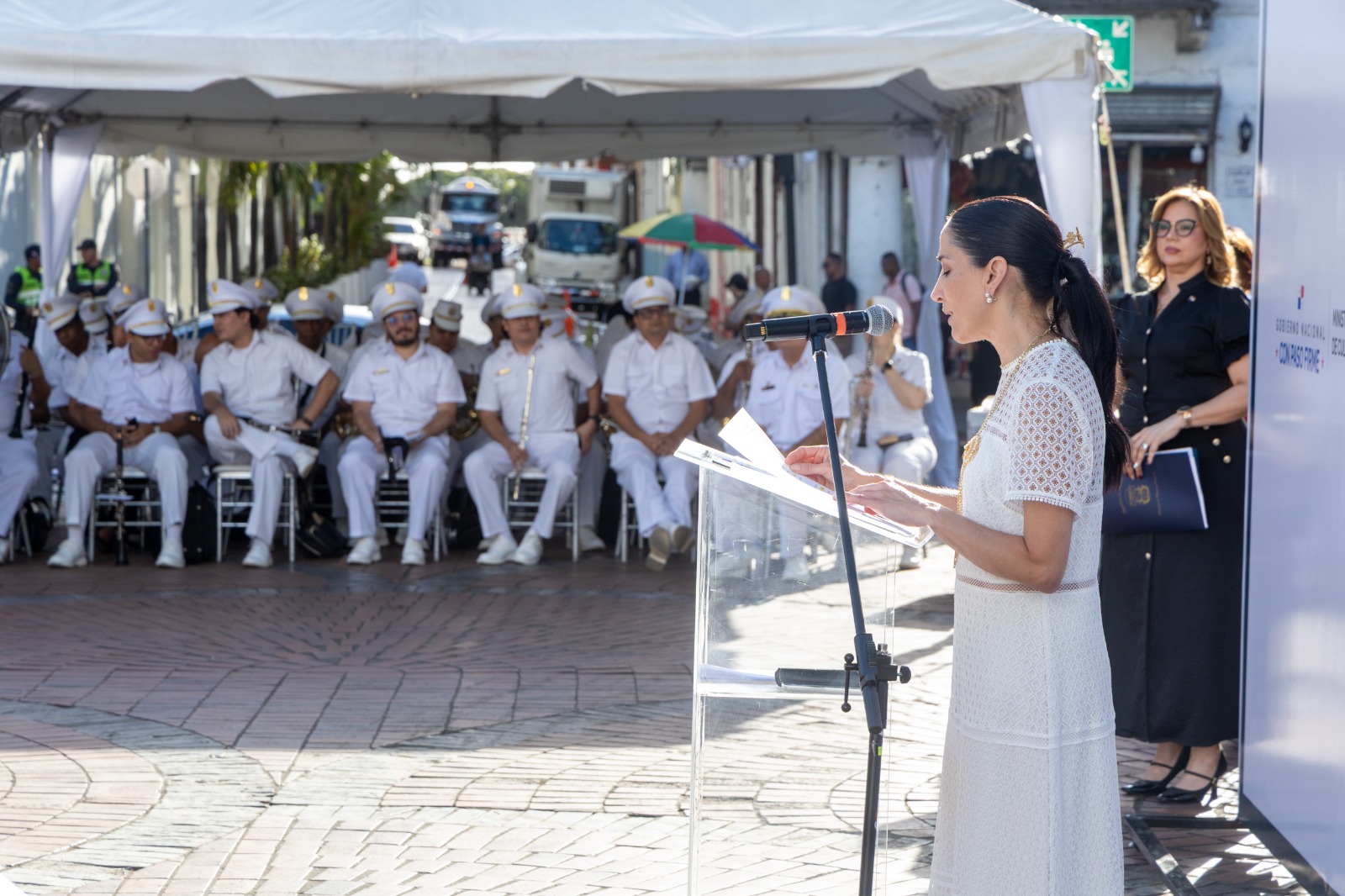
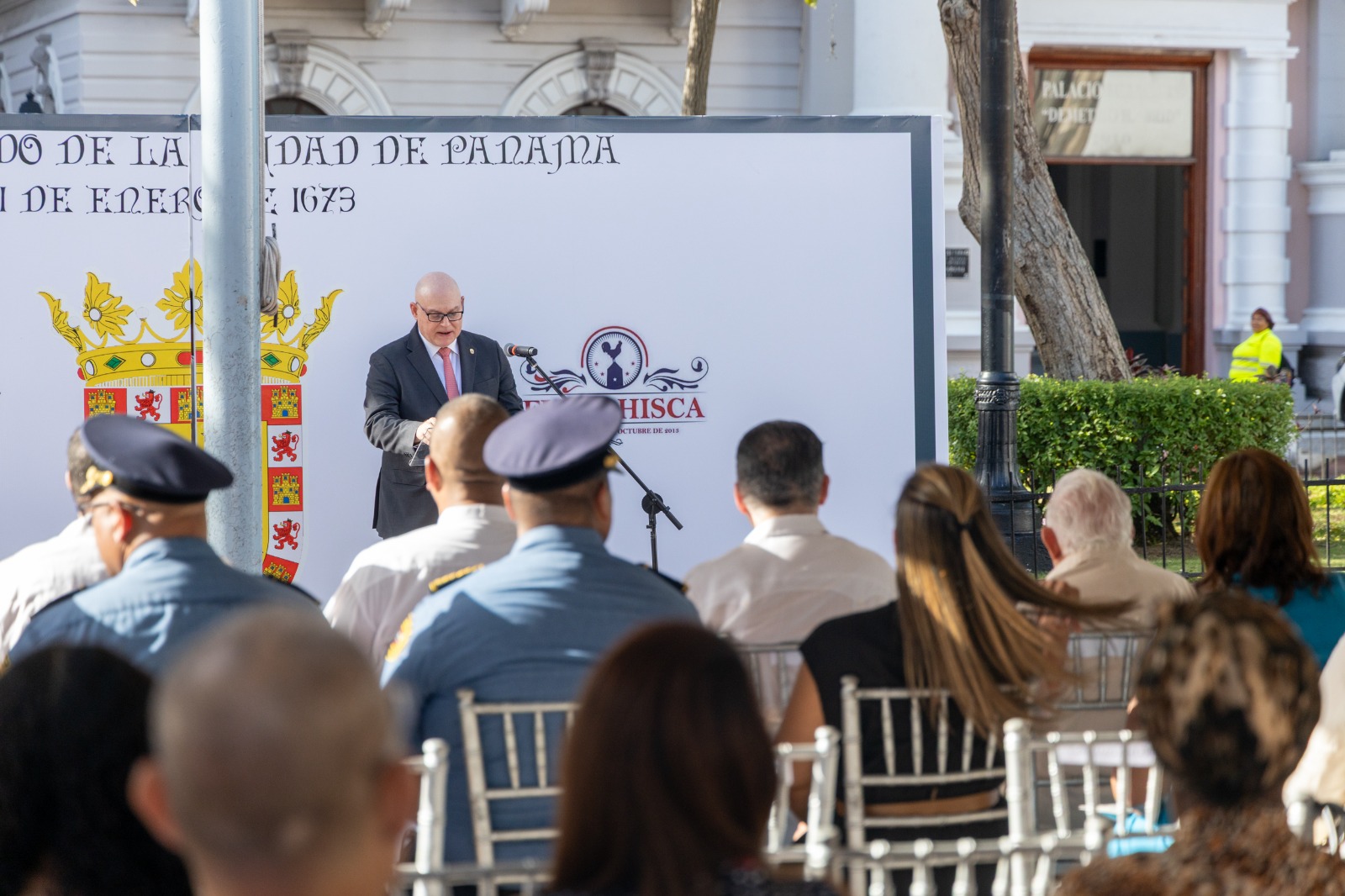
Panama, January 21, 2026. To honor the historic legacy and identity of the nation, the Ministry of Culture, the Ministry of Social Development and the Foundation for the preservation of the historic heritage of Casco Antiguo held a commemorative event on January 21 for the "Day of the Transfer of Panama City La Vieja to Casco Antiguo in 1673."
The event, held at the Plaza Mayor of the Cathedral, highlighted the urban and cultural evolution of the capital after the attack of 1671.
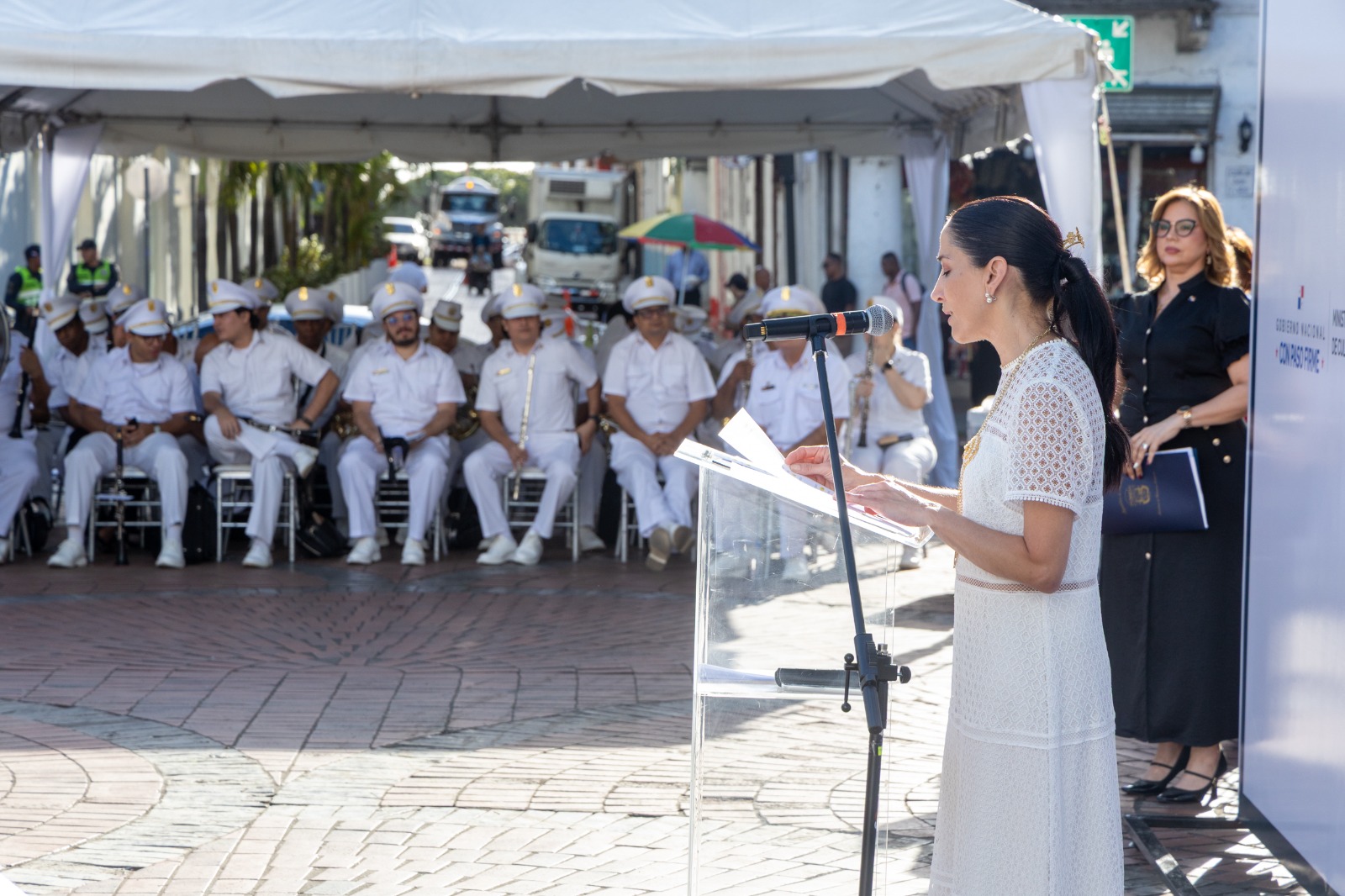
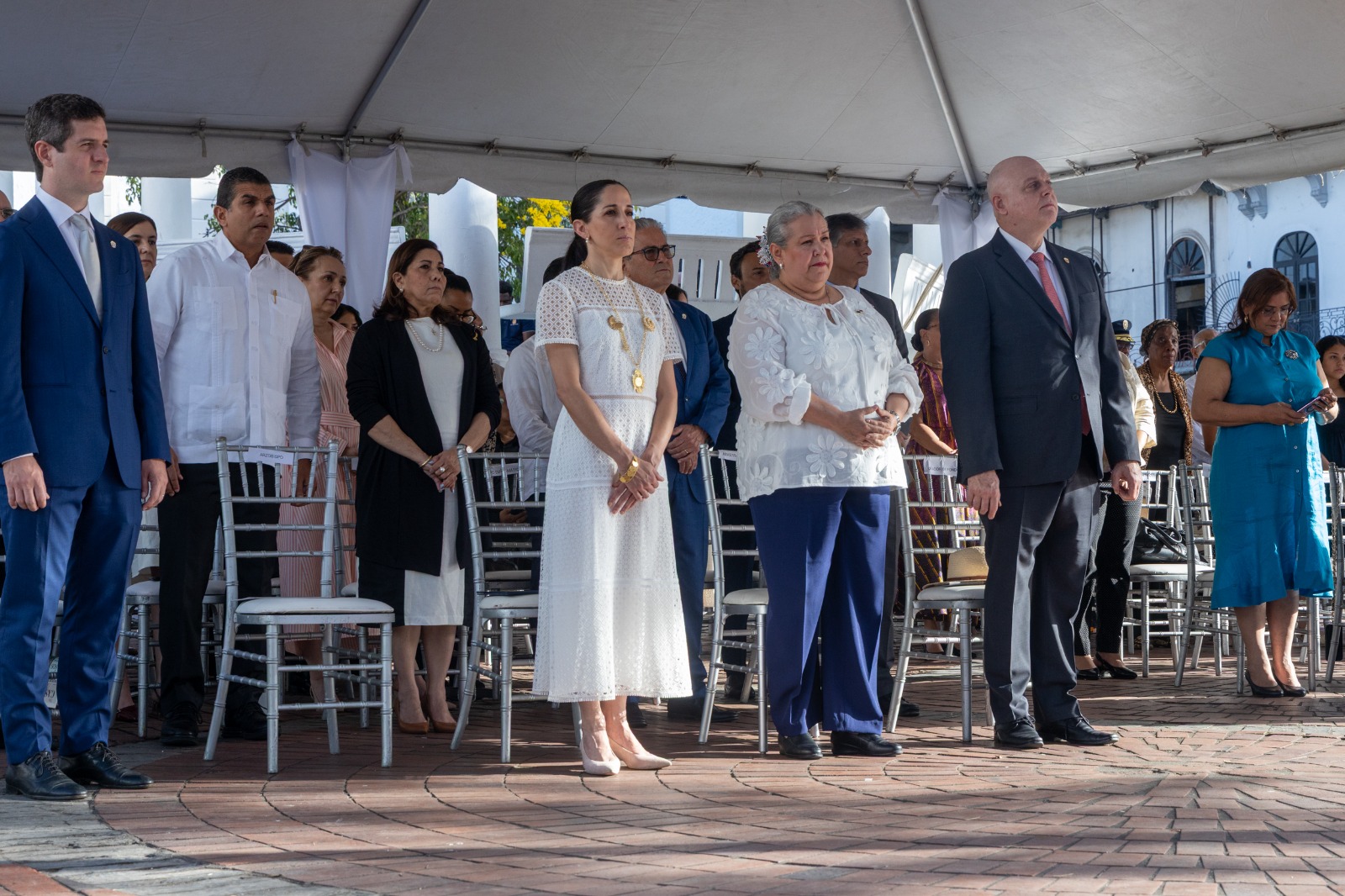
The official event began with the atoning of the national pavilion and the simultaneous sonar of the bells of the Basilica Cathedral Santa María la Antigua, the Church of La Merced and the Church of Santa Ana, followed by a religious invocation by Bishop José Domingo Ulloa and the participation of the Republican Band.
The Minister of Culture, María Eugenia Herrera, at the event emphasized that January 21 was not a minor symbolic date but a reminder of a fundamental human and political act: "reconstruction after devastation and a conscious decision to avoid disappearing from history.
The speech referred to the strategic role of the isthmus from the 16th century as a transit point between the Caribbean, Pacific and Peru's VirRealty and as an early global exchange.
The Minister emphasized that Old Panama and the Casco Antiguo are an same historic account, integrated into the TransStmal Colonial Route, registered as a World Heritage Site in 2025, for its "universal, unique, exceptional and non-transferable value" and for representing the memory of a territory that connected to the world.
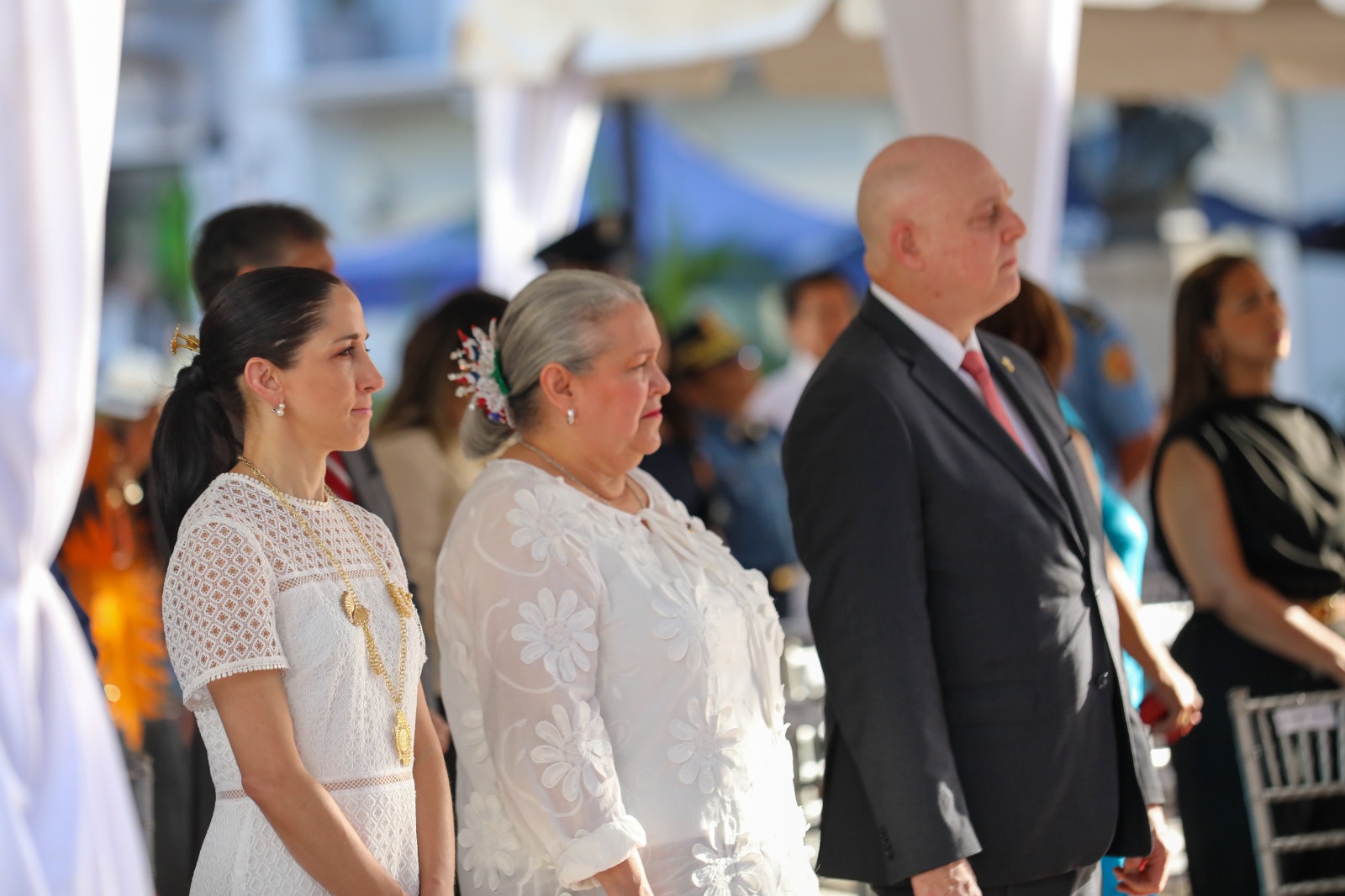
For her part, Mides Minister expressed "I firmly believe that this story interpels with us today. It reminds us that development doesn't start with great works but with the capacity of a society to care for itself, to organize itself and not to forget where it came from. The resilience that allowed Panama to be reborn is the same as we currently see in our communities as they face challenges and move forward."
The Vice Minister of Multilateral Affairs and Cooperation and President of the Bolivarian Society of Panama, Carlos Guevara Mann, in his statement recalled the historic events associated with the town's relocation, emphasizing that, at 353 years after that fact, this commemoration invites us to reflect on what we are and what we aspire to be, a capital that has grown beyond what we can imagine.
He emphasized that "it's not just about remodeling a change of location but about recognizing Panama's ability to re-invent and transform adversity into opportunities." He also emphasized that Panama La Vieja and Casco Antiguo do not compete with each other but they complement each other: the first represents the origins and early opening to the world while the second symbolizes reconstruction, institutional and continental projection.
He concluded by noting the importance of decision-making that will guarantee a dignified and living town for future generations.
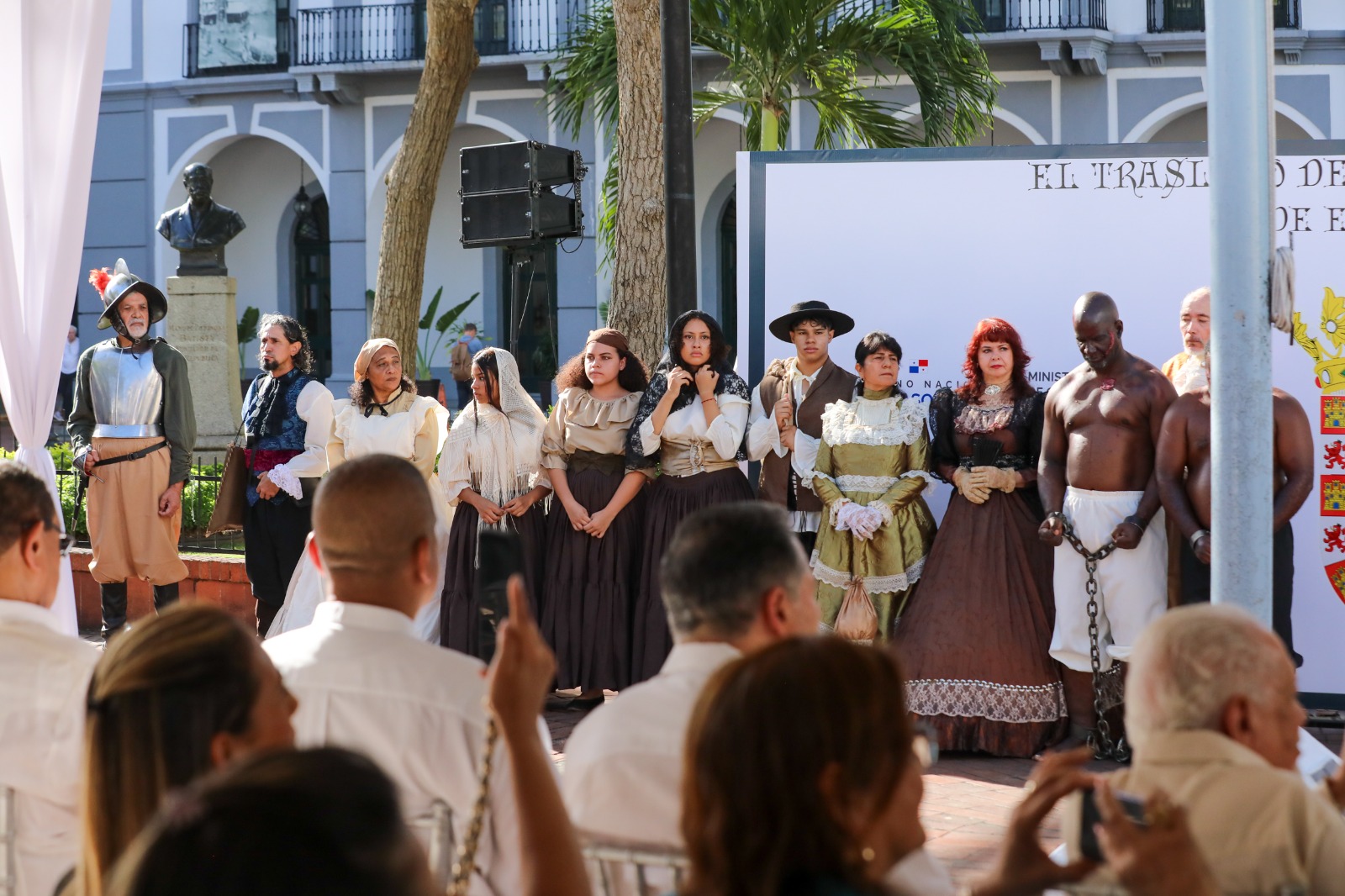
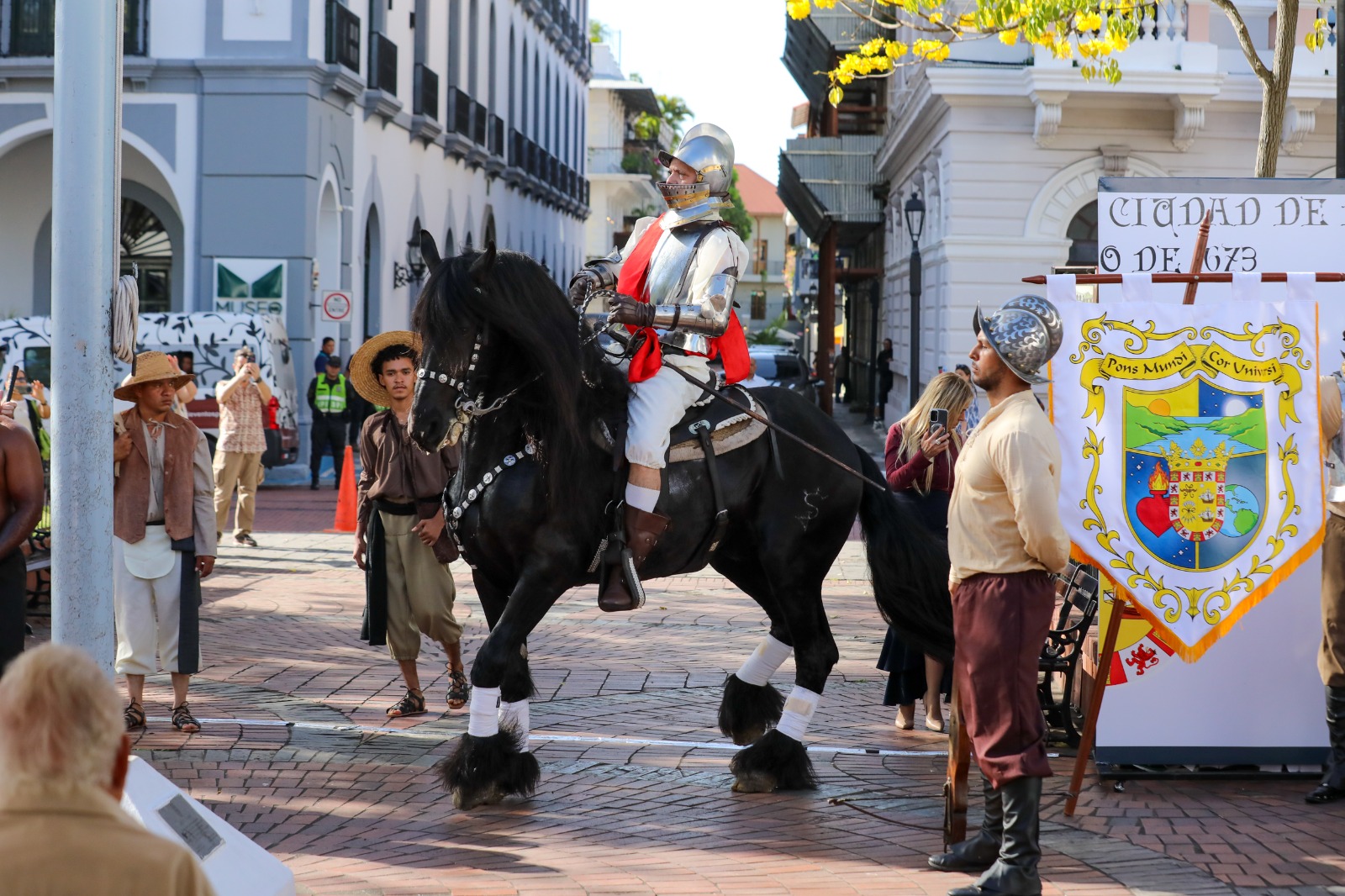
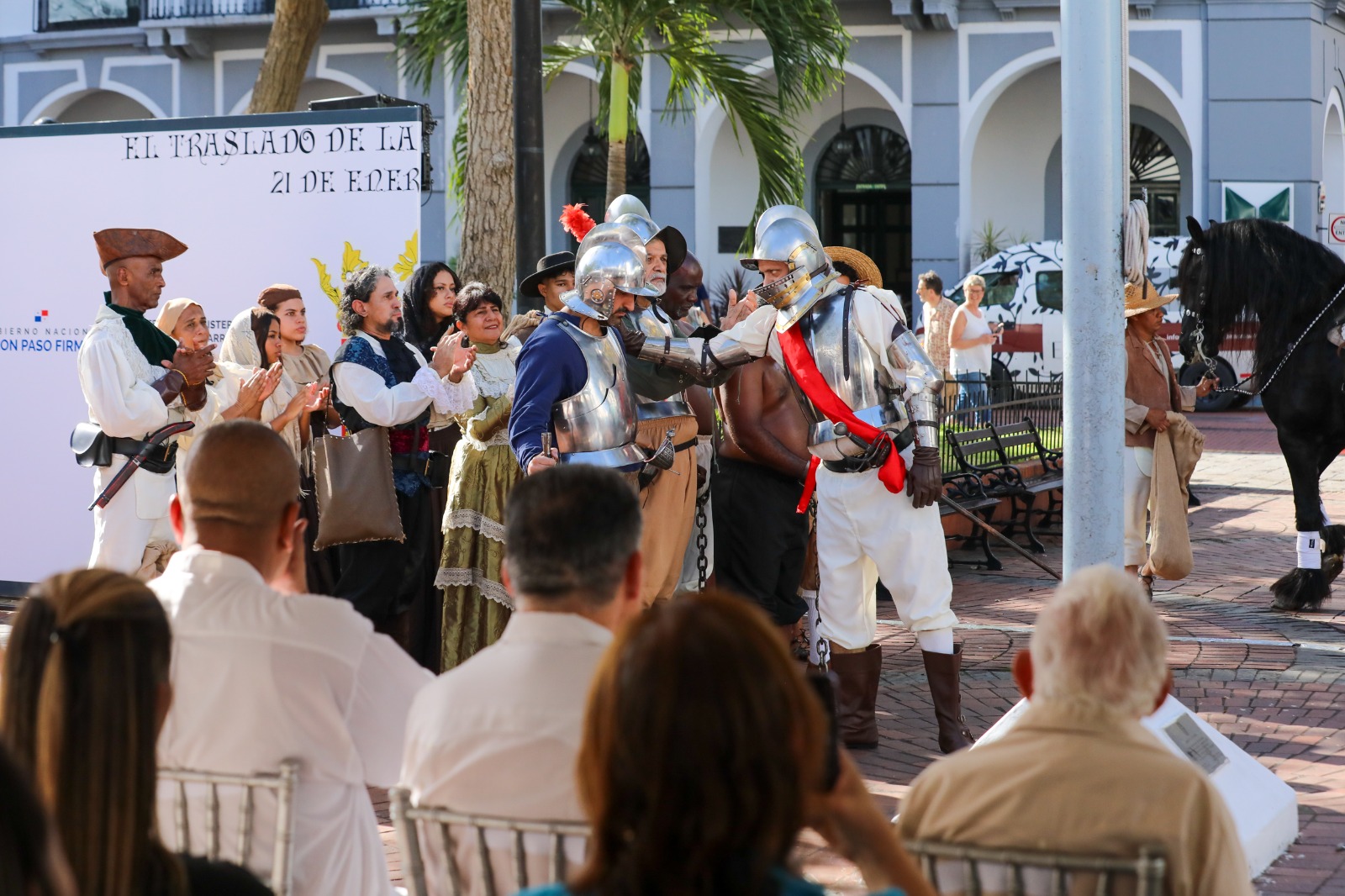
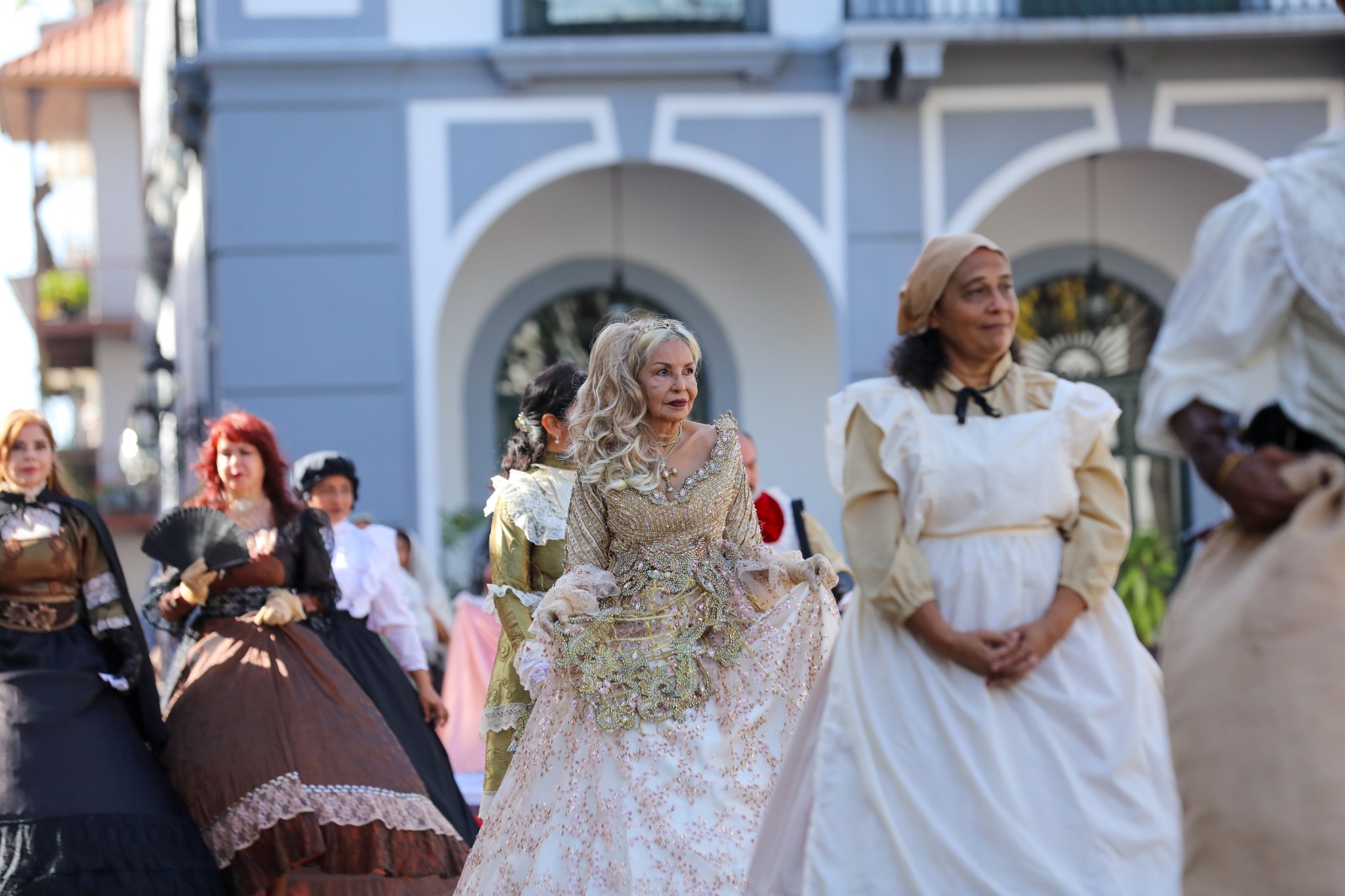
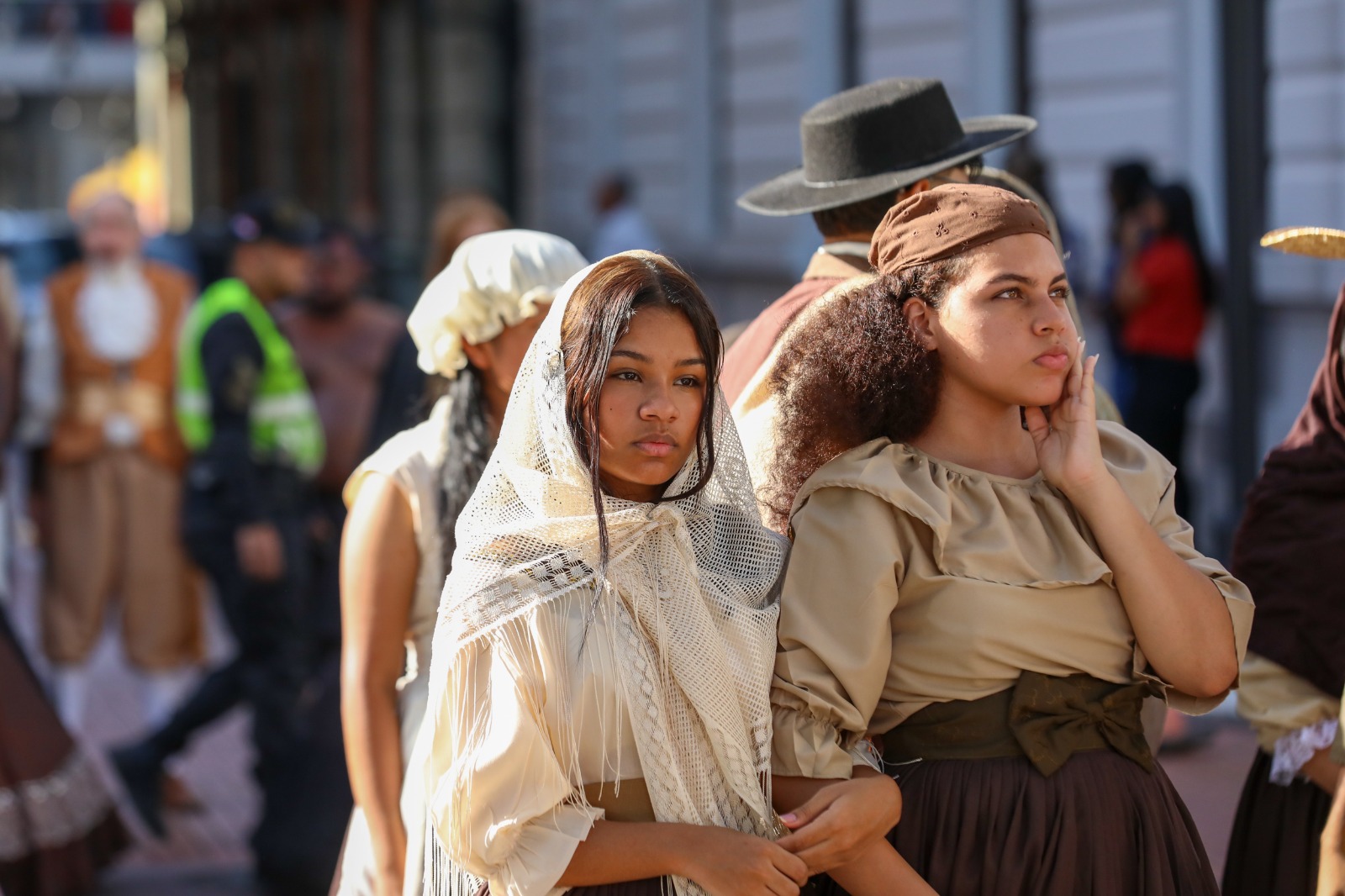
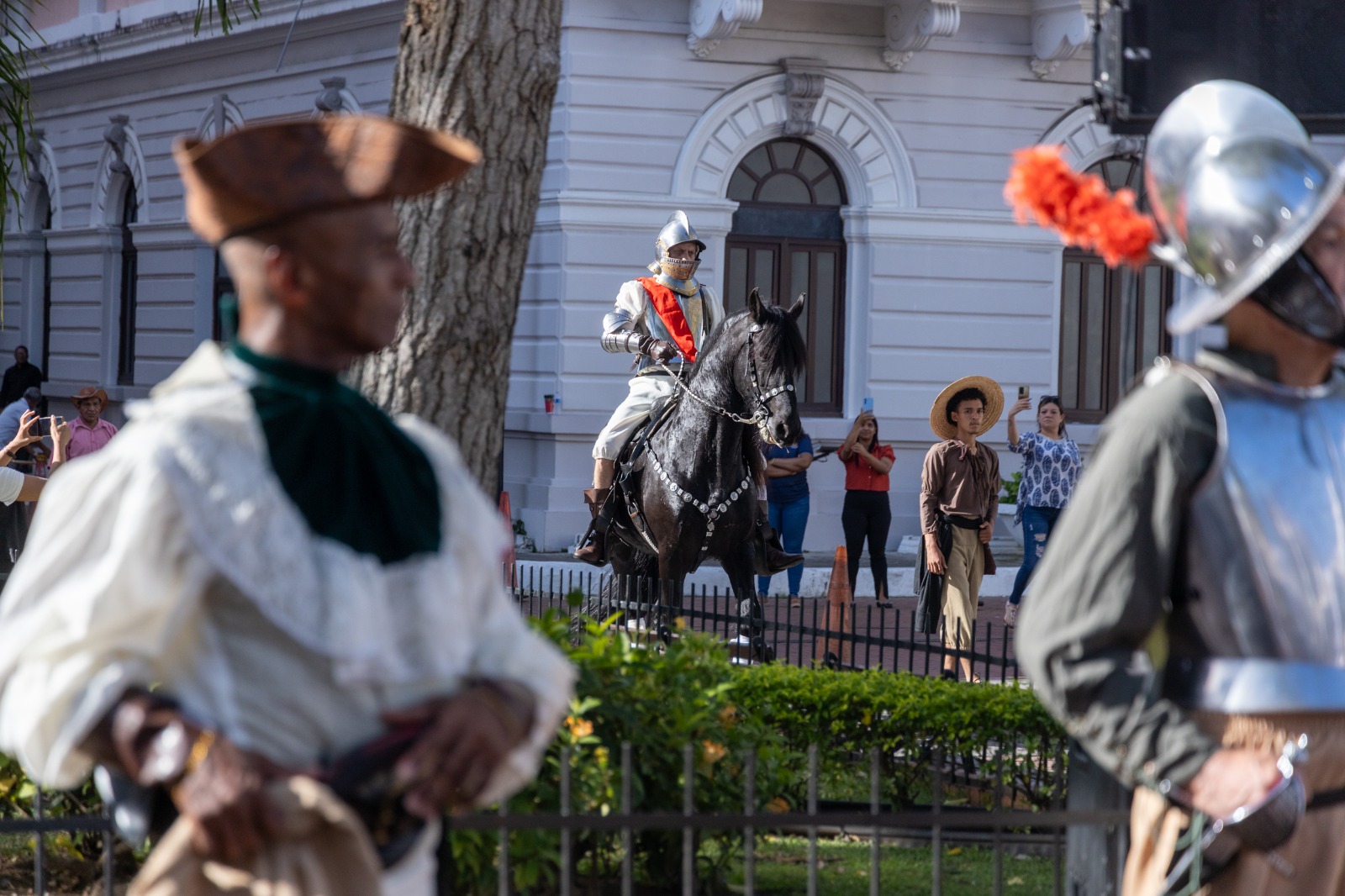
The activity ended with a historic recreation of the 17th century with characters dressed from the age strengthening the connection between history, memory and citizenship.
Under Act No. 420 of 6 February 2024, "Civil and Cultural Day of Transfer from Panama City La Vieja al Casco Antiguo" was declared as "Civil and Cultural Day of Transfer from Panama City to Casco Antiguo" and commemorates the rescue, preservation and promotion of national history, which gives an identity to Panamanian society.