
Panama transmits its experience with the implementation of the Treaty of Marrakech to Colombia
Content of the News
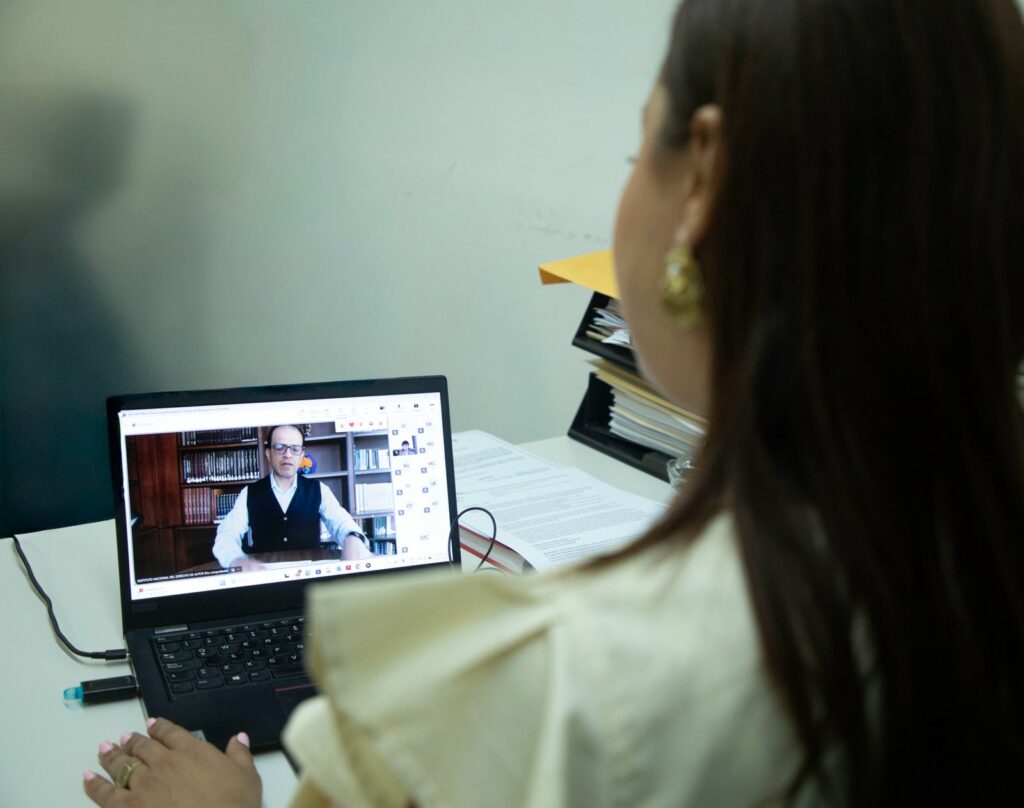
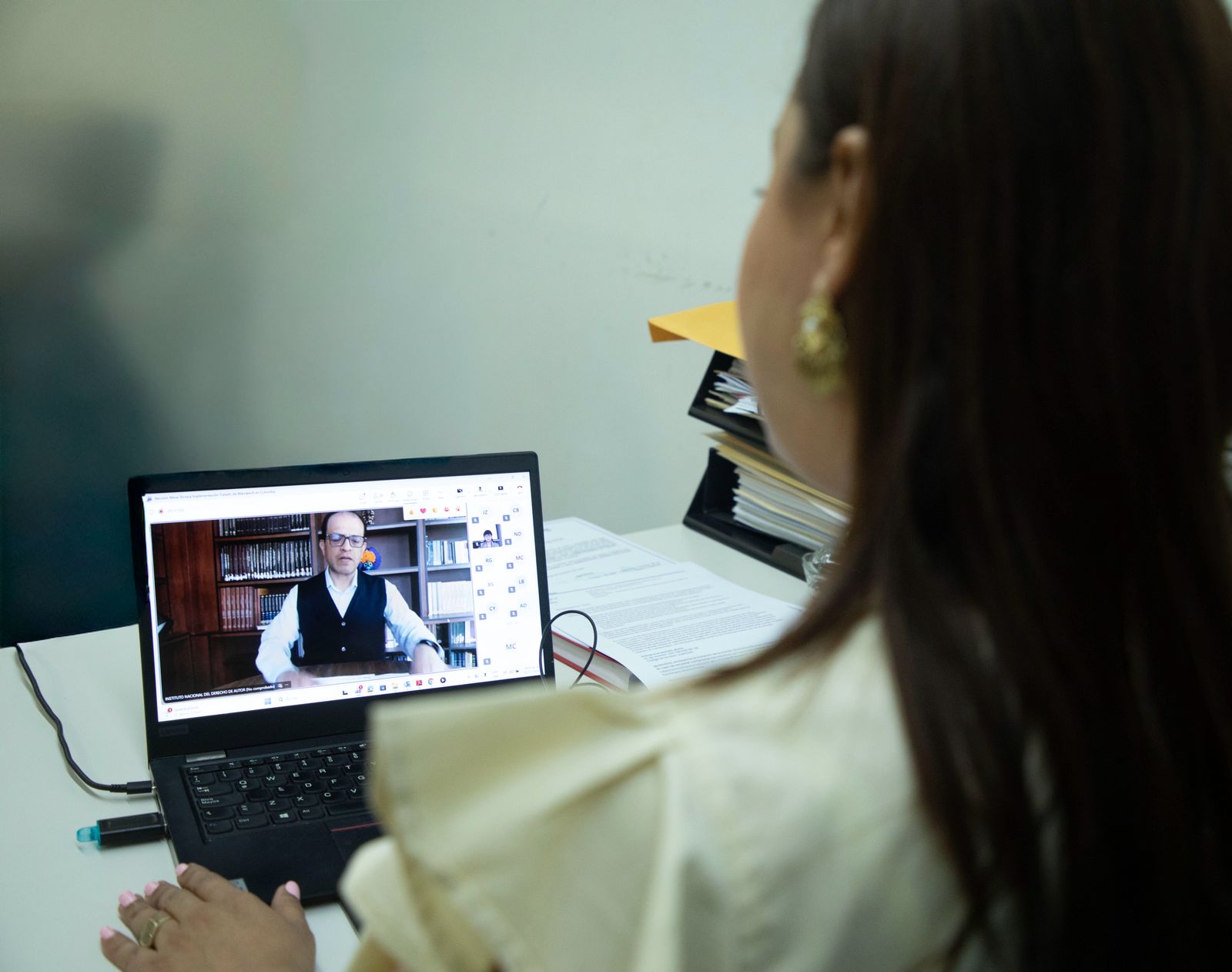
Panama, 3 December 2025. - Panama, with other countries, participated from a work table at the request of the Republic of Colombia with the aim of sharing its experience with the implementation of the Treaty of Marrakech. The national director of copyright at the Ministry of Culture, Maidys Chen Góndola, participated in this exchange of best practice.
In addition to Panama, Ecuador, El Salvador and Mexico participated. At the work table countries have been talking about difficulties they have encountered with the implementation of the treaty. Colombia, which has just signed the treaty, has been aware of the experiences of each country and will have an opportunity to conduct its work.
That exchange, based on experience, allows countries to enrich their own processes and strengthen their individual strengths and to support them at the regional level.
The Treaty of Marrakech
The Treaty of Marrakech, administered by the World Intellectual Property Organization (WIPO), aims at facilitating
access to works protected by copyright to blind persons with visual impairment or with other difficulties with access to print text.
Panama had signed two different "Marrakech Treaties": the first, the agreement established by the World Trade Organization (WTO), had been adopted by Act No. 23 of 15 July 1997.
The second, the Treaty of Marrakech to facilitate access to works published by persons with visual disabilities, was signed by Panama on June 27, 2013 and adopted in 2016 by Act No. 28009 of April 13.