A report from the UNESCO stresses the need to promote policies to achieve gender parity in cultural and creative industries, with a commitment by the government to create and implement strategic lines to promote and Visibilize the role of women in cultural activities and contributions to the economy.
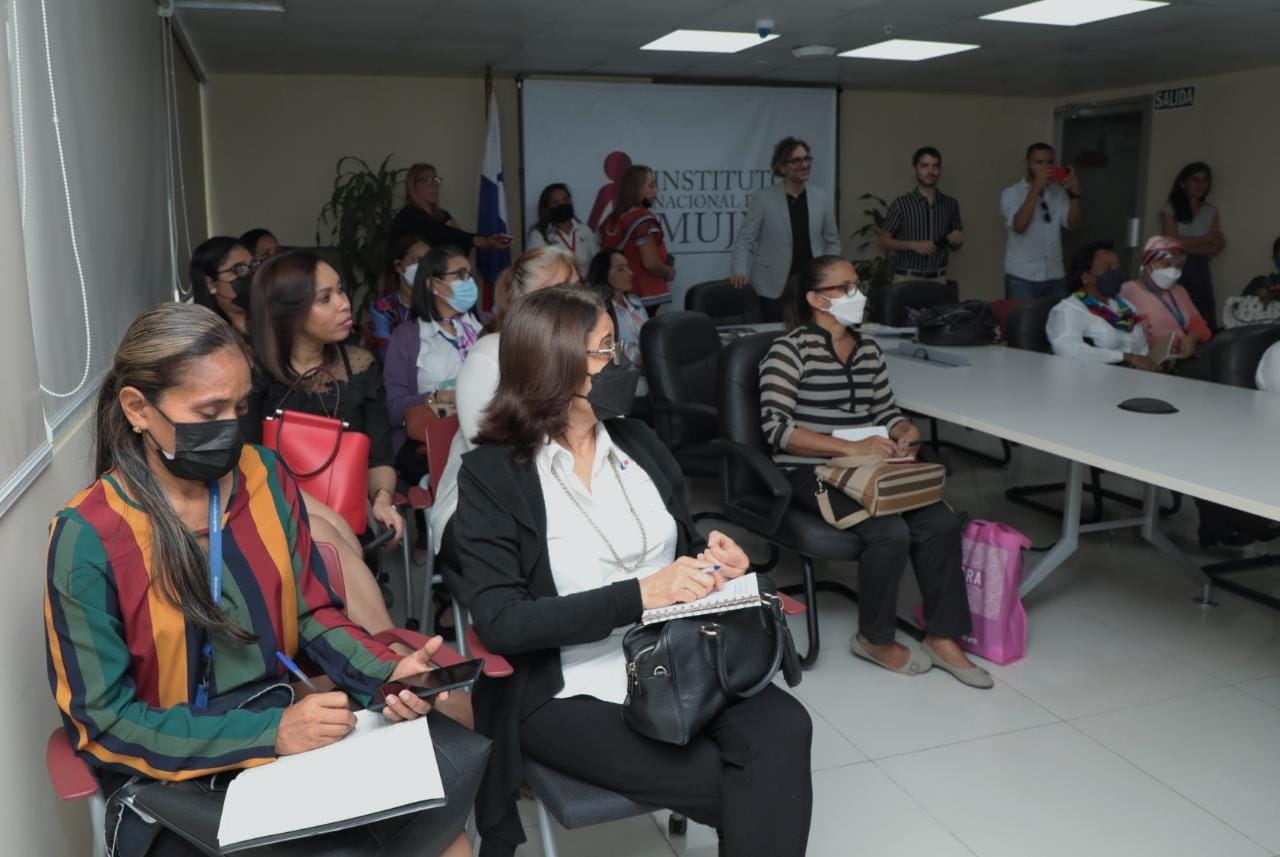
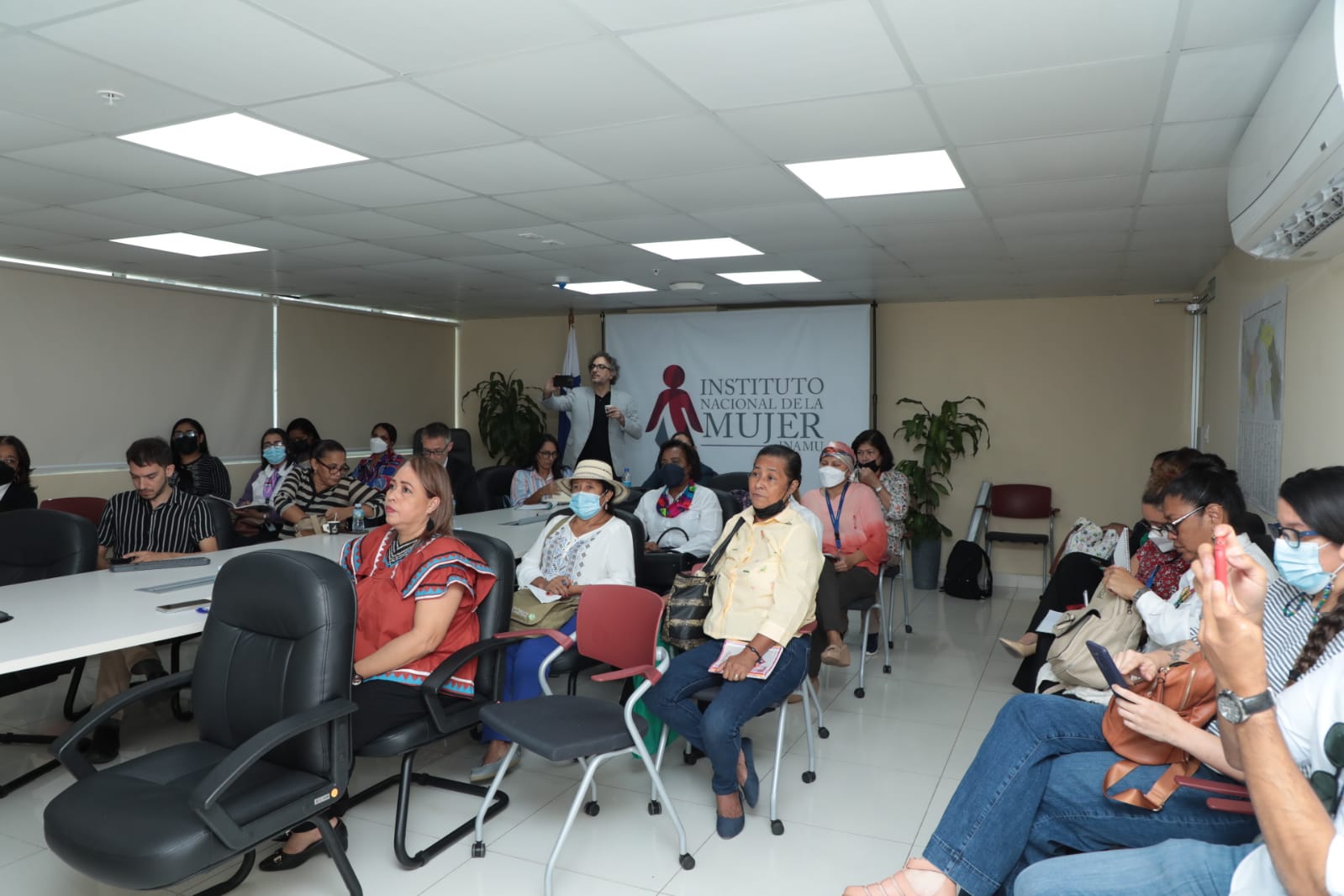
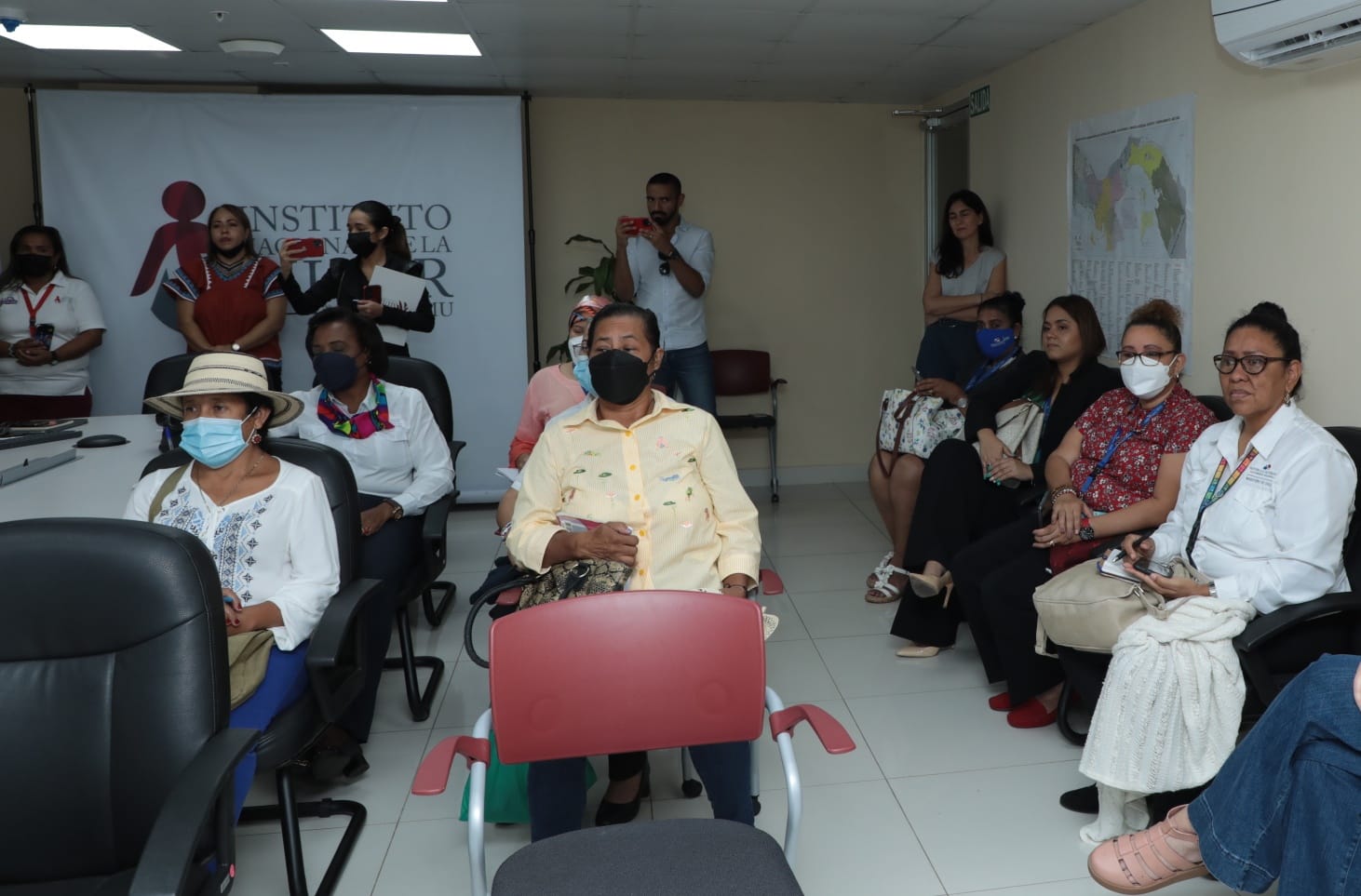
The Ministry of Culture (MiCultura), in collaboration with the National Institute for Women (INAMU) and the UNESCO's Culture Programme (Qzx18qQ), have been providing training to officials and crafts with a pint 'hat and training about the importance of women's participation in culture and economics.
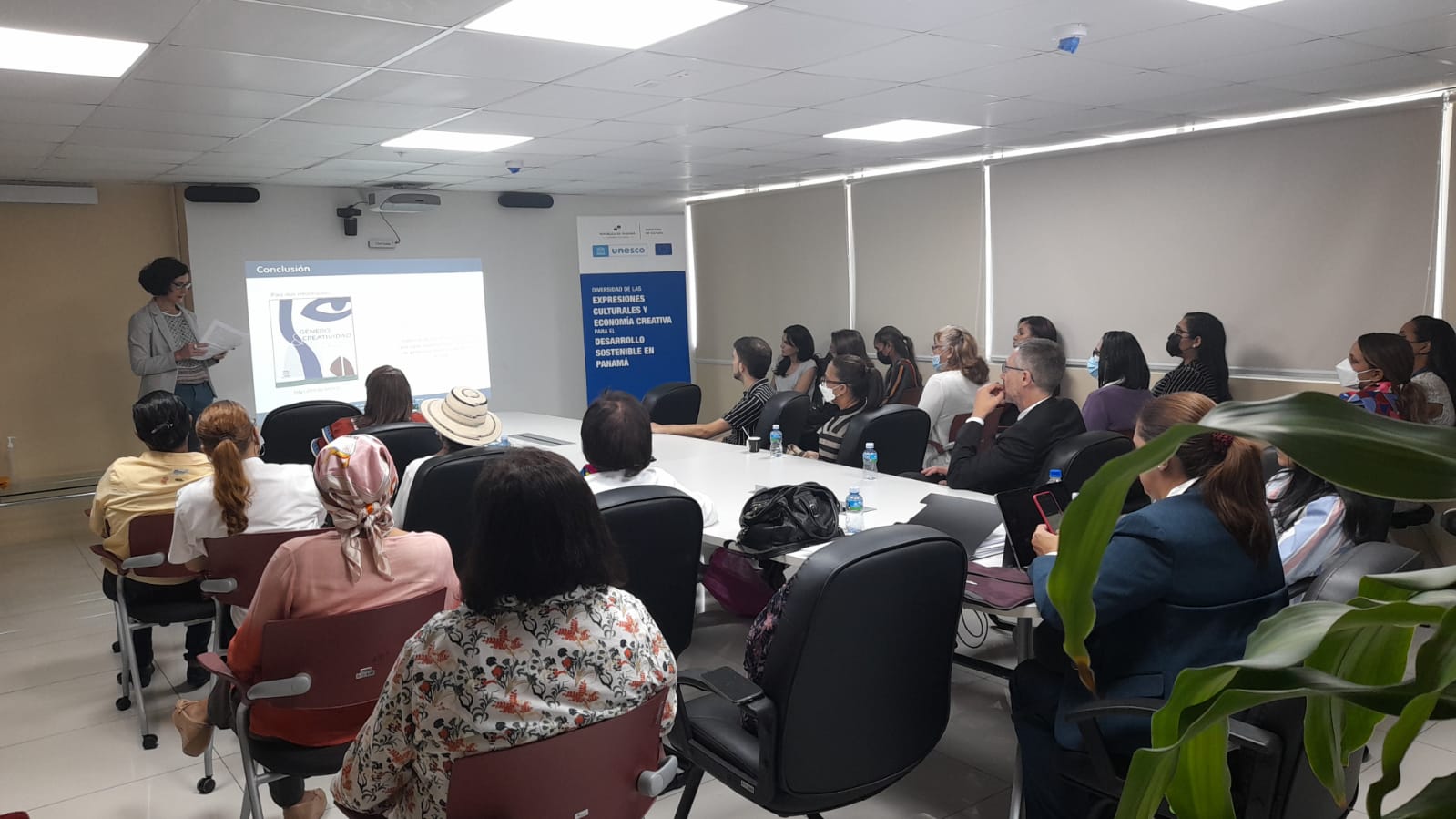
"Diversity of Cultural Expressions and Creative Economics for Sustainable Development in Panama," was part of the topic developed to present results from UNESCO's report about what entities should do to promote gender equality to ensure a true diversity of cultural Expressions and equal opportunities in artistic and cultural employment.
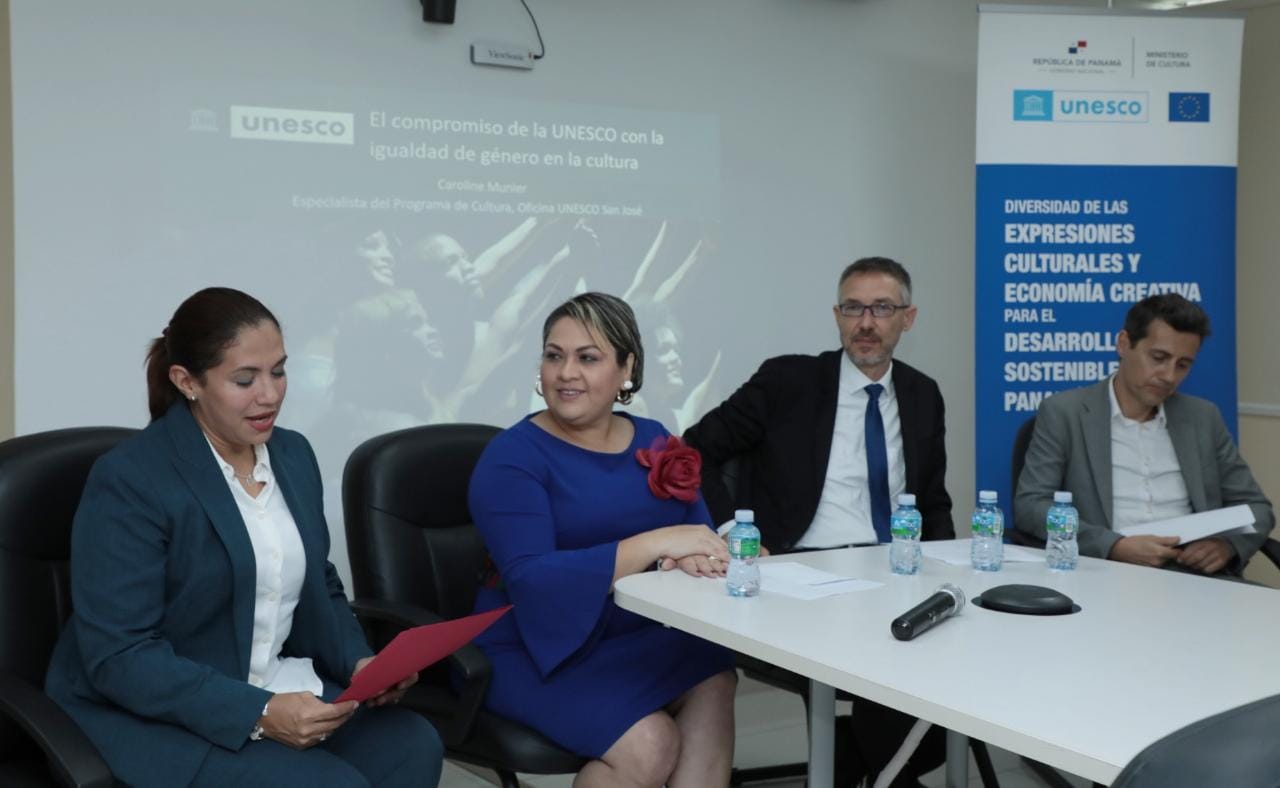
In this context, Linett Montenegro, director of Cultural Heritage, stated that "the workshop aims at visualizing gender equality in culture by understanding the affections and differences of cultural work, the need for clear policies to be designed for the creative economy with regard to women."
"That's why, despite his efforts to strengthen gender equality with creative and cultural industries, a great deal remains to be done and recognised. MiCultura believes strongly in a gender perspective to ensure an authentic diversity of cultural content and opportunities. The institutional duty of women is to add a feminine component but to integrate the knowledge and interests of women," added Montenegro.
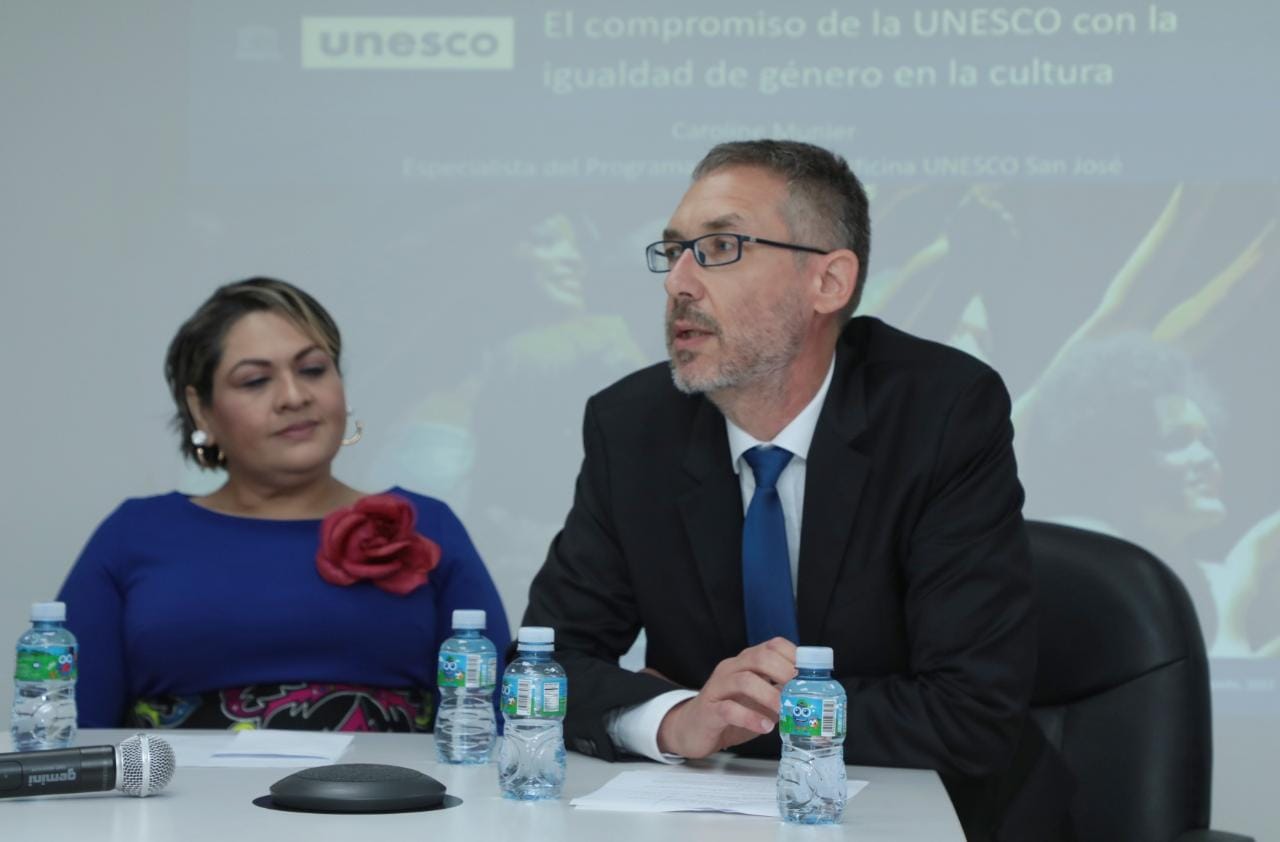
At his workshop with experts from UNESCO about the matter, such as Caroline Munier, specialist at the Culture Programme of the office of San José Costa Rica and Belén Igarzábal, teacher and director of the area of communication and culture of the Latin American Faculty of Social Sciences (FLACSO), who presented a study with qualitative and quantitative data about the cultural activities performed by women and their contribution to the creative economy.
While Lázaro Rodriguez presented the Plan for Gender Transsectionality 2022-2024, for public policy of Creative Economics 2030, with four strategic lines environment and resilience, prosperity and livelihoods, knowledge and skills and inclusion and participation.