
Rubén Blades seals the closure of Central America Counts in Panama giving his legacy to the Cervantes Institute
Content of the News
Panama, May 23, 2026. At an emotional and historic meeting that united popular music with high literature, famously Panamanian singer Rubén Blades gave his cultural legacy to the Cervantes Institute and became the leading event at the end of the most recent edition of the Central American Festival counts in Panama.
After five days of intense activity that put the nation as the epicentre of thought of the region, the festival closed with a masterful gold clasp: a high-level conversation between Blades and the renowned American-Dominican writer and winner of the Pulitzer Prize, Junot Diaz. That symposium served as a stage for the tribute that the Cervantes Institute gave to the Panamanian artist, recognizing his colossal impact on the identity, urban chronicle and narrative of Spanish culture.
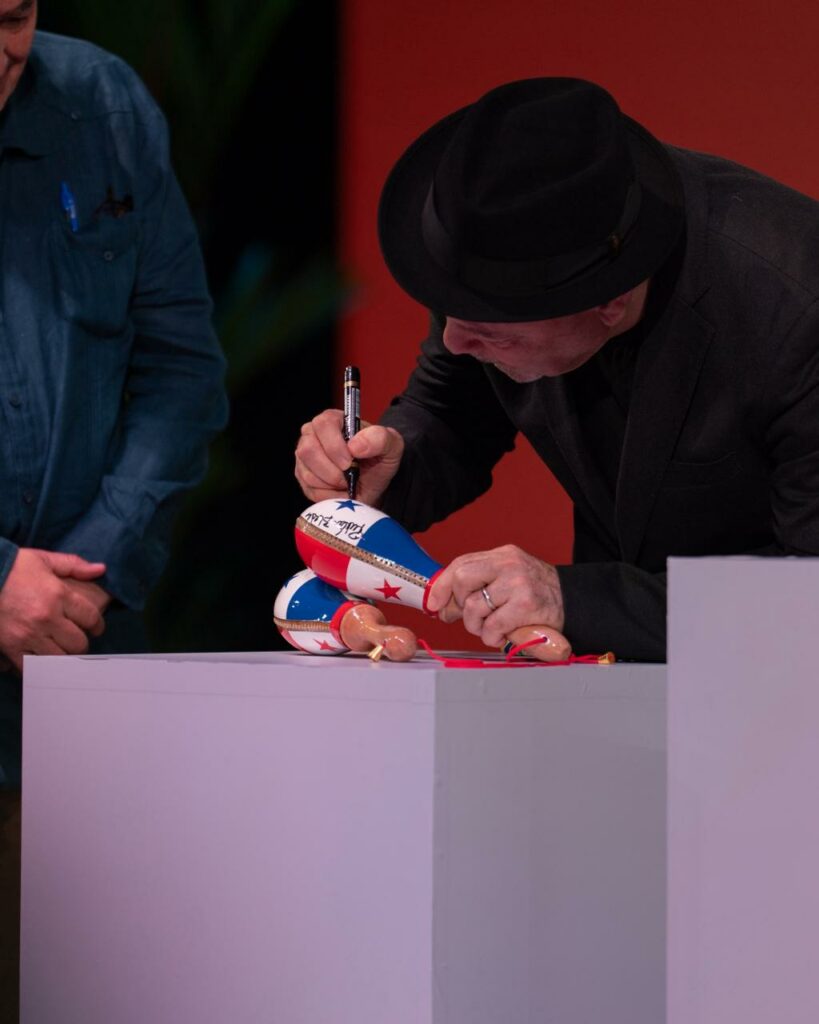
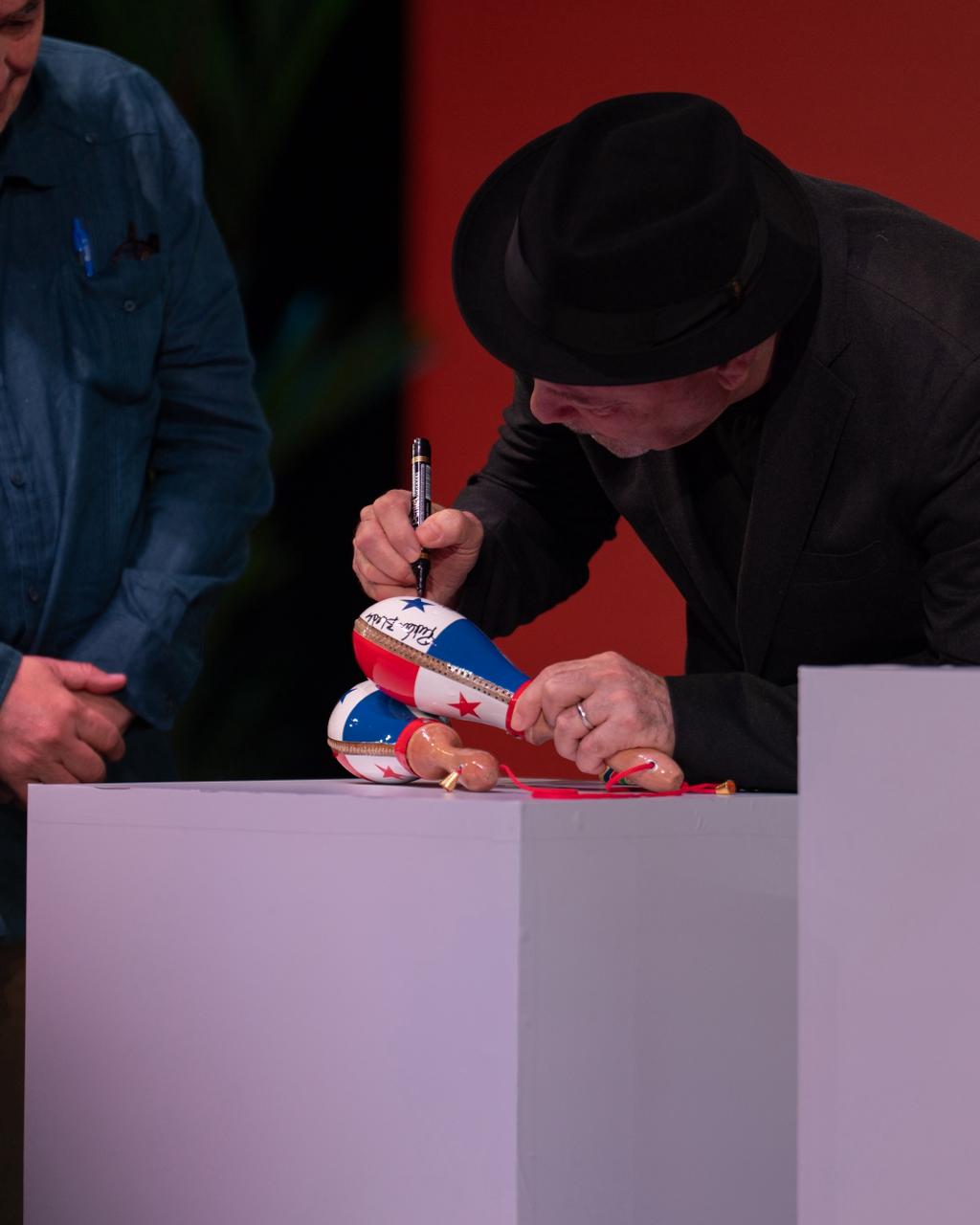
The most significant moment of the night happened when the director of the Cervantes Institute, Luis García Montero, received with great honor the legacy of Blades dedicated to the prestigious Caja de las Letras in Madrid, the vault that preserves the treasures of the highest figures of Spanish cultural heritage.
The objects given by the singer could have been more symbolic: his iconic maracas purified with the Panama flag and a manuscript with the letter of the song Fatria.
The closure was also attended by Panama's Minister of Culture, María Eugenia Herrera, who congratulated local writers and managers for their valuable representation and emphasized the unifying power of art in the region.
"The participation of our creators shows that Central America has a living, critical and deeply human voice. That this closure should be a good-bye but the beginning of new collaborations and new stories to be told," she stated.
The impact and success of this edition at the isthmus was of such magnitude that, before firing the meeting that brought together the most select of Ibero-American thought, the festival's organization officially announced that Panama will again become the literary capital of the region by being elected as its headquarters by 2028.