Machine translation. This content was automatically translated from Spanish. The Spanish version is the only official one: for all legal purposes, and in the event of any discrepancy, the original Spanish text prevails. View the official Spanish version

Carnival Tuesday: The Day The pollera Wast The National Party
Back to blog

Carnival Tuesday: The Day The pollera Wast The National Party

Carnival Tuesday: The Day The pollera Wast The National Party

Content of the News
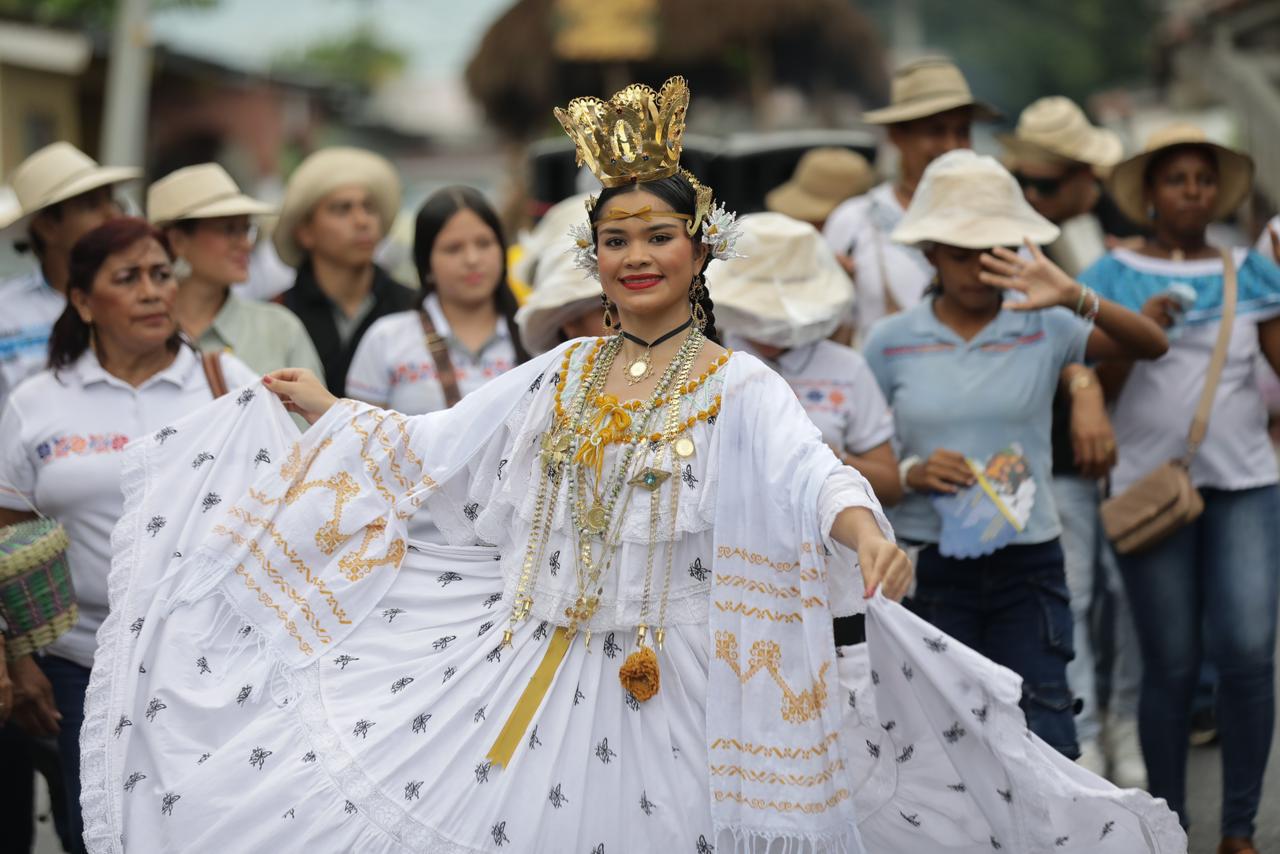
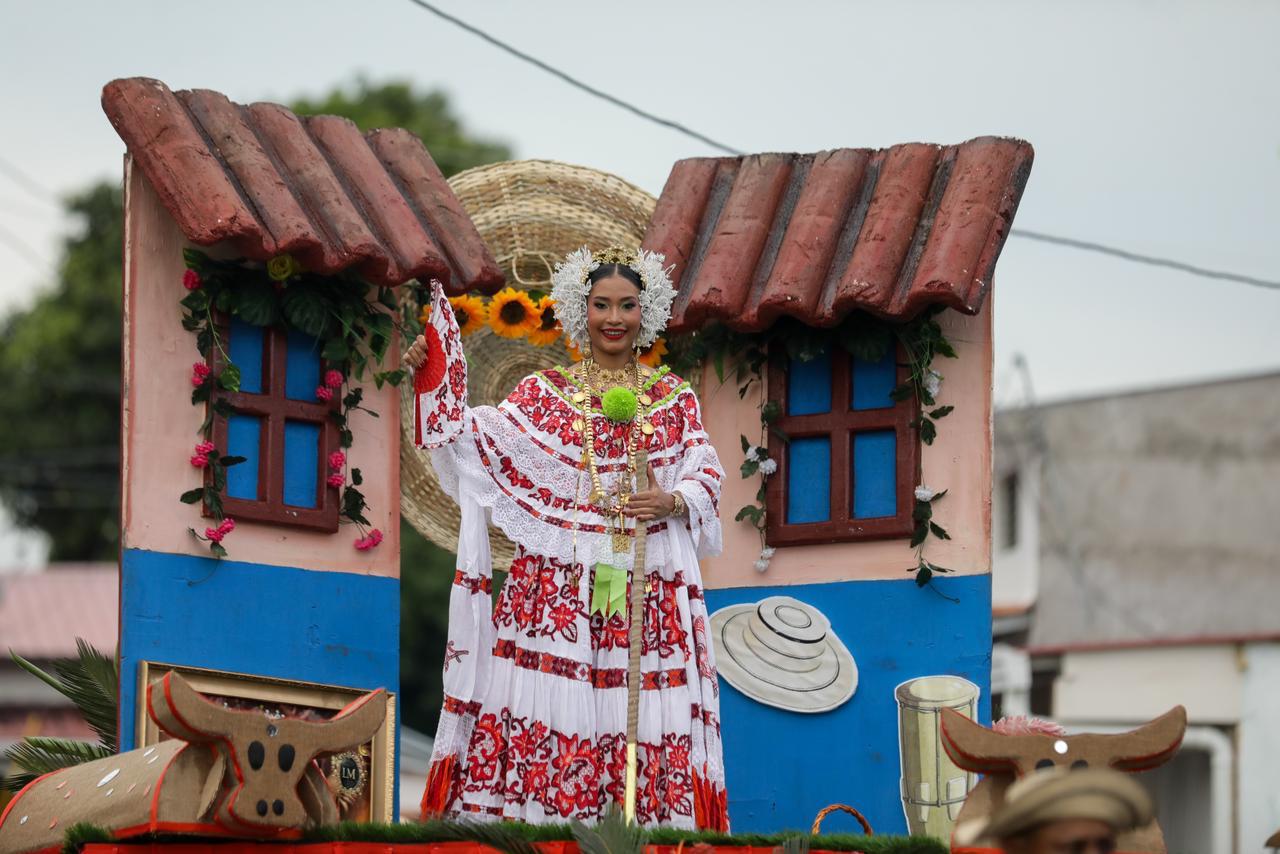
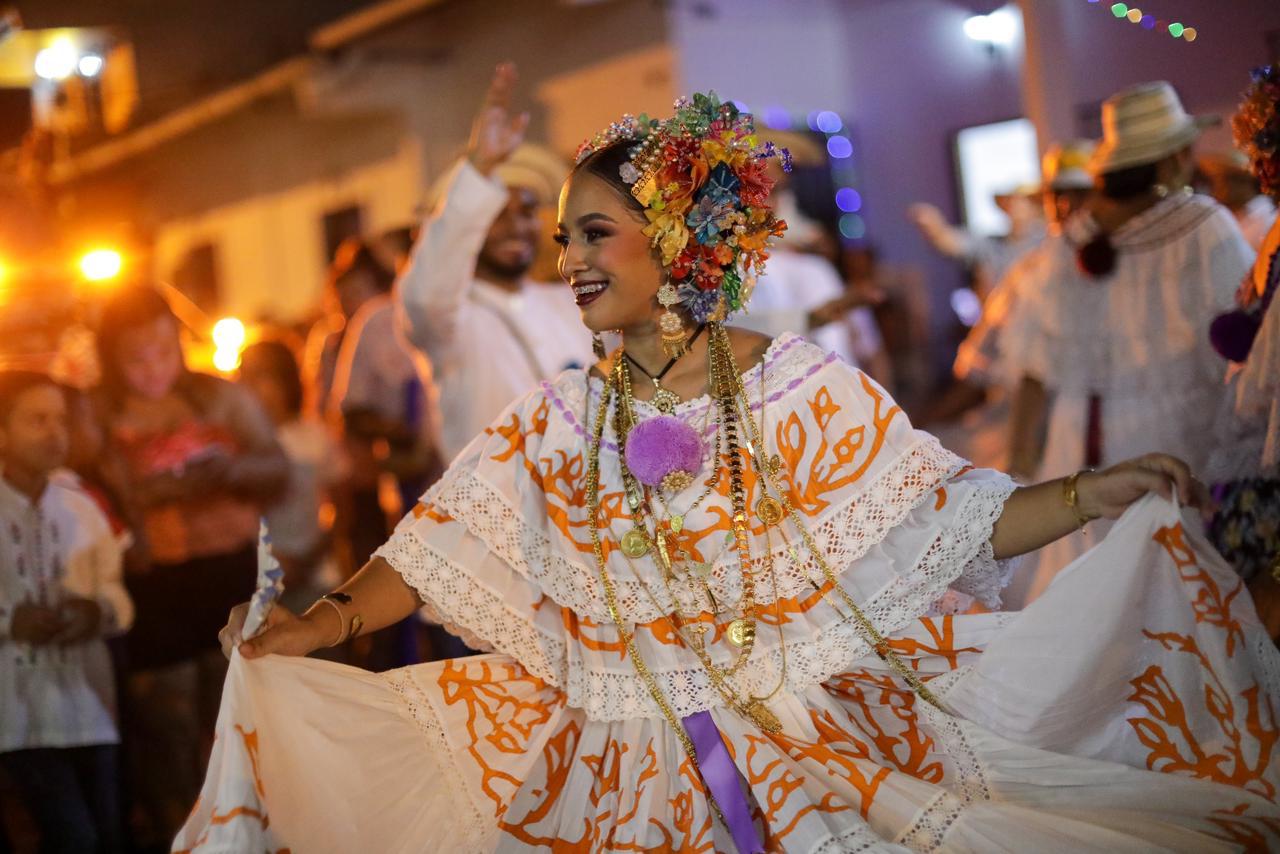
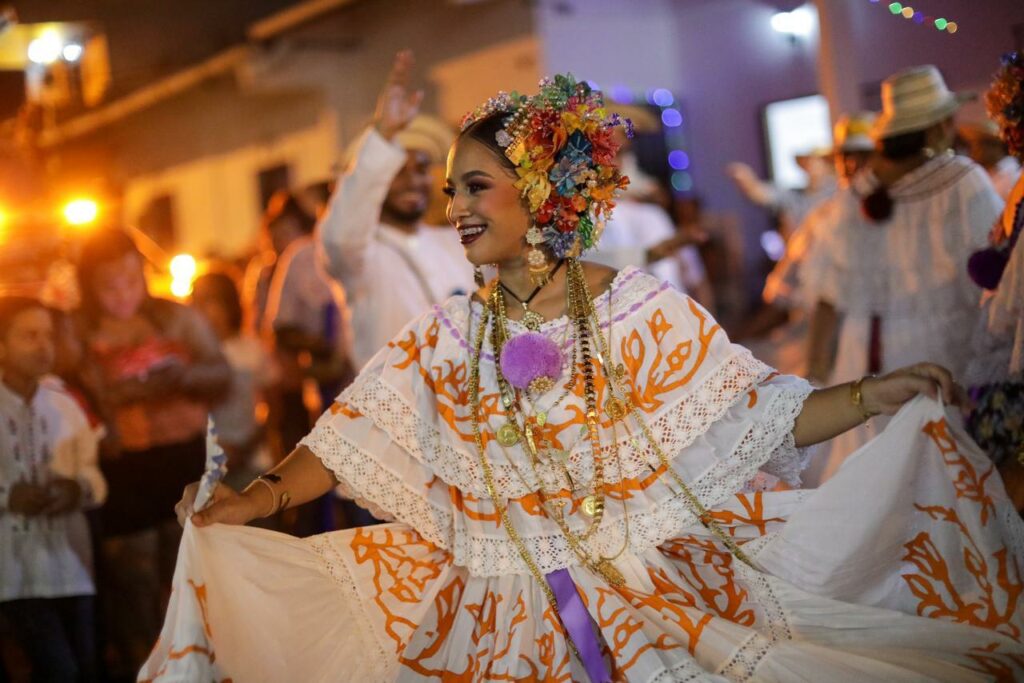
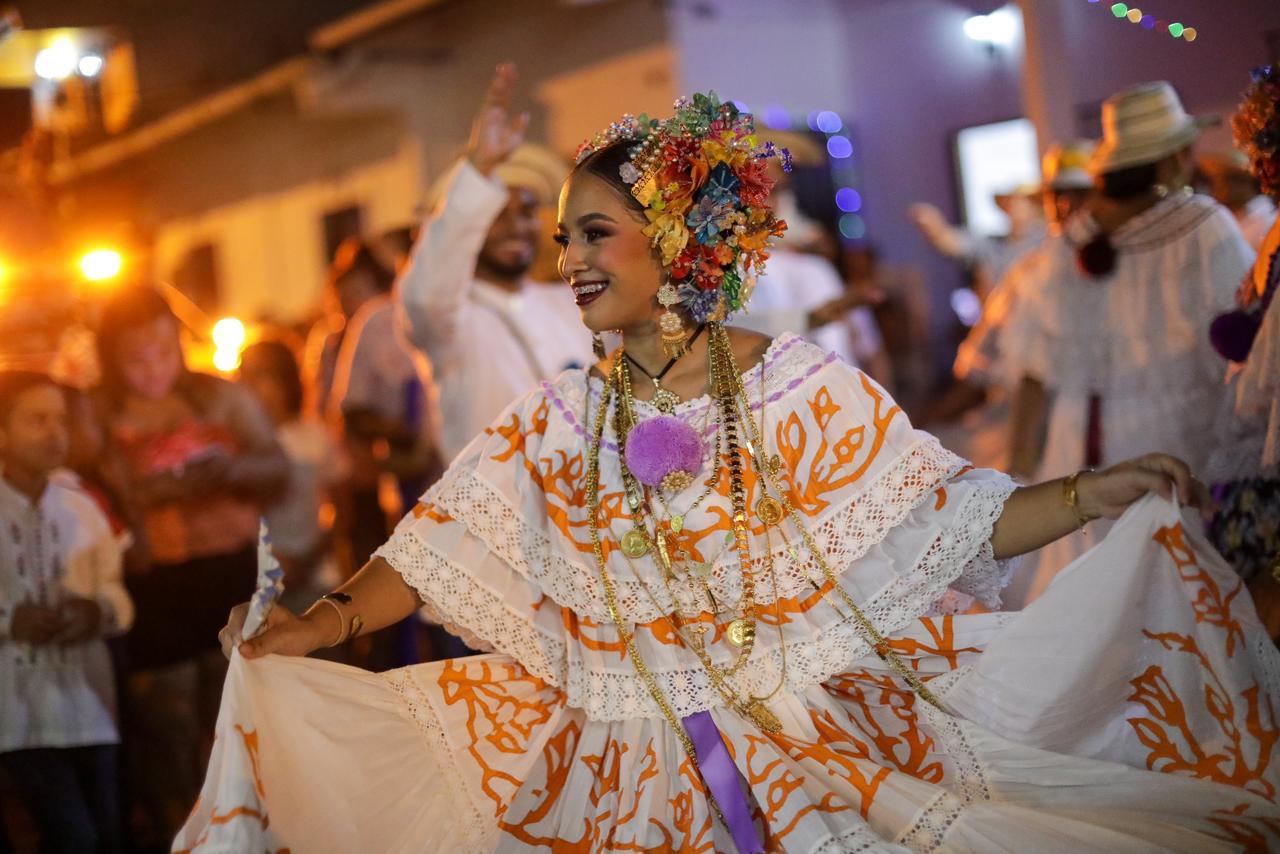
Panama, February 13, 2026. - At the heart of the rampage and joy of the Panamanian Carnival, there is a space of solemn elegance that has transformed the identity of the party. What we see today as a massive display of lace and jewelry every Carnival Tuesday, isn't a result of chance but of a cultural evolution that sought to rescue national essence from the influence of foreign costumes.
The Origin: Since when and why?
Historically, the Carnival in Panama was a space for costumes of every kind. Nevertheless, the transition to "Tuesdays of pollera" began to be definitively consolidated between the 1960s and 1970s, mainly in the region of Azuero.
In a period where Panamanian identity sought to differ, the tunes of Calle Arriba and Calle Arriba at Las Tablas felt that the luxury of this typical Panamanian suit exceeded any international design.
The Carnival Tuesday became the day of the pollera because it was the closure of the farce. There was no better way to fire the party than with the best expression of our artisans. It was a decision of the people, more than an official decree, according to research by historians and folchlorist Eduardo Cano.
Voices of Heritage: The reality of the workshop
For the artisan, this day represents the greatest celebration of his work. as stated by the artisan tradition of the family of Lastenia Vergara, a high-track Spanish artisan, who witnessed how Tuesday became sacred to his tradition. In several interventions about the Santeña culture, his best name was this date.

A queen may come out beautiful the other days but if she doesn't have an impact pollera on Tuesday, the people feel something's missing. It's the day to prove our identity, she explained at the time that she was known as the "Matriarch of the pollera" and whose family has built up pieces that are currently regarded as national treasures.
How did this tradition come about?
To wear the pollera on carnival Tuesday was born from the majesty of the queens. Originally, the sovereigns wore fantasy costumes every day. Social pressure and pride of families inside have been an impetus for the last day of the party to be reserved for the pollera gala.
Luxury Competition: The tunas turned Tuesday into a display of power and inheritance.
Uniformity of the People: The women of the community joined their queens, leaving their costumes to wear their family necks.
Visual Projection: The television broadcast in the 80s globalised the esthetic of the Spanish Carnival.
The Current Impact
Today, Carnival Tuesday is regarded as an unofficial "pollera Day." That custom is one of the ways to guarantee the survival of old seams technologies such as the world and shading that honor the roots of national identity and preserve and promote the use of this clothing that expresses the essence of "being Panamanian."