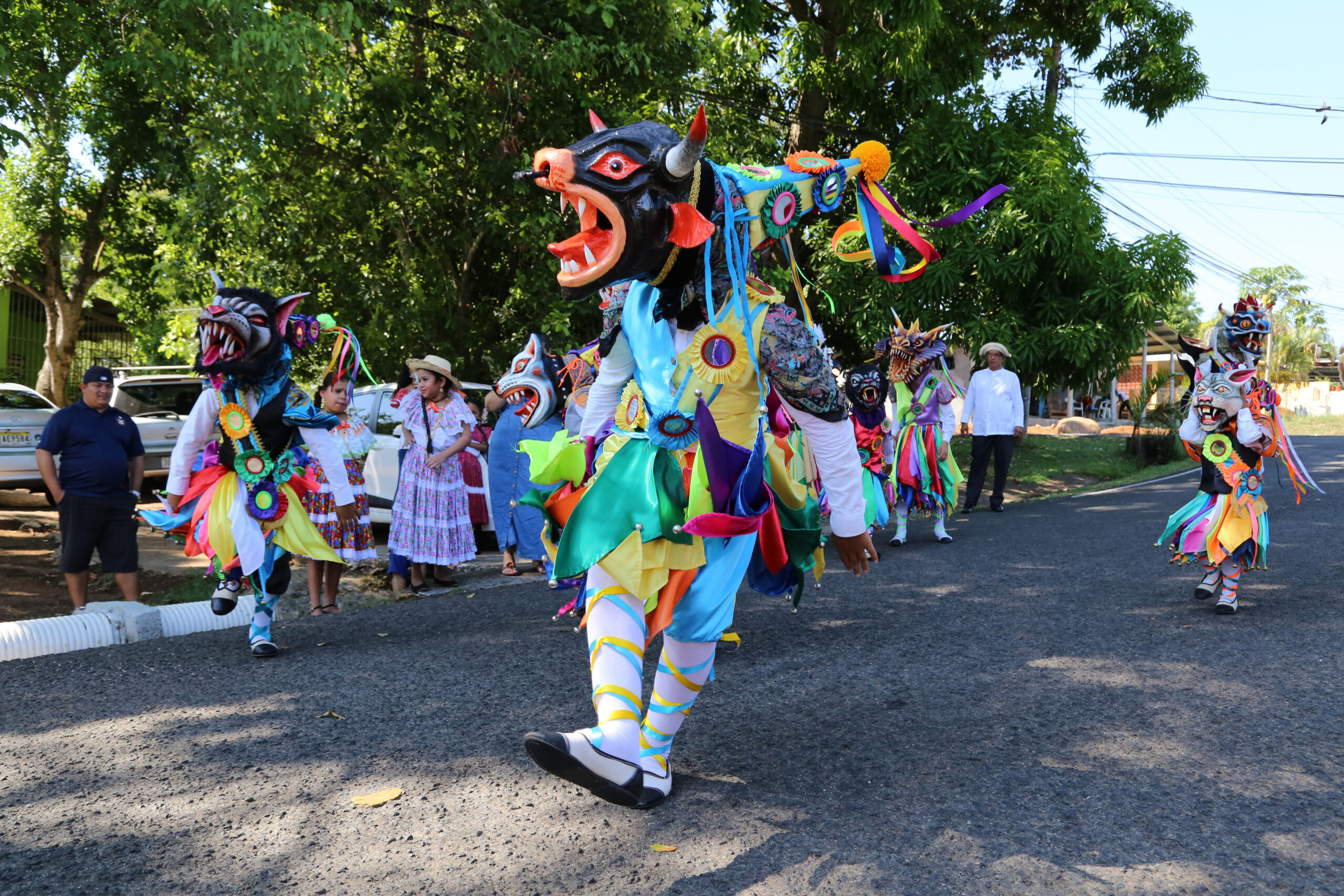
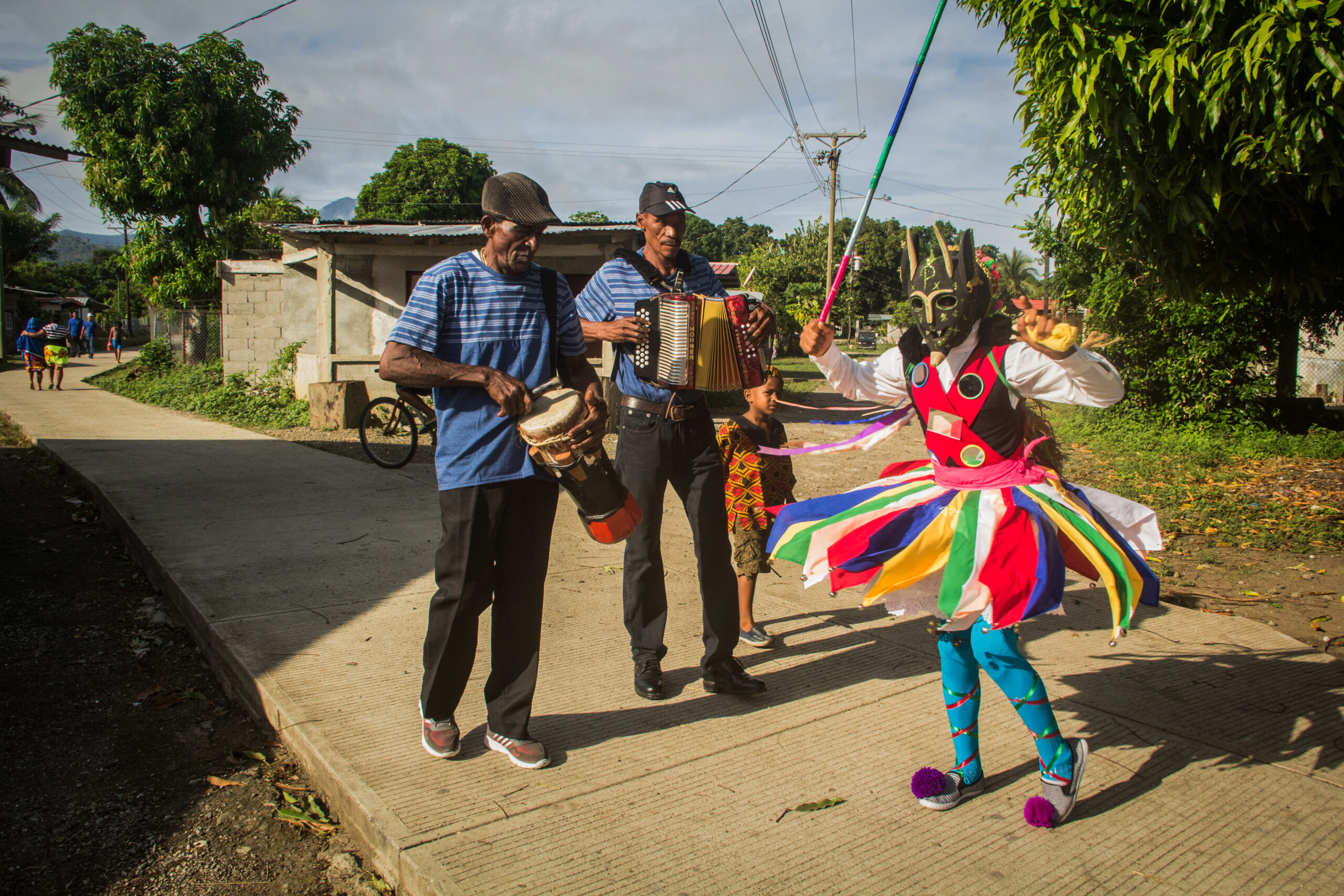
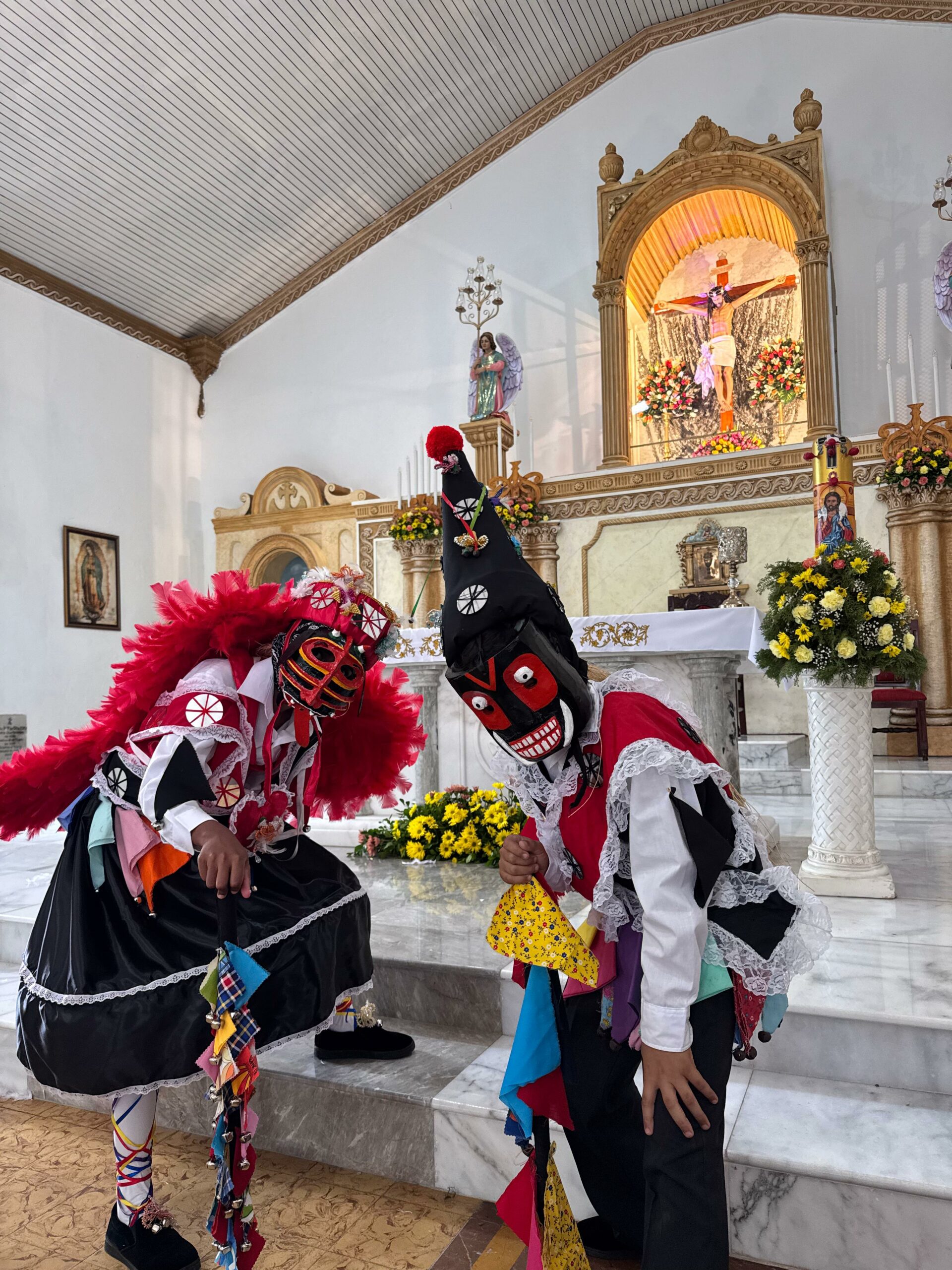
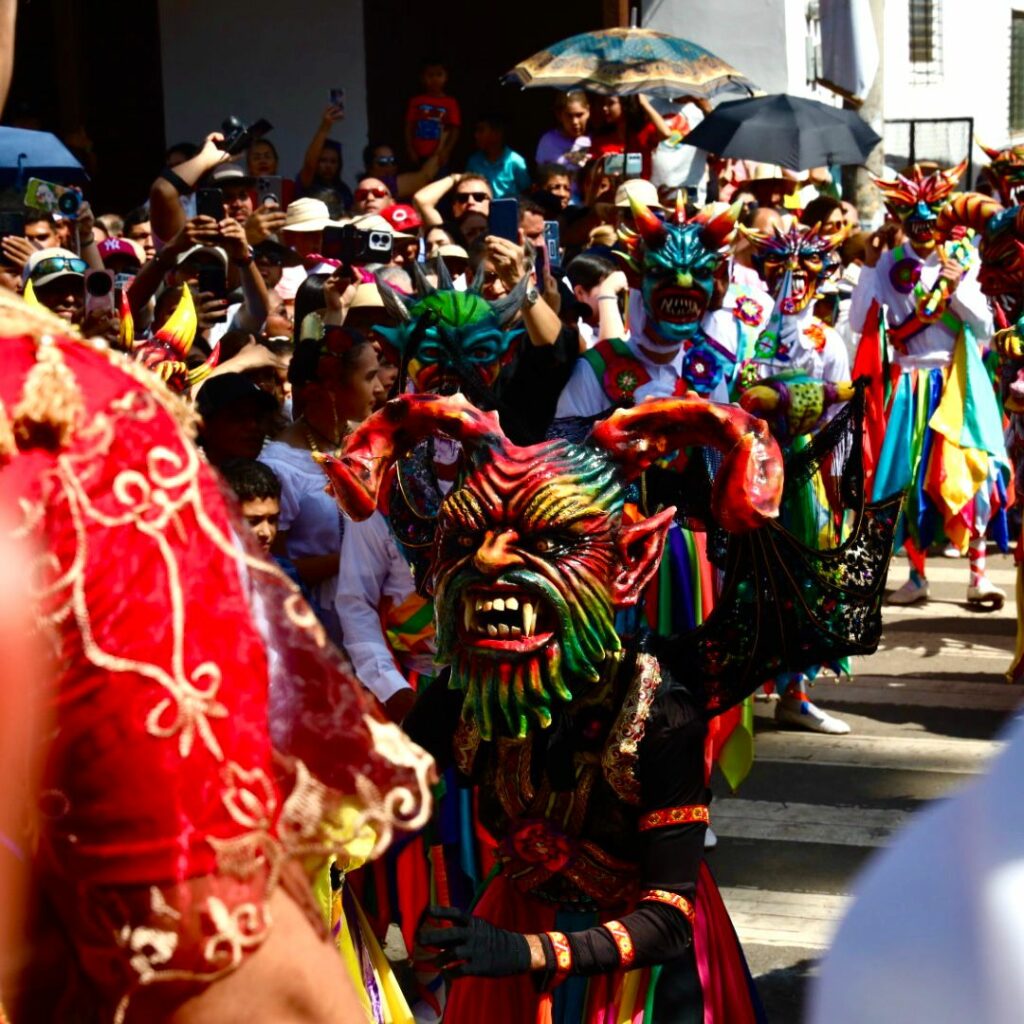
Panama celebrates with devotion and joy the Festivals of Corpus Christi in different regions of the country, where tradition and faith intertwines to give life to one of the most significant cultural and religious manifestations of the national calendar
Among the communities that keep this expression of popular religiosity alive are Chepo and Chifree (Panama), La Chorro (West Panama), Natá, Penonomé and Anton (Coclé), Parita (Herrera), La Villa de Los Santos (Los Santos), Santa Rosa, Nuevo San Juan and San José (Colón) and Garachiné (Darién).
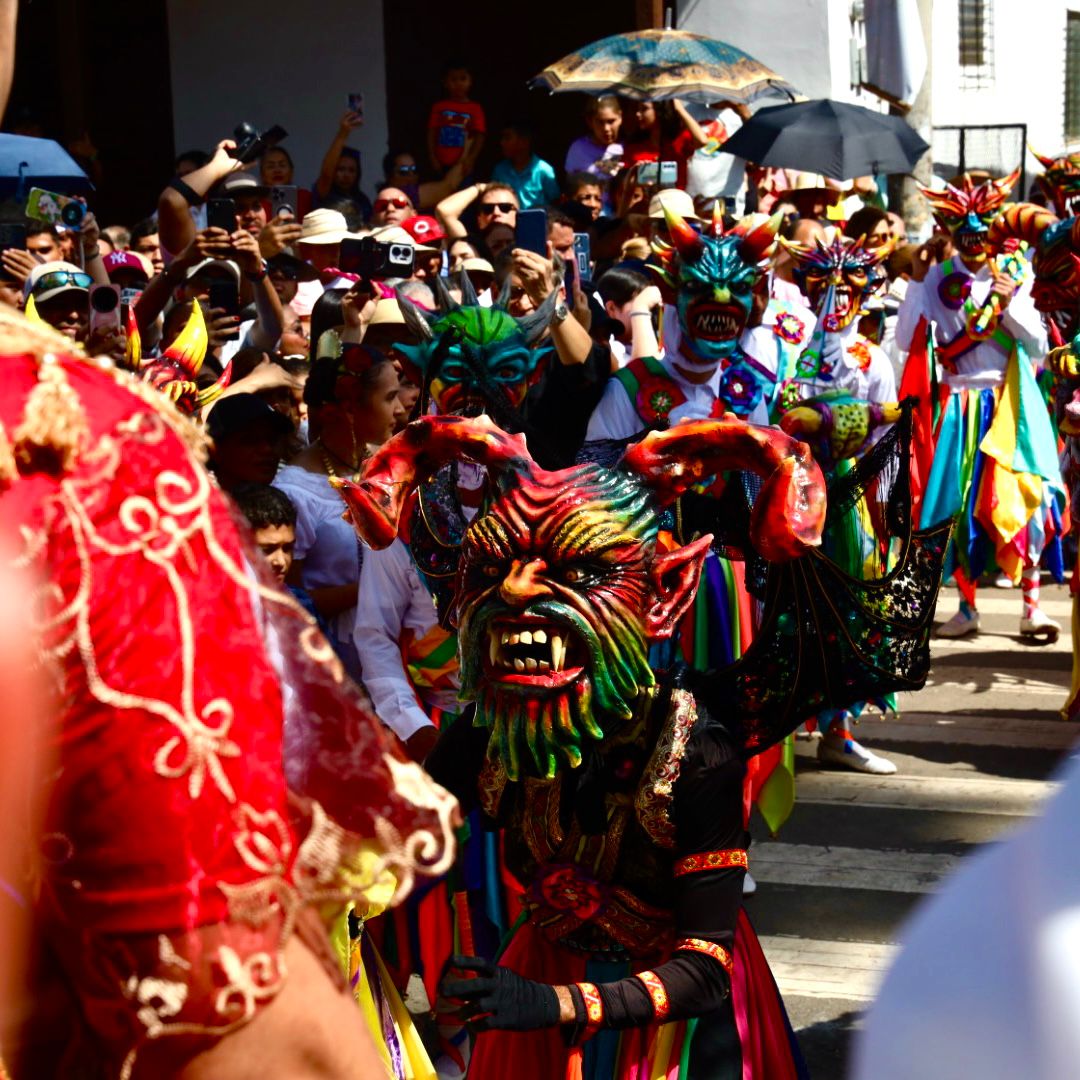
During the Corpus Christi cycles, these locations are organized with the church and authorities, filled with color, music and dance. The streets become stage where dancers and parishioners expressed their devotion with religious performances and rituals that alternate with festive and burlesco, in a celebration that brings experiences and astonishment to all attendees.
Recognized for its cultural and spiritual value, the Festivals of Corpus Christi forms part of the "Dances and Expressions Associated with the Festivals of Corpus Christi," listed in 2021 as the Retirement List of the Intangible Cultural Heritage of Humanity by the UNESCO.
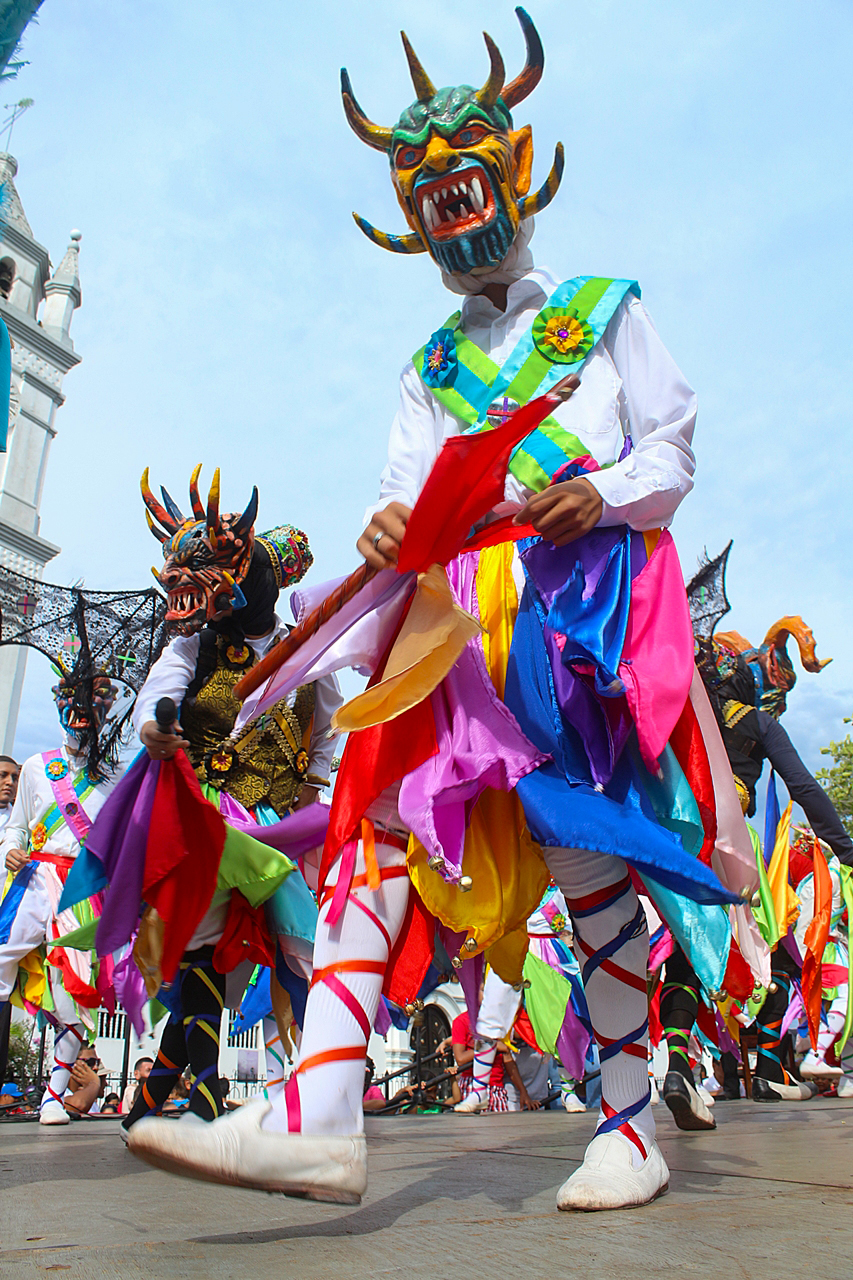
That international distinction brings with it a national commitment that emphasizes the symbolic, religious and communal wealth of these manifestations, that they combine theatrics, traditional music, artisan masks and choreographies transmitted from generation to generation.
Each province brings its own seal to this celebration that unites identity and devotion.
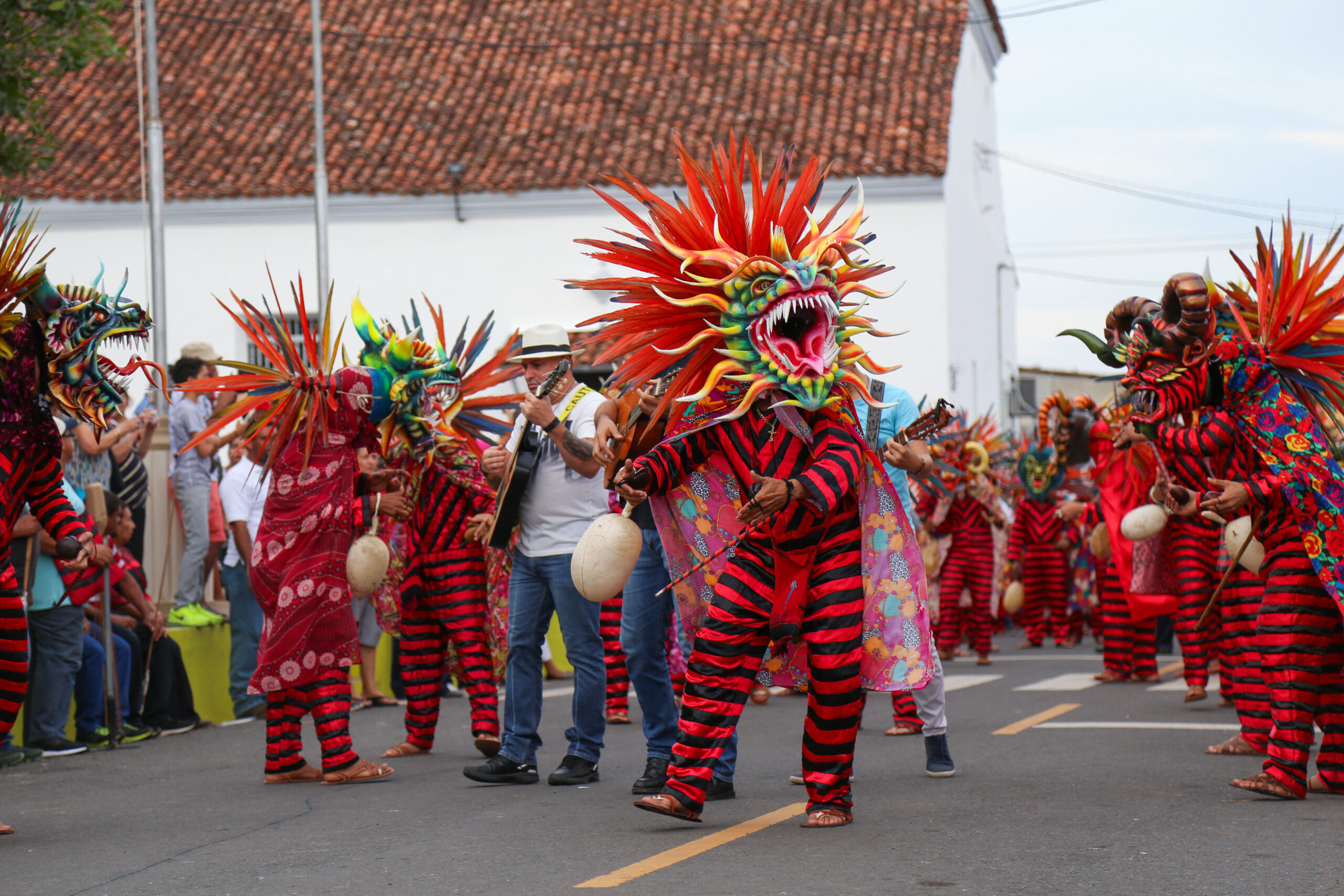
The communities have similarities and differences: Chepo, La Chorro, Parita, Garachiné, Antón and La Villa de Los Santos represent the dance of the great devil, who dramatizes the eternal fight between good and bad and at La Chorro there are more than twenty groups that cross communities and cross with their vistas performances for a month.
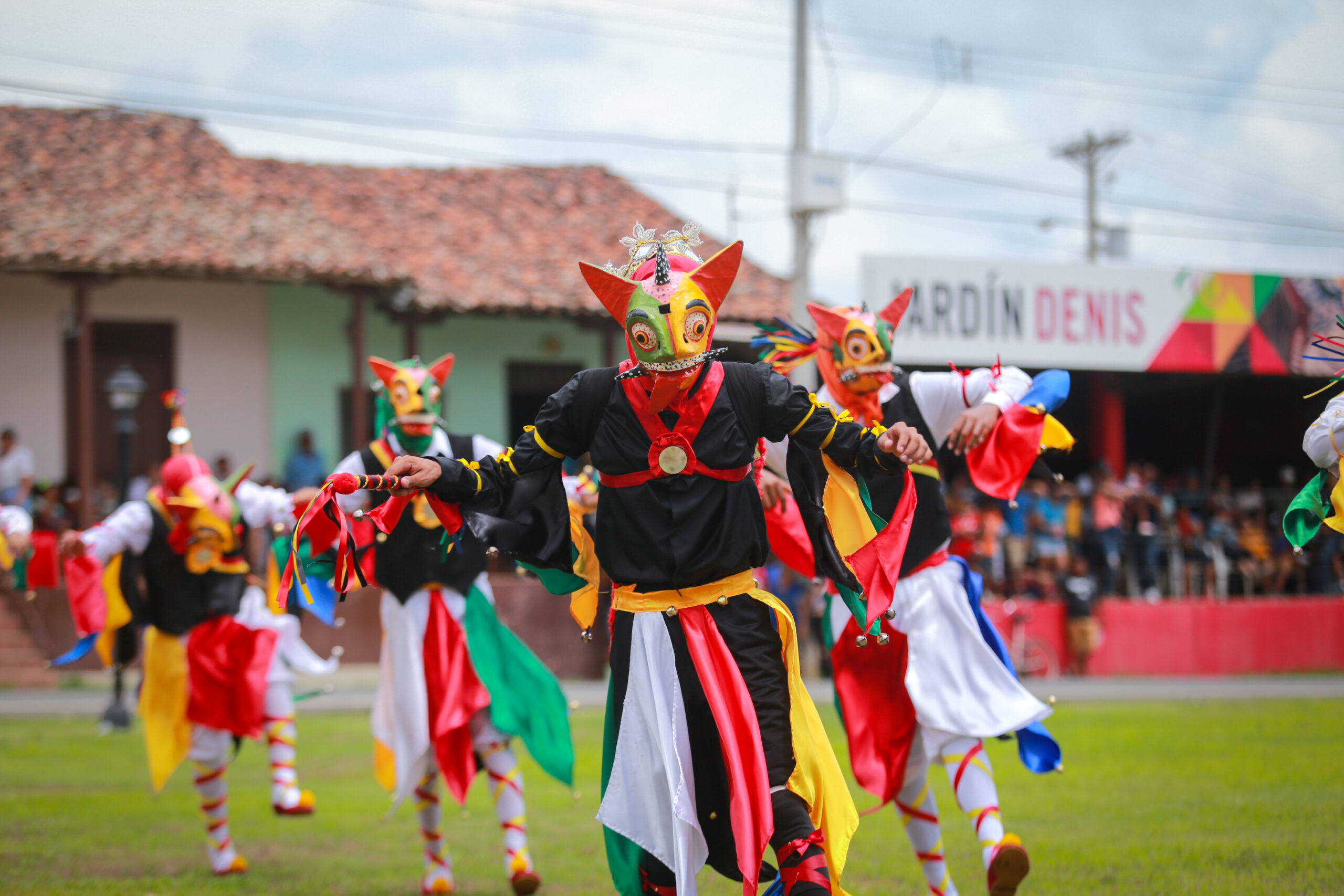
Nata honors the Most Holy with the Reifer of diablicos's dance. Anton represents "The Letter of Judgment," a variant of the quartered or quartering of the sun represented by Parita and the Villa of Los Santos.
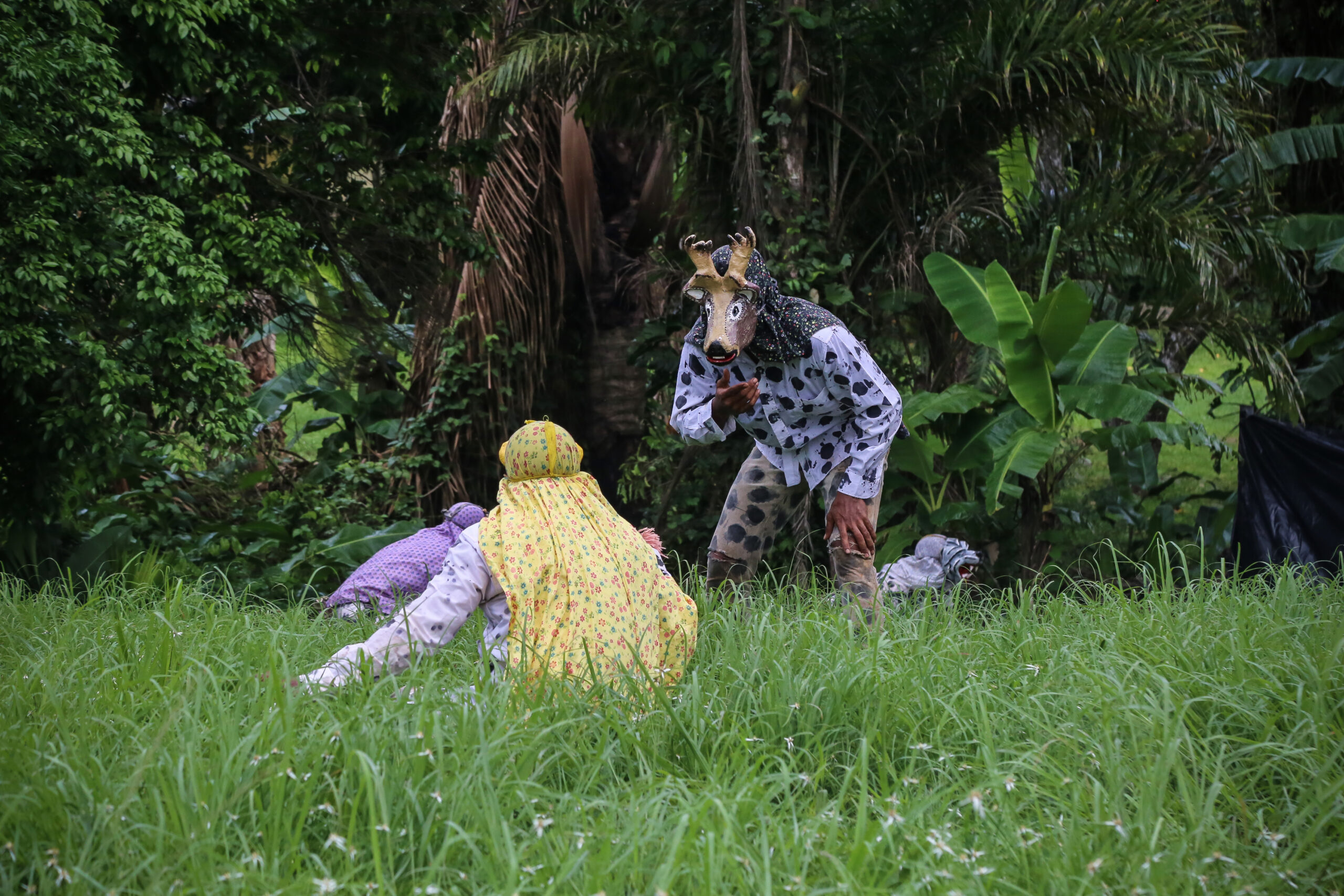
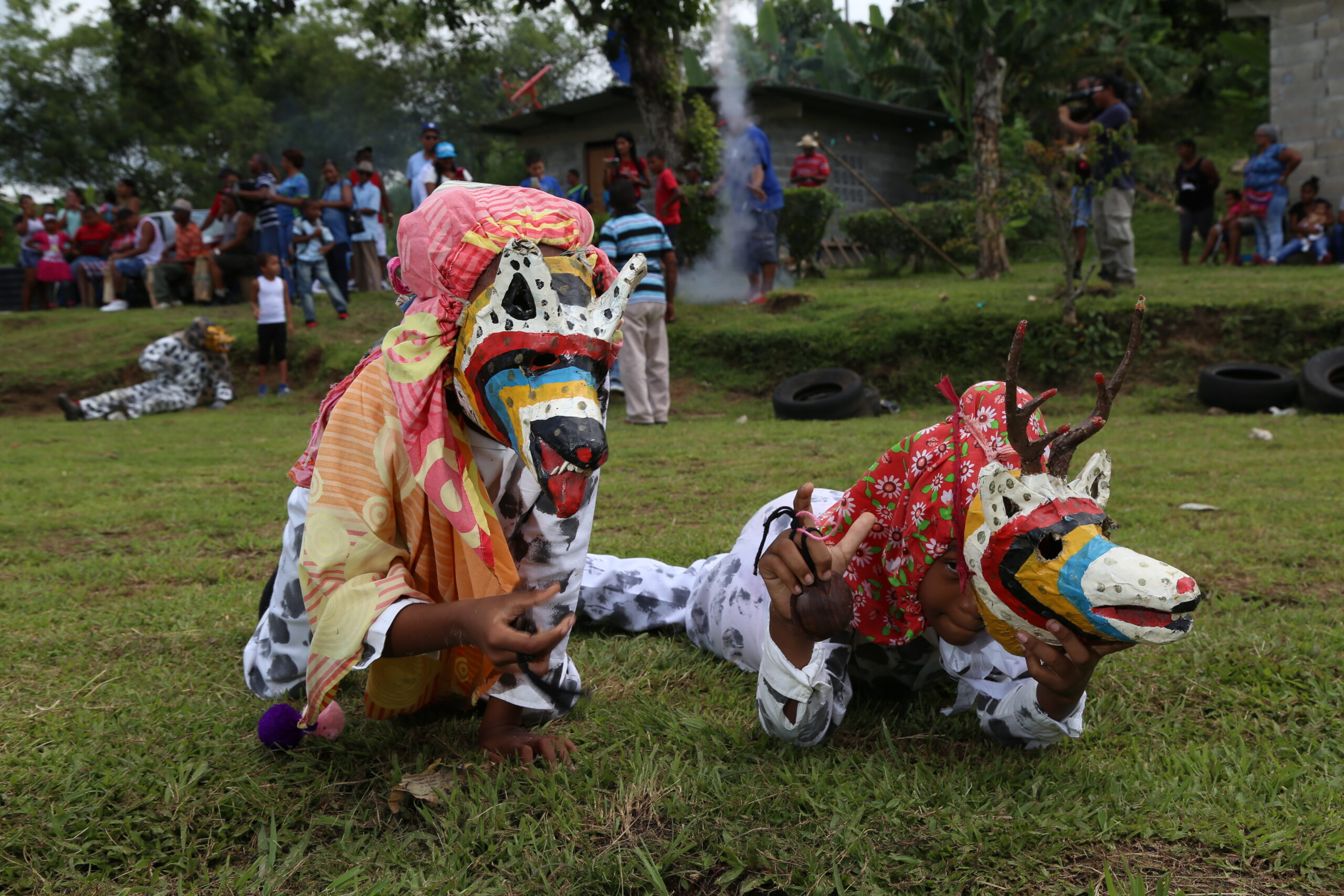
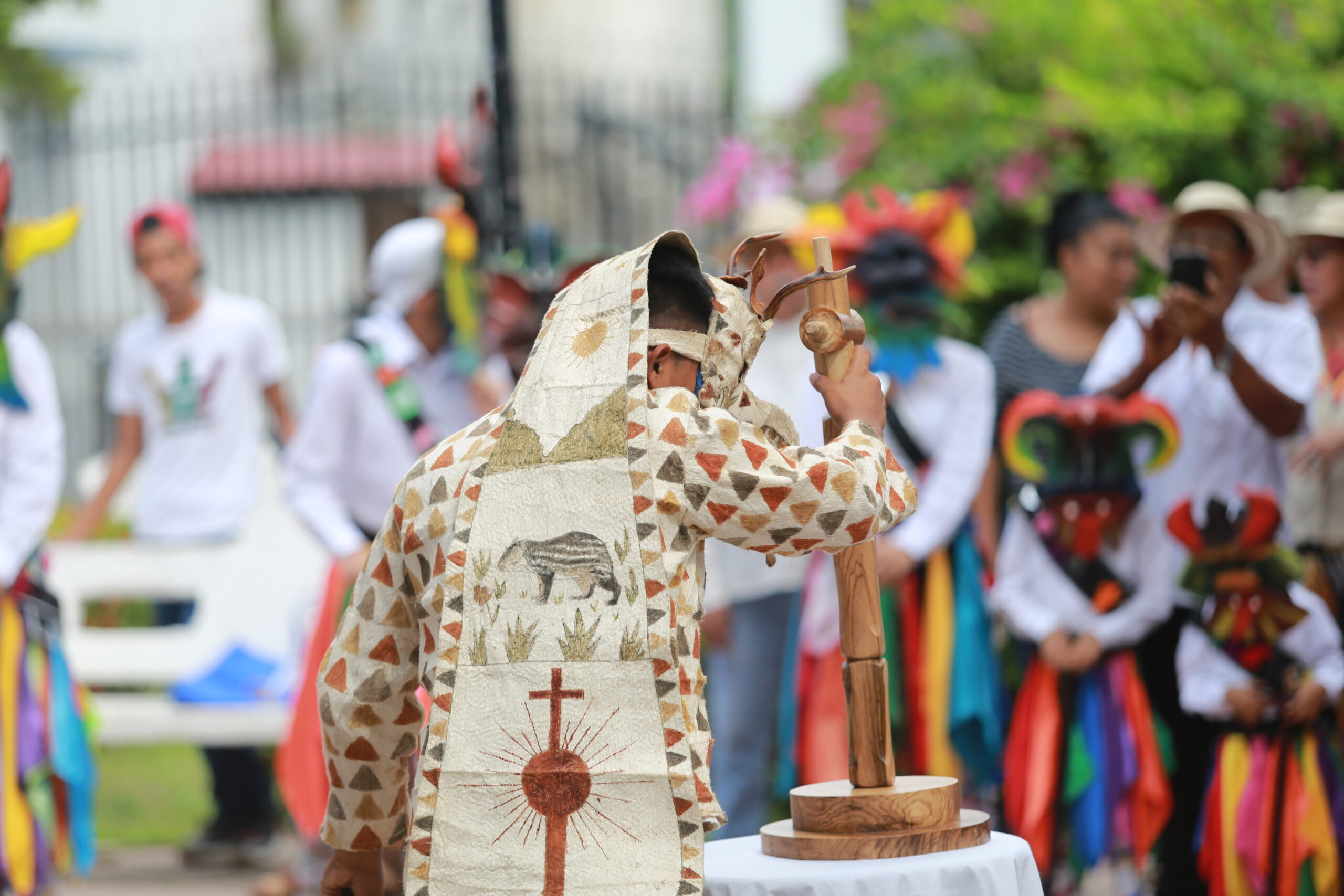
Penonomé recreates the construction of the cross between cuckoo devils and handkerchief devils, as well as numerous dances and children's characters such as cuckills and parpinteres.
At Parita, the celebration begins from the day before with the quartering of the sun by the clear diablicos.
It also has a variety of dances of different types of diablicos and peasant dances that culminates with the contest of "dona," mocking characters.
The Villa of Los Santos presents a complete cycle of celebrations for several weeks. It will be filled with the sun's quartering.
The main day, as well as at Parita, La Villa de los Santos prepares carpets with religious designs and natural materials on which they will walk in procession following the delegation headed by the body of Christ (Corpus Christi) held in custody. Of their dances, they all await the dirty diablicos, to the dance of the great devil, Montezuma, Torite and Zaracund, among others.
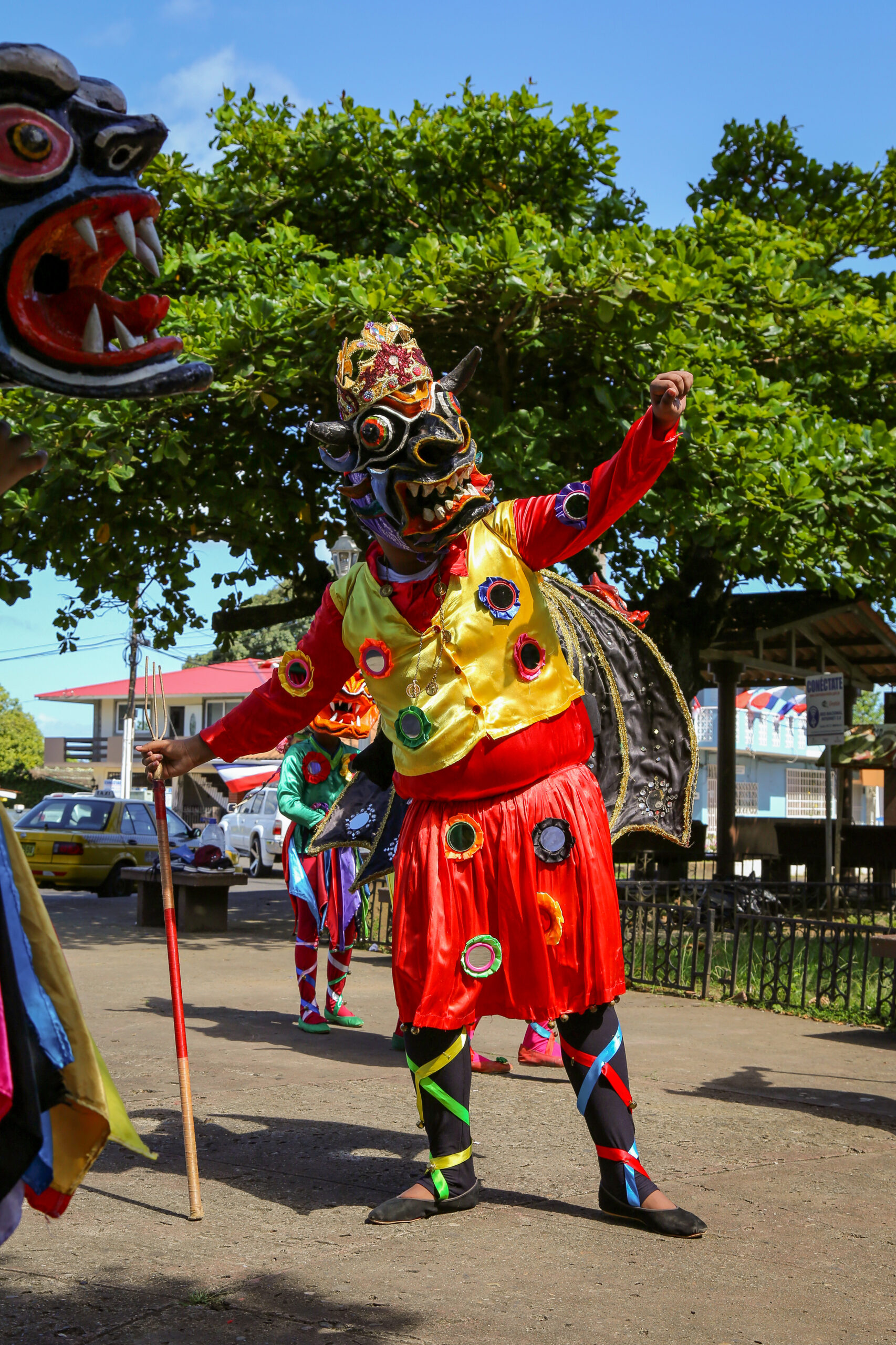
At Colón, the Dirty Diabletes of Santa Rosa and Nuevo San Juan conduct hunting and offering dances while, in the town of Colón, the Fairy of Espejo pay tribute to the Most Holy at St. Joseph's Church with a varied choreography of steps from Corpus Christi of Escobal.
At Darién, the community of Garachiné celebrates at the rhythm of the repeat of bells and expects representation at the gates of the church between the angel and the greatest devil of the dance of the Fairy of Espejo, that they walk through the people as guardians of an ancestral faith.
The Corpus Christi in Panama isn't just a religious party, it's a living expression of identity, inheritance and community, and it also strengthens spaces for religious tourism and sustainable development.
With every step of dance, every dresser, every carved mask and every prayer, the Panamanian people keep alive this manifestation in the preservation of their cultural traditions.