At the International Day against Illicit Trafficking in Cultural Property, the Ministry of Culture announced important advances in the fight for the protection of cultural heritage and emphasized its participation and leadership in international projects that promote the preservation of the cultural legacy of peoples.
That year, Panama was proud to have been applying to Mr. Rosemary García of the National Cultural Heritage Board to be part of the team that would write Handbook of Use and Code of Ethics On illicit traffic in cultural goods for traders of cultural goods while countering illicit traffic. The poster, conducted through the GRULac (Group of Latin American and Caribbean Countries) of UNESCO, was supported by the Panamanian embassy to UNESCO and ratified, enabling Panama to have an active role in revising the legal framework and creating ethical guidelines for the countries of UNESCO. That effort reflected the country's continuing commitment to strengthen its cultural heritage protection and to cooperate with other nations in this global challenge.
«It is an honour for Panama to contribute to the construction of tools to strengthen care for our heritage., "remarked national director of Cultural Heritage, Samileth Stanziola."Each step we take with other countries and with UNESCO reaffirms our commitment to preserve our communities's historic memory for future generations.”
At the same time, the Ministry of Culture announced Panama's selection for the 2030 Indicators Assessment project, supported by the UNESCO, with the aim of measuring the impact of culture on sustainable development goals. That project will provide specialized training and will allow the implementation of cultural indicators in a pilot town, especially considering areas of historic value.
Under this comprehensive conservation strategy, Panama was also elected to participate in two additional projects: Intangible Cultural Heritage Project in Urban Context and Safeguard of World Heritage and Sustainable TourismBoth focused on training national specialists. Thanks to collaboration with the Province of Saudi Arabia, in co-ordination with the regional office of UNESCO for Central America, Mexico and Colombia, located in Costa Rica, free workshops will be held so that specialists will become trainers for local communities on issues of tourism heritage and sustainability.
Rejected Heritage Exhibition: Our Legacy Reforms Home
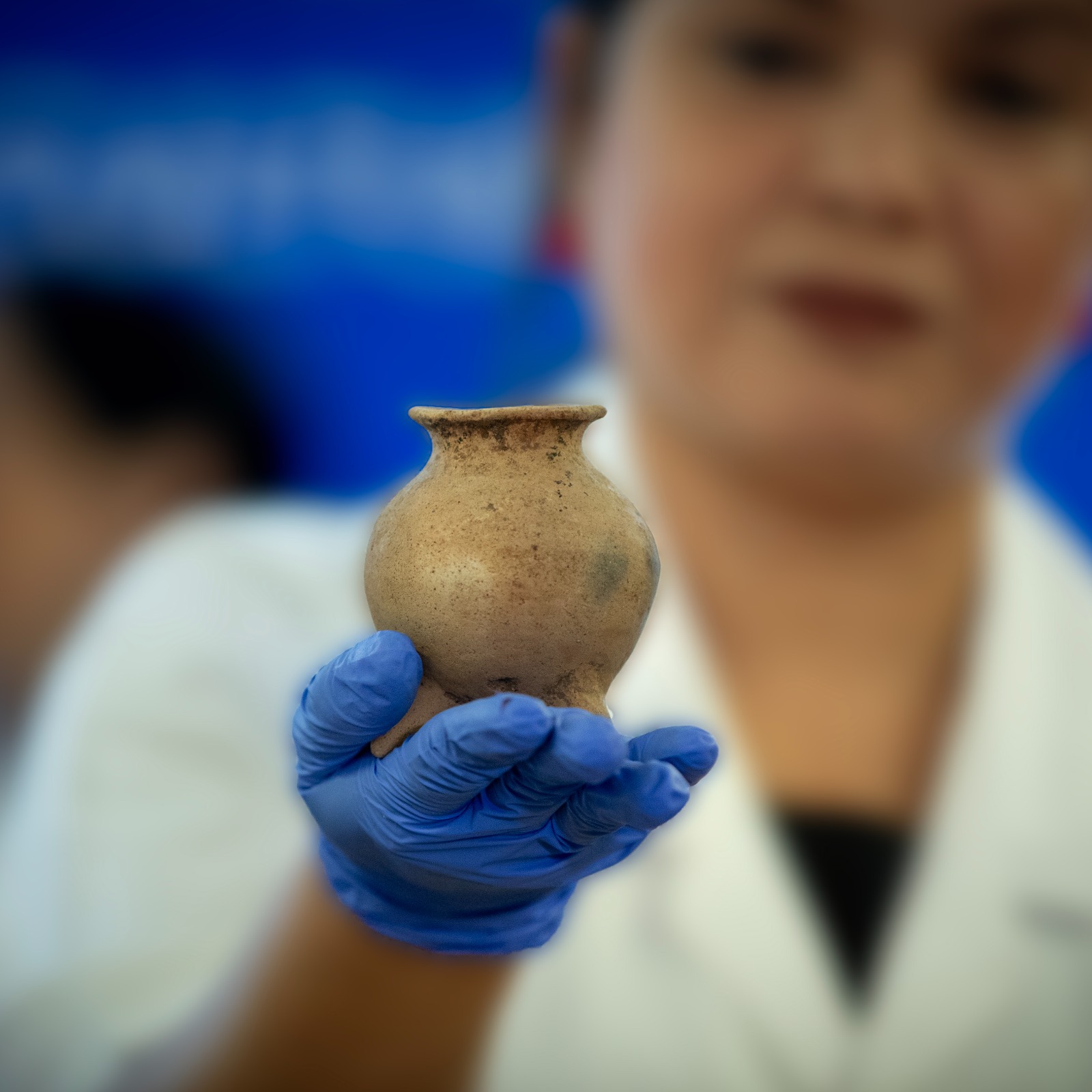
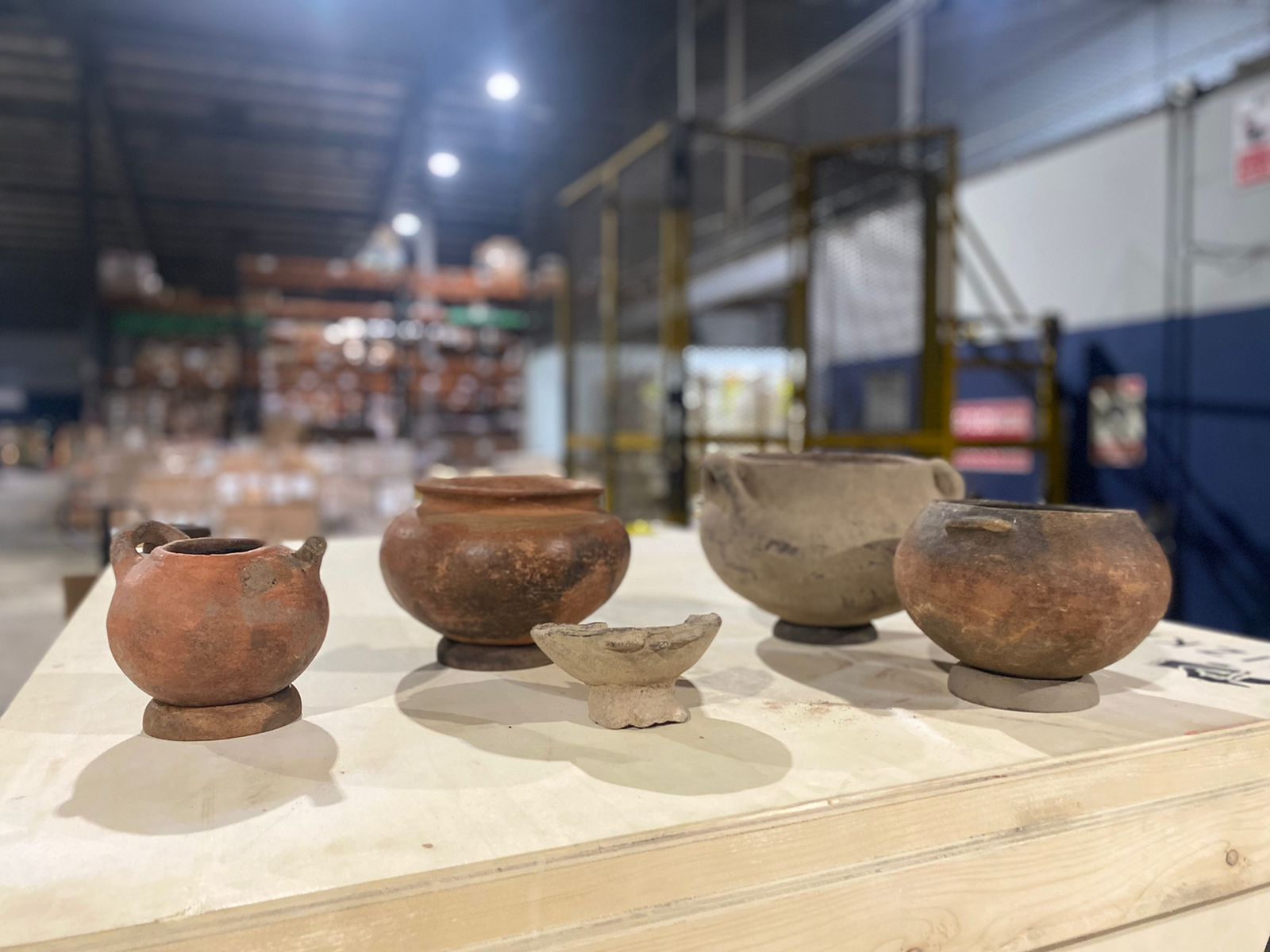
At this celebration, the Ministry of Culture invites the public to visit the exhibition Rejected Heritage: Our Legacy Reforms HomeThat will open to the public next November 29th at the Galería de la Ciudad de las Artes, located at Llanos de Curundú. The exhibition is an exhibition, composed of more than 350 pieces recovered, attests to the joint efforts to repatriate and to the voluntary return of individuals who wish to contribute to the conservation of national heritage.
The exhibition will allow attendees to appreciate repatriated archaeological pieces that are an important part of his and his cultural heritage and come from countries such as the United States, Germany, Italy, the Netherlands and, recently, Canada. They have been returned to his country by an inter-institutional demand for identities such as, Office of the Prosecutor General of the Nation, Ministry of Security, National Customs Authority, Ministry of Foreign Affairs and of course, the Ministry of Culture.
MiCultura also invites those who wish to return cultural property to contact 311 or send a note to the National Cultural Heritage Board. Reparations to the nation can be made anonymously or with public recognition and the technical team of the ministry will support the restitution process.