Machine translation. This content was automatically translated from Spanish. The Spanish version is the only official one: for all legal purposes, and in the event of any discrepancy, the original Spanish text prevails. View the official Spanish version

Folklore National Week brought together knowledge about pollera and Panamanian cultural identity
Back to blog

Folklore National Week brought together knowledge about pollera and Panamanian cultural identity

Folklore National Week brought together knowledge about pollera and Panamanian cultural identity

Content of the News
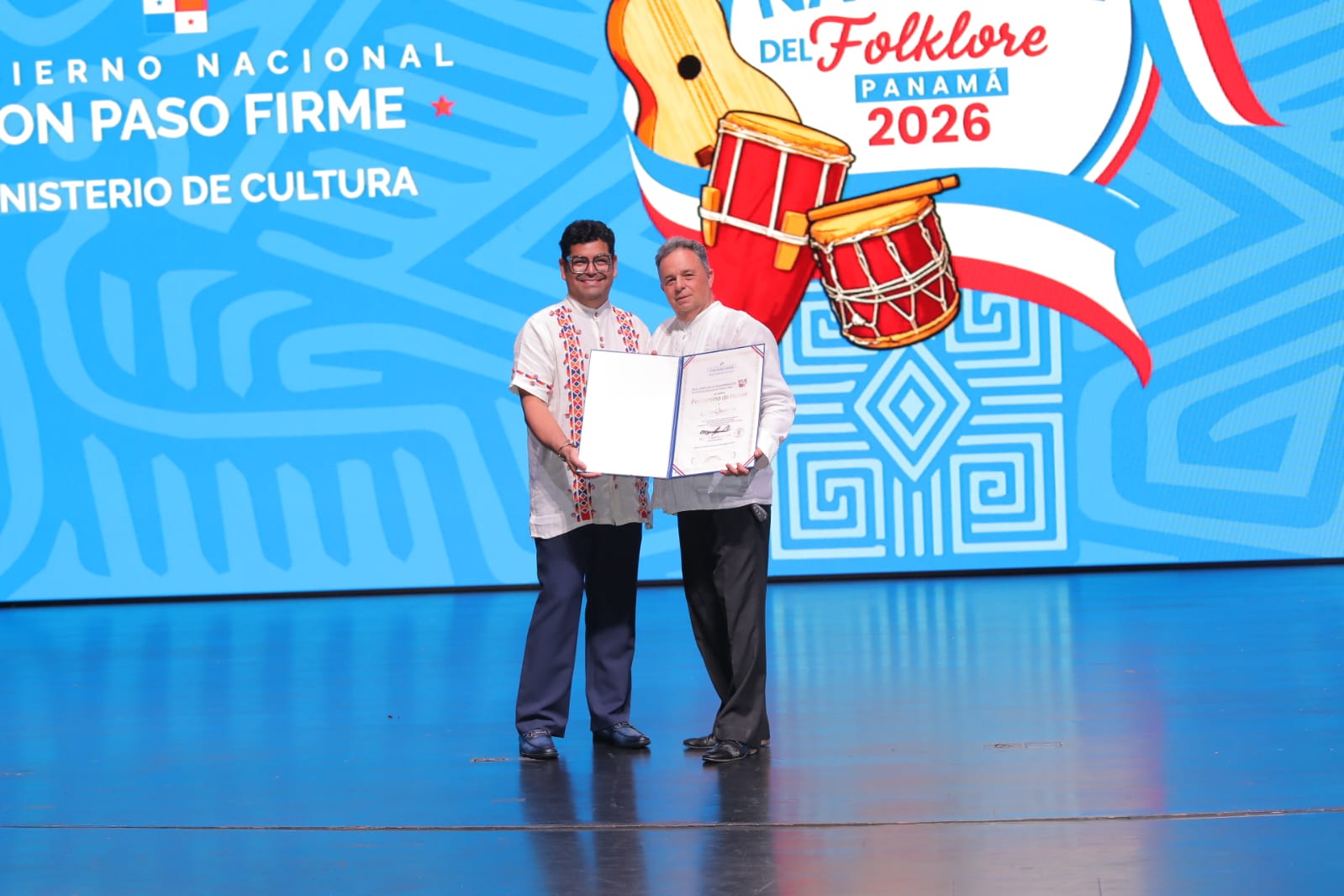
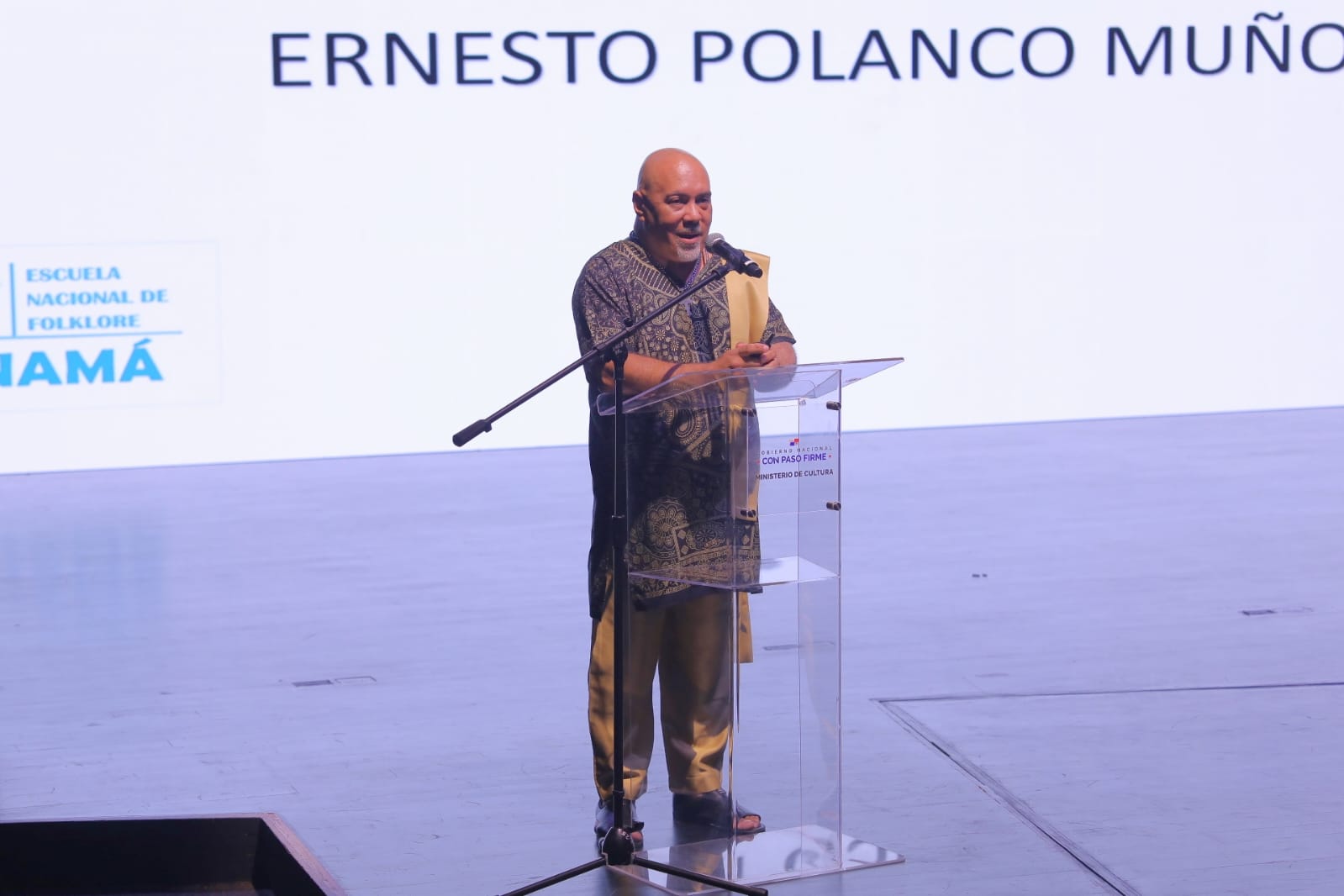
Panama, August 22, 2026. The Ministry of Culture (MiCultura) held a number of educational and academic meetings at different museums and cultural spaces throughout the country as part of the Folklore National Week, held until August 23.

The initiative aims to promote research, transmission and preservation of Panamanian traditions, bringing together experts and citizens to reflect on the fundamental expressions that constitute the historic memory of the nation.

During the central day, MiCultura developed two key events: the Forum dedicated to the pollera and the Judicial Conference at Folklore. At the Forum, specialists approached the national suit from a number of edges: Rolando Domingo put forward about the history and origins of the dress; Shoshana Levand analysed its temporary evolution; Esther Pérez Herrera detailed the arrangement and the at-stage supplements and while Marina Arosemena and Dolores Cordero became more deeply interested in the production, measures and peculiarities of the regional necks of Coclé and Veraguas, respectively.

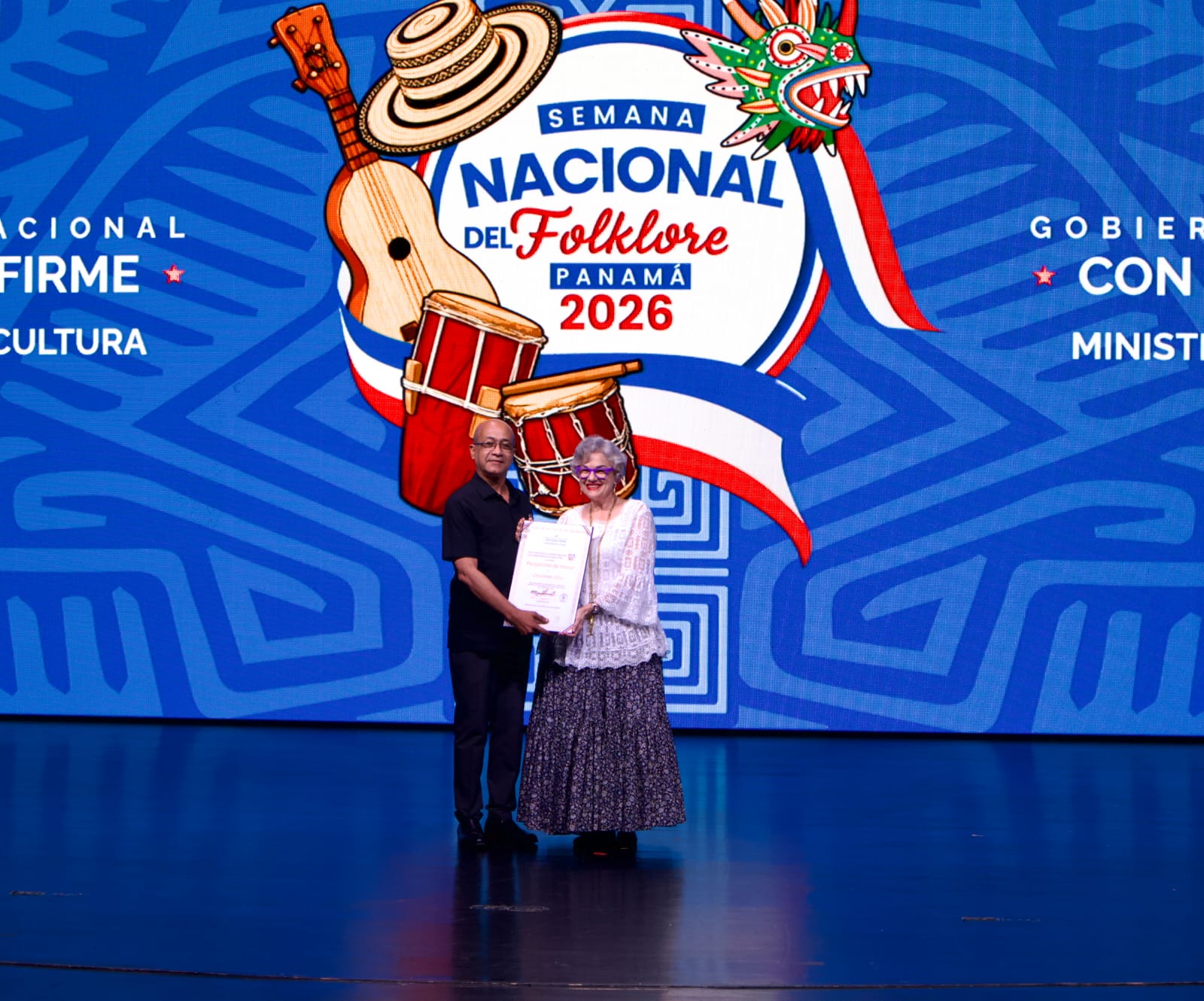
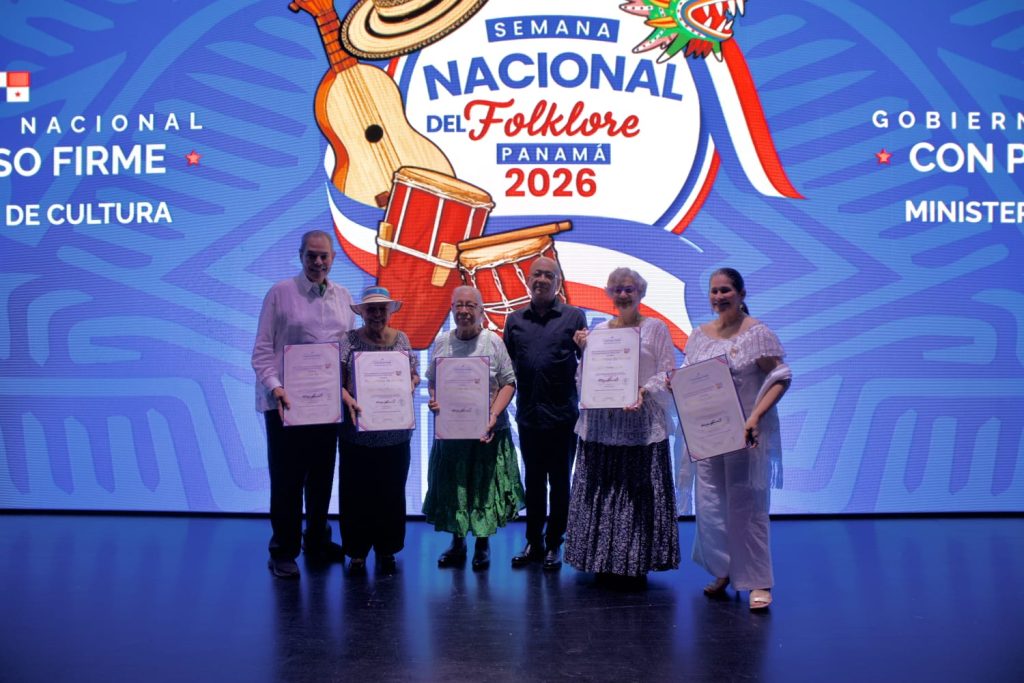
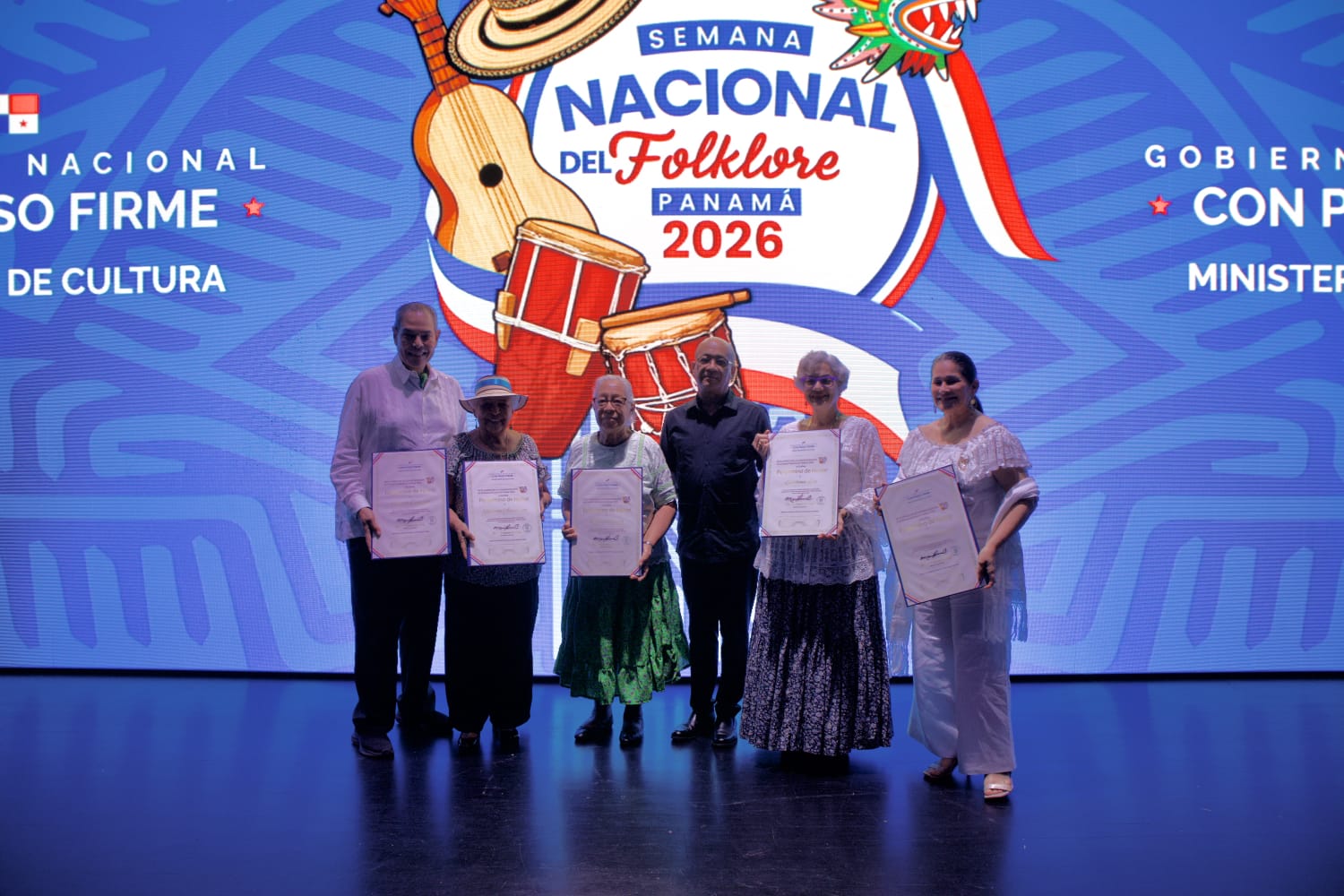
The session concluded with a question space and the surrender of recognition to exhibitors by Aristides Burgos, national director of artistic education

On the other hand, the Magistral Conference offered a multidisciplinary analysis of the intangible heritage. Ernesto Polanco expressed his views about Afro-panamenity and his views about the contribution, endurance and Afro-descendant identity to national folklore. Celso Quintero addressed Panamanian music, its rhythms, autochthonous instruments and evolution, while Aristides Burgos outlined his comments about "Folklore Science," and emphasized the academic methodologies necessary for research and safeguard of traditions.

The commemorative program is complete with exhibitions of traditional usance costumes at the museums of History of Panama, Penonomé, Chitre, Las Tablas and Veraguas.