Panama, August 11, 2026. The issues of science fiction, technological dependence, identity, memory and family links marked the winning works of the Rosa María Britton 2026 National Youth Counting Competition, which in this issue received 135 stories and recognized five young writers.
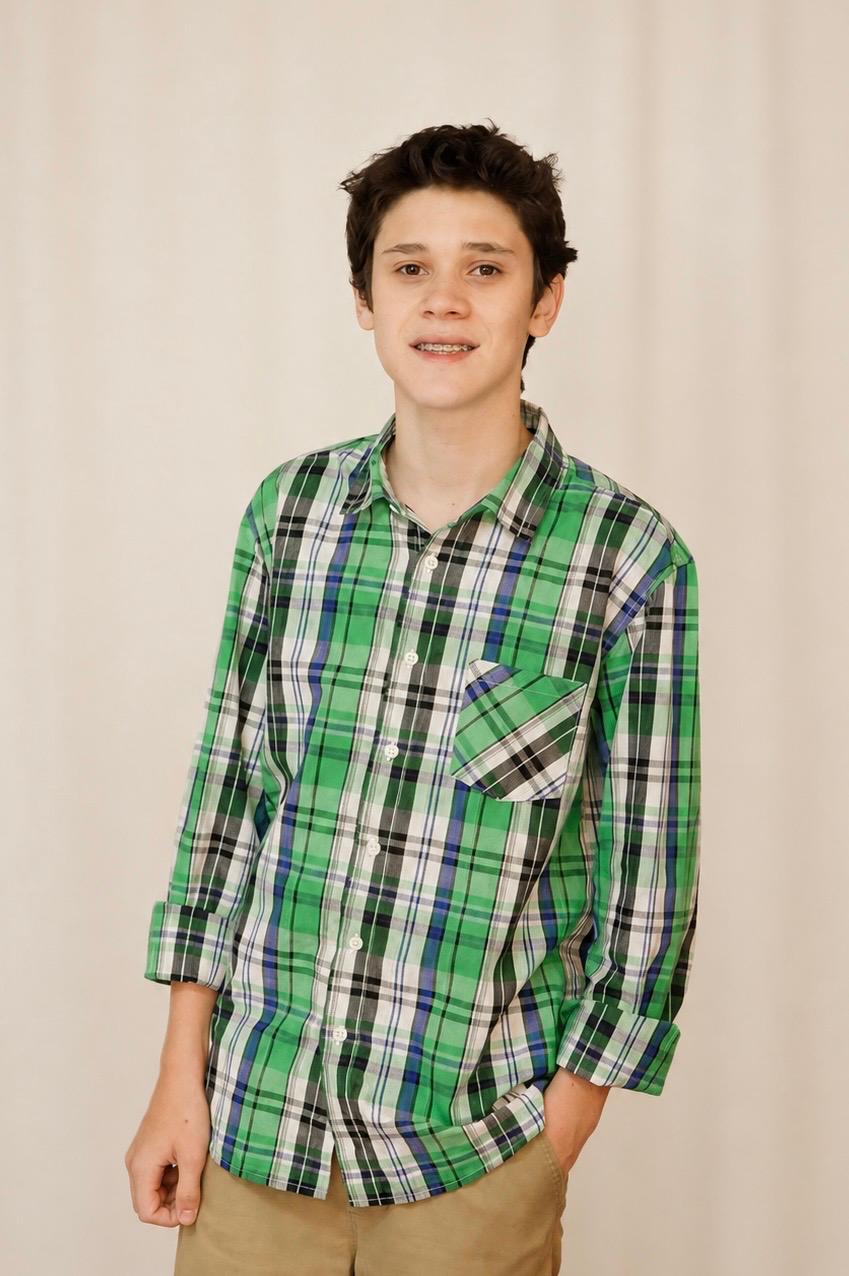
The first place was for Rubén Dario Carles Paredes, a tenth-grader at the Brader College, for his tale The Great blackout, presented under the pseudonym "Edmundo Dantés." The Jury emphasized the soundness of the proposal of science fiction, the management of narrative time and the construction of suspense, as well as reflection about technological dependence and ethical dilemmas of scientific progress.
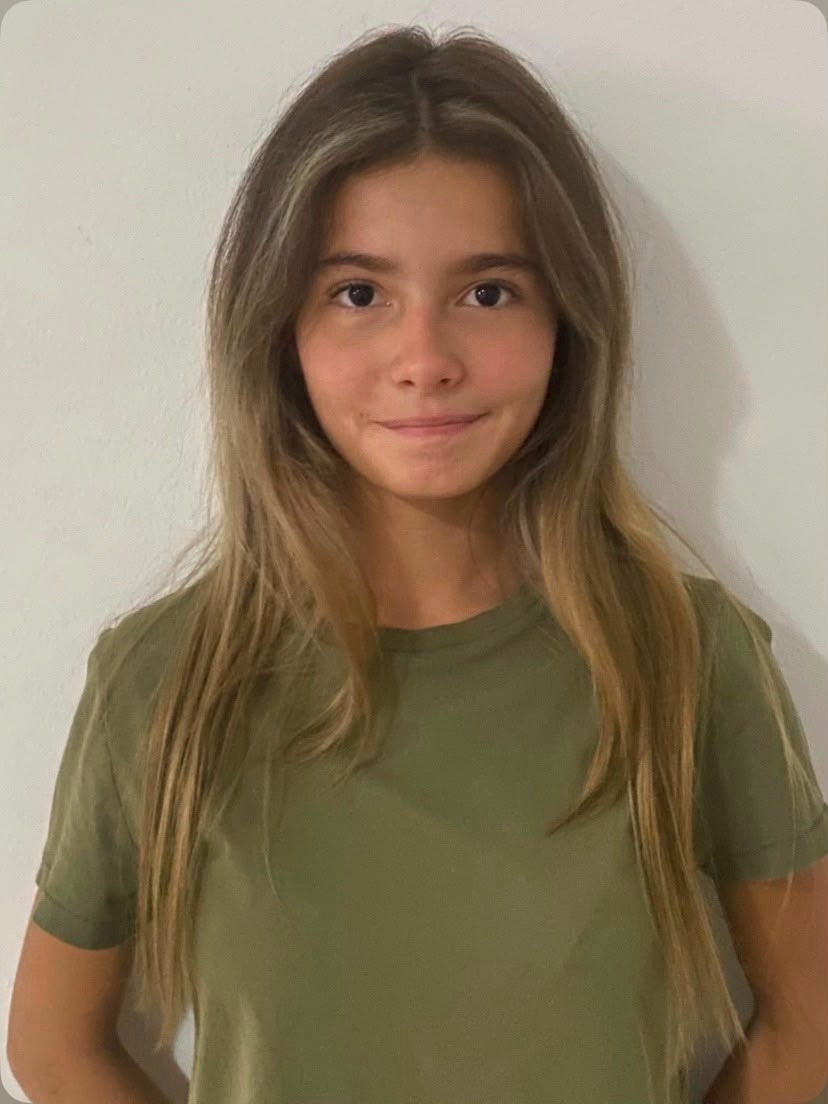
The second place was Antonella Victoria Domínguez Carrasco, also a tenth grader at the Brader College, by True, future, under the pseudonym "Future." The work combines science fiction and time travel with a reflection about identity, membership and family affections.
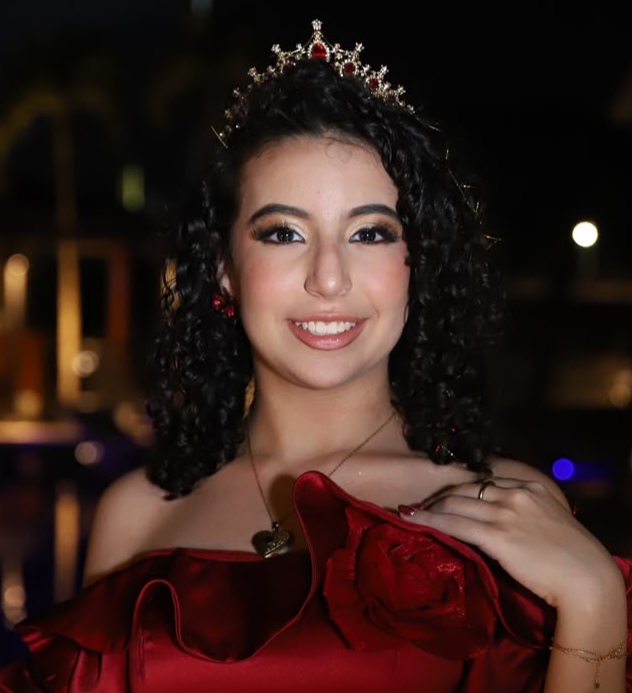
The third place was for Sofia Elena Mata Olivares, a tenth-grader at the Royal College of Panama, by The White Bunny, presented under the pseudonym "Sofi." The tale puts forward a dystopic society to address technological dependence, information monitoring and the importance of critical thought, knowledge and memory.
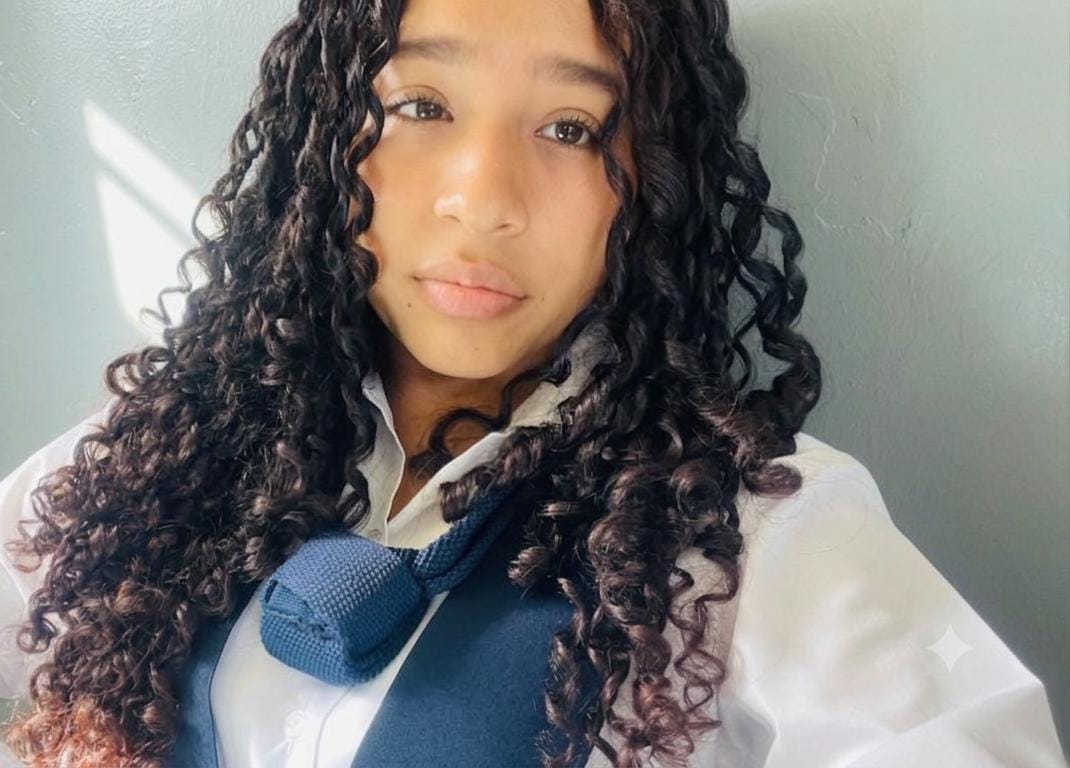
The Jury also gave two words of honor. One was for Lya Isabella Villavicencio, a ninth grader at La Esperanza College, in David, by Moulla, recognized by the force of his language and his allegory about his identity and his exclusion. The second was for Nerys Valentina Lara Luke, a twelfth grader at Abel Bravo College, by The names of the river, outstanding for integrating science fiction with historic memory and cultural identity.
The decision was passed unanimously after the reading, analysis and valuation of the 135 works involved. The jury was composed of José Durango, Briseida Bloise and Edilsa Evelyn Lozano, who signed the minutes on June 22, 2026.
With this issue, the Rosa María Britton National Youth Counting Competition continues to offer a space for students to develop their literary creativity and to put forward, through narrative, their perspectives about society, technology, identity and the future.