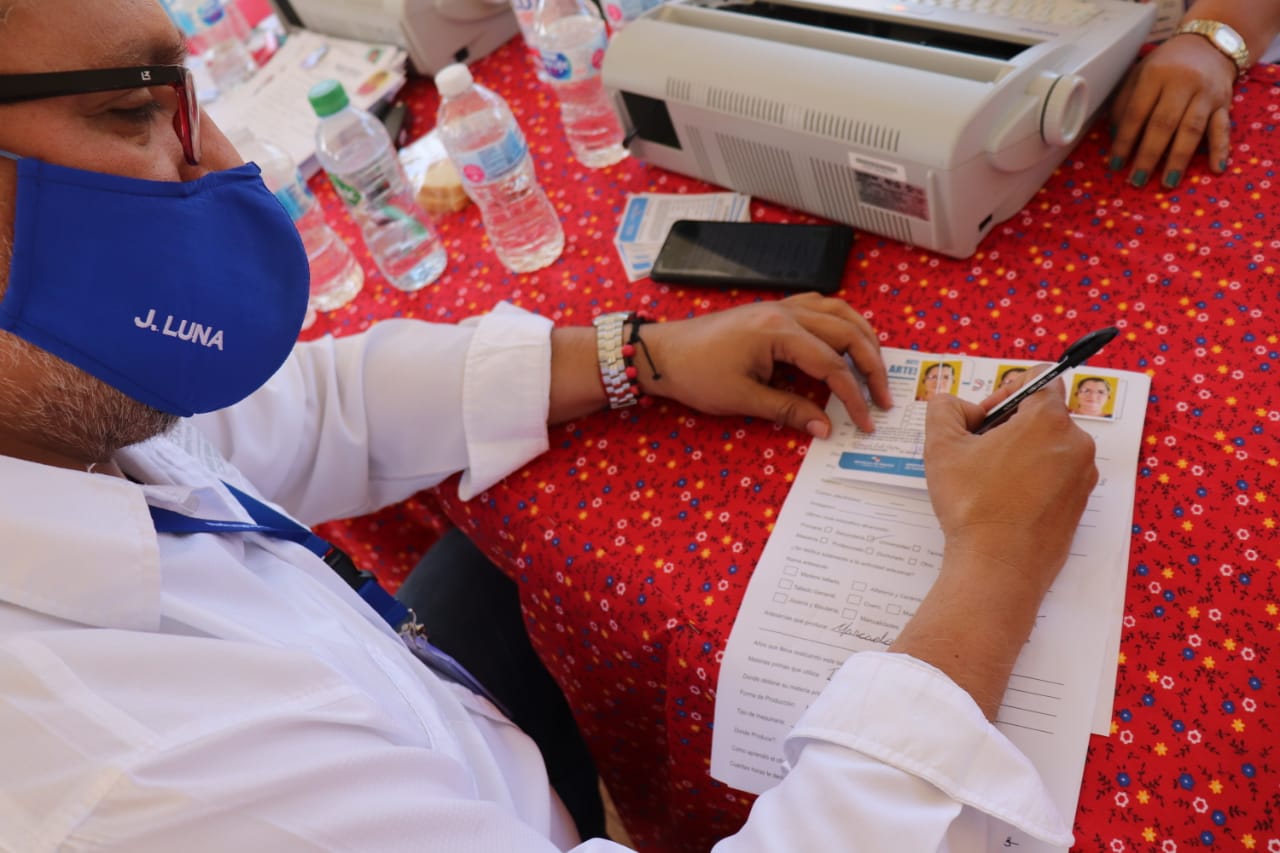
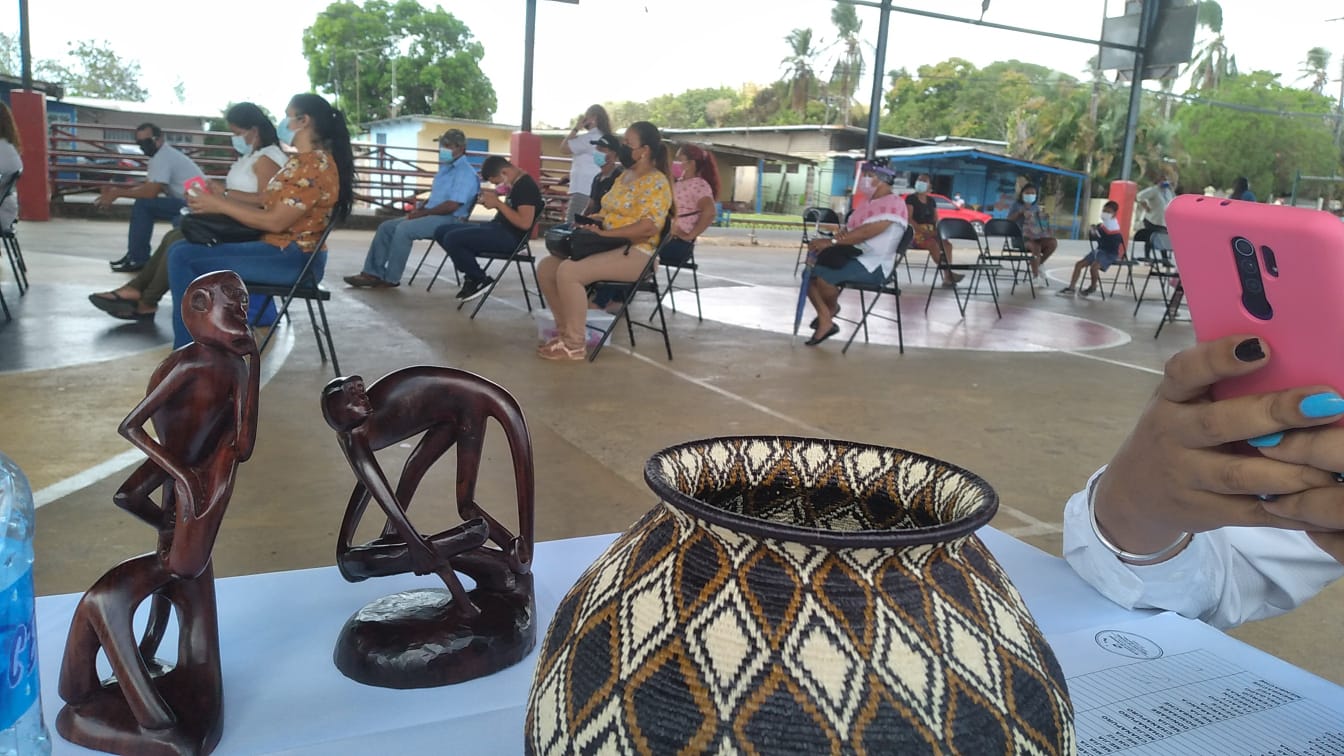
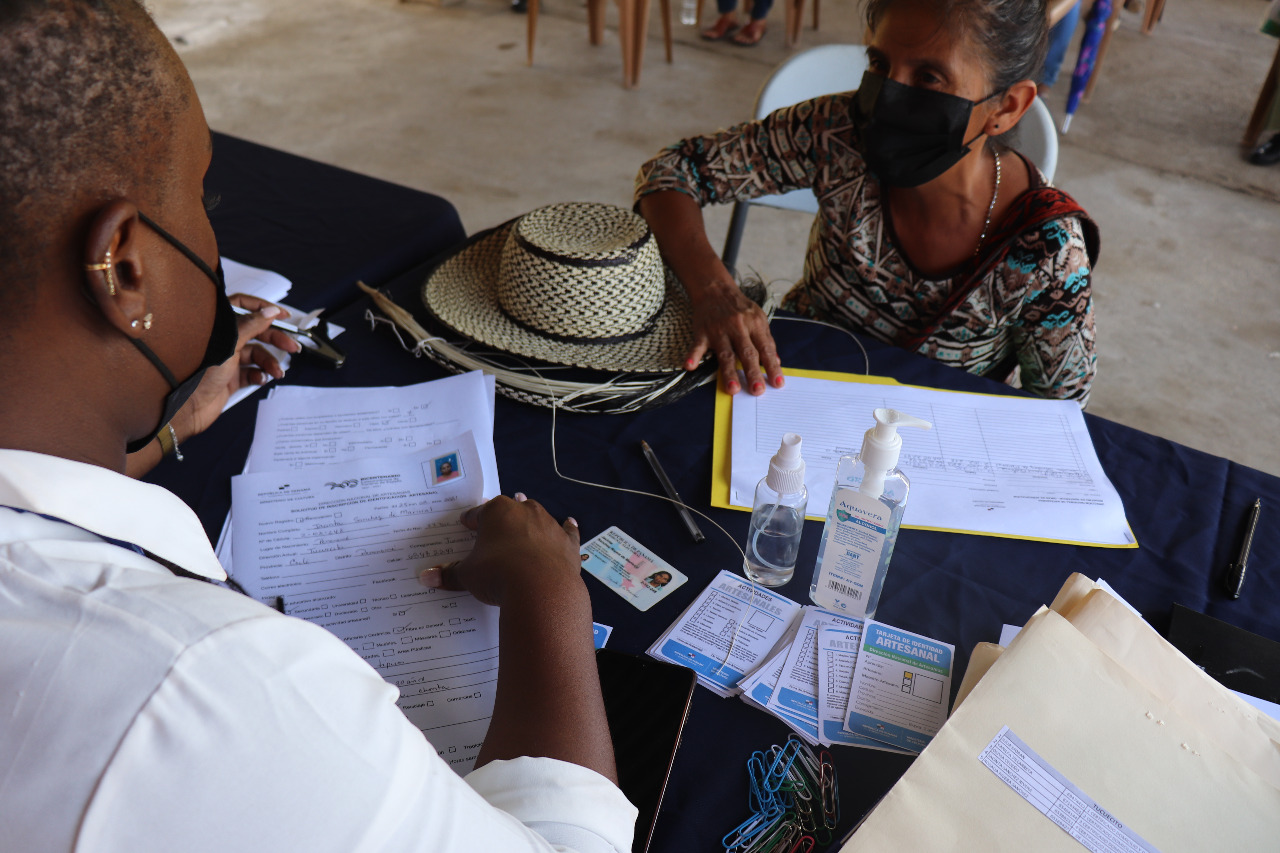
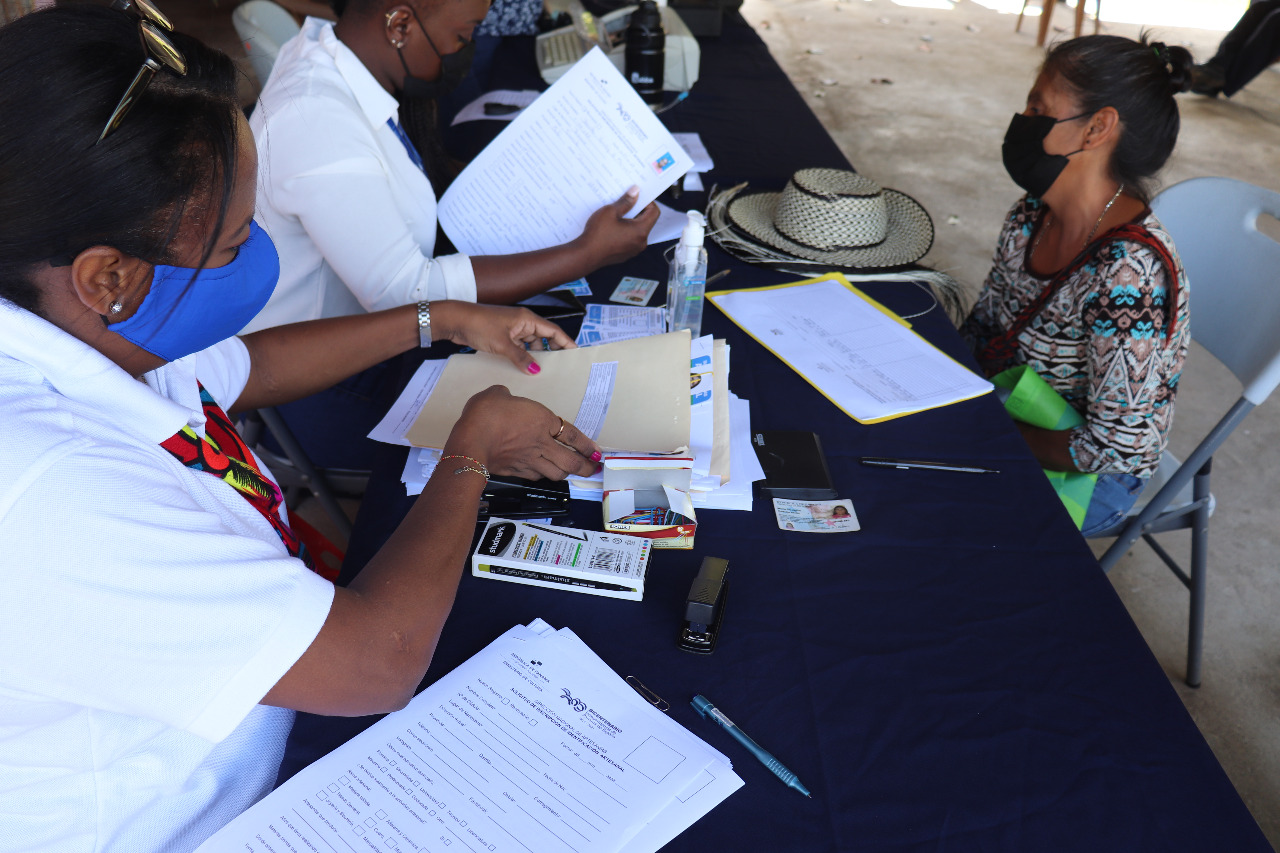
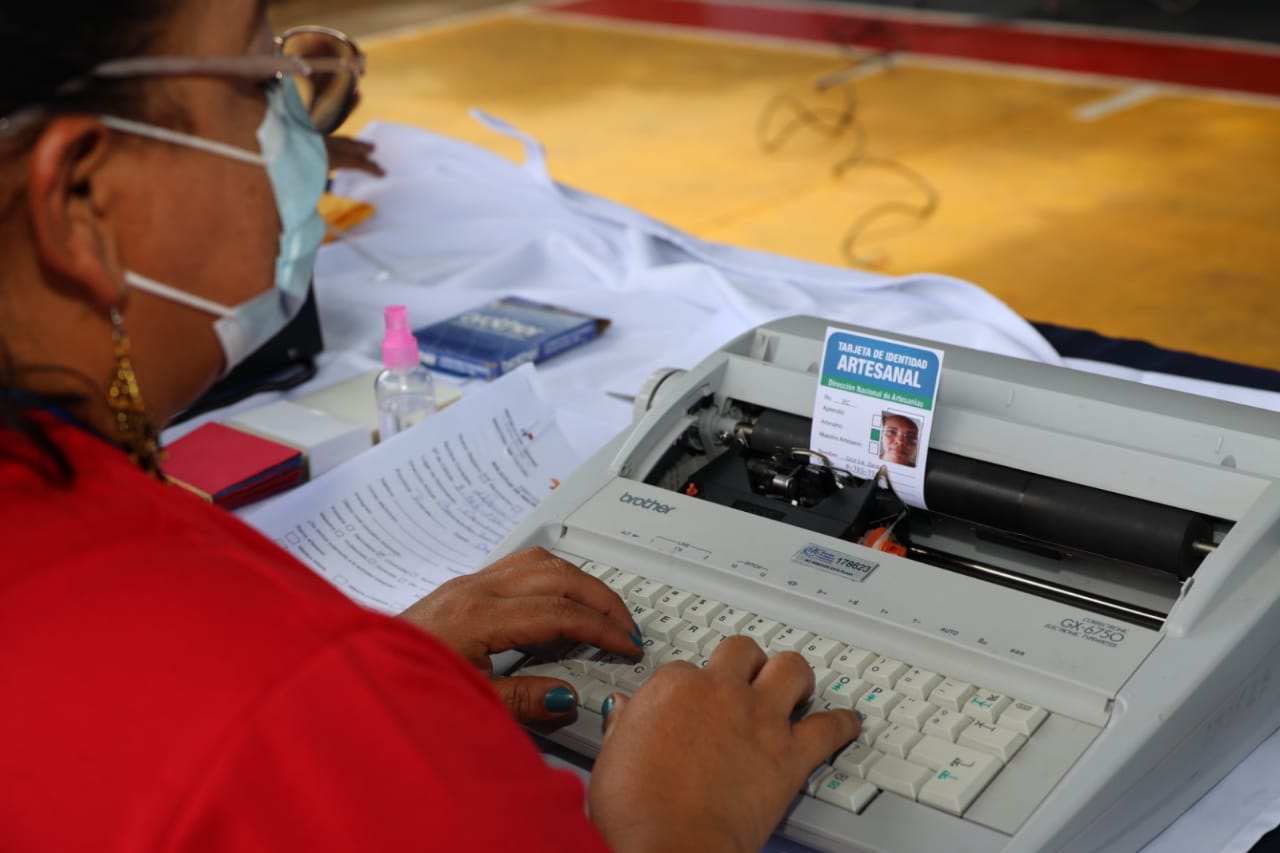
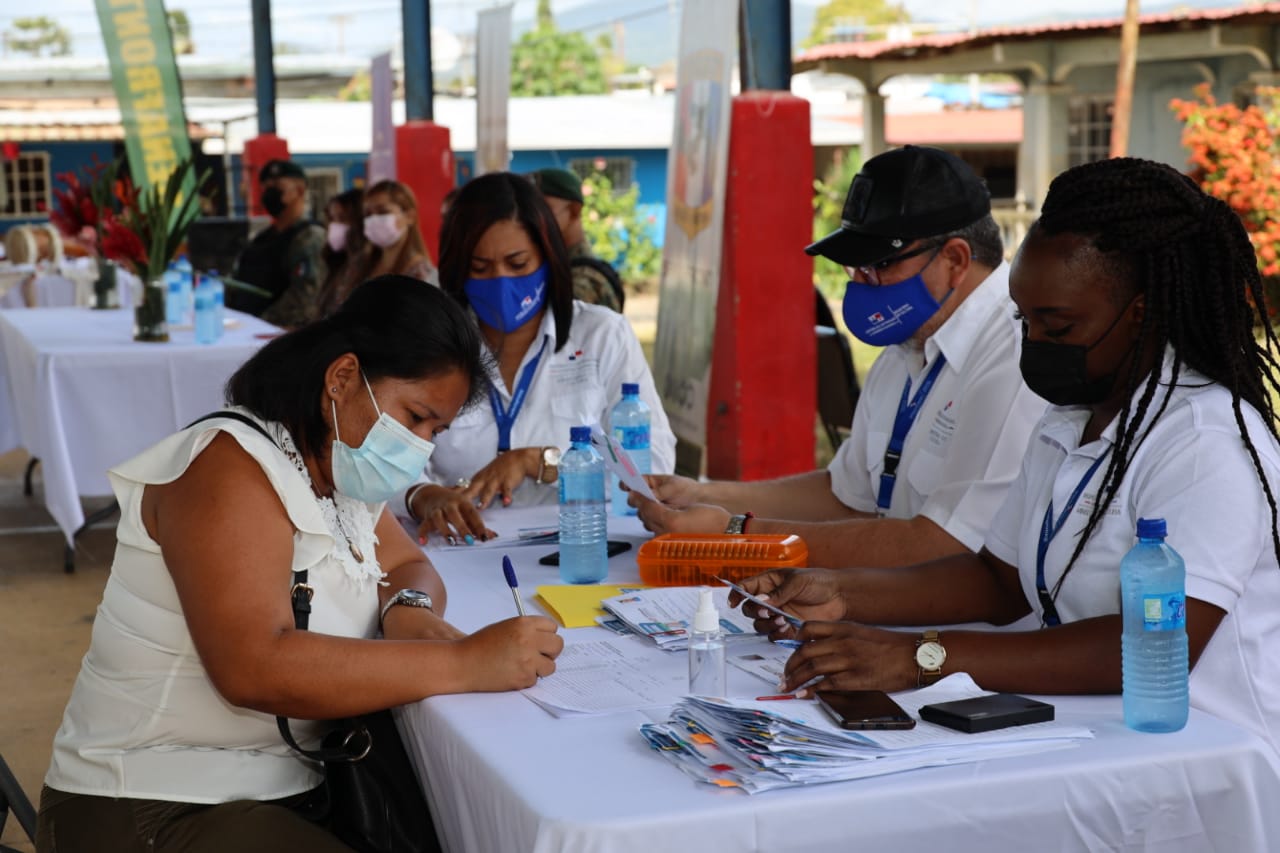
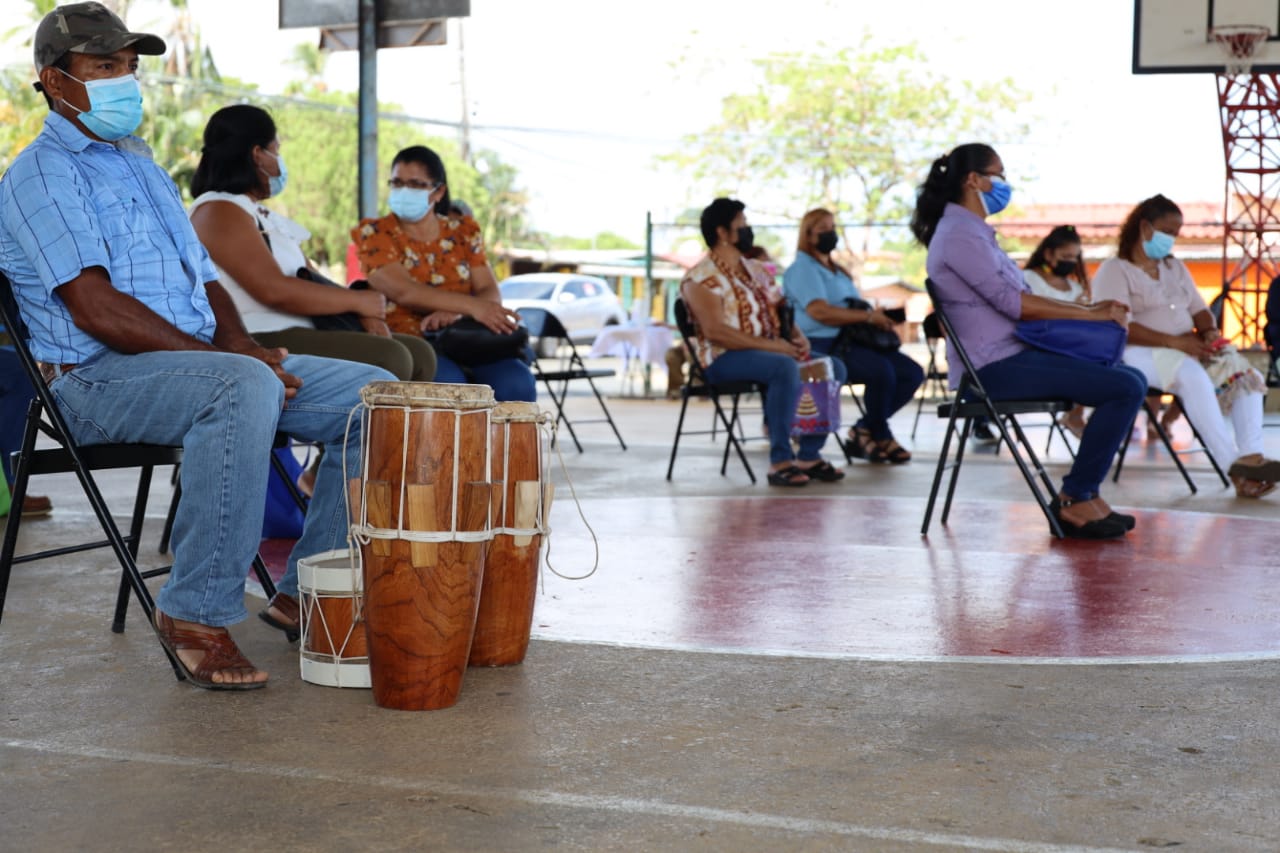
The Ministry of Culture (MiCultura) through its addresses of crafts and cultural rights and citizenship began a tour as part of the Colmena Plan where about 400 artisans from the regions of Veraguas, Chepo, Chiman and Chepigana (most of the Eberá Wounan ethnicity), and also from the District of Ocu and close areas and from the Tulu Retirement in Penonomé.
Local authorities joined this accreditation day with the MEDUCA Population Section, and they have been offering their affected artisan talks about family violence, cyberbullingg, gender equity, sexual education and prevention of child sexual abuse and entrepreneurship, among others.
That's the first time these artisan who have been dedicated to production of cocopoulus wood, baskets, accessories for typical attire, among others, have been cared for in their own region and have been recognized by the national government as entrepreneurs who, through their work, contribute to enriching tourism and local economy and offer their talent through their art.
That activity forms part of the program of the Colmena Plan, designed with the aim of eliminating poverty and inequality in the 300 recordments that are affected.
MiCultura through its regional bureaux and jointly with local authorities and authorities conduct a number of cultural and entrepreneurial programs with a view to supporting the residents of these communities and leading to a positive impact on their quality of life.
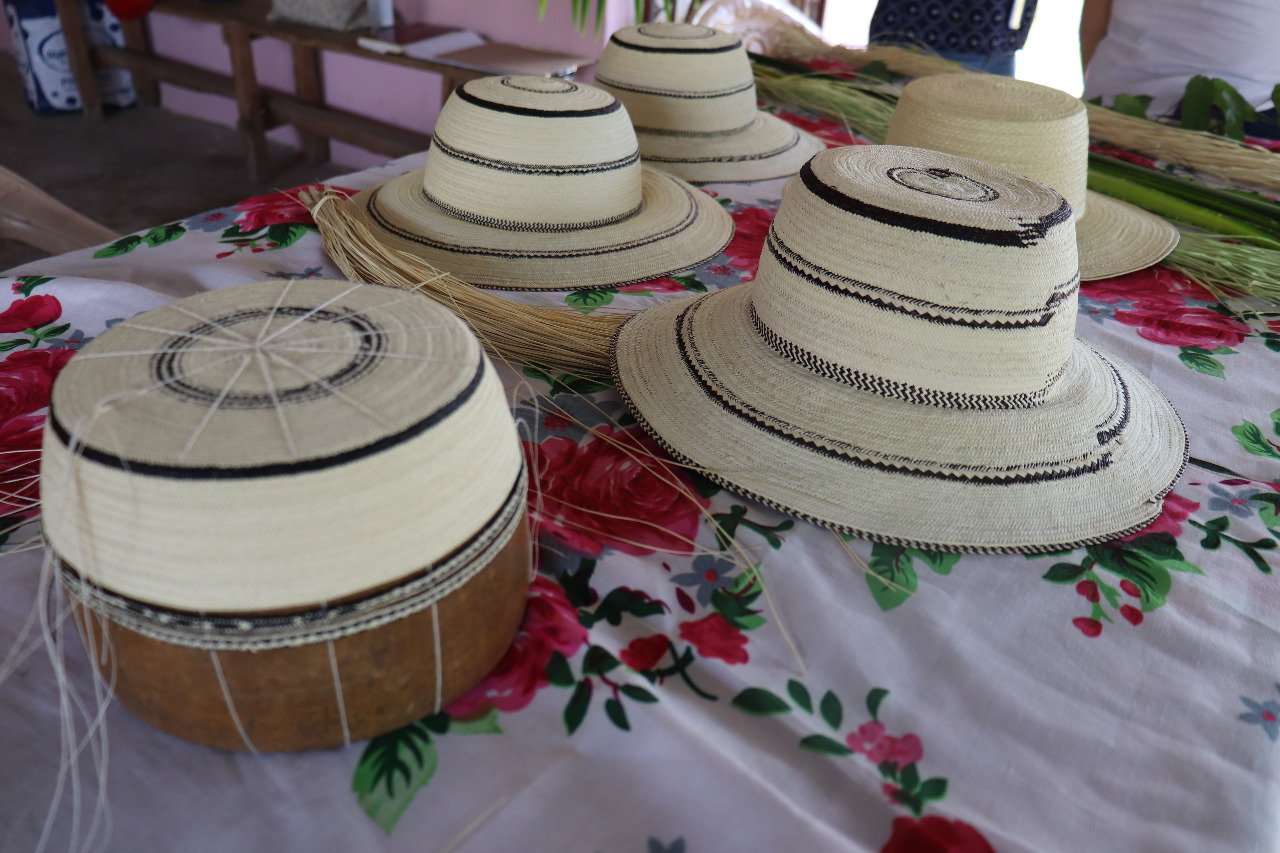
According to Jaime Luna, national master of crafts, this accreditation program is very significant because we are not only impounding communities that are part of the Colmena Plan but at the same time we recognize their work. I quote as an example to the artisan of Tulu's rectification at Penonomé that after La Pintada District are the largest producers of the painted hat, recognized by the UNESCO as an inmaterial cultural heritage of mankind.