
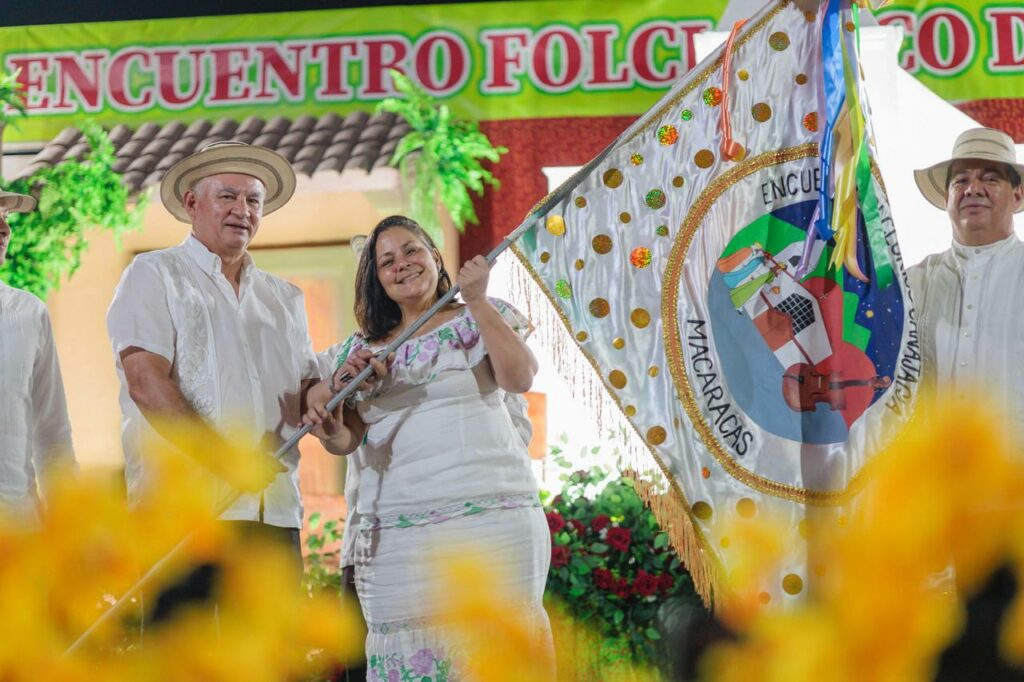
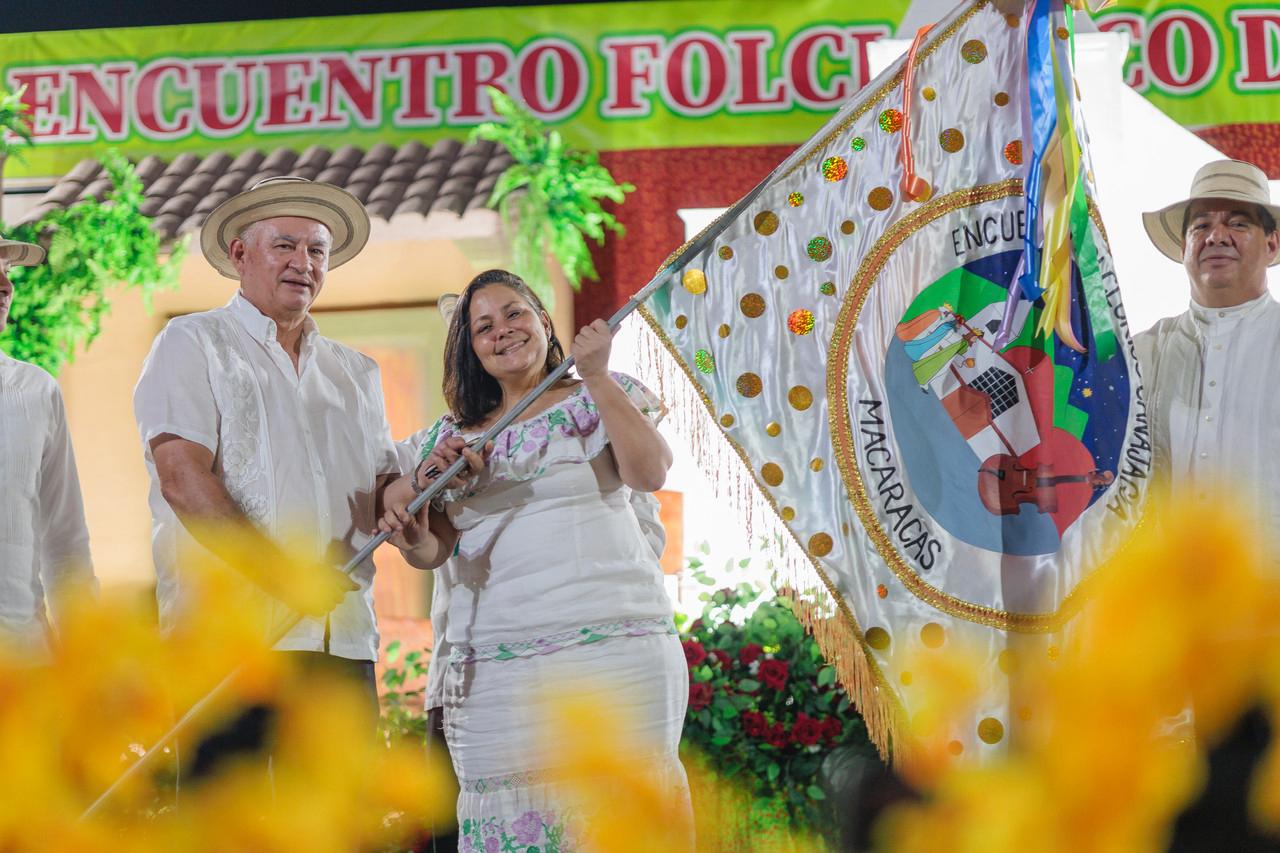
Macaracas successfully held the LIII Folkloric Reunion of Canajagua
Content of the News
Panama 6 January 2026. From 2 to 6 January, the Macaracas District held the LIII version of the Folkloric Reunion of Canajagua, a festival that brought together music, dance, ancestral knowledge, popular religiosity and traditions that form part of Panamanian cultural identity.
For five days, local communities, bearers of tradition, folkloric groups and visitors participated in a program that promoted cultural transmission and family meeting, strengthening their sense of belonging and pride for the customs of the Azuero.
Among his most popular activities was the traditional Reels Parade, where polleras, carlozas, folkloric delegations, typical music and gastronomy visited the main streets of the district.
The day was attended by the deputy ministers of culture, Arianne Benedetti, who was the champion of the parade and was accompanied by the national director of Folklore of MiCultura, José Alberto Sosa, local authorities and the town of Macaracas.
Benedetti expressed that "this meeting is a vivid sign of how communities maintain and transmit their traditions. From the Ministry of Culture we accompany the people of Macaracas because here culture is lived, shared and taught from generation to generation."
He added that "this festival was supported by the Ministry of Culture, that accompanies and supports these expressions that strengthen cultural identity, promote cultural tourism and energize the local economy."
The 6th Acordion contest, Don Daniel Dorindo Cárdenas, dedicated to the continuation of this traditional musical expression with the participation of more than 16 contestants, was held as part of the cultural agenda. The contest recognized the talent of Ramón Saldaña (first place), Nieves Pereza (second place) and César Fuentes (third place), with his performances reflecting family and community-borne apprenticeships.
The program also included the traditional Board of Embarra, a community demonstration that brought families to the river, with typical music, drums and local cuisine.
Children and youth have been actively involved with the construction of the quincha house and with the Board of Embarra have been registered with the UNESCO as an Intangible Cultural Heritage List that requires an emergency safeguard.
The celebration concluded on 6 January with the staging of the Drama of the Holy Kings, a theatrical and ritual demonstration that represented the faith, collective memory and cultural heritage of the Santeño people and remained as one of the most significant moments of the meeting.