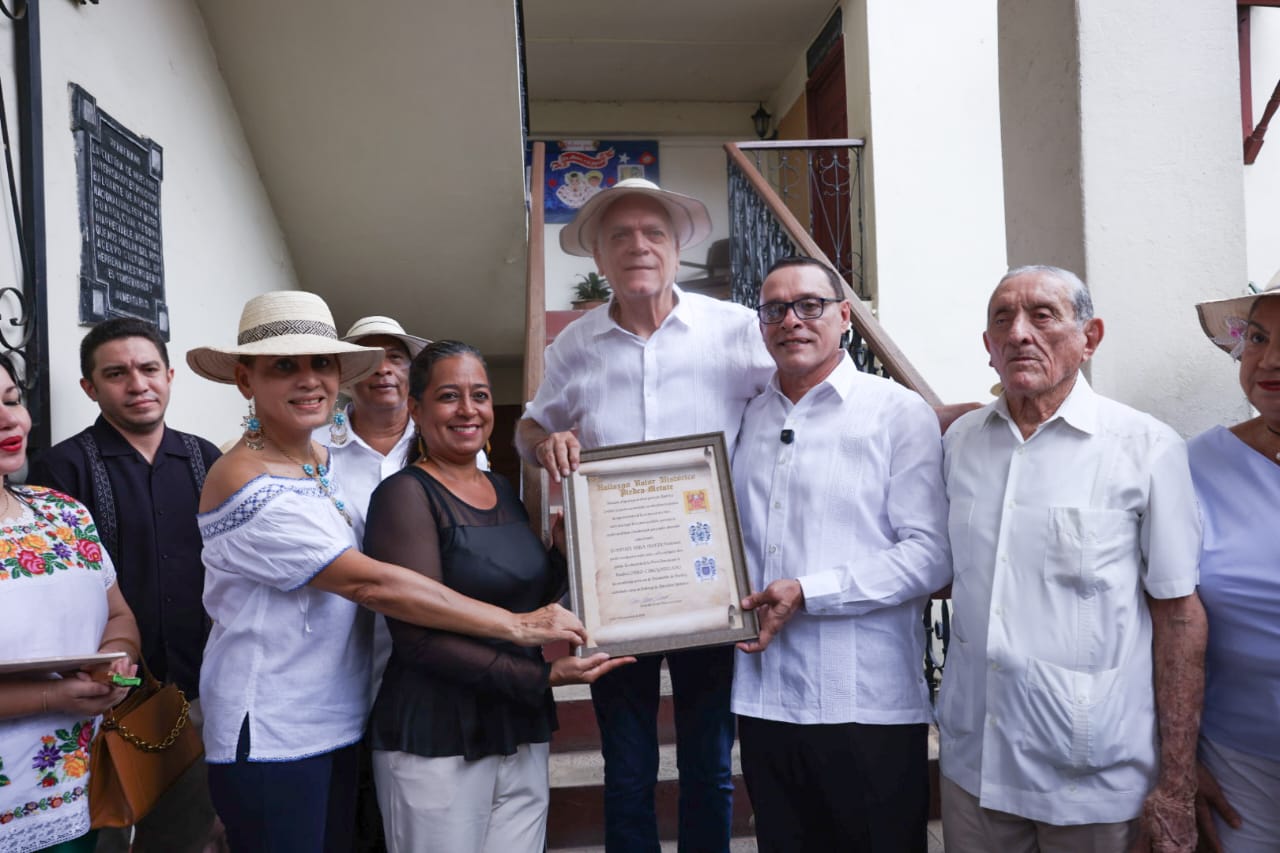
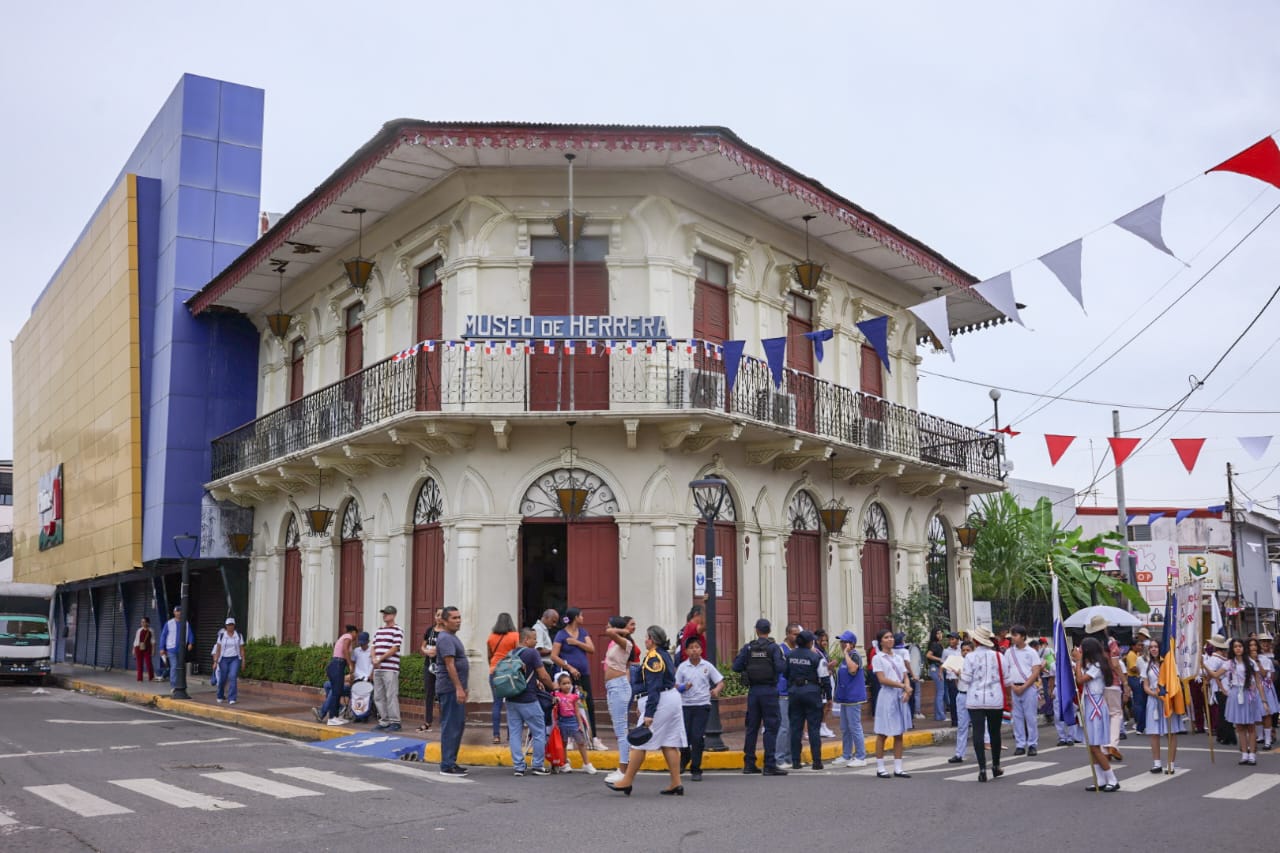
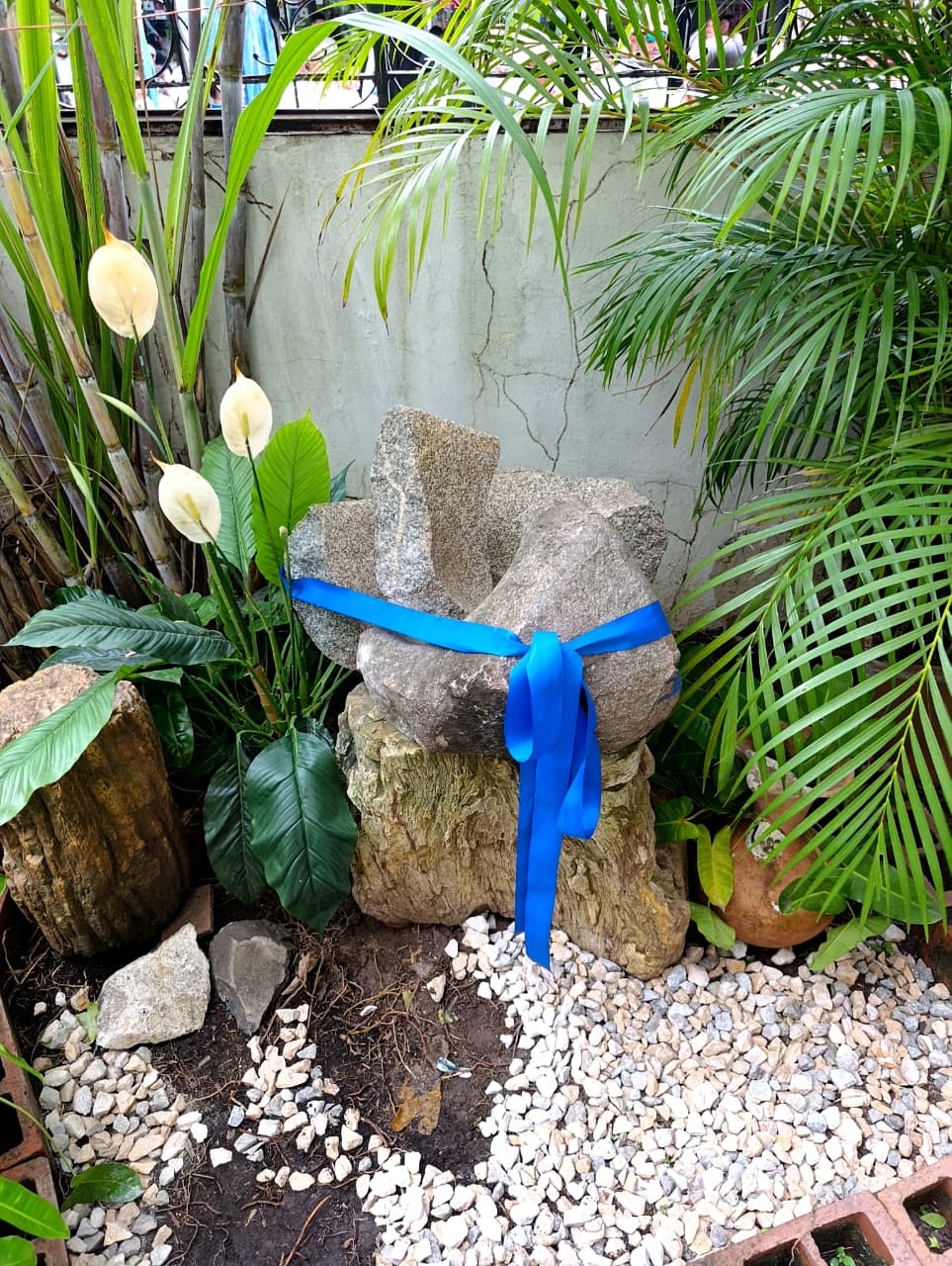
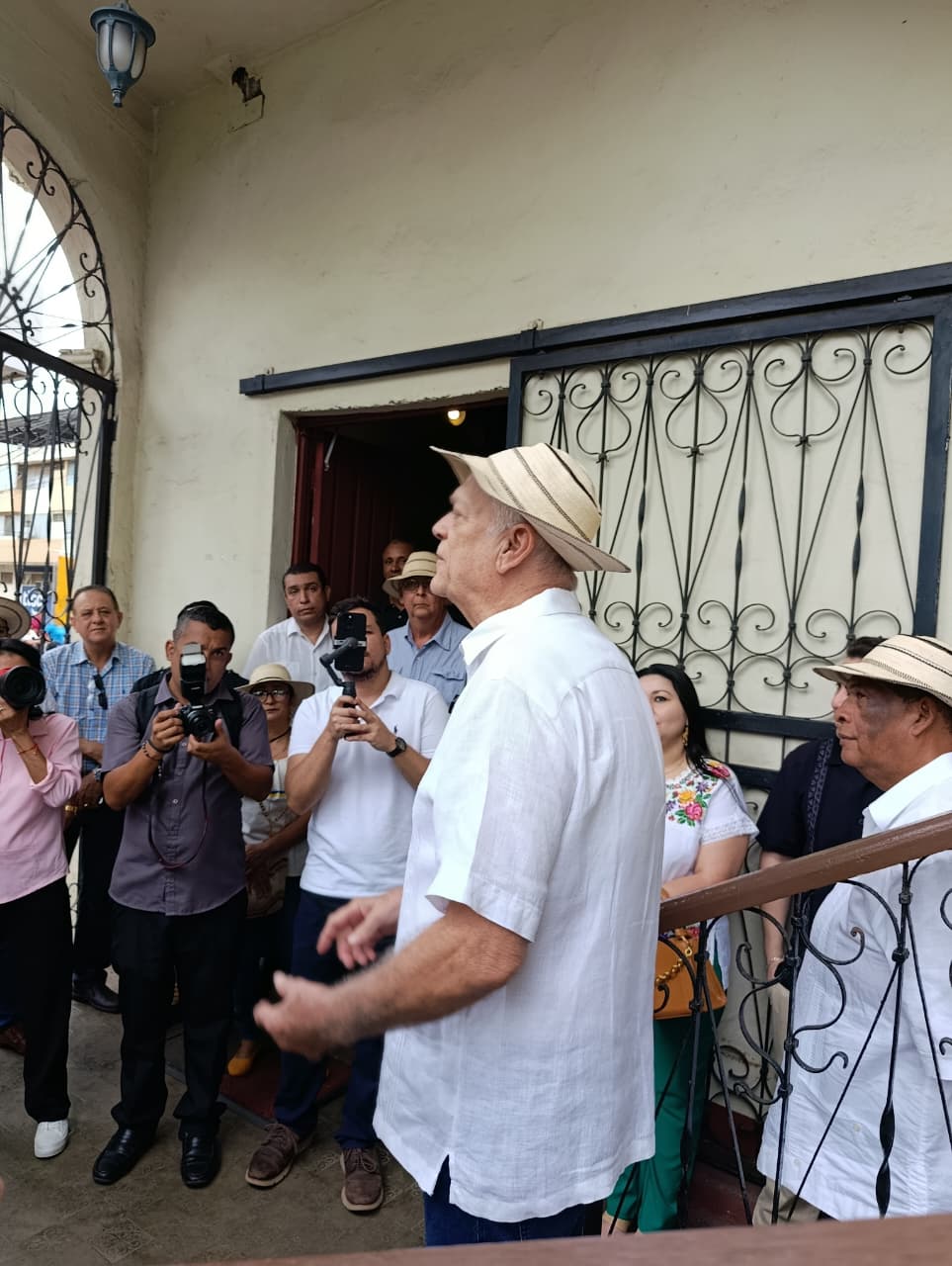
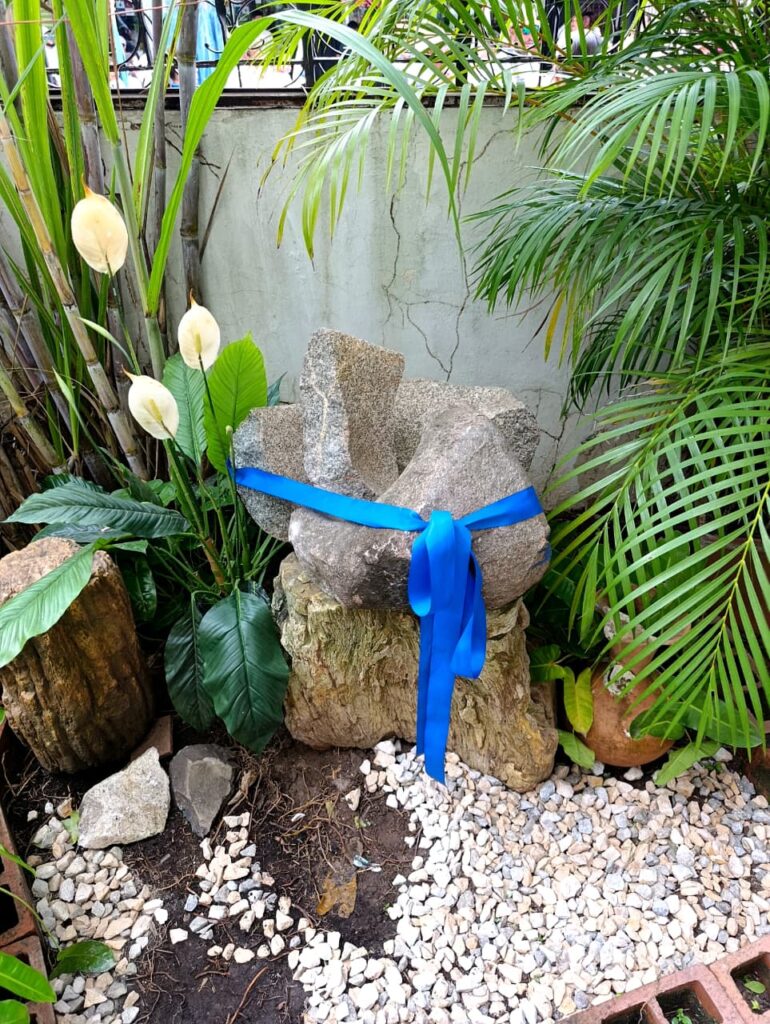
The Herrera Museum "Fabio Rodriguez" received an archaeological piece of high historic value, donated by the Corro Cano Delgado family, on Sunday November 9, during an official event headed by the national director of Museums, Raúl Castro Zacrisson. The surrender was held with local authorities, members of the museum and representatives of the community.
During the ceremony, a reference scroll and a commemorative plaque were also received. The Governor of Herrera Province, Elias Corro Cano, received the scroll from the Amigas of the Museum as a sign of this significant contribution as part of his institutional protocol.
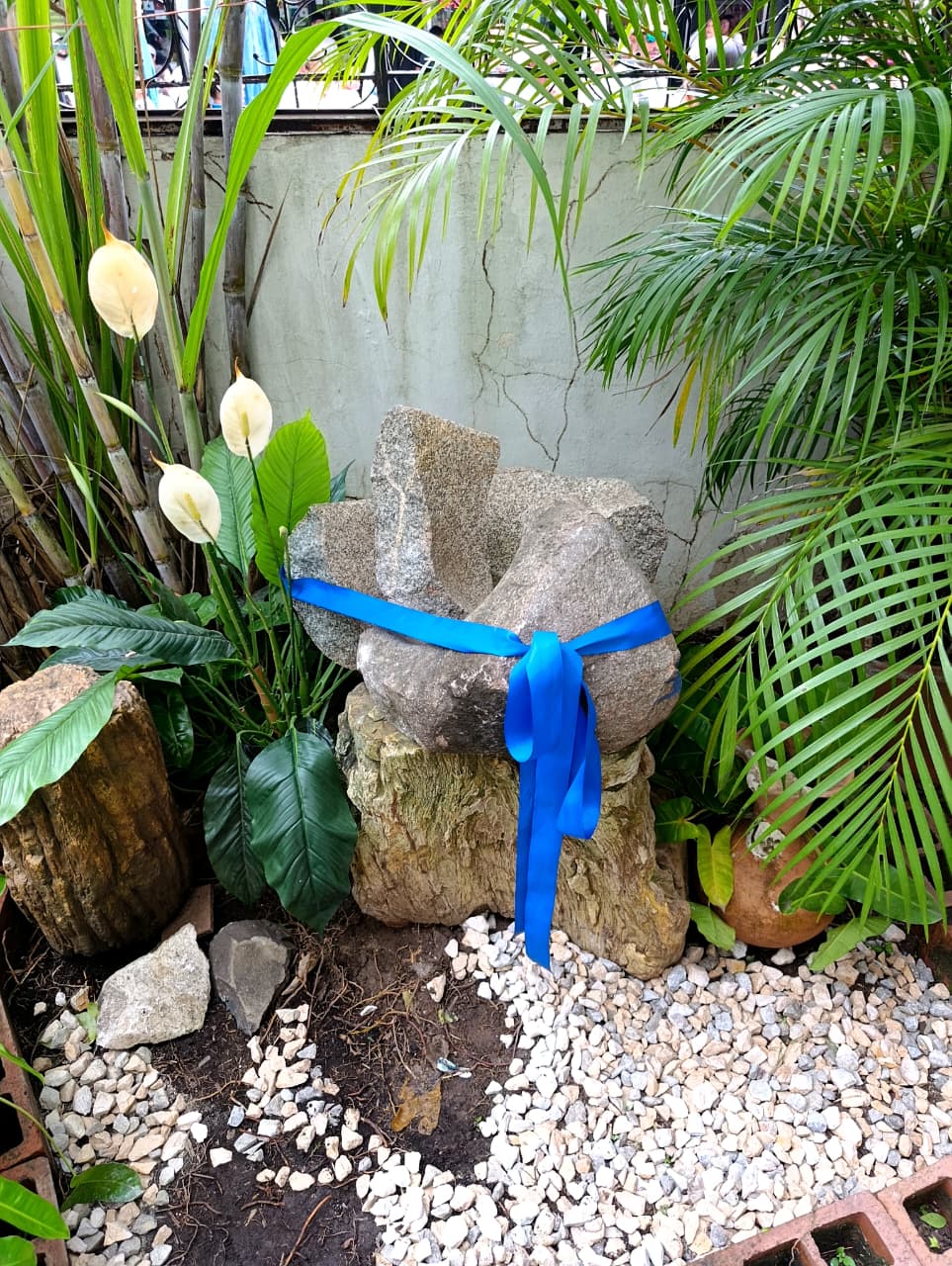
The piece delivered corresponds to a stone metate, used as an antique for milling corn, coffee and other grains. The artifact was found in the lands of Portobellillo, Barita District, and now became part of the collection of the museum as material evidence of the daily practices of the old indigenous communities that inhabited the region.
During the event, Governor Corro Cano emphasized that this donation is made "so that it will last in time and can be appreciated by present and future generations," and emphasized the importance of protecting elements that narrate Herrera's history and identity.
For his part, the national director of museums, Raúl Castro Zacrisson, noted that "these forms of contributions enrich the work of preserving our history, traditions and our identity as part of the cultural heritage of the country."
He also mentioned that the Ministry of Culture continues to work to improve museums at national level, including the recovery process of the Casa Museo El Pausilipo, at Las Tablas.
The donation by the Corro Cano Delgado family represents a gesture of commitment and appreciation for the historic memory of the province, which will strengthen the collection of the Herrera Museum and bring the community closer to its cultural heritage.
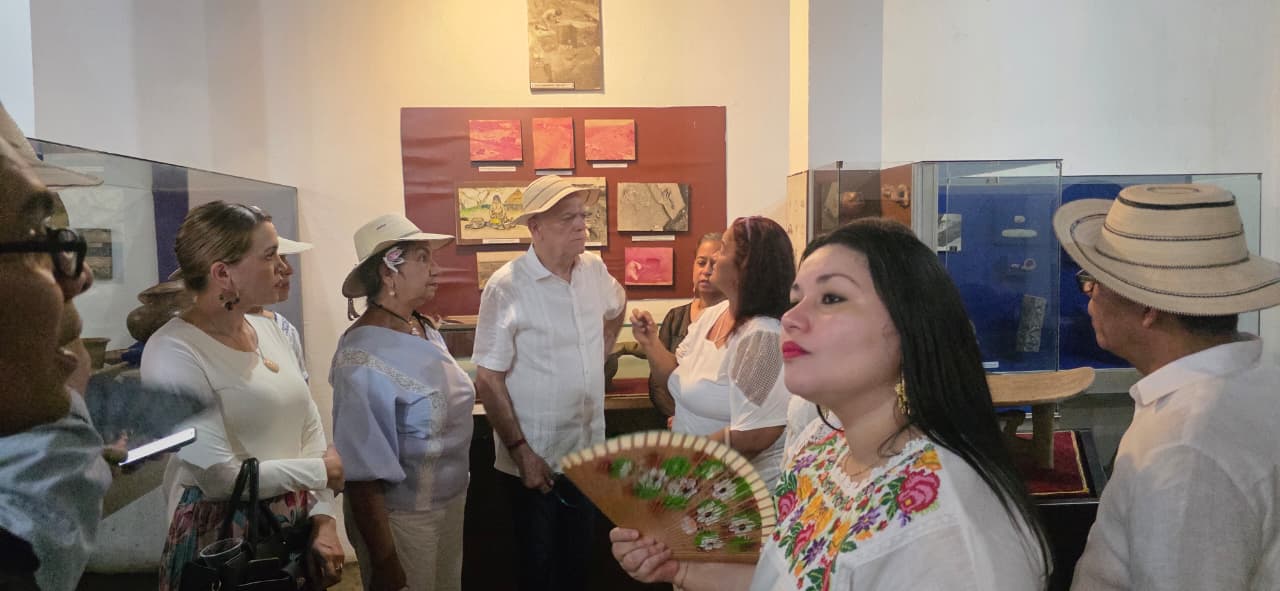
The National Director of Museums talked with the Honorary Members of the Club of Amigas of the Museum about the plans and projects for the MUSE of Herrera "Fabio Rodriguez."
Panama, as in other parts of Central America, milling stones were placed in an area designated within the kitchen or outdoors, on a flat and stable surface, so that they could be conveniently used to mold food such as maize.