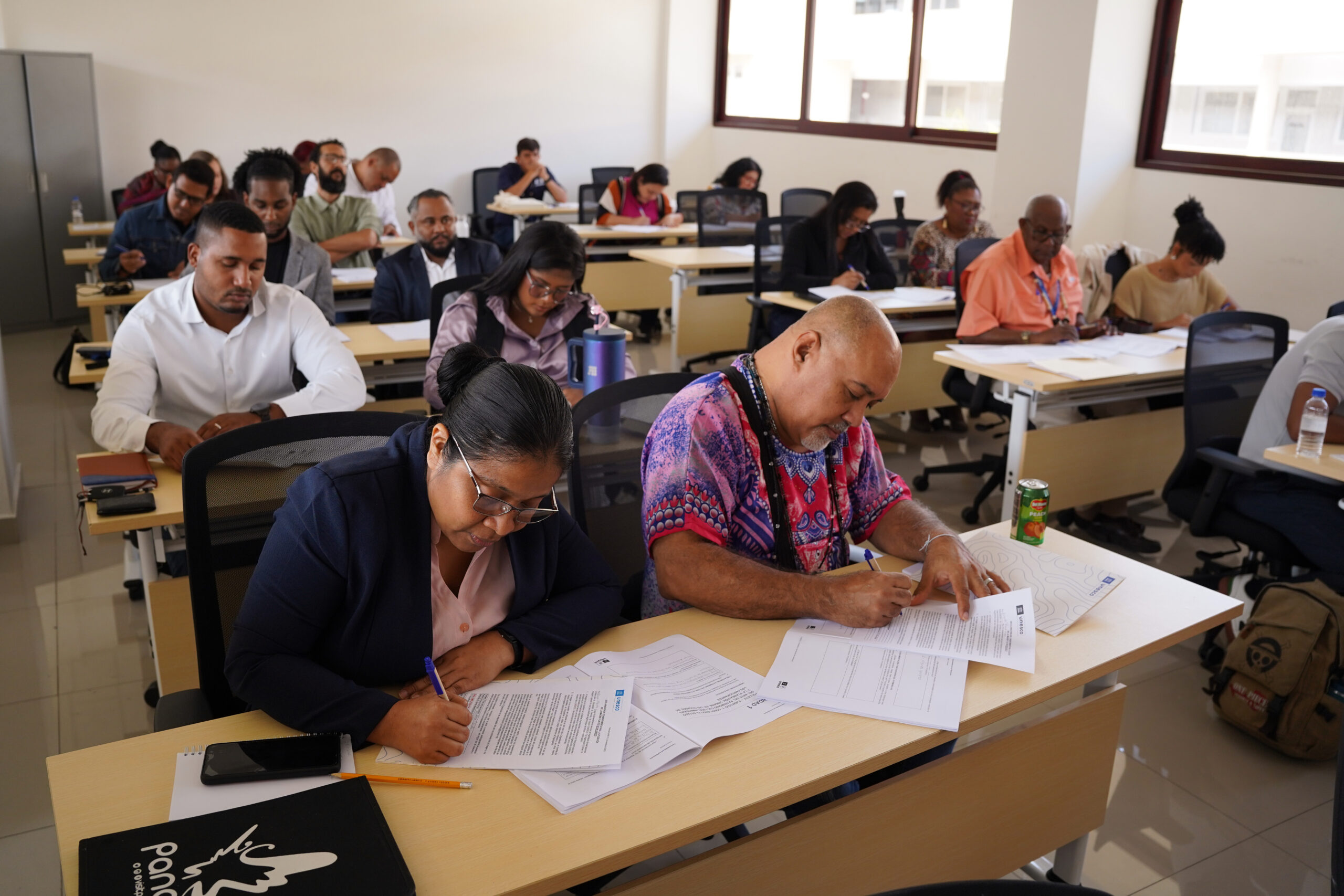
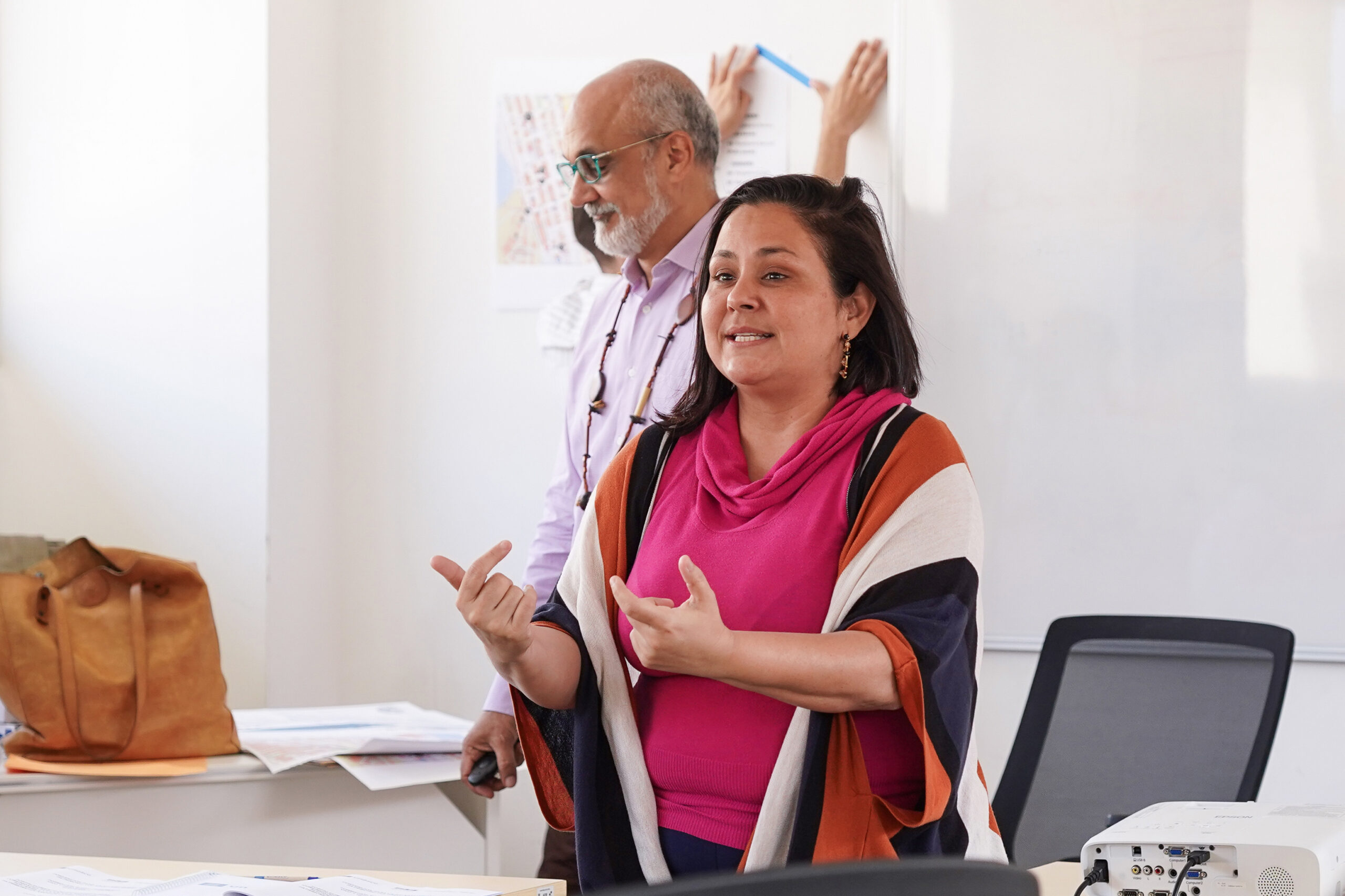
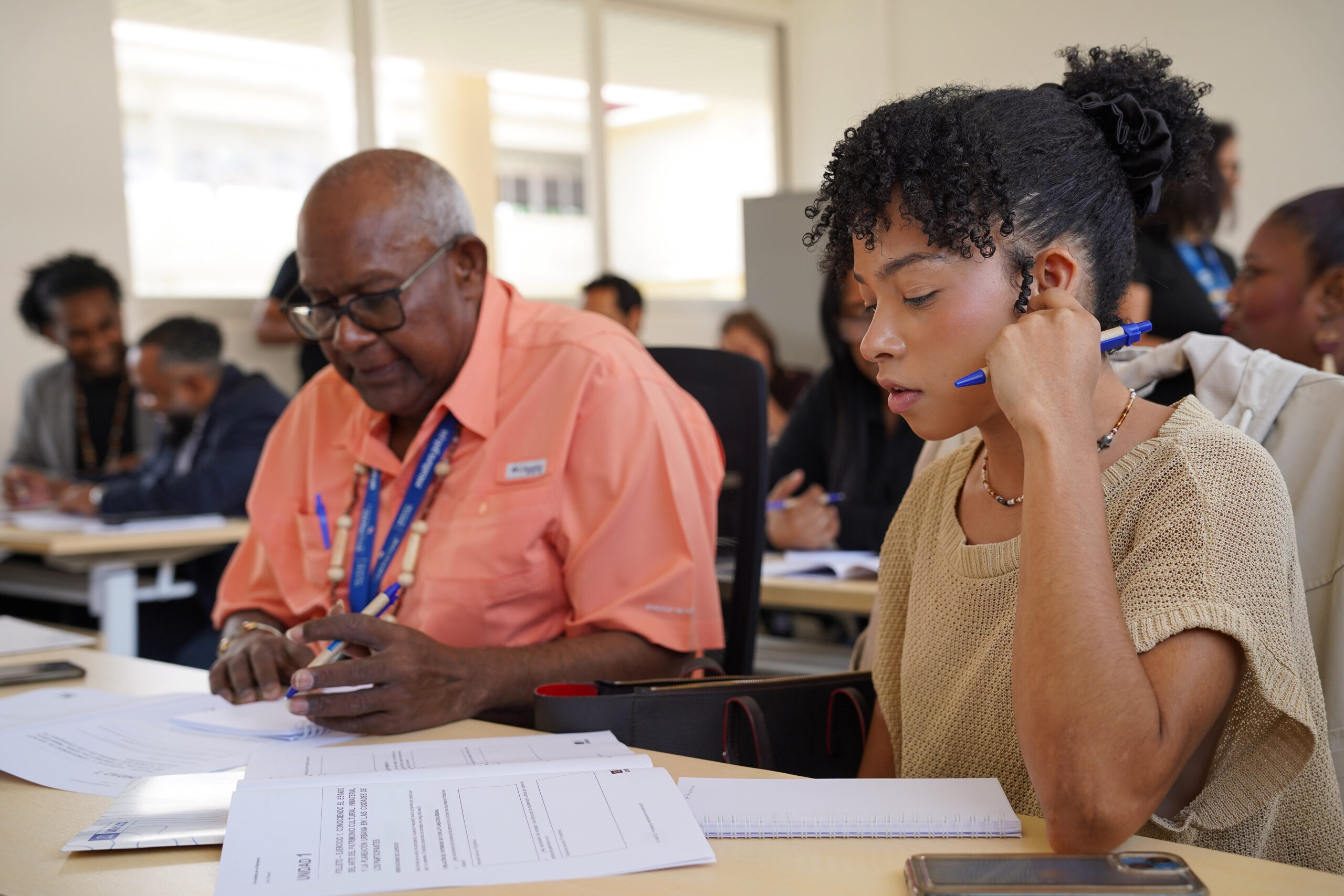
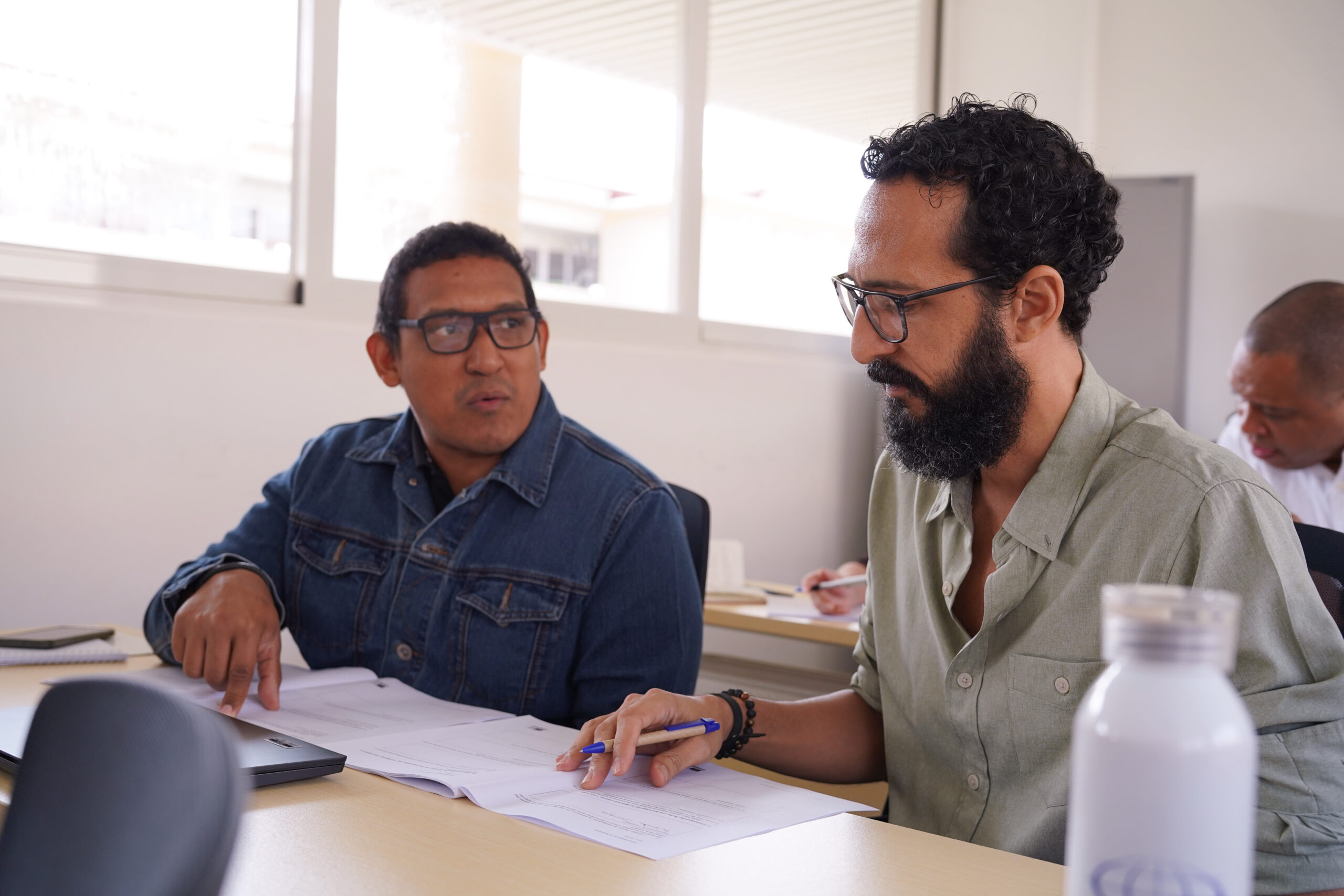
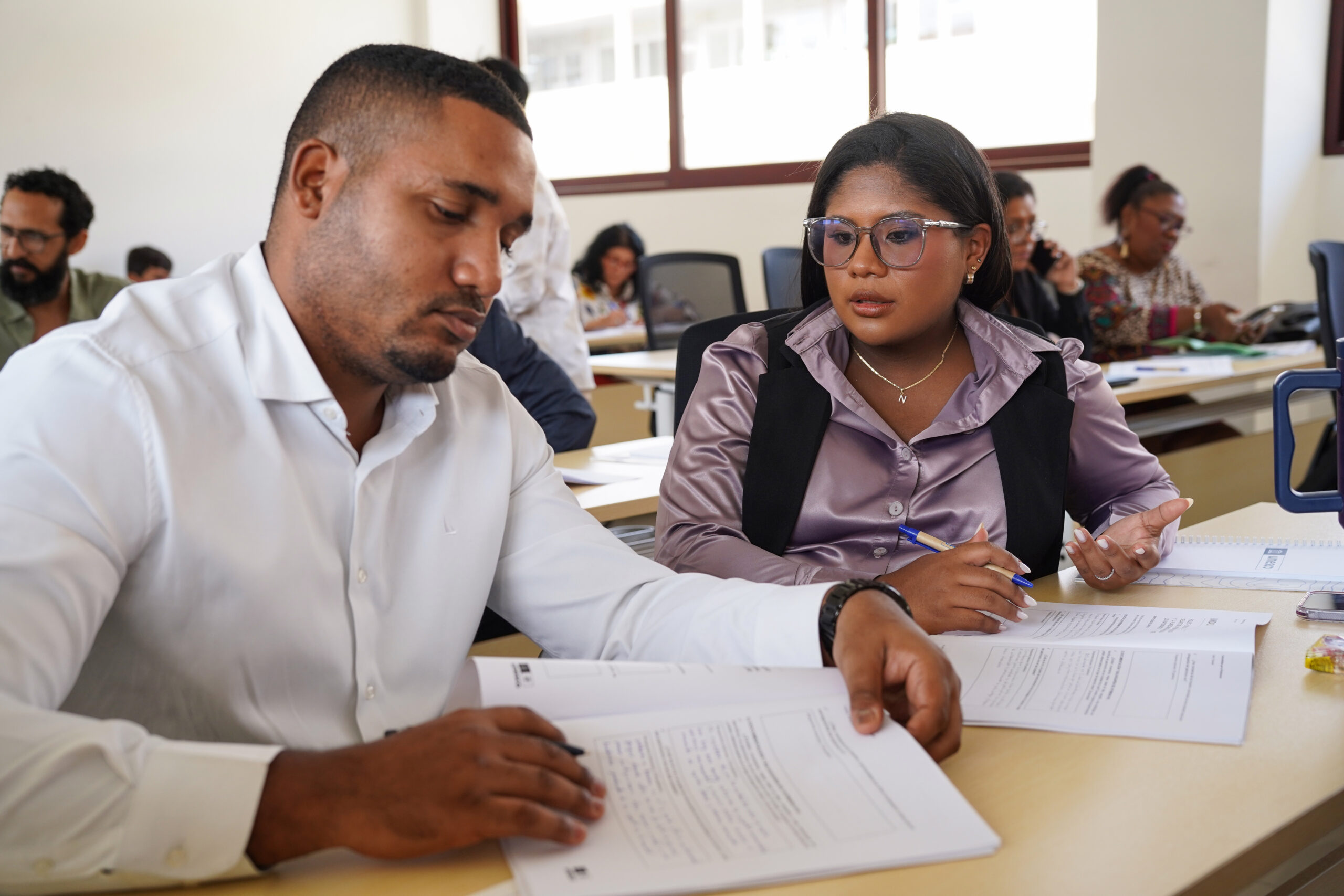
Colón, October 31, 2025. The Ministry of Culture, in partnership with the UNESCO and the Ministry of Housing and Territorial Planning and the Municipality of Colón, launched the workshop "Training on Living Heritage and Sustainable Urban Development," a regional initiative aimed at strengthening local capacities to integrate the intangible cultural heritage into urban planning and sustainable development processes.
The meeting, held from October 29 to 31 at the Center for Art and Culture at Colón (CACCO), brings together officials, cultural managers and specialists from different national and regional institutions.
It aims to promote a shared understanding of the role of living heritage as an engine for development, social cohesion and community resilience and its impact on urban development.
At the opening, Cultural Heritage Director Samilith Stanziola emphasized that "Living heritage does not only manifest itself in our traditional dances, crafts and knowledge, but also inhabits how we relate to our spaces its visibility and distribution, and where we share, cook, celebrate and transmit an identity. To integrate it into urban planning means to preserve collective memory as we advance to the future."
For three days, participants will conduct practical exercises about the identification, documentation and management of living heritage in urban environments with international examples as well as field visits to iconic sites of gastronomy and collective memory of the province of Colón.
The Ministry of Culture reaffirms with this initiative its commitment to the 2003 Convention for the Safeguarding of the Intangible Cultural Heritage and to promoting a living culture that promotes the sustainable development of communities.
The Ministry of Culture continues to strengthen Panama's presence in the international programs of the UNESCO and to promote the recognition of heritage as an axis for social and urban transformation and a dynamic of the economy of cities.