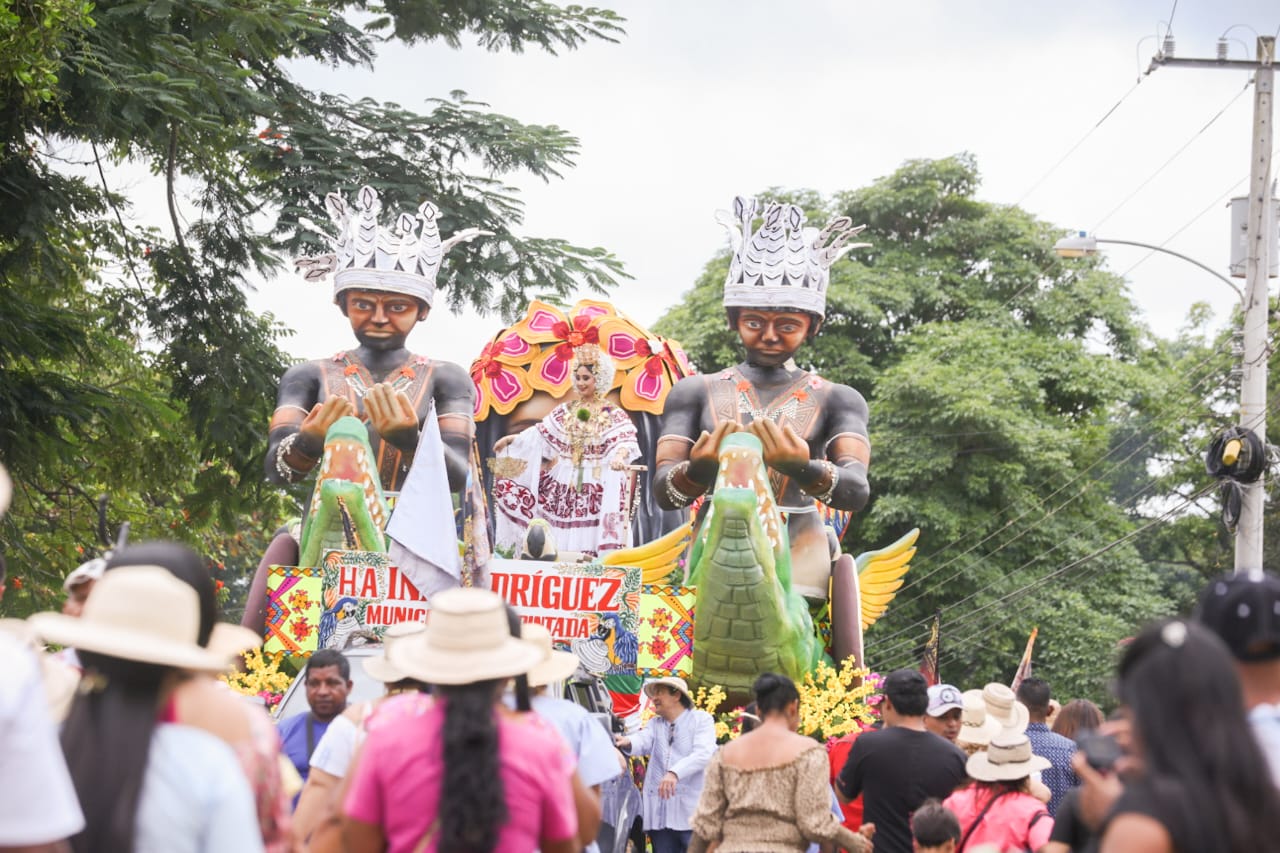
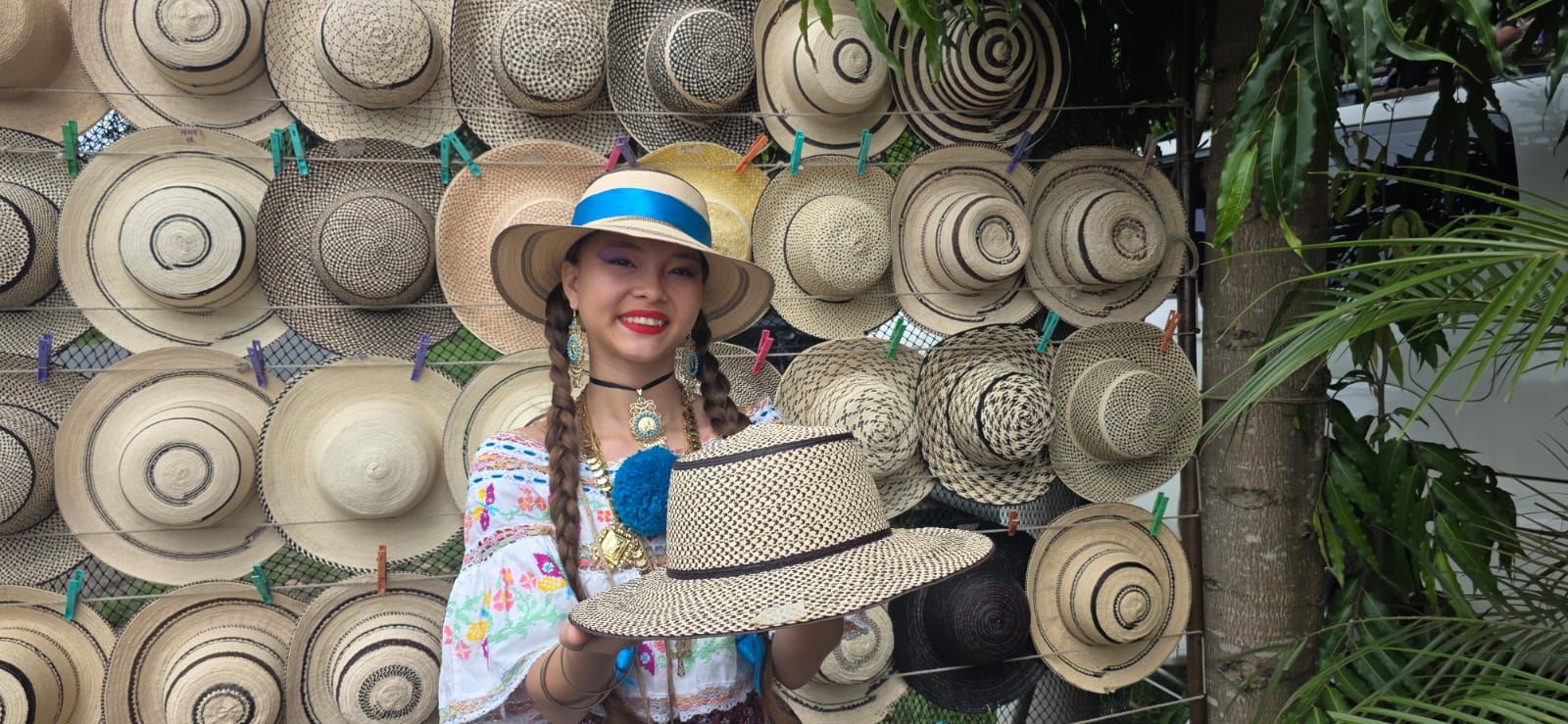
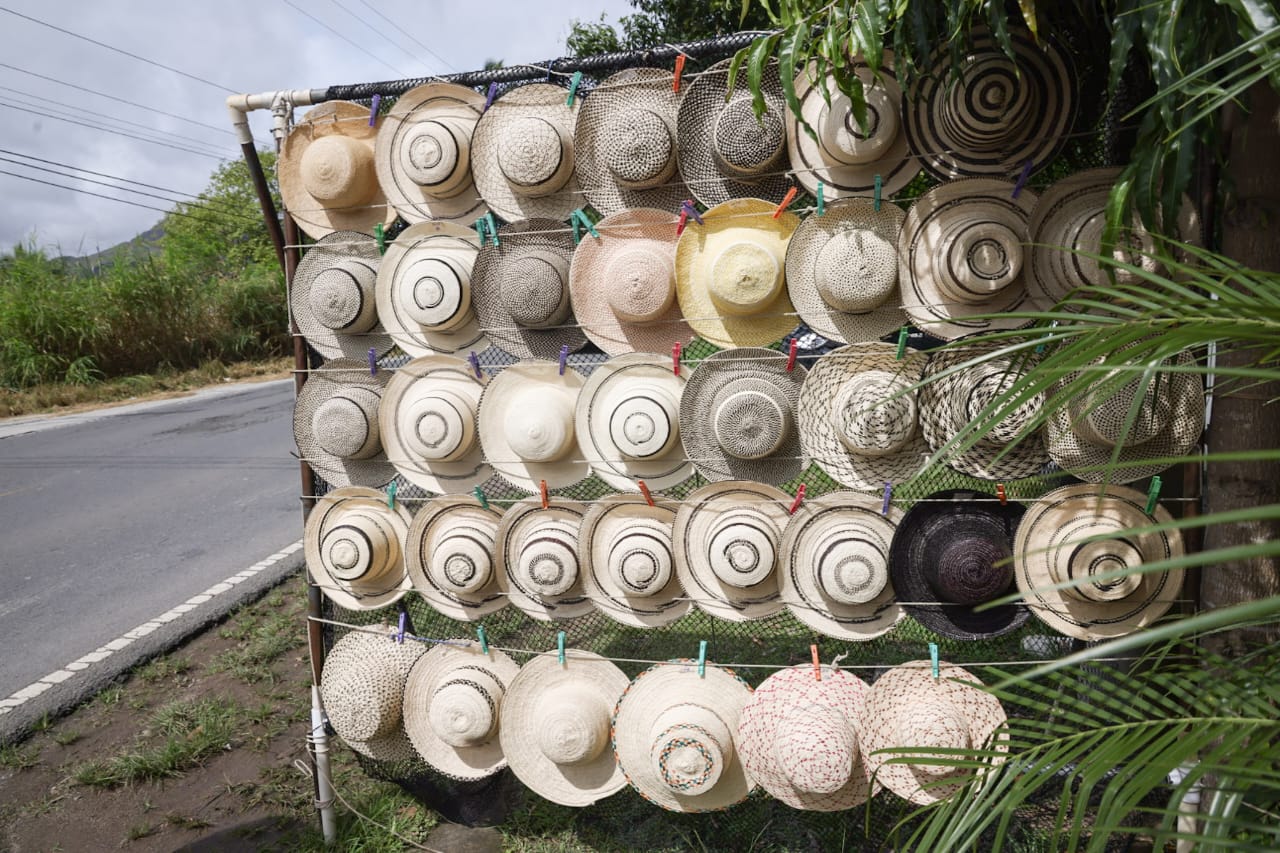
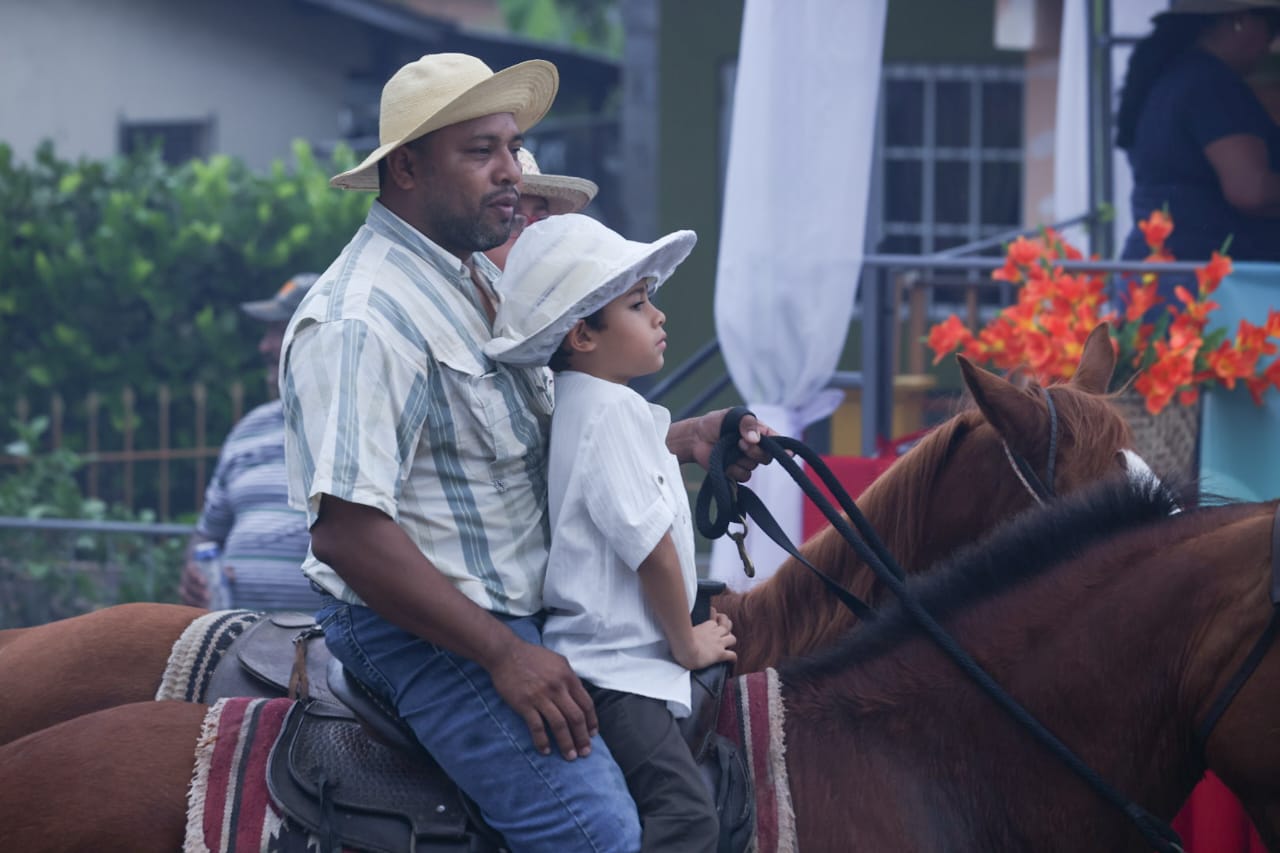
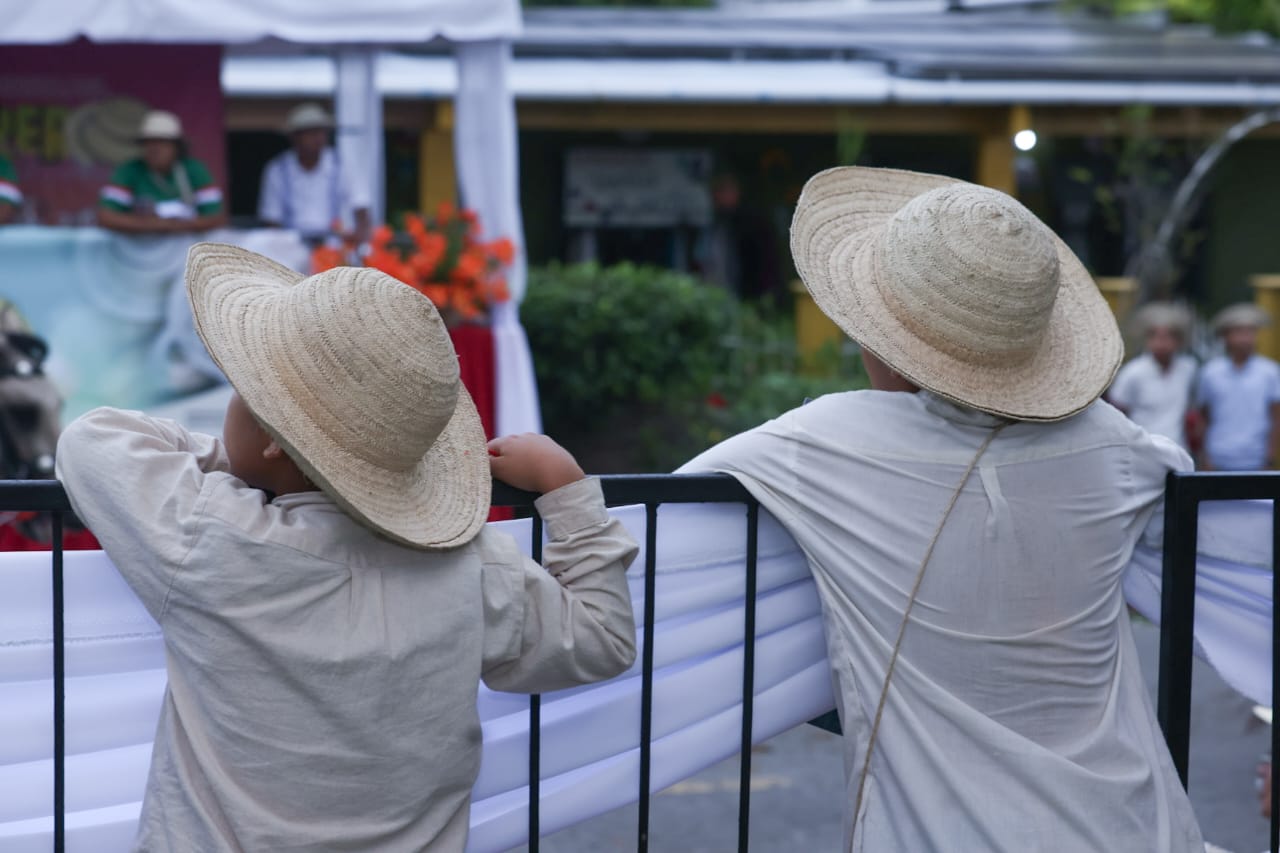
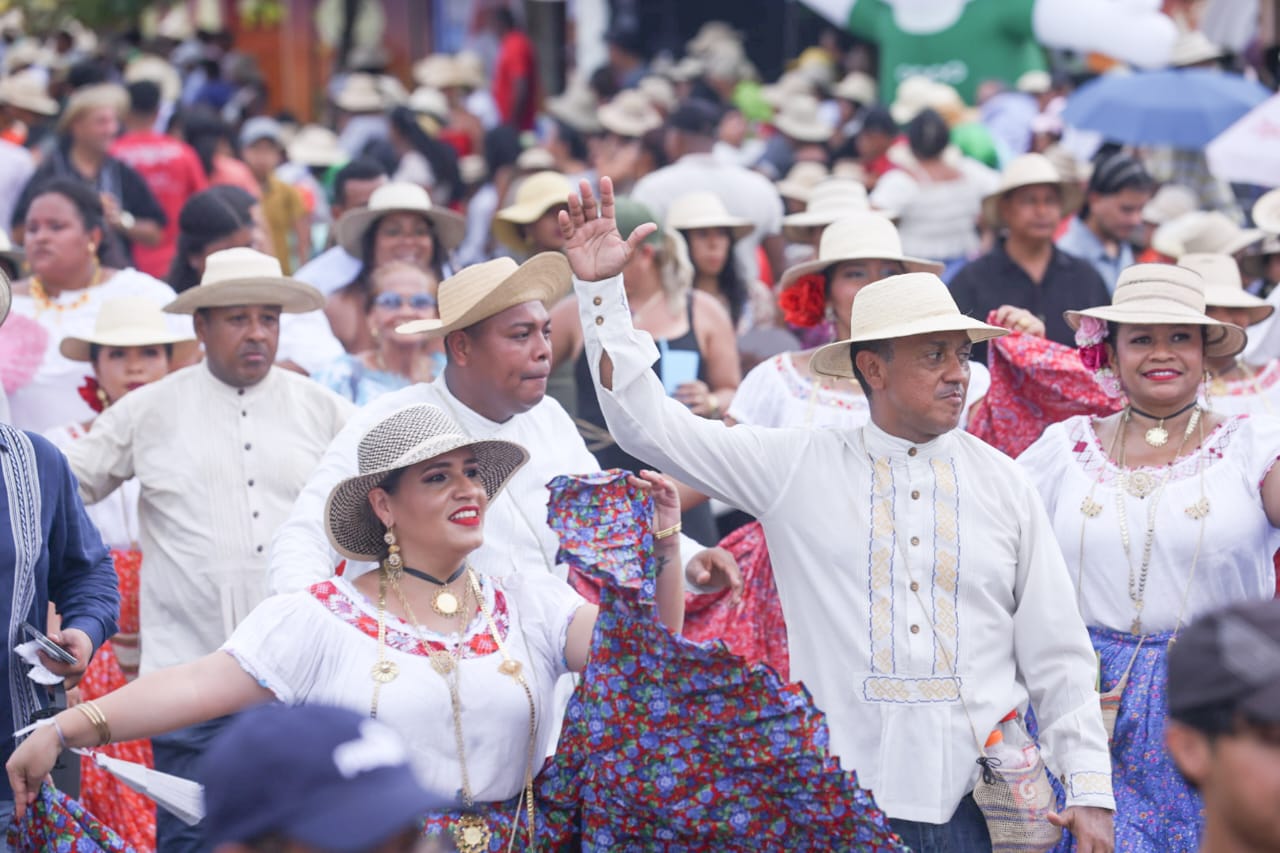
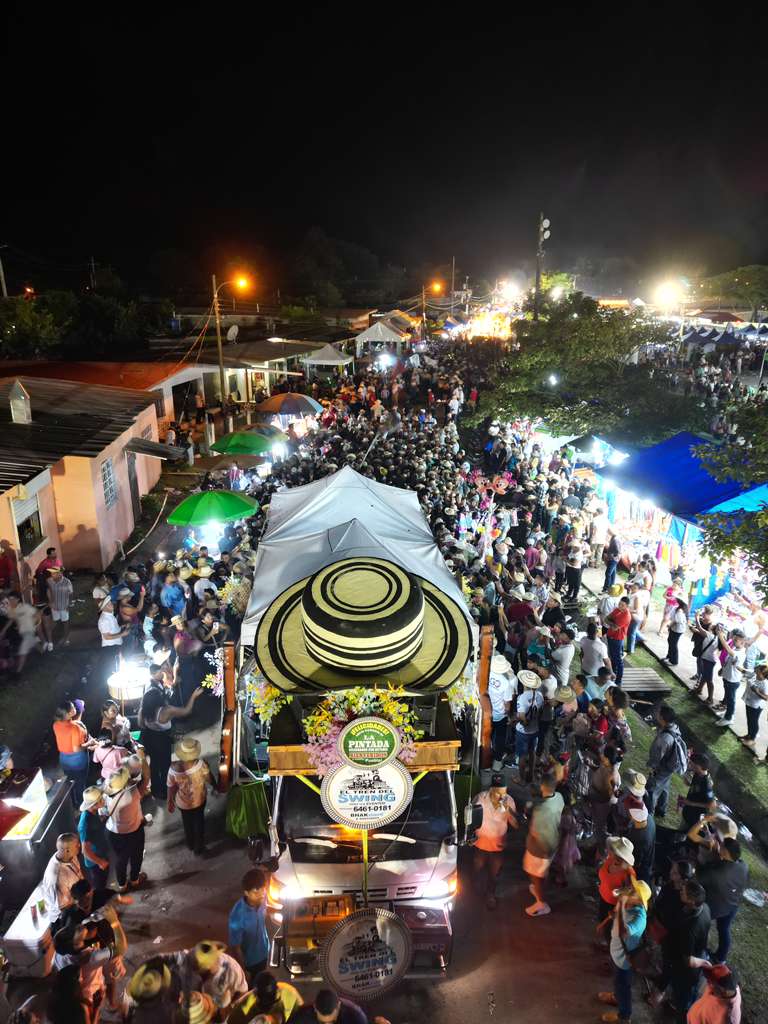
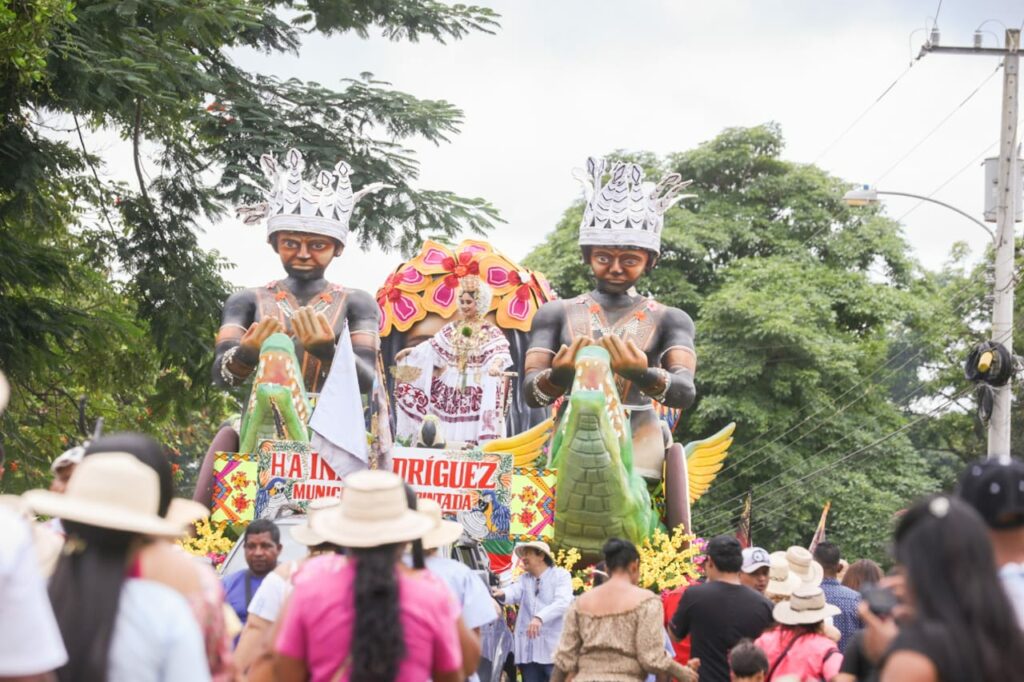
Panama, October 26, 2025. The 13th National Festival of the Pintano Hat was successfully concluded with a parade of the hundreds of hats, carts, and music and tradition, with thousands of visitors meeting to buy this iconic pledge representing the pride and identity of the Panamanian people.
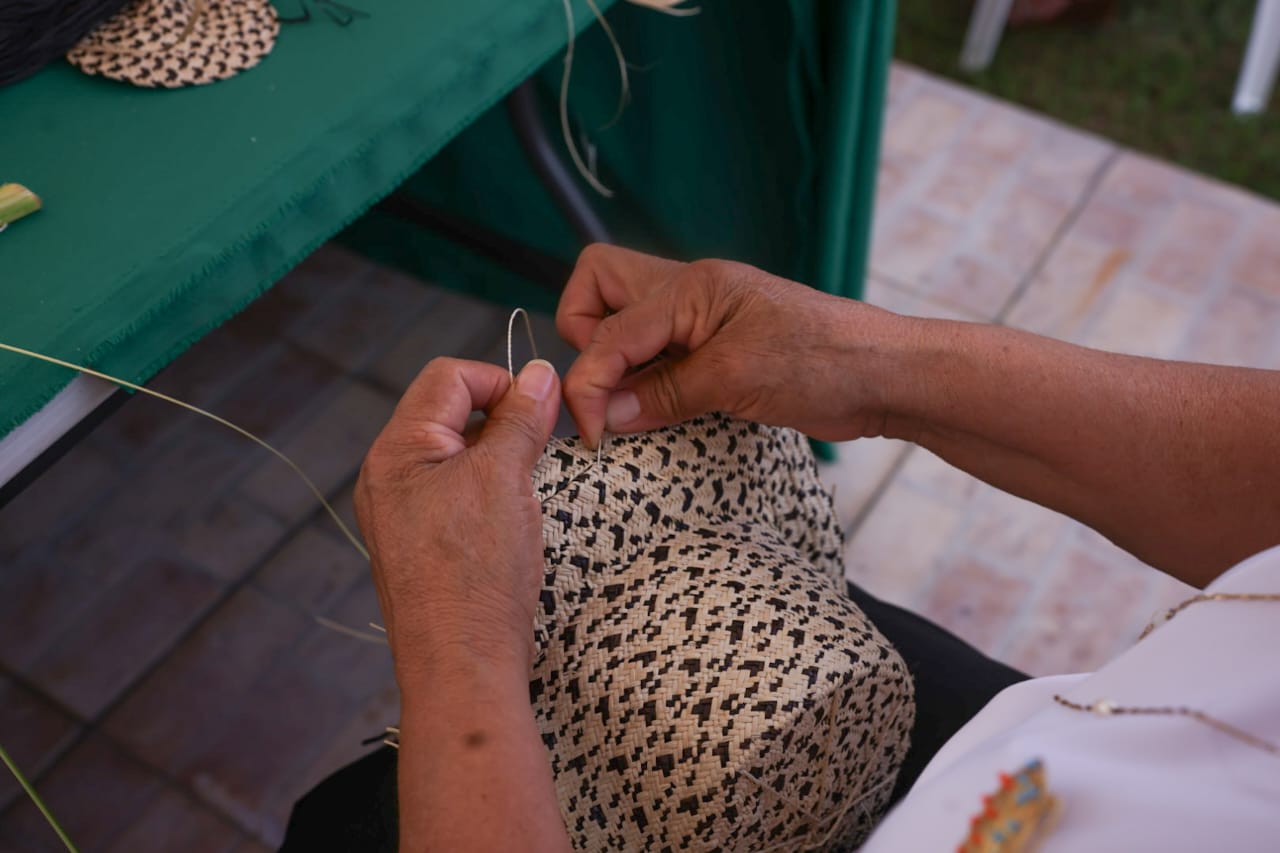
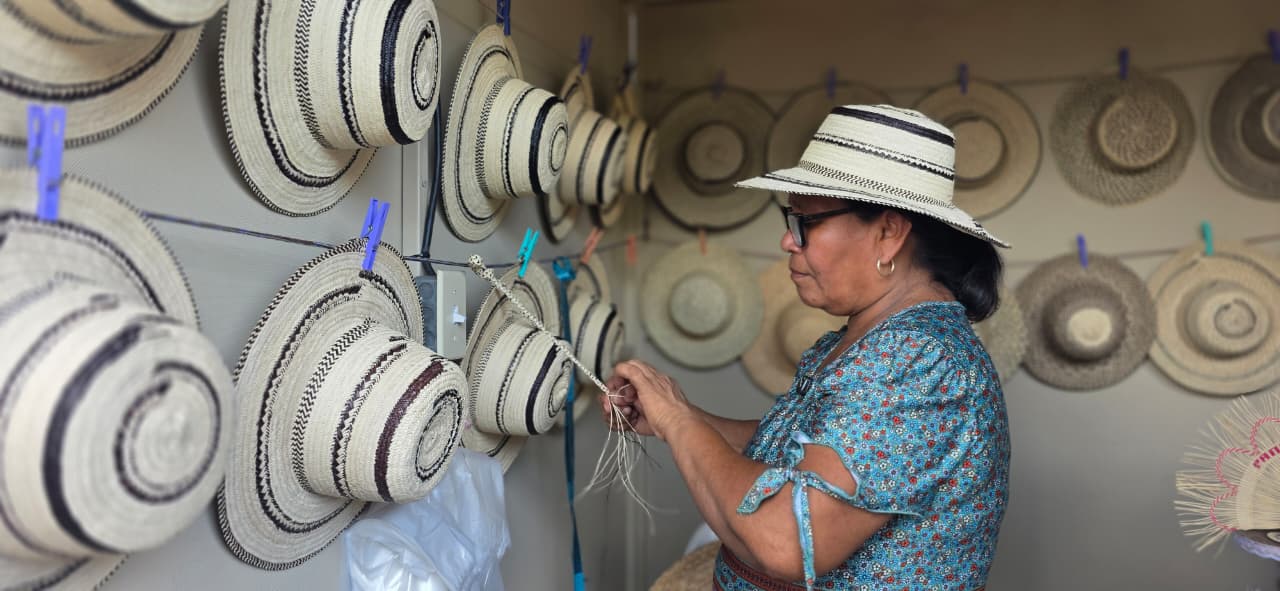
The true protagonists of this celebration were the artisan, guardians of a tradition that has transcended generations. Among them was Armando Hernández, from the community of Las Pozas, Penonomé, who learned the art of fabric as a child.
"Since I was 14 years old I have been making hats. I have been in this profession for more than 40 years and I have been making a hat a month and high-end jobs have been up to and a half months, depending on the number of turns," she proudly shared.
His master's degree and quality of his pieces have been his credit to several recognitions. "The most expensive hat I have been selling reached a thousand dollars," Hernandez said, who considers every piece to be a sign of patience and love for his profession.
Another outstanding artisan was Gloria Hernandez, from the community of El Jobo, who learned the art of knitting hats from 6 years old, following the example of his grandmother, his mother and his neighbours.
"I learned to see my grandmother and my mother and his neighbours. They were my teachers," says Gloria, who today transmits that knowledge to his daughters, granddaughters and people inside and outside the country.
His first hat was sold for 65 cents, without imagining that that would be the beginning of a path that would make him one of the most representative artisan legacy of Panama. His dedication has been recognized with the San José Medal and have had an opportunity to represent his country abroad, bearing the name La Pinada and the Panamanian artisan to another continent.
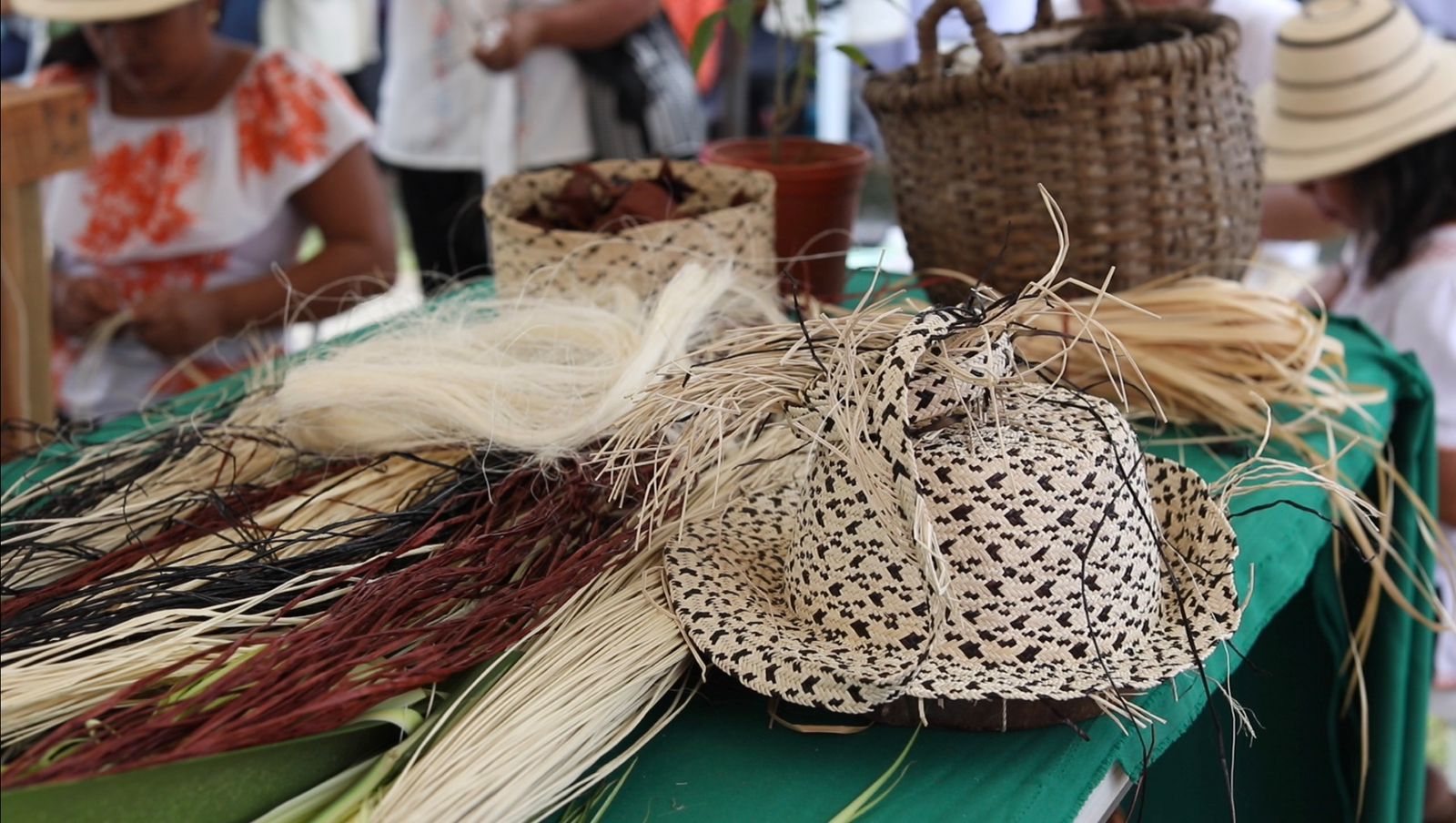
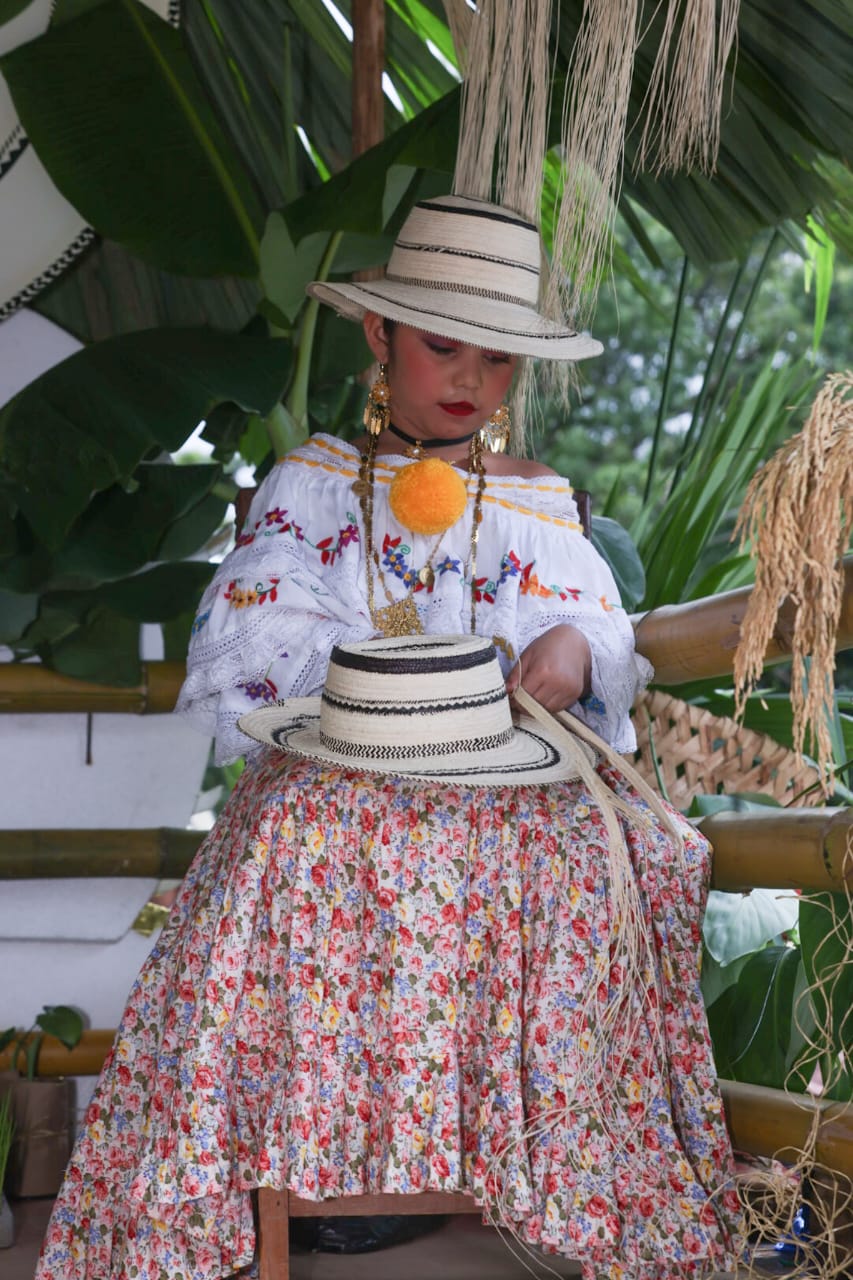
The winners of the different crafts competitions were rewarded during the day, including that of crineja knitting hats, one of the most popular challenges. Justices evaluated the quality, accuracy and authenticity of each piece while visitors and collectors admired the talent and dedication of the participants.
The festival also represented three days of intense economic activity for entrepreneurs, small businesses and local producers, strengthening La Pintada as a meeting point between culture, art and community development.
Authorities, sponsors and guests visited the display jobs, highlighting the value of artisan work as a nation's heritage.
Men and women who, with their hands, keep their tradition alive have shown that art and culture continue to flourish in this Togesan earth.