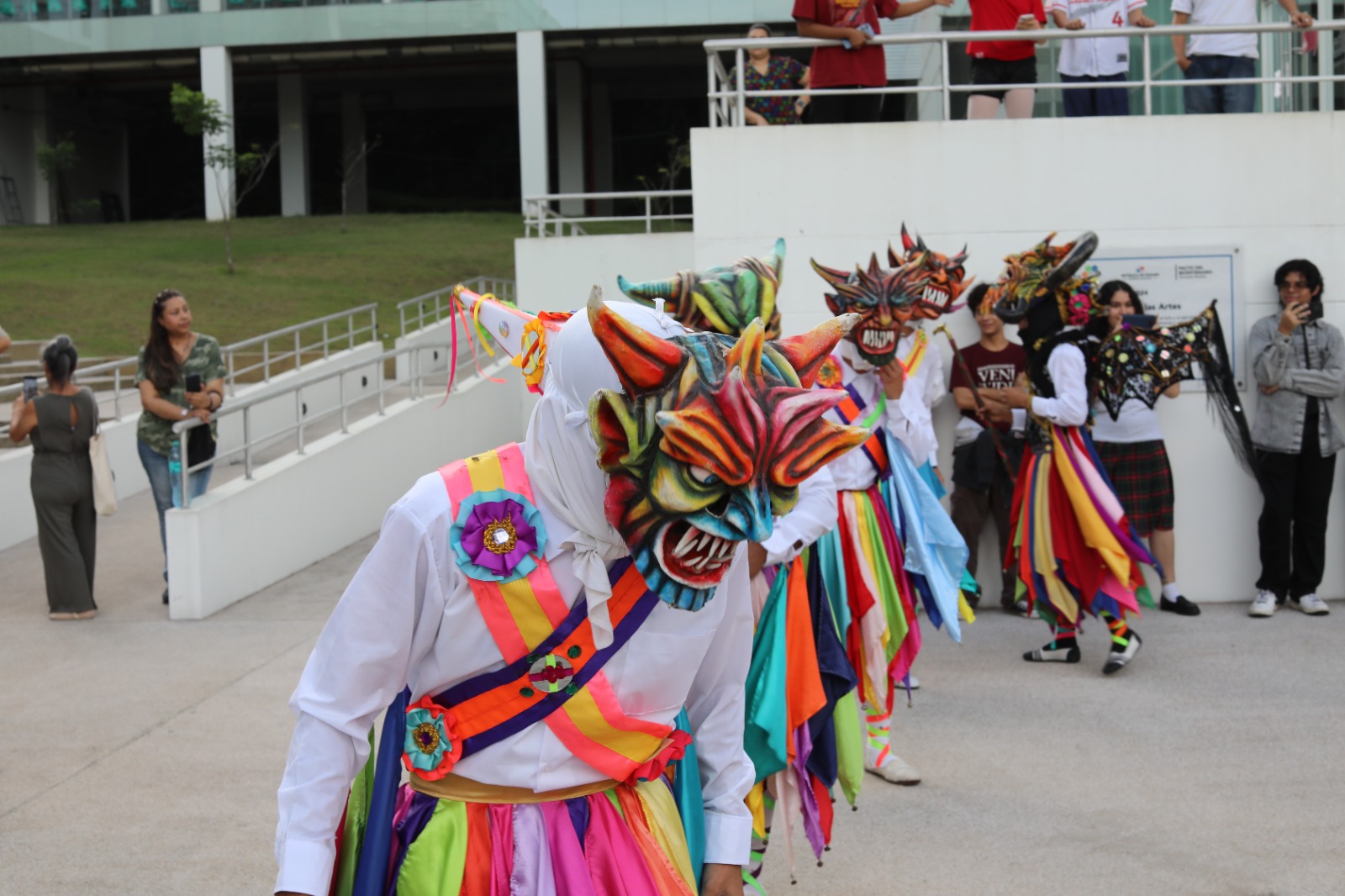
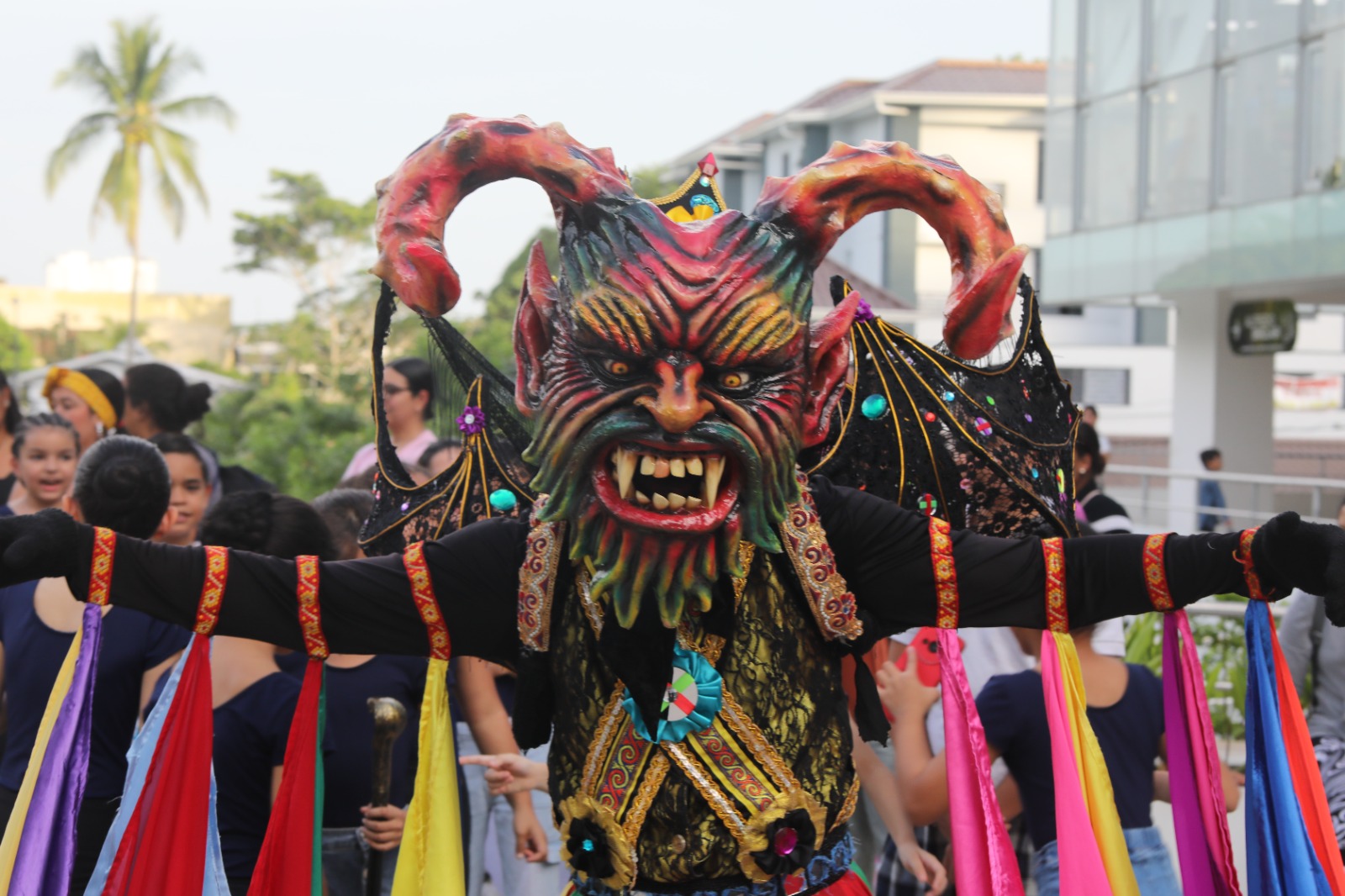
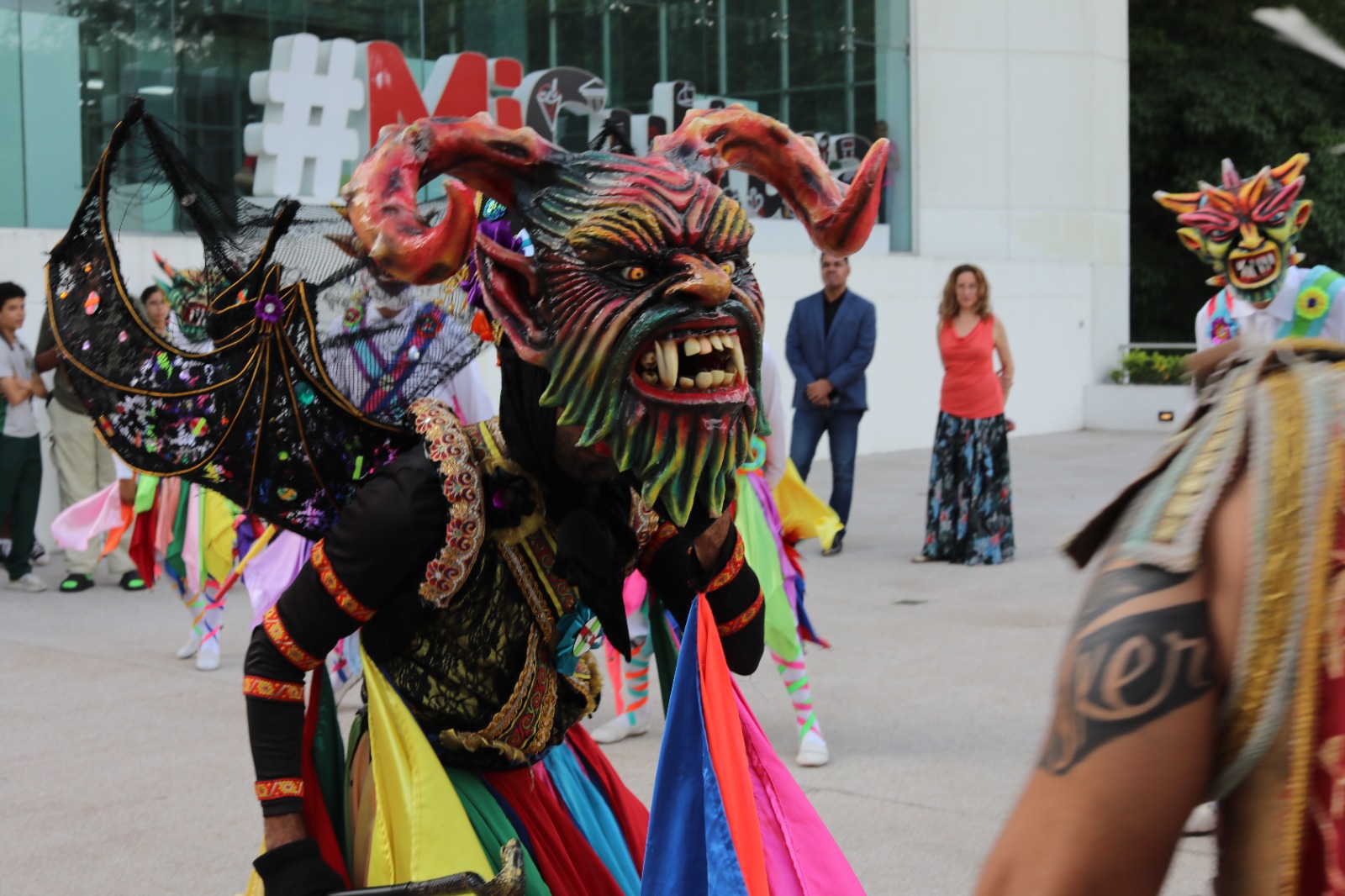
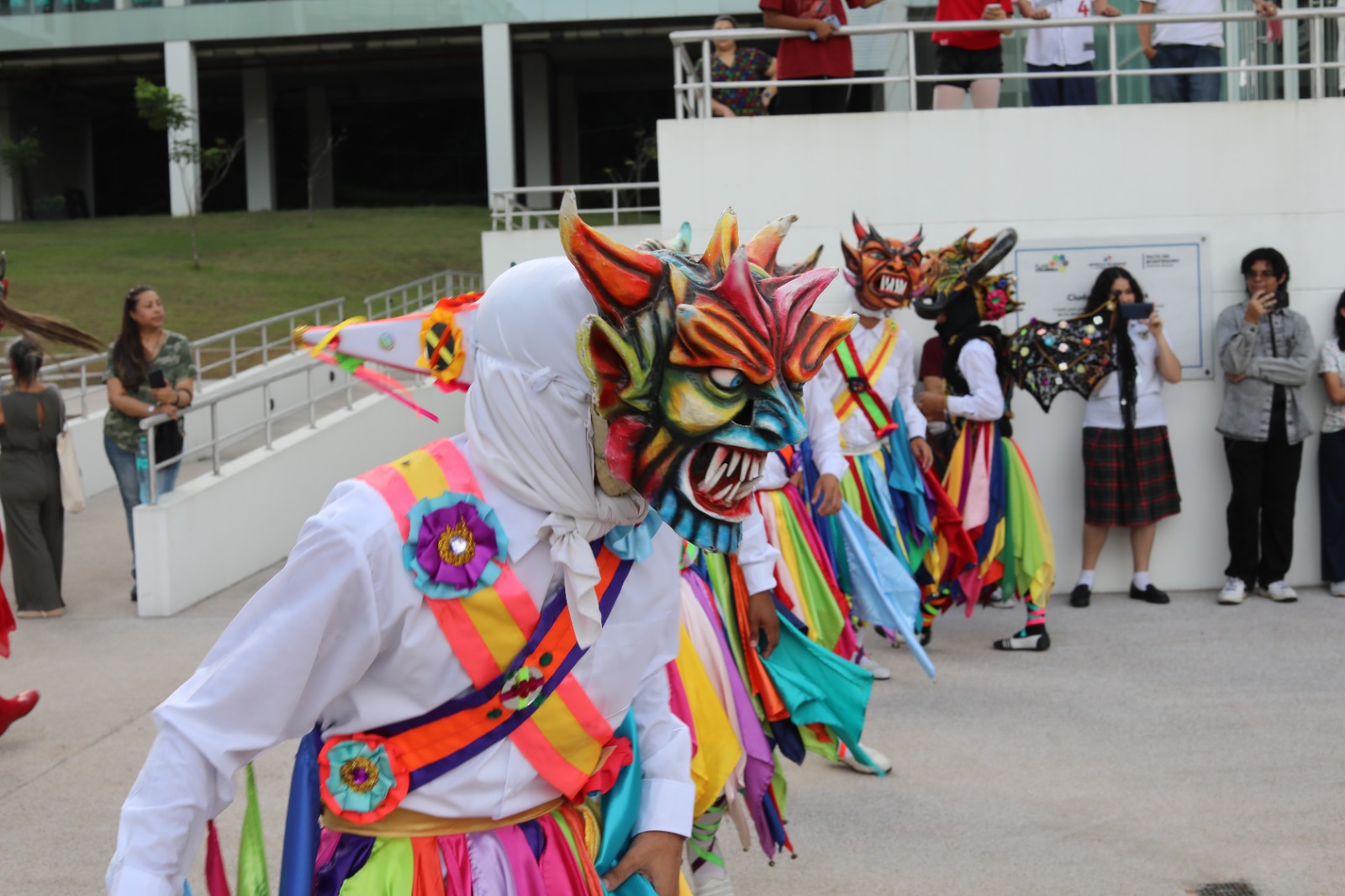
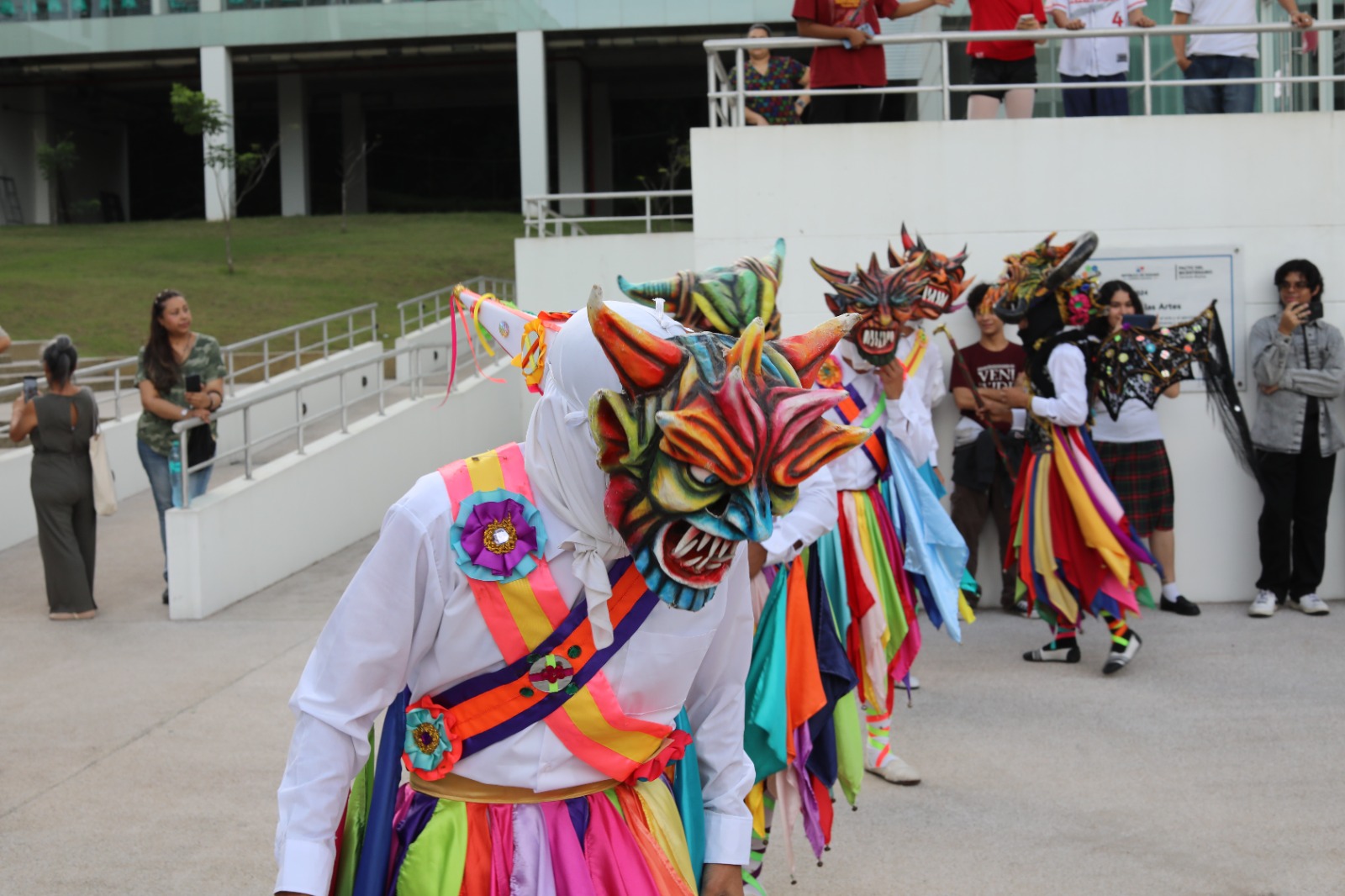
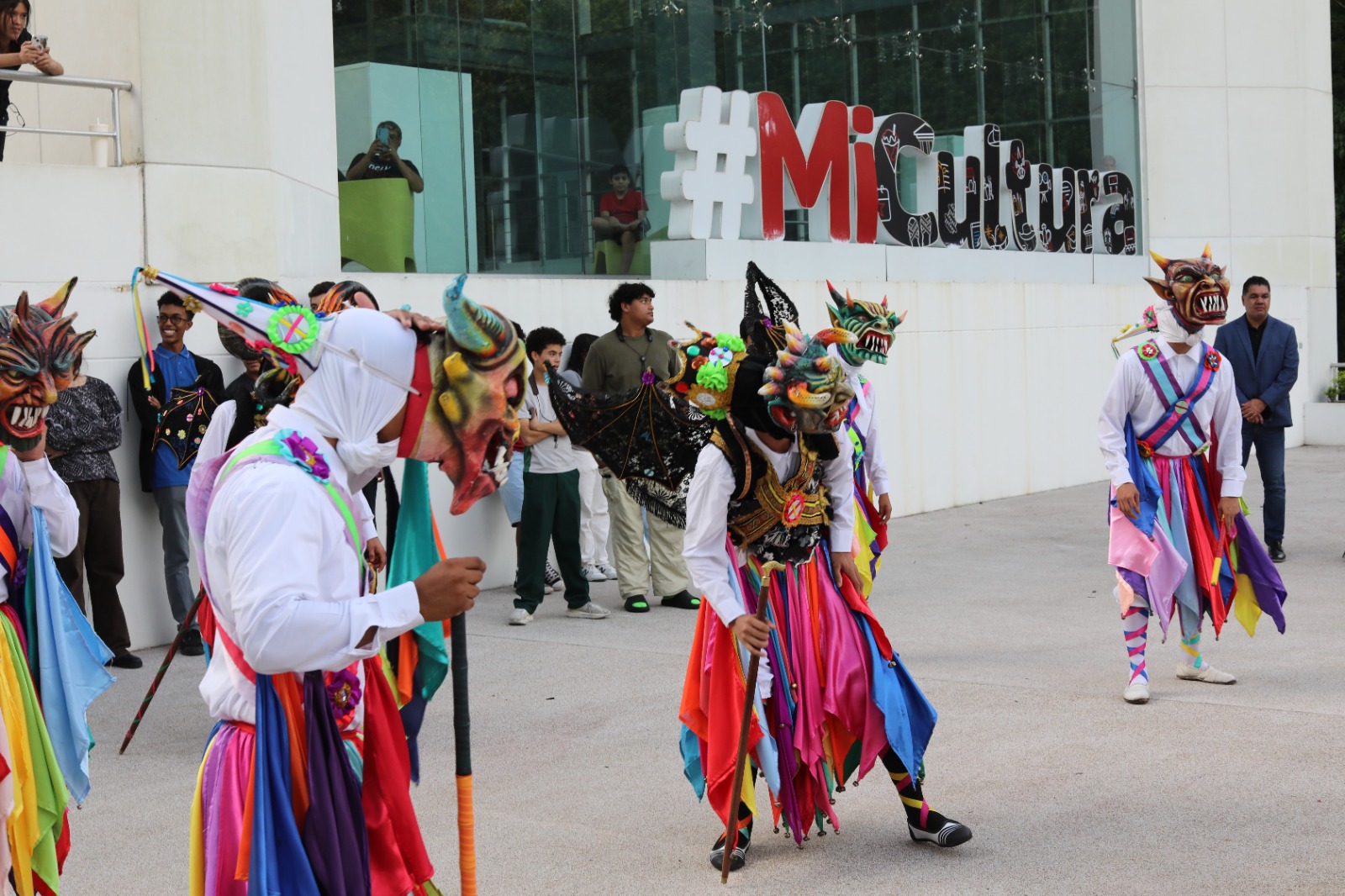
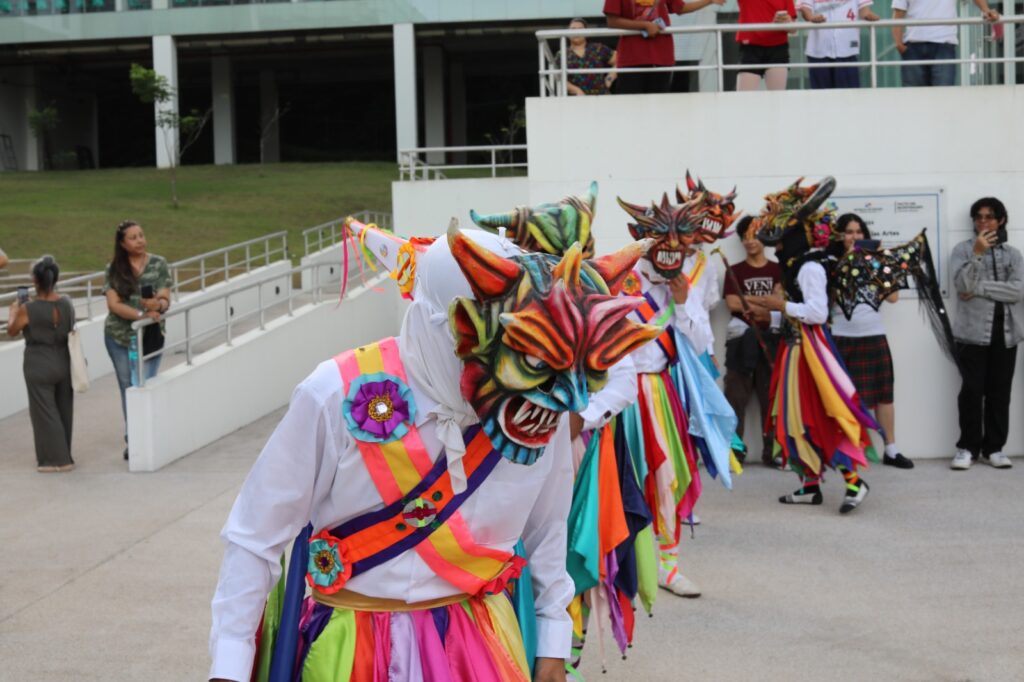
On Thursday June 19, Panama will have one of our country's most colorful and deeply established festivities: the largest festival of Corpus Christi. Panama is one of the countries of the Americas that keeps with devotion and joy the Corpus Christi Festivals (Cristi), a European medieval heritage that synthesizes the religious concept of the mystery of the Eucharist.
"Let's conduct a circular and research public policy with a green seal of an immaterial cultural heritage that does not contaminate and diversity opportunities," requested Cultural Minister María Eugenia Herrera. He called for us to celebrate together, accompanying every local party in every community according to their custom.
The Festivity of "Dances and Expressions Associated with the Festivals of Corpus Christi," was included in the Retirement List of the Intangible Cultural Heritage of Humanity of UNESCO from December 14, 2021 after Panama put it up to run on March 31, 2019. It was an extensive and thorough process that recognizes the country's commitment to diversity and equity.
It's about the popular expression of a fight between good and bad for lost souls, that's reinterpreted and multiplied every year through multiple dances, altars, carpets and offerings. The priests turned rituals and stories into performances, and the people, in their wisdom and creativity of popular art, gave them their own seal in every region.
Corpus Christi is held in seven provinces: Coclé, Colón, Darién, Herrera, Los Santos, Panama and Panama West, where this heritage, an inherited legacy of parents, lives with devotion and admiration.
The festival has been transformed into cultural wealth and diversity of its living heritage. In these seven provinces, recordments and communities have been resounding, from Parita, Chitre and La Villa de Los Santos, to Penonomé, San Miguel Centro, Natá, Antón and La Chorro, to get to Chepo, Chifree, Curundú or the island of San Miguel, and they have been advanced to Colón, Escobal, Santa Rosa, Nuevo San Juan, and have reached the heart and coast of the Darién, in Garachiné. All the ethnicities and families have been put up and have been put up and have been put up with their families and have been and have been put up with them in their families and have been put up with them.
The celebration includes dialogues, parliaments, dramatized recreations, special steps of dance, music, artisan skills in masquerades, dressings, tools and accessories, traditional cuisine, creation of altars and carpets, all contribute wealth in creativity, discipline, teamwork and wealth in sustainable development through a tourism that enjoys, learns and consumes.
They accompanied the Minister of Culture, María Eugenia Herrera, Emma Gómez, Jeja de Heritage Inmaterial, Enrique López Hurtado, specialist at the Cultural Sector of the Regional Office of the UNESCO for Central America, Mexico and Colombia and Artitides Burgos, president of the Málaga leguizamo de La Villa Danzas Board.