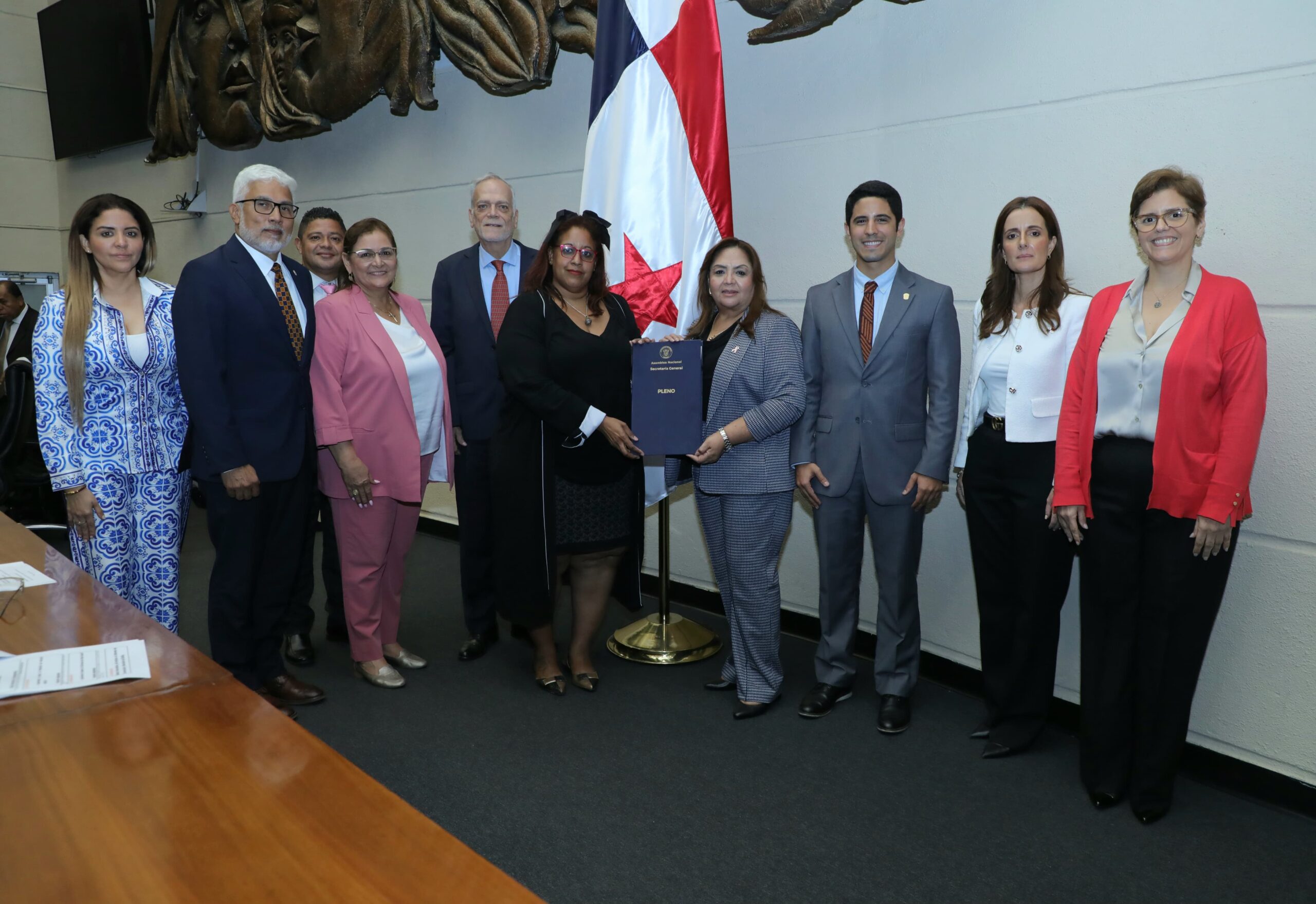
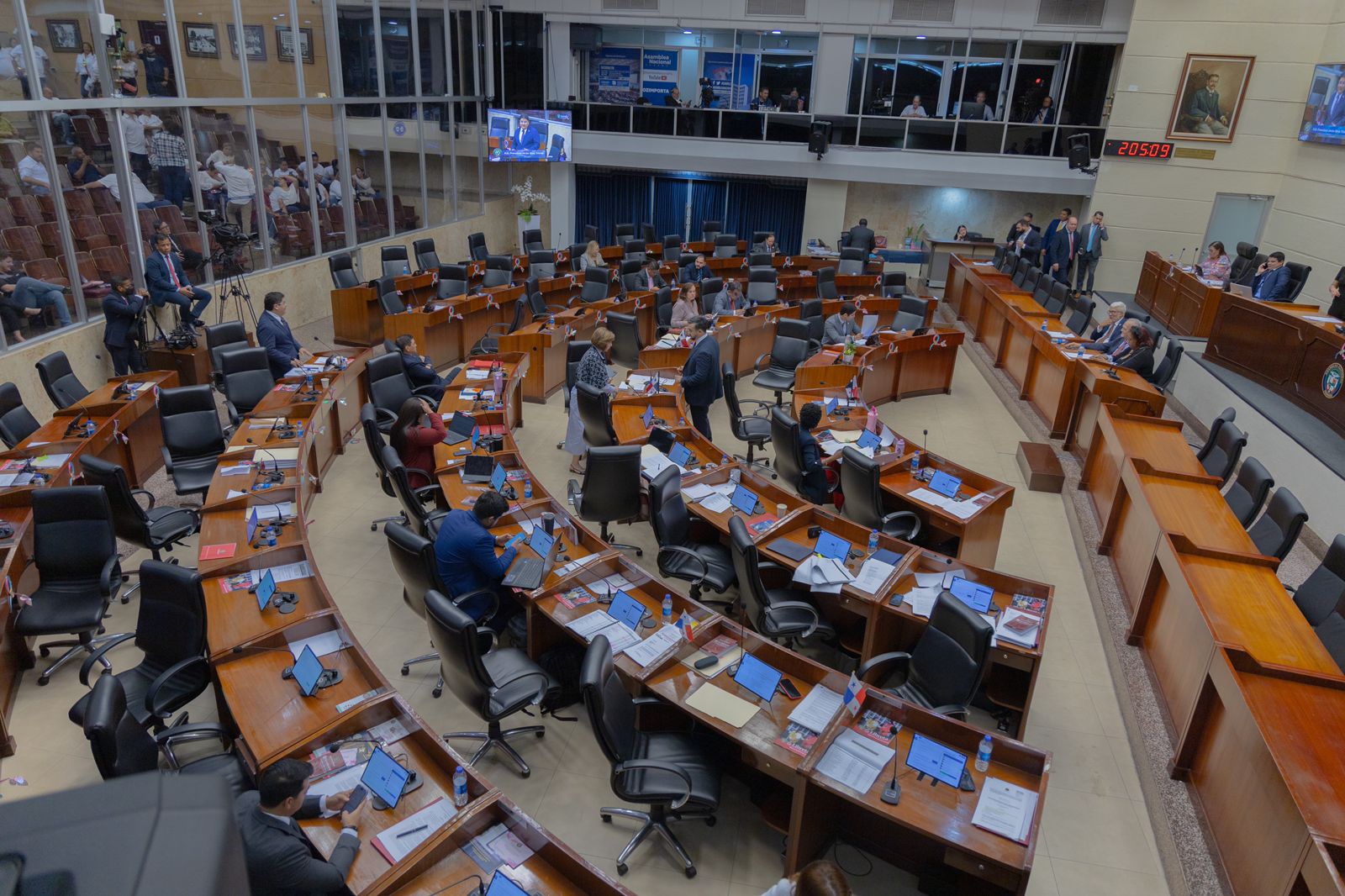
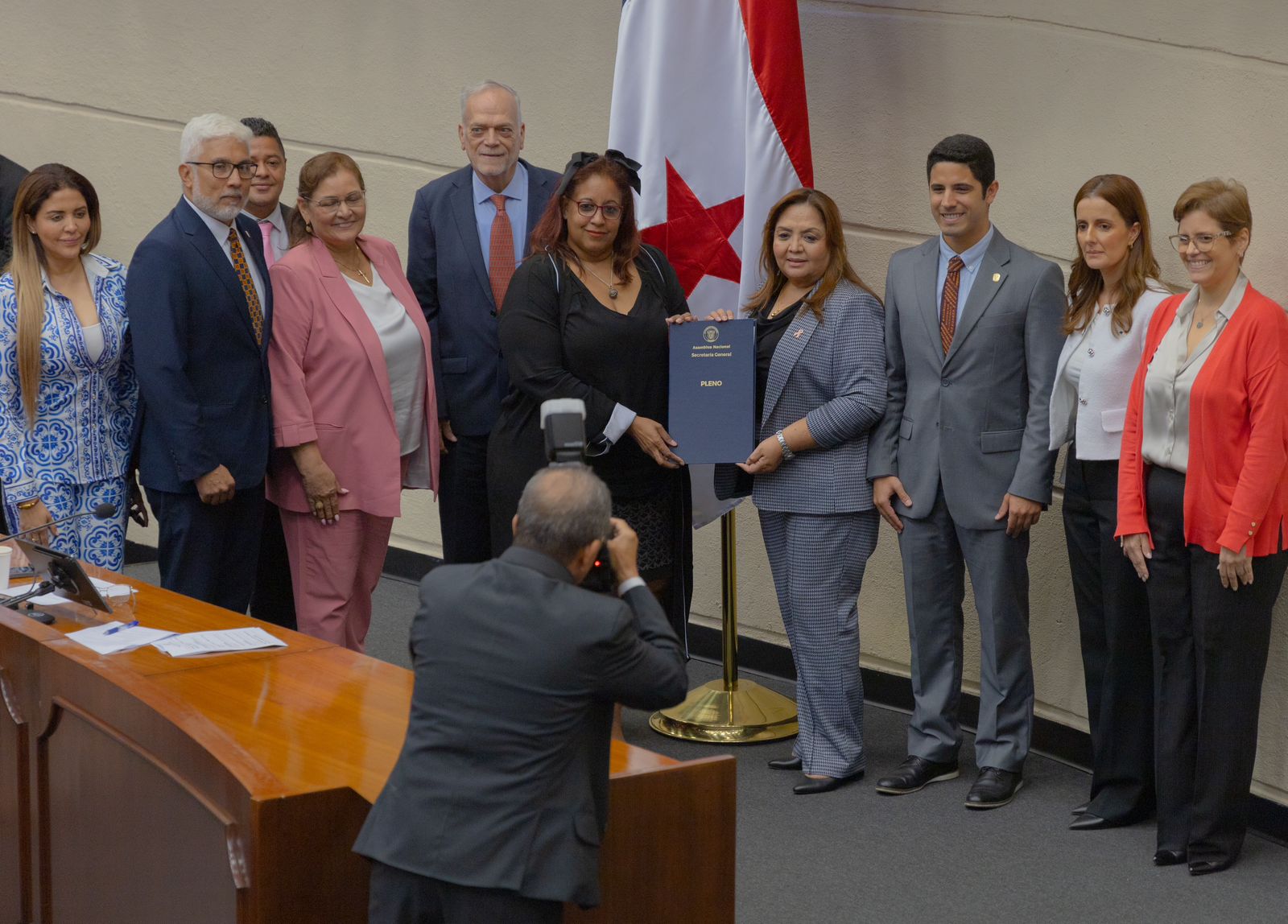
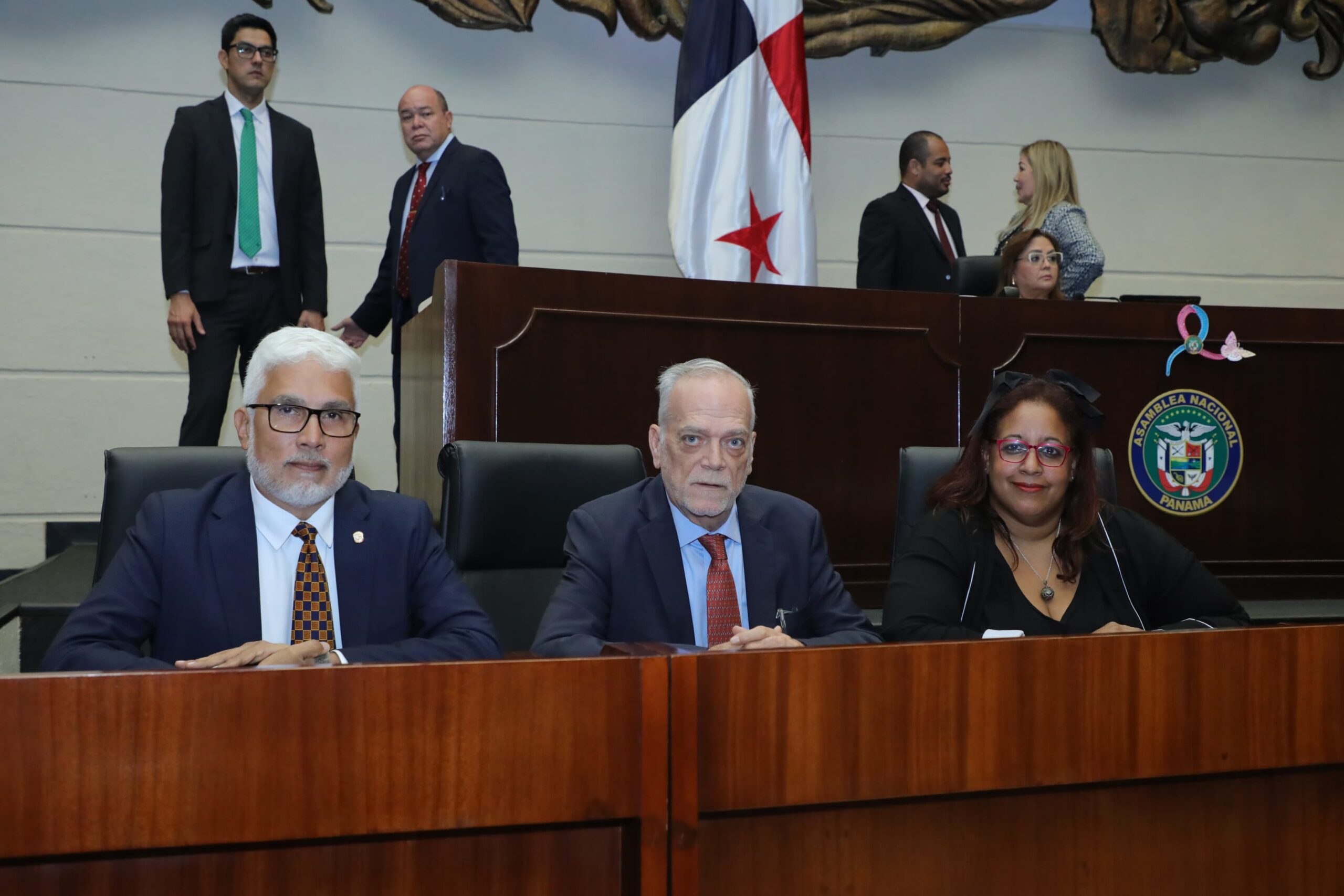
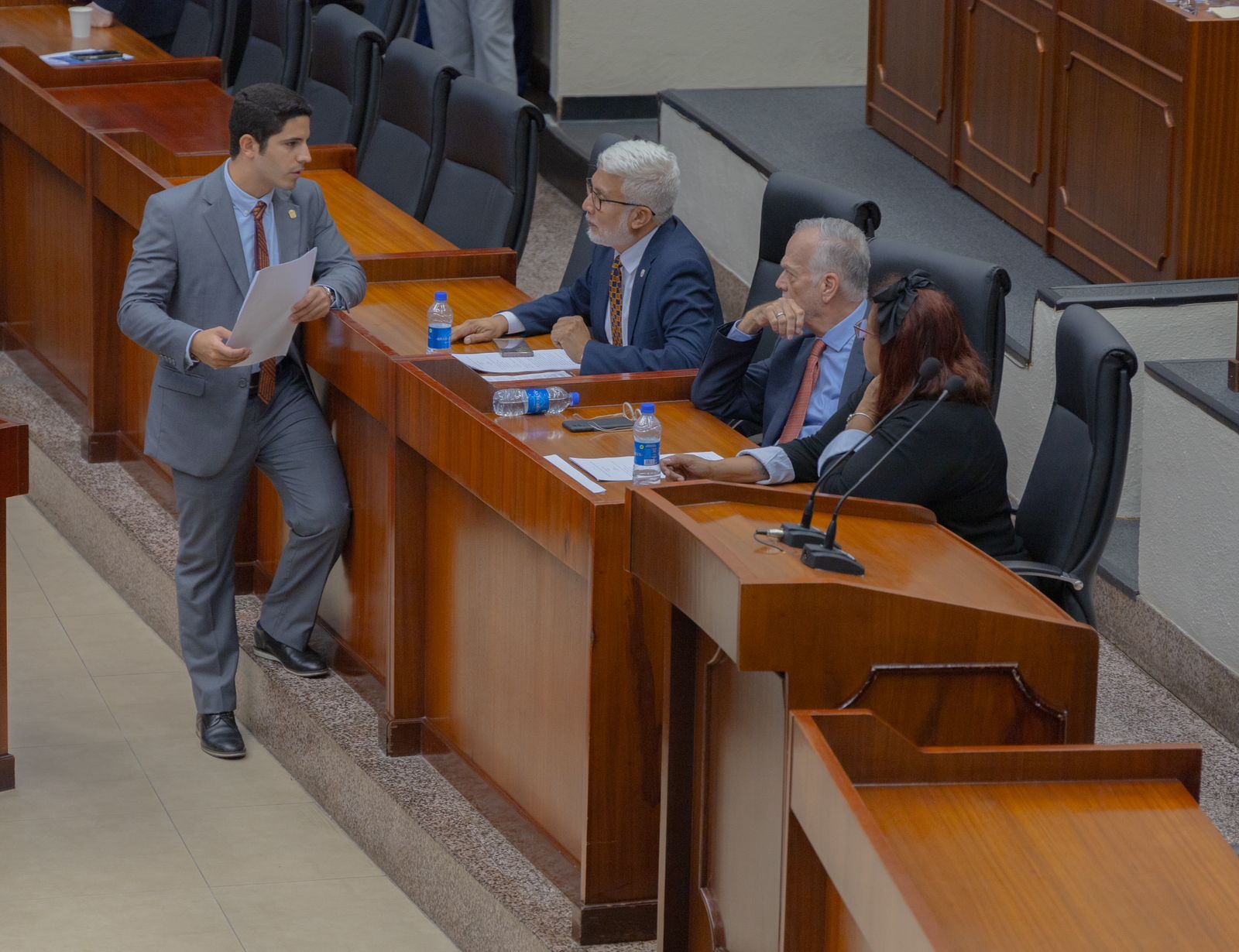
The National Assembly's plenary session adopted, at its third debate, Bill No. 84, declaring the Transitory Colonial Route as a Panamanian Cultural Heritage and guaranteeing its protection, conservation and valuation and this significant initiative, put forward by his deputy José Pérez Barboni, was unanimously supported with 51 votes in favour and no abstention.
The Transseismic Colonial Route includes a set of sites of great historic relevance, including the Monumental Set of Portobelo and San Lorenzo, the Monumental Unit of Casco Antiguo, the Archaeological Site of Old Panama, the Royal Way, the Cross Way and the ruins of the Chapel of the Palangan, also known as the Chapel of Cárdenas.
During the discussion, a Courtesy was given to experts in this area, including Samilith Stanziola, National Director of Cultural Heritage at the Ministry of Culture (MiCultura). Stanziola emphasized the importance of this law to support the candidacy of the Transitory Colonial Route to the United Nations Educational, Scientific and Cultural Organization (UNESCO) with the aim of including it on the World Heritage List.
"That law lays down management plans and provides tools for protection such as a property impact study, to ensure that no intervention affects the cultural and association landscape of this iconic route," she stated.
The Act No. 84 lays down that MiCultura and the Ministry of the Environment will coordinate actions to safeguard and protect the cultural, biological and natural resources of the Transseismic Colonial Route. The National Cultural Heritage Section of the Ministry of Culture will be responsible for granting permits for archaeological research, conservation and restoration within this protected area.
A buffer area for the Royal Way, the Way of Cruces and the ruins of the Chapel of the Palangana are also established, where construction and alterations to the natural and cultural environment are prohibited, with the exception of those necessary for the interpretation and valuation of the sites.
That legislation will also facilitate the collection of funds and resources for archaeological research and documentation of heritage, contributing to a better understanding of the history and cultural relevance of the region.