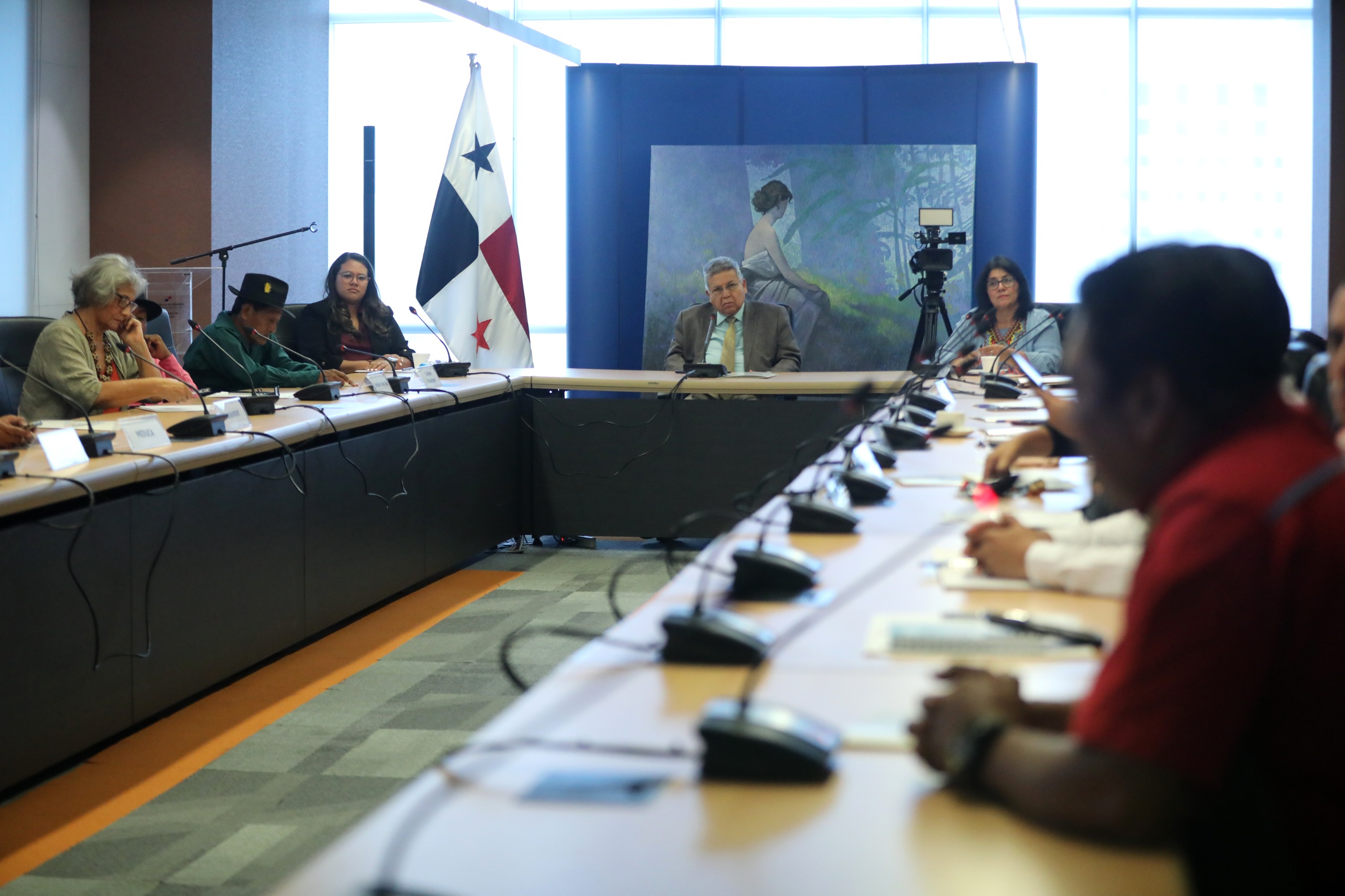
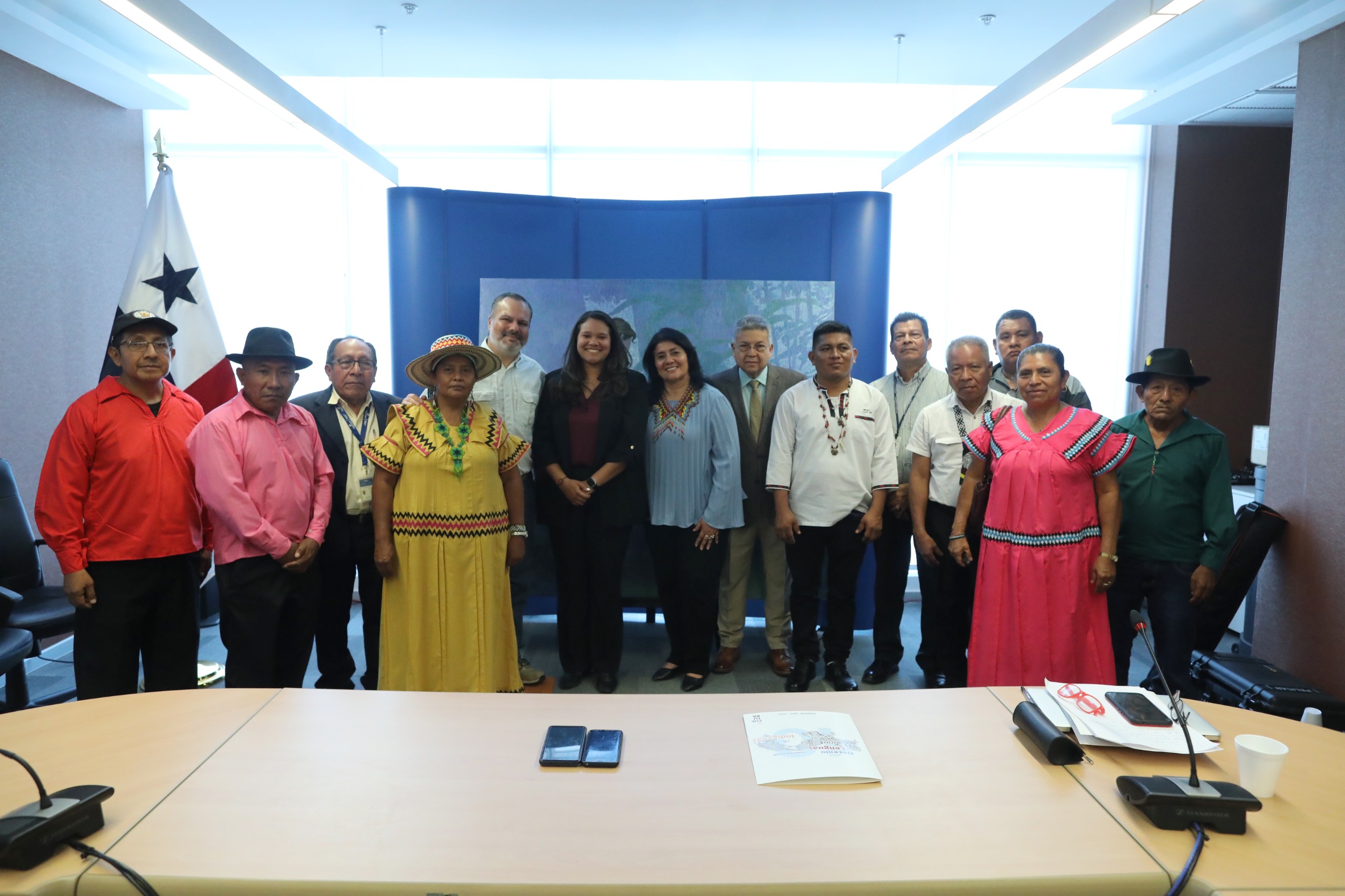
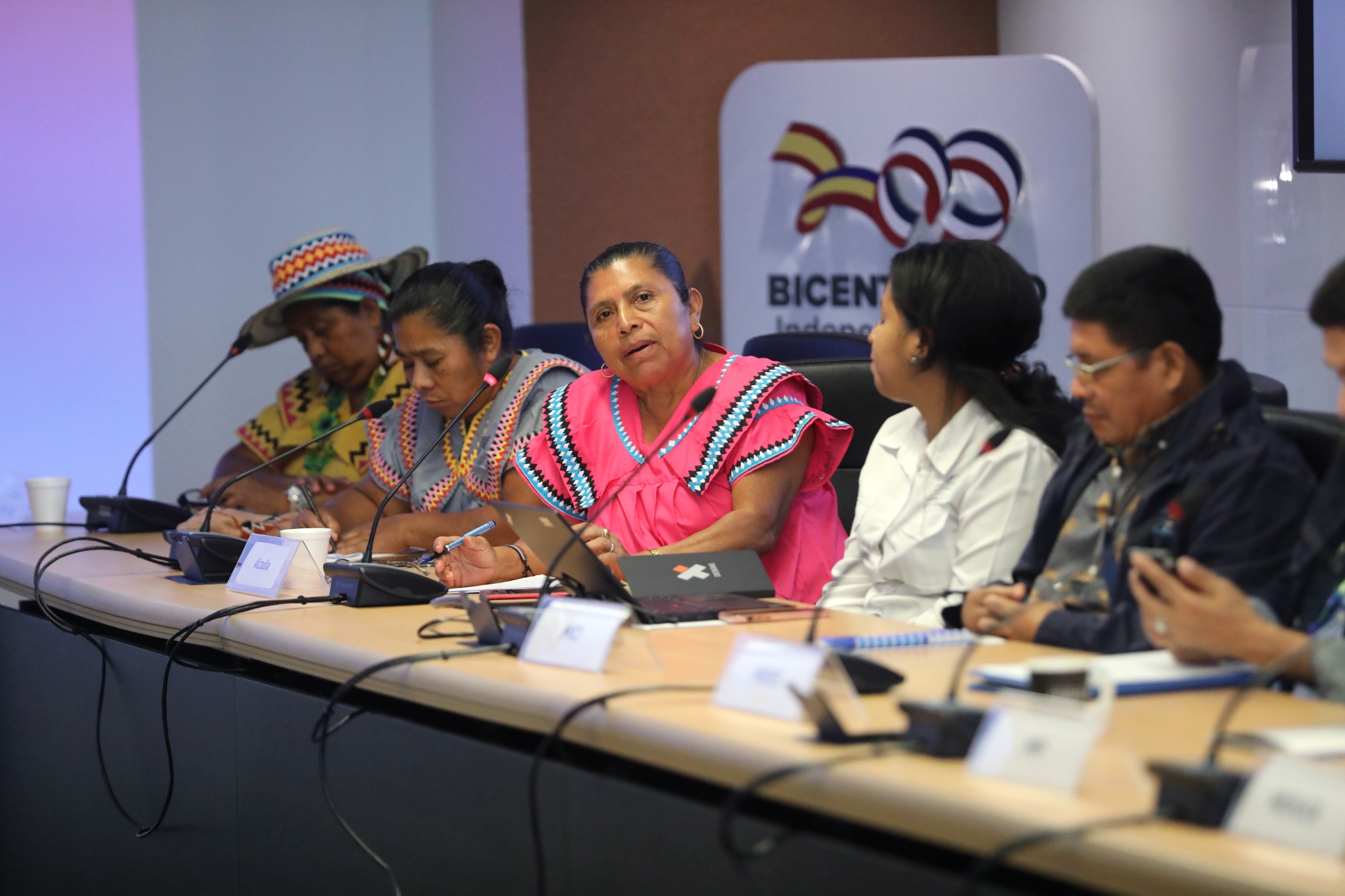
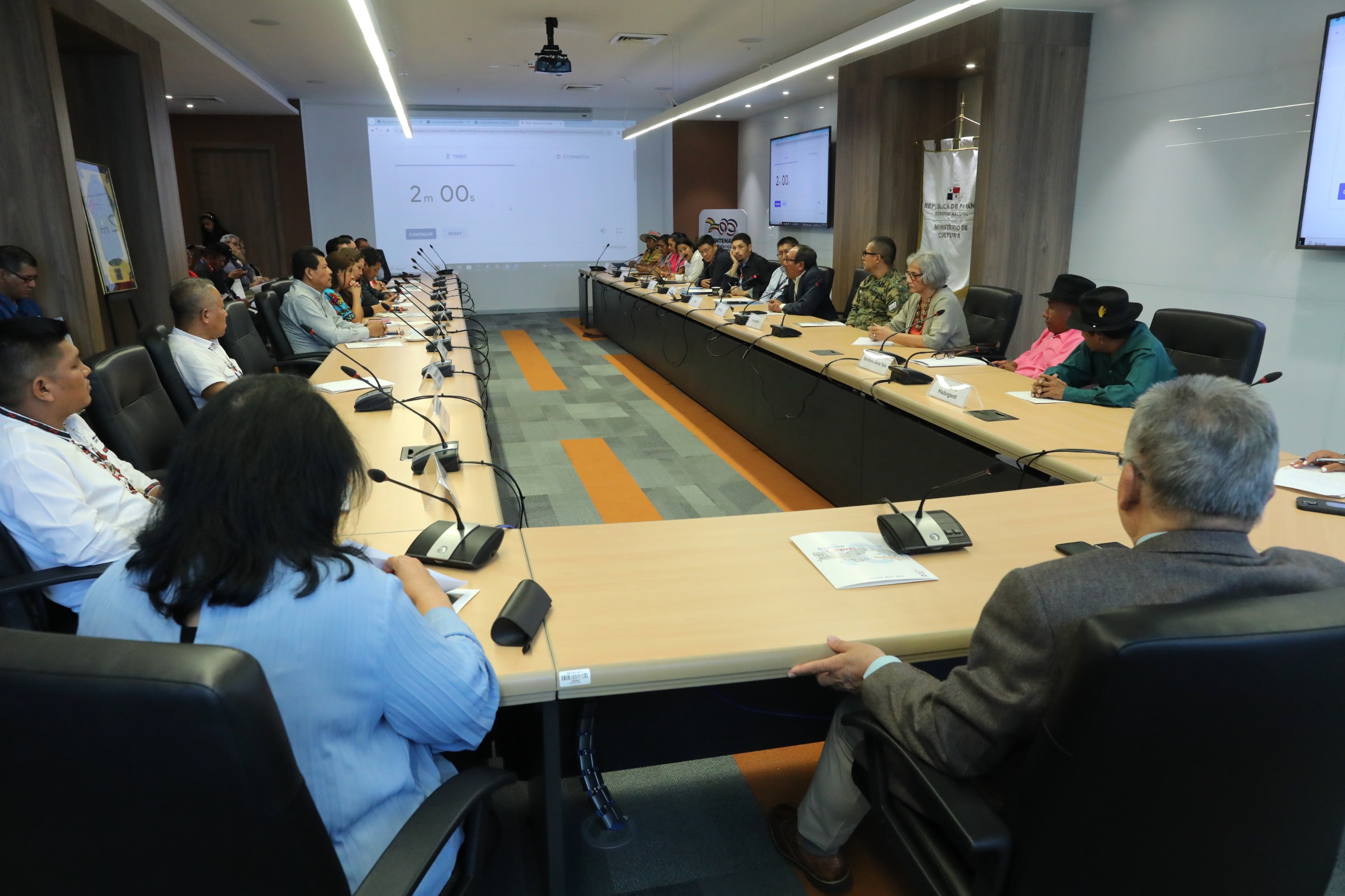
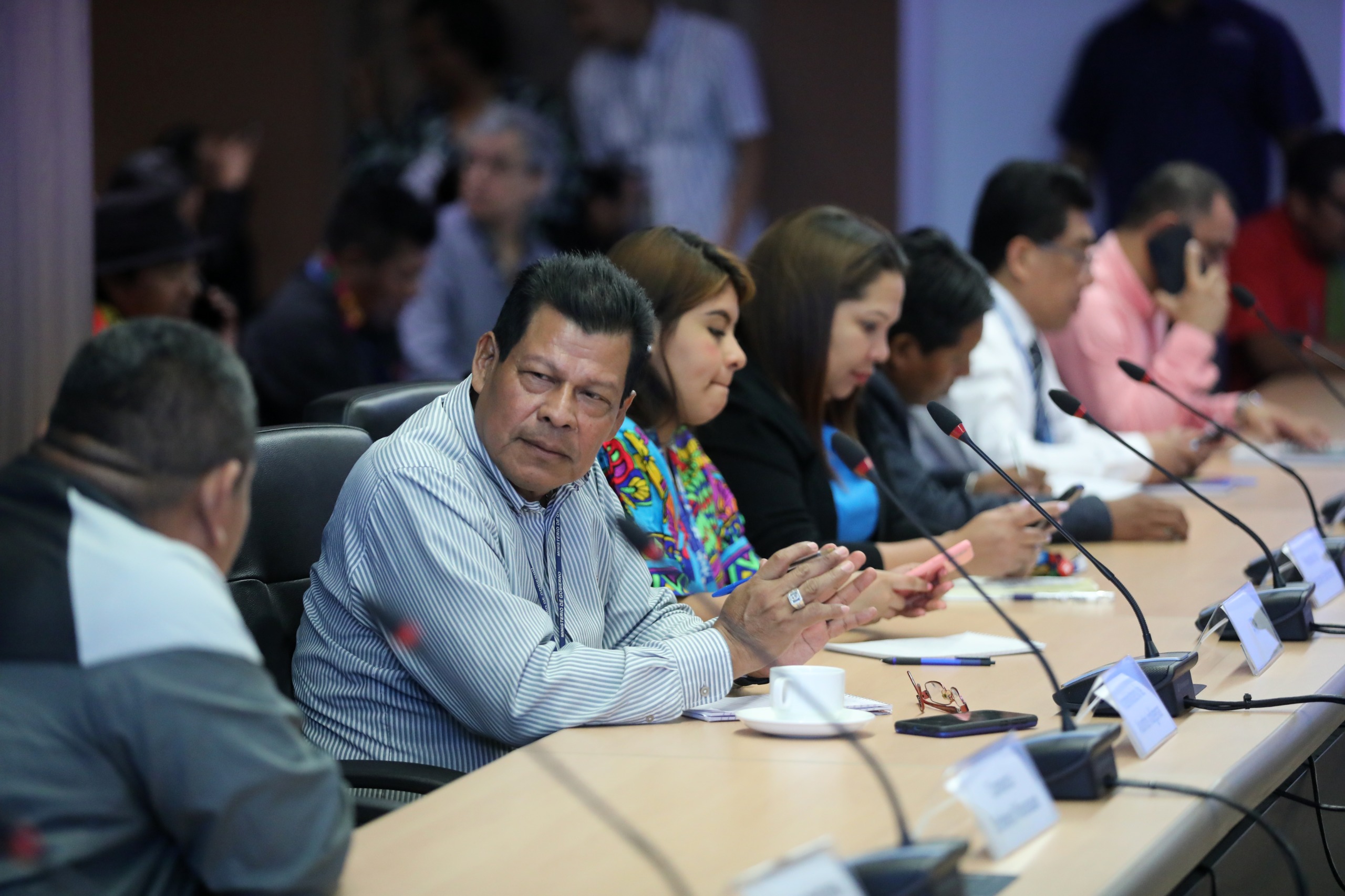
A multidisciplinary work table was established at the headquarters of the Ministry of Culture (MiCultura) to form a national commission with the task of defining actions that contribute to the retention of indigenous languages.
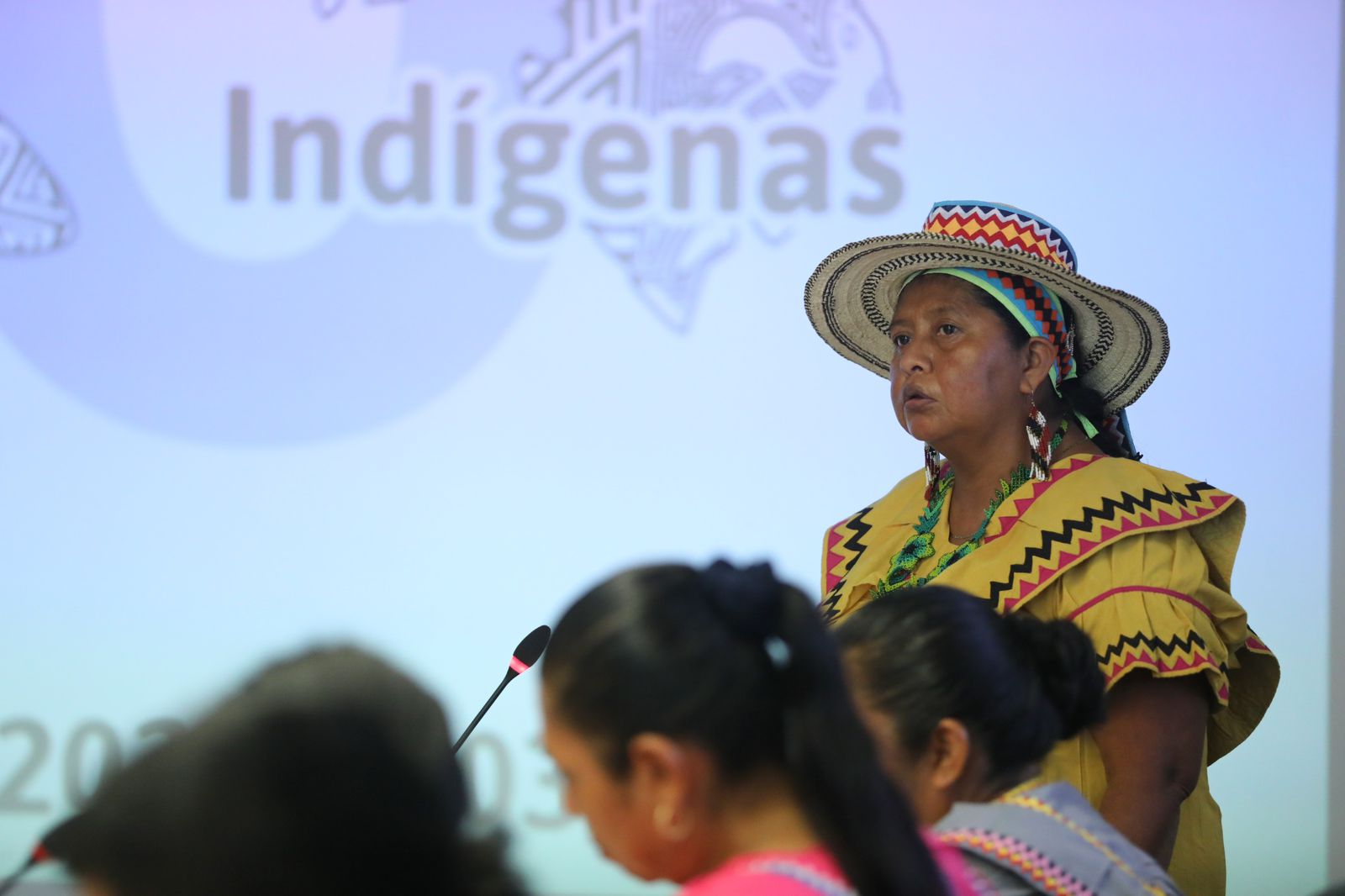
The council includes representatives of the twelve indigenous congresses of the seven peoples of the country and local institutions, agencies and governments, who will have commitments from their place of office to safeguard indigenous languages.
For the last two years, digital and face-to-face consultations have been held with Antai, UNESCO, AECID and support from ATP and Senaport with respect to the importance of mother tongue and with the many inputs from institutions, universities (MEDUCA, UDELAS), civil society organisations through publications, cinema and creation workshops.
That meeting was the framework for public signing a public policy for the mother tongue, where all sectors reaffirmed this commitment. Indigenous congresses were expected to choose what actions their communities supported.
At this stage, the representatives of the entities that will form this council expressed their satisfaction and reaffirmed the importance that this project will have for the country that will revitalize the identity of the native peoples and the preservation of the intangible heritage as is the mother tongue and the whole tradition contained therein.
"Today we believe that this is a historic day, because the global Plan of Action of the International Decade of Indigenous Languages already has global guidelines to share them formally with the institutions and organizations and with the indigenous congresses, is a commitment for the country to work to formalise the learning of indigenous languages," said Emma Gómez, coordinator of Intangible Cultural Heritage.
"The call was broad and massive and we have been listening to them all. We are very pleased with this dialogue where the attendees will consult with their congress about how they are to be seen. We saw a great deal of enthusiasm for what we will be a good team," emphasized Gómez.
During the meeting they were presented with the result of a survey / consultation that was previously conducted with a form and that contained some of the actions and proposals that will set a road map and strategies to achieve the objectives of this commitment.
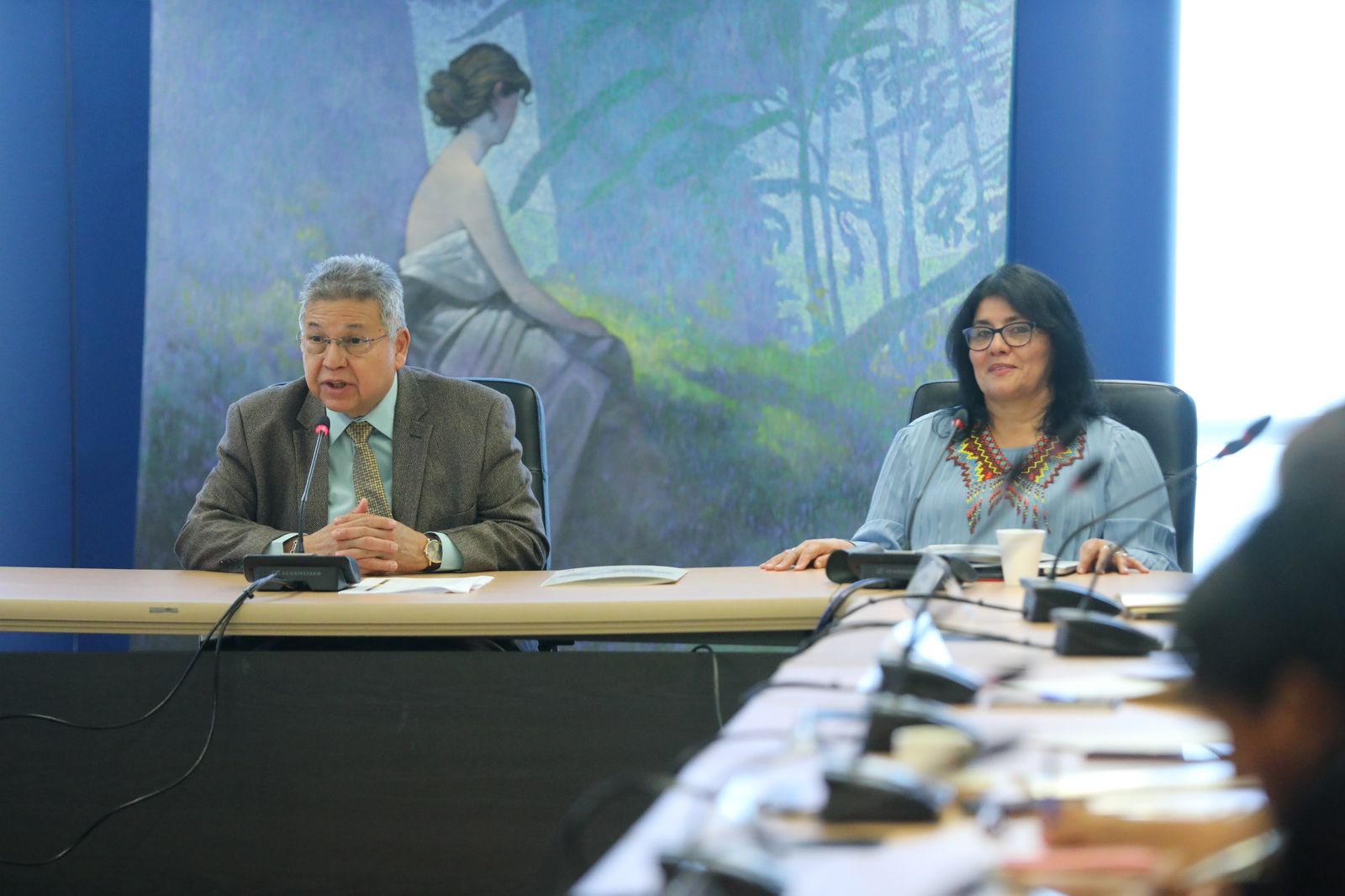
The event began with the ministerial message through Secretary General Ismael Herrera, who described all the processes undertaken from 2022 to 2024 and expressed his gratitude for the call that had been reached. "One of the most complex challenges for Panama was to reduce the digital divide in education and development, with a view to broadening the capacity-building among the indigenous nations representing the cultural identity of the Panamanian nation. That decade of indigenous languages forced us to work with committed commissions."