Machine translation. This content was automatically translated from Spanish. The Spanish version is the only official one: for all legal purposes, and in the event of any discrepancy, the original Spanish text prevails. View the official Spanish version

Back to blog

UNESCO Survey will measure affections to living heritage in the Covid-19 pandemic
UNESCO Survey will measure affections to living heritage in the Covid-19 pandemic

Content of the News
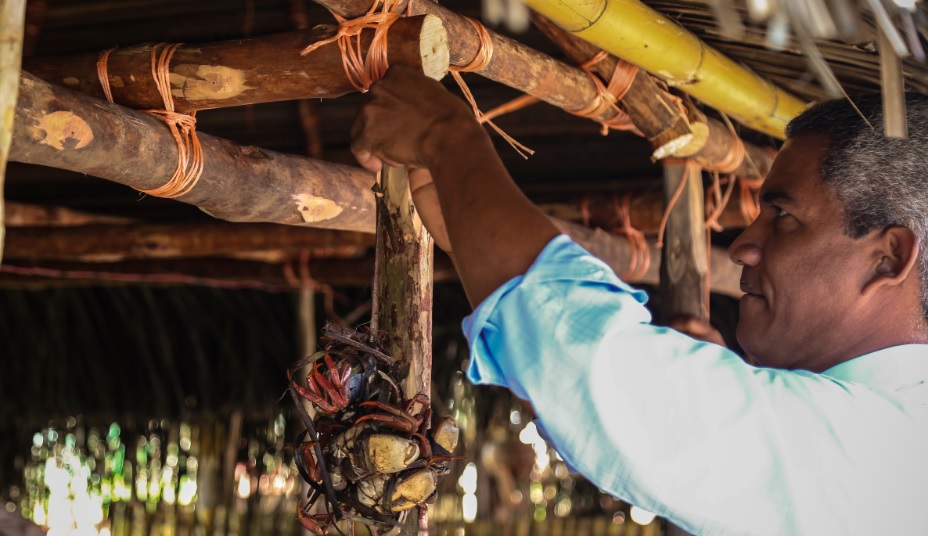
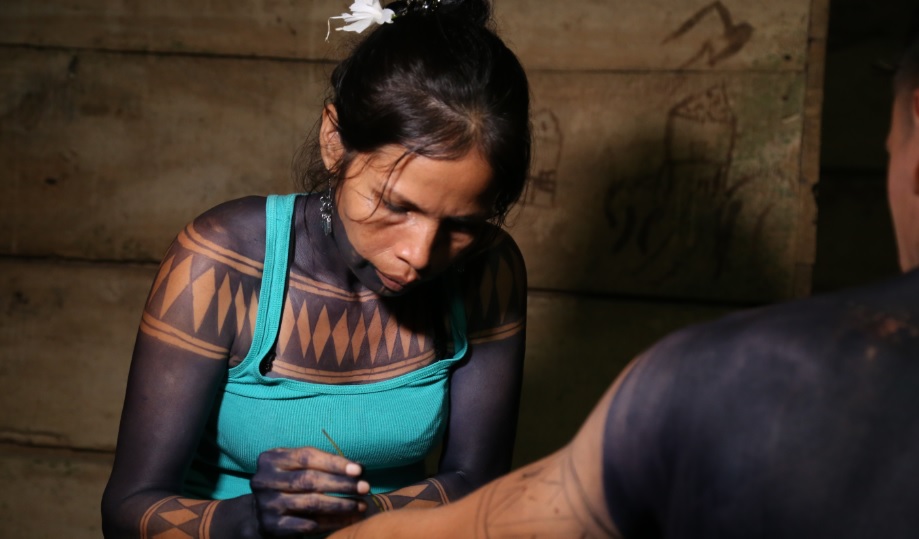
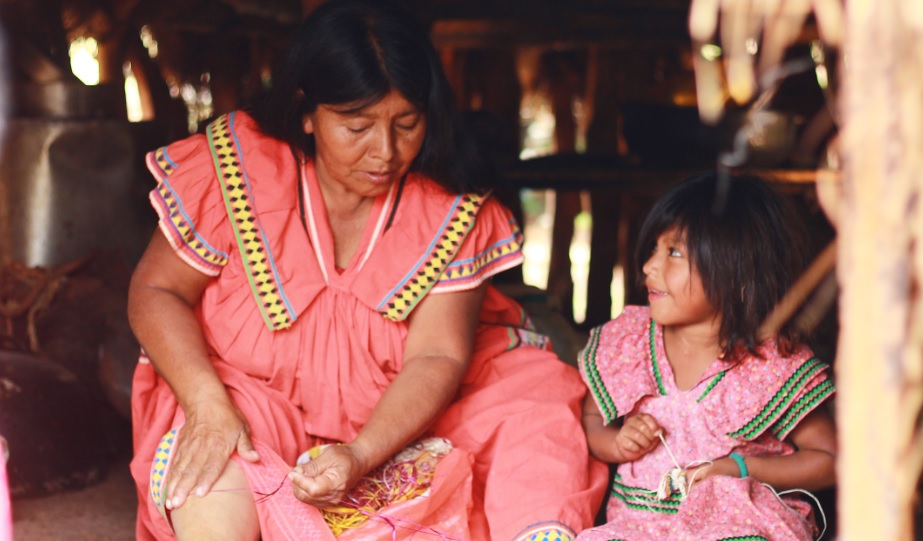
The Ministry of Culture, through its National Directorate of Historical Heritage, from its General Coordination of Intangible Cultural Heritage, makes available on its websitewww.cultura.gob.pa, the survey proposed by UNESCO: "Experiences of living heritage in the context of the Covid-19 pandemic," aimed at bearers of living heritage related to different fields of Intangible Cultural Heritage.

The traditional knowledge recognised as Intangible Cultural Heritage also doesn't escape from the affections caused by the COVID19 pandemic, as those who possess and transmit it from generation to generation are precisely those who represent the living heritage of the country: our people.

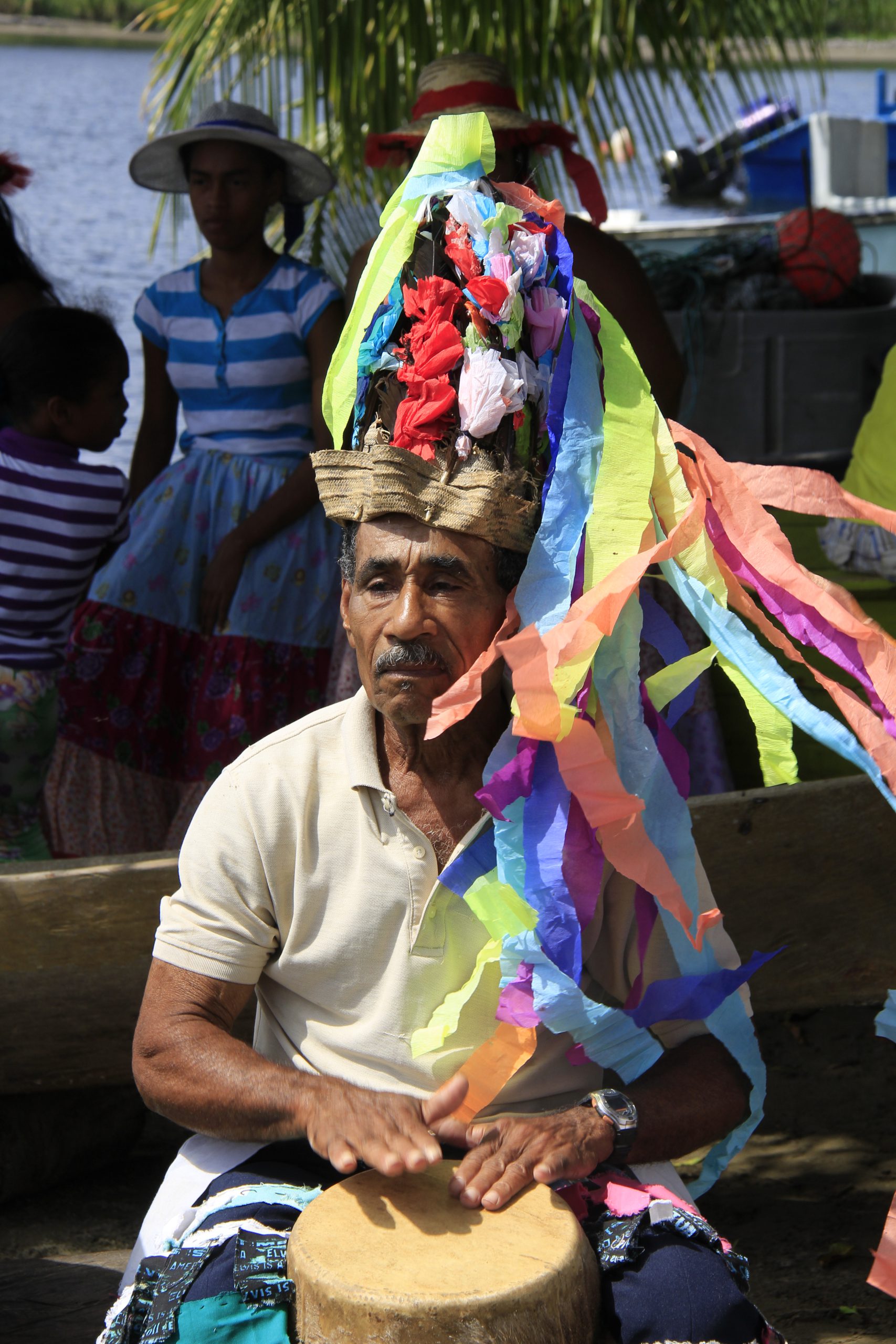
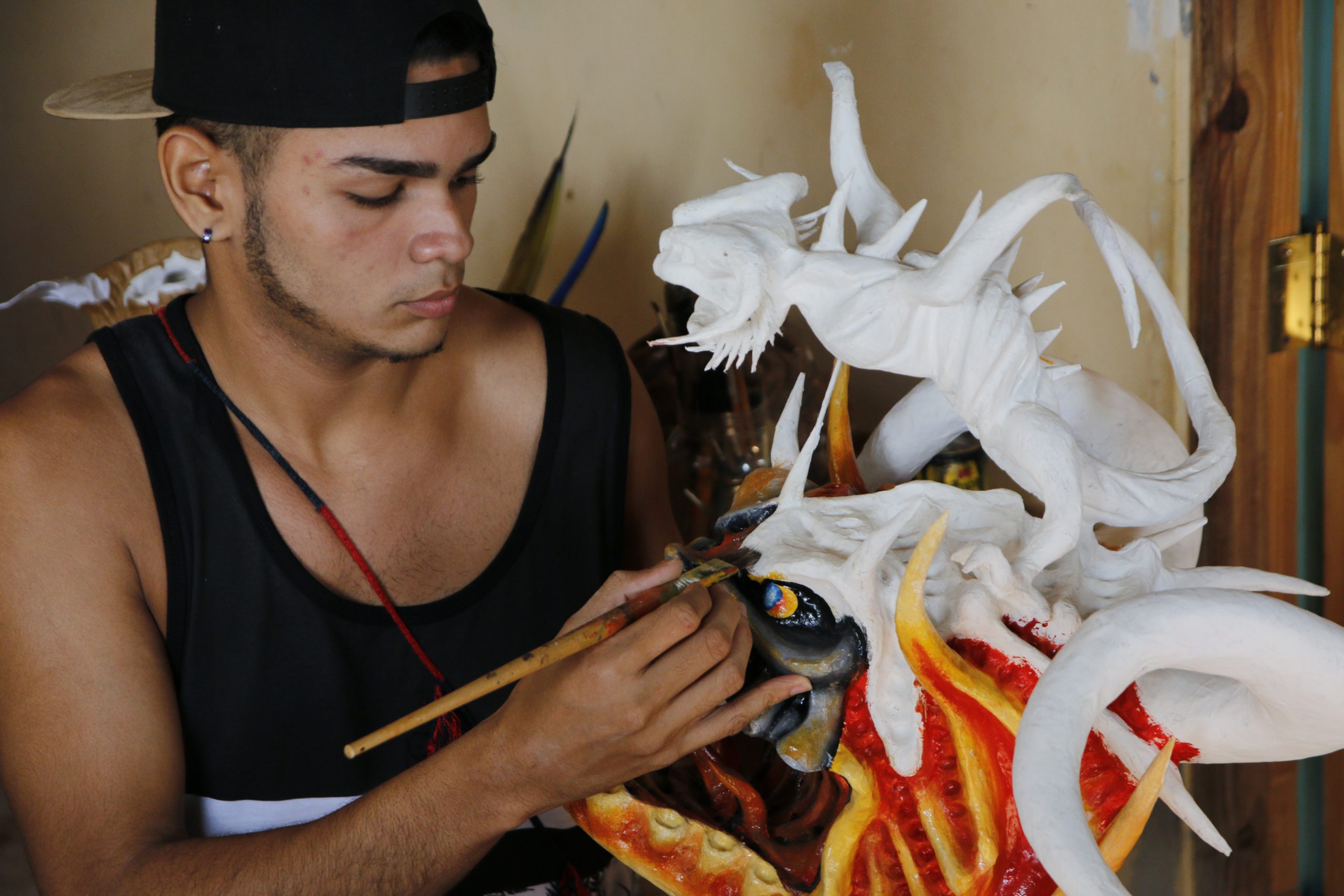
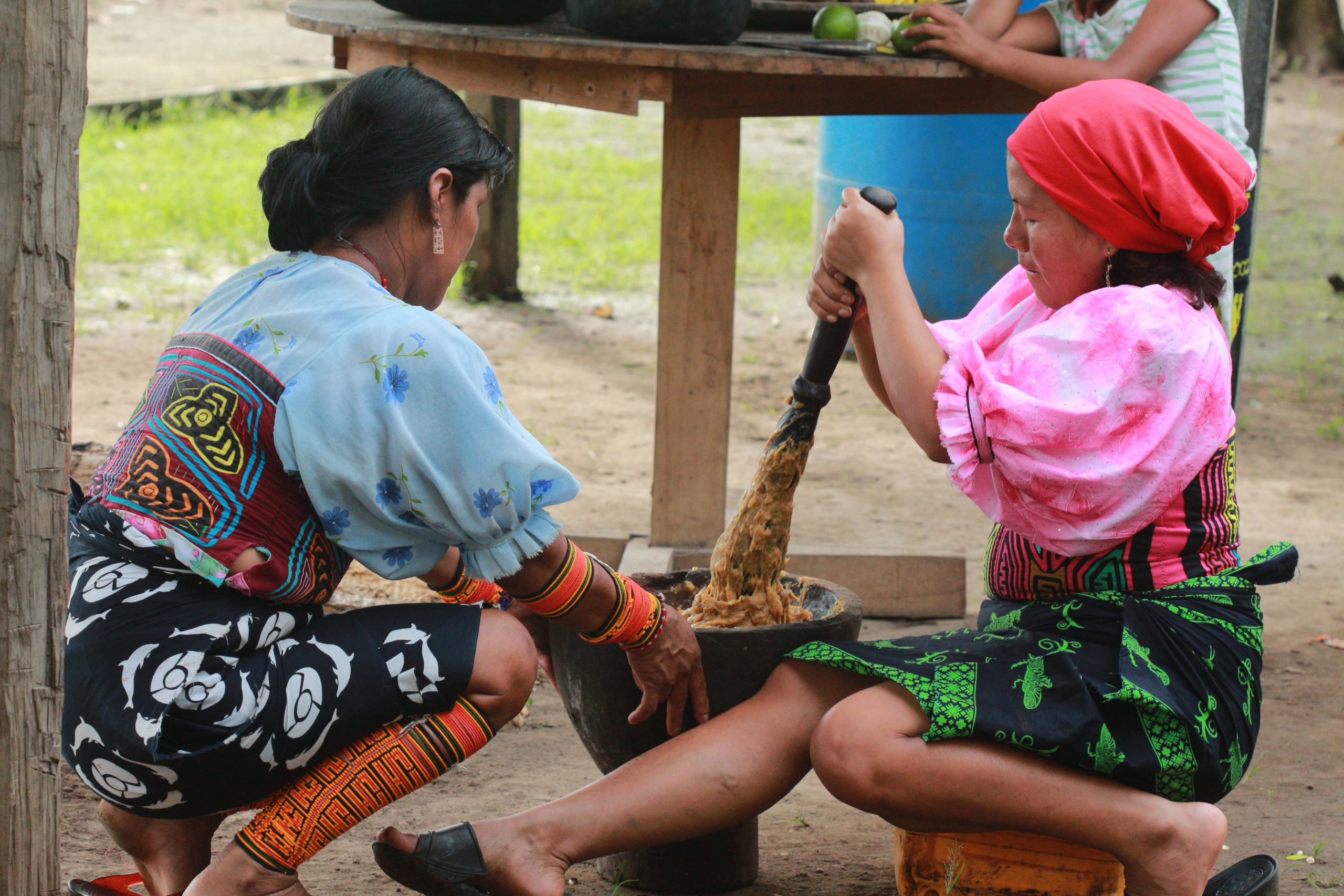
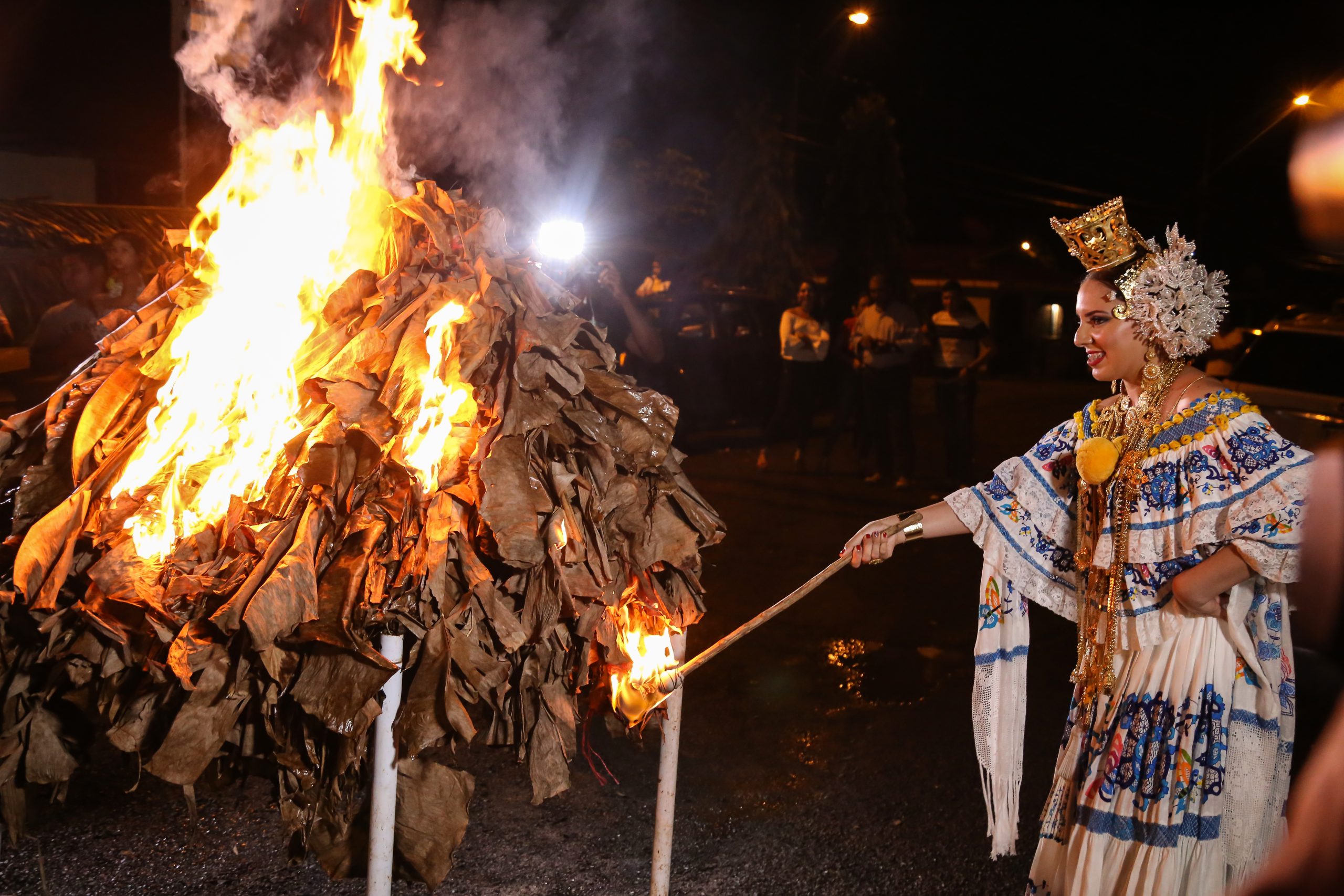
That strategy aims at collecting prints, affections and forms of transmission of knowledge from artisans, dancers, musicians, trovators, singers, botanical connoisseurs in traditional medicine, gastronomy, oral tradition, ritual expressions and other expressions, through a digital link at the web site, to which you can easily gain access with your phone or computer and fill out the form.

In other areas of the country where information cannot be compiled digitally, phone calls will be applied.
The responses to this questionnaire, which includes all the ethnic groups from different manifestations, will measure how, as a result of the pandemic, the knowledge and life of bearers have been affected, modified, restricted or damaged, or while their bearers have been leading to the reinstatement of forms of communication and resilience to the living heritage of the country.

To that end, there are also questions about how technologies have been used and how they have these registries and forms of entrepreneurship that contribute to their economy and sustainability.

That initiative, advanced by the Secretariat of the Convention for the Safeguarding of the Intangible Cultural Heritage of the United Nations Educational, Scientific and Cultural Organization (UNESCO) as part of a global research with questions and their translation, was intended to seek responses to constraints and to learn from best practice.

To this end, the UNESCO Secretariat says: "Living heritage can help to provide a source of resilience, solidarity and inspiration for many communities during these difficult times."