Panama adds a new accomplishment with respect to Intangible Cultural Heritage with the entry of the "Cultural and Ecological Festival of Armila's Marine Tortoises" into the list of best practices for the safeguard of Intangible Cultural Heritage at UNESCO, an announcement that was given at the 18th Session of the Convention for the Safeguarding of Intangible Cultural Heritage that has been held since 4 December in Kasane, Botswana, Africa.
He responded to the Minister of Culture Giselle González Villarrué, signing his nomination in March 2021 and today 6 December remains in the schedule of memorable dates of the ICC for this recognition.
The evaluating body told Panama that it was recommended for this registration and that its formalization would be with the final vote of the Intergovernmental Committee in Botswana.
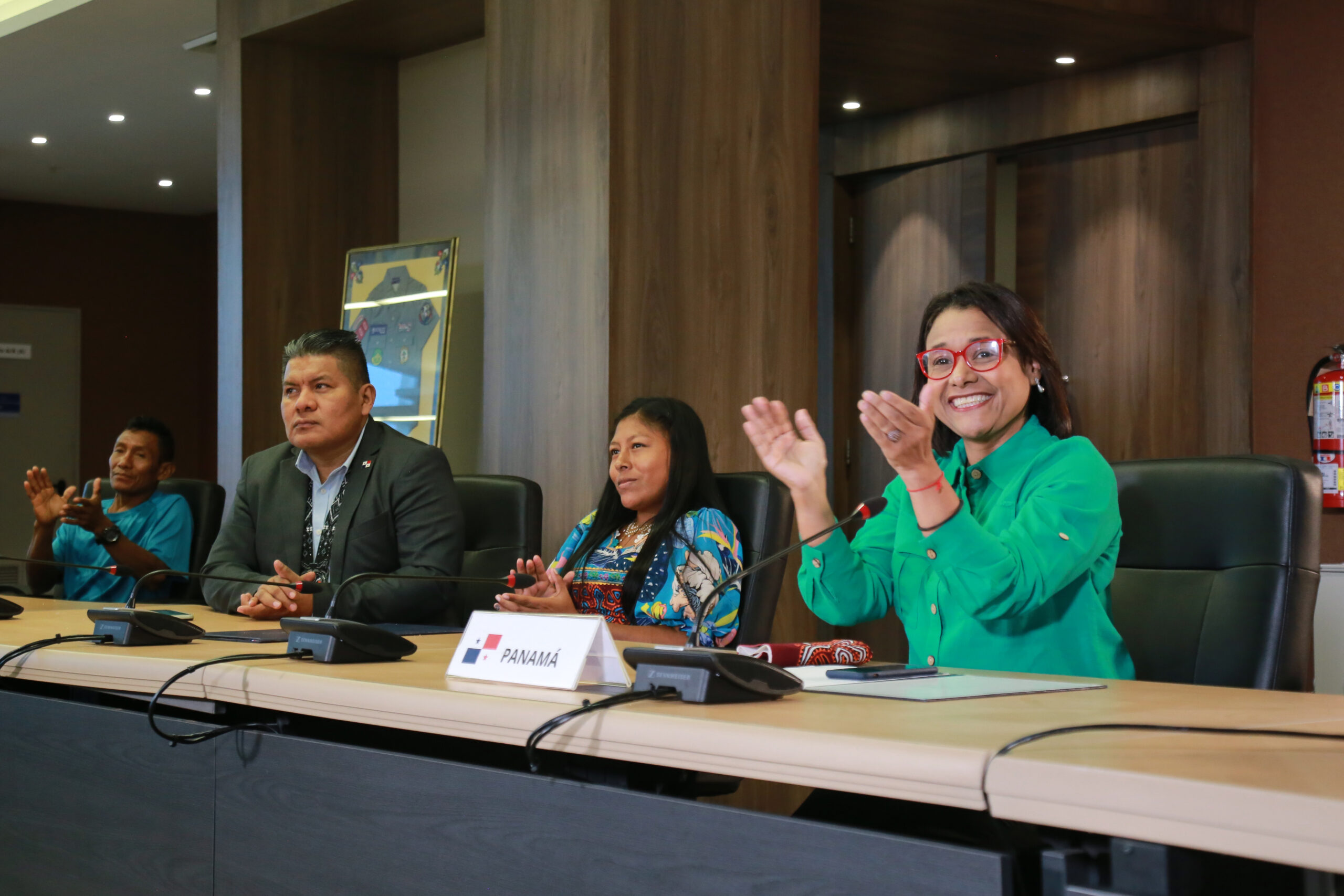
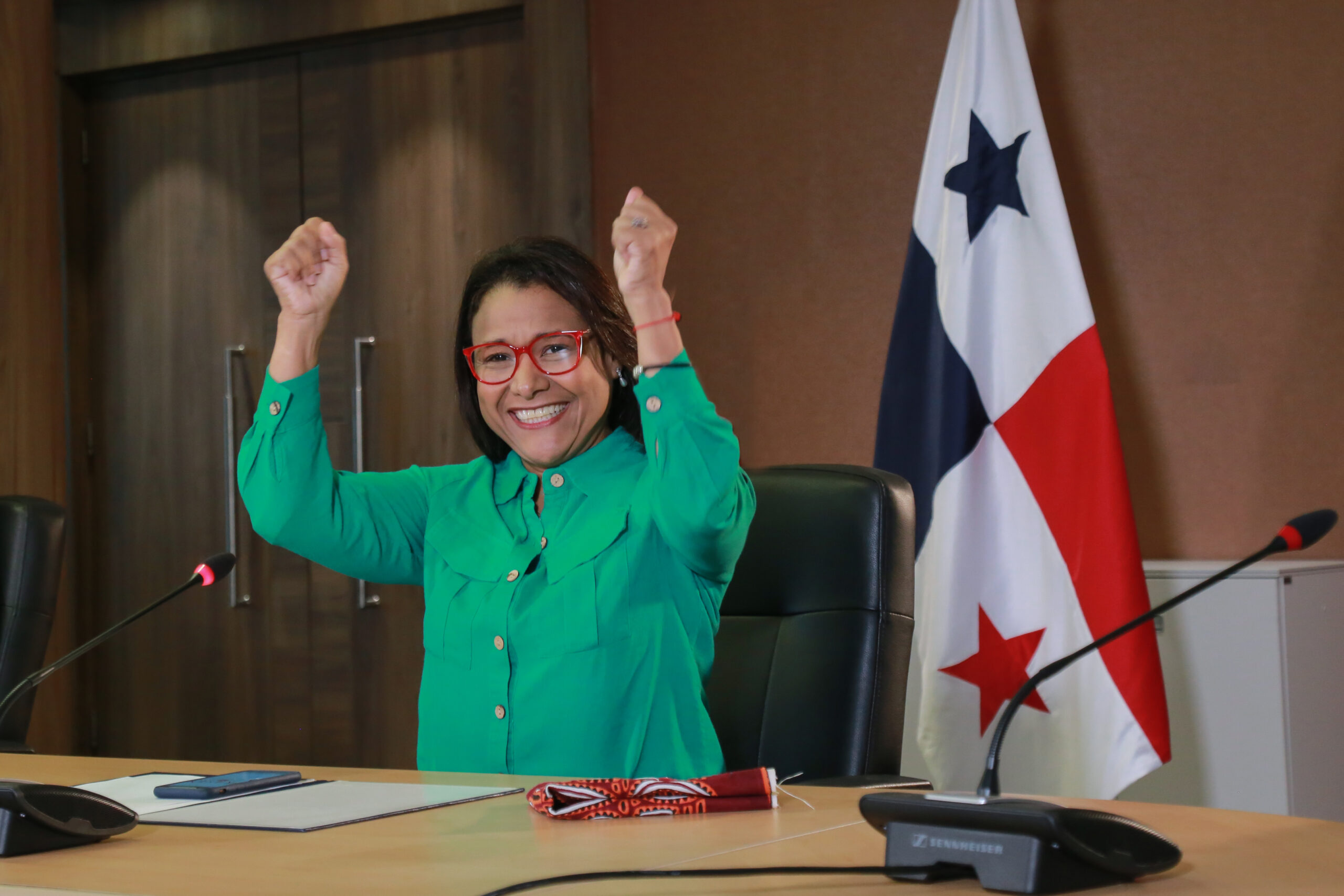
Once the president of the session announced his decision, Paola Gómez, Head of Mission at Kasane, and delegate of Panama's permanent mission to UNESCO, emphasized that this was the first registration of an indigenous issue from Panama and later submitted to Minister Giselle González Villarrué, who, in his message from Panama, highlighted the values of the Gunadule Nation and his model festival.
He also highlighted the organization with the participation of the whole community from children to authorities and thanked Guna Yala and Armila for their confidence and contribution.
He participated in his mission to Botswana, Emma Gómez, a focal point and co-ordinator of the ICC, from where they waved the Panamanian flag with their sister countries and held with Panama.
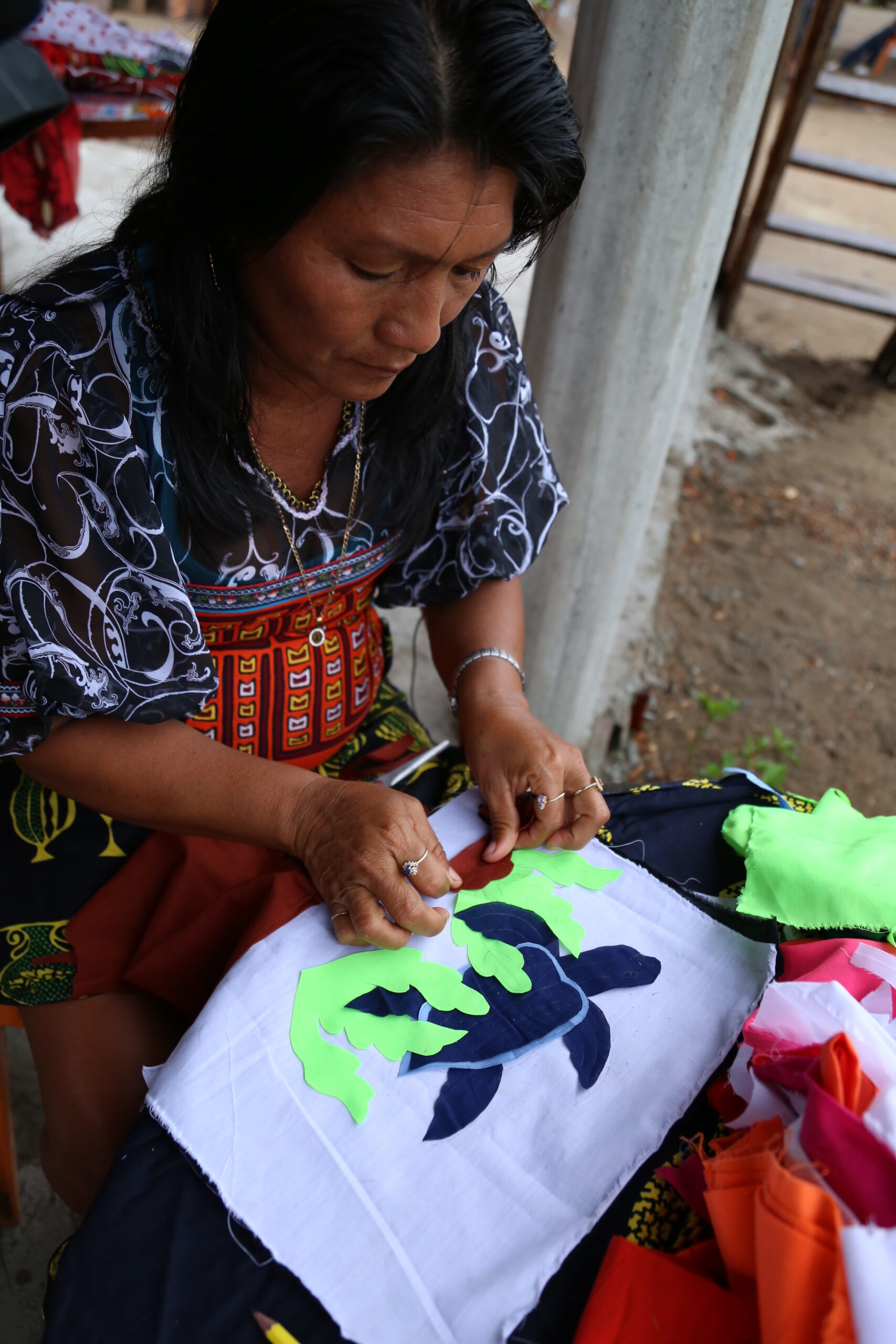
"That news for the Panamanian nation is a firm commitment to our heritage wealth, this festival is an example, a model of the union of a community that, with its music, traditions, its songs, crafts and a range of manifestations has inspired the creation of the green seal of the PCI in good practice.
That designation will enrich and expand the list of Spanish Intangible Cultural Heritage with its fourth registration, "emphasized the Minister.
With this incorporation, the Armila community at Guna Yala shows at a global level how this educational, cultural and ecological festive has been established as an effort to preserve the region and as a reference to the shift of knowledge from generation to generation and love for Mother Earth.
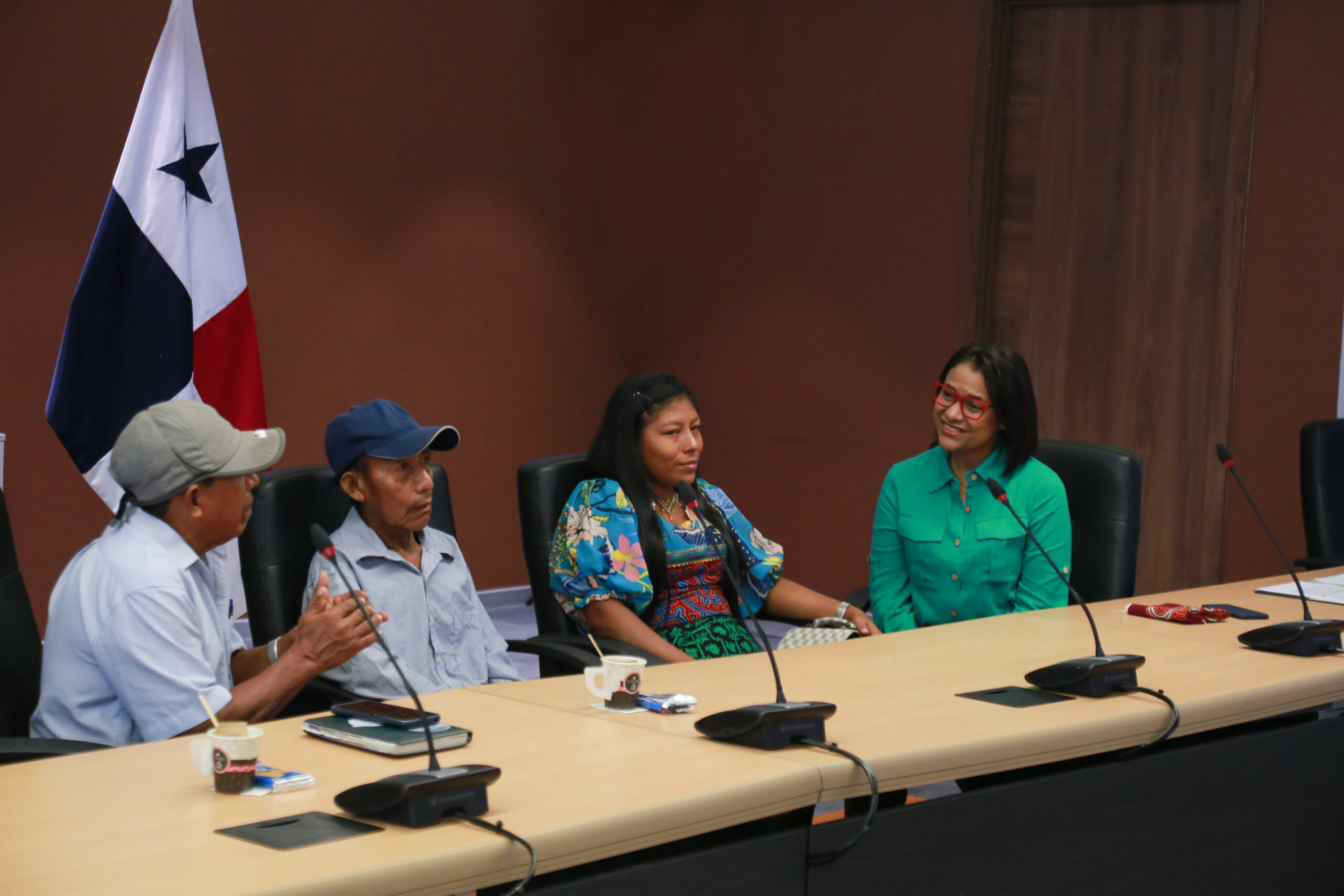
The vice ministers of indigenous affairs, Ismael Jaén, and members of the Armila community and of the Cultural Heritage team, accompanied the Minister during his broadcast. Carlos López, Sagla de Armila, and Ignacio Crespo, coordinator of the festival program, expressed his complacency with the work as a whole between the community and the Ministry of Culture (MiCultura) for their success and so they welcome this "as an achieved dream and will be shown with more joy in May 2024 with a new edition of the festival."
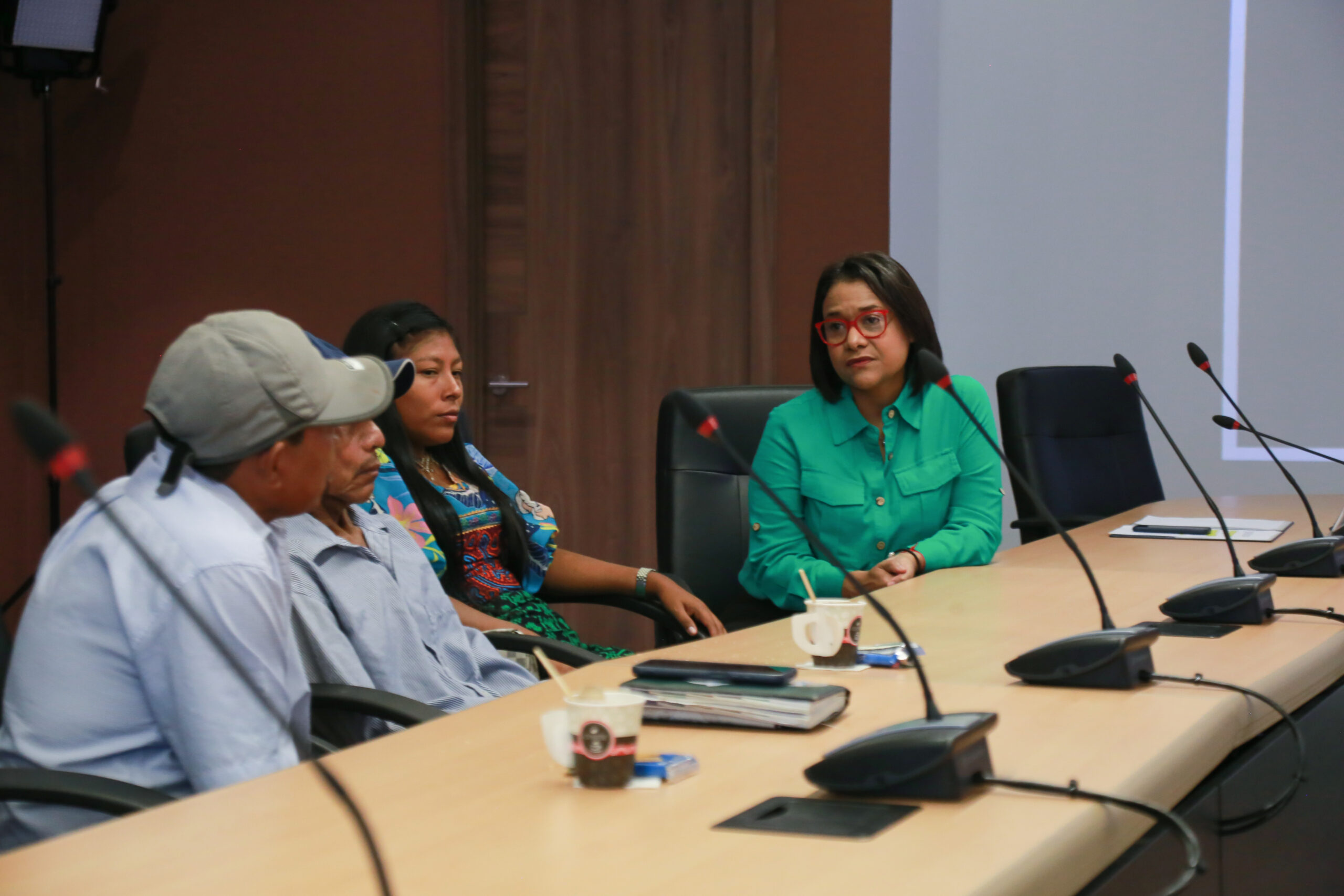
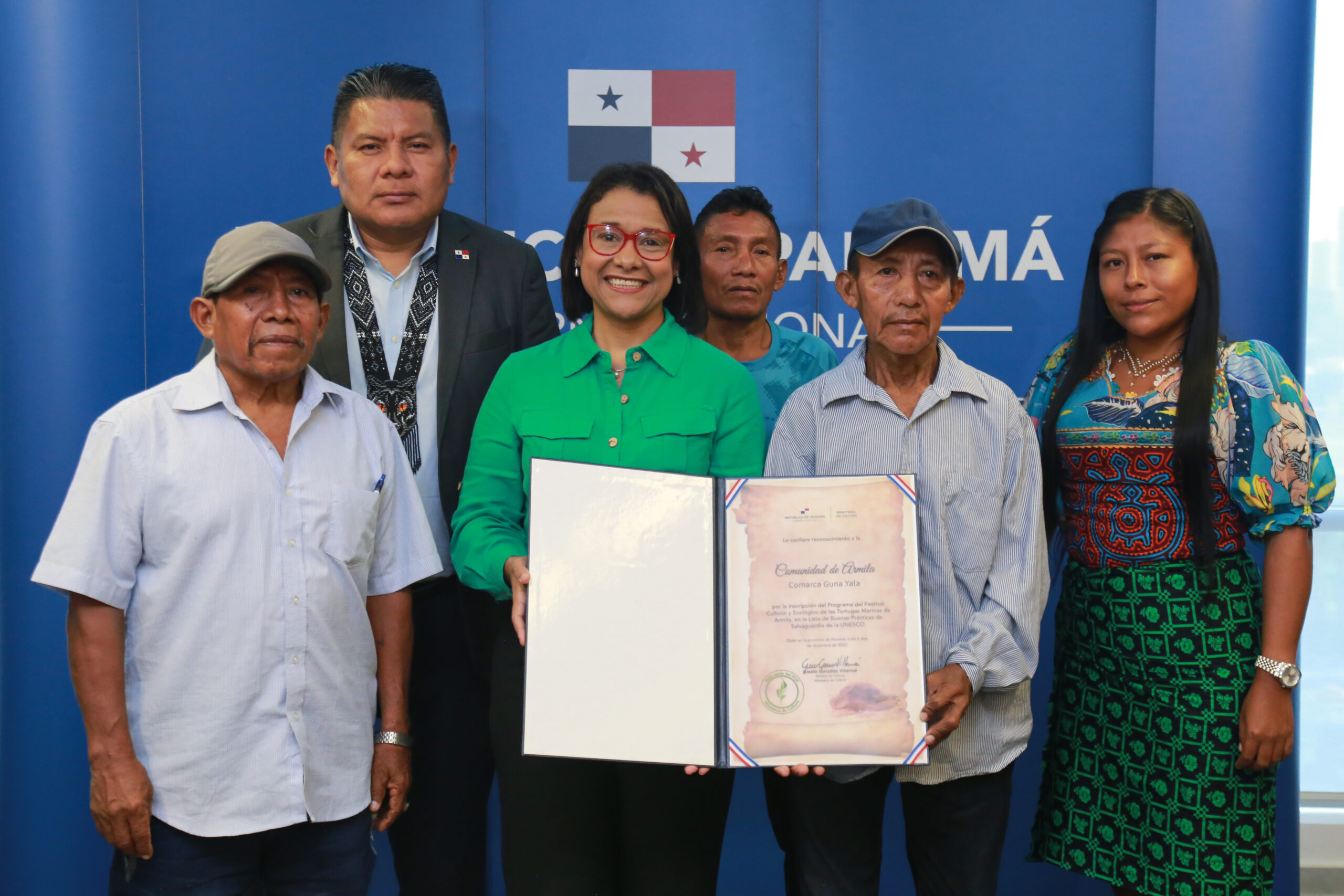
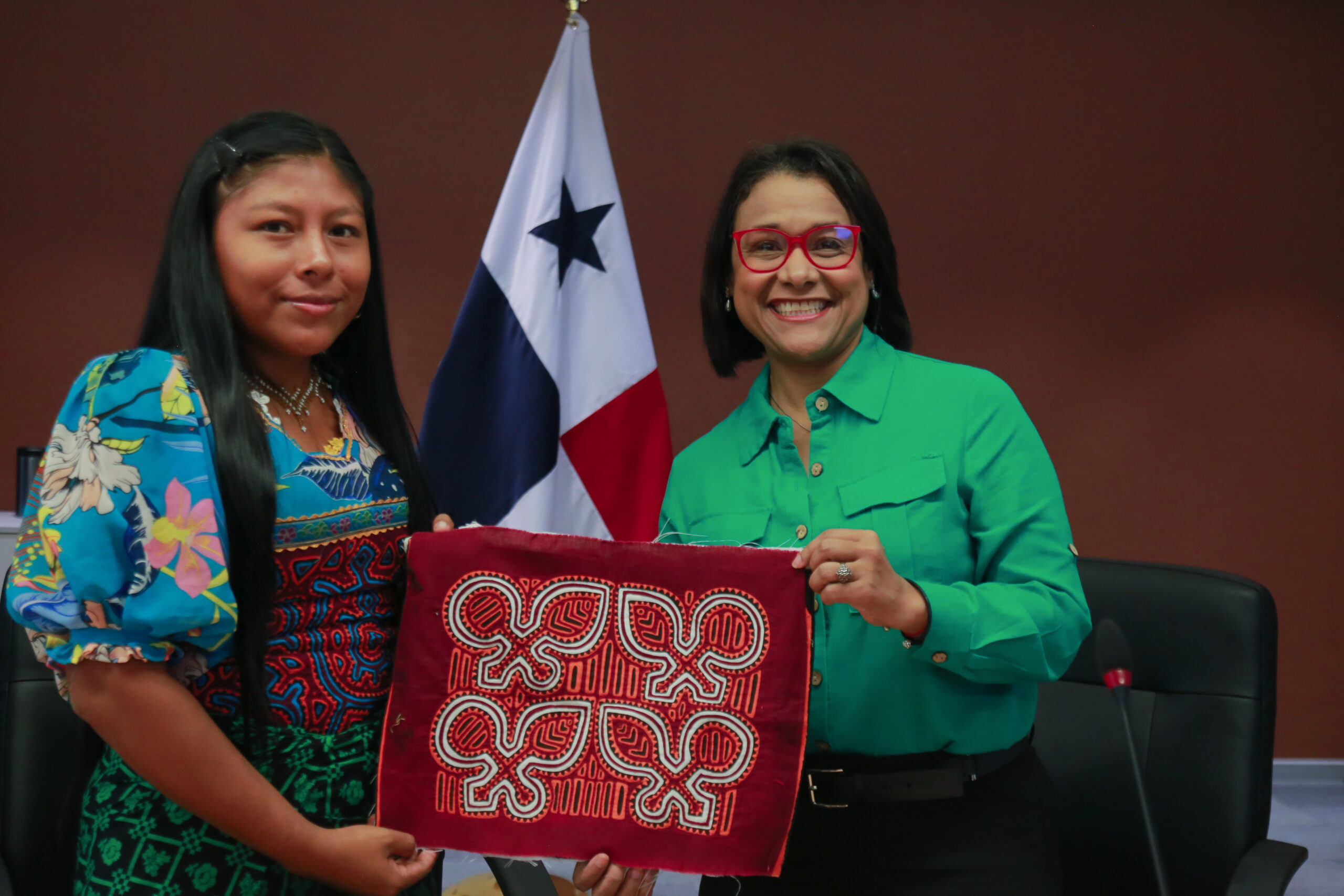
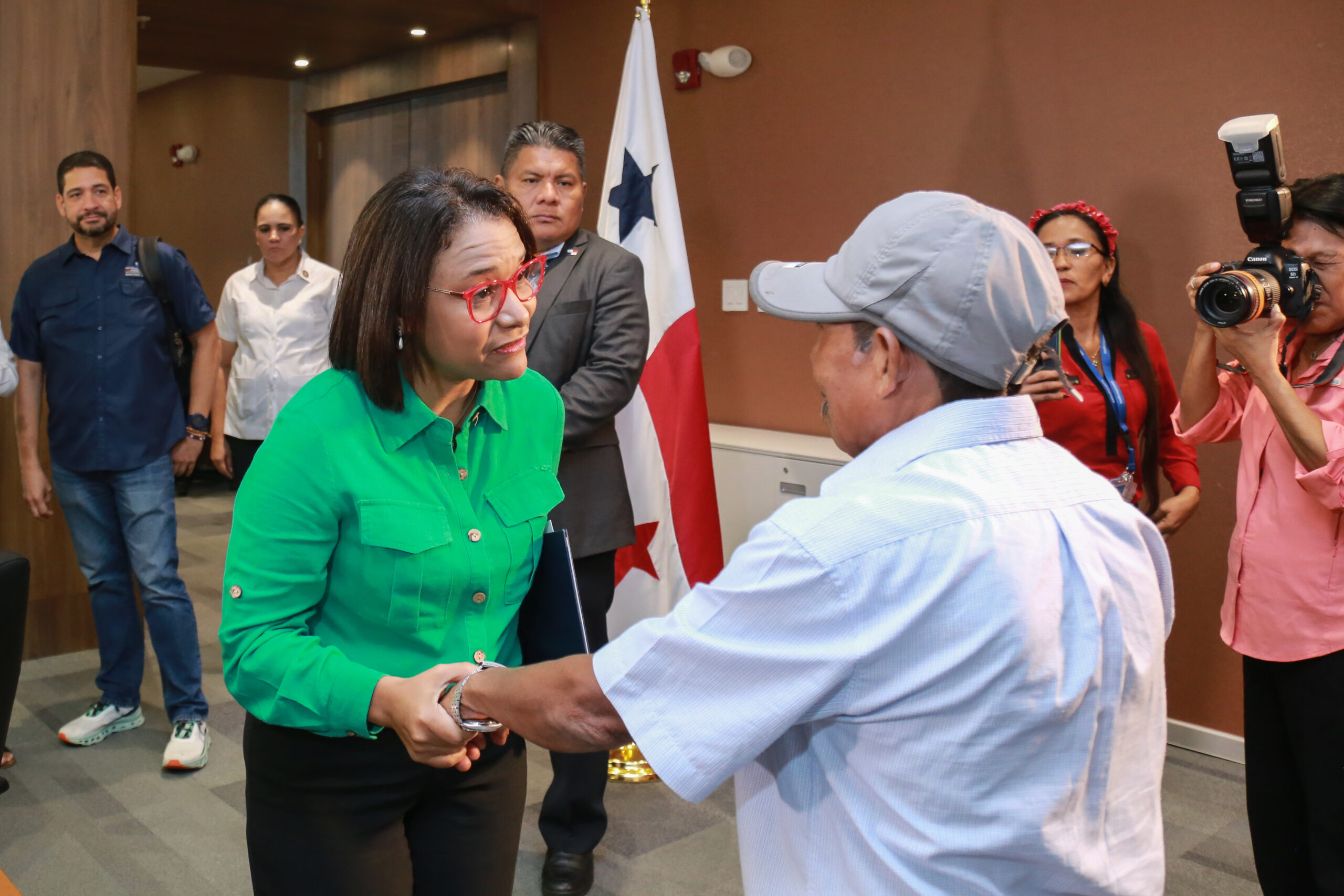
The Minister of Culture, Giselle González Villarrué and members of the Festival met at the headquarters of MiCultura to receive this excellent news, where his delegation gave the Minister a beautiful moola with images of some maracas that recreate the ancient songs, while the highest cultural authority gave an recognition for registration and with the green seal, that's a distinction for those festivals that have to do with sustainability.
About the festival
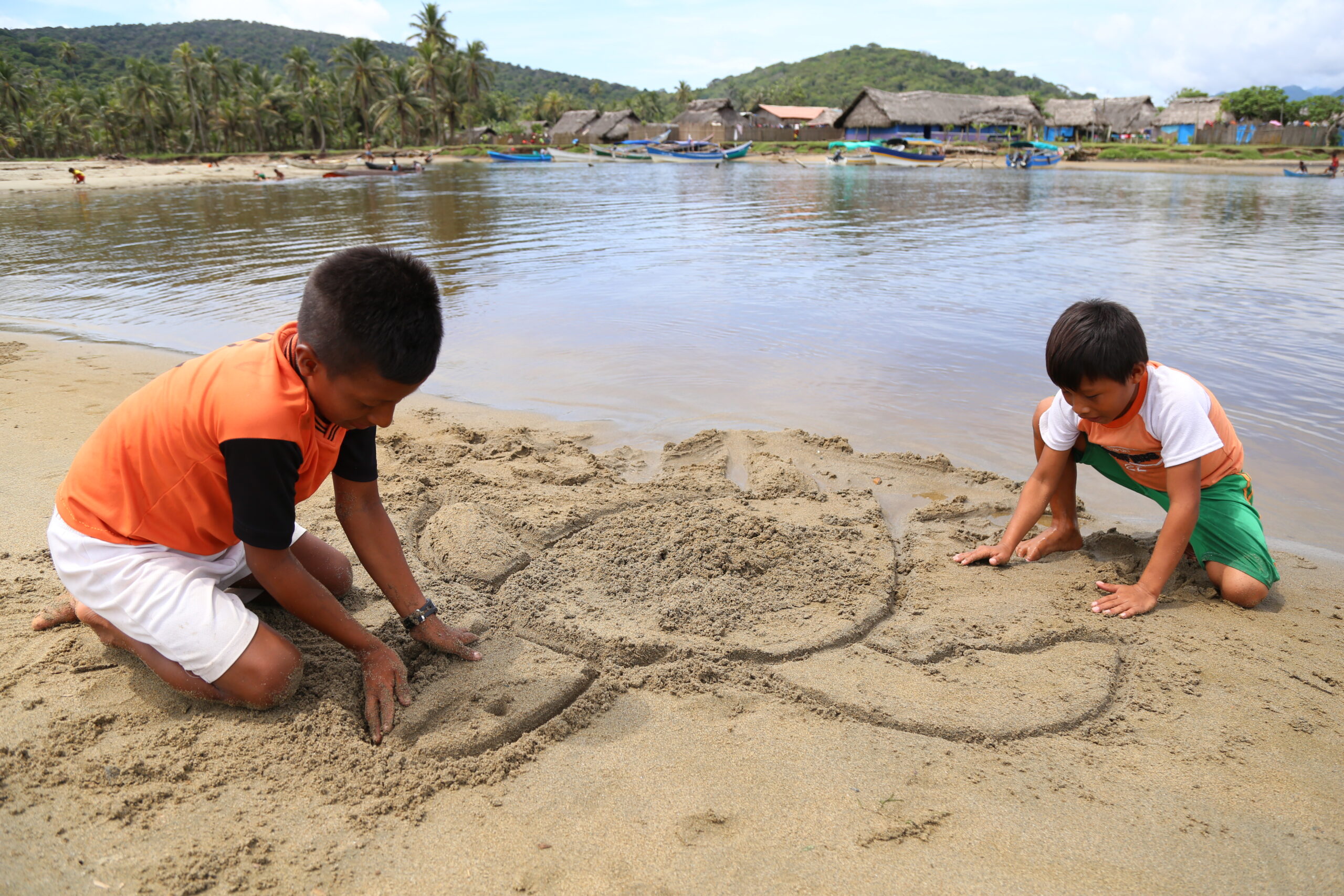
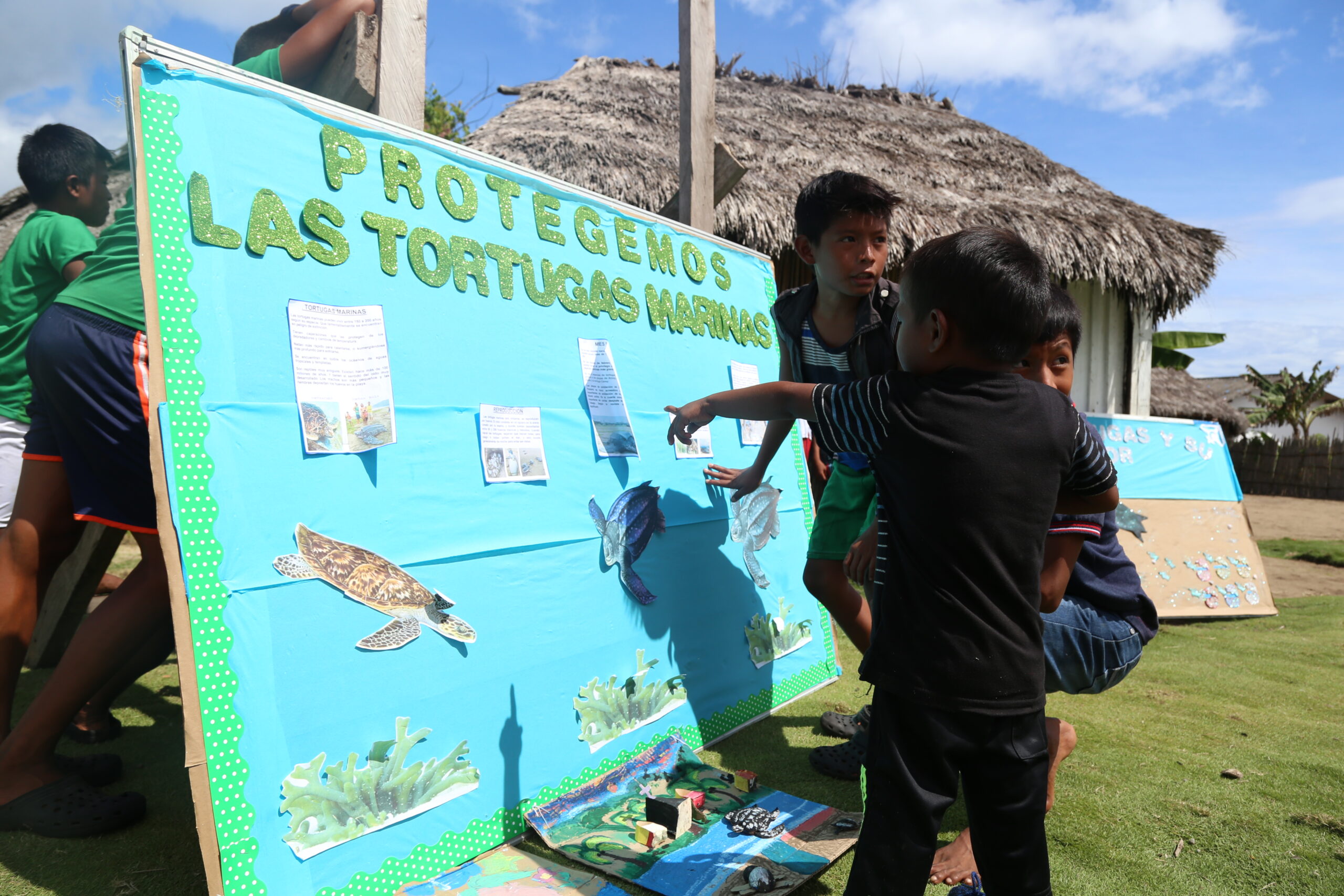
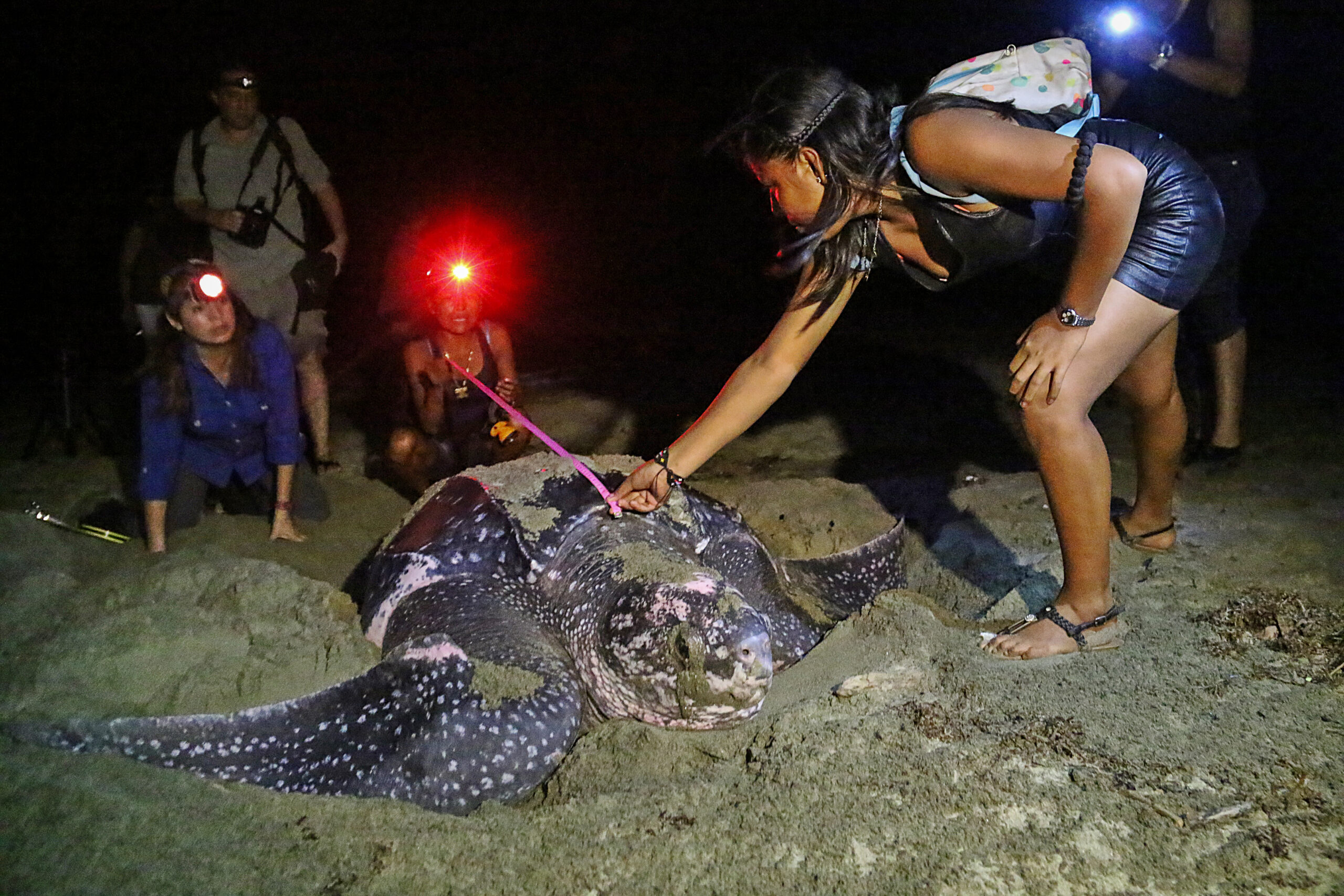
Through the Armila seawater festival, its inhabitants seek to raise awareness and raise awareness among the public at large about the importance of protecting the environment and the conservation of seawater turtles (Yaug Nii) that are currently at an end, through education and traditional good practice of the Guna people, involving the whole community, state agencies, NGOs, tourists and the public at large.
The challenges and efforts to protect and preserve sea turtles at Armila Guna Yala, at Ignacio "Nacho" Crespo's initiative, have been put into place since 1992 and have been saved by thousands of newborns as a result of the work of women, children and young gunas, community volunteers that protect their turtle sisters.