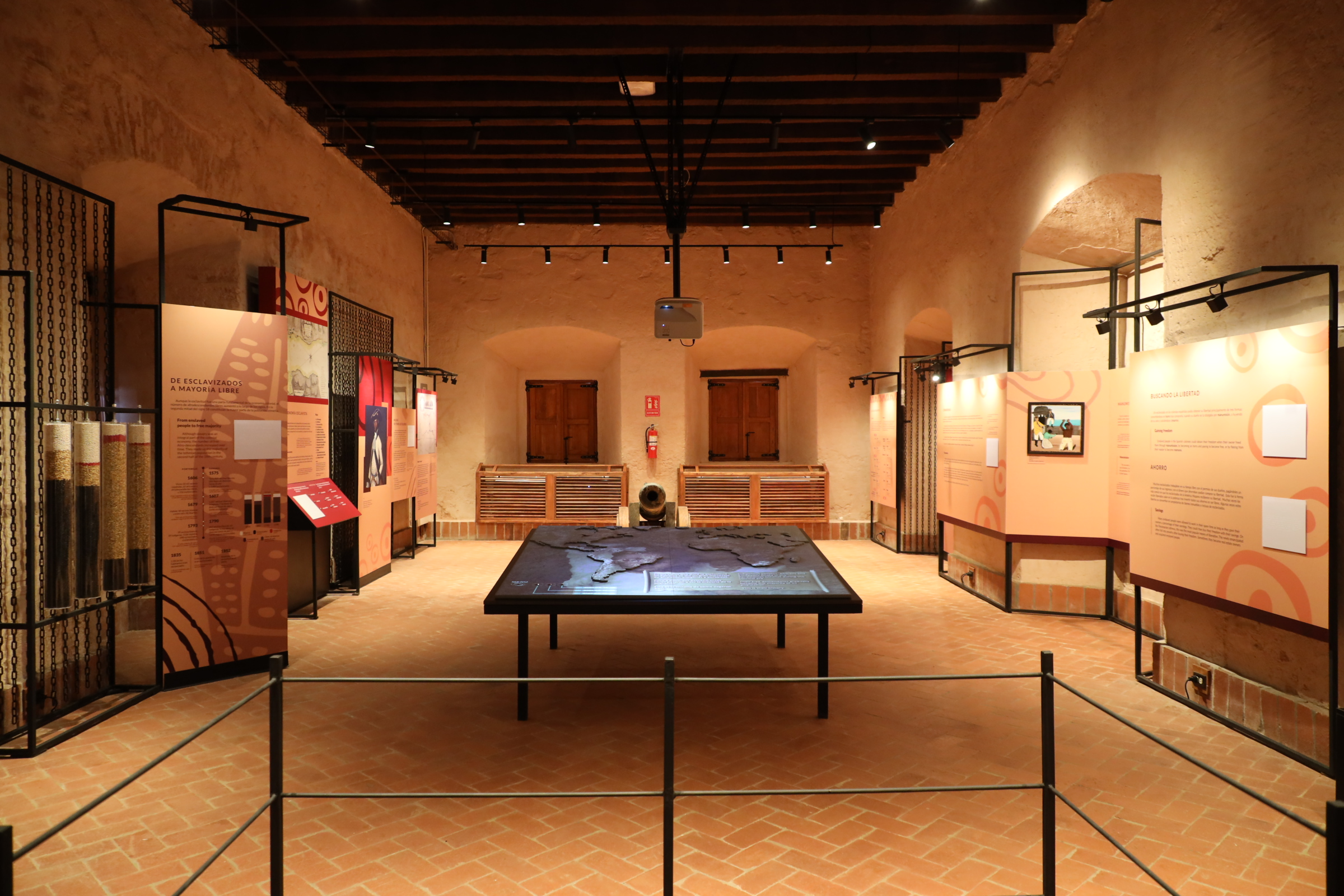
With the surrender of the Royal Customs Building, the Ministry of Culture (MiCultura) introduced to the community of the historic town of Portobelo in Colón province, the Afro-panamaic memory museum, a new enclosure that will tell the history of the enslaved and the inheritance that we have been left with and that will enrich the heritage value of this world heritage site of mankind.
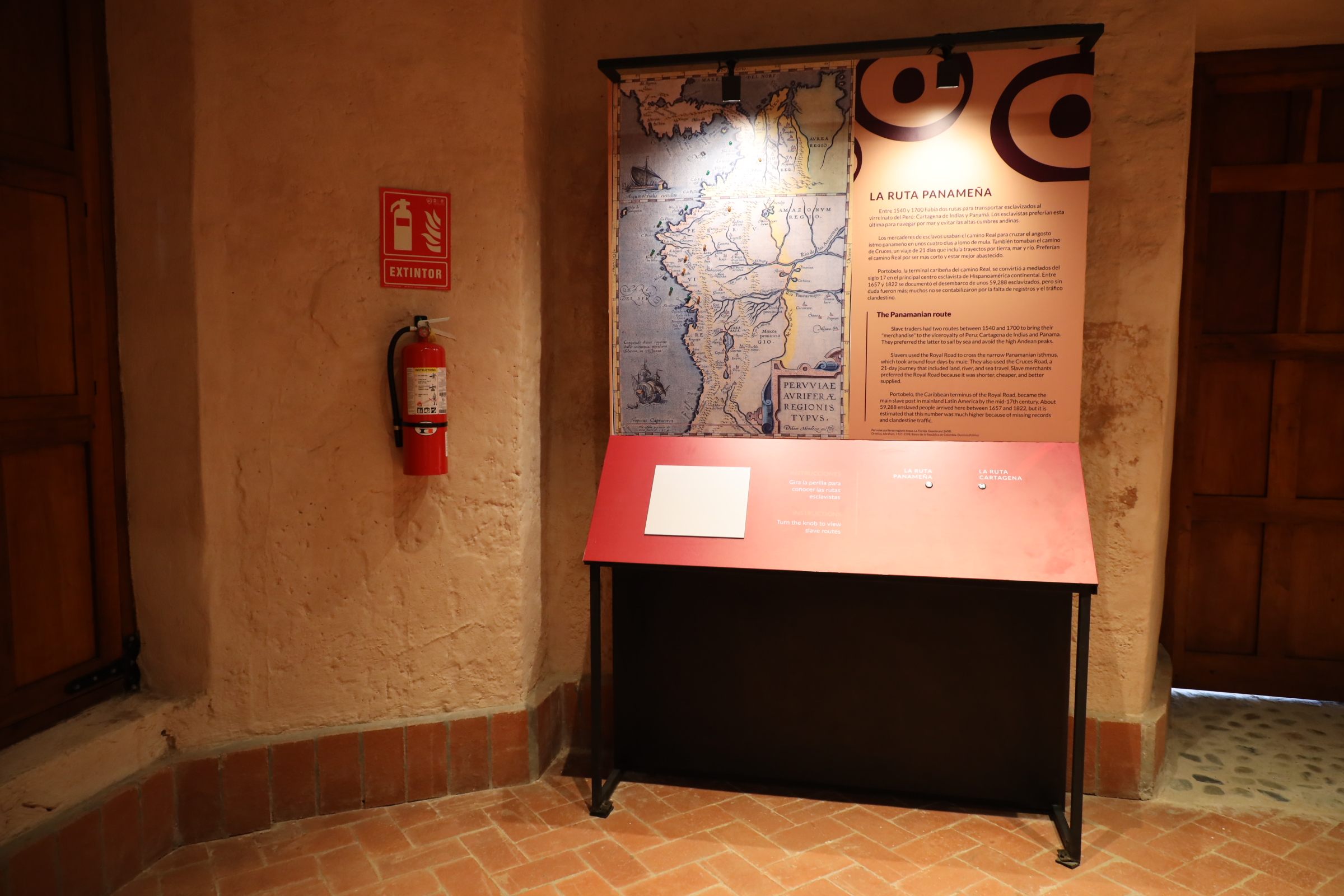
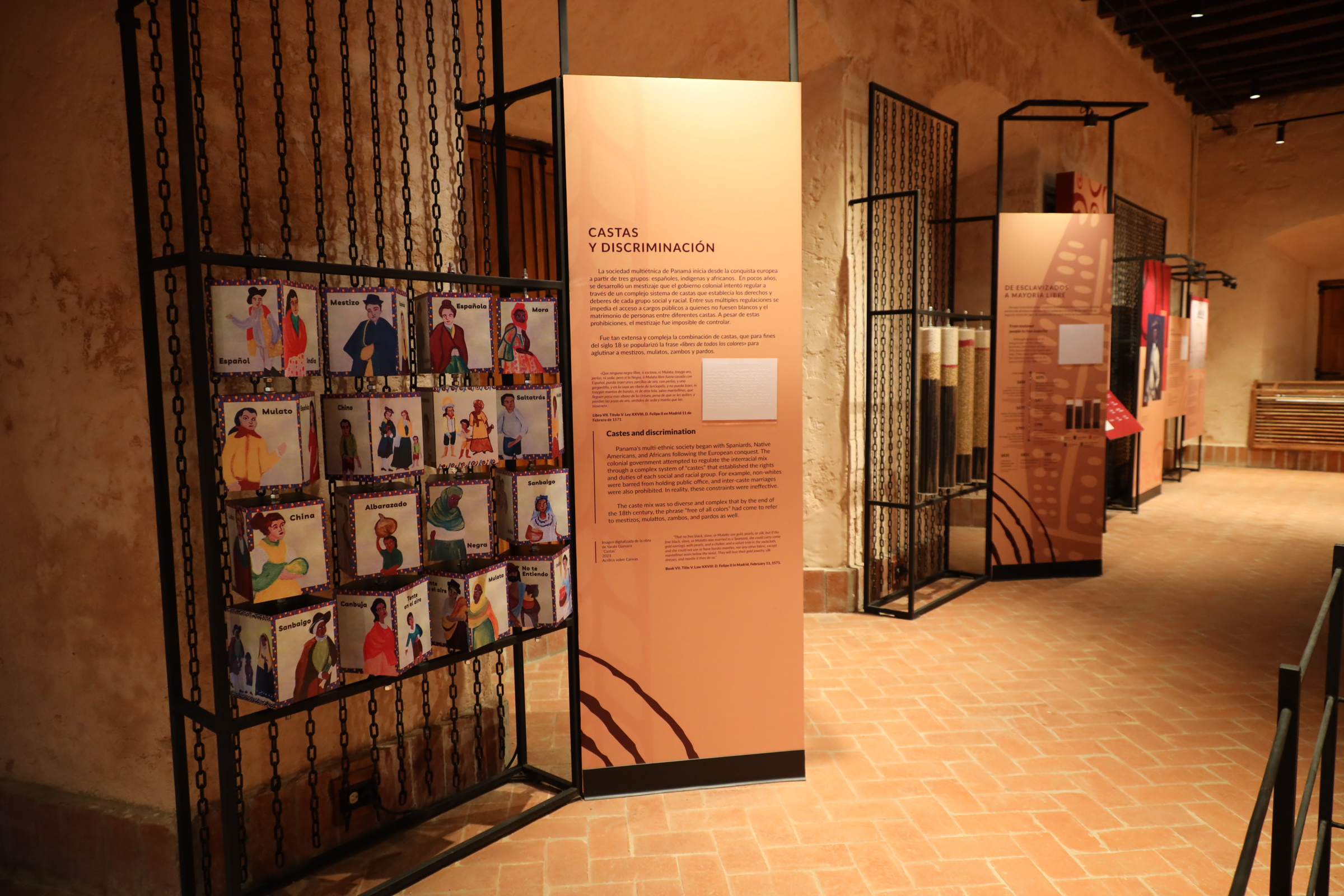
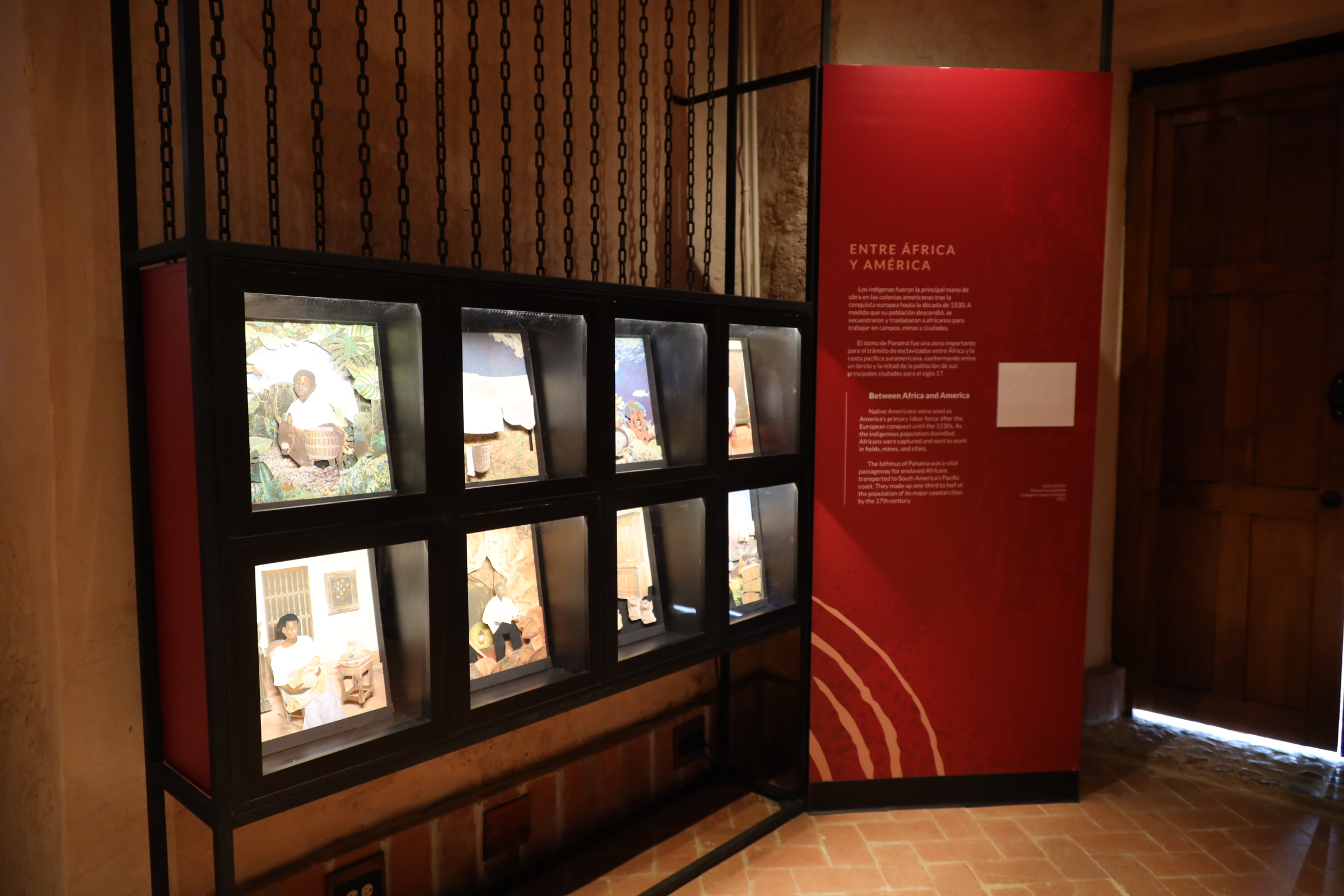
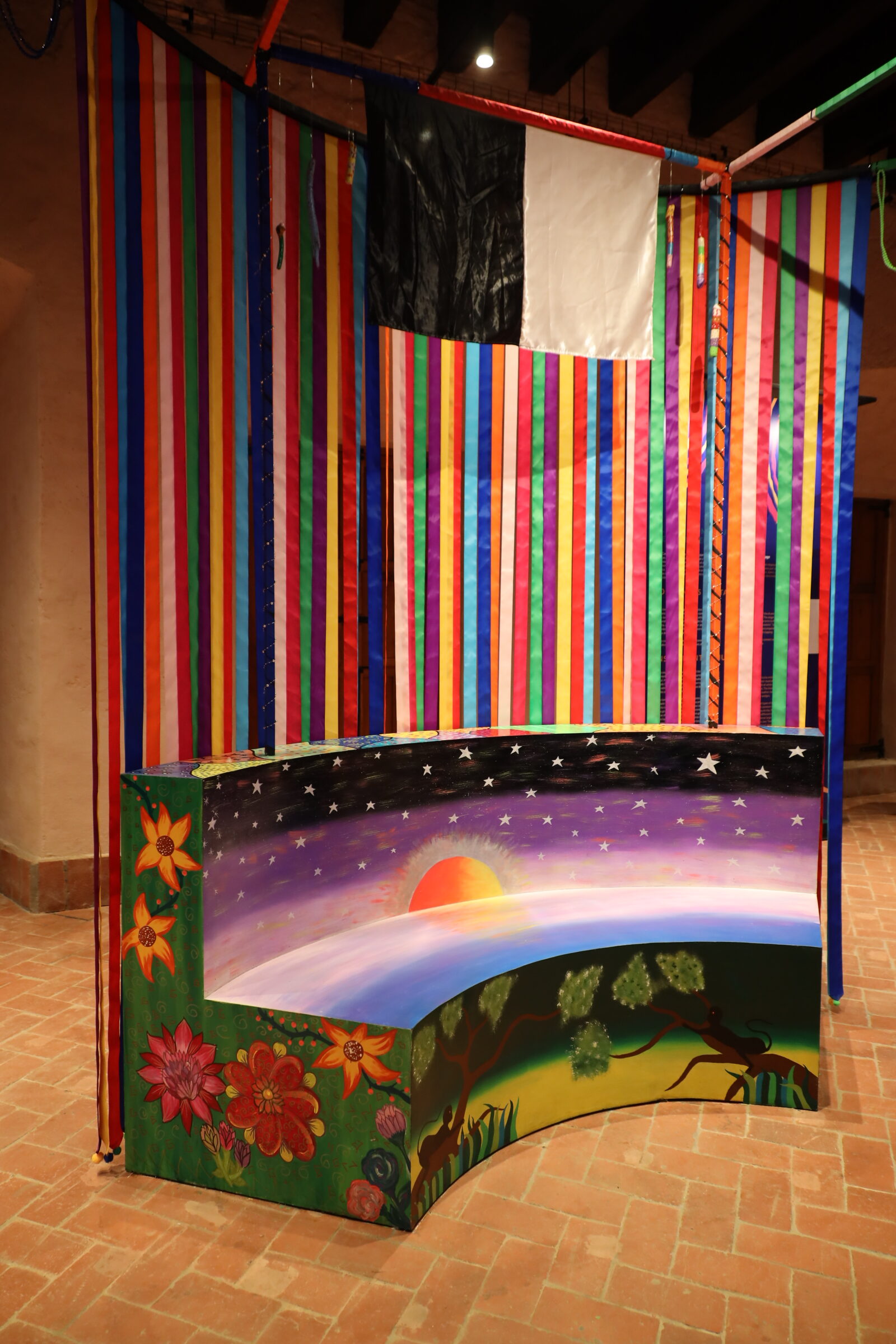
That museum, which was consulted with its inhabitants, have been shown how they wanted to do so. It has the characteristic that they do not have pieces as in traditional museums, but that there is a museum script that will have two sides, as well as be accessible, interactive and inclusive, because it has its contents in a Braille system.
They will be three rooms, the first to discuss the history of enslaved people from the moment they reached Portobelo and their development in society, their participation within the Portobelo economy and about the liberation processes that have arisen.
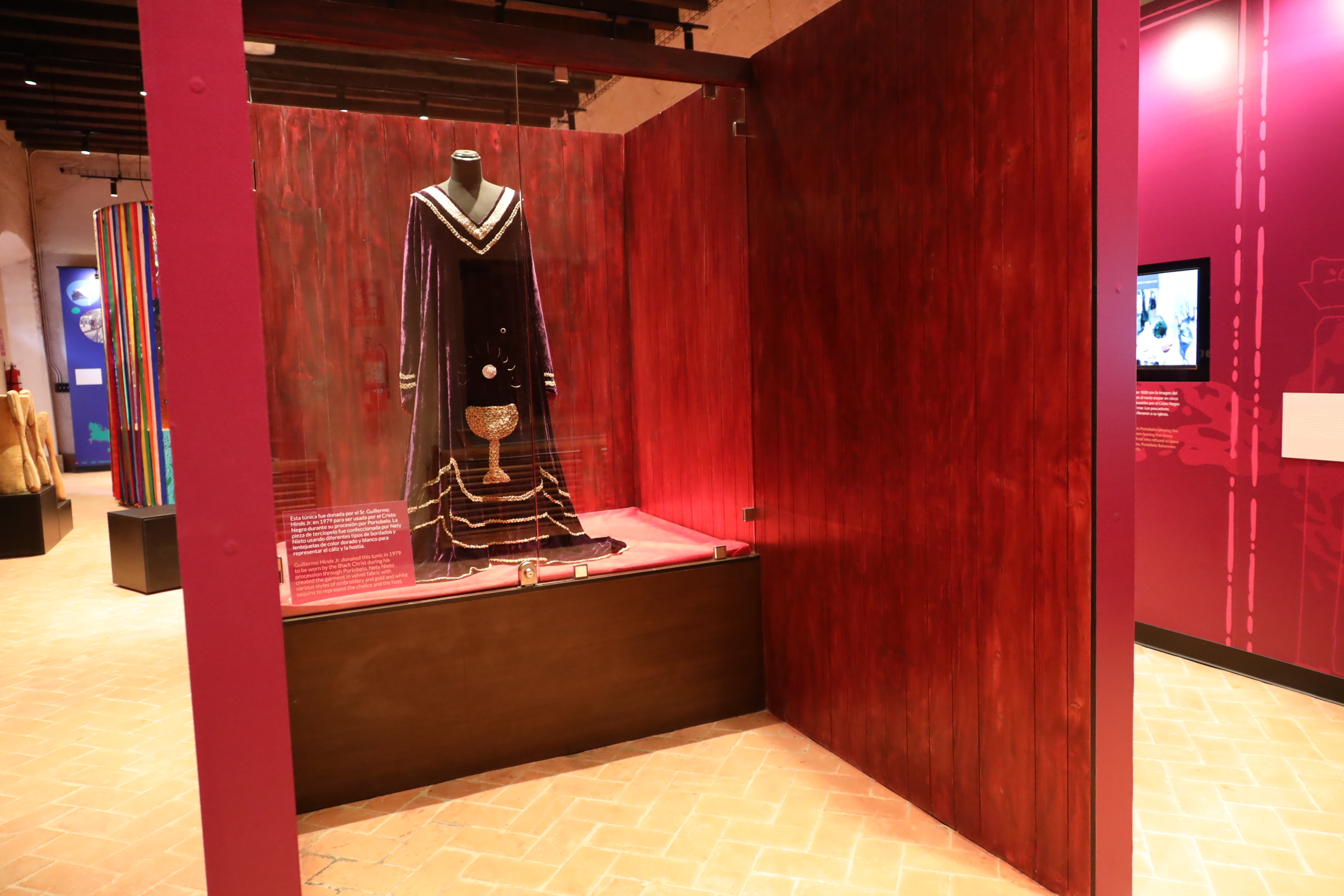
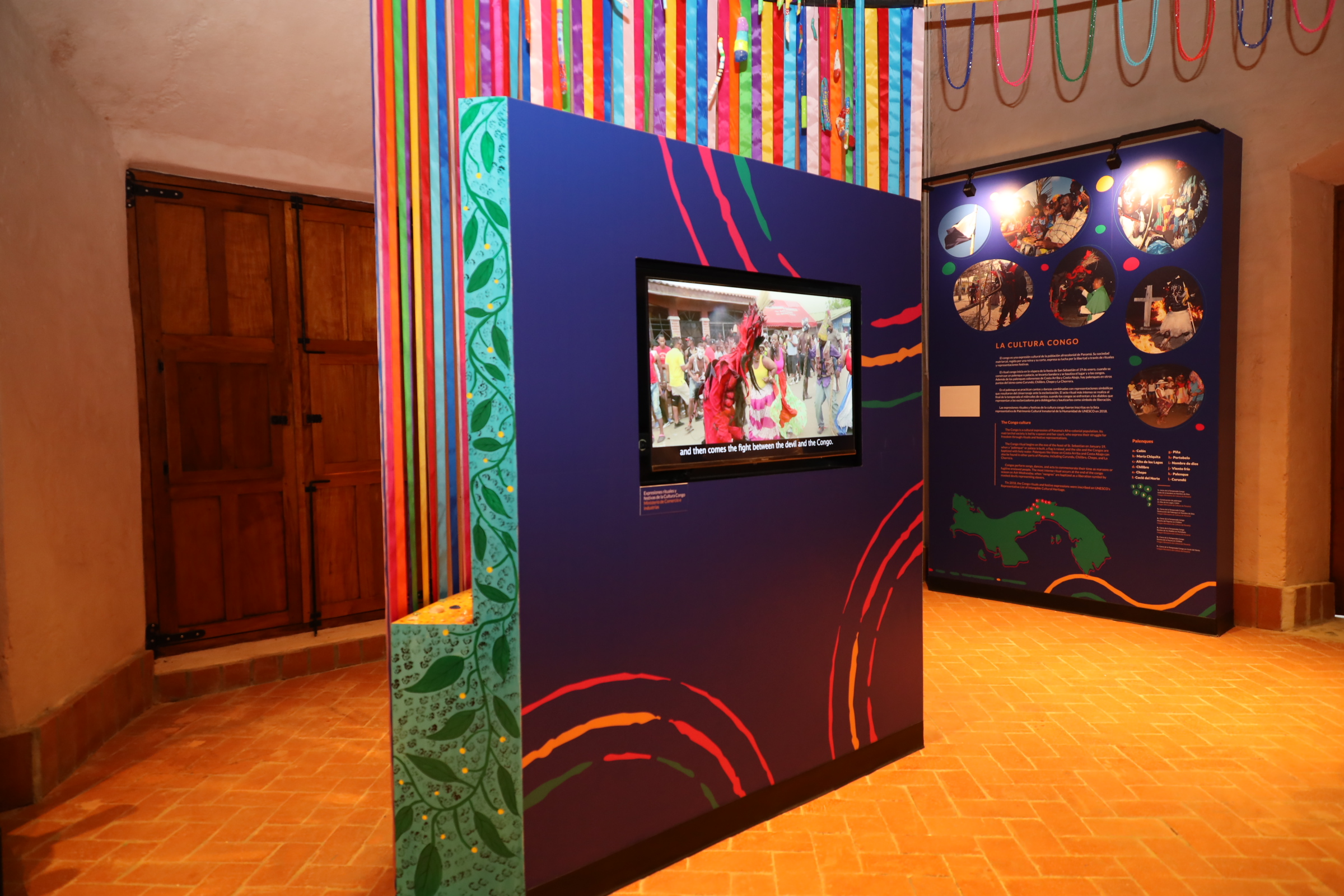
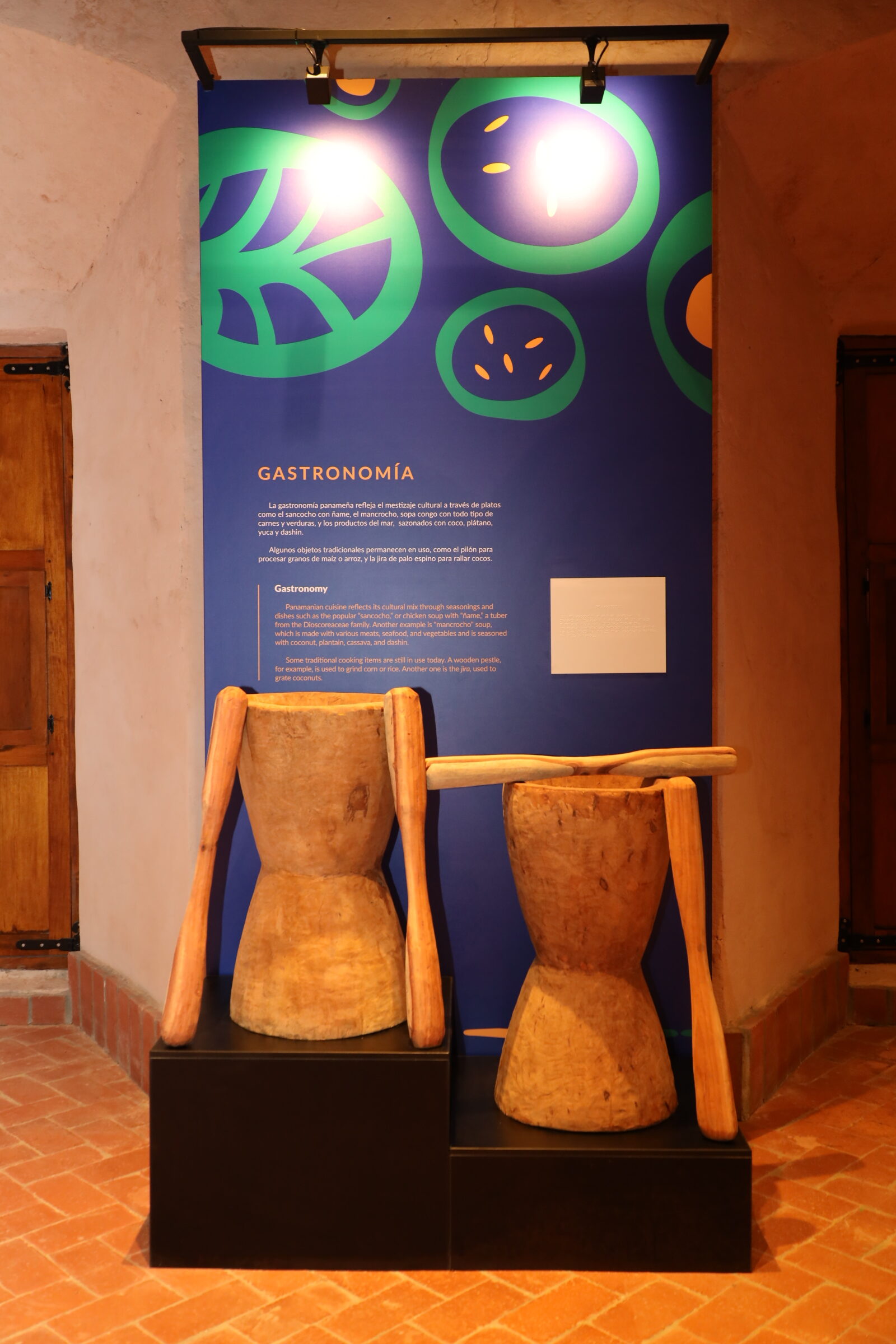
The second room will talk about that inmaterial heritage we have of people of African descent, as with the cultural expressions congo (declared as an inamministerial heritage by UNESCO), the aspects related to his rituals and beliefs, the traditions of the Black Christ, why so many parishioners and the history of how he came to this place as well as the visitor will also know more about the gastronomy and music of Portobelo.
The third room, is the so-called outside room that will be composed of available panels that will discuss about the customs building, its fortifications that are around it, the fairs that have been given there that have given it a global relevance especially in commercial and that today are part of the history of the isthma.
With regard to the surrender of Portobelo Customs, Minister Giselle Gonzalez Villarrué emphasized that "we have fulfilled tasks 3 and 5 of the Action Plan" Uniting Forces "that includes the development of the National Plan for the Protection of Natural and Intangible Heritage and the strengthening of the National Network of Museums. We will have an opportunity to get to know about the tenacity of Afro-Panamanian memory and to achieve freedom with all its challenges."
According to Anayansi Chicpacho, the conception of this museum responds to the need to know those stories of the main people of Portobelo and the importance of people of African descent in colonial and today's society.
"The decolonization process in museums is a modern transformation that today's museums conduct to put aside traditional opinions, a process to which institutions are submitted to extend perspectives that reflect beyond those of the dominant cultural group, particularly the white colonizers, where the participation of actors, especially of the people, is valuable to the museum."
The museum will be open from Tuesday to Sunday from 8: 00 a.m. to 4: 00 p.m. and will be free of charge