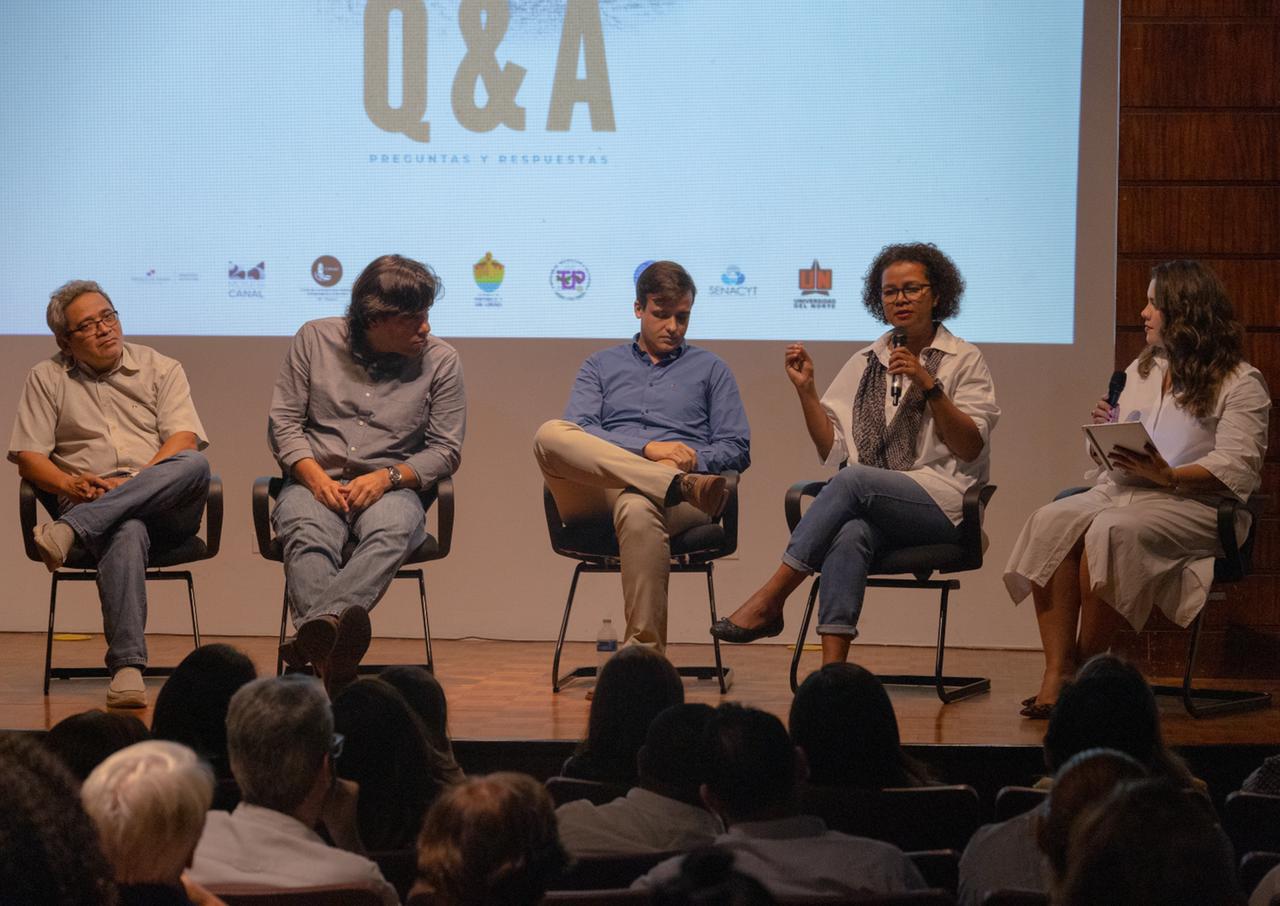
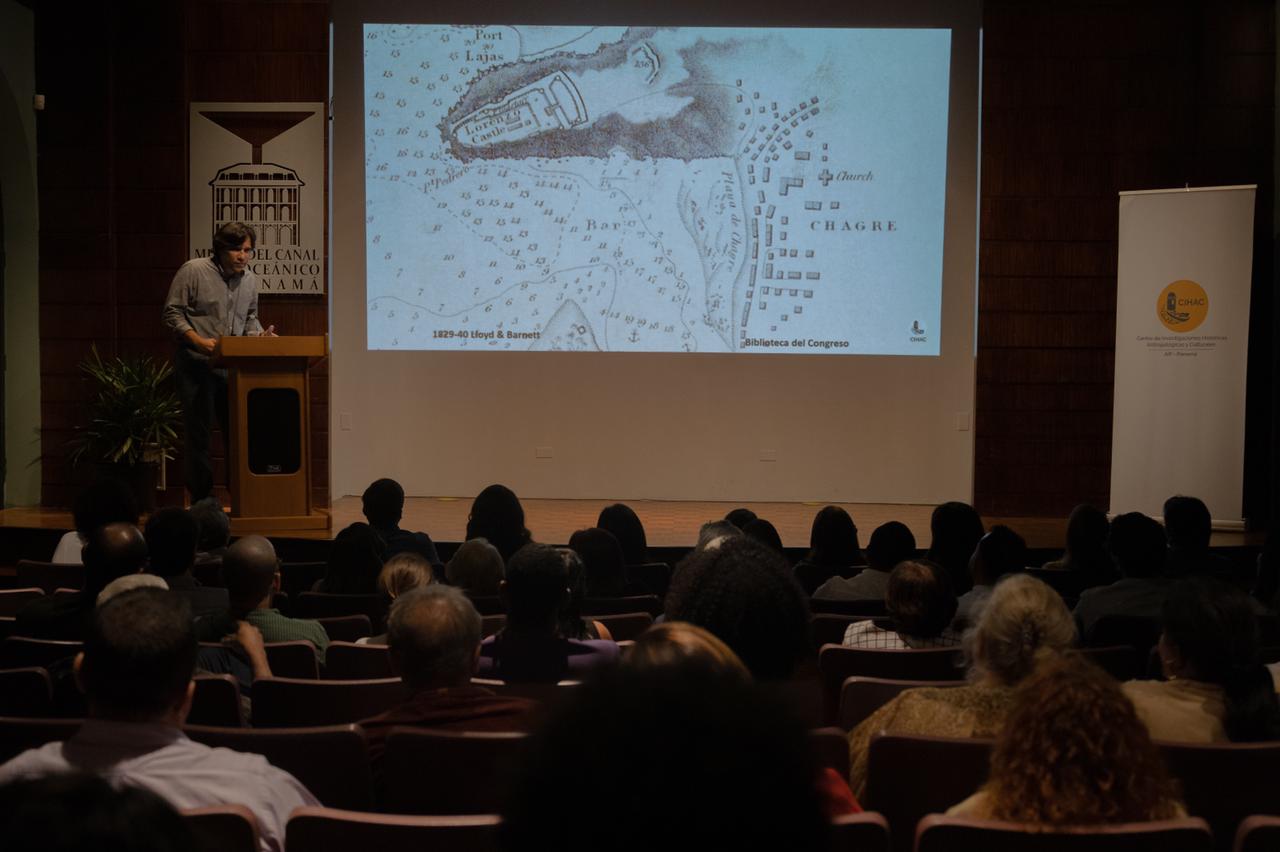
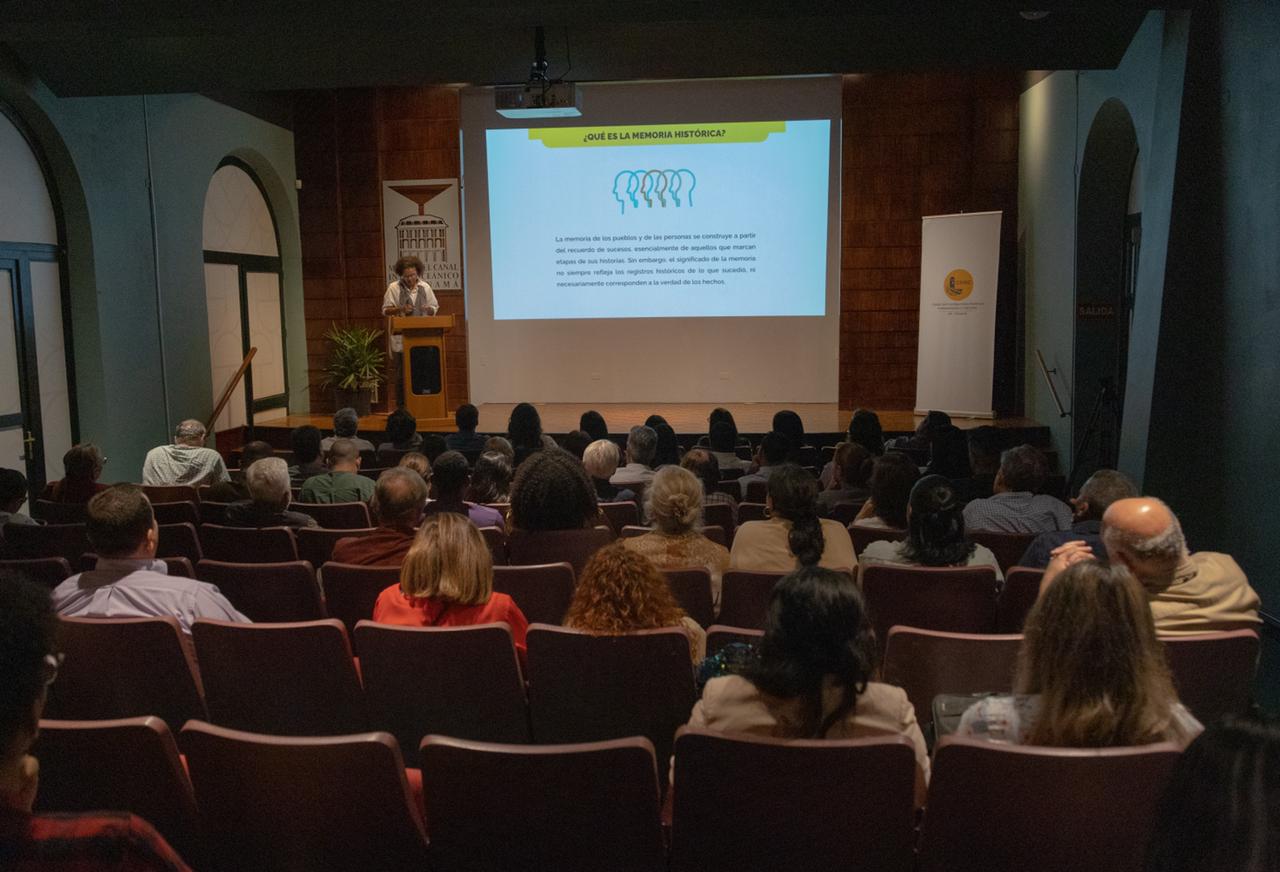
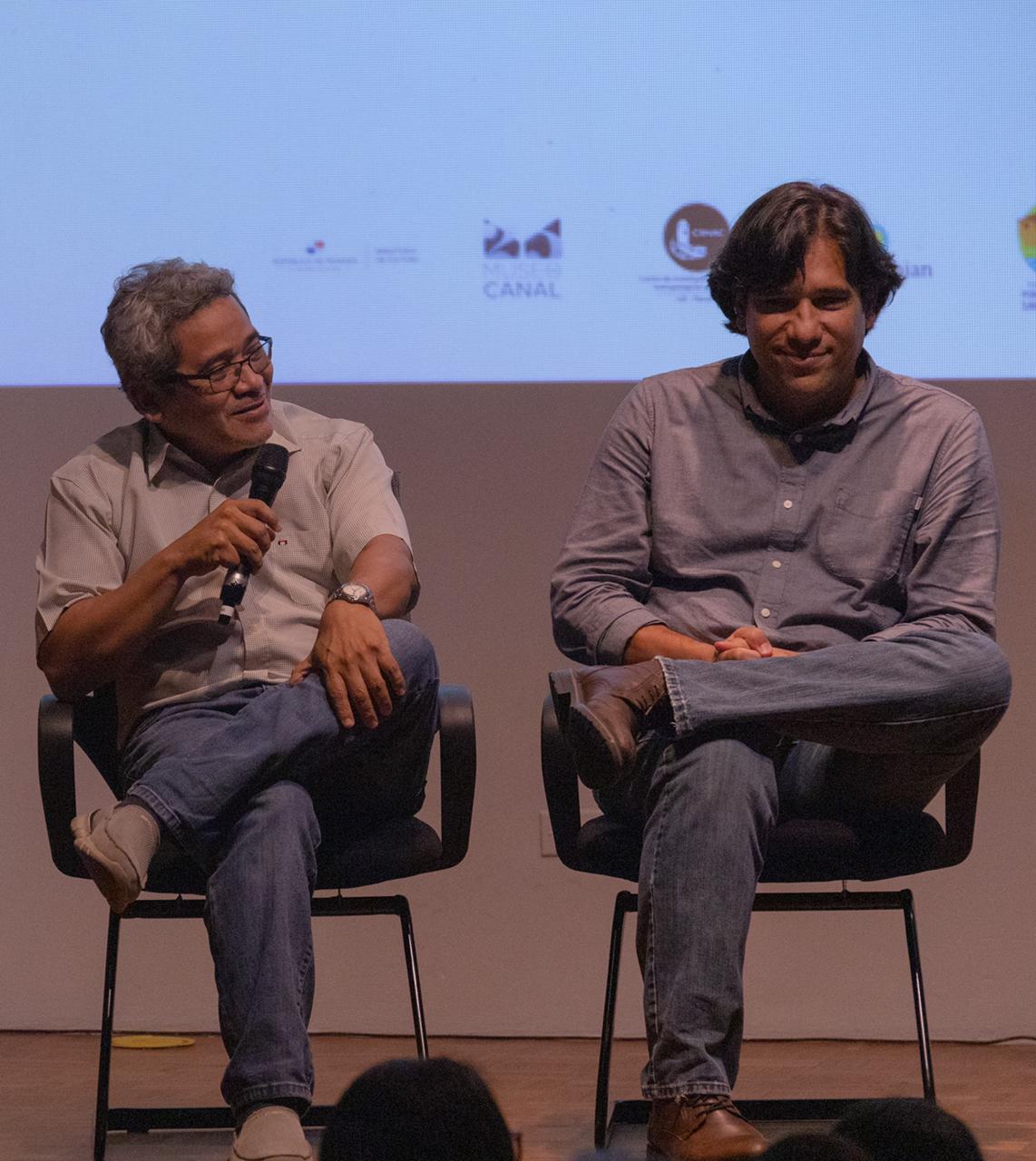
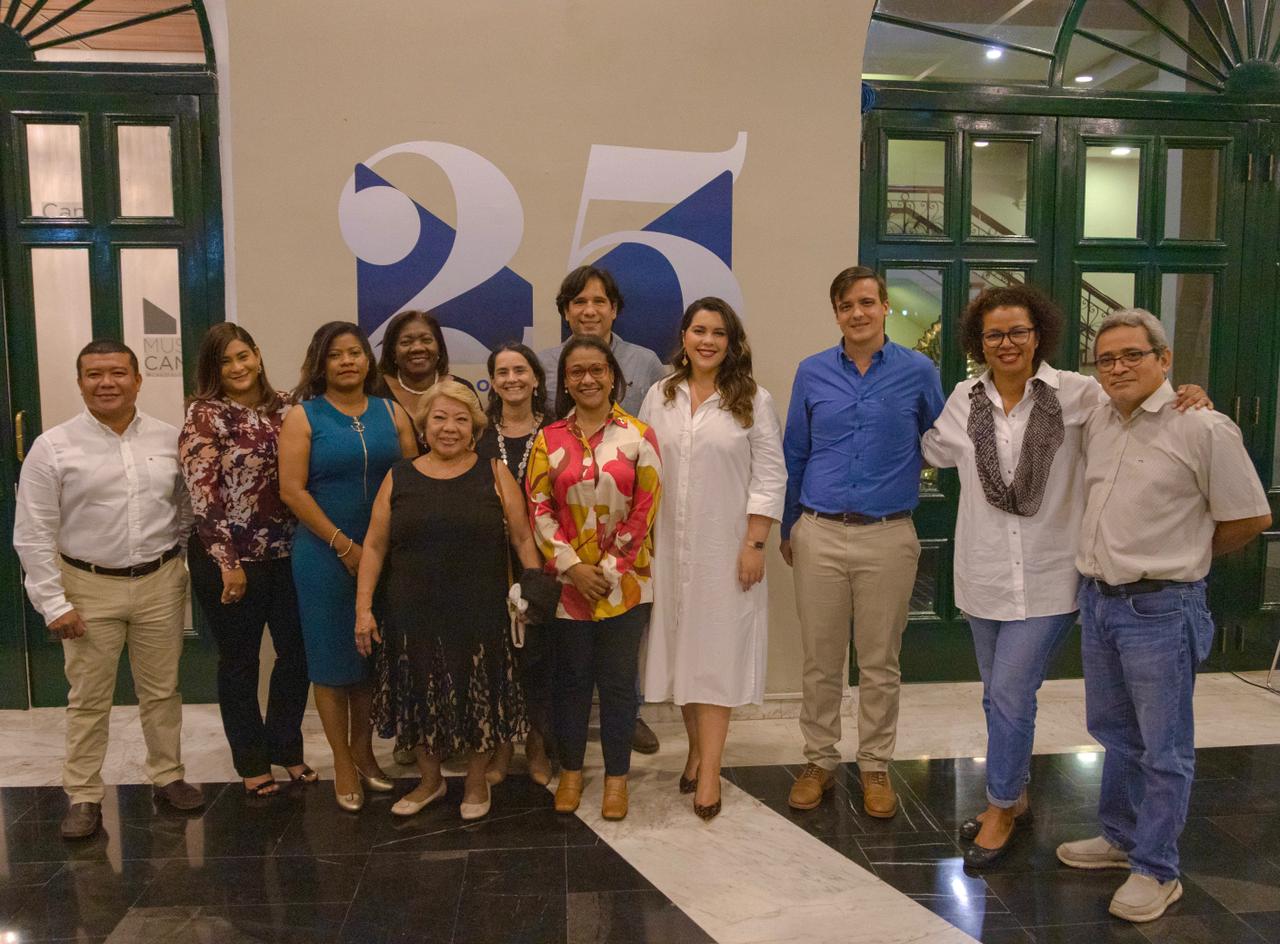
The first results of the findings of the archaeological works performed as part of the works for the revitalization of the castle of San Lorenzo and the Royal Chagres, a project financed by the National Secretariat of Science and Technology (SENACYT) and led by the CIHAC AIP of the Ministry of Culture (MiCultura), were presented with a discussion as a stage.
On this day with as his title "The Origins of the San Lorenzo Castle and the People of Chagres" the multidisciplinary scientific team composed of Tomas Mentizábal from the Research, Historical, Anthropological and Cultural Center (CIHAC AIP), Jean- Sébastien Mourcellot from the Canal Museum, Juan Guillermo Martínez from the University of North Barranquilla, Alexis Mojica from the University of Technology of Panama, Guillermina De Gracia from the Regional University Centre of Coclé- Universidad de Panama and Linneth Sutira from the research and from the town of Qatelicas and from the Archaeological Research and from the town of Qatologists and from the Cultural Research and Research and Cultural Research at the University of Qatar.
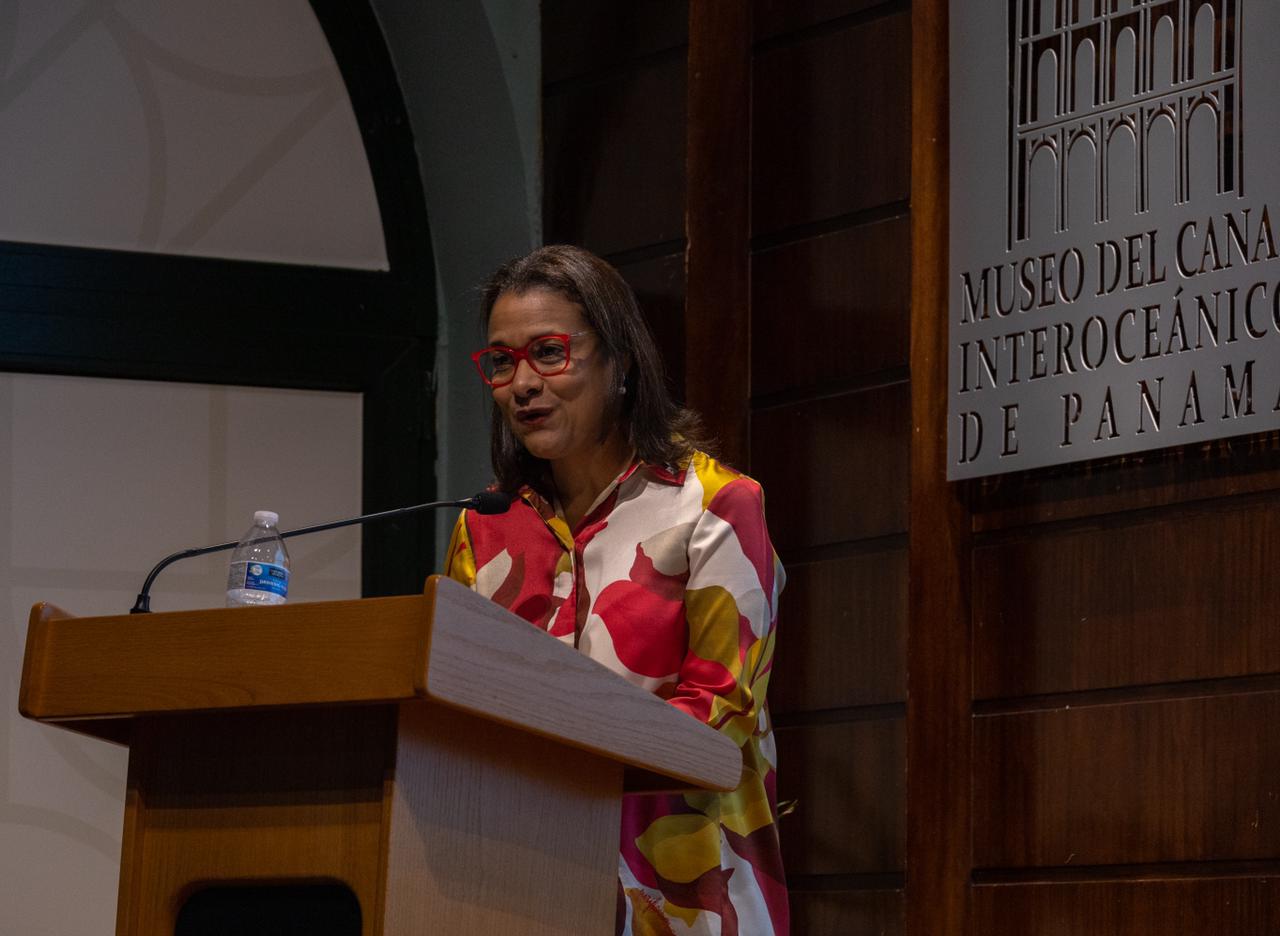
At the opening of this event, Giselle González Villarrué emphasized "that the development of this initiative adds to the list of achievements achieved by CIHAC AIP is vital, as part of his performance of his mission that includes the study and preservation of this historic and archaeological site, as this is a crucial point of value for understanding the logistics importance of Panama's isthmus that, through time, has served as a key beacon for global trade, by offering a short path to join two seas."
González Villarrué highlighted the work of CIHAC "that, in just two years after its operations, as they have been: the publication of scientific articles in renowned academic journals, the organization of an international high level congress and presentations at important scientific forums."
That inter-institutional synergy was directed by the archaeologist Tomas Mendizábal of CIHAC AIP, scheduled for a period of two years, and was 6 months old, and his stage of collection of historical data in archives and his archaeological stage in field was completed.
In this respect, Ana Elizabeth González, Director of the Canal Museum noted that "The rescue of our country's heritage and historic memory and the promotion of cultural rights are part of the main aims of the Canal Museum. Our museum is a platform for dialogue, where we find history, culture, science and art. I have the certainty that the future of research and its impact are this multidisciplinary and collaboration that allows for more depth and layers of reflection - and I'm sure that this will be one of many more collaborations to come."
That presentation increases documentation and expands the history of one of the most iconic sites of our heritage, the castle of San Lorenzo El Real del Chagres.