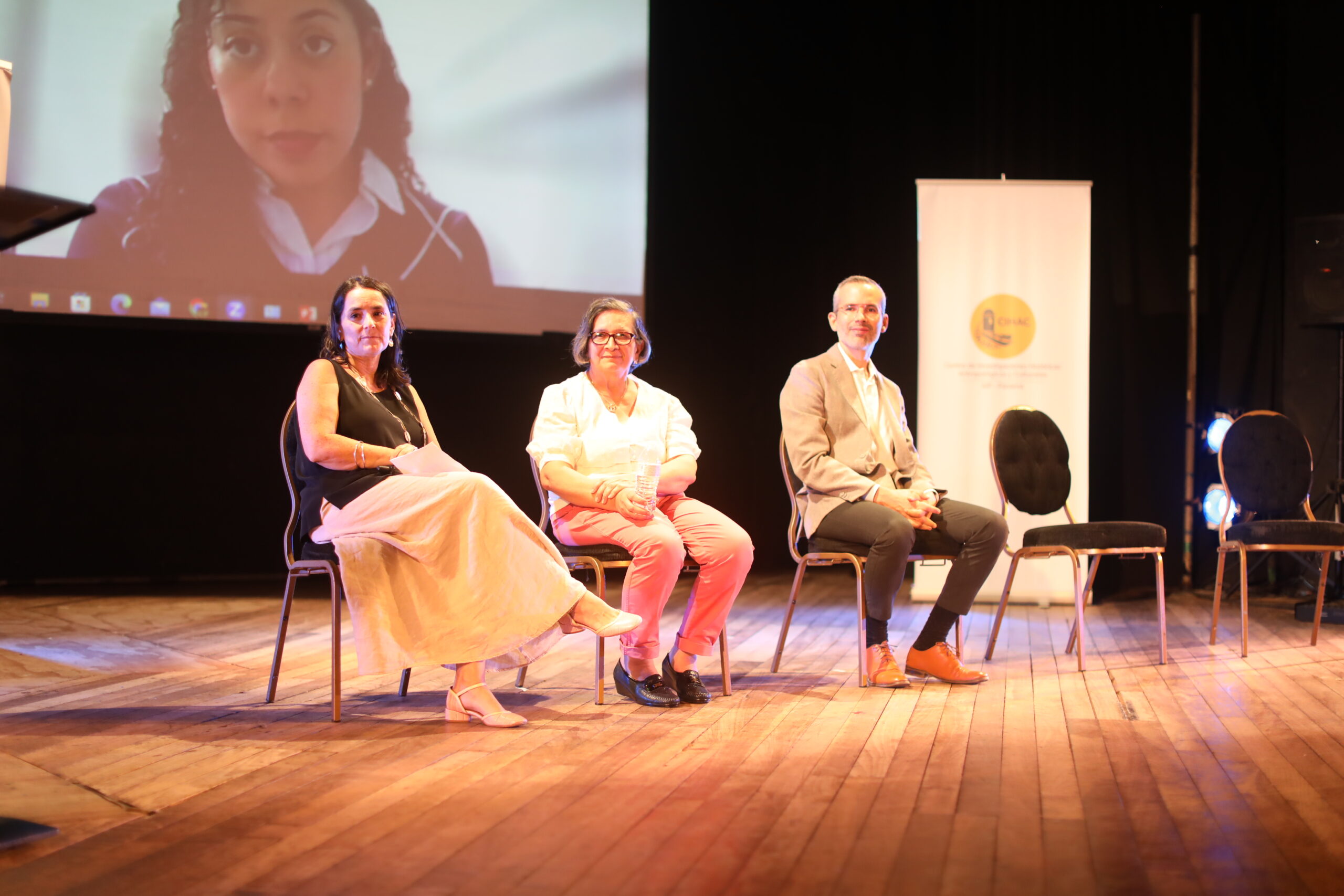
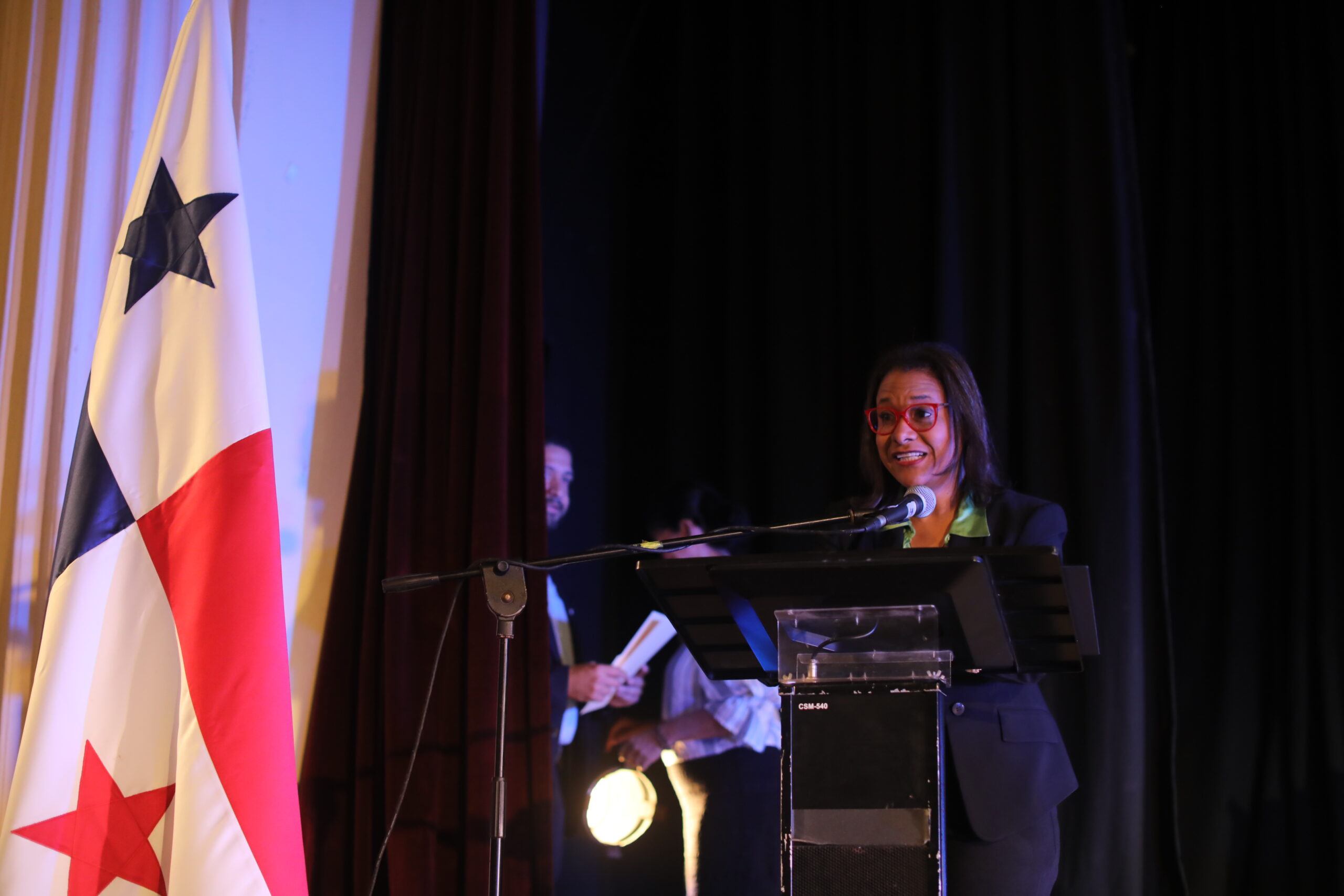
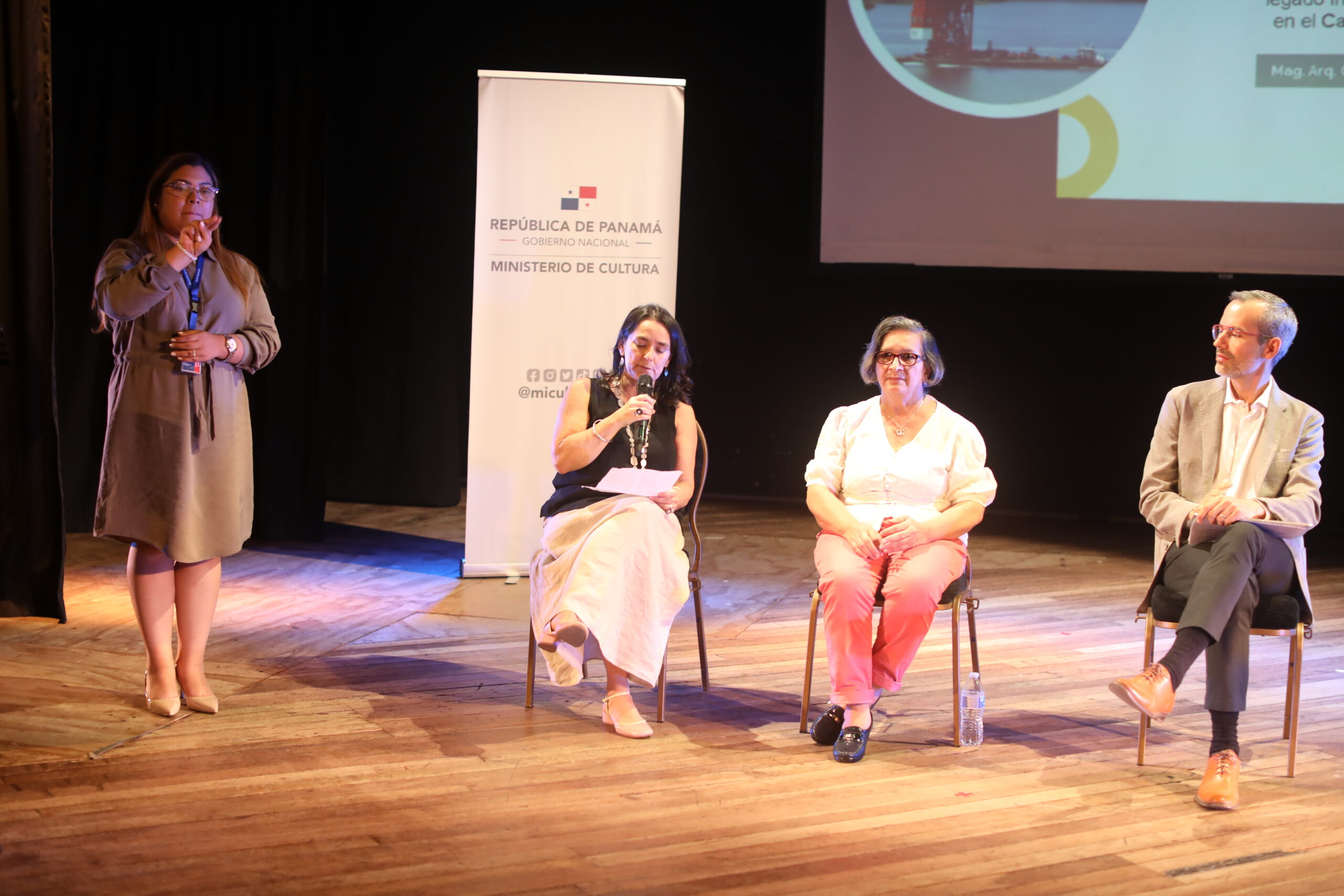
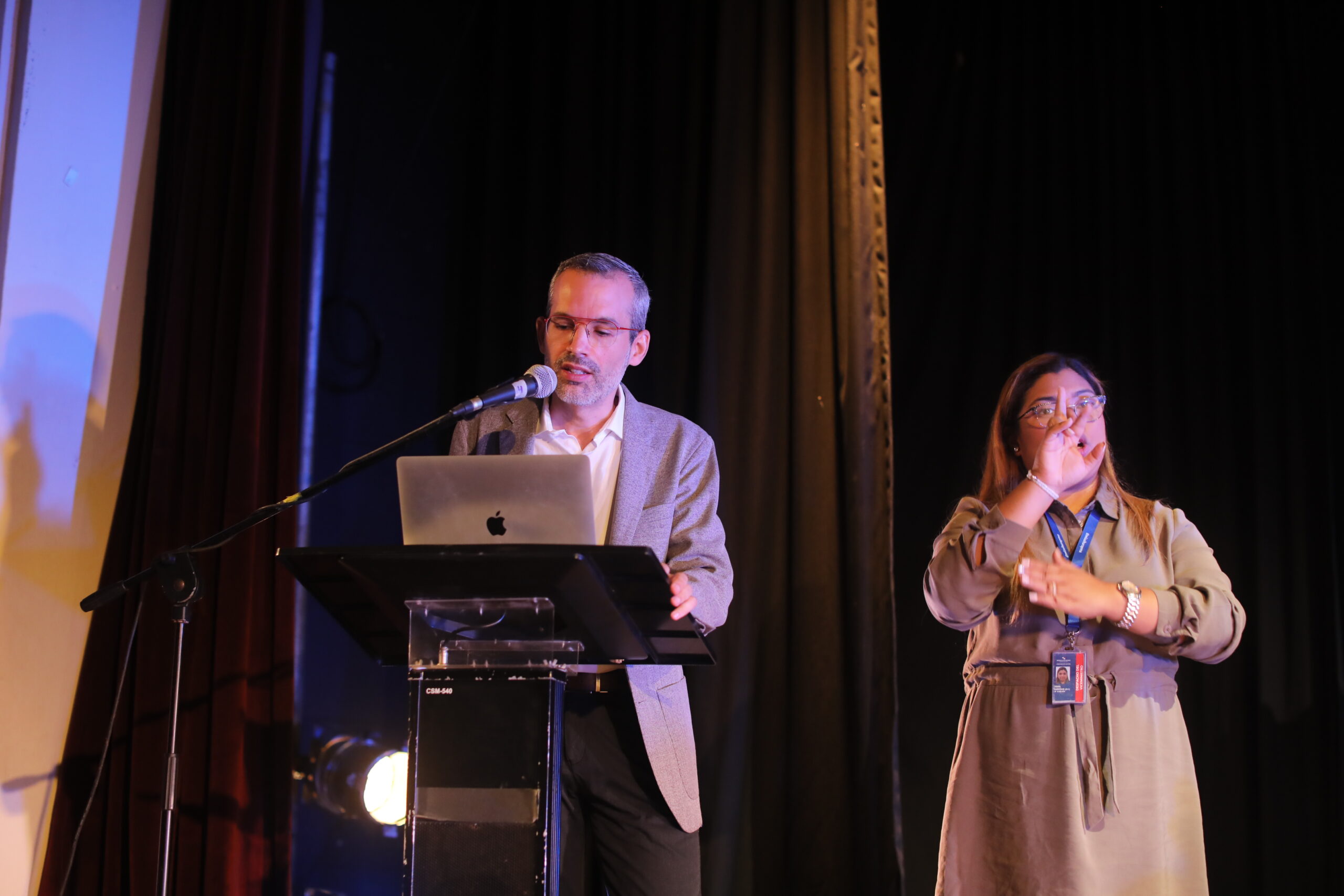
The Center for Historical, Anthropological and Cultural Research AIP (CIHAC-AIP), an allied entity of the Ministry of Culture (MiCultura), held a presentation of the results of the studies conducted by its visiting researchers in 2022.
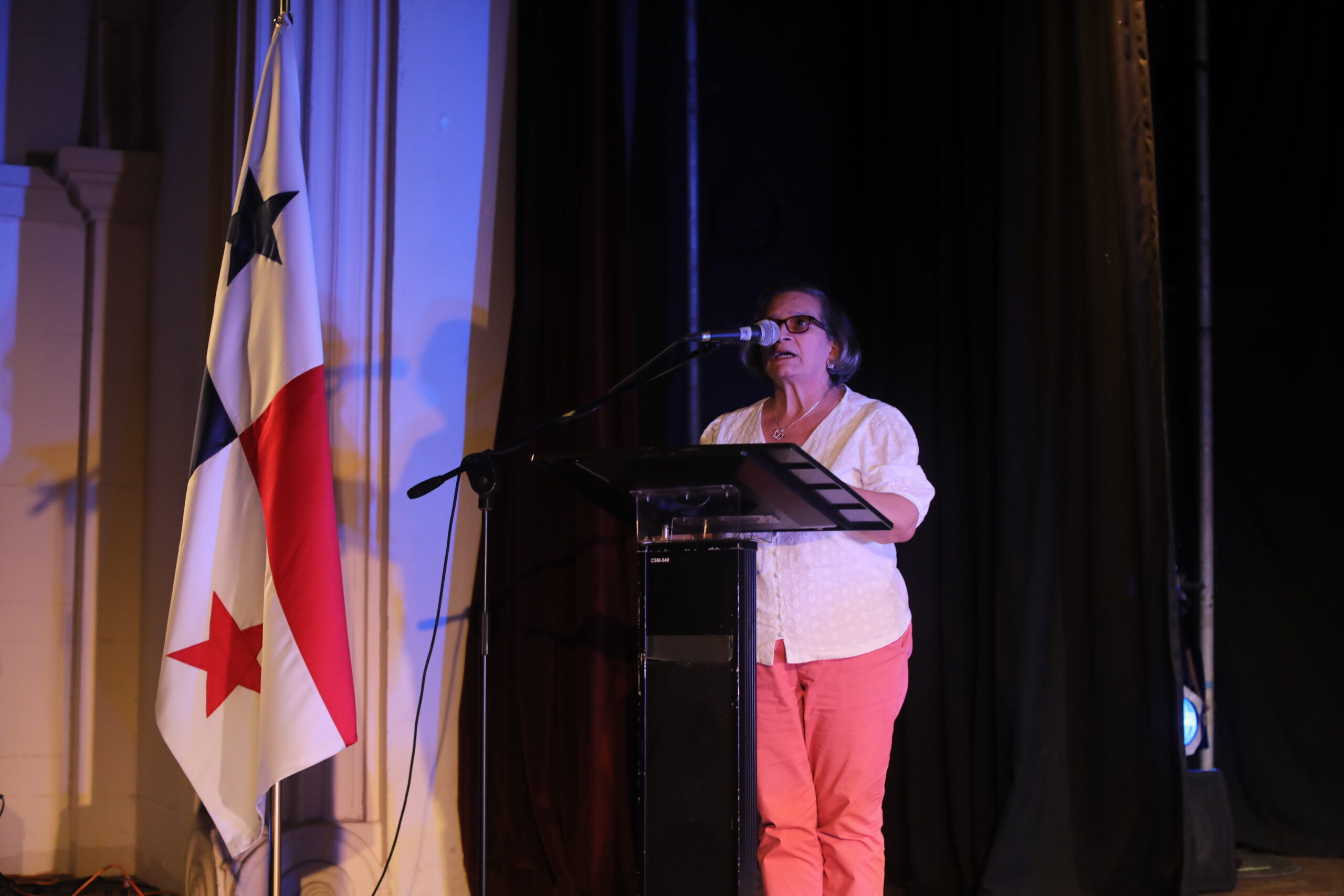
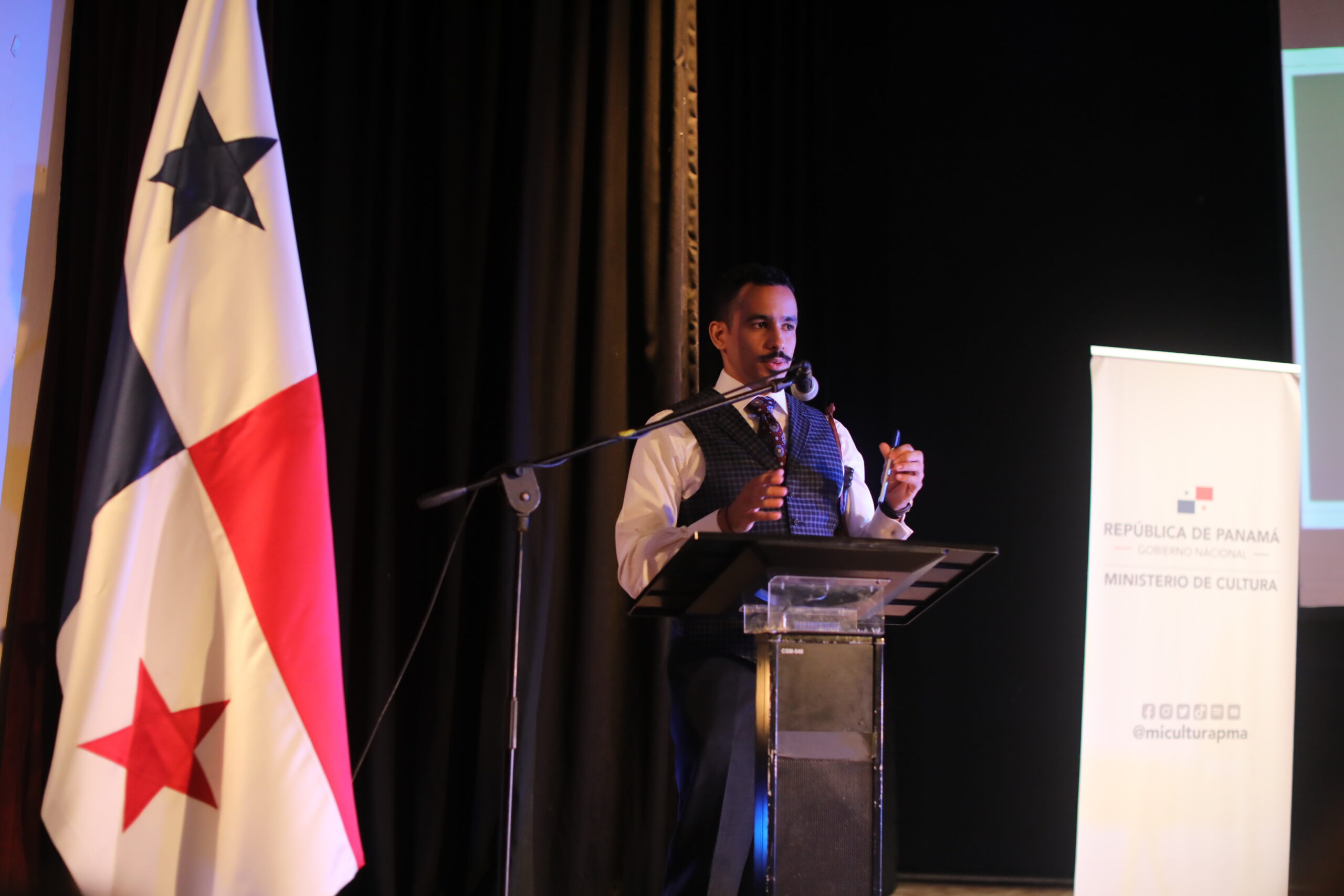
The event, held at the Anita Villalaz Theater, was opened by the Minister of Culture and president of the board of directors of CIHAC-AIP Giselle González Villarué, who emphasized the importance of promoting cultural rights, intercultural dialogue, sustainable development, knowledge of the past and protection of the Panamanian cultural heritage.
Following that, Dr. Marixa Lasso, CIHAC's executive director, presented the Visiting Research Program and noted that "Research residences work as an 'accelerator of projects' and provide opportunities for professionals to have a time of two to six months to push a research project, either to start with, advance with or finish with. Research residences are open to other national institutions, such as universities and independent researchers."
The visiting researchers of CIHAC-AIP are professionals from different disciplines that conduct research projects about issues related to the history, culture and cultural heritage of the country.
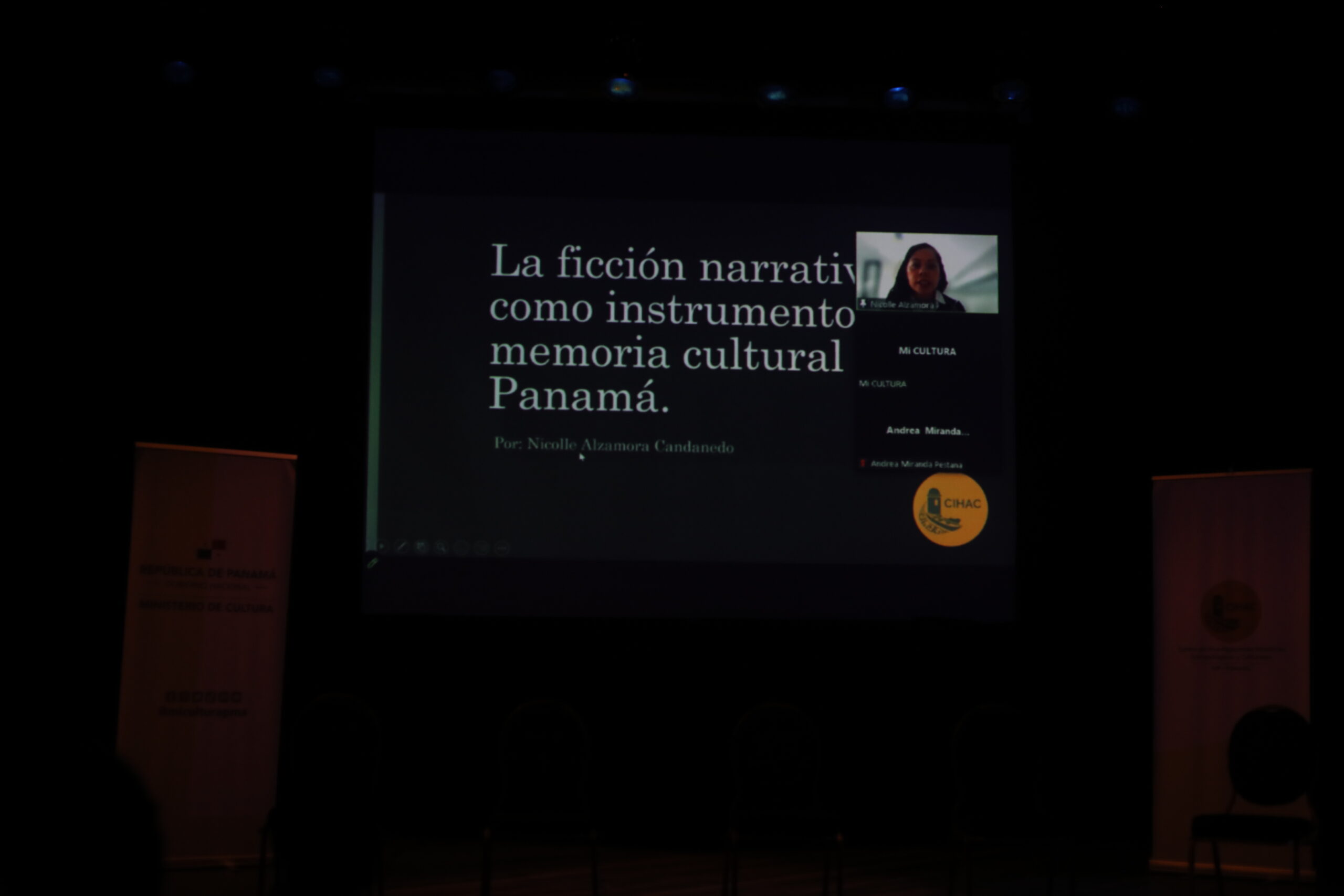
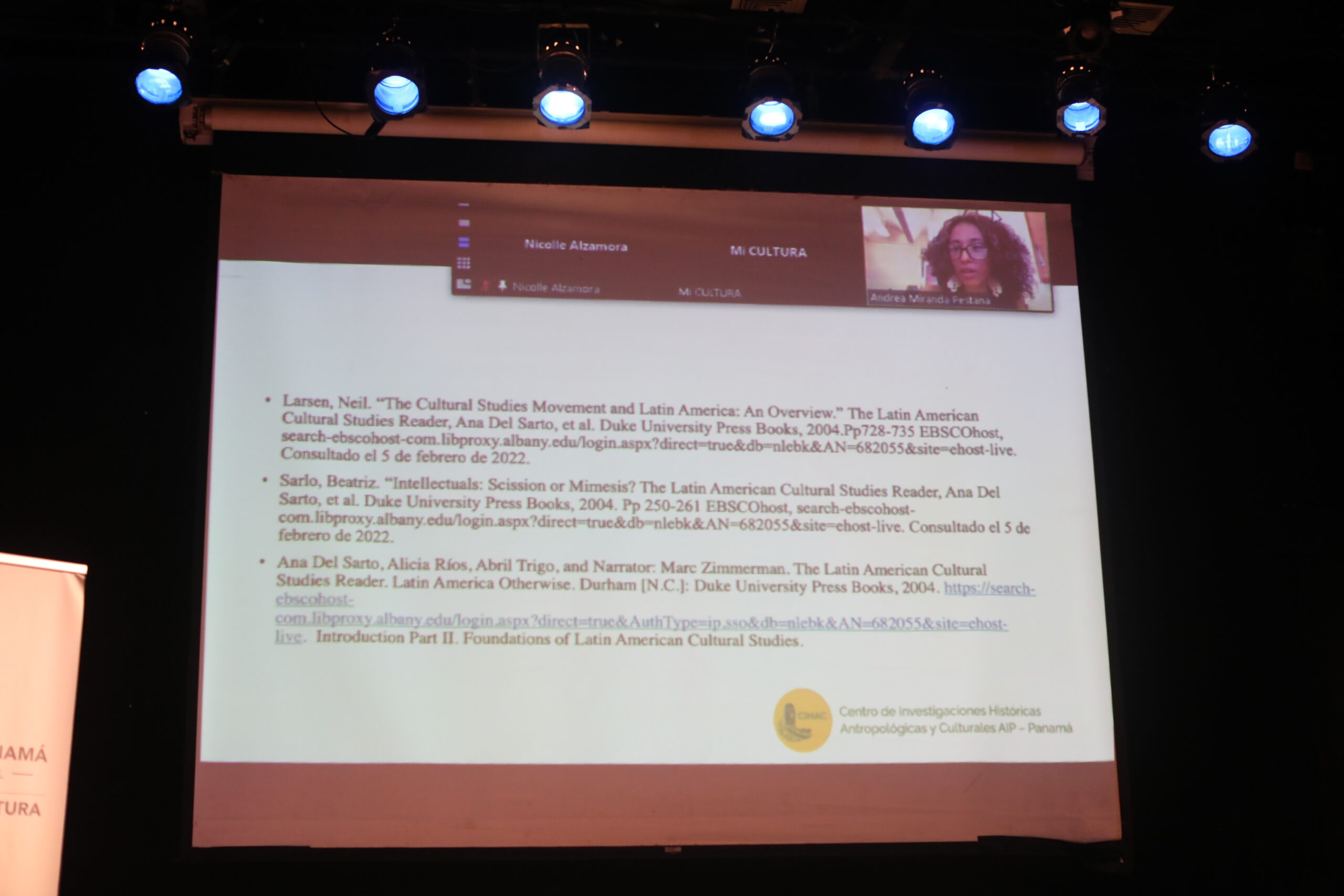
On this occasion, five research was presented: Cultural History of Panama seen through white arms (culture of duels with swords and machetes at the end of the 19th century), performed by Alberto Pérez Ruedavisual artists and public policies in Panama from 1979 to 1980 (analysis of how policies established during the military regime helped to promote cultural production in Panama), by Andrea Carolina MirandaPanama's Industrial Heritage, Titan Crane, by Carlos Mateo Horseback Ficción narrative as an instrument of cultural memory in Panama (exploration and textual analysis of works that have been awarded with literary awards.- tale and novel - written from 1989 onwards, that touch the issue of the military dictatorship (1968-1989) and / or the invasion of the U.S. of 1989), of Nicolle Alzamora and Female Prostitution in Panama during the first half of the 20th century (how Panama became part of a lucrative network of "white trade" that from the end of the 19th century worked from Europe to South America) of Miriam Miranda Etribí.
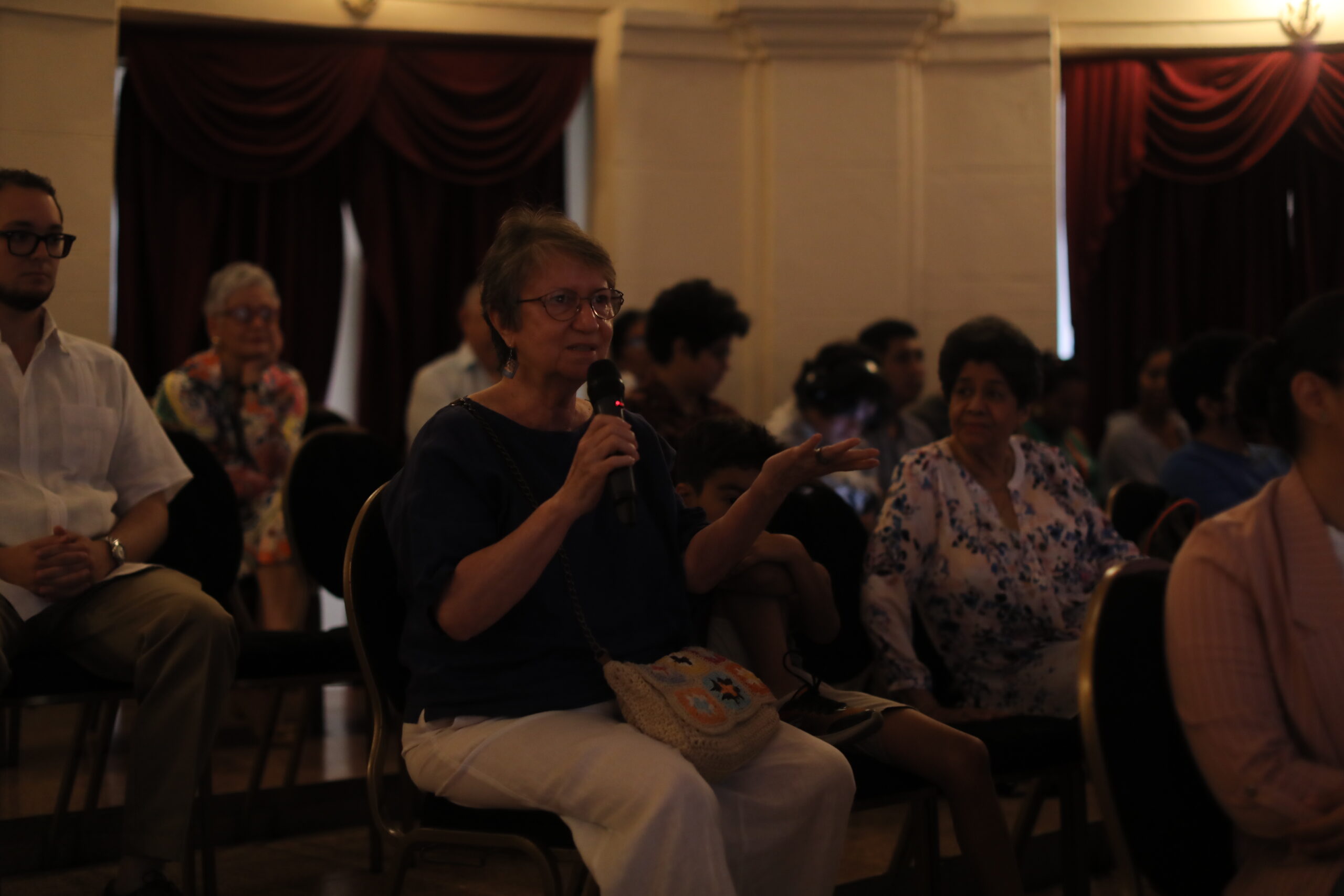
The researchers shared their findings and reflections with the public. Dr. Lasso expressed her gratitude and reminded the audience that the call for research residences in 2023 was currently open.
CIHAC-AIP is an association of public interest dedicated to the scientific study of the history, culture and cultural heritage of Panamanian. It was founded in 2018. It's mission is to generate and disseminate knowledge about the country's past and present and to contribute to its cultural and social development.