Archaeological works will reveal the history of San Lorenzo Castle
Content of the News
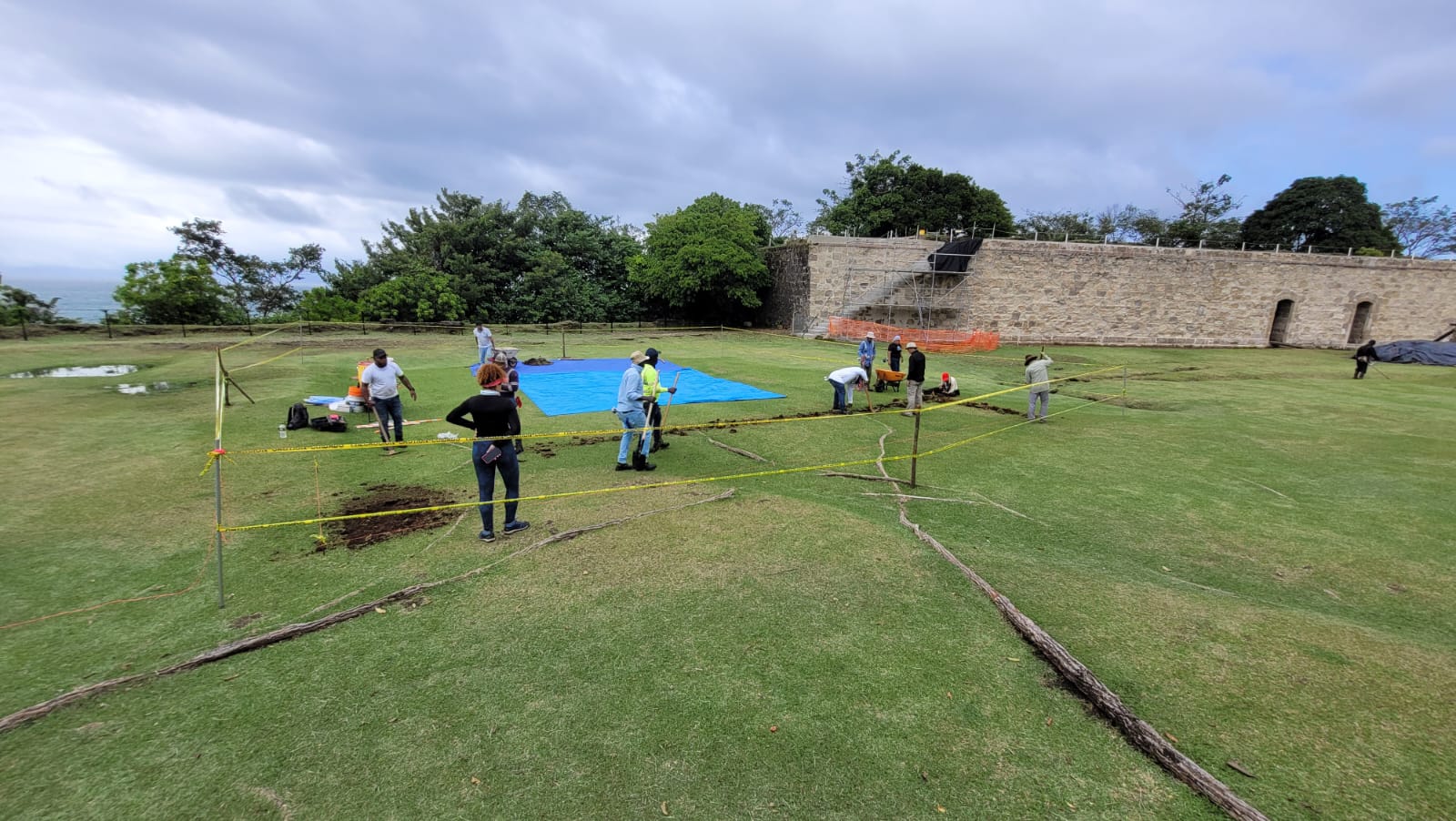
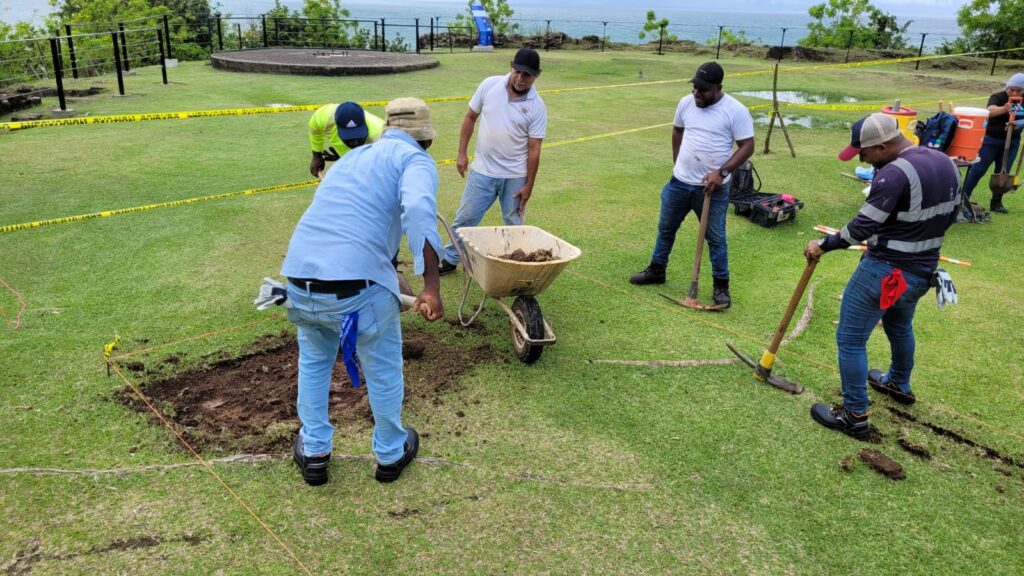
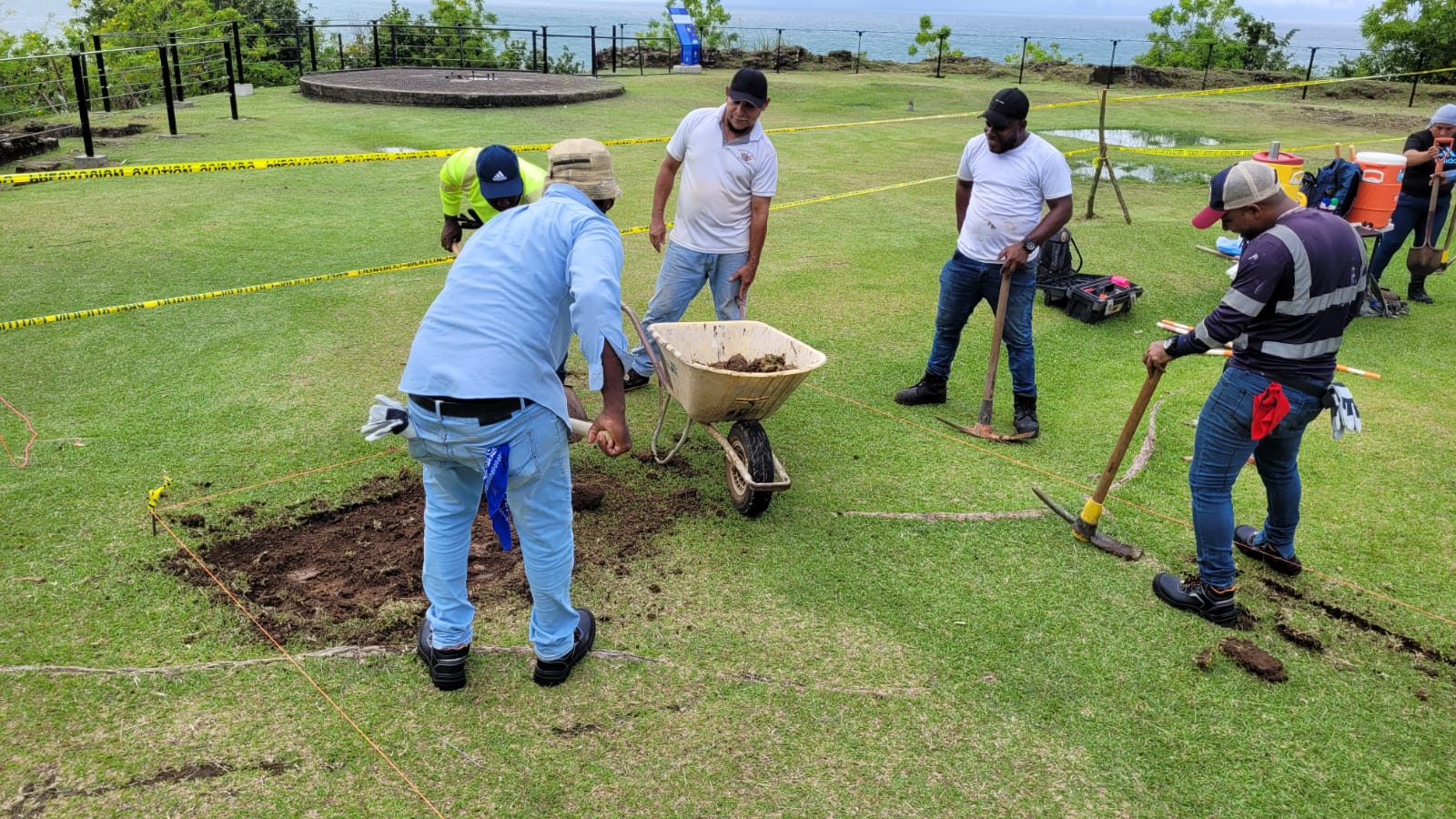
The Ministry of Culture (MiCultura), the Center for Anthropological and Cultural Historical Research (CIHAC AIP) and the Canal Museum have been following and following their protocols as well as their work to revitalize the castle of San Lorenzo and to gather, through the archaeology, the prints of old Chagres people.
That's a joint work with other actors and specialists from agencies such as Barranquilla's University of North, Panama University, Panama's University of Technology and Senacyt's agency that's the project's fund manager.
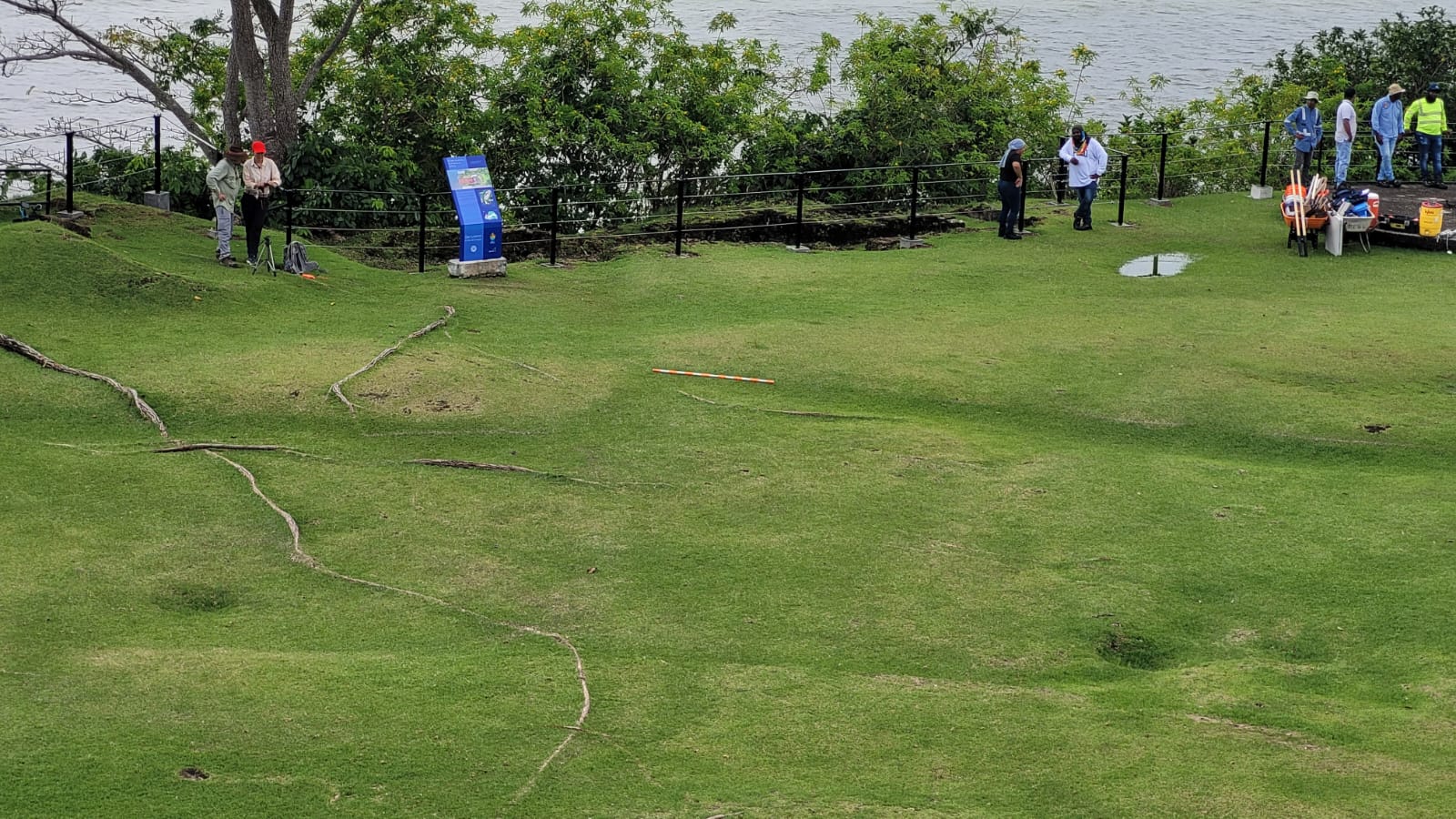
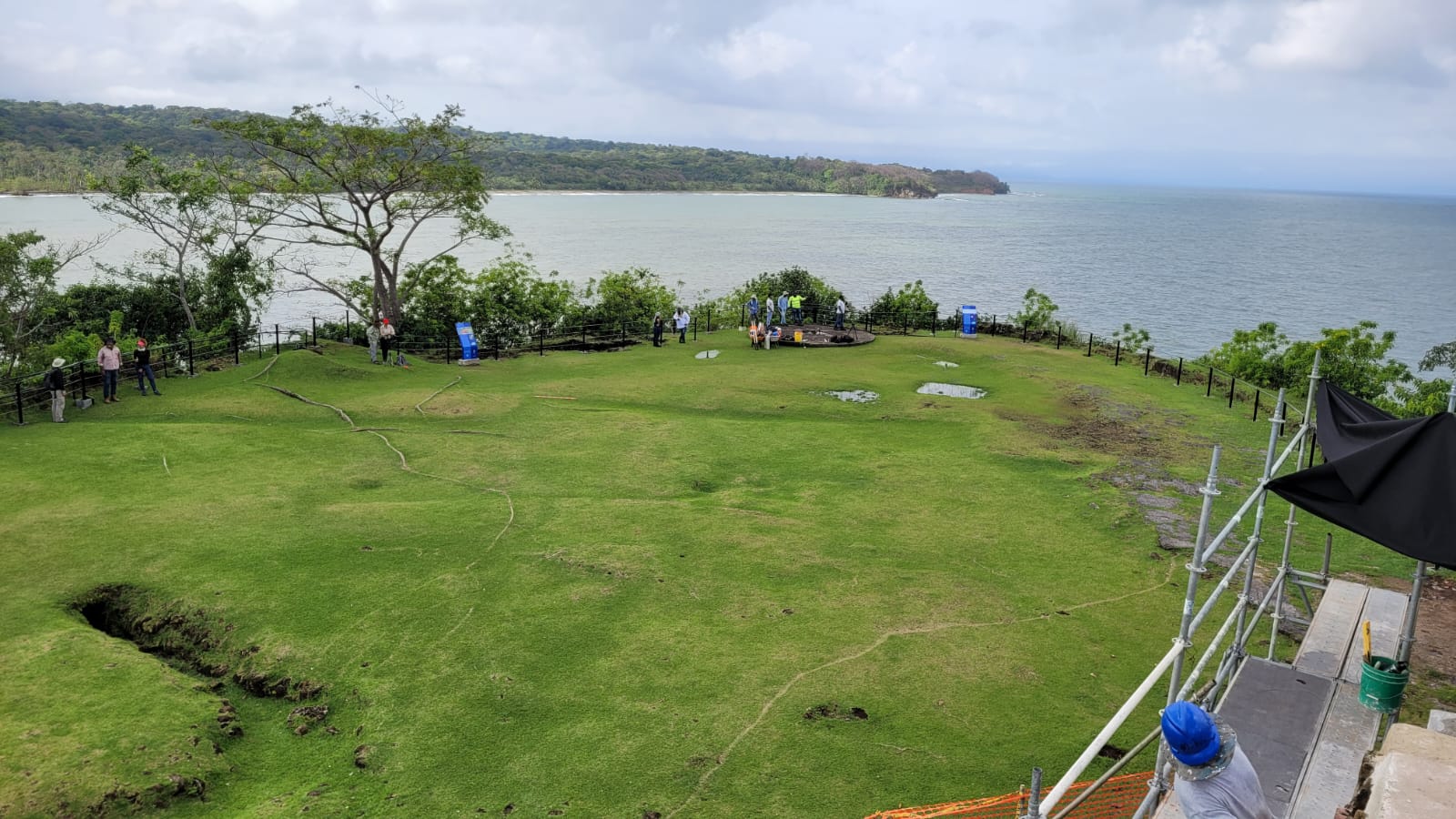
One of the most gratifying aspects of the start of these jobs, to be concluded in February using the dry season, is the participation of settler labor that with Panamanian researchers will seek the remains of the belutists of one of the four constructive phases of Fort San Lorenzo, a World Heritage site since 1980, that integrated the defensive system for the transatlantic trade of the Spanish Crown.
"That's one of the aims of a" multidisciplinary and inter-institutional "project that intersects with the origins of the fortress, an example of the military architecture of the 17th and 18th centuries and the town of Chagres that existed at its close," said Tomas Mendizábal, a leading researcher of these works, who also forms part of the CIHAC's team of experts.
Jean-Sébastien Purcellot, Research and Documentation Manager at the Canal Museum stated that "one of the expected results is to register the archaeological remains that have been left by the old inhabitants of Chagres, a town that was part of the commercial route of the Way of Cruces."
The San Lorenzo and Portobelo fort forms the Caribbean Coast Fortifics of Panama, where MiCultura runs a program with funds from the Inter-American Development Bank (BID) to achieve its conservation.
Currently, Panama works as a World Heritage Site of the UNESCO of the TransStmal Colonial Route of Panama, and includes the Old Panama Archaeological Site and the Old Panama Casco Antiguo and Panama, the fortified Caribbean Coast of Panama and the colonial roads that link them: the Way of Cruces and the Royal Way.
Ana Elizabeth González, Director and Chief Curator of the Canal Museum, stated "The rescue of our country's historic heritage and memory is the main goal of the Canal Museum, and to conduct this project with these diverse professionals will allow a holistic and integral look at a chapter of our past."
To Marixa Lasso, CIHAC's director emphasized that it's "a pride for Panamanian scientific research, the conduct of these works that are led by Panamanian and that will lead us to know and understand history, architecture and other aspects throughout time."