Machine translation. This content was automatically translated from Spanish. The Spanish version is the only official one: for all legal purposes, and in the event of any discrepancy, the original Spanish text prevails. View the official Spanish version

Back to blog

UNESCO and the European Union recognize Panama's potential to implement strategies to strengthen and develop creative economy projects
UNESCO and the European Union recognize Panama's potential to implement strategies to strengthen and develop creative economy projects

Content of the News

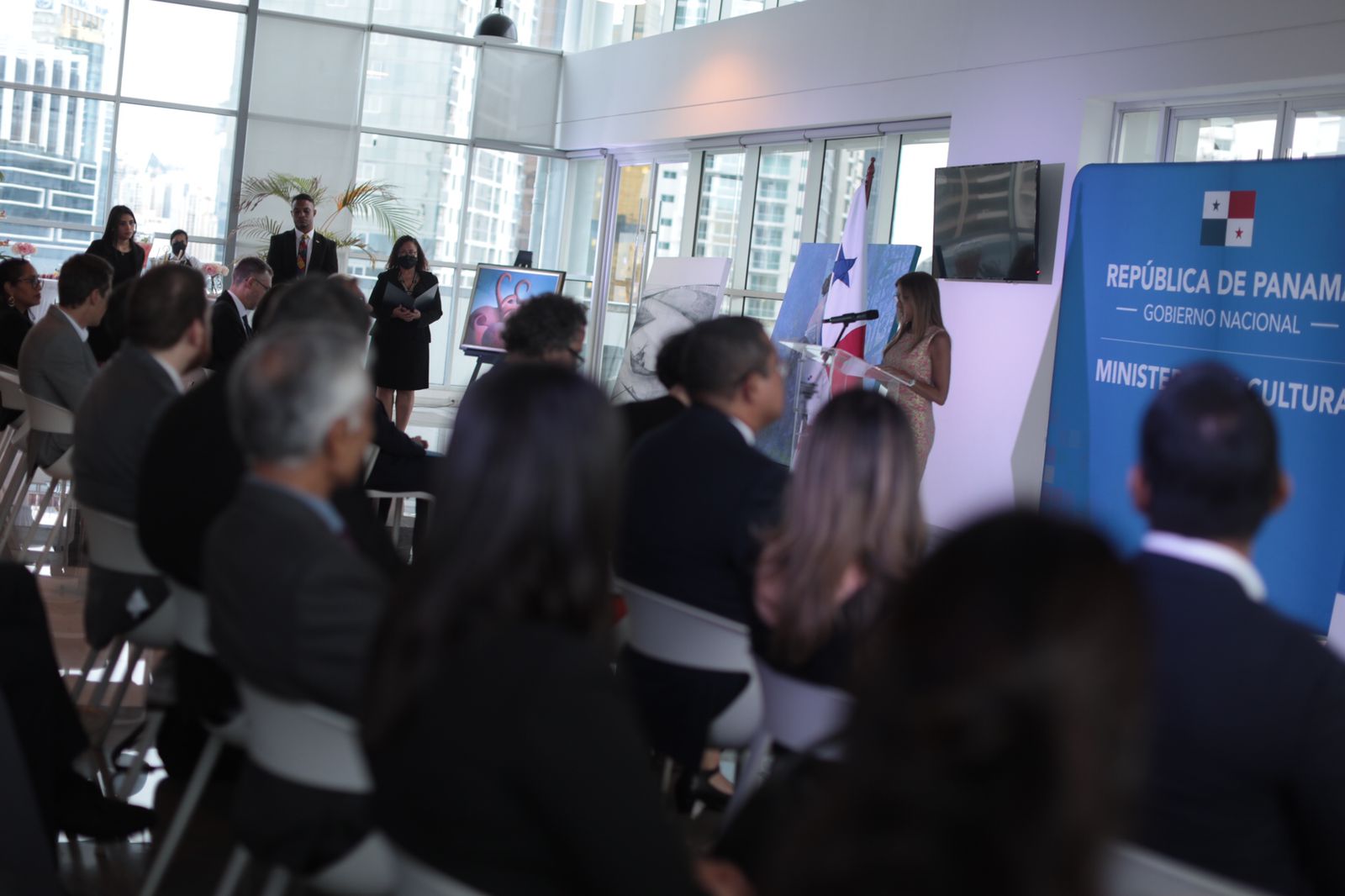
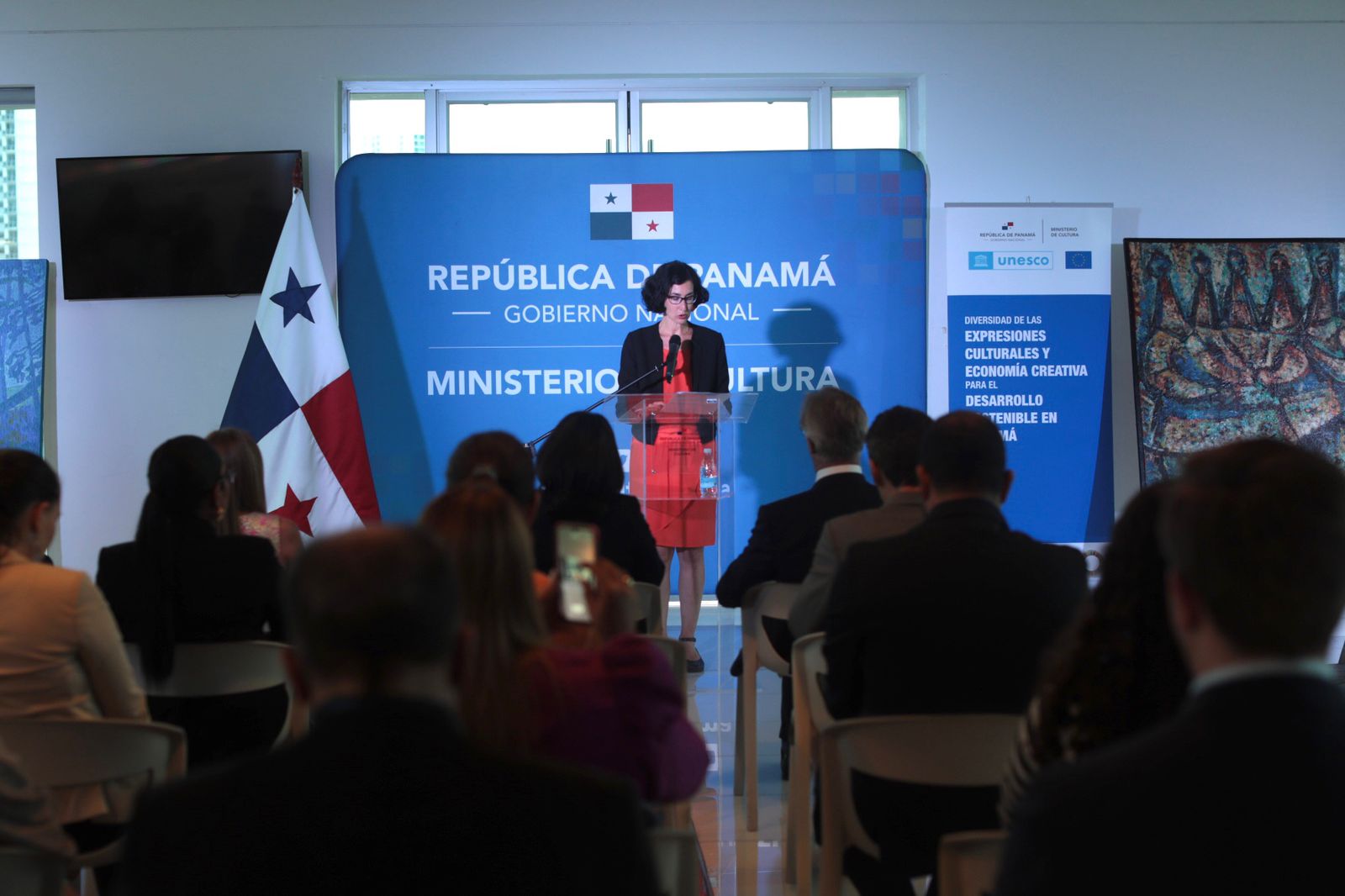
Panama is a country with great creative potential and an unparalleled cultural diversity that is the product of an integration between the native peoples and the different migrations that have come through the times considered the Minister of Culture, Giselle González Villarrué at the opening of the "Creative Economy and International Cooperation Forum for Sustainable Development."

The incumbent of Culture emphasized the importance for Panama of the development of the Creative Economy that the UNESCO and the European Union have selected as one of the 12 nations to implement this type of technical assistance aimed at strengthening their capabilities with a creative approach.

He added that today we have a privilege to work together as an international cooperation to build new proposals about the future of the creative economy and that international support is vital to achieve equity, inclusion, cultural diversity and competitiveness in achieving a community culture designed as a human right.

Minister González Villarrué stated that Panama works with Mordacult 2022 in the design and participatory validation of a national public policy of the creative and cultural industries and in the formulation of a National Plan for Culture of Panama.

The process of building the national strategy of Creative Economics that was supported by the 2005 convention of the UNESCO was undertaken in two phases and began in 2019.

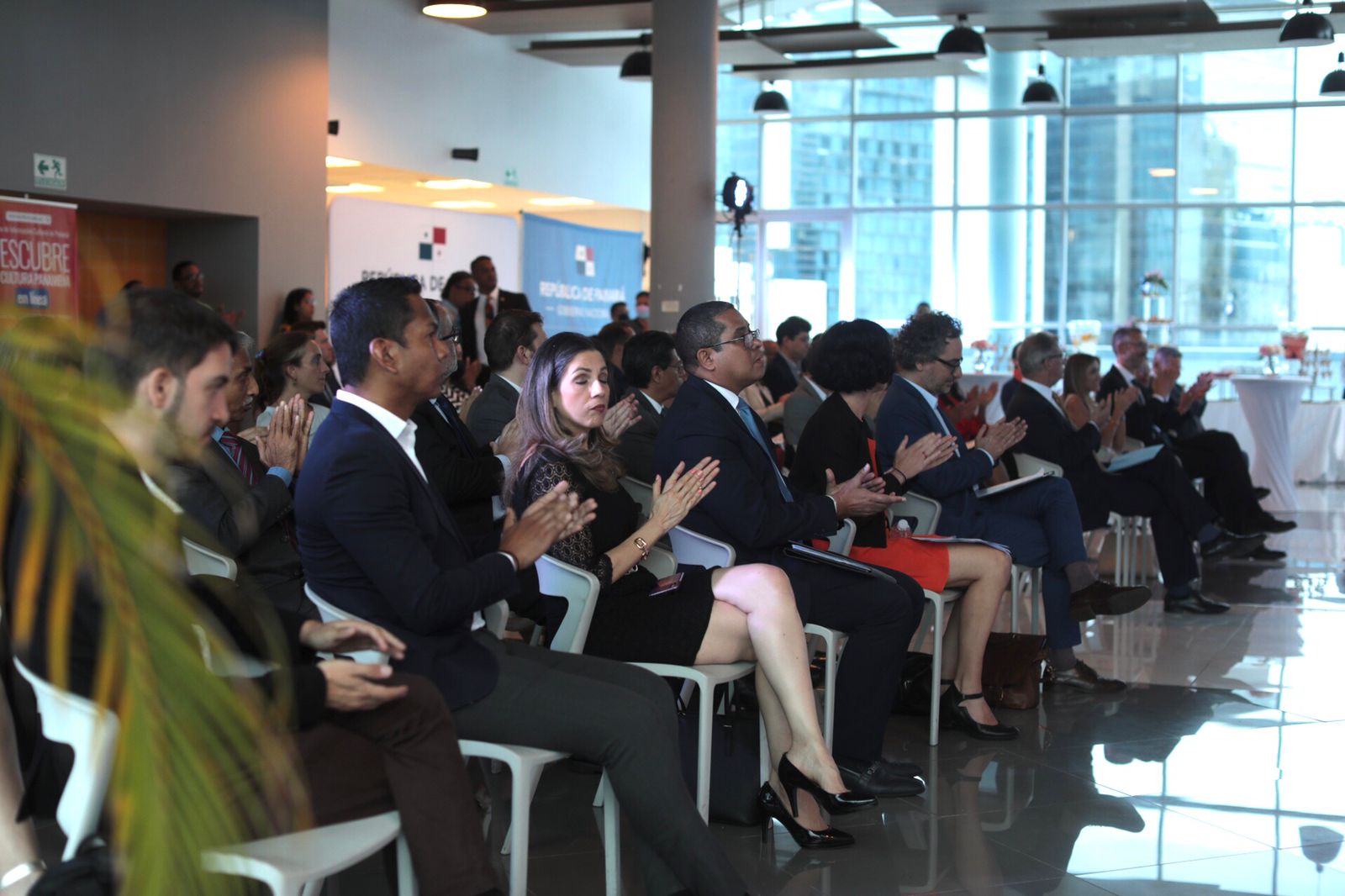
The opening event of this photo was attended by the deputy ministers for foreign relations, Ana Luisa Castro, the head of the European Union in Panama, Chris Hoornaert, the director of the UNESCO in Panama, Alexander Leicht, the deputy and president of the Cultural Commission of the National Assembly, Alina González, and the deputy ministers of MiCultura, Gabriel González and national directors.