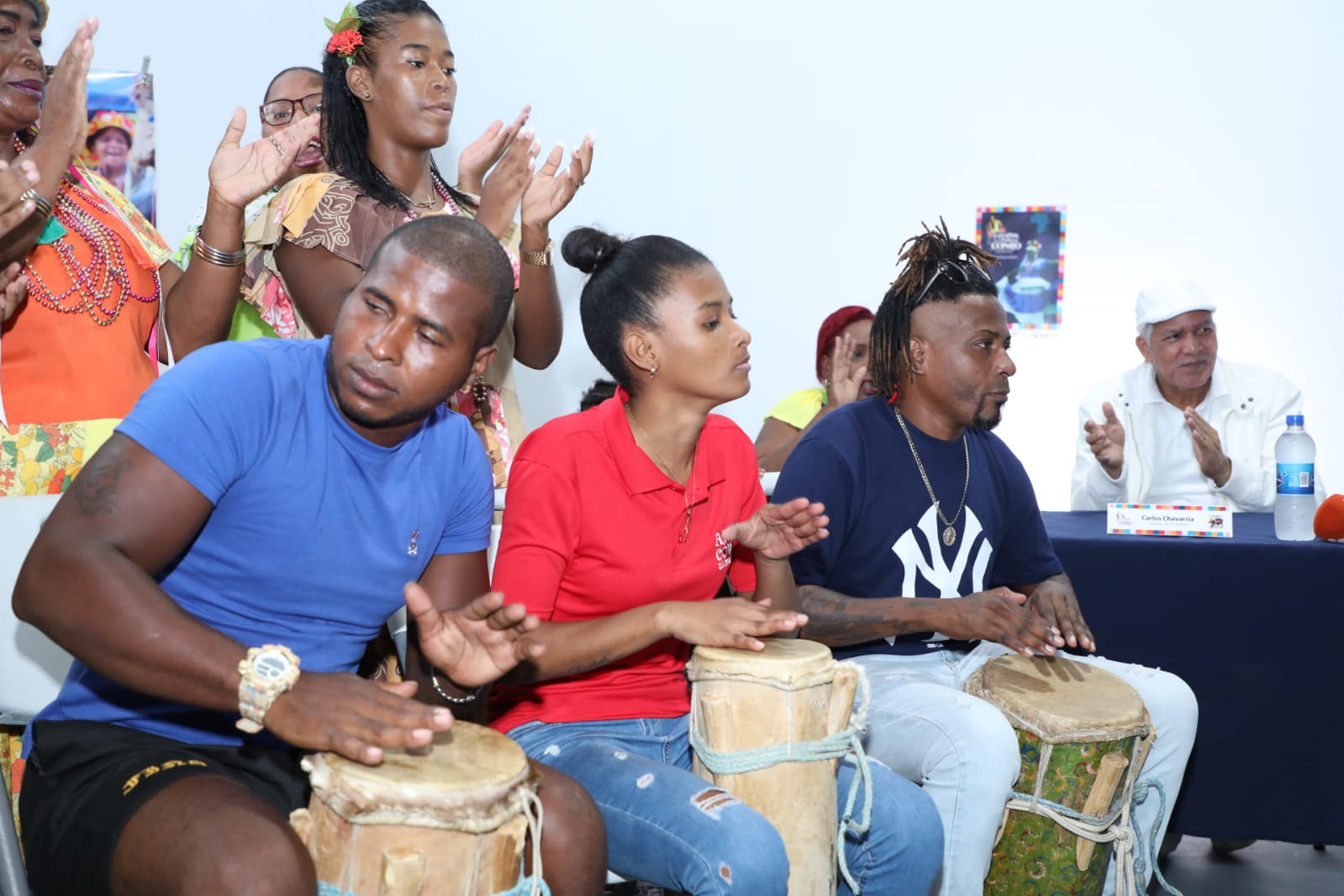
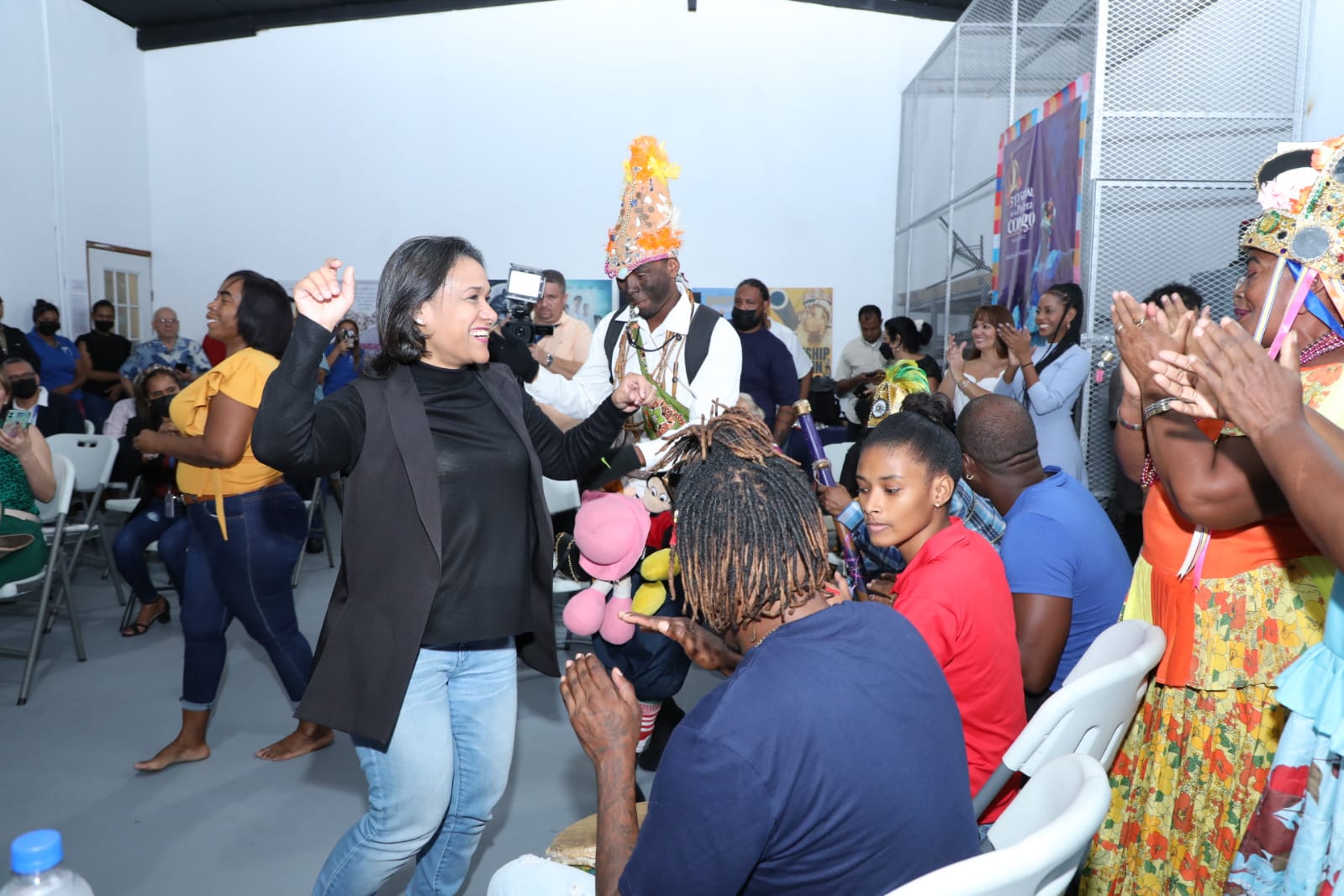
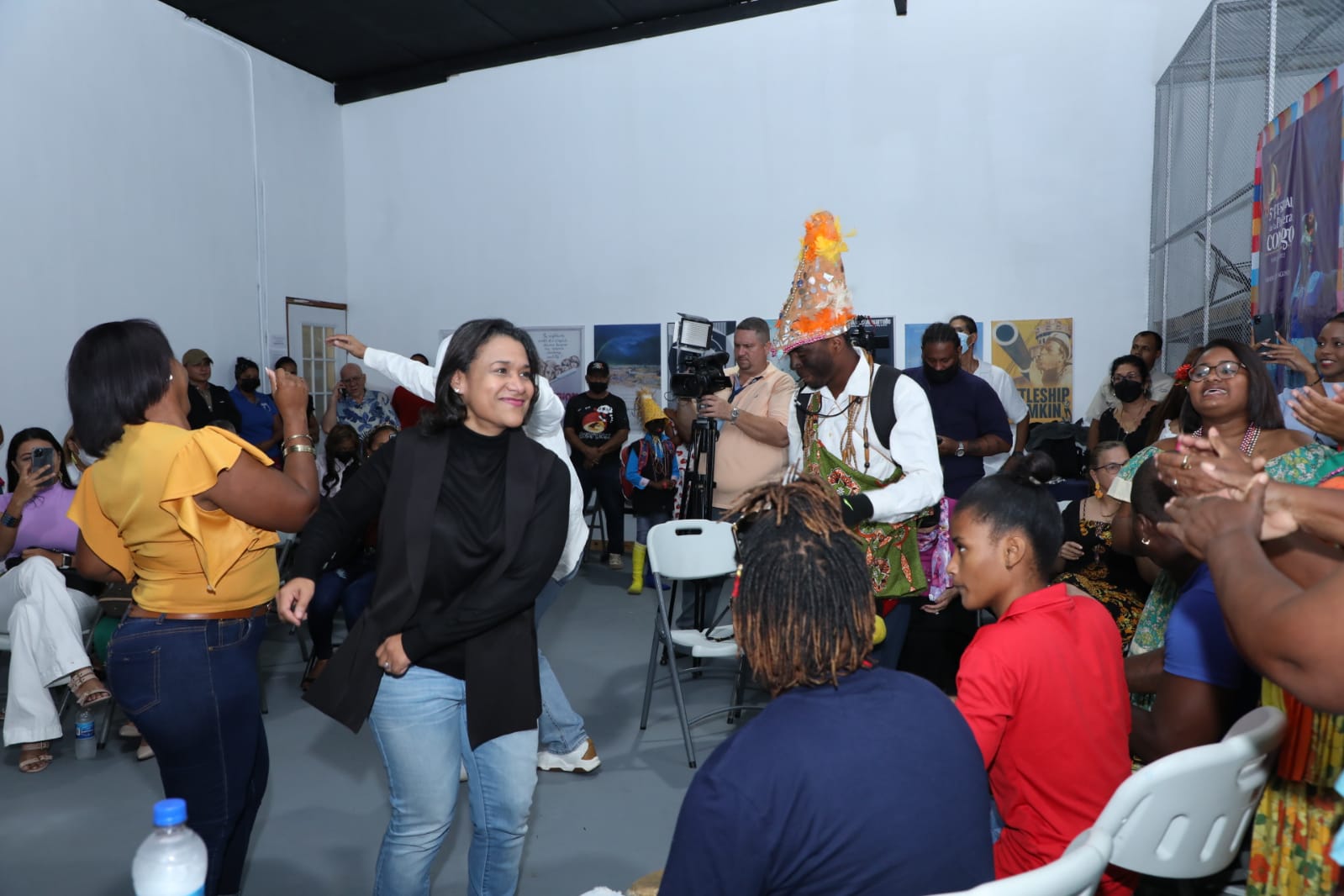
On August 20, the historic town of Portobelo will be dressed with colors, rhythm and tradition with the celebration of the fifth edition of the pollera congo Festival, organized by the Portobelo Foundation and the Historical Realty Group and supported by the National Government through the Tourism Authority (ATP) and the Ministry of Culture (MiCultura).
That initiative has been under way for five years with the aim of promoting the conservation and dissemination of the Intangible Cultural Heritage that the congo culture has been rich in music, gastronomy, customs and legends and that this year will be a tribute to our African roots.
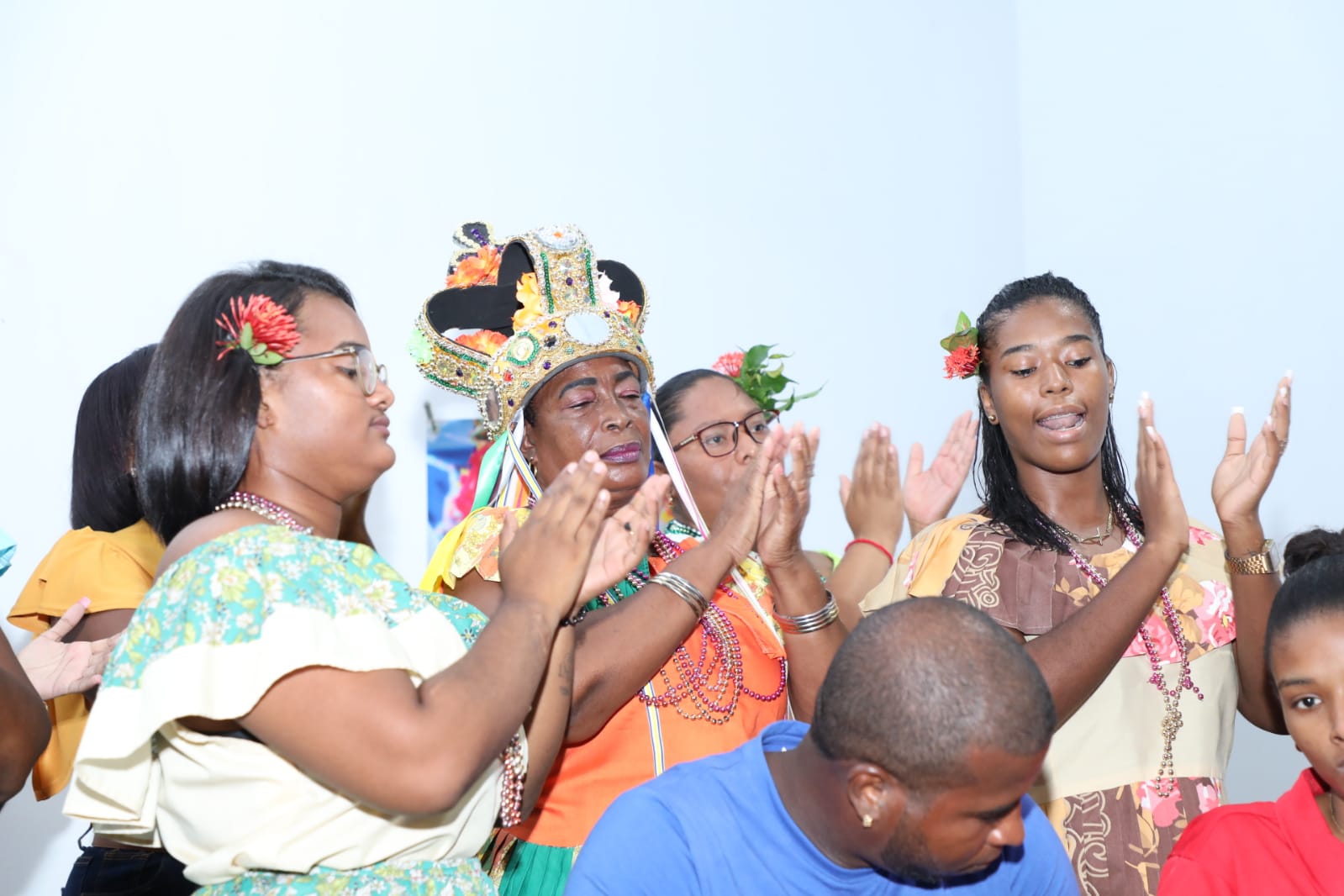
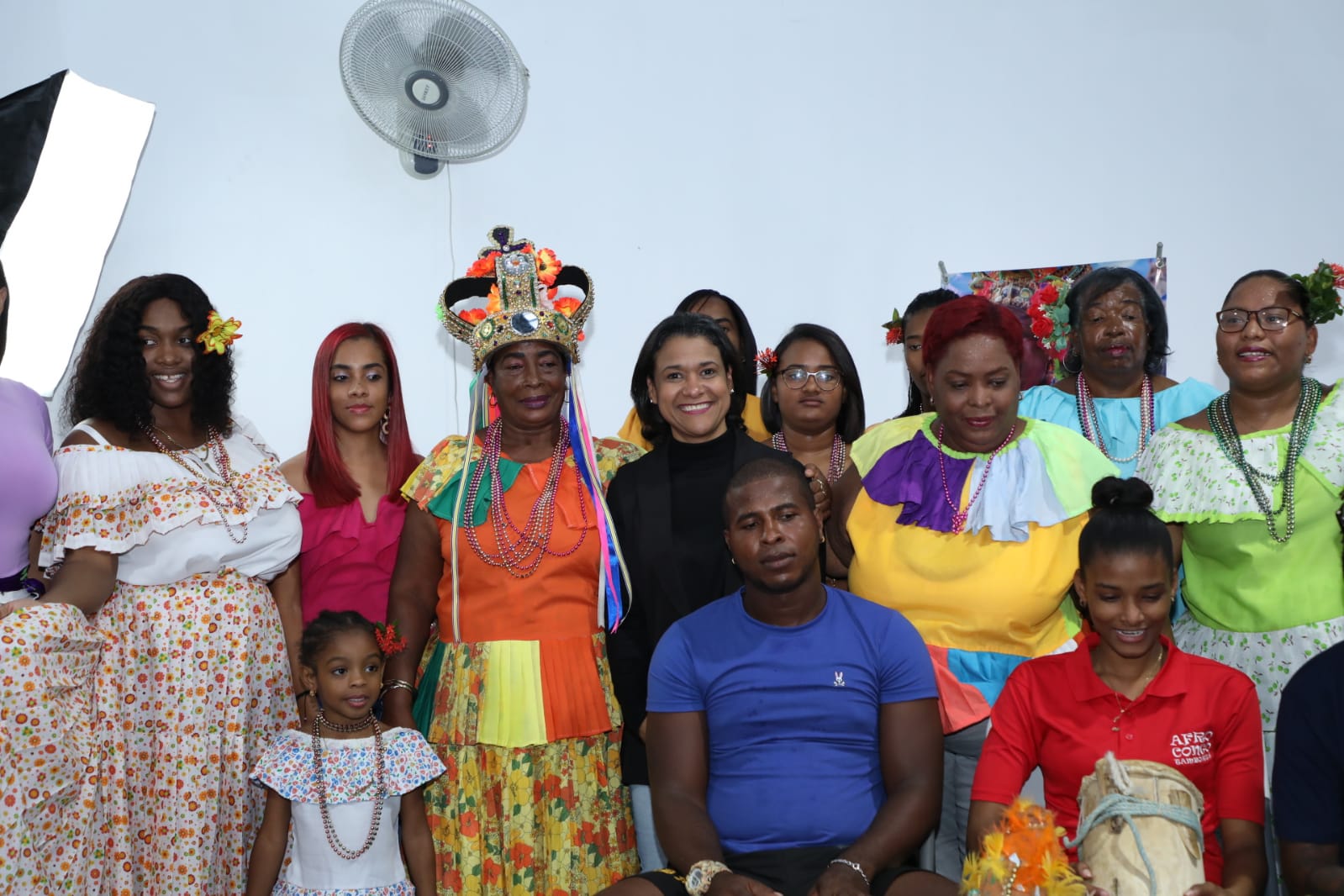
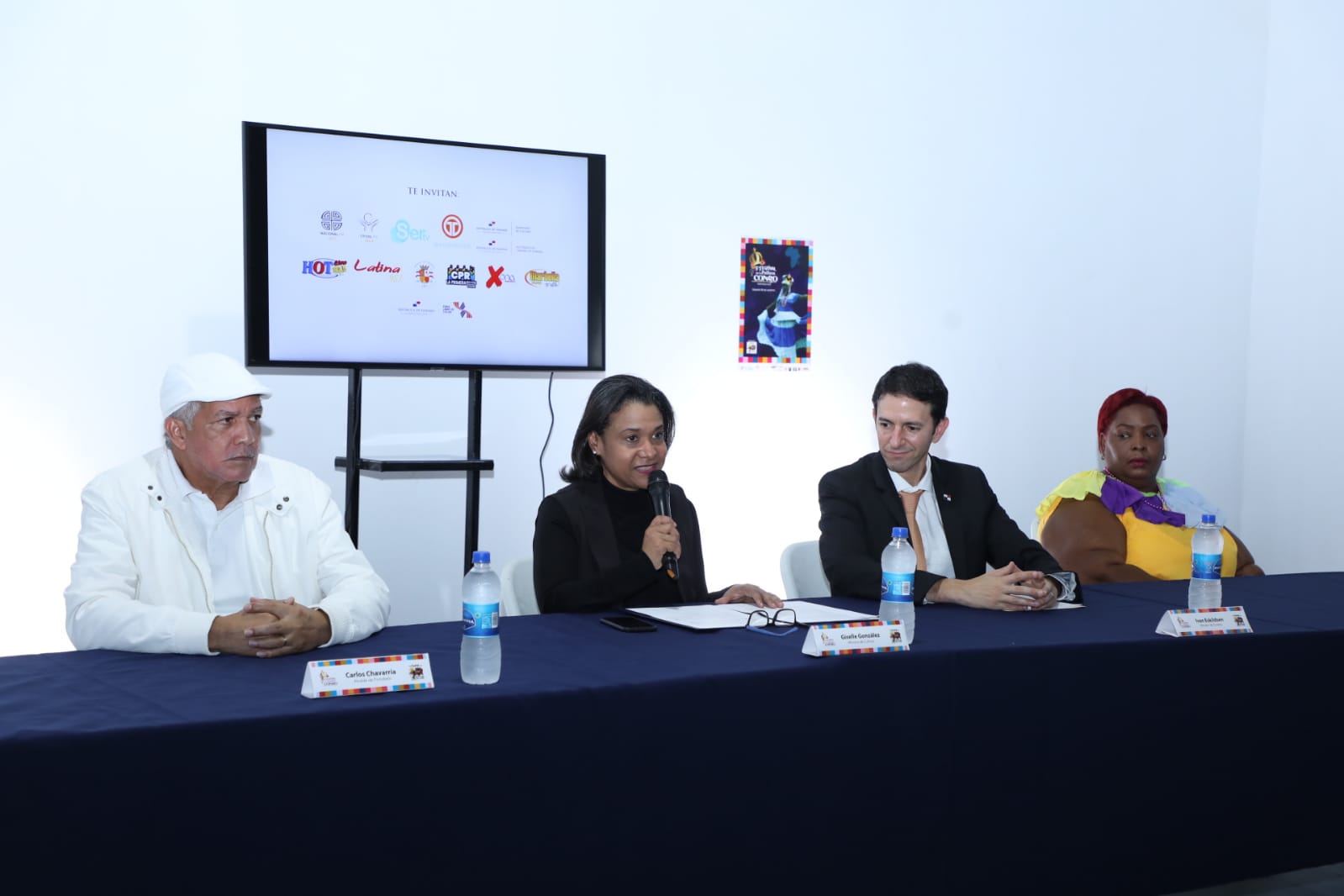
"The celebration of the pollera congo Festival, as an alternative to the festival of masks and devils, goes beyond the dressage, it's a celebration of the woman congo afropanameña, of the queens or mica and his family community beyond the blood," stated Giselle González Villarrué, Minister of Culture.
"To share with the new generations the meaning of the palace or pallenque and of the accompanying court, is to know the house inside and be increasingly united, that they continue to care and safeguard its heritage," added the manager of Panamanian culture.
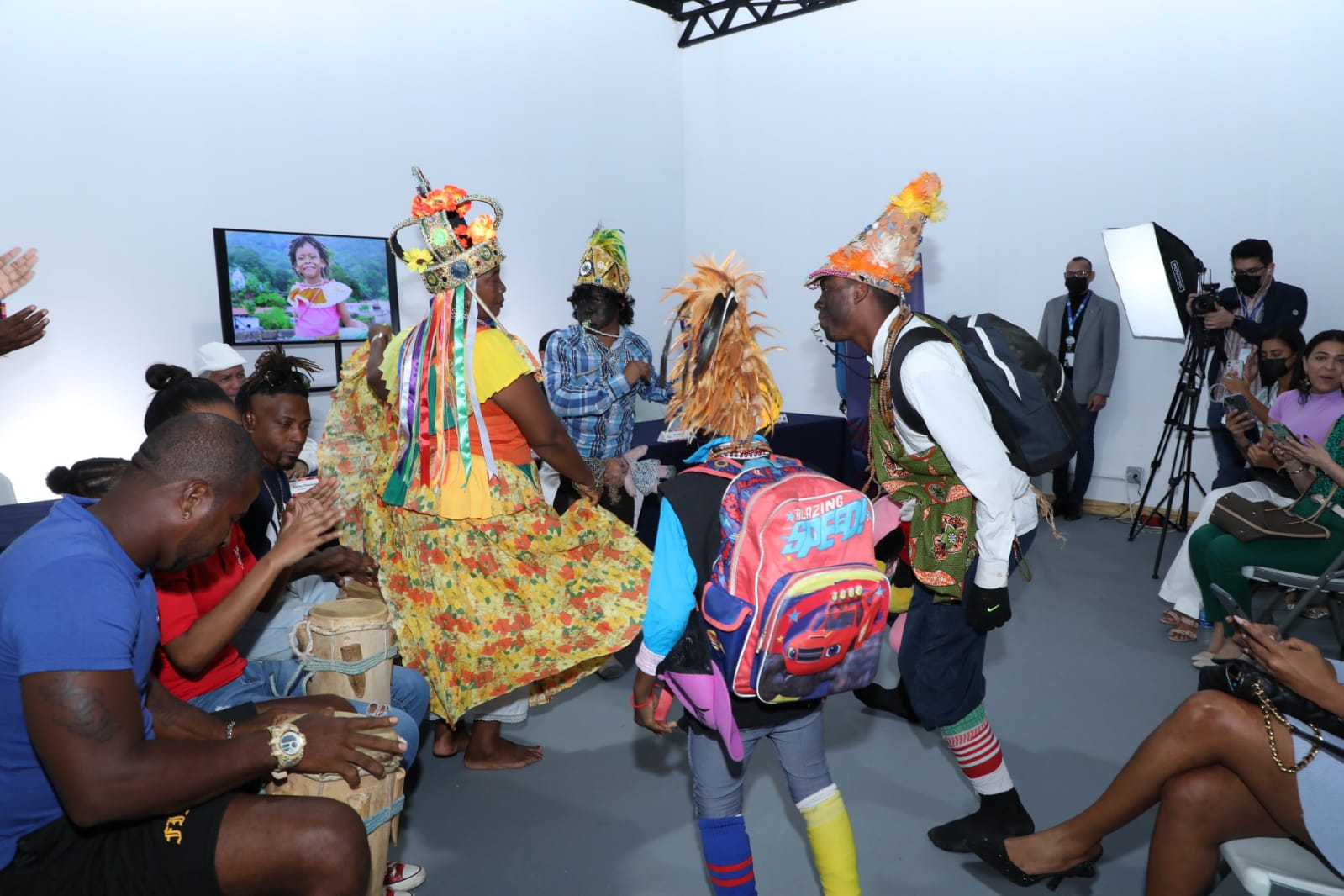
One of the novelties of this version is that a delegation from the congo culture of Angola will be received from the African continent, who will share a demonstration of their dances, dressings and traditions that set a bridge with the ancient past of the congo culture from this side of the Atlantic.
The festival's agenda looks at several attractions as a gastronomic and artisan fair that will be held at the Parque del Pueblo, the traditional water panga parade up to Fort Santiago la Gloria, the nightclub parade at which more than 500 atavada women are expected to participate, the presentation of 16 conga groups at a tima and to finish the drum wheel.
Each version of the festival attracts thousands of tourists, admired by the beauty of the nightclubs and tourist attractions that have Portobelo. pollera congo is one of the variants of the Panamanian nightclubs and an important part of the Portobelo folklore, a place that is considered as capital of Afro-colonial culture.