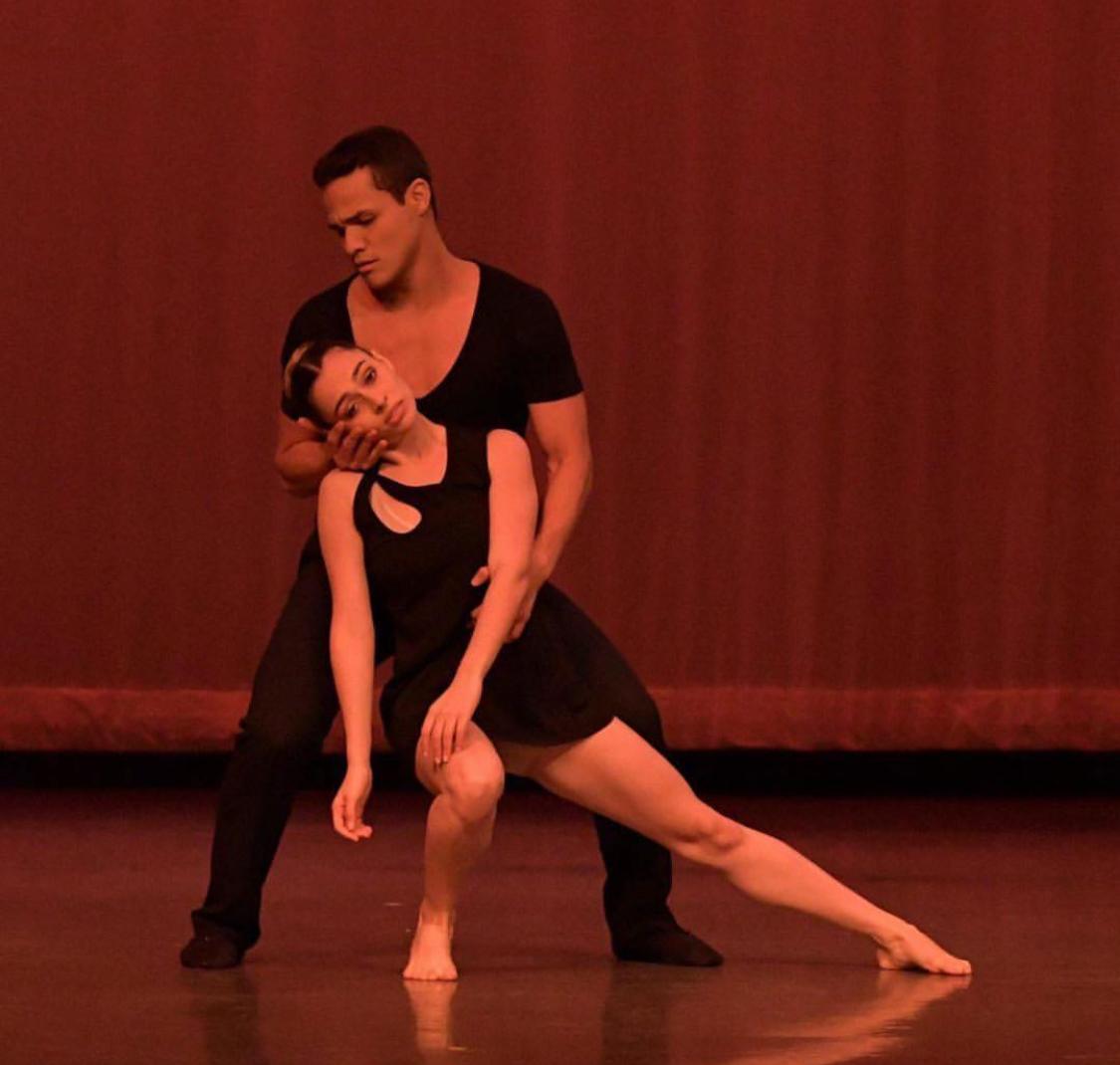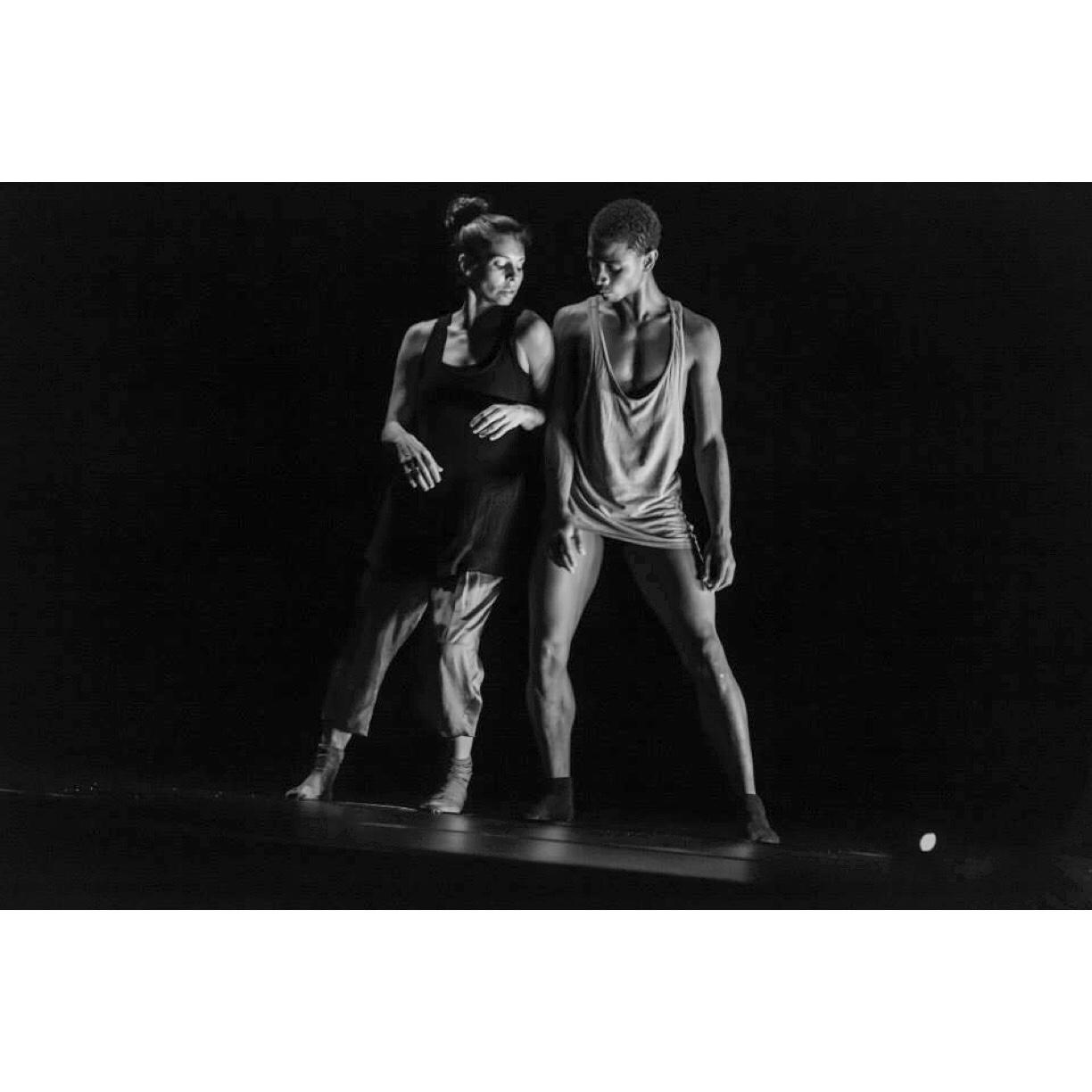
In times of pandemic, dance re-invents to transmit emotions and solidarity
Content of the News
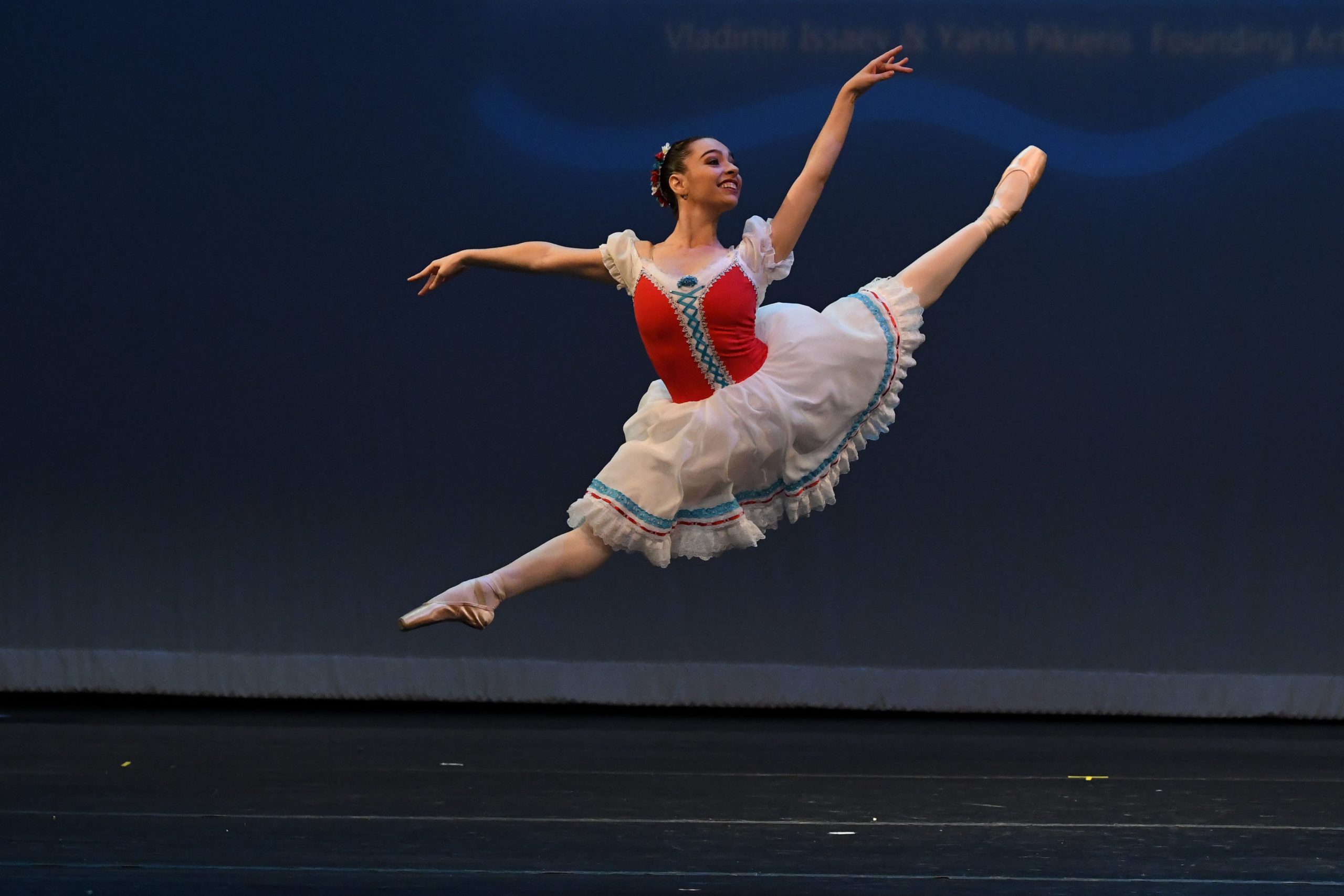
Panama, 28 April 2020. - With online activities from home, classical and contemporary dance summons teachers, students, professional dancers, fans and followers to transmit and share virtual emotions and feelings of solidarity in celebration of International Dance Day.
Due to the current situation that Panama and the world are undergoing, with respect to Covid-19, where massive events have been postponed, dance professionals have re-invented their methods to use technologies and communication to train, exercise, practice and conduct their training from home with a view to keeping their mind, body, rhythm and movements under best conditions, for scenarios at new normality.
Carlos Aguilar Navarro, Minister of Culture, took this opportunity to congratulate his artistic, technical and administrative body, both at the National Ballet and at the School of Dance, for his hard and extraordinary work at the service of the country through classical and contemporary dance.
From the National Section of the Arts (DNA), a number of activities are undertaken that will be broadcast from the web platforms of the Ministry of Culture and its social networks, including the presentation of a documentary about the School of Dances, directed by the teacher Iguandili López, presentations of the National Ballet of Panama, virtual greetings from the members of the Ballet and the dance school as well as the presentation of "Crush," a contemporary dance piece developed through interdisciplinary experimentation between narrative, movement, sound and visual, through "MiCultura at Casa."
On the current situation at dance, about the pandemic, dancers Ana Carolina Olarte comments that "we dancers at the National Ballet have passed our training from being 100% presential to being 100% virtual and we take advantage of the technologies that are at our disposal to continue to telework as long as necessary. It's difficult as dancers are social beings and we have some space and floor-type requirements to run our art, but it's not impossible to adapt."
For his part, Ana Lorena Boyd indicates that "dancers depend on physical contact in many respects, yes, there are moments at which we dance alone but there are more at which physical contact is necessary. The dancer is a person who knows how to demand himself to work and to give meaning to everything that he does, but sometimes at home there are no conditions as in his studio."
The dancer Yahyr Castro, from Samaria, adds that: "we continue to train physically and mentally from home, because once all this happens, I'm sure we will recur the schedule of presentations that had been scheduled, this is just a pause to recite with more strength."
Also, Andrea Diaz points out: "Seeing things on a positive side, the dance community, globally, has united forces using creativity to support each other. We have found new scenarios to continue to move our body from home and to continue to transmit this art so beautiful. We BNP dancers start with a virtual day of work where teachers conduct ballet classes, physical training and stretching so that we can keep ourselves in shape. We have also been undertaking different creative projects to be able to share our art with the whole Panamanian people from our homes."
The International Day of Dance is dedicated this year to the legend of the ballet Alicia Alonso, who passed away last October 19, 2019, with 98 years old. That's how the secretariat of the International Institute of Theater (ITI) of the UNESCO decided.
The Cuban dancer Alicia Alonso was one of the internationally recognized dance professionals for leaving a legacy to Latin American dance bodies as she founded Cuba's National Ballet.
At the initiative of the International Dance Committee, in 1982, it was proclaimed by UNESCO on April 29 as International Dance Day.
The date chosen corresponds to the nancy of French dancer and choreographer Jean-Georges Novere, considered the creator of modern ballet, who left numerous choreographies and publications related to the practice and theory of ballet.