"The Dances and Expressions Associated with the Festivals of Corpus Christi" is the third demonstration of Panama registered with the United Nations Educational, Scientific and Cultural Organization (UNESCO) at the 16th Session of the Intergovernmental Committee on Intangible Cultural Heritage of this international body at its headquarters in Paris.
The festival of Corpus Christi has a common origin in Latin America, as they introduced it in the colonial age as a method of evangelization, its performance varies in each region, influenced by ethnic and cultural factors.
The candidacy, which was run on March 31, 2019, includes the representation of the seven provinces where the demonstration was held by generations. It was documented with interviews, videos and photographs in seven provinces: in the communities of Parita and Chitre, in the province of Herrera, La Villa, in Los Santos, Penonomé, San Miguel Centro and Antón, in Coclé, Chipo, Chifree and the Island of San Miguel, in Panama, Portobelo, Escobal, Santa Rosa and Nuevo San Juan, in Colón, Garachiné, in Darién and La Sorra, in West, Panama.
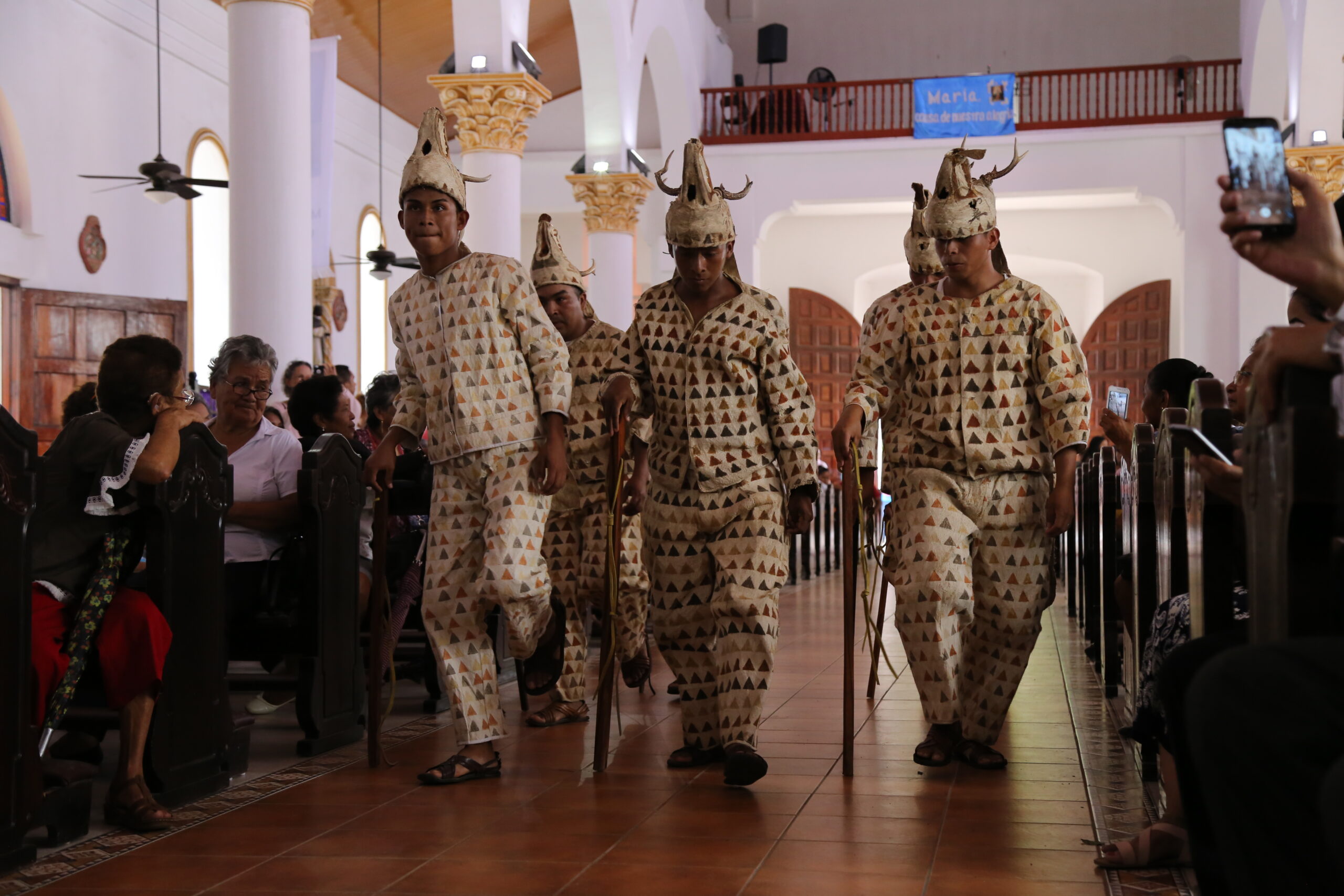
The families of indigenous descent with preColumbian traits have been found with their cucucucuas and their interiors with their interiors with their same name and with their interiors with geometric designs with natural dyes and with their influence on music and movements and their communities and with their families and families and with their families and with their families and their families.
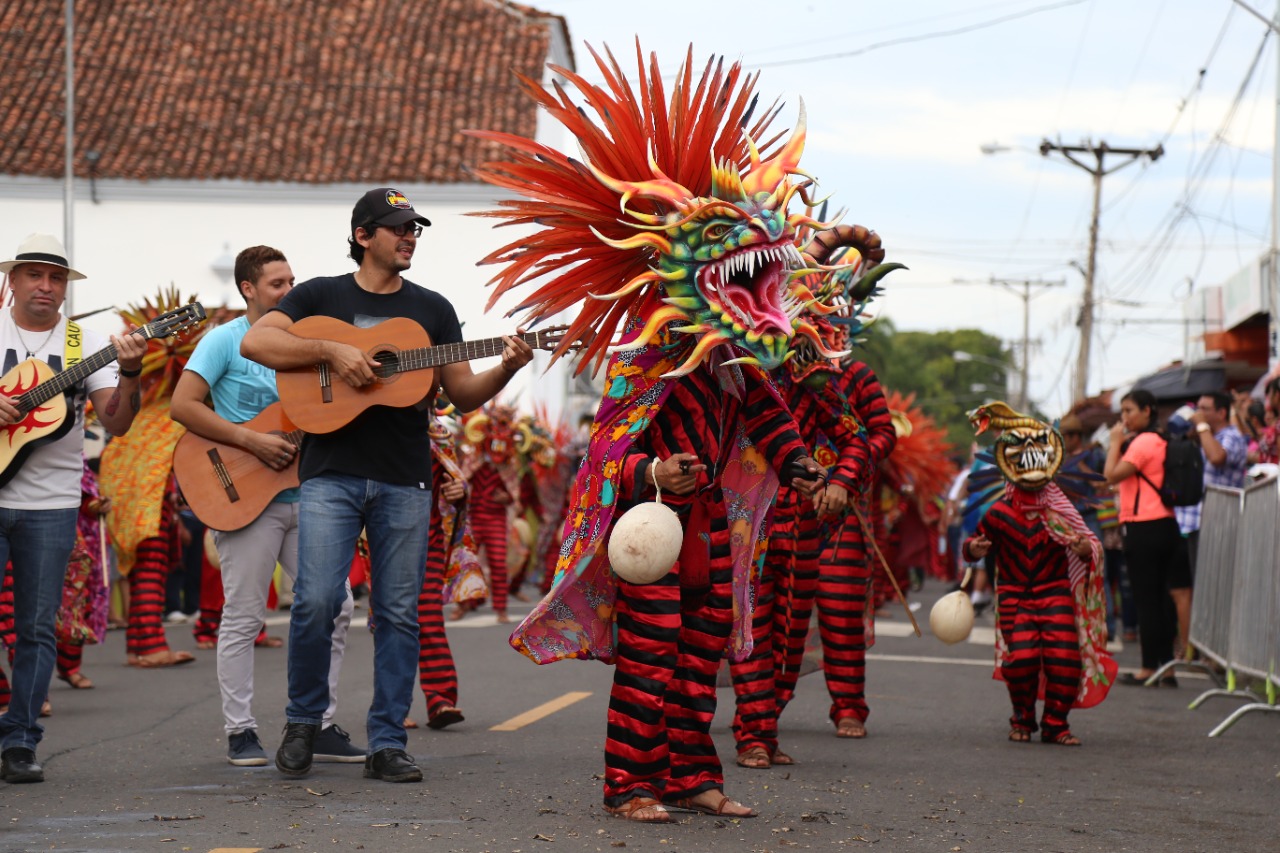
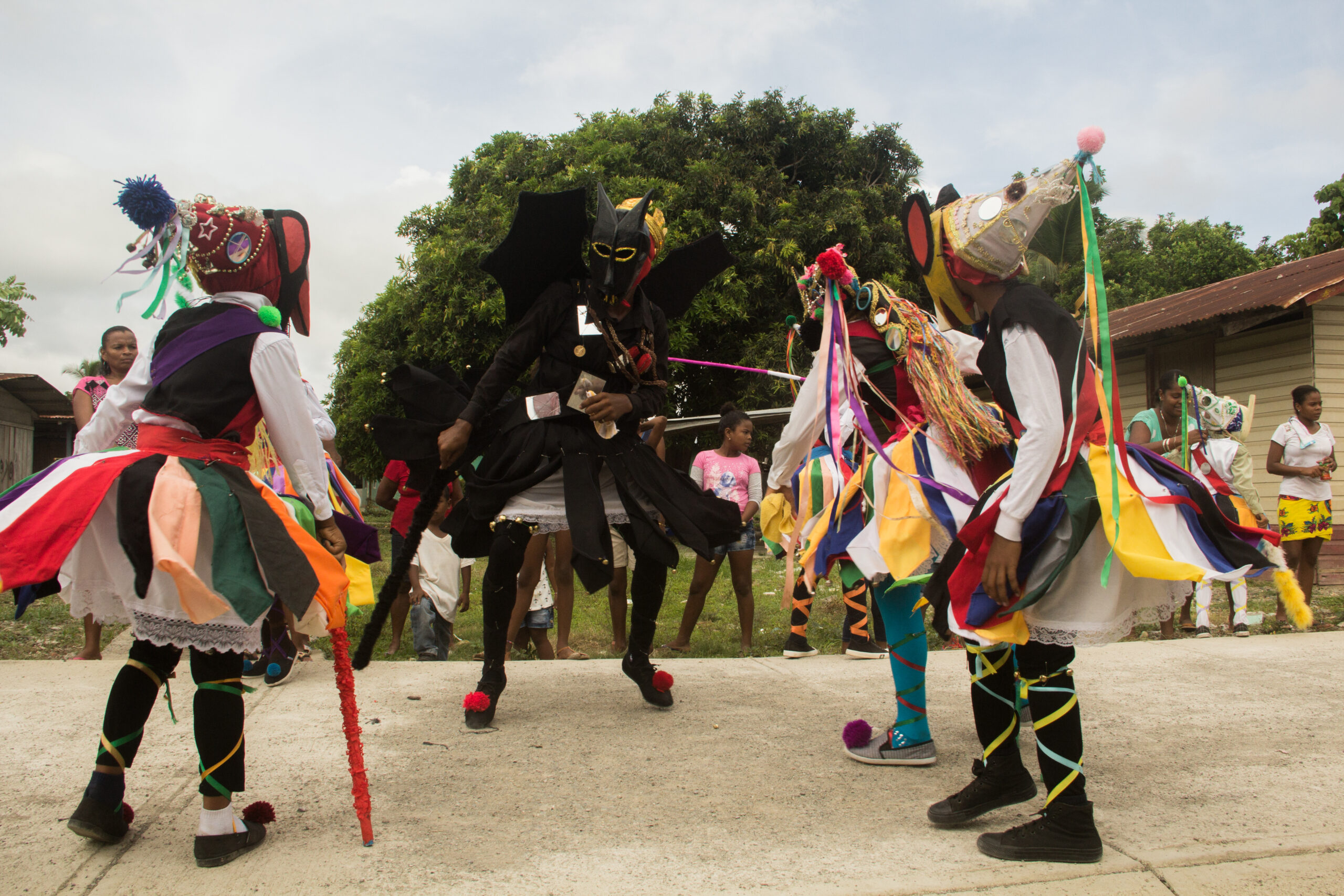
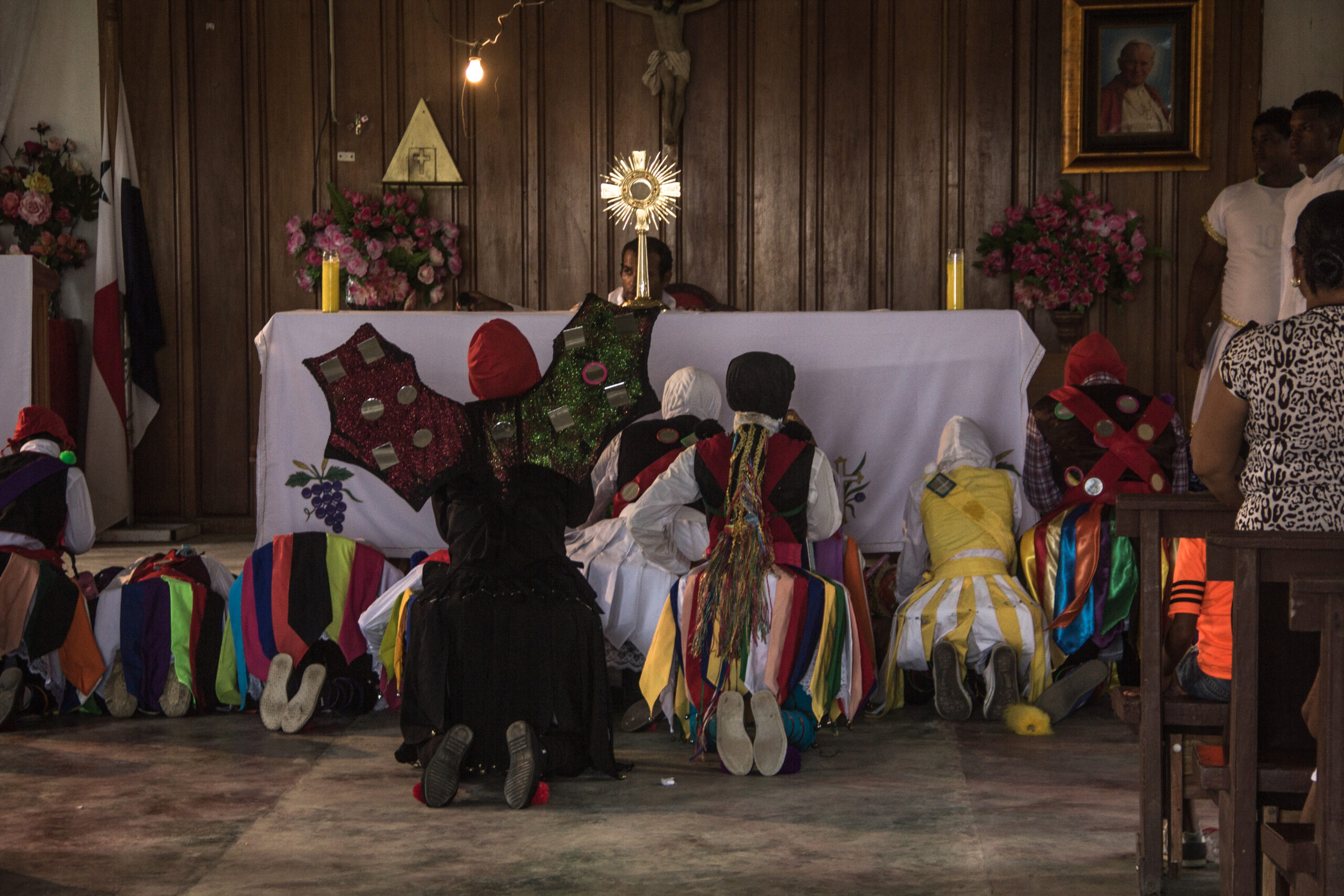
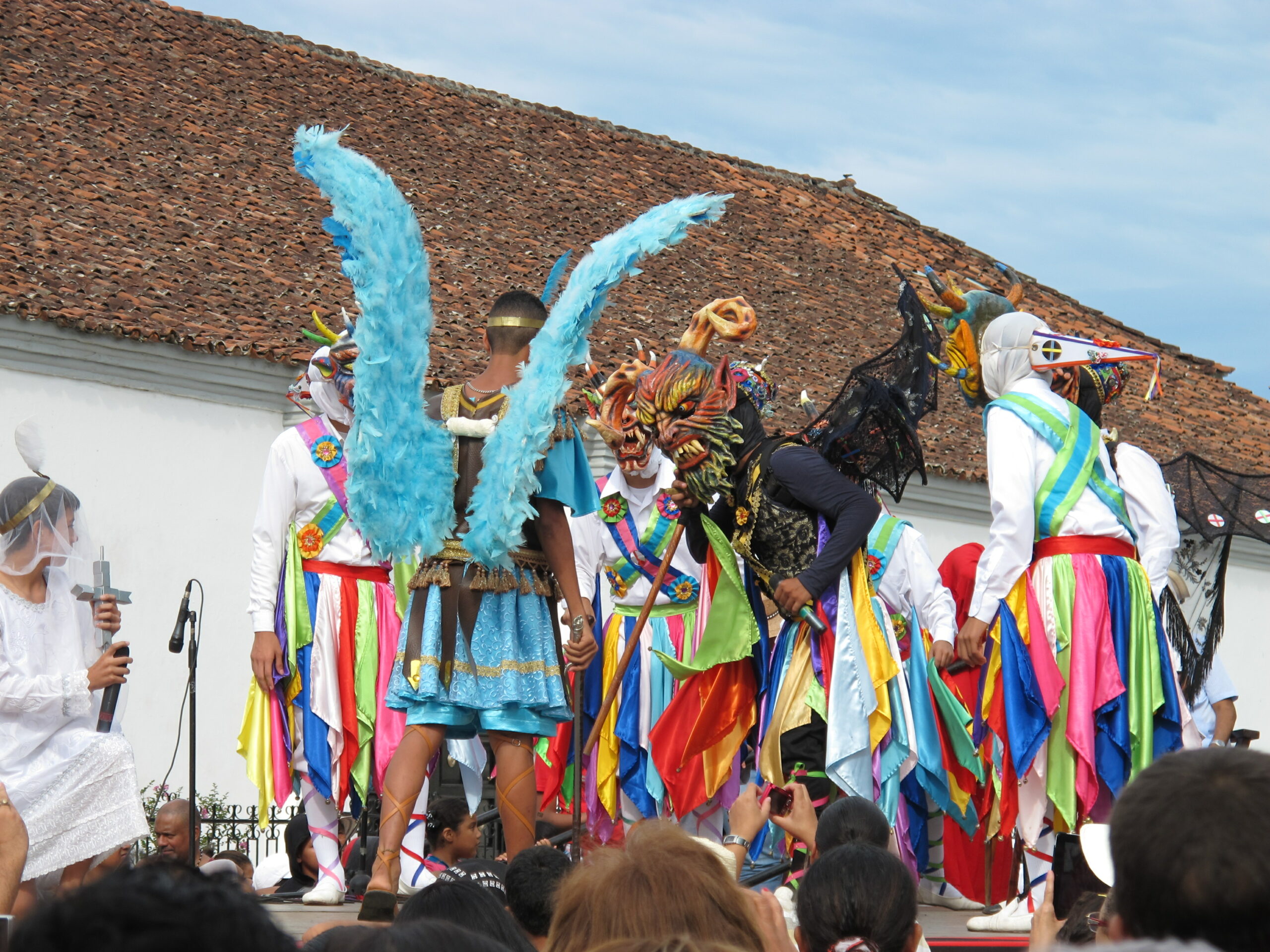
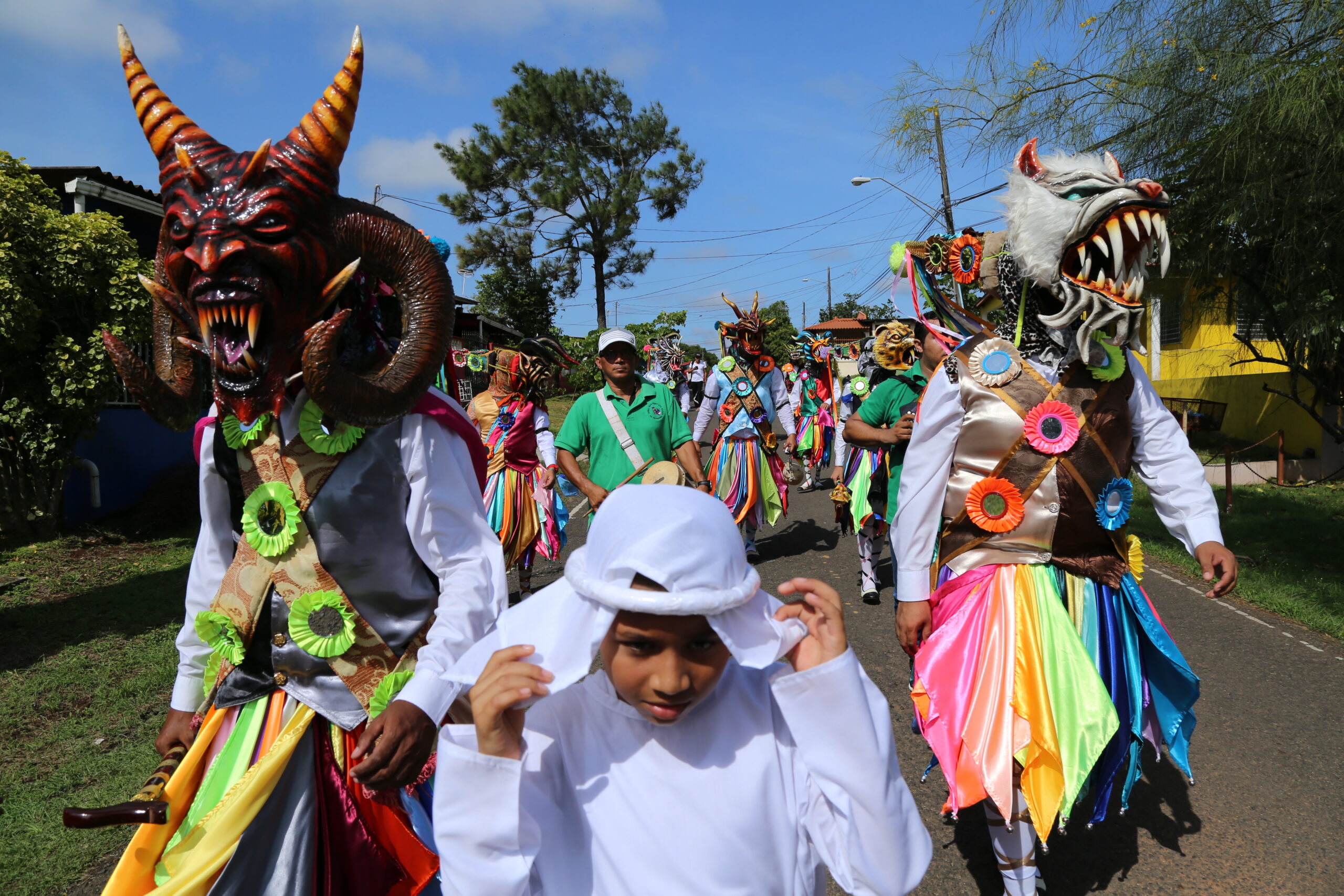
The inventory documentation, which lasted more than five years, includes pics, dialogues, scenes, music, dances of clean devils or of mirrors and dirty devils, festive and burlesque dades as well as ornament, carpeting and representing the fight between Angel and devils in search of the lost soul.
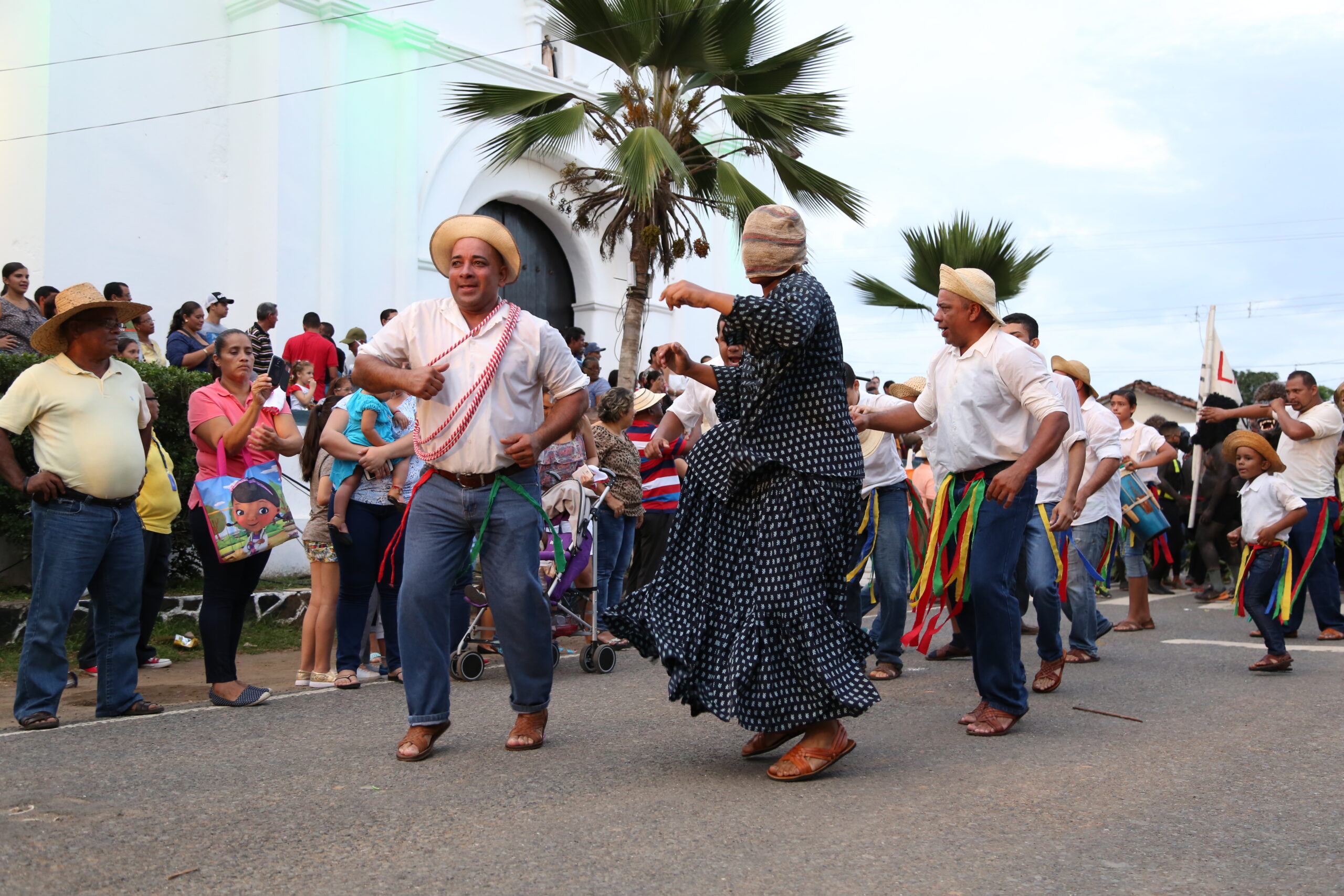
The festival of Corpus Christi, apart from its geographical diversity, also promotes inclusion and integration, as the collaboration of members of communities, represented by people of different ages, genres and ethnicity, who participate in the organization, dances, music and gastronomy, and in the production of dressings and masks, among other expressed.
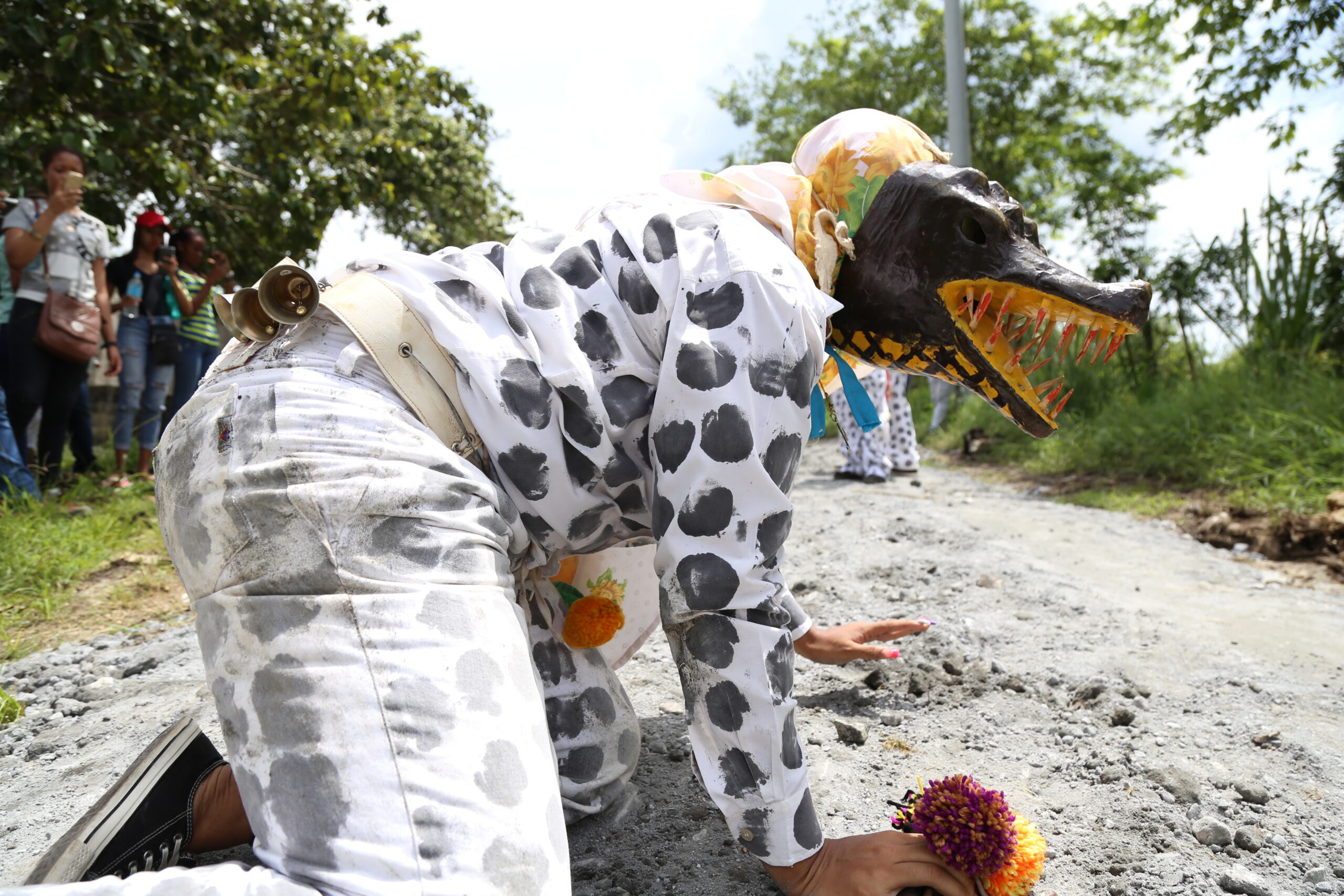
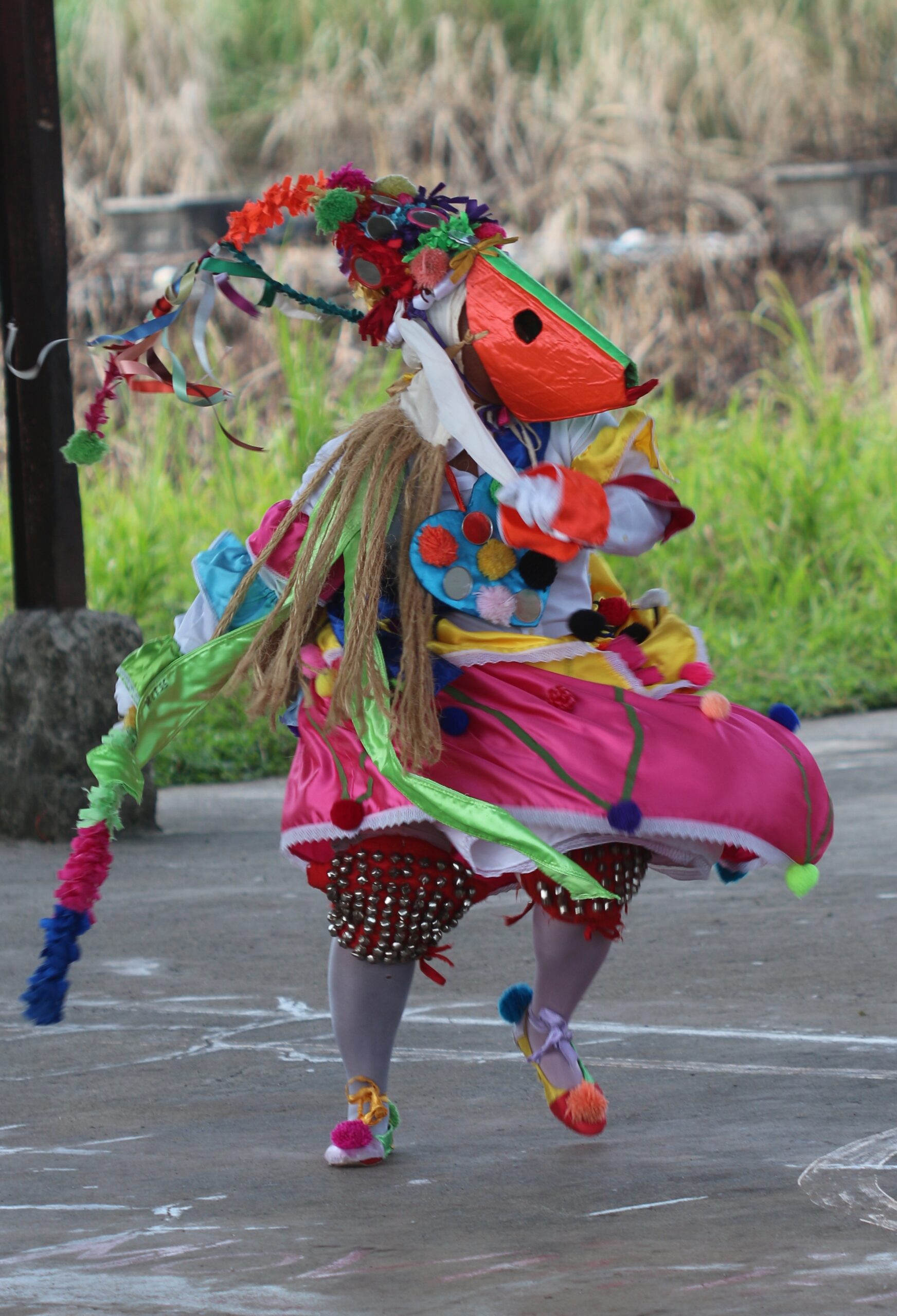
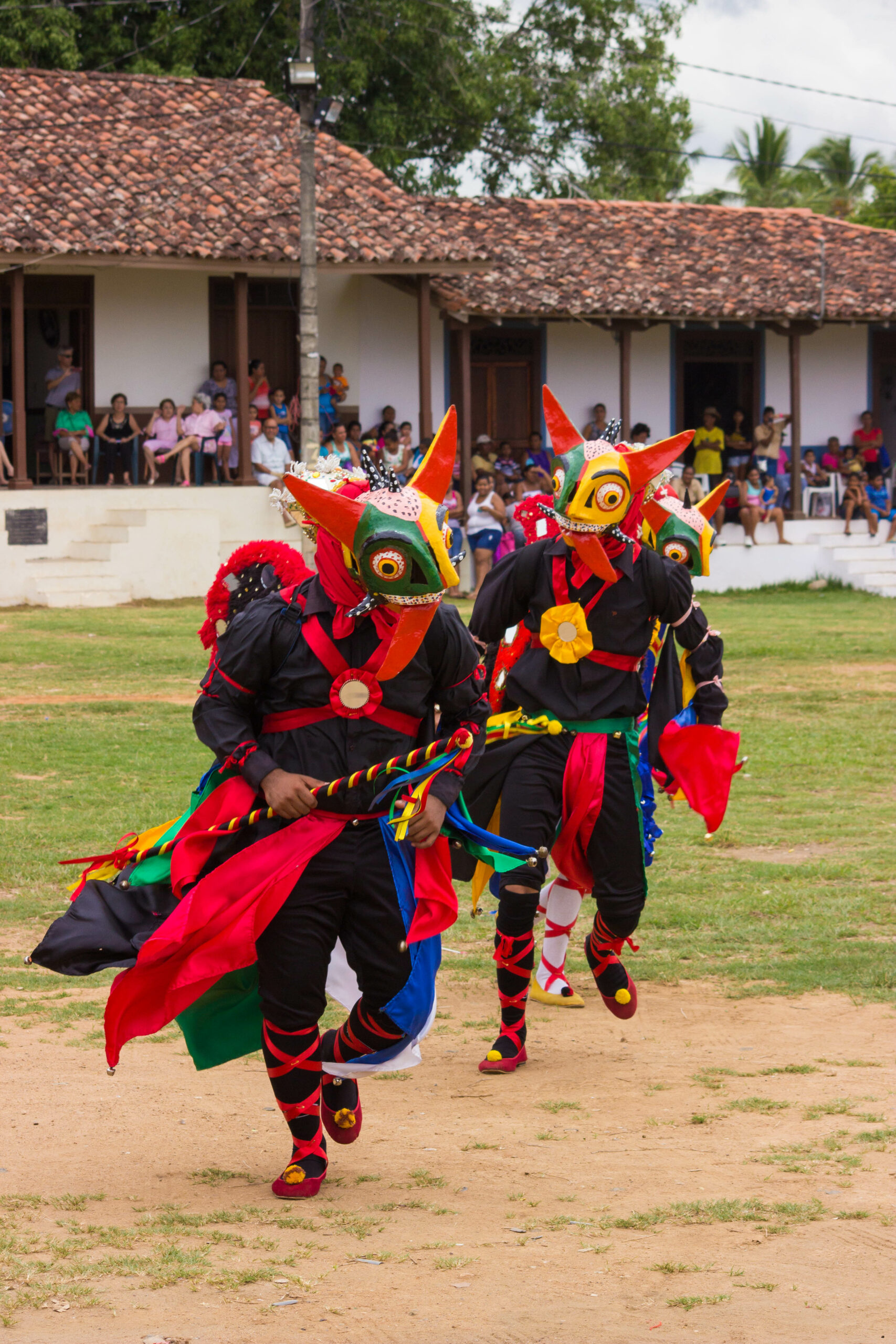
One of the characters of Corpus Christi is that of devils, that are characterized by their dances and masks that can display zoomorphic and anthropomorphic traits and vary its production in each community as well as have dialogue and different types of dances.
The celebration involves the five fields of Intangible Cultural Heritage, where social, ritual and festive uses and the arts of the show prevail, but oral expressions, knowledge of nature and the universe and artisan technologies are also clear.