Nada de Los Knights pays tribute to the Bicentennial
Content of the News
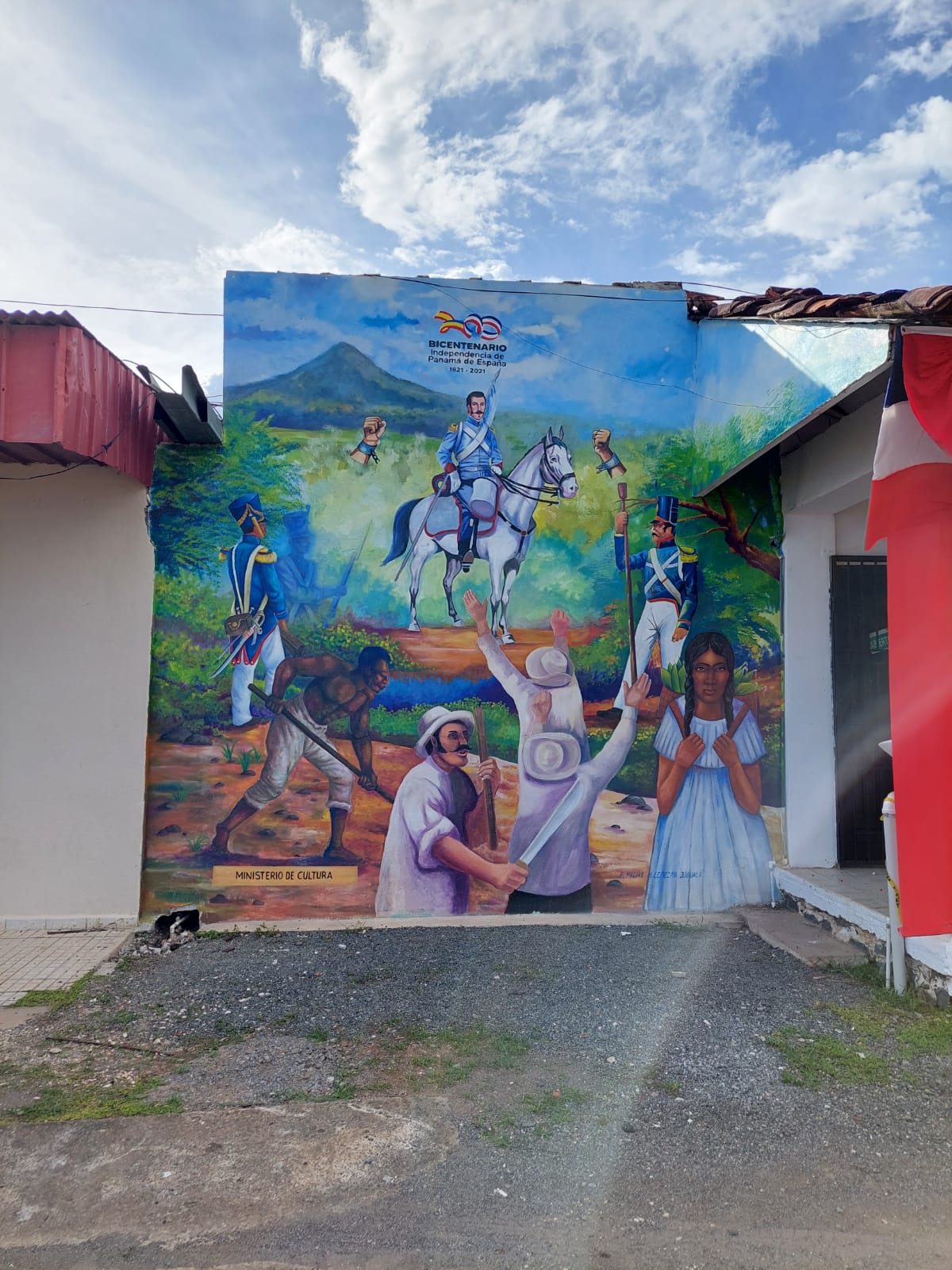
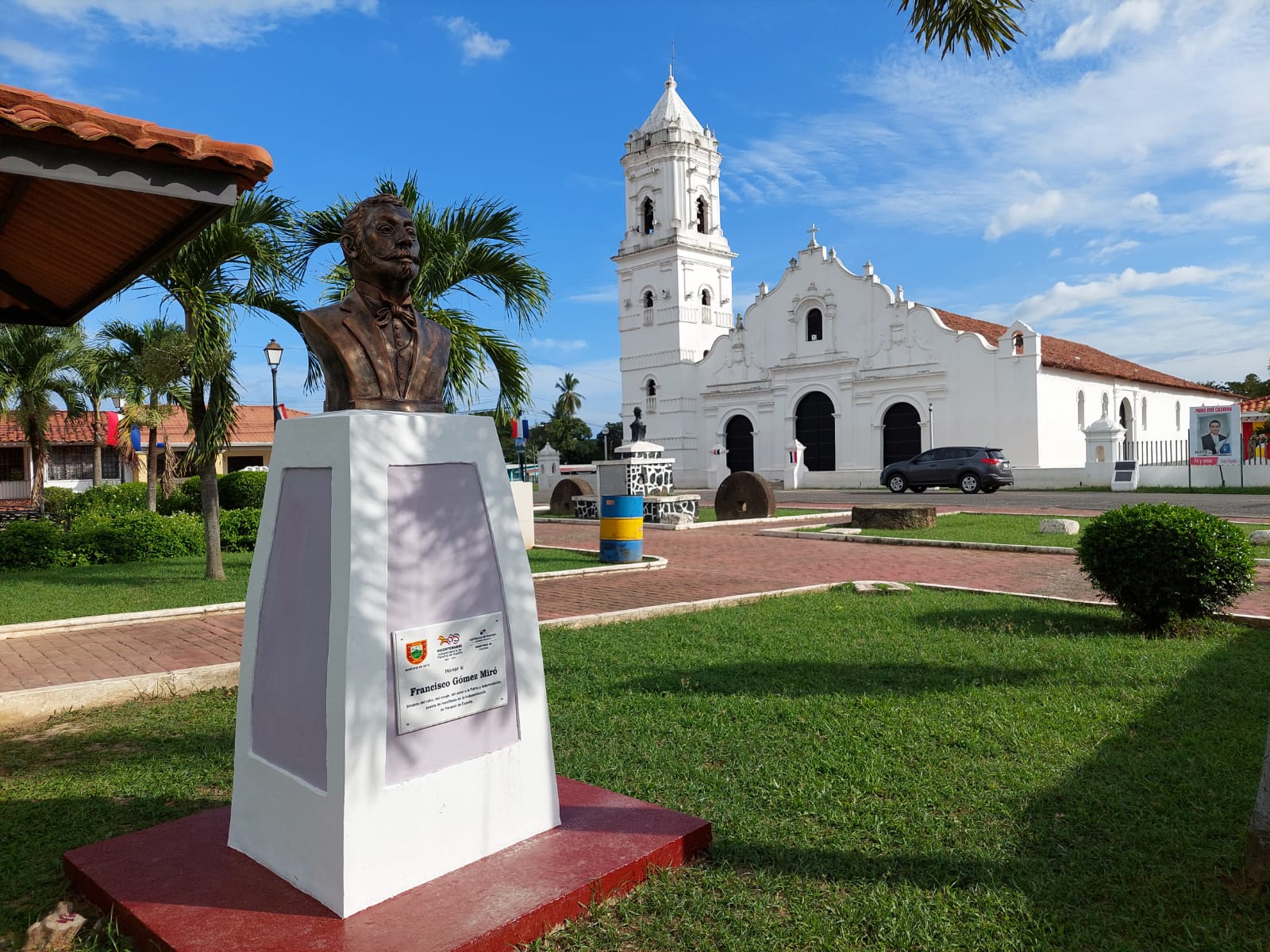
At the national level, the provinces supported by their local civil authorities and organizations have been organizing several activities to join the celebration of the Bicentennial of Panama's Independence of Spain, including Natah, a historic town, where prior to the reception of the Bicentennial Torch, a bust and a mural was first developed in honor of Don Francisco Gómez Miró, a man who loved freedom and a central figure of the patriotic gesture.
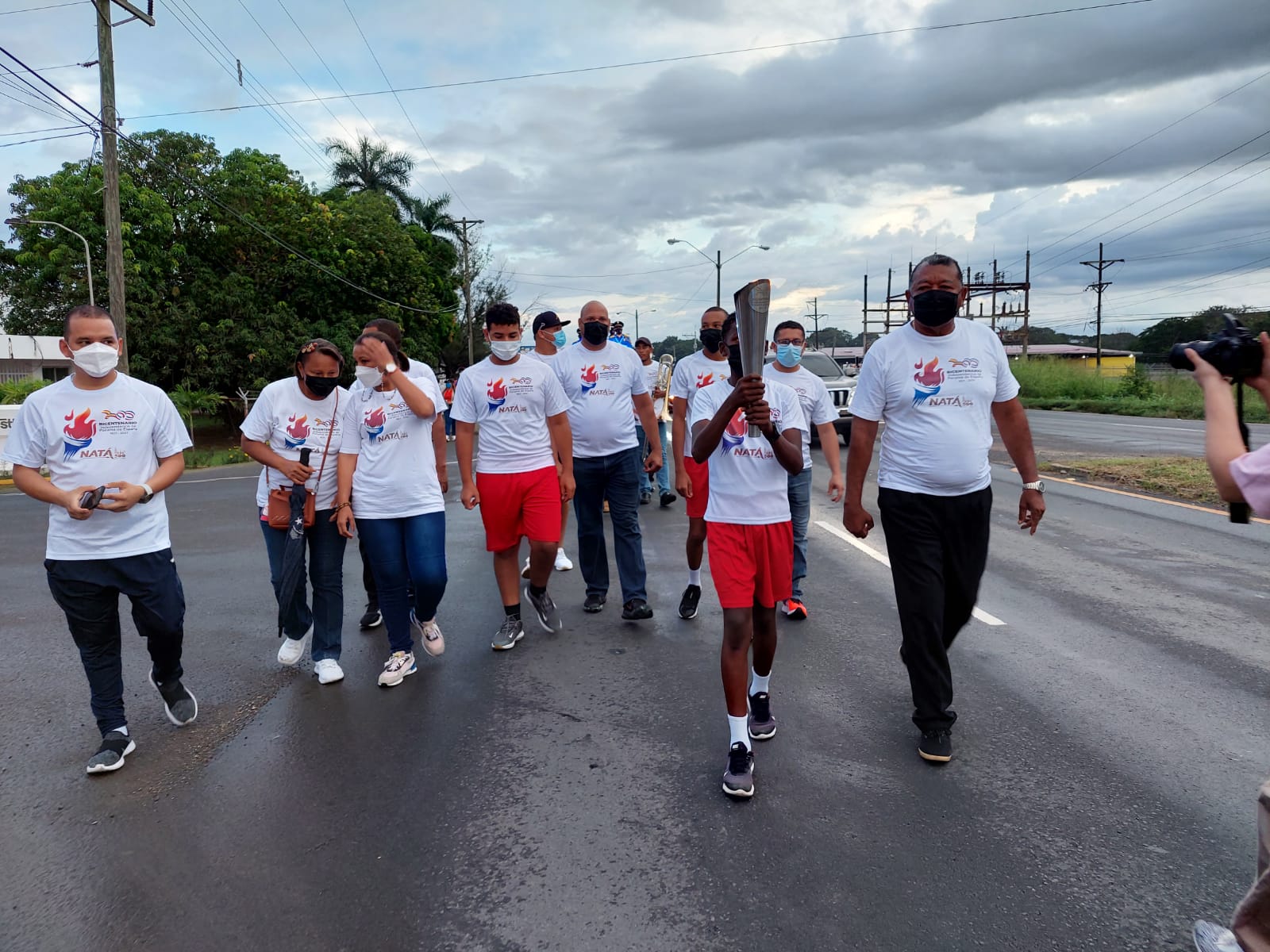
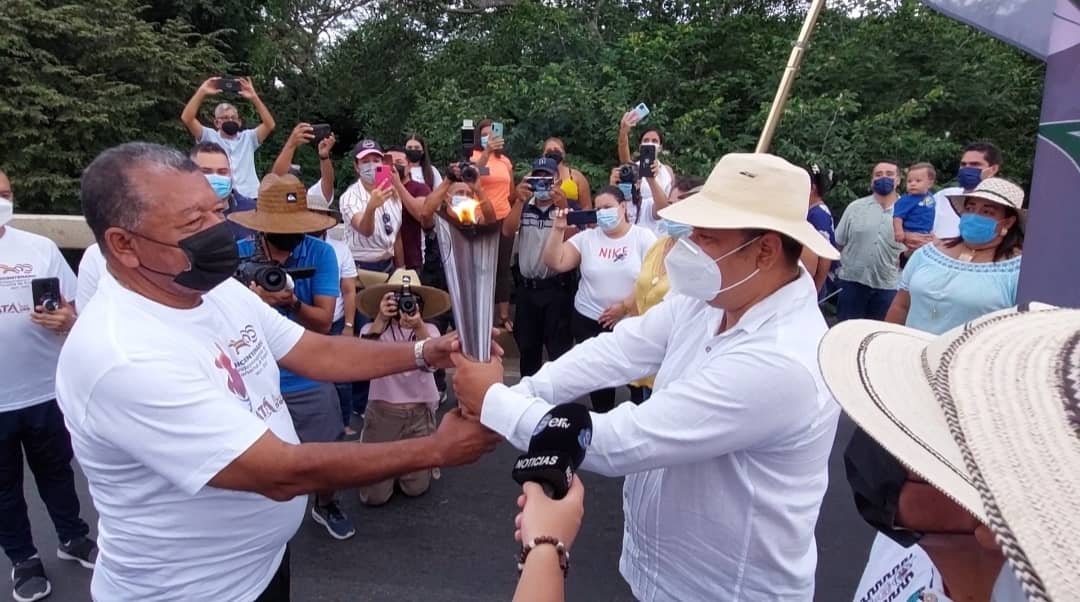
On Saturday, November 20, was Natah's turn to host the "Bicentennial Torcha" where Tomas ArRocha, mayor of Natá emphasized at the event of reception, held on the bridge of the Pocri River, by Jorge Herrera, mayor of Aguadulce represents that brotherhood that united us to these two districts and here at the crossing of these two districts we have been greatly welcomed and we will always continue to strengthen our friendship between Natah and Aguadulce and are warmly welcomed to celebrate with us our 500 years of founding our town.
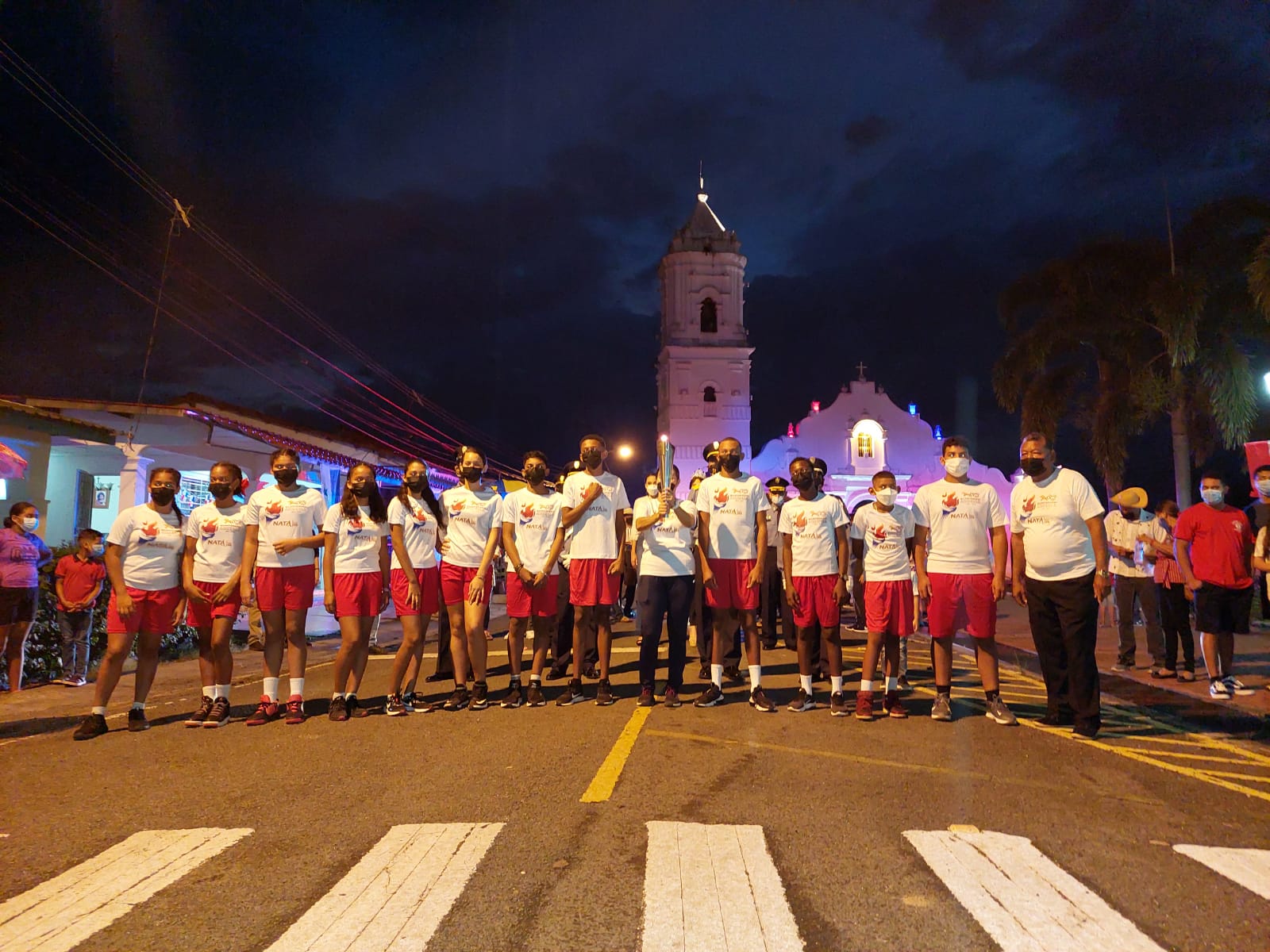
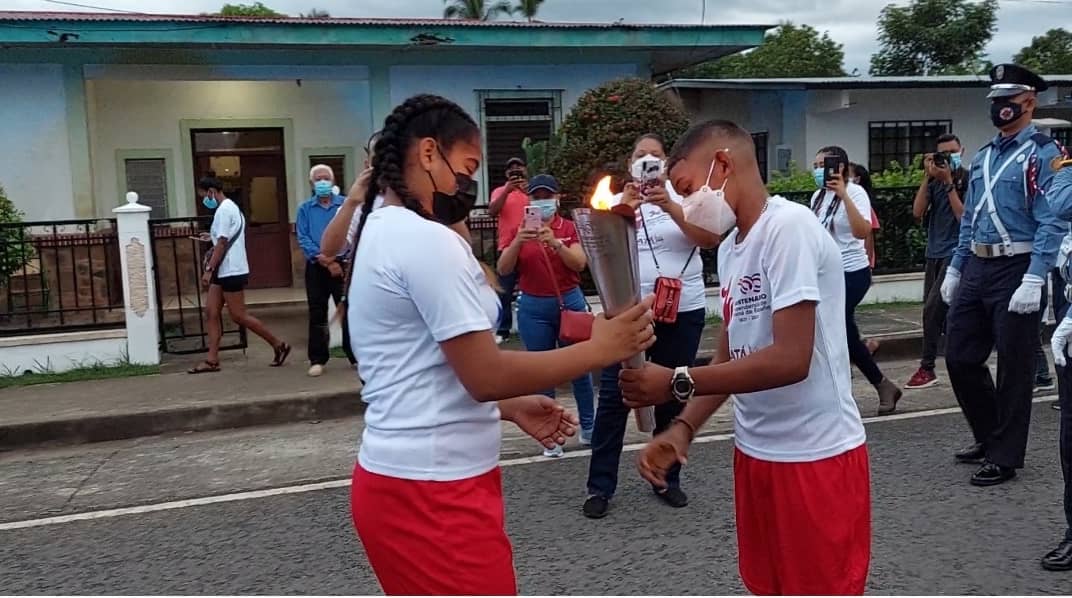
As part of the arrival of the "Bicentennial Torch," to the town of Natah, a triumphal entrance was organized in collaboration with members of the Natah's Benemérit Fire Corps, where thirteen young athletes had an opportunity to walk with the Torcha, and they formed a reeling chain to reach the town's main square, and this was at the best of them.
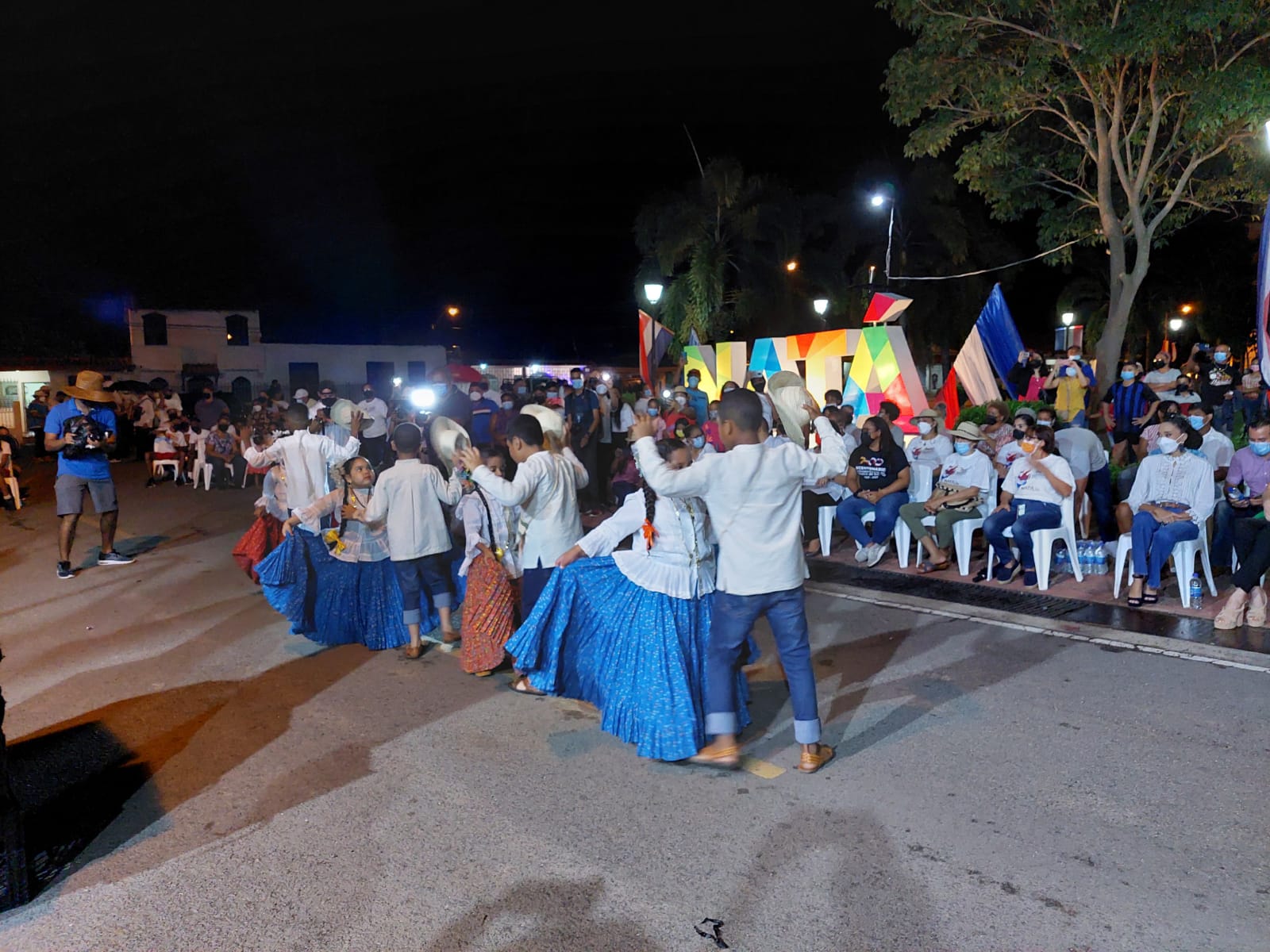
The celebration continued with a cultural night with folkloric ensembles, tamborito's singing, dances and recognition to the athletes and to Mrs. Hilda Valderrama de Cano for their contribution to the development of the promotion of Natah's traditions.
"We thank Natá for joining and receiving this Torcha, 200 wishes for Panama and for the organization they have had to host her," said Opal de Ycaza, Chief of Staff of the Supreme Office of MiCultura.
The activities leading up to the reception of the "Bicentennial Torcha" by the Natá District began on Monday, November 15th, where the Municipality of Nata in the figure of its mayor Tomas ArRocha and the atatatariego plastic artist Rodolfo Macías, supported by the town's event committee decided to recognize the contributions of Miró through two excellent pieces of art.
The Vice Minister of Culture, Gabriel González, who participated in this event, emphasized his intervention his figure as Francisco Gómez Miró, indicating that it's an honor through the development of this bust and the mural to do justice to the legacy of this ideological and transcendental procer independence. Today more than ever, the count and historic significance of the heroes, after the cry of independence of La Villa de Los Santos, are of great importance.
"Gómez Miró was appointed" commander of the battalion, "an office approved by the competing authorities and applauded by the whole town, recognizing him as the best leader of the movement at Natá, La Villa, Santiago de Veraguas and other inner peoples, heroes leading us to consolidate our independence from Spain on November 28, 1821, added Gabriel González.
Both works were designed and worked out by Rodolfo Macias, a professor of plastic arts at the CESBAF at MiCultura at Aguadulce, who points out that "both pieces were with great care, I'm a natary and I have great love for history, I love culture and art as I was appointed to have researched and presented the respective sketches to the mayor whom I have been most grateful for choosing me."
Máías, referring to the bust, stated that "the figure became elevated as his hero, who fought for freedom and rebelled against his crown. He's dressed as a civil with his lampient beard with his mestizo condition and his concrete and terracotta."
While, for the mural, the plastic artist explains that "we see a Miró at the top, as a military, lower two Spanish soldiers turning his back, we also see in the same line mixed individuals that are cheerful. At the other end a black man because to Natah they brought slaves from Africa and we see him that they continue to work. Also we can see the figure of a zamba that's the blend from Indian to black. To this work I received the collaboration of artists Manuel Ledezma and Jairo Iguala.
Natá is the third oldest town in Panama, founded by the Spanish on May 20, 1522, after God's Name and Panama City. It's the second oldest town founded by Europeans on the Pacific coast after Panama's town. The complete name of this historic town is Nata de Los Knights, by local cacique Anata and "The Knights," by the 100 Spanish knights quartered in the town.