
"The Bicentennial will have its display"
Content of the News
The Spanish Ministry of Culture and the Interoceanic Canal Museum and the Center for Historical Research and Research have been united with their efforts to conduct an expand that aims to highlight the historic value of this important date. That's an important exhibition that aims to explain and explain through visual resources the history of those that happened 200 years ago and its importance for Panama's history and its formation as a republic. That's why the contest "Bicentennial Exhibition" was held.
The contest was directed at national illustrators with the aim of illustrating or translating the contents of the exhibition "The Way to Independence" in commemoration of the Bicentennial on November 28 (1821-2021). Thus, they were winners: Martanoemí Noriega, Maibel Mendoza, Jam Pierre Barria, Gabriel Gómez, Denise Quintero, Jorvan D'Ordy, Alberto Weand Ortiz, Rubén Arauz and Alcides Hunt.
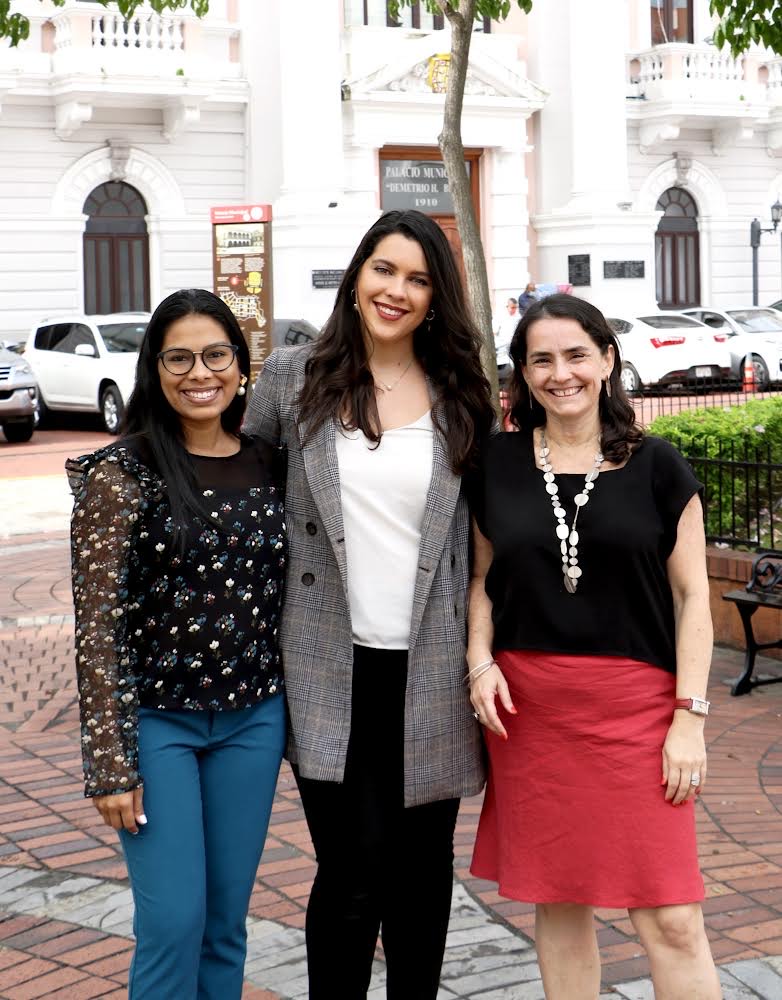
The selection committee was composed of the Executive Director of the Canal Museum, Ana Elizabeth González, the Director Center for Historical, Anthropological and Cultural Research of the Ministry of Culture, Marixa Lasso and the Coordinator of Interpretation of the Biomuseo, Darién Montañez.
For Marixa Lasso, "one of the most beautiful things about this project has been the collaboration between several institutions and several disciplines. That's why I have been greatly illuded by the next phase that I have been required to discuss with each of the nine illustrators select about the historic issue that each of them has been required to illustrate. Why is this dialogue between historians and illustrators important? Because we have no images of events that have happened 200 years ago. No photo and we have been found to smell or awnings from that historic moment in Panama. But historic documents if they give us very detailed and rich descriptions of events that help us to come out from these moments, and that are about."
For his part, Ana Elizabeth González, Executive Director of the Canal Museum expressed: "with this experiment of integration between art and history, we have generated a link between the past and the present, connecting the best of national talent and historic research through a travelling exhibition that will start his journey at the Canal Museum and will conduct different scenarios from within the country for a year. It has been a true pleasure for me to work with women such as Anayansi and Marixa who fight for culture in the country. I hope that this will be the first of many collaborative projects to come."
The National Director of Museums of My Culture emphasized the importance of the date because it forms part of the identity of the Panamanian people. "The exhibition was thought about so that we will be more empowered from our nationality and that we will be proud of that historic legacy that is part of our museum's museum collections." It will be exhibited about a month at each of the museums that manage My culture, so that all Panamanian people will get to know the bicentennial through the look of 9 artists chosen for this pictorial sample. "