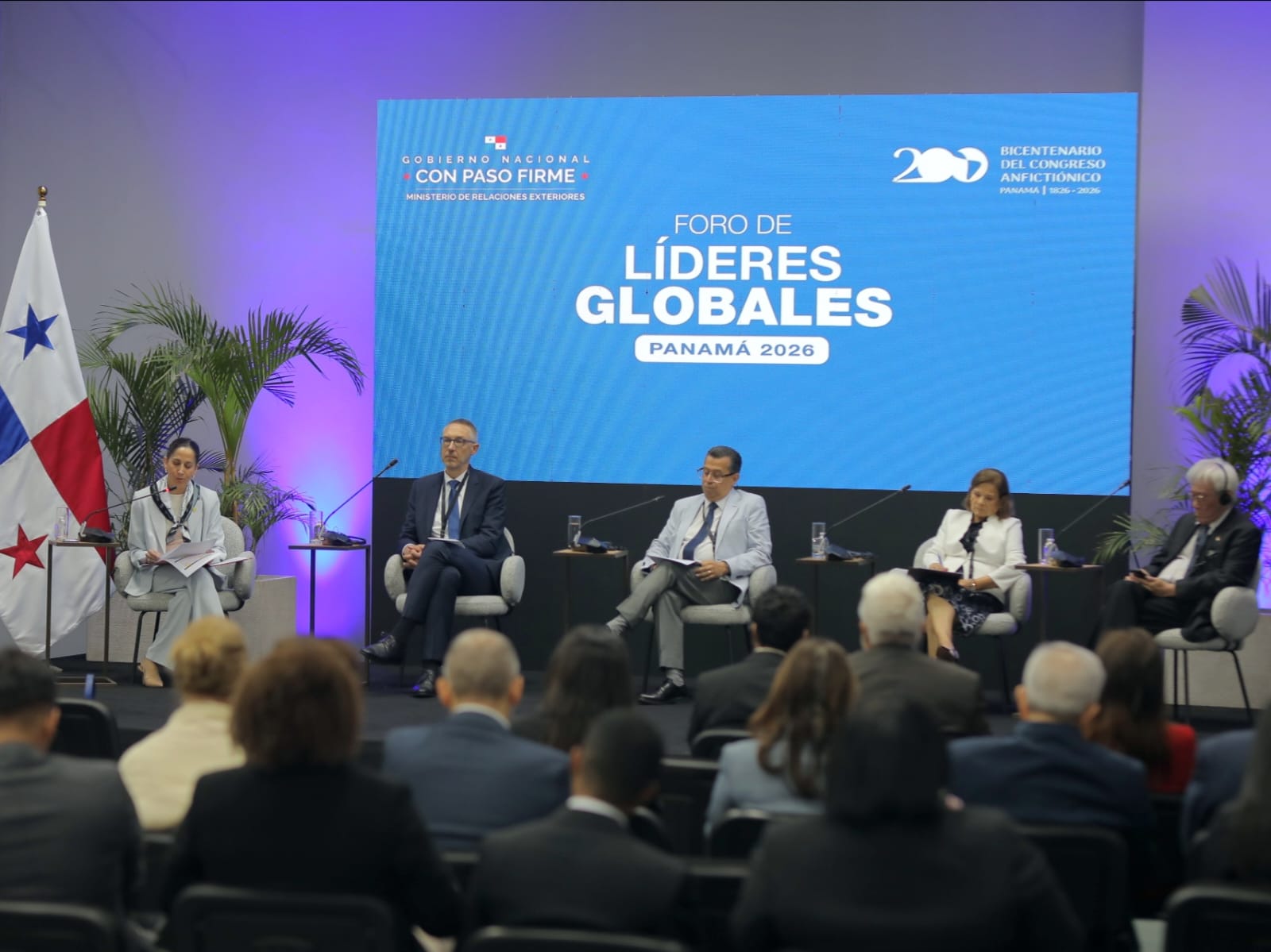
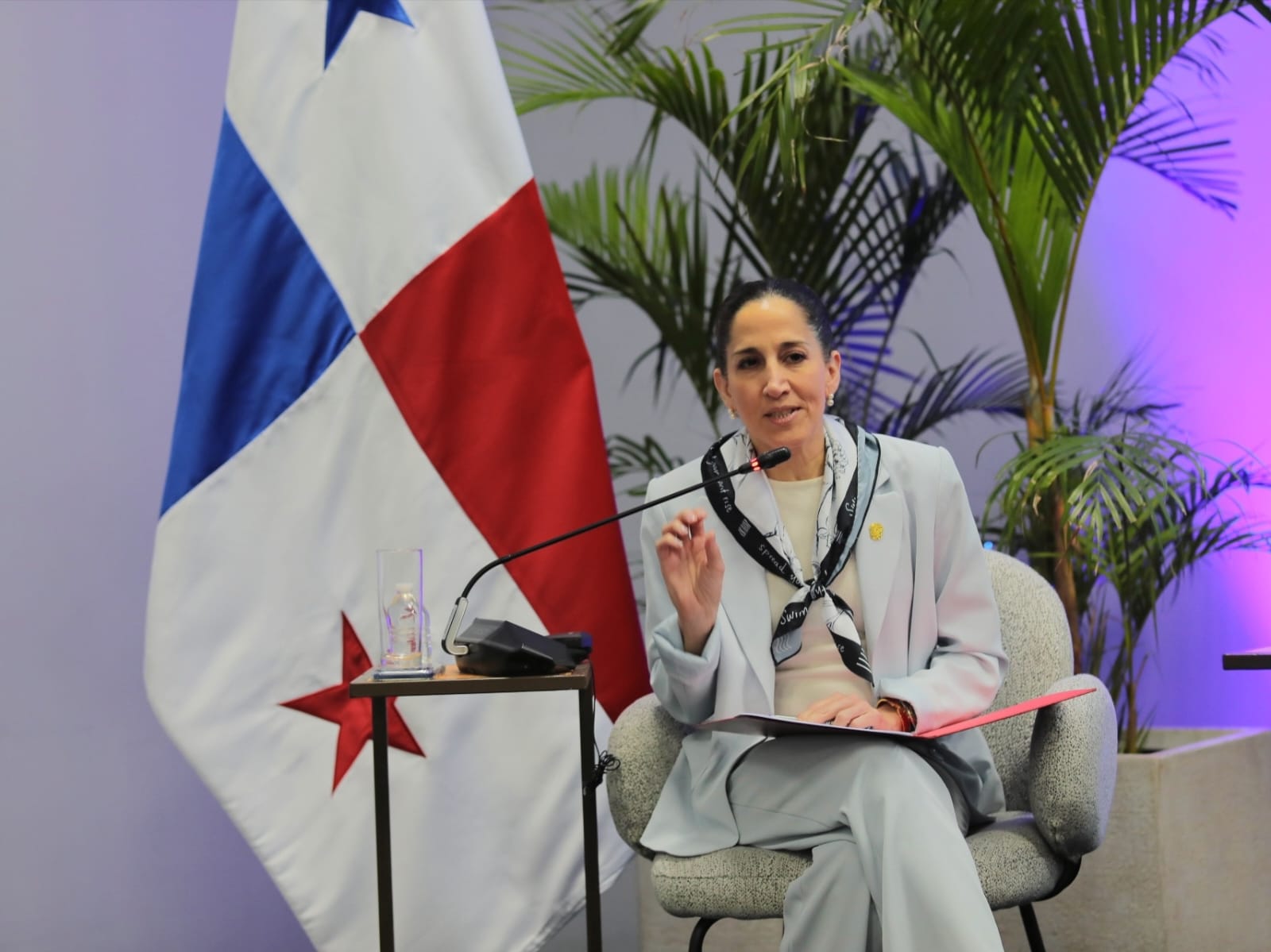
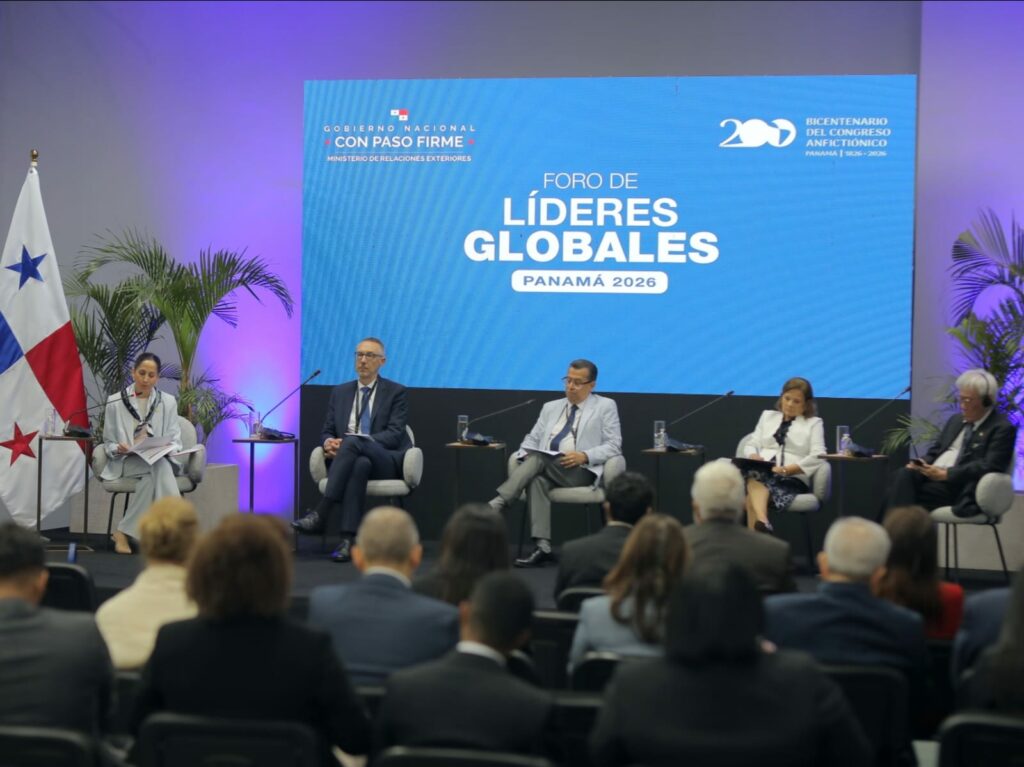
Panama, June 26, 2026. The Minister of Culture, María Eugenia Herrera, today led and moderated the high-level panel "Knowledge, Culture and Diplomacy," a space for reflection held at the Forum of Global Leaders to commemorate the Bicentennial of the 1826 Anfictionic Congress and the 56th General Assembly of the Organization of American States (OAS)
The activity was undertaken with the aim of highlighting culture and the exchange of knowledge as the firmer foundations for regional integration, recalling that there is no lasting political or economic union without a profound sense of identity and membership.
During the meeting, we discussed how cultural diplomacy is a fundamental pillar capable of opening doors where other formal strategies have boundaries.
In a context marked by technological immediacy and complex economic challenges, participants emphasized the urgency of sustaining public investment in the sector. Also, the need to design policies of outside culture that promote international cooperation, research and educational exchanges as tools for cognitive and social development was put forward.
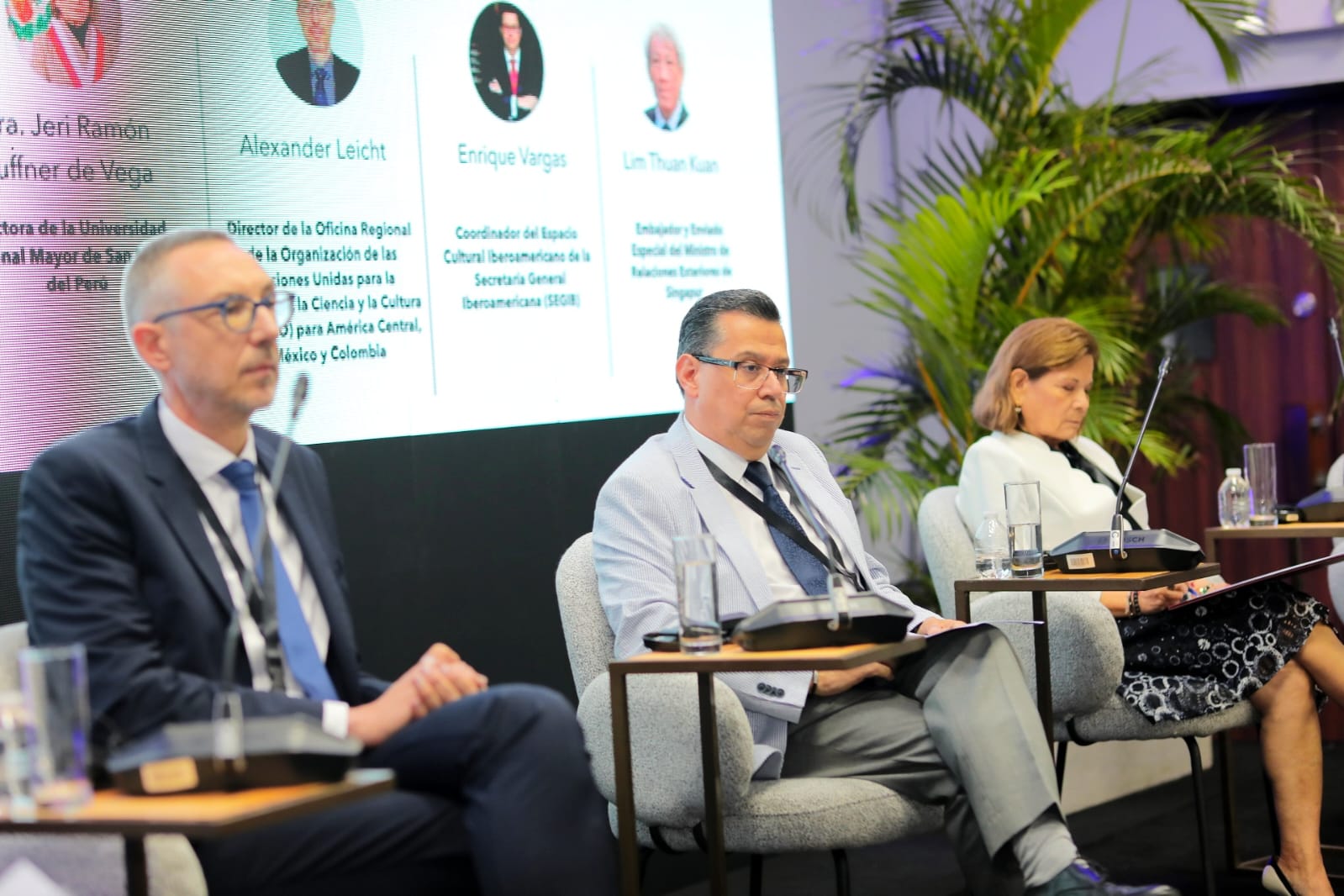
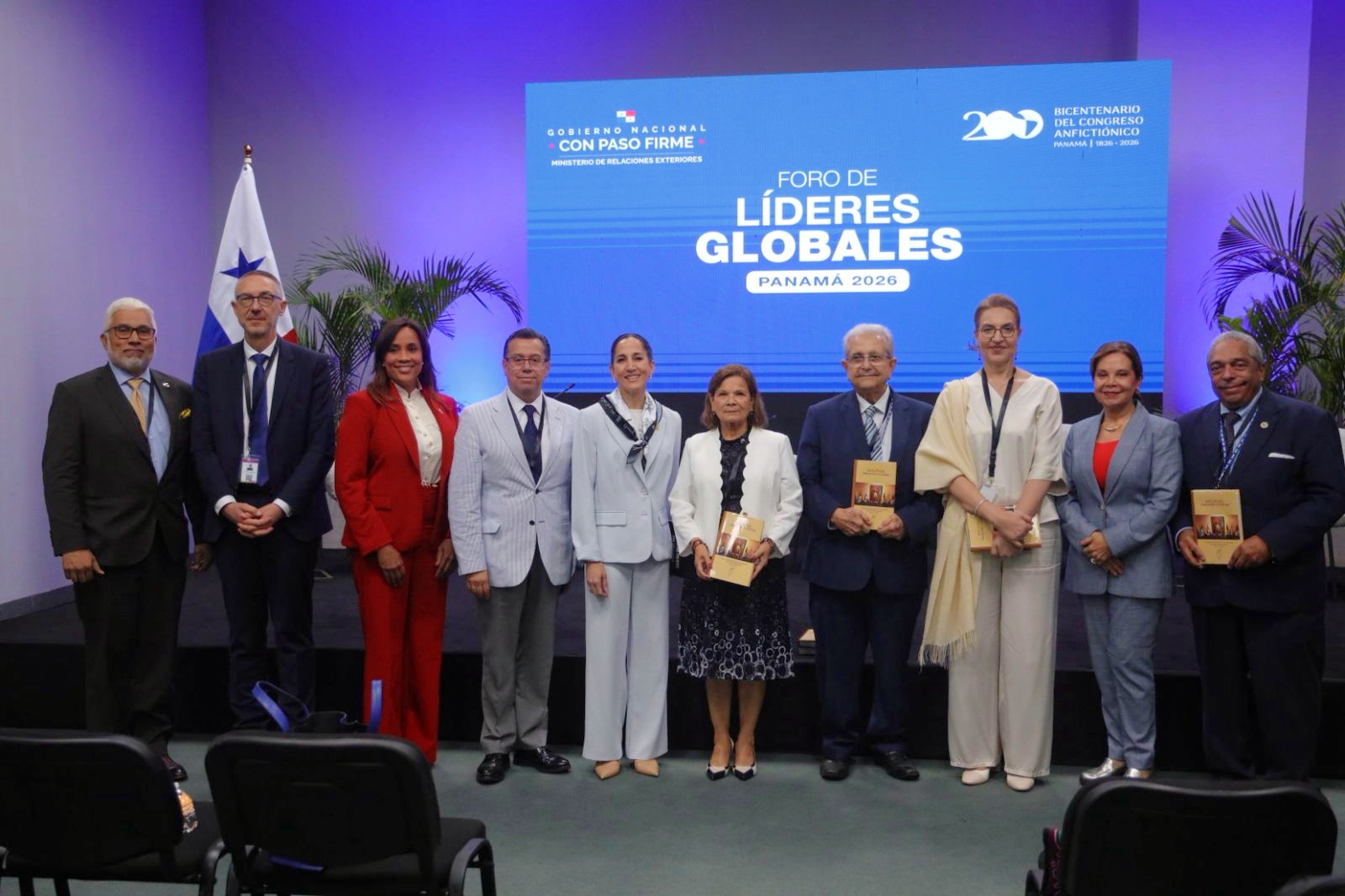
The dialogue was highlighted by the participation of a select group of global leaders that brought different perspectives to the debate.
Jeri Ramón, rector of the Universidad Nacional Mayor of San Marcos of Peru and Alexander Leicht, director of the UNESCO for Latin America, gave an academic and multilateral vision about the rescue of resources from the study centers.
For his part, Enrique Varga, Director of Culture of the Ibero-American General Secretariat (SEGIB) and Lim Thuan Kuan, Ambassador of Singapore, enriched the table by addressing the importance of inter-State cooperation and the value of art and heritage in modern geopolitics.
One of the most outstanding points of the panel was the call to transform the role of native communities and new generations.
Expontors agreed that indigenous peoples should be recognized as full institutional actors and not as mere objects of study, respecting their diversity to build true multicultural nations.
At the same time, it was emphasized that youth cannot simply commemorate the past and that institutions have to provide digital tools and active workshops so that youth will strengthen their sense of belonging to the planet and lead the creation of their own project of life.
With the conduct of this forum, Panama confirms its historic vocation as a connecting and epicentre country of constructive dialogue.