MOVEMENT OF FORTALECE INDIVIDUAL INDIVIDUAL and PHOTOGRAMETY
Content of the News
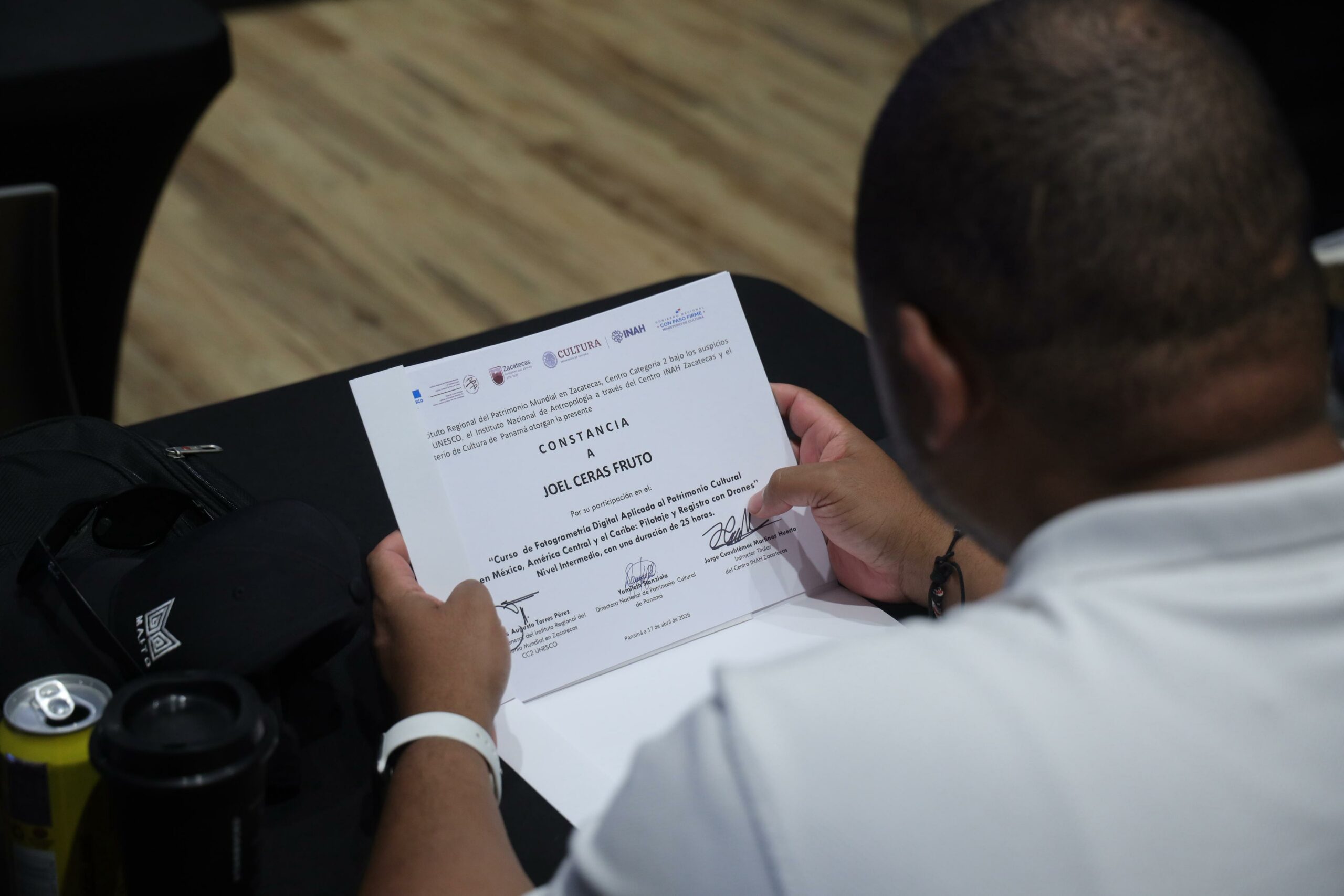
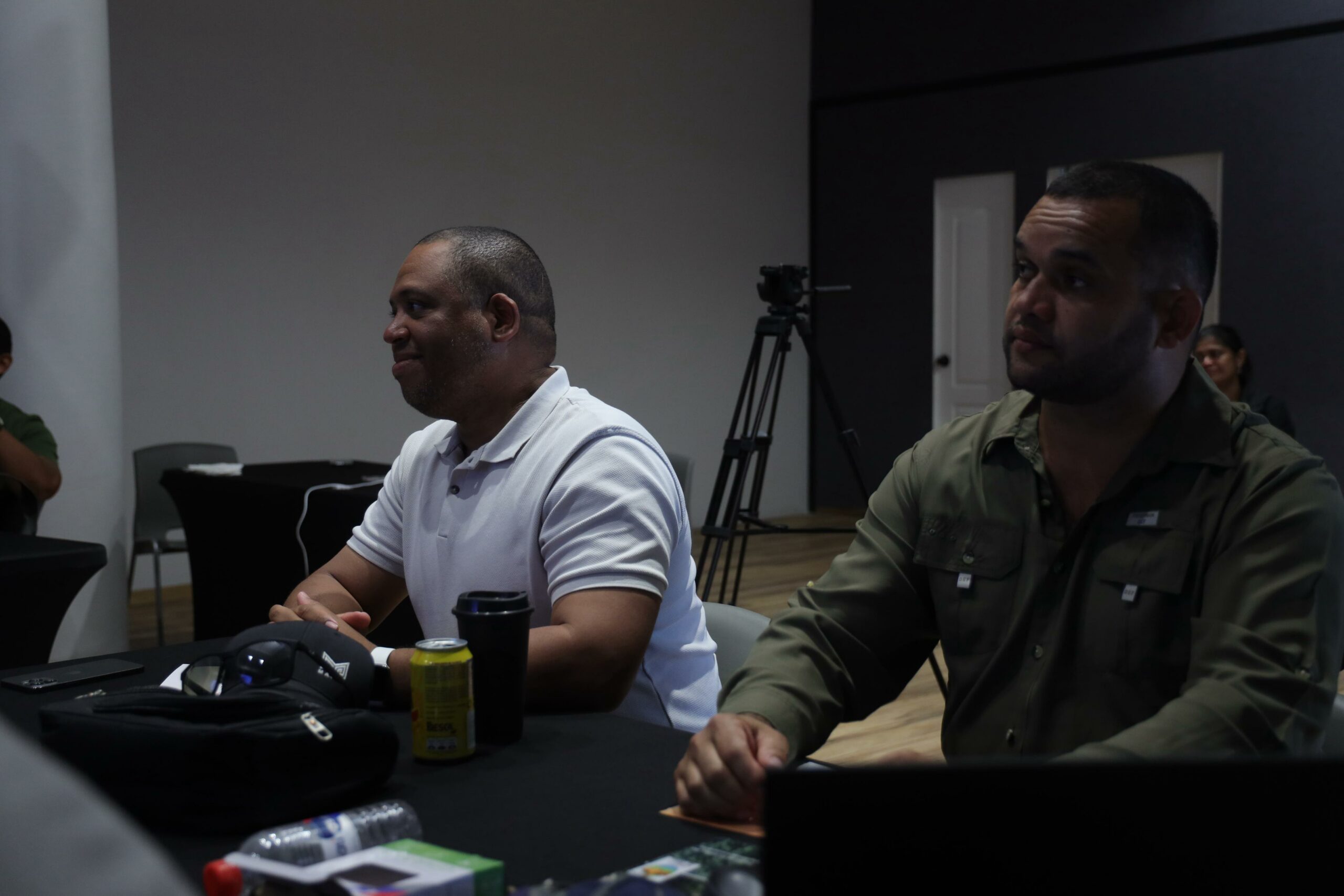
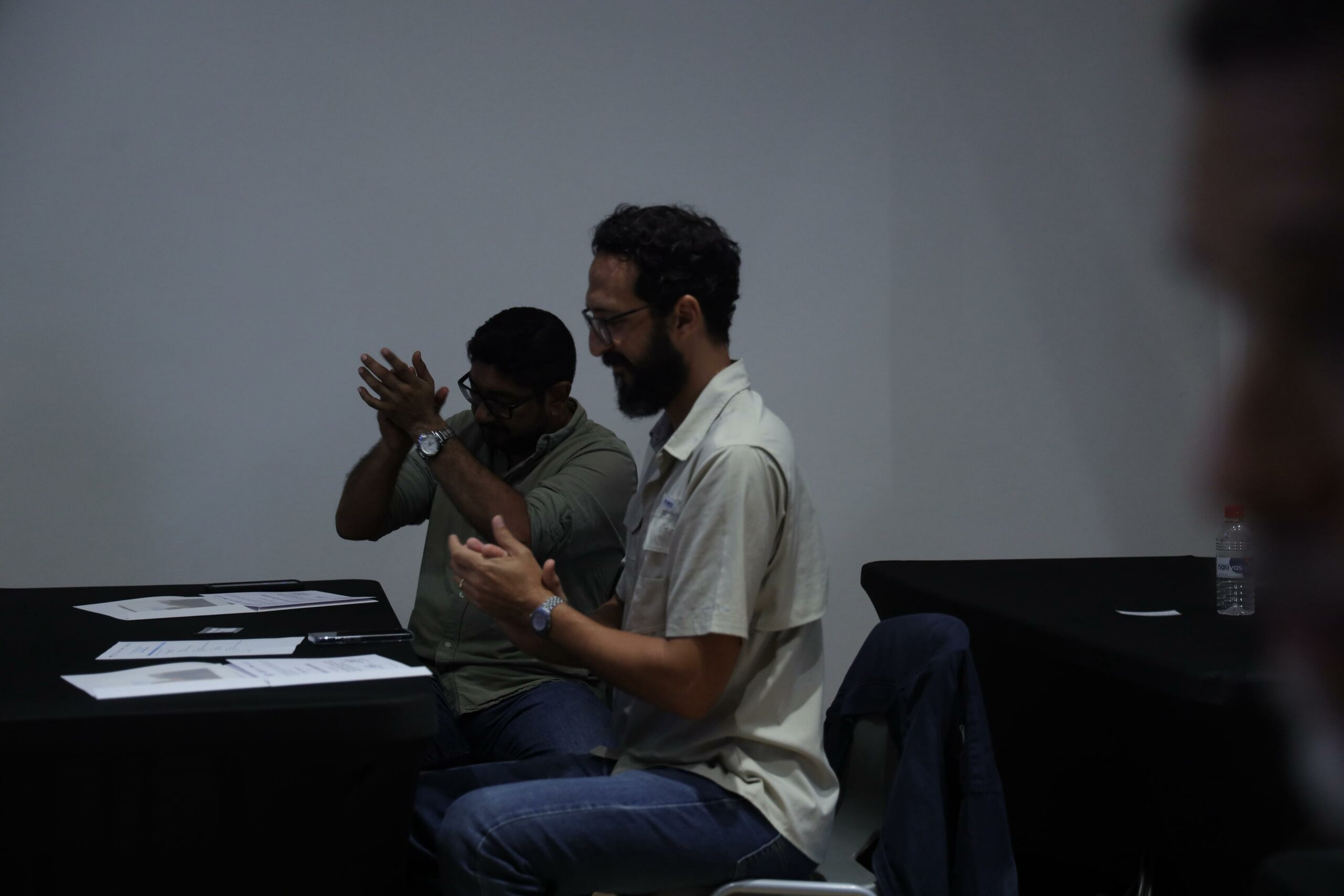
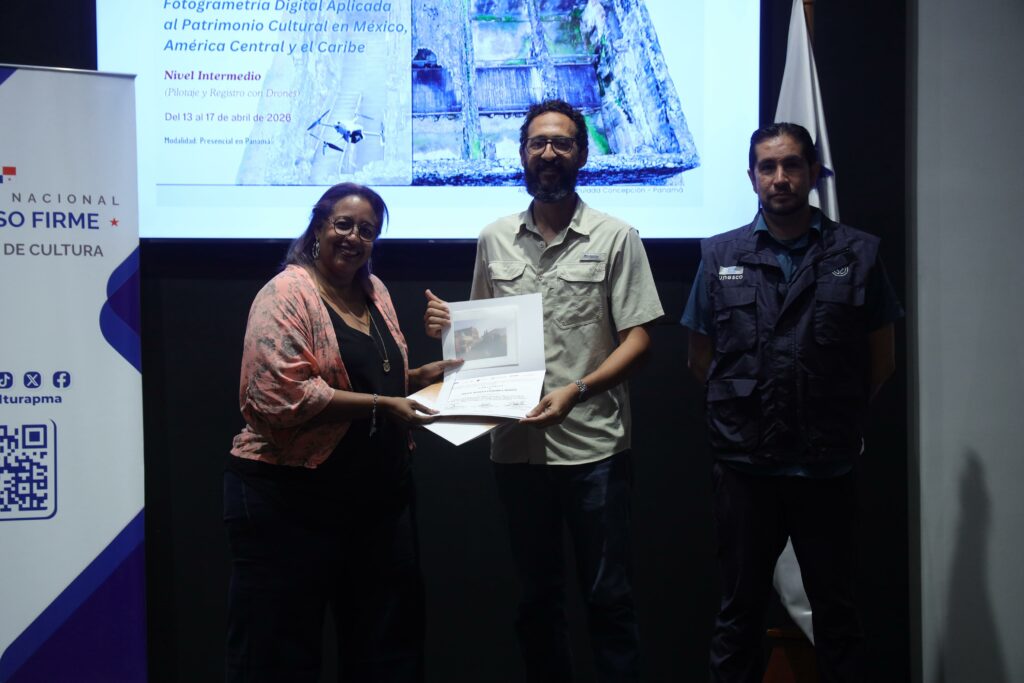
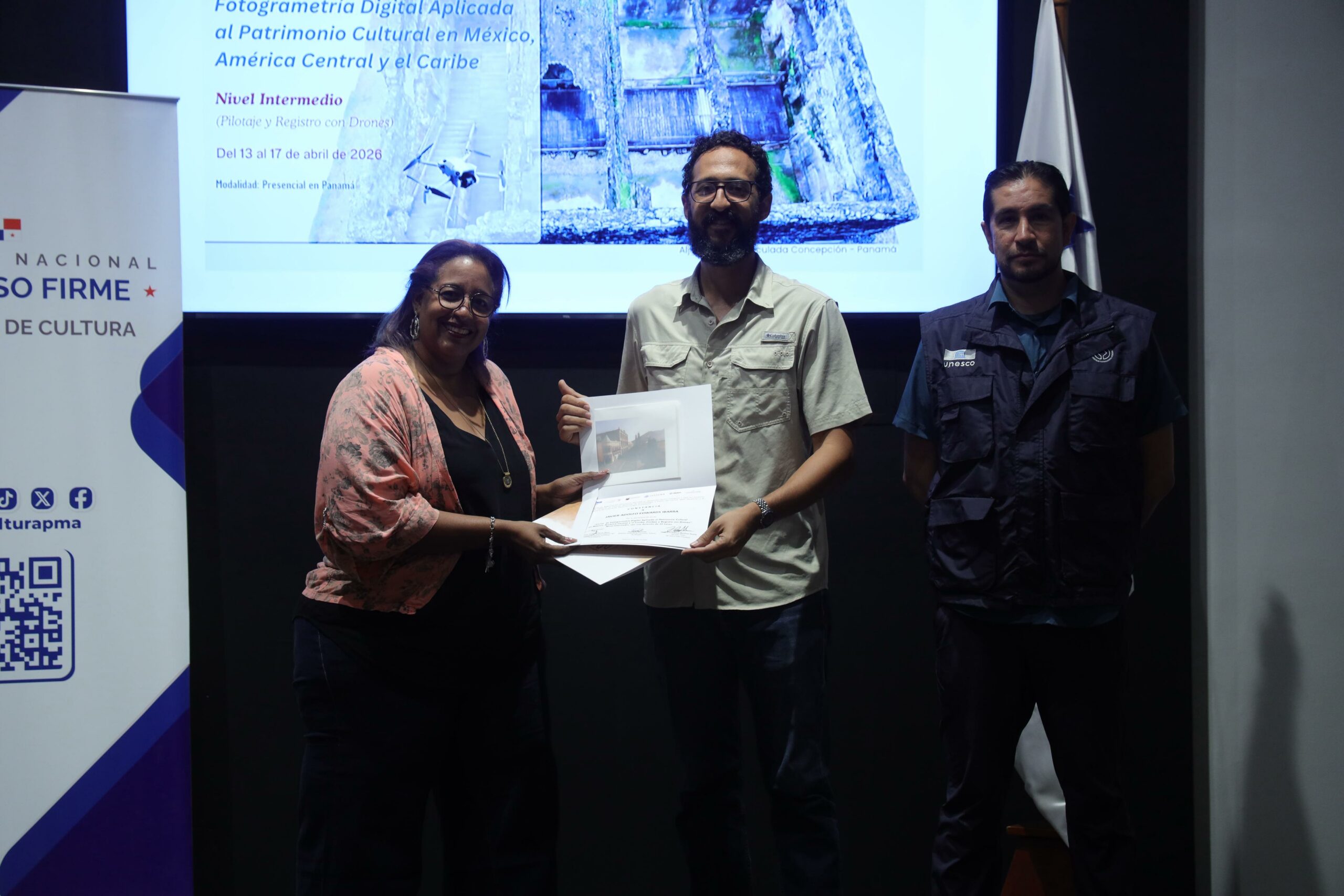
Panama, April 17, 2026. The Ministry of Culture, through the National Cultural Heritage Office, conduct a course of Digital Photogrammetry applying to Cultural Heritage from April 13 to 18 with a view to strengthening national capacities for the documentation, conservation and management of the historic heritage of the country.
That training forms part of the specialized training process that began in November 2024, as Panama participated in the Digital Photogrammetry Course applying to Cultural Heritage (basic level), conducted virtual by the Regional Institute of World Heritage at Zacatecas (IRPMZ), a category 2 centre under the umbrella of UNESCO, as part of the implementation of the 1972 World Heritage Convention, to which Panama is a State party.
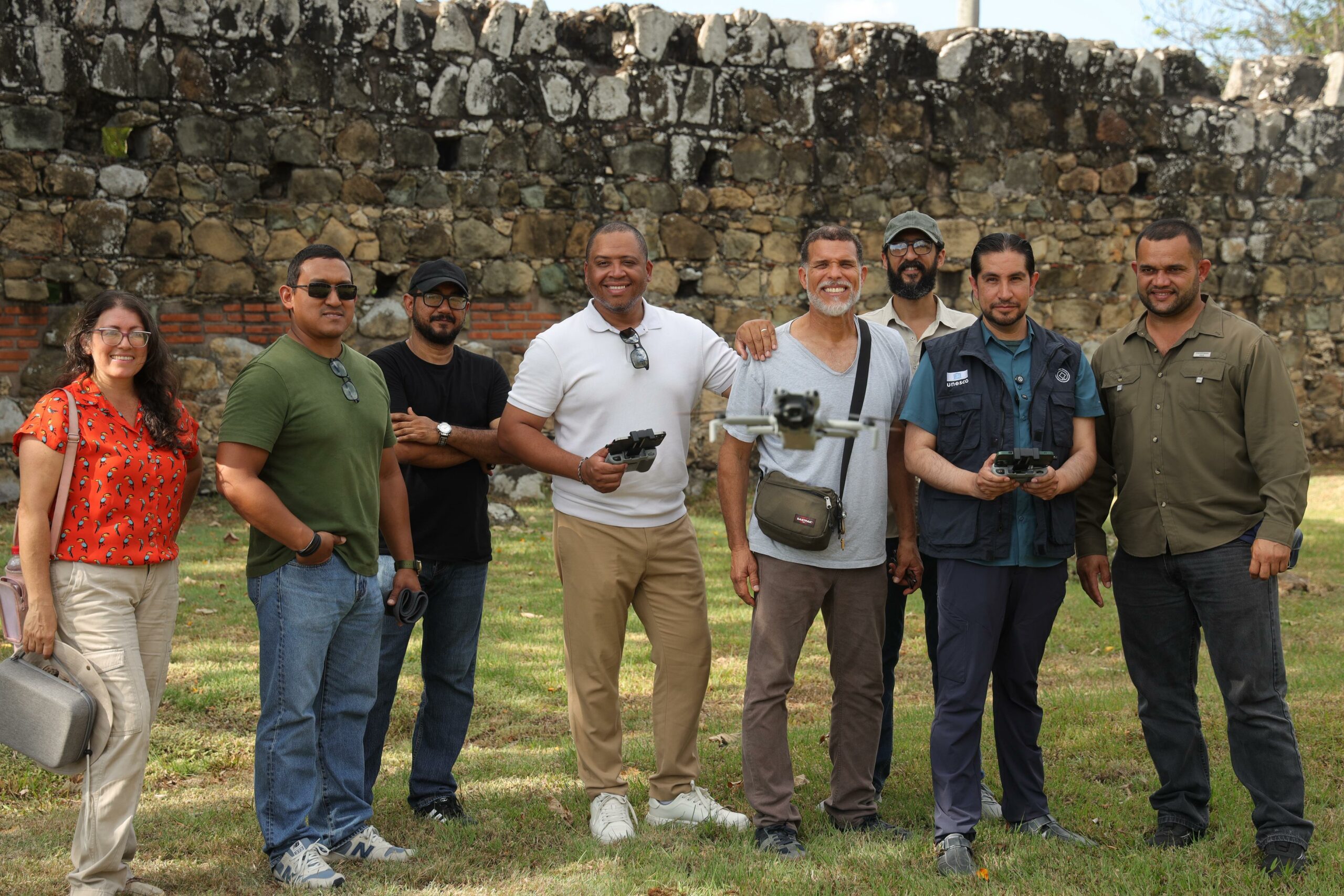
The course corresponds to the intermediate level and takes place with face to face in Panama with the participation of experts from Mexico and the Panamanian professionals who have completed their initial training. That phase will make it possible to put into practice the use of digital photogrammetry using drones, technologies that facilitate the generation of precise three-dimensional models of heritage structures and cultural landscapes.
The training day includes the participation of the director of the Regional Institute of World Heritage in Zacatecas (IRPMZ), Carlos Augusto Torres Pérez, an architect specialized in the restoration of historic monuments and management of cultural heritage with extensive experience with conservation projects in Mexico and regional co-ordination of initiatives related to UNESCO.
The Mexican specialists Jorge Cuauhtémoc Martínez Huerta, an archaeologist and an expert with 3D technologies applying to cultural heritage, with experience with digital documentation of archaeological sites of international relevance and Juan Carlos Basabe Bañuelos, a professional with an association with the National Institute of Anthropology and History (INAH), with an experience with documentation and registration of cultural heritage.
The implementation of this technological tool is key to the precise documentation of the status of conservation of property, enabling regular monitoring, early detection of potential damage and design of preventive conservation strategies based on technical evidence.
Also, the use of photogrammetry strengthens risk management and emergency response by generating reliable digital records that facilitate damage assessment and dedicated intervention planning. An example that indicates the importance of these tools was the partial slide registered at the southern slopes of Chagres's San Lorenzo Castle, where detailed analysis of the ground would have been able to benefit from 3-dimensional models generated by photogrammetry.
The training will also contribute to improving the collection and study of hard-to-reach heritage sites, such as the historic roads of the Transistmic Colonial Route, located within national parks as well as the fortifications of the Panamanian Caribbean at Portobelo and San Lorenzo, both of them listed on the UNESCO World Heritage List.
Likewise, this technology will allow more precise documentation of structures with high height or architecture complexity, including Torre de Panama Viejo, Torre Exenta de la Catedral de David, historic fortificaciones and heritage constructions in different monumental ensembles of the country.
The national director of Cultural Heritage, Yamileth Stanziola, emphasized that the technical strengthening of institutional equipment is key to protecting the country's property.
"The introduction of technologies such as digital photogrammetry represents an important advance for the management of cultural heritage. It allows us to document our historic monuments and landscapes with precision, to improve research and conservation processes and to respond more effectively to risk situations that may affect these goods that are part of the collective memory of the nation."
With this initiative, the Ministry of Culture implements its mission with the specialized training of its technical staff, the incorporation of innovative methodologies into property management and the strengthening of international cooperation to ensure more efficient and sustainable protection of the Panamanian cultural heritage.