
Panama report and issue President Pro Tempore of CECC-SICA
Content of the News
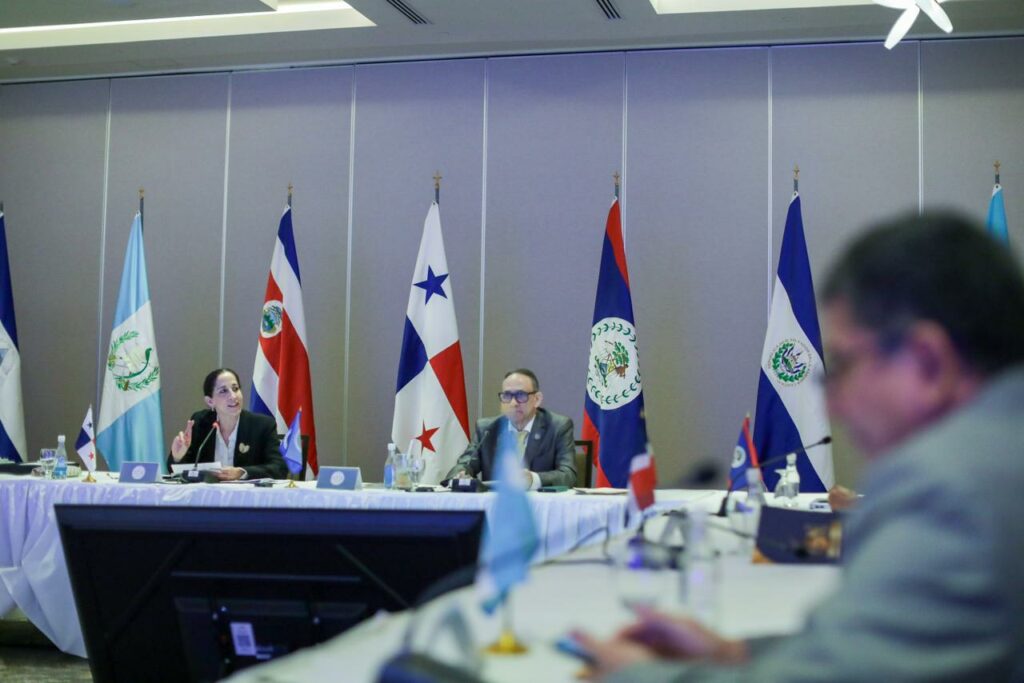
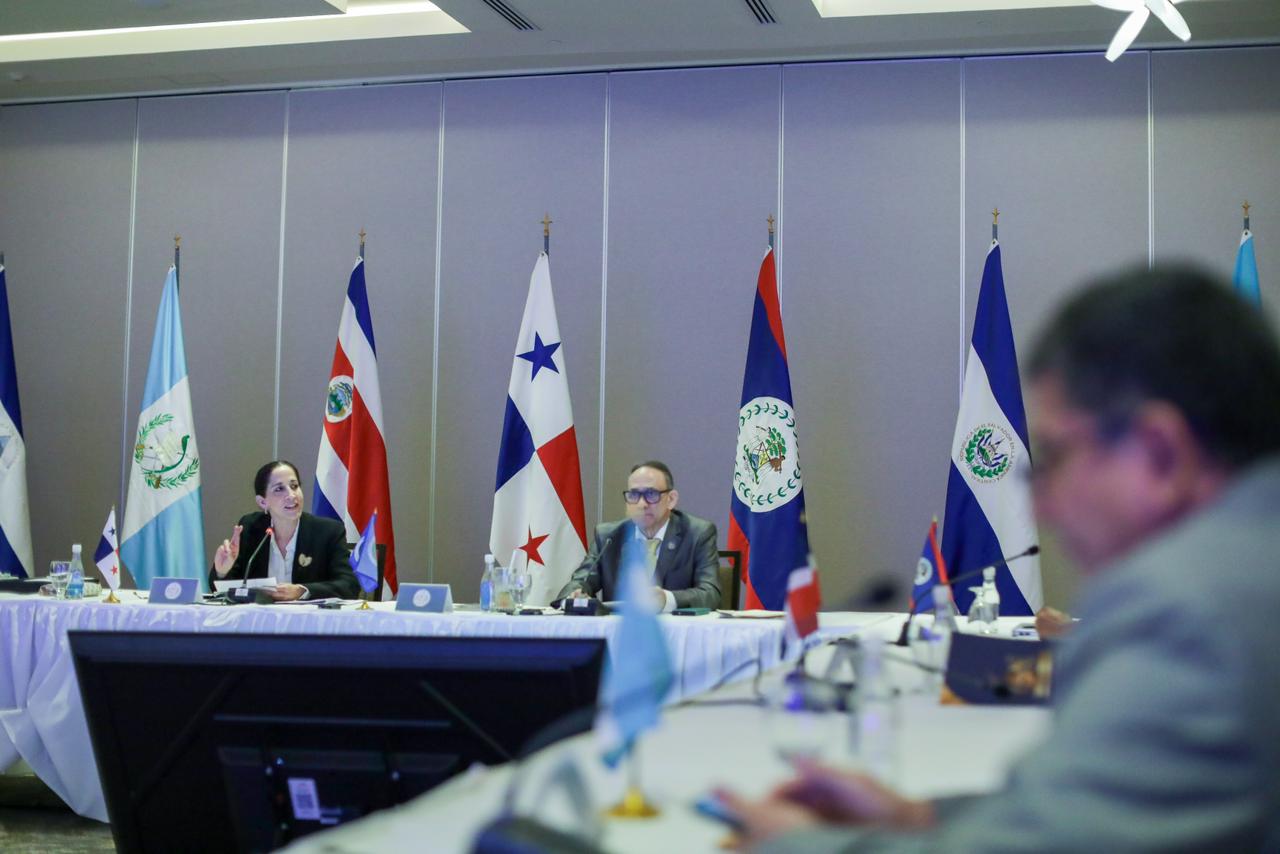
Panama, December 10, 2025. - After 6 months of exercising the Pro Tempore Chair of the Central American Cultural and Educational Coordination of the Central American Integration System (CECC- SICA), Panama's Minister of Culture, María Eugenia Herrera, gave up a report about his work.
At first instance, Minister Herrera explained that her management was based on that the culture of the SICA region was not an appendix and was at the heart of sustainable development. Two extraordinary meetings were held during his presidency and at the first, two regional instruments were adopted: The Central American Plan for Indigenous Languages and the Regional Policy for the Promotion and Protection of Religious and Cultural Workers.
Two projects were approved at the second stage: the creation of the Young Central American Orchestra and the South American Visual Travel Award. These projects are the seed of a new generation of artistic talent articulated for the region.
During his report, Minister Herrera emphasized that the meetings laid the ground for an agile road map focused on tangible results and collective commitment. "I wish to highlight with legitimate pride the leading role of Panama during this term. We have exercised leadership that, beyond internal, was projected as the united spokesperson of the region at different international forums. We call it with affection and rigour, the Chancellery of Culture."
He explained that at the Mordacult 2025 meeting, the World Conference on Cultural Policies and Sustainable Development "we have a clear message to the world that we demand and deserve to be partners in the design of global cultural policies and agendas."
The echo of this meeting became the manager of an exchange between The Central African Economic and Monetary Community (CEMAC) and the CECC-SICA, that established collaboration in education, science, humanities and culture.
The urgency of recognizing and integrating the global public value of culture into post-2030 ODS was finally emphasized. "That attainment of visibility and diplomatic articulation is the greatest asset we have been transferring today," Herrera said.
"To sum up, our Pro tempore Presidency was characterized by unity, impetus and solidarity. We are no longer viewers to become an active manager of our own regional cultural and educational agenda," she stated.
The Minister used to suggest to the next management three key strategies that will be the compass of work in the coming years:
Strategy 1: Artistic and Cultural Teaching as a Curricular Pillar: artistic training cannot continue to be perceived as a pilling or as an activity that is simply an extracurricular activity. That means specialist teacher training, decentralized creative infrastructure and the promotion of an early creative economy.
Strategy 2: Culture and Integral Development of Children: Investment in children and adolescents through artistic and cultural education is the most effective security policy that we can implement. It will be through three pillars: Cultural First Childhood Policies and Social Prevention Programs through Art and the Legacy of Gramps and Grams, promoting intergenerational programs.
Strategy 3: A National and Regional Pact for Culture, which requires a strong strategic architecture: Interministerial Transtextionality, Civil Society and Private Sector Integration, Sustainable Finance, Information Systems and Value Indicators, Creation of Satellite Cultural Accounts (CSC), Development of Social Impact Indicators and Open Data Platforms.
To sum up, this Pro tempore Presidency "has been a period of boldness and diplomatic production based on the consensus of you all.
The best asset we have transferred today is the certainty that regional unity, while well directed, knows no boundaries, "Herrera concluded.