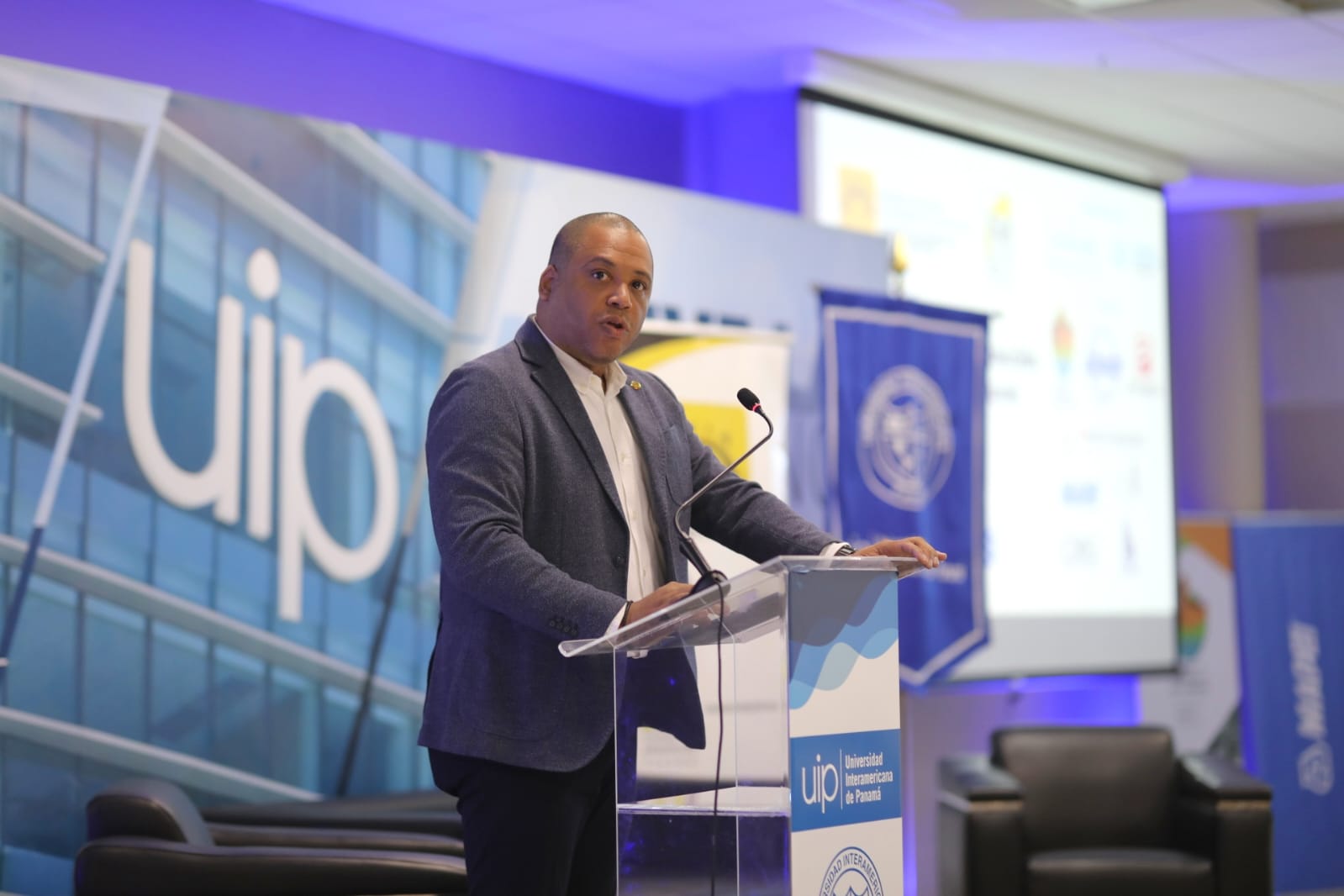
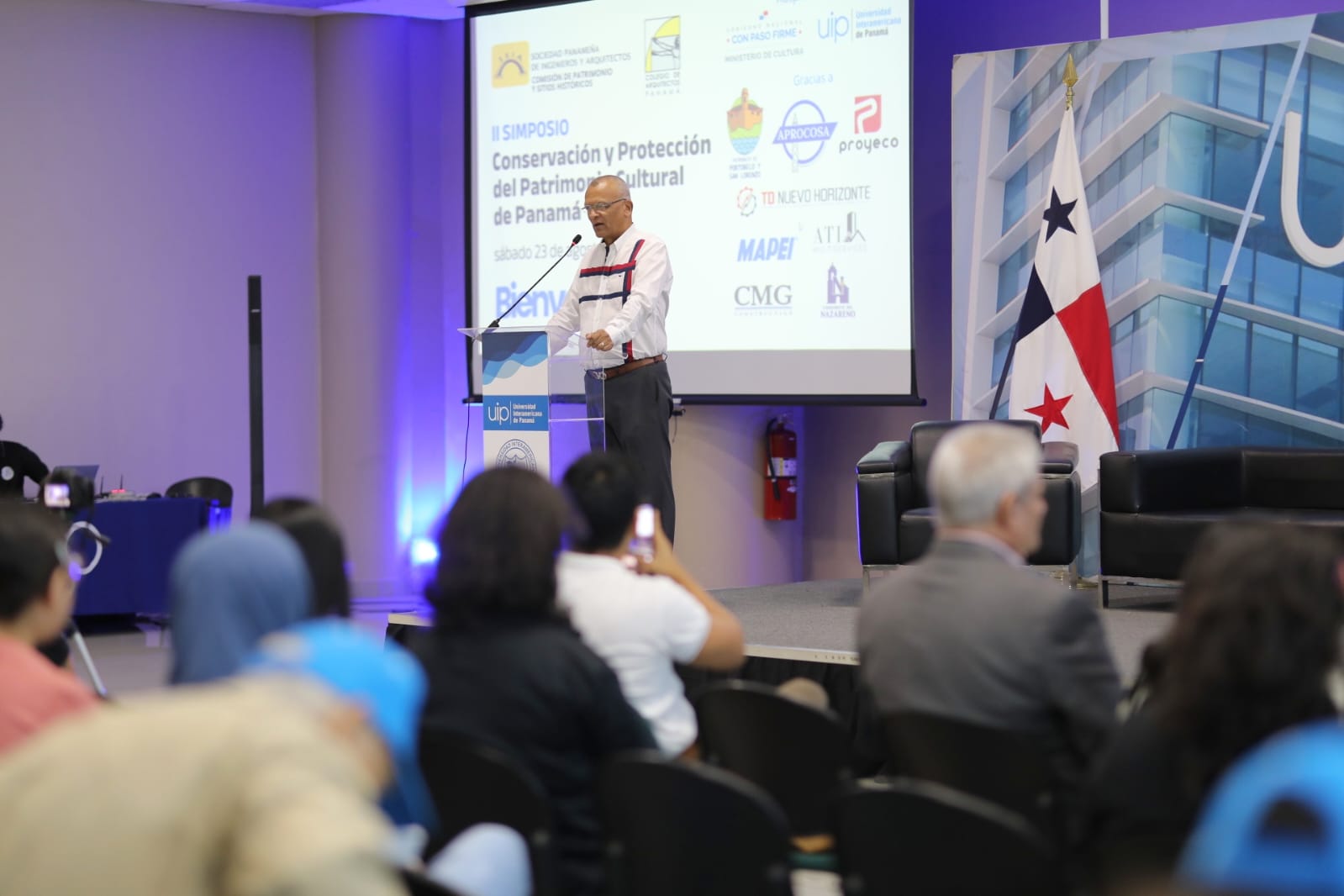
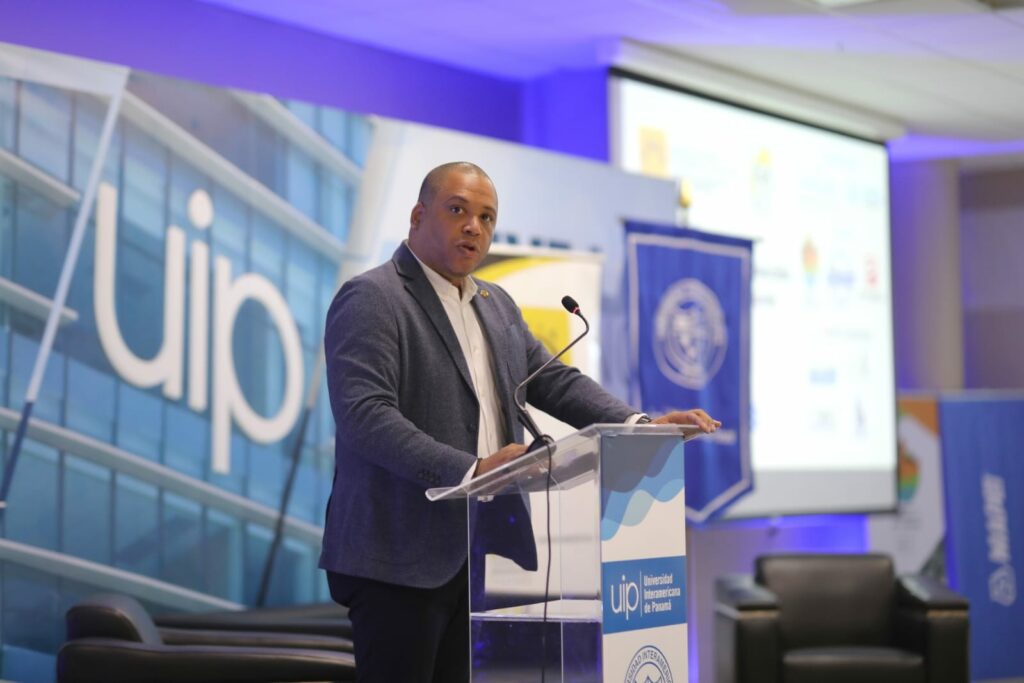
Panama, August 23, 2025. - The Ministry of Culture participated on Saturday at the II Symposium on Conservation and Protection of Cultural Heritage of Panama, organized by the Panamanian Society of Engineers and Architects (SPIA) and the Inter-American University of Panama, with an agenda dedicated to reflection about challenges and advances in managing the national cultural heritage.
The Director of the Office of the historic centre of Colón, Joel Coras, represented by the Minister of Culture, María Eugenia Herrera, with his opening words, reaffirmed that the conservation of cultural heritage constitutes a state policy and a shared task among institutions, academia, trade unions and civil society.
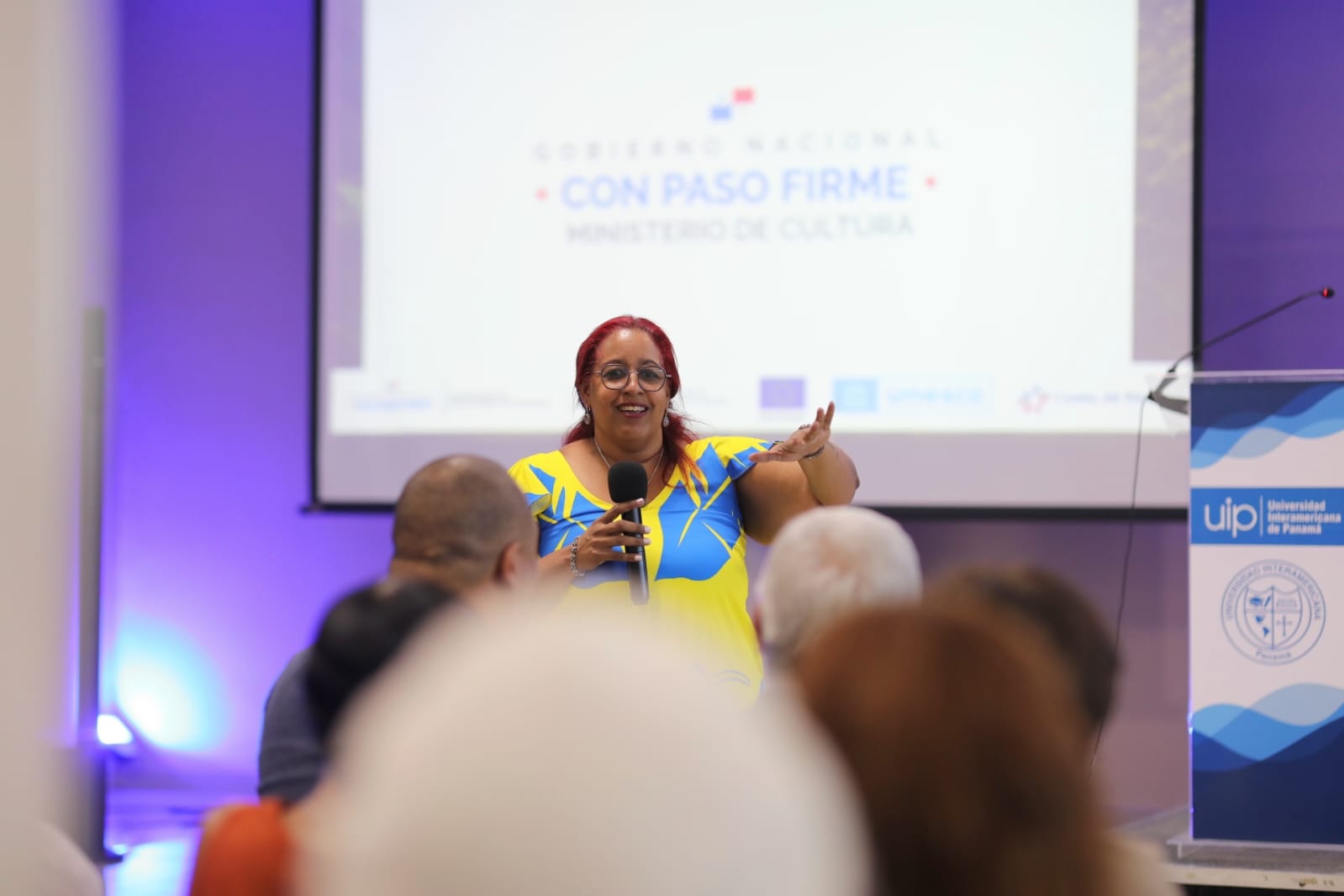
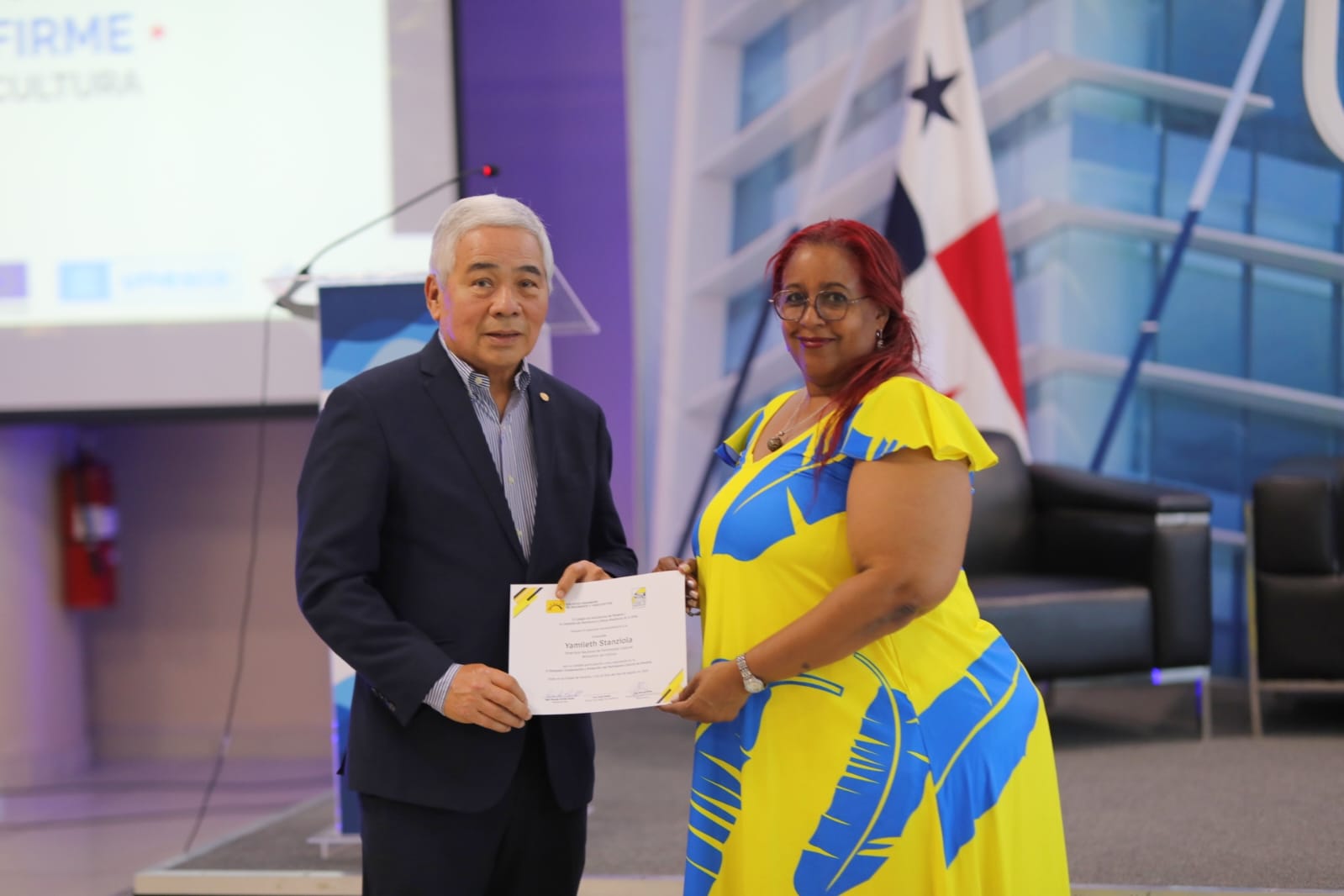
The symposium also featured the paper by Samileth Stanziola, director of the National Cultural Heritage Directorate, who presented the importance of the Transistmic Colonial Route and the ongoing restoration projects of the Caribbean fortifics, especially at Portobelo, as well as details of the restoration of the Church of San Felipe, the Chapel of St. John of God and its immediate environment.
The Transseismic Colonial Route represents a planning process of more than 15 years that reached a historic milestone in July 2025: the registration of its phase I on the UNESCO World Heritage List with six components that attested to Panama's relevance to the universal history of trade and cultural exchanges.
During his intervention, Stanziola emphasized that these restoration projects at Portobelo seek as well as the physical conservation of monuments, strengthening of the social fabric through community participation, revitalizing the local economy and improving heritage as an engine for sustainable development.
In this activity, she also emphasized Marixa Lasso, a historian of the Association of Public Interest Center for Anthropological and Cultural Historical Research (CIHAC AIP) at MiCultura, who put forward his paper "Rethinking the boundaries of the historic centre of Panama" and as well as Julia Mayo, president of the El Caño Foundation, with the theme "Gold, ancestors, rituals and sacred spaces: Recent discoveries of El Caño," among other interesting lectures.
The Ministry of Culture thus reiterated its commitment to work in a coordinated manner with local governments, community organisations, international agencies and the private sector to ensure that Panamanian heritage is preserved, valued and projected as a strategic resource for these and future generations.