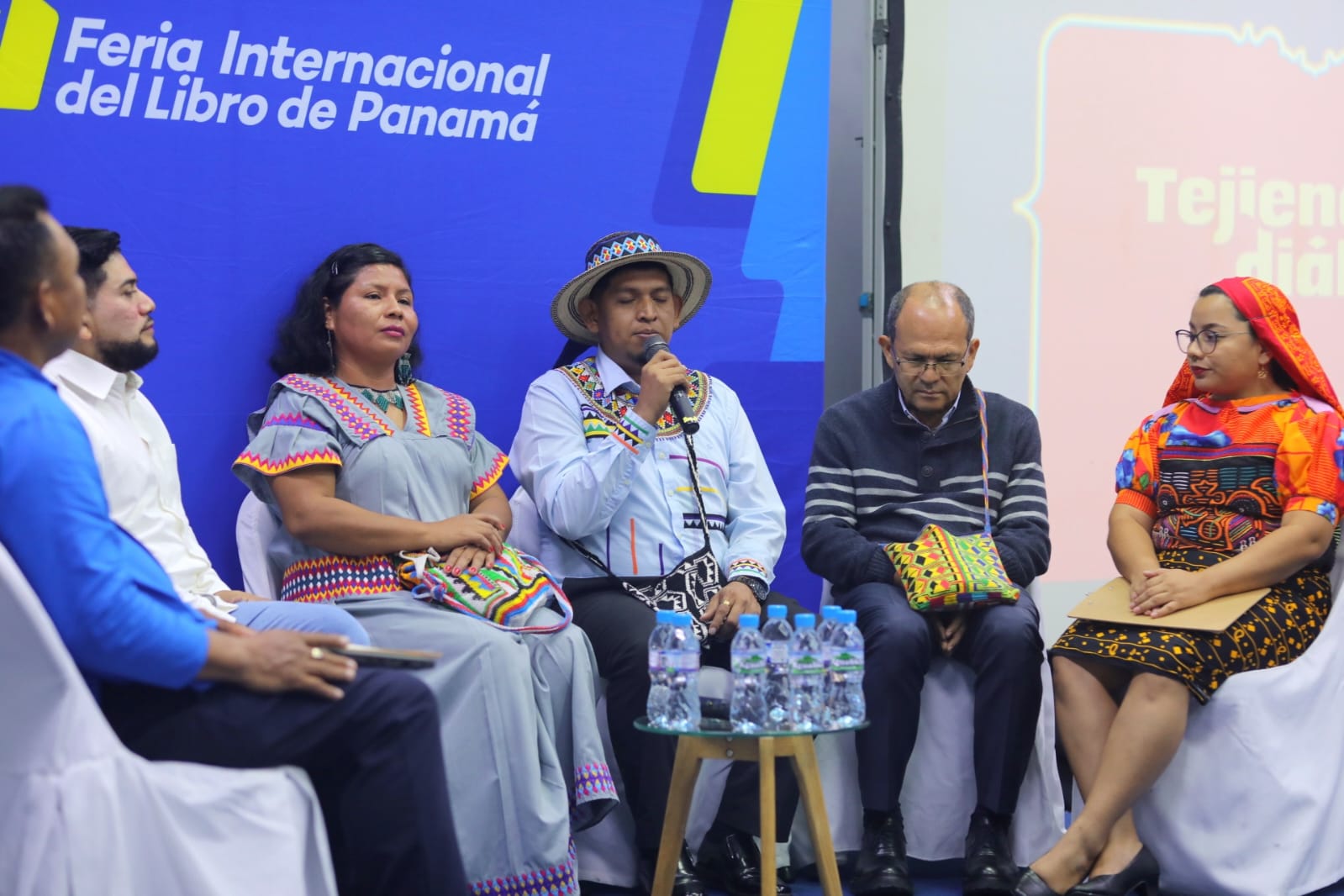
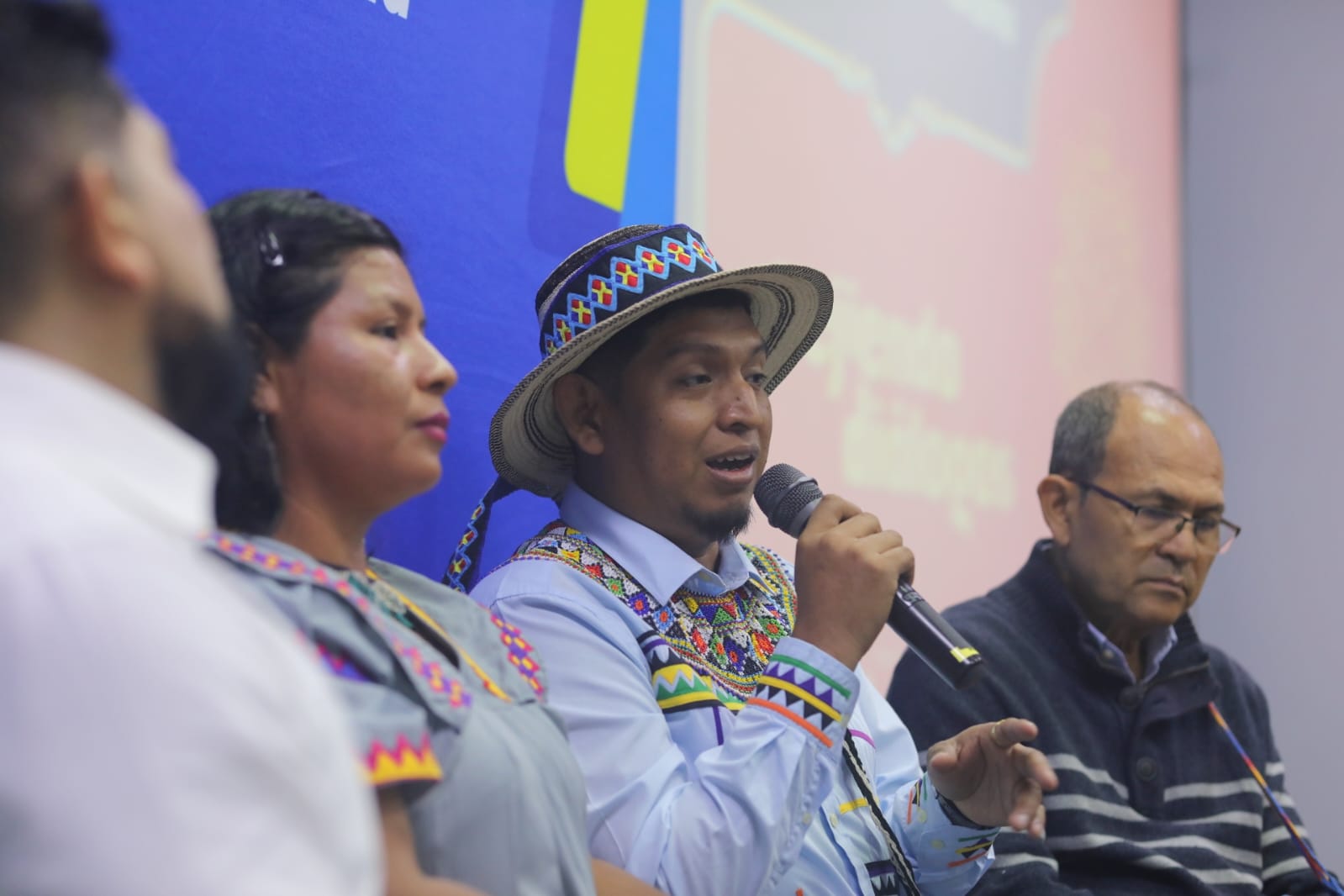
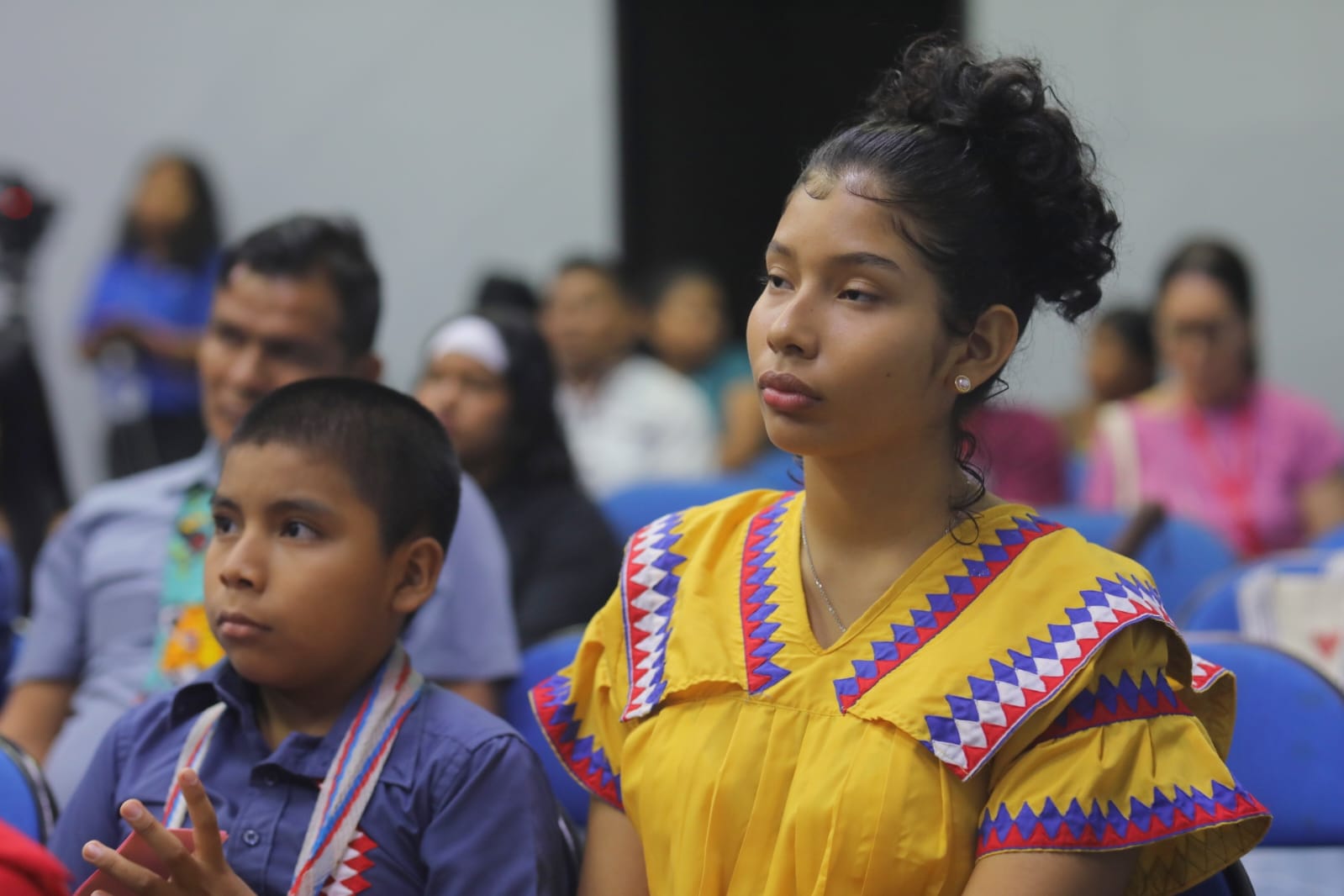
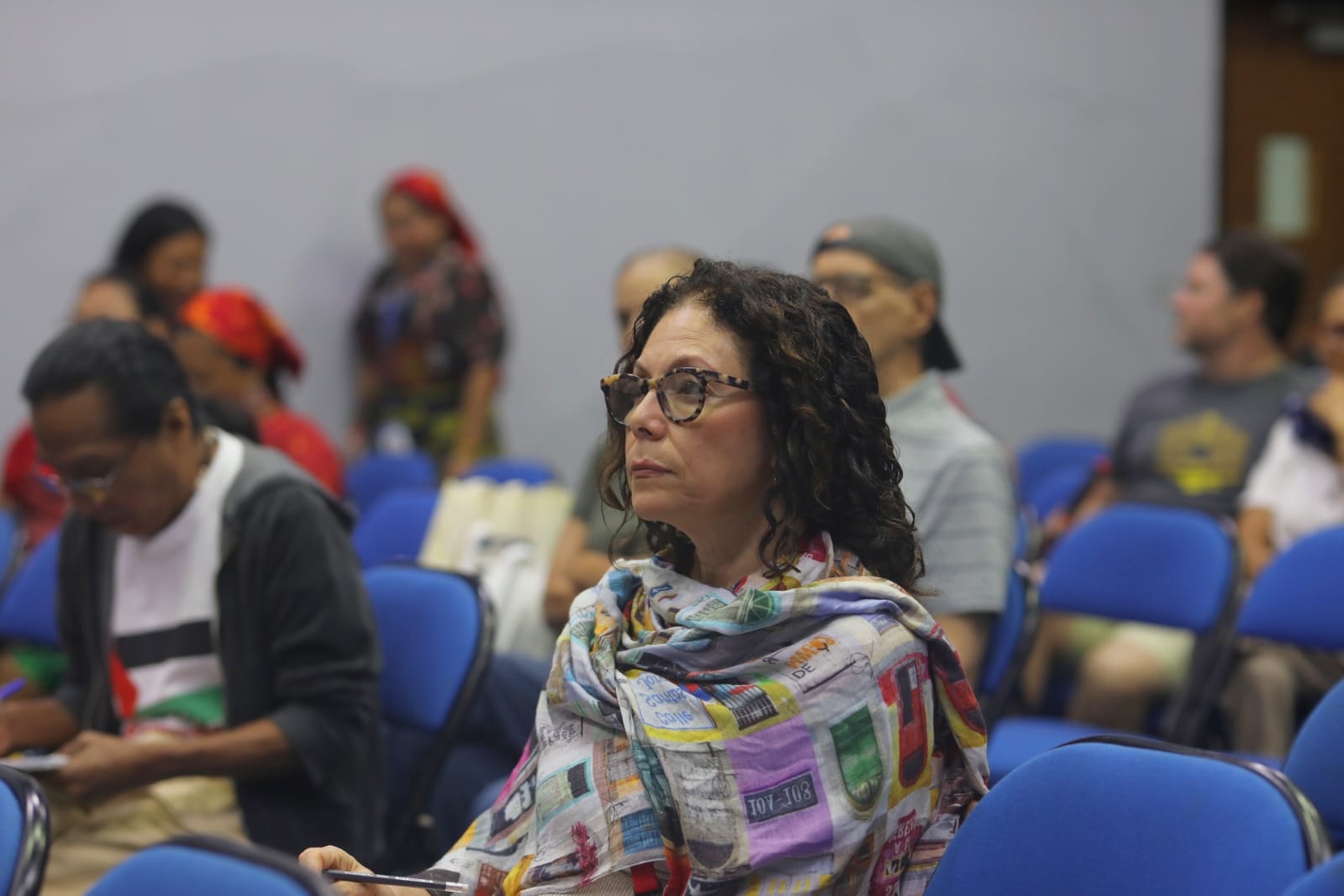
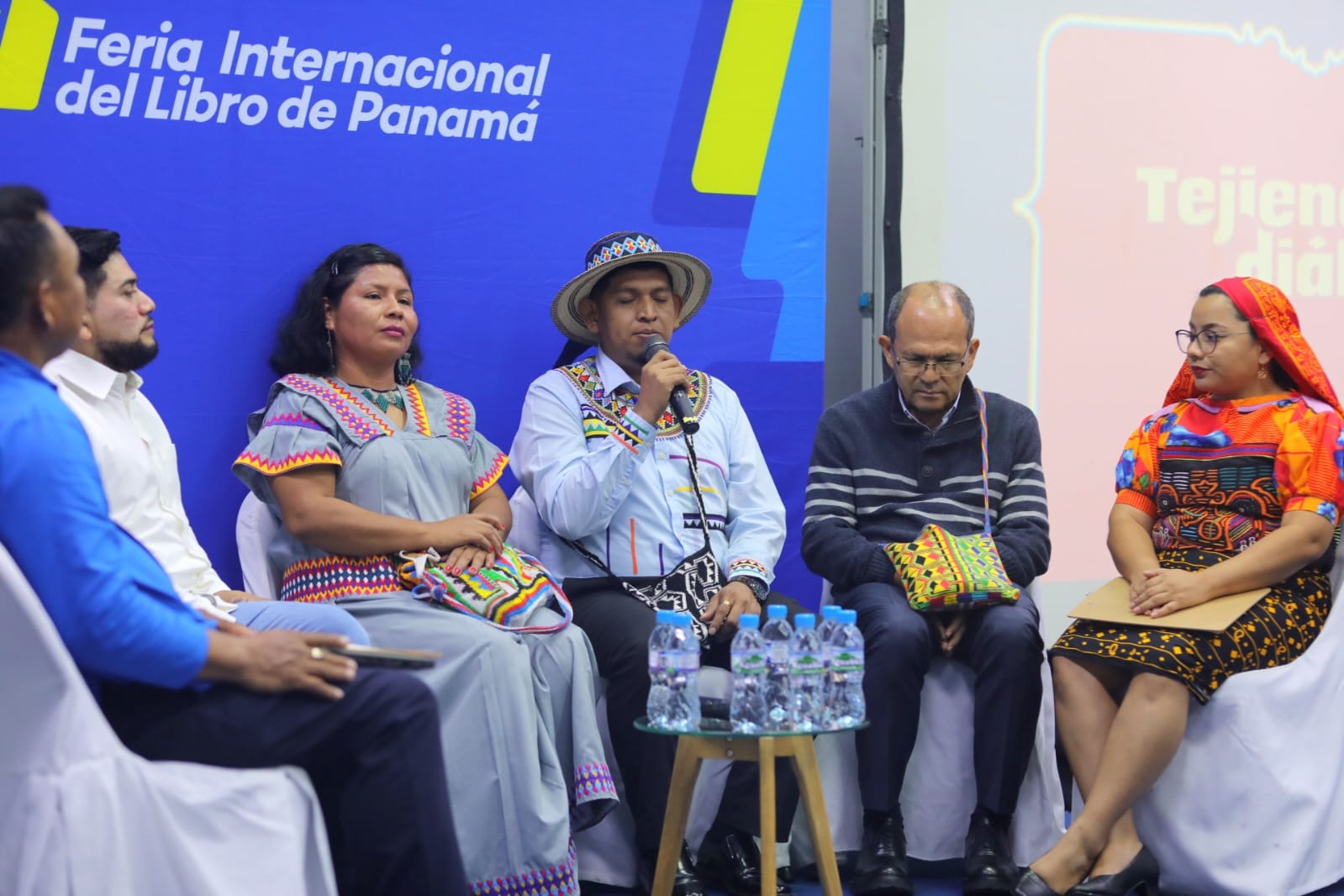
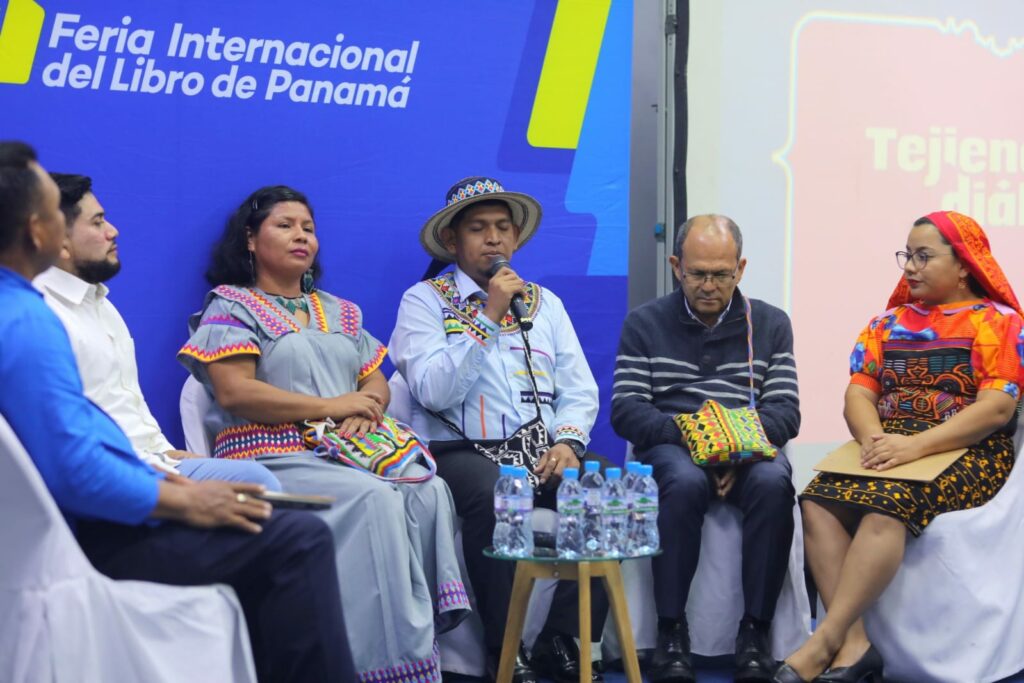
The International Book Fair (FIL) held the Forum: International Dialogue of Indigenous Languages, a space dedicated to reflection and action about the urgent situation of ancestral languages.
That event was part of the International Decade of Indigenous Languages (2022-2032), an initiative of the United Nations led by the UNESCO to preserve and revitalize the linguistic heritage of mankind.
The Forum, with the presence of indigenous authorities, delegates and a dedicated public, was initiated with an emotional greeting from representatives in their mother tongue, a gesture that emphasized the wealth and diversity that they seek to protect.
It addressed issues such as an alarming projection that at least 50% of today's languages could disappear by the year 2100, a figure that highlights the intrinsic connection between the loss of a language and the disappearance of a vast cultural knowledge and an invaluable heritage.
The Forum also emphasized the need for a global commitment by indigenous peoples, governments and the UN system to ensure the success of the Decade.
The exhibitors shared their experiences and efforts to safeguard and promote their languages and cultures.
The participants included: Deici Guainora, intercultural researcher at Udelas, David Trugri from the Kibian Kia group, María Esther De León from FSC Indigenous Foundation, José Eliécer Sánchez from INEC- Comptroller General of the Republic, Vielka Acosta, an artisan Ngabe, and Gregorio Green of Intercultural Bilingual Education from Meduca and Blas Quintero from the Centre for Anthropological Research at the University.
Each speaker outlined his or her work from his or her institution or organization, showing how, through education, research and art, his or her cultural identity can be strengthened and these languages can be continued for future generations.
The Forum served as an important reminder that indigenous languages are not only means of communication but also pillars of peoples's identity, history and cosmovision.