
GLOBAL PATRIMONIUM COMMITTEE INCRIABS THE TRANSISTICAL RULES OF PANAMA IN THE LIST OF GLOBAL PATRIMONIUM
Content of the News
"Reaffirming our commitment to living heritage"
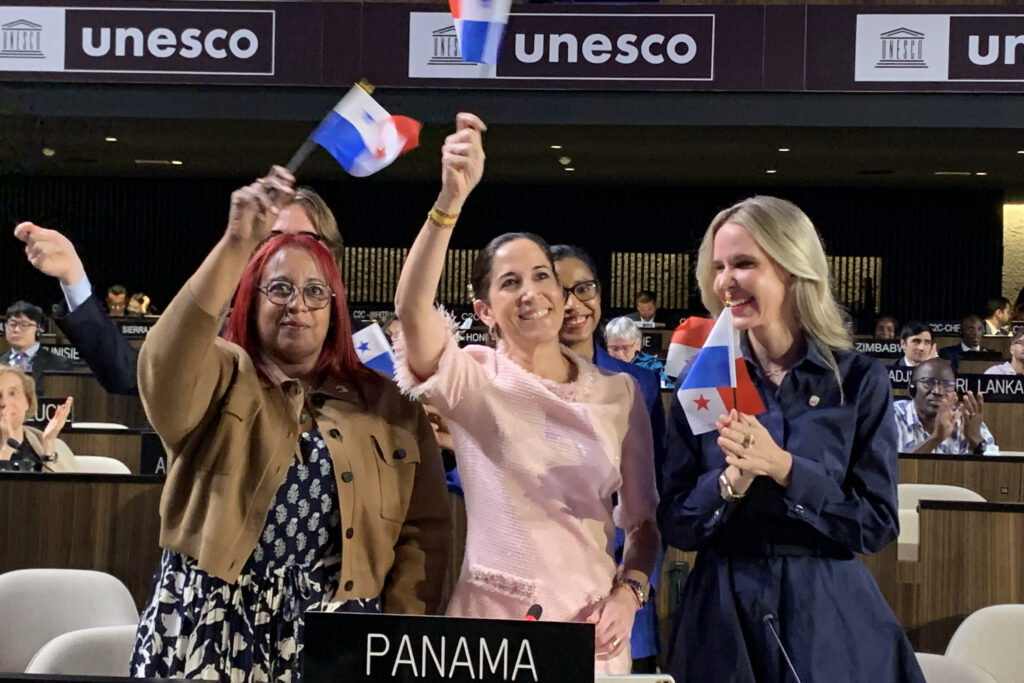
Paris, France - July 2025. - The UNESCO World Heritage Committee has officially approved the registration of the first phase of the TransStmic Colonial Route of Panama on the World Heritage List, recognizing its outstanding universal value as an attestation to the strategic role that Panama's Isthmus has played in global exchange systems from the 16th to the 19th centuries.
The decision of the Committee responded to the recommendation of Icomosand an advisory body of the UNESCOthat emphasized the historic, cultural and logistics importance of this system of roads and locations that connected the Atlantic and Pacific oceans during the colonial period.
The Minister of Culture of Panama, Seauja HerreraHe expressed his profound gratitude for this accomplishment, which he described as "a historic milestone for his country and for the whole region." He referred to his intervention with his cultural authorities as:
“That registration represents far more than the recognition of a network of historic roads: it's the validation of Panama's role as a meeting place for civilizations, cultures and economies. We thank the experts of the World Heritage Committee and the States parties that have supported this nomination, which is the result of more than a decade of committed technical and diplomatic work.”.
That accomplishment has a very special symbolic value for Minister Herrera, who initiated this file in 2014, during her term as Director General of the then National Institute of Culture (INAC). Today, 11 years later, she celebrates him from his role as a minister, as a sign of his historic and personal commitment to defending Panamanian heritage.
The Ambassador and Permanent Delegate of Panama to the UNESCO, S.E. Candice Williams de Roux, played a key role in strengthening this accomplishment, leading with commitment and vision the diplomatic process that culminates with the registration of the Transitory Colonial Route. Her tirelessly management before the World Heritage Committee as well as its articulation with the technical team and with the representations of the States parties, was crucial to visualizing the outstanding value of this historic path and ensuring international support for the nomination submitted by Panama.
The TransStmic Colonial Route signifies more than a historic path: it's a living testimony to the role of Istmo as an axis of global connectivity from the age of virreates to gold fever, from the Galleons to the Industrial Revolution, as a journey that culminates with the creation of the Panama Canal, a universal symbol of cooperation and passage between worlds.
The first phase includes six key components, including the Cross Way, fortifics and logistics structures that facilitated the movement of people, goods, knowledge and cultures between the two oceans. That registration adds to the Panamanian properties previously recognized by the UNESCO at both ends of this interoceanic axis: the fortifications of Portobelo and San Lorenzo in the Caribbean, and the Archaeological Site of Old Panama and the Historic District of Panama in the Pacific, with an iconic Bolívar Salon, declared Universal Value.
With this new registration, Panama reaches six sites recognized by the UNESCO as World Heritage, in the categories of natural and cultural sites, strengthening its regional leadership in heritage conservation and cultural governance.
Minister Herrera reaffirmed the commitment of the Panamanian state to the conservation, sustainable management and valuation of this new site, and emphasized the interinstitutional articulation and active participation of local communities as fundamental pillars of the management plan that will accompany the route.
“Panama will continue to preserve this path for the benefit of the world with responsibility, pride and certainty that, at every foot of these paths, there are shared stories and hopes for all mankind, " The Minister concluded.
That important introduction to the list of the UNESCO not only strengthens Panama's efforts to preserve and promote its rich cultural and natural heritage but also opens up new opportunities for cultural tourism, offering national and international visitors the opportunity to conduct a vivid historic path that links oceans, ages and cultures. The Cross-Cultural Roadway is currently designed as an engine of development for local communities, generating employment, individuative pride and spaces of participation around heritage. That registration strengthens Panama as a regional reference for public policies to protect heritage and as a host of unique and sustainable cultural experiences.
That important addition to the list of the UNESCO adds to Panama's efforts to preserve and promote its rich cultural and natural heritage and strengthens its regional status as a reference point for public policies for heritage protection.