Designation of the Abandoned for the Mil Pollera Parades 2025
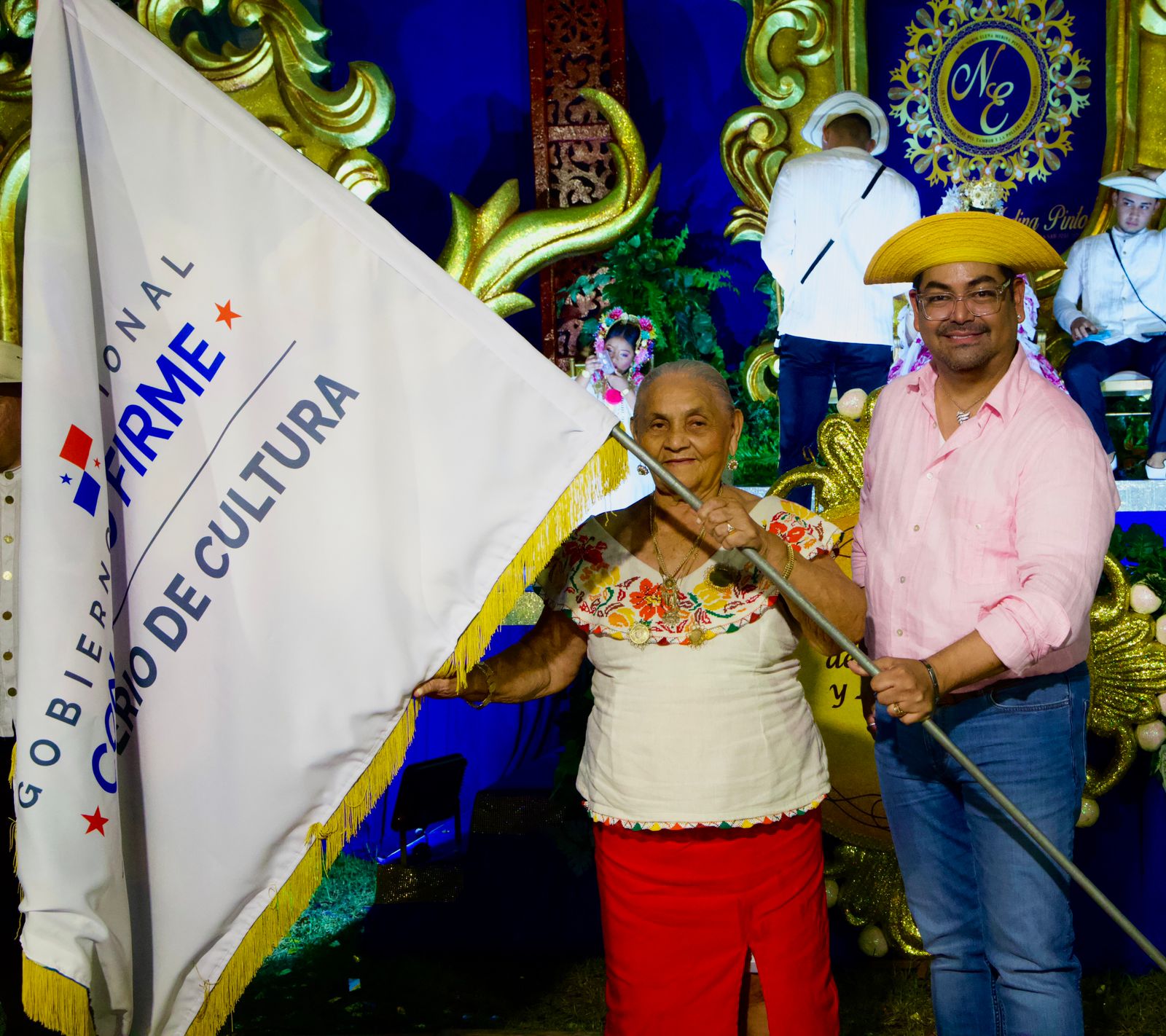
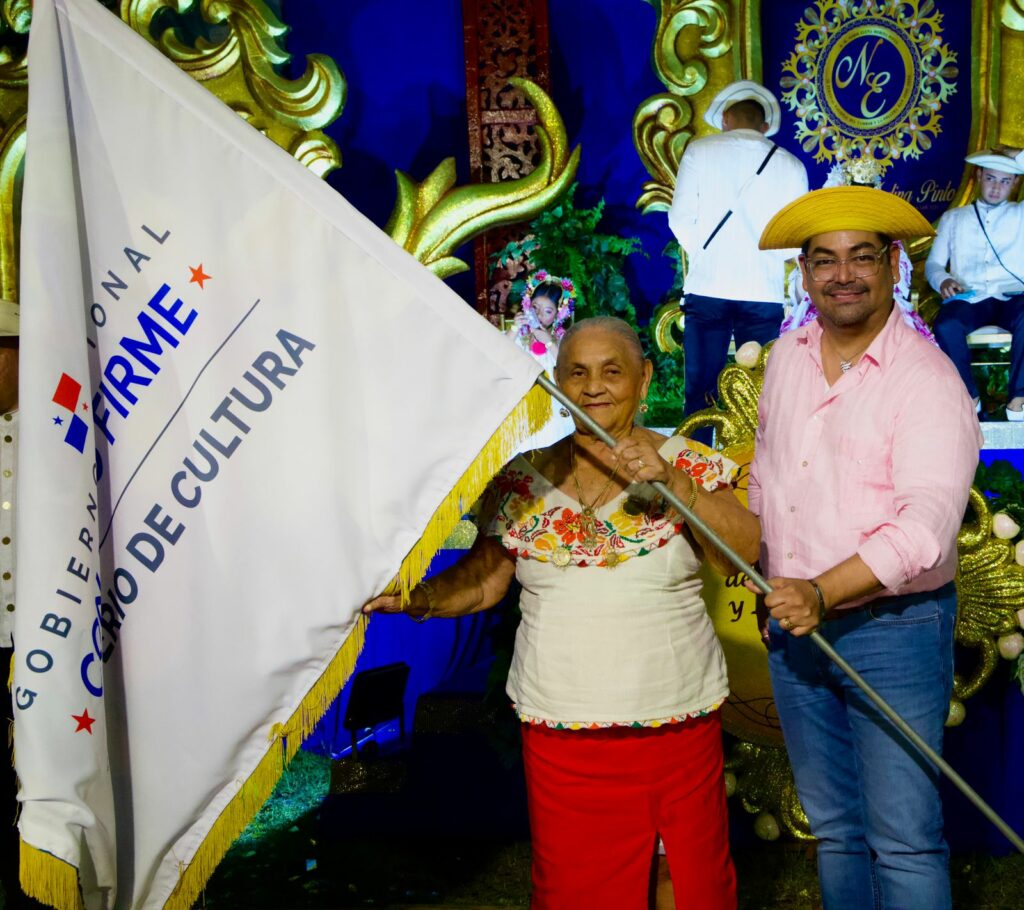
Following the ninth version of the National Tambor and pollera Festival held at San José de Las Tablas, the Ministry of Culture (MiCultura), through the Folklore National Direction, gave to the artisan Lastenia Vergara the flag that appoints it as an official flag of the ministry's delegation for the Parade of the Mil Polleres 2025.
Vergara was chosen for his skill and passion and was a living witness to his love for Panamanian traditions. His work preserves and promotes the production of one of the most representative pieces of national folklore: the pollera. At an age of 85, Lasthenia Vergara, from the town of San José de Las Tablas, is considered a living treasure of Panama.
During the festival, José Alberto Sosa, head of Folklore at MiCultura, emphasized the dedication and talent of the artisan, giving parchment of recognition, with his tireless commitment to Panamanian culture.
"Lastenia, your art not only adorns our festivals but also keeps our history and our customs alive. The Mil Polleres Parade is a great manifestation of our identity, an occasion where every pollera tells a story and where every woman who carries them reflect the pride of our roots." Sosa added.
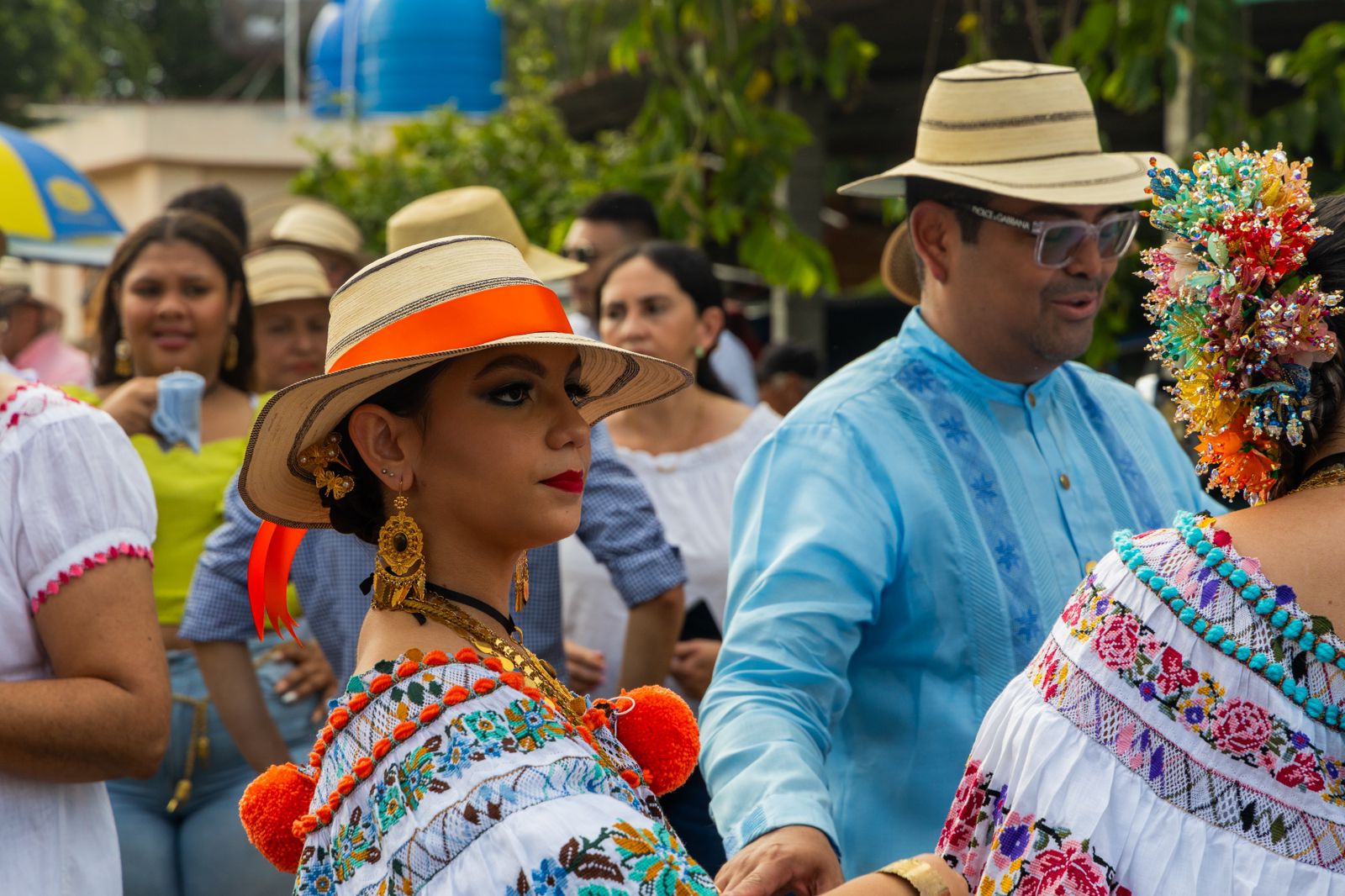
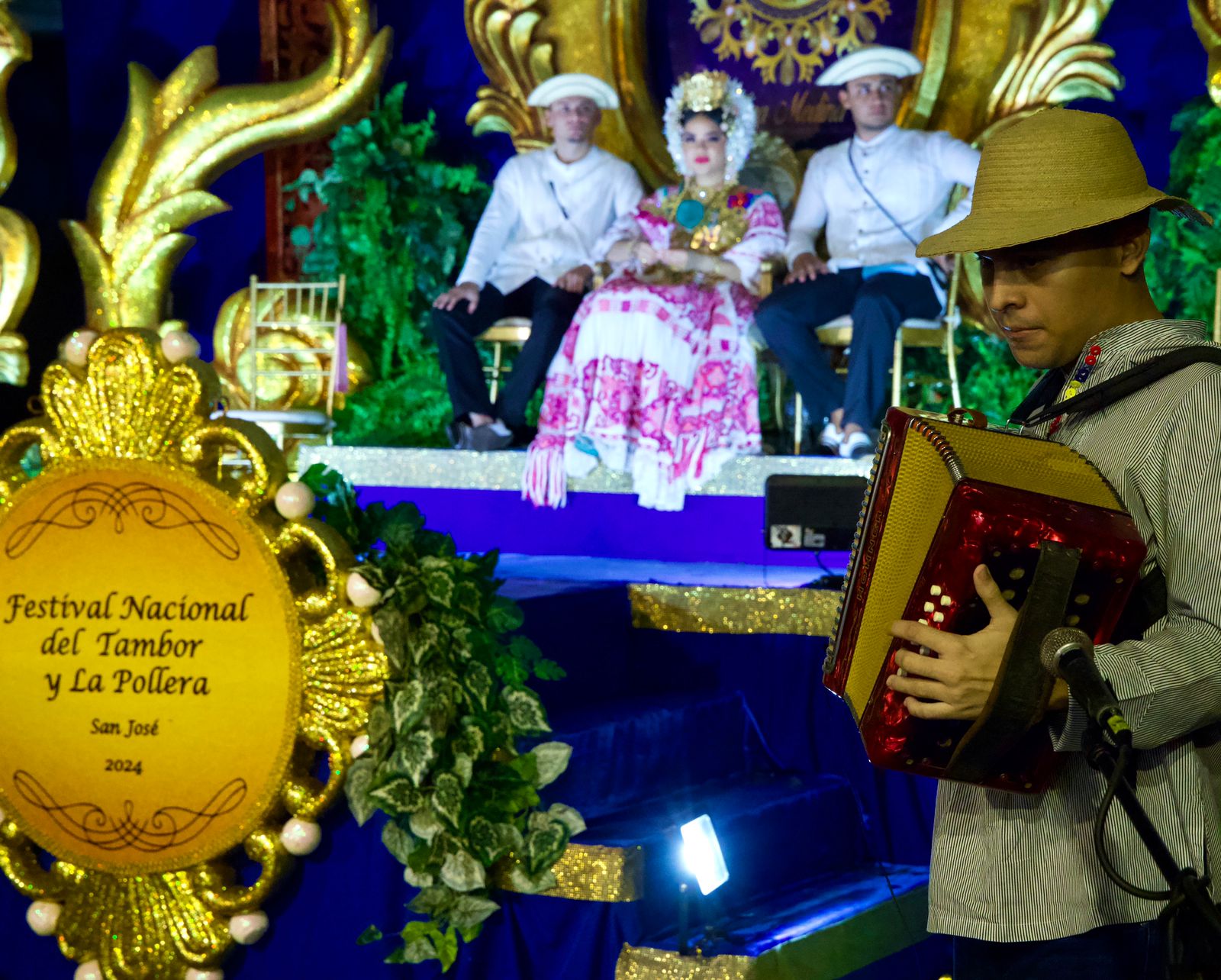
The Tambor Festival and the pollera in San José, at Las Tables, are an event to highlight the Cultural Identity and highlight as every year two essential elements of the Panamanian folklore: the drum as a typical instrument and the pollera as a national suit. The celebration had drum contest, violin and accordion as well as the participation of folklore and musical events.
That festival is a platform that promotes and preserves Panamanian cultural traditions, bringing together the community about art and national identity.
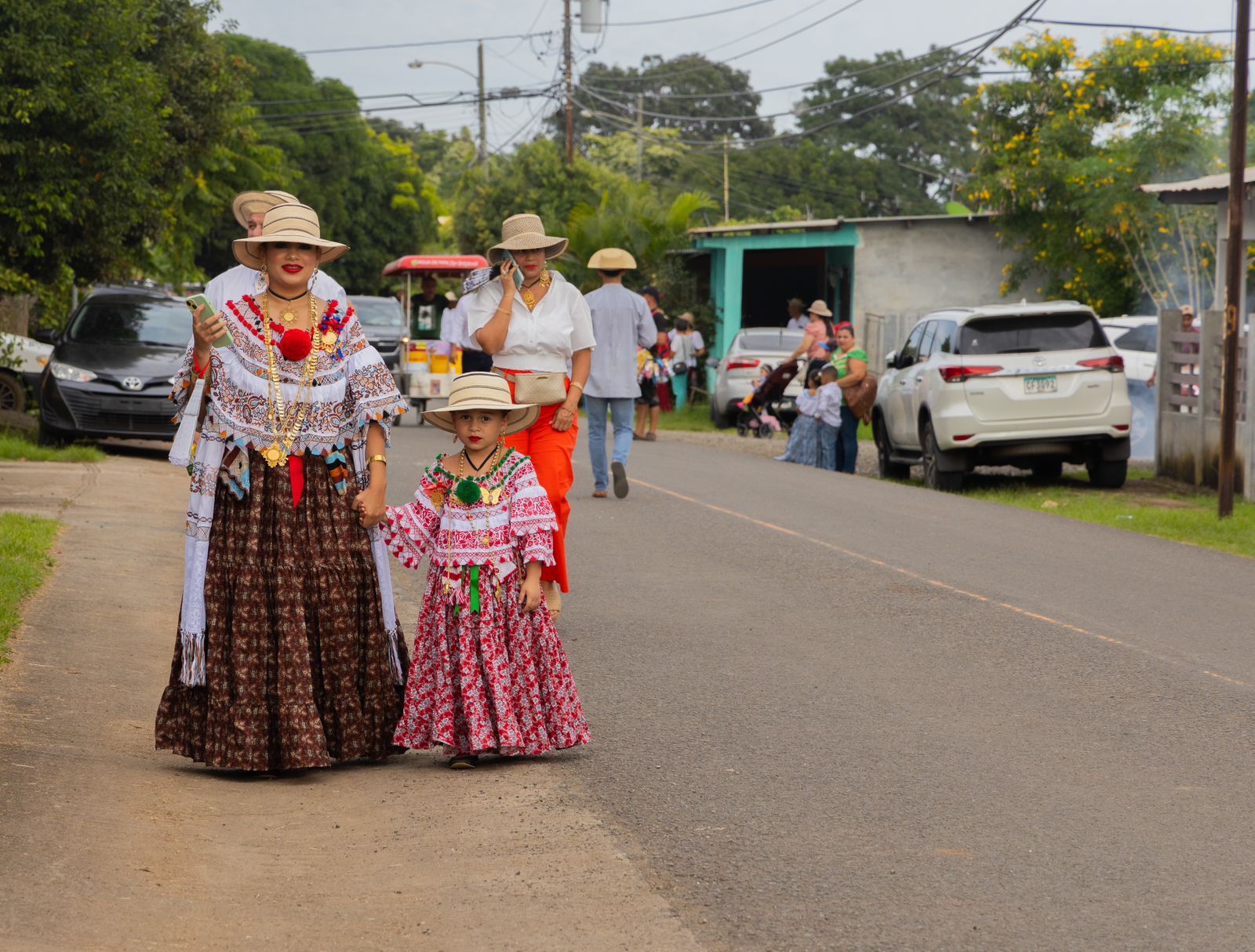
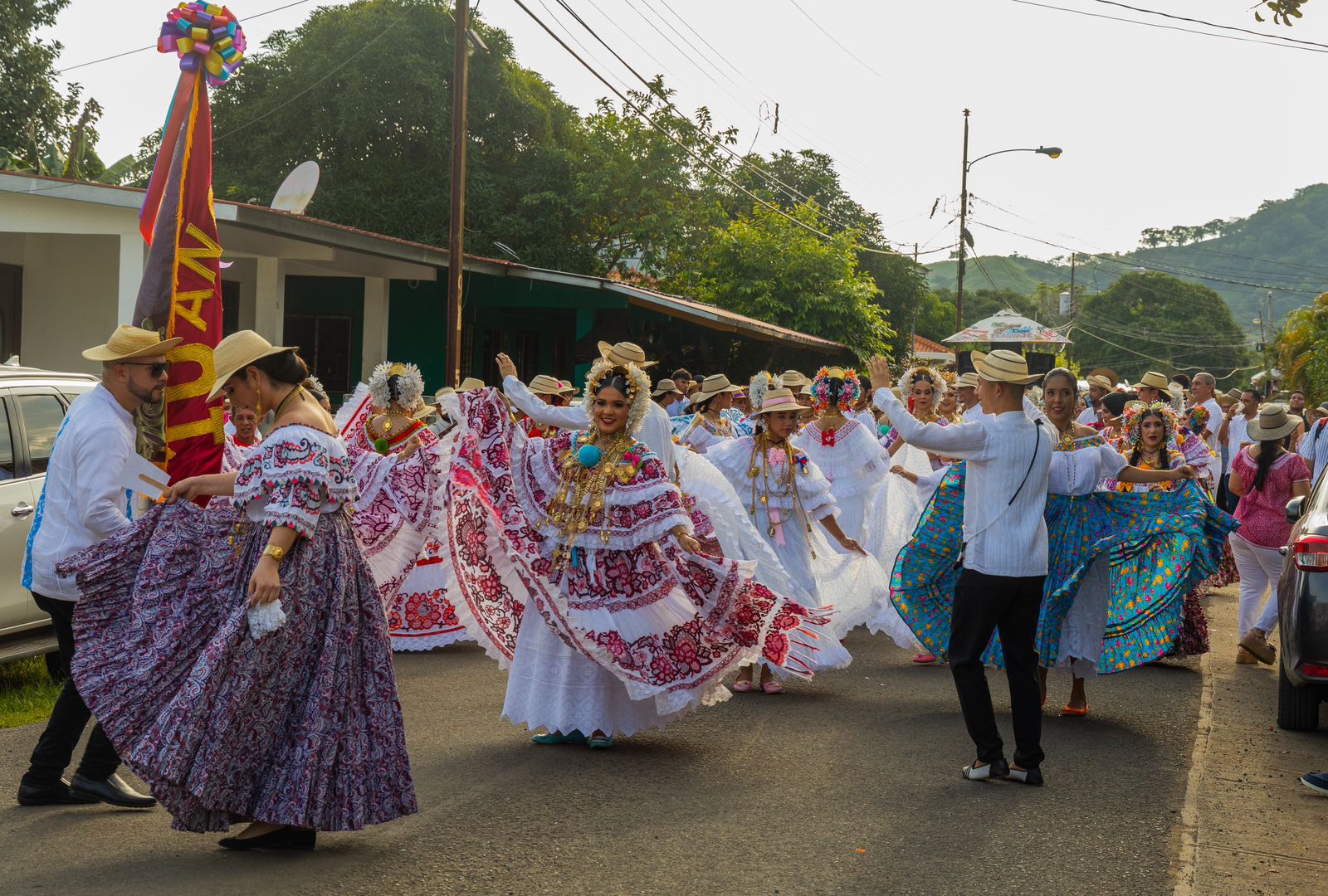
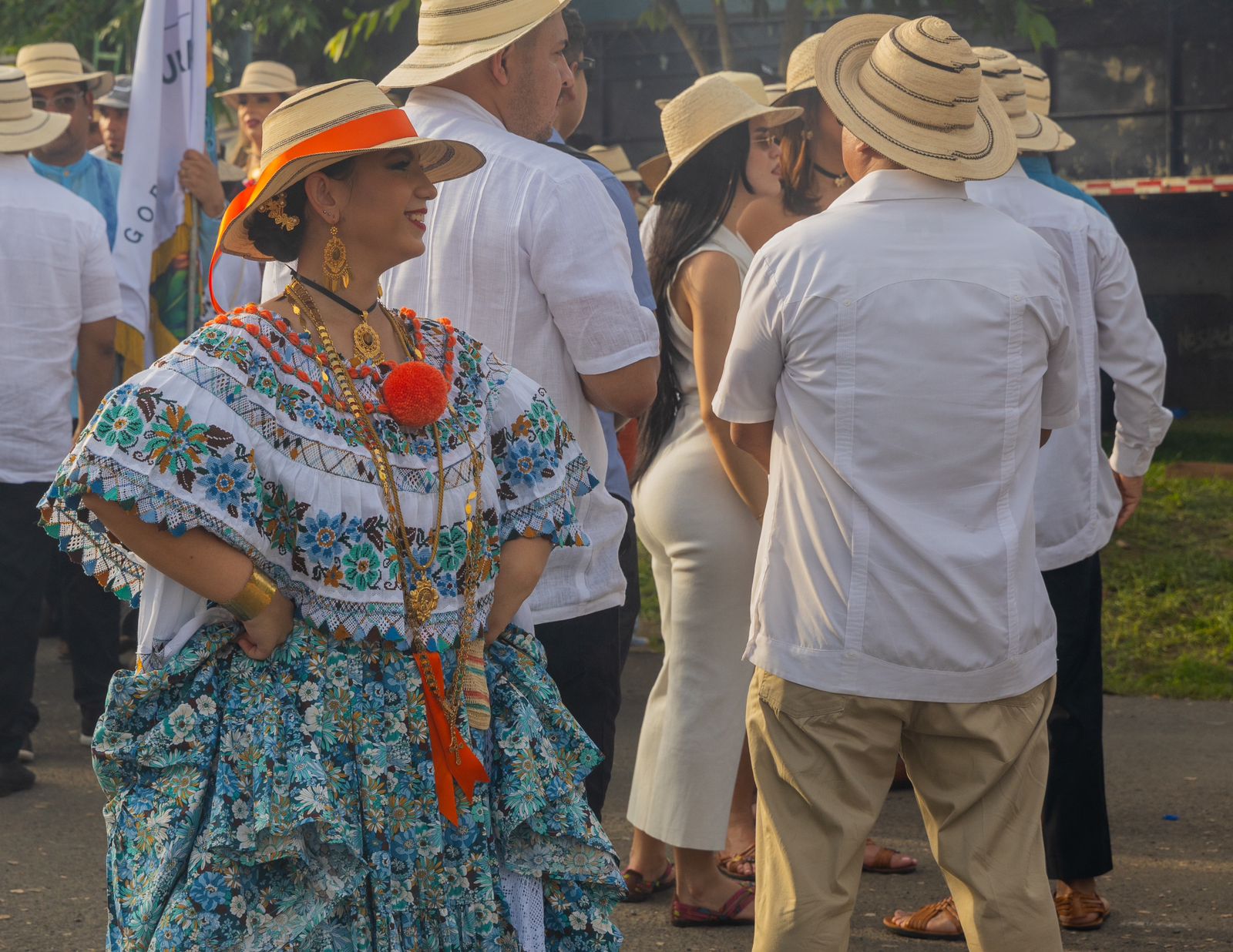
The day culminated with a colorful parade led by his queen, Noris Elena, and his princesses, who, along with their families, embellished the main streets of the community.
The parade was attended by officials of the Ministry of Culture as Gianni Bianchini, National Director of The Arts, José Alberto Sosa, head of Folklore and Alhis Díaz, regional director of Los Santos.
The president's public and governmental secretary, Mercedes González, was also present with ministers and national and regional directors.
That edition of the festival reaffirmed Panama's commitment to the preservation and promotion of its rich cultural heritage.