It was one of the most important works of the National Government and responded to a promise from the President of the Republic to the colonist people.
- The Centre for Art and Culture is one of the most significant restoration projects at Colón and for this, the old building of the Abel Bravo College was adapted and rescued with respect to the architectural elements and pavilions that will now be spaces for the development of different artistic and cultural expressions.
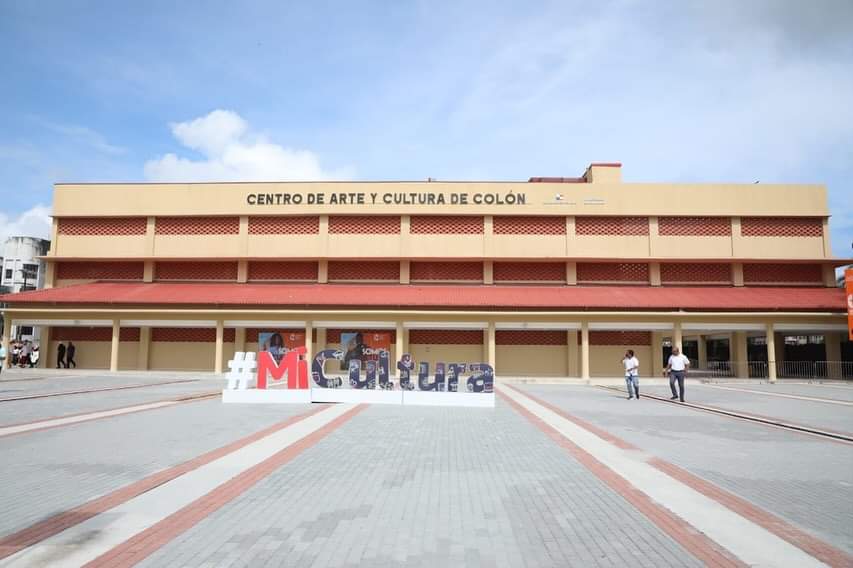
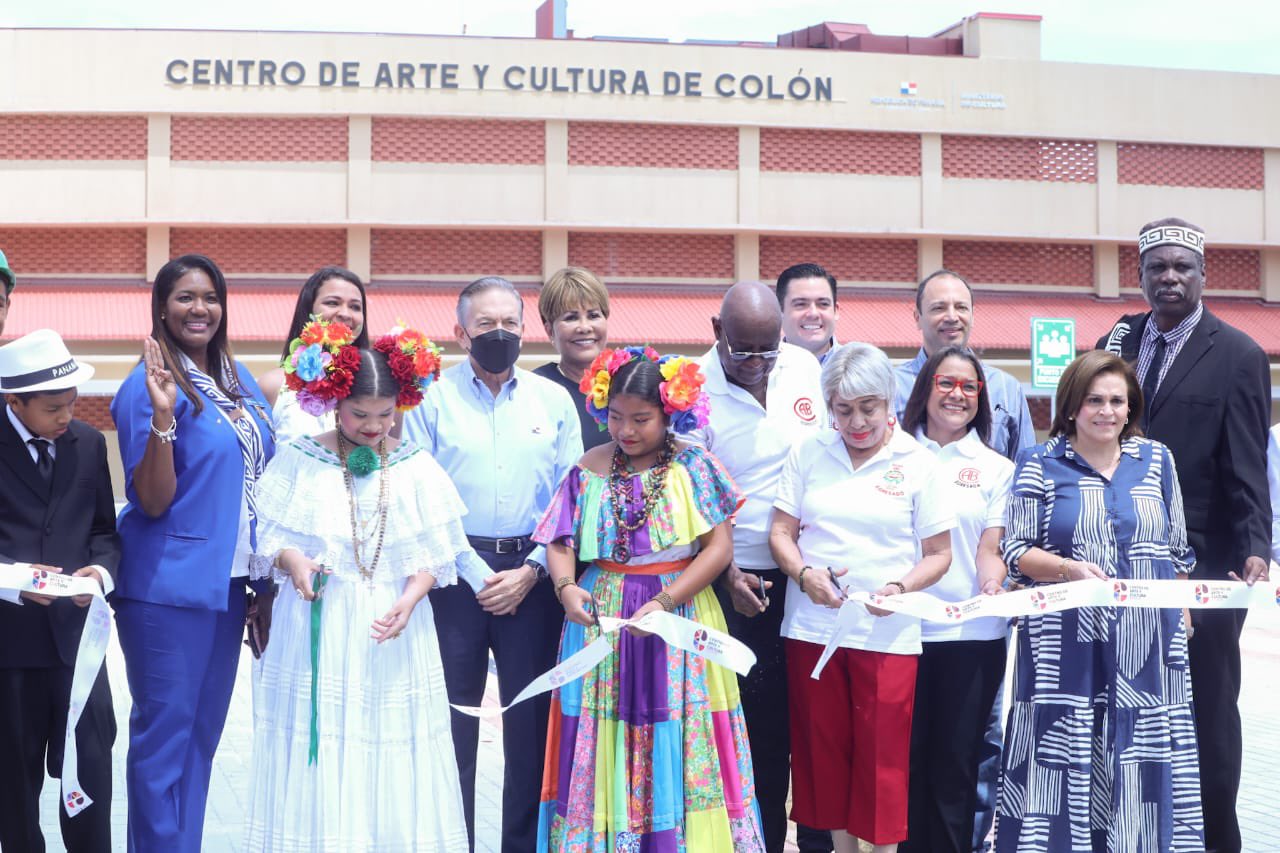
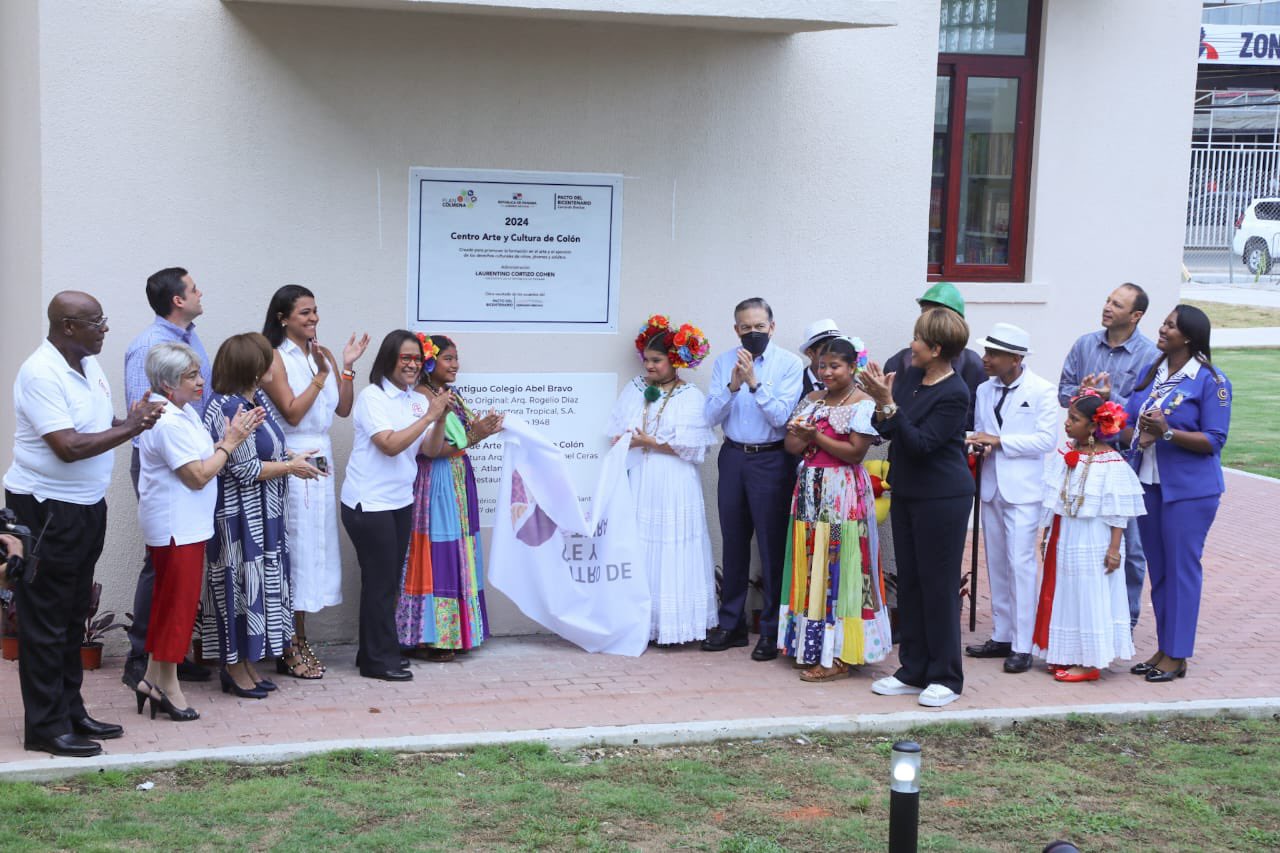
Colón, June 24, 2024. Considered as one of the most important works of the National Government scheduled for the Plan of Action, the President of the Republic, Laurentino Cortizo Cohen, inaugurated the Center of Art and Culture at Colón, the largest restoration project undertaken in this province that will run at the old establishments of the Abel Bravo College.
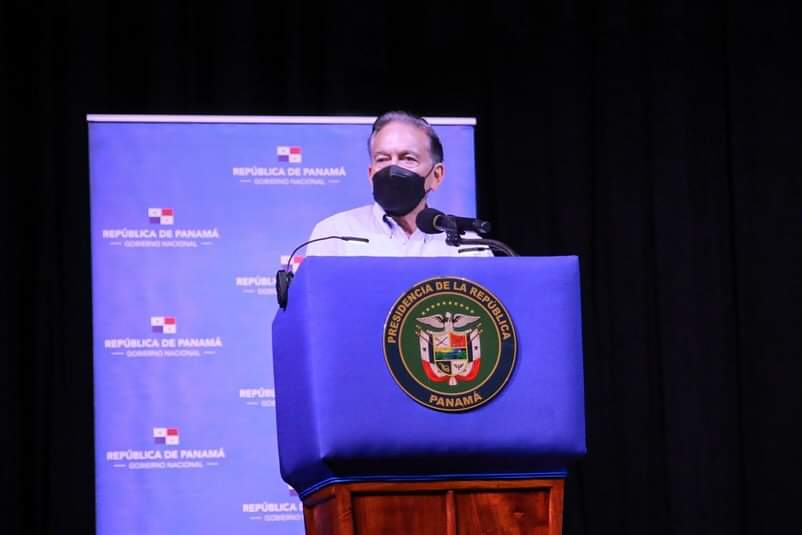
President Cortizo Cohen emphasized that with the surrender of the Center for Art and Culture his administration fulfilled a commitment with the colonese people established in his Plan of Action and that it became clear with the investment of B / .27 million to restore and restore this iconic building, built in 1949 and where the Abel Bravo College, the first secondary school in the province, operated.
The ruler expressed his gratitude to the people of Zaire, especially to the Federation of Mixed Workers of Colón, who have been concerned about the maintenance of the historic building from before the start of the project and during construction work and who will, from now on, also participate in the operational phase.
Cortizo Cohen noted that for his administration this work that's been given to the colonist population responds to a longing of the province to have the house that they deserve for the development of art and culture as expressions of talent, feeling and creativity of a people that forms part of the roots of panamenity.
The president listed his main works performed by his administration at Colón as the rescue of the hospital Manuel Amador Guerrero, the rehabilitation of streets, schools el Giral, Carlos Clerant, Anastasia Mitre at Palmas Bellas and Customs at Portobelo.
He also referred to the road from Gatuna to Miguel de La Borda, the sports centre at Barrio Norte and the facilities and grounds at the Colón fair and the road and rehabilitation of Fort San Lorenzo and so forth.
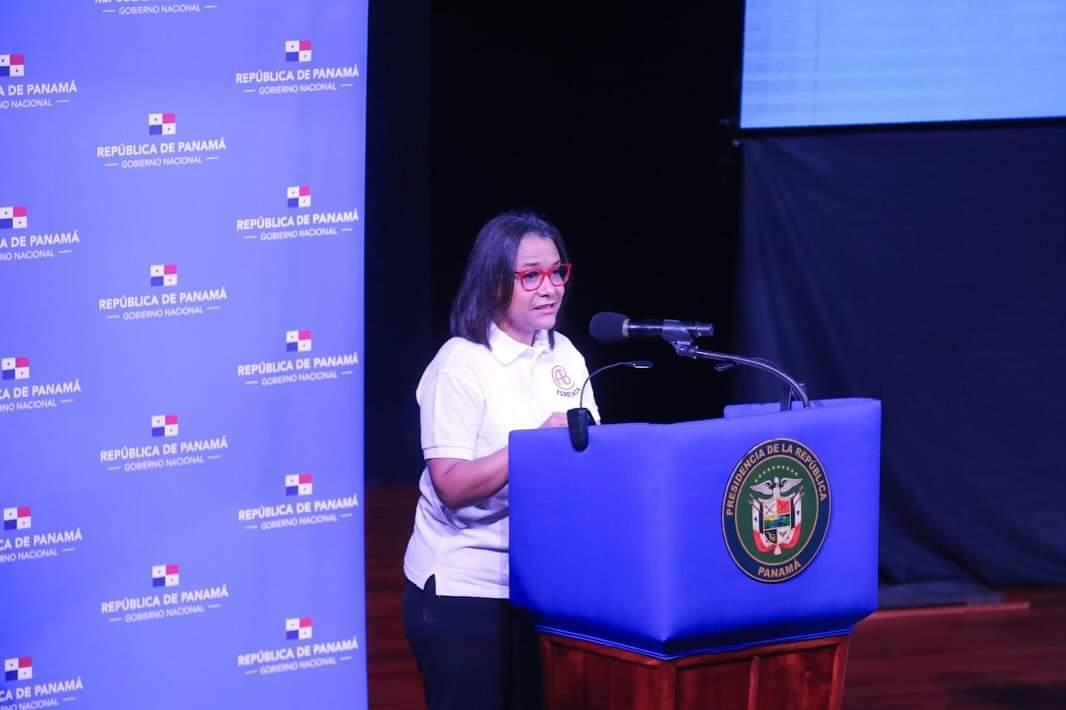
The Minister of Culture, Giselle González emphasized that the new Center of Art and Culture safeguard the heritage and traditions of Colón and emerges after the national government's rescue of the Abel Bravo College's facilities.
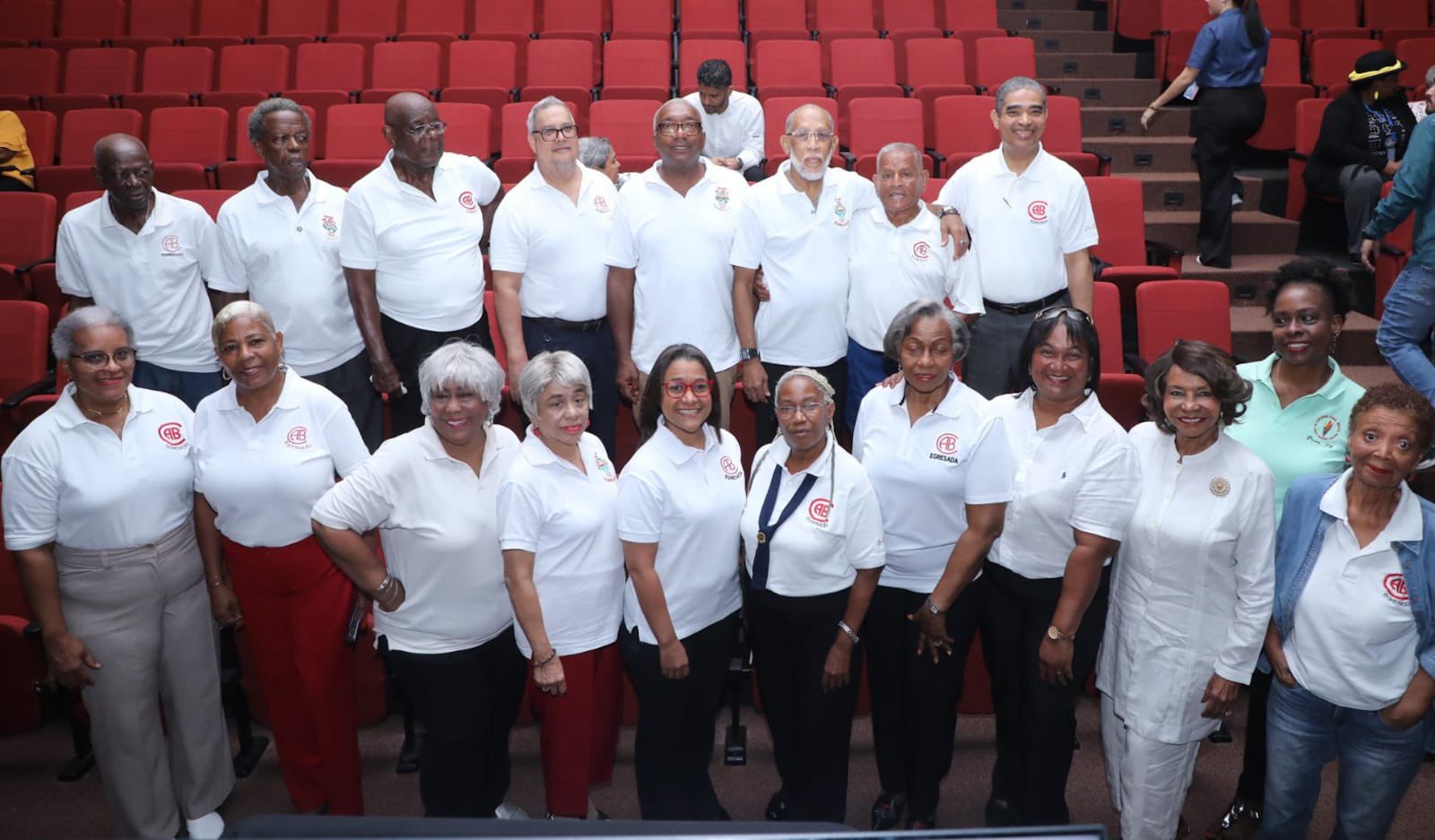
He invited colonians to care for, protect and care for the Center. "That's from all of you citizens of Colón," said the Minister, who received an recognition from the Abel Bravo Association of graduates.
The original construction was restored with all care and with most of its architectural elements preserved. Now, its pavilions will be used for the practice of different artistic and cultural disciplines.
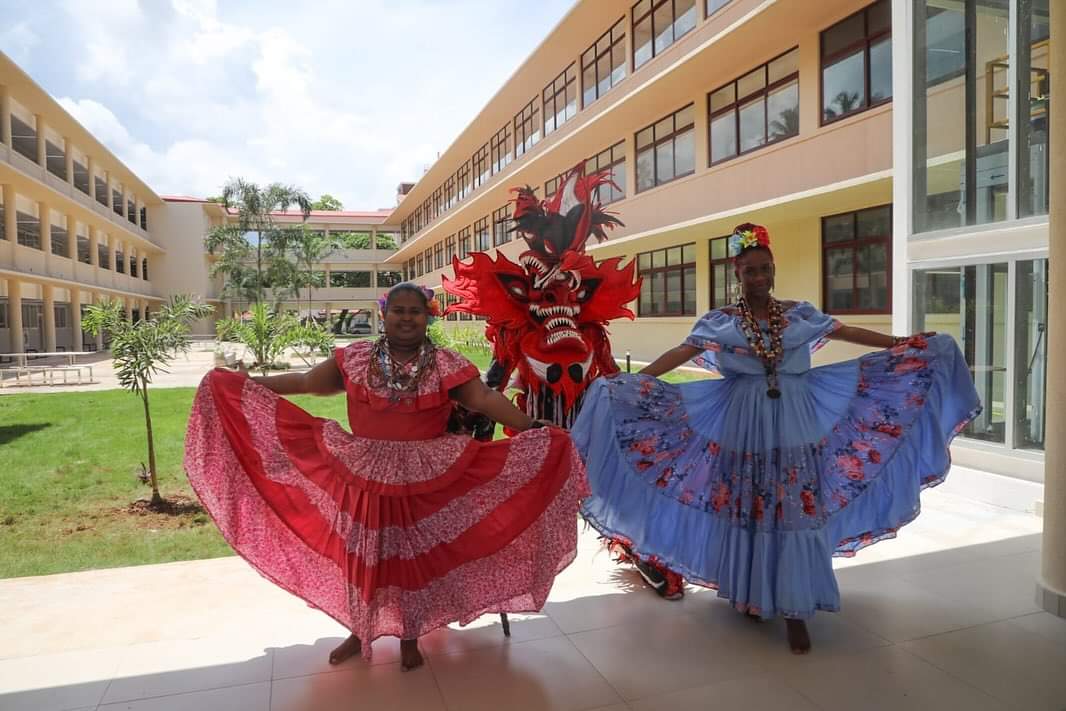
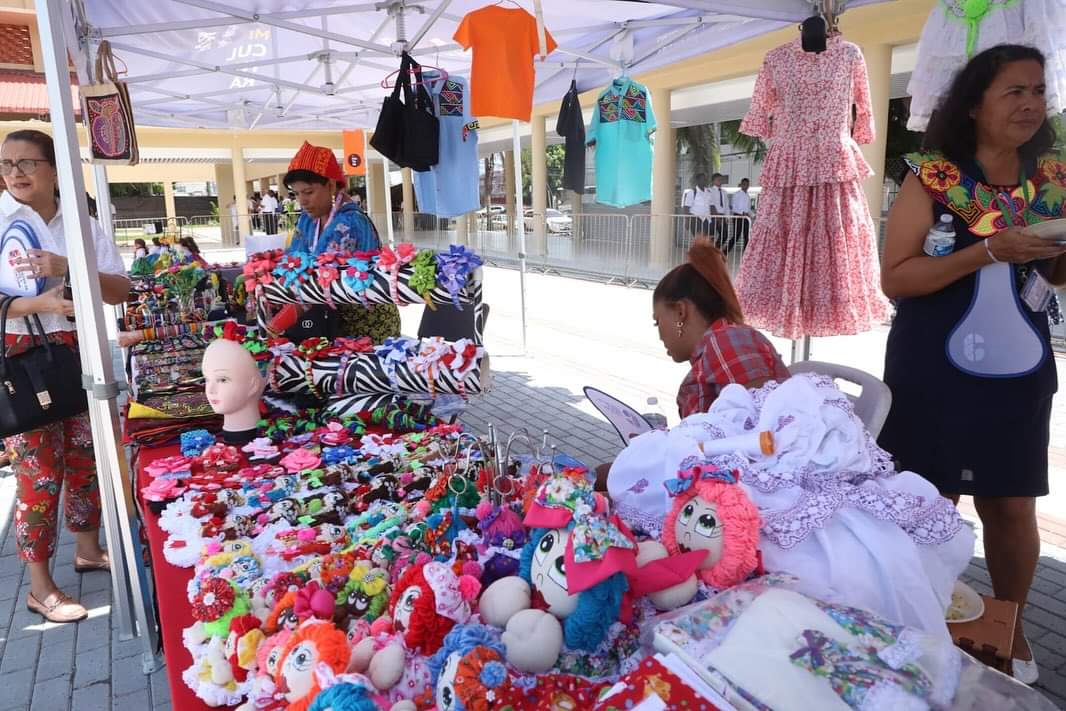
The new centre of art and culture will have spaces for all artistic expressions: the plastic arts, modern dance, classical ballet, folklor, music, theater, cinema, photography and crafts. It has areas for essays, workshops and training, commercialization and development of activities related to the creative economy that will contribute to income and employment generation.
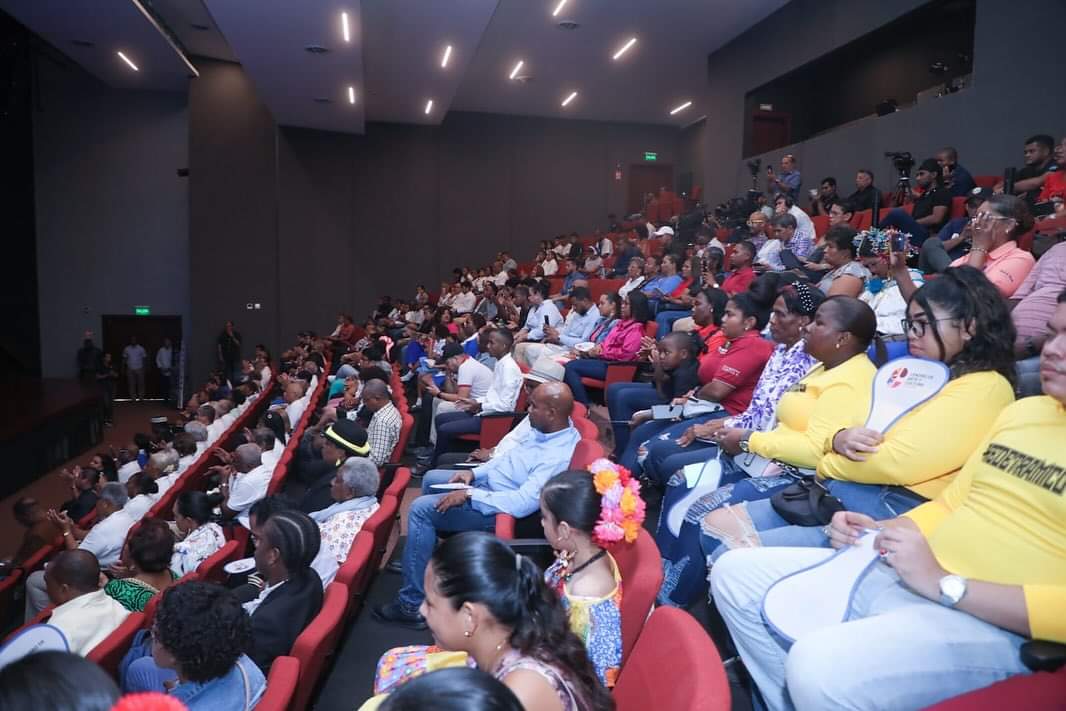
It also has an exhibition area and an extensive public square with an open-air cultural event, an auditorium with a capacity for 310 people, administrative office, parking for hundreds of vehicles and recreational areas, among other amenities.
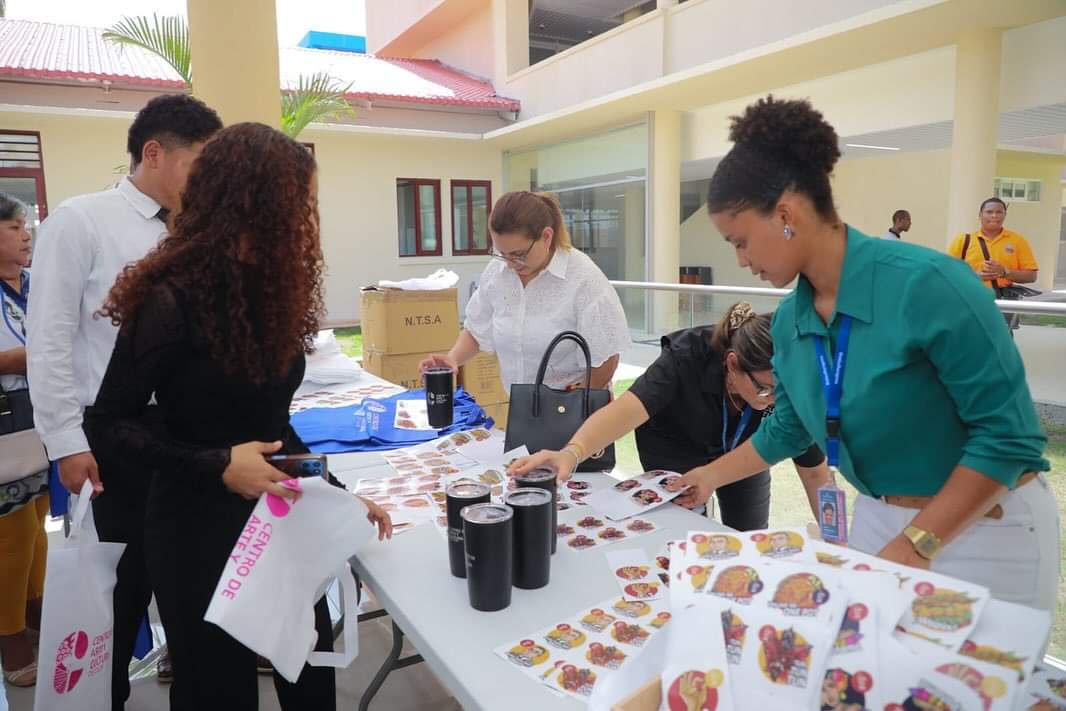
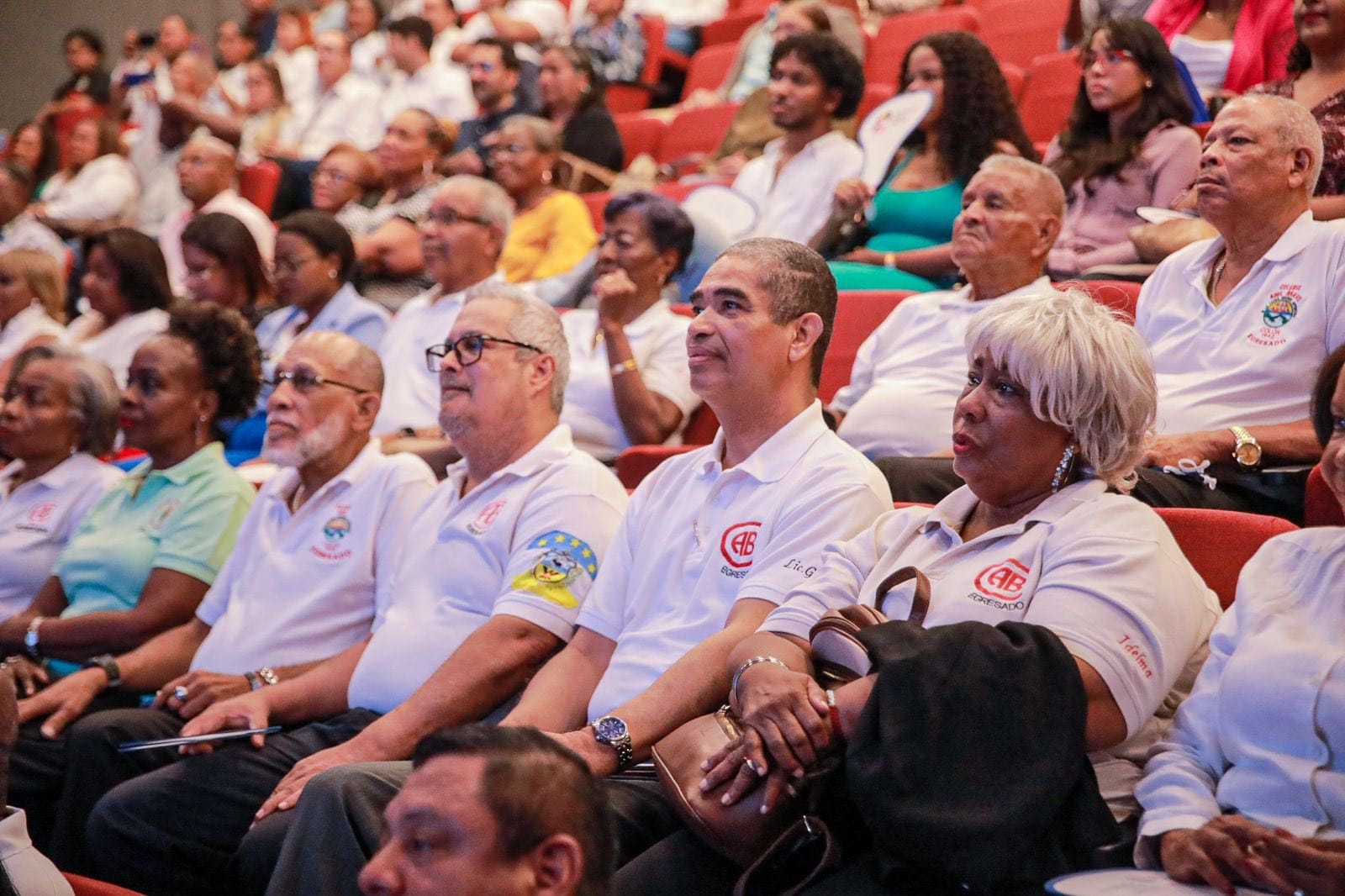
The event was attended by President José Gabriel Carrizo, Governor of Colón Province, Irasema de Dale, Bishop of Colón, Manuel Ochogavía and graduates of the Abel Bravo College, representatives of cultural groups from the province and other special guests.