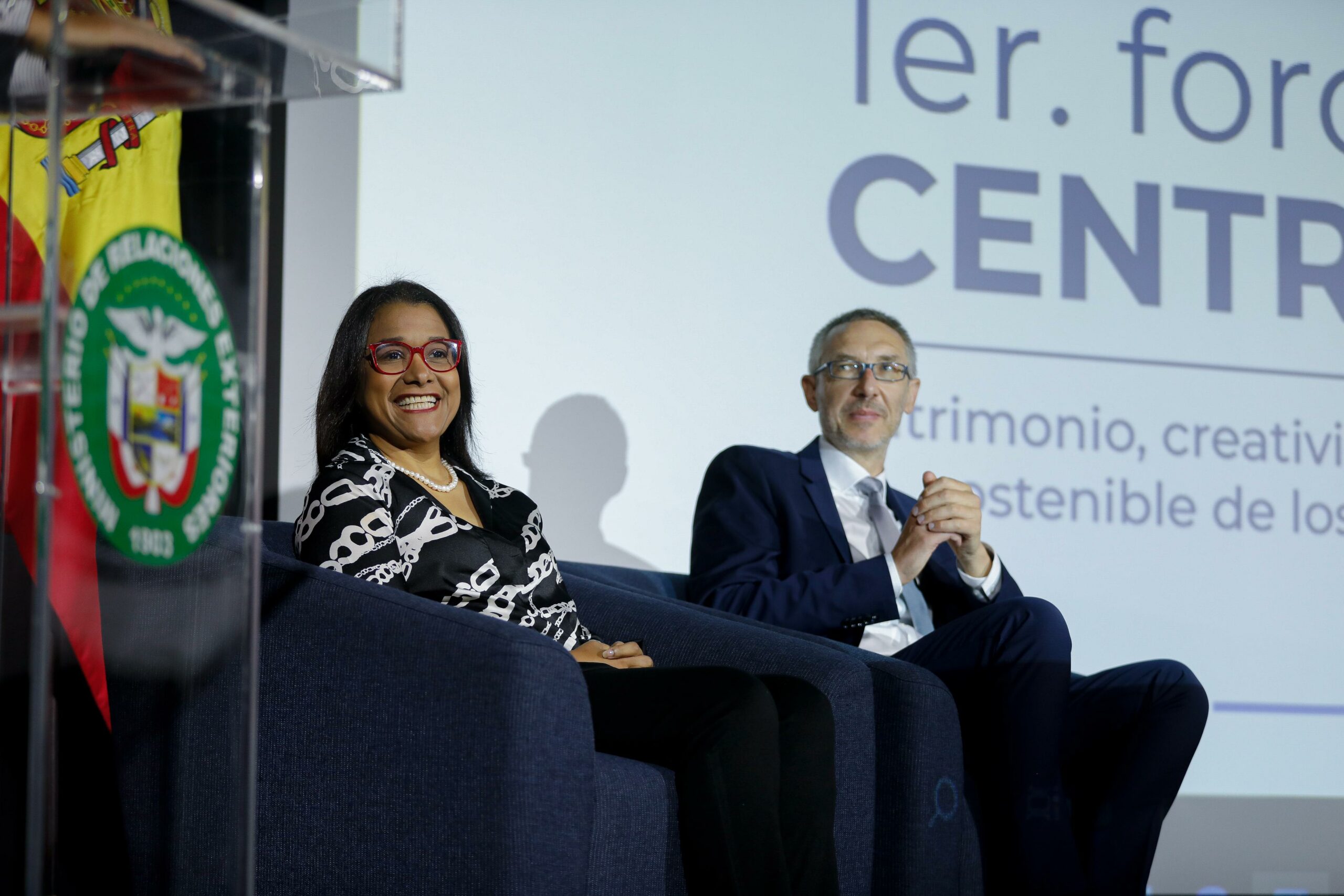
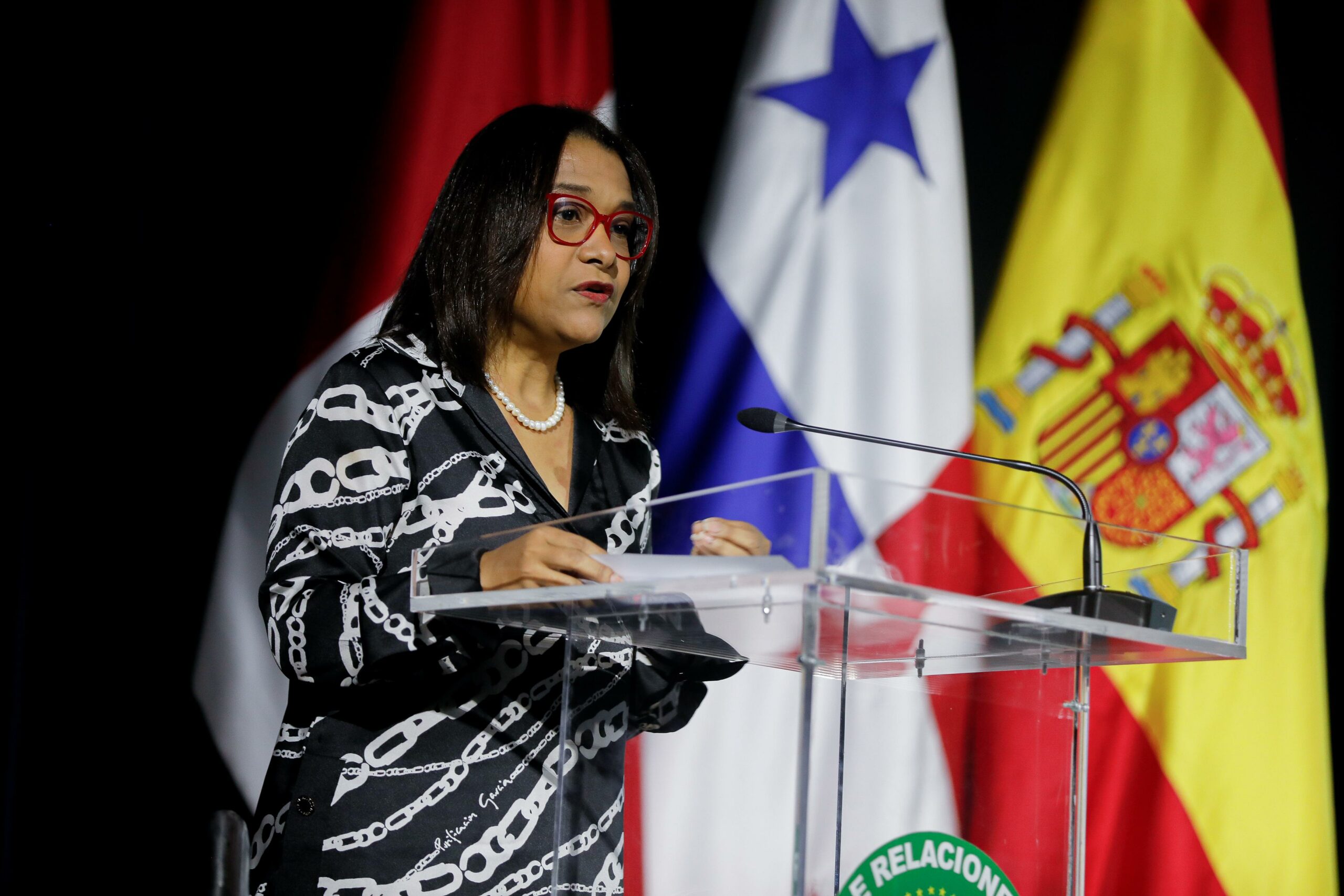
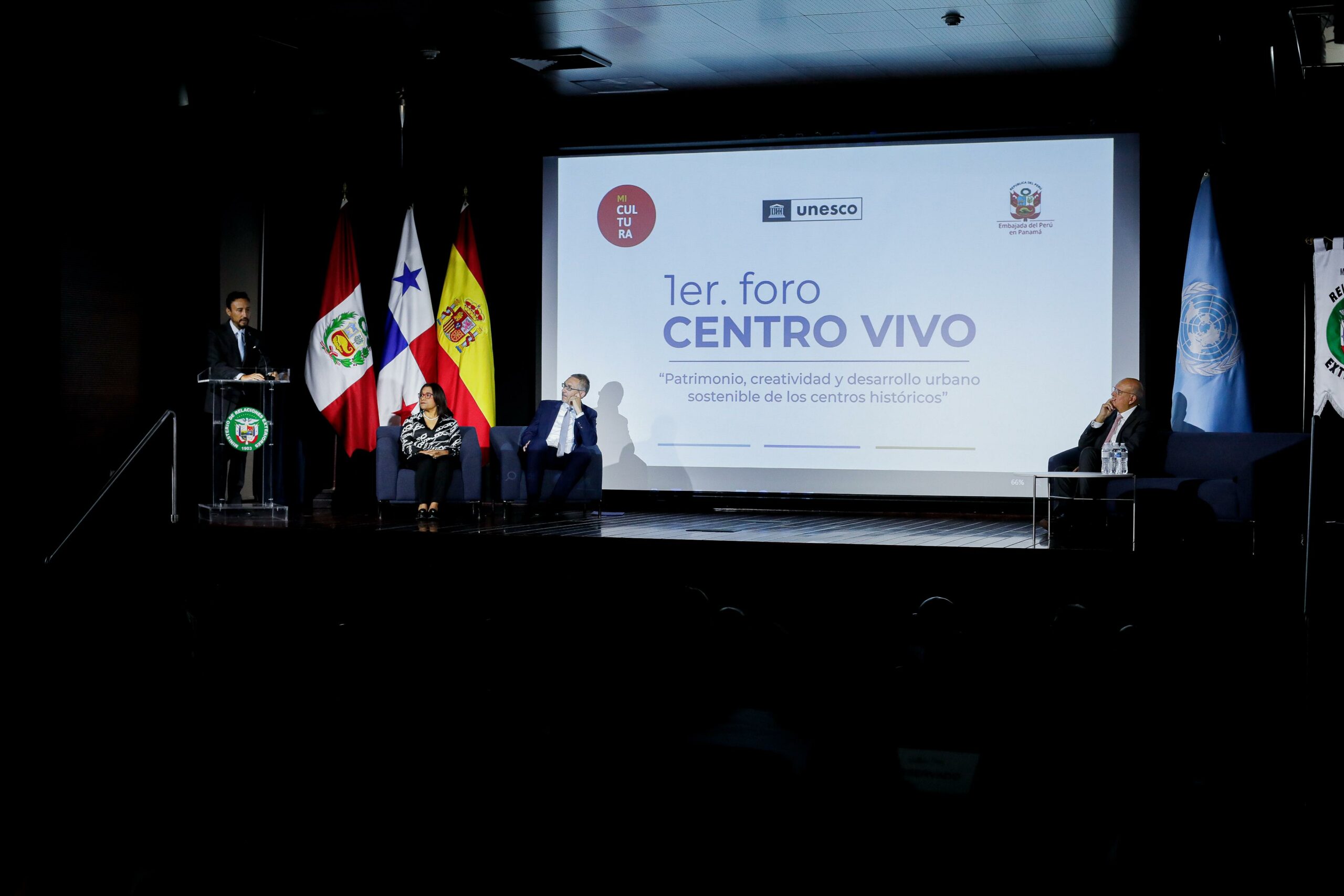
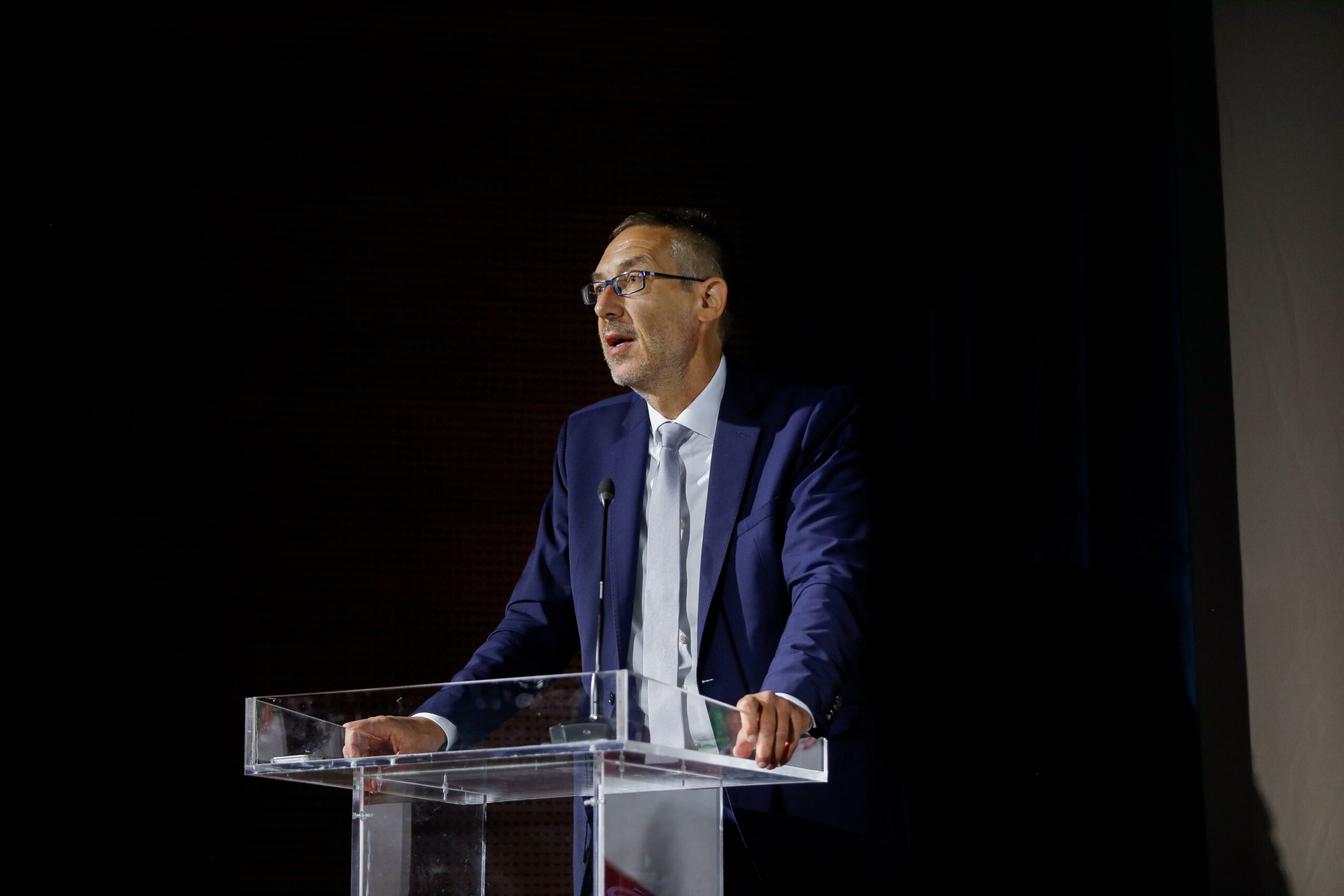
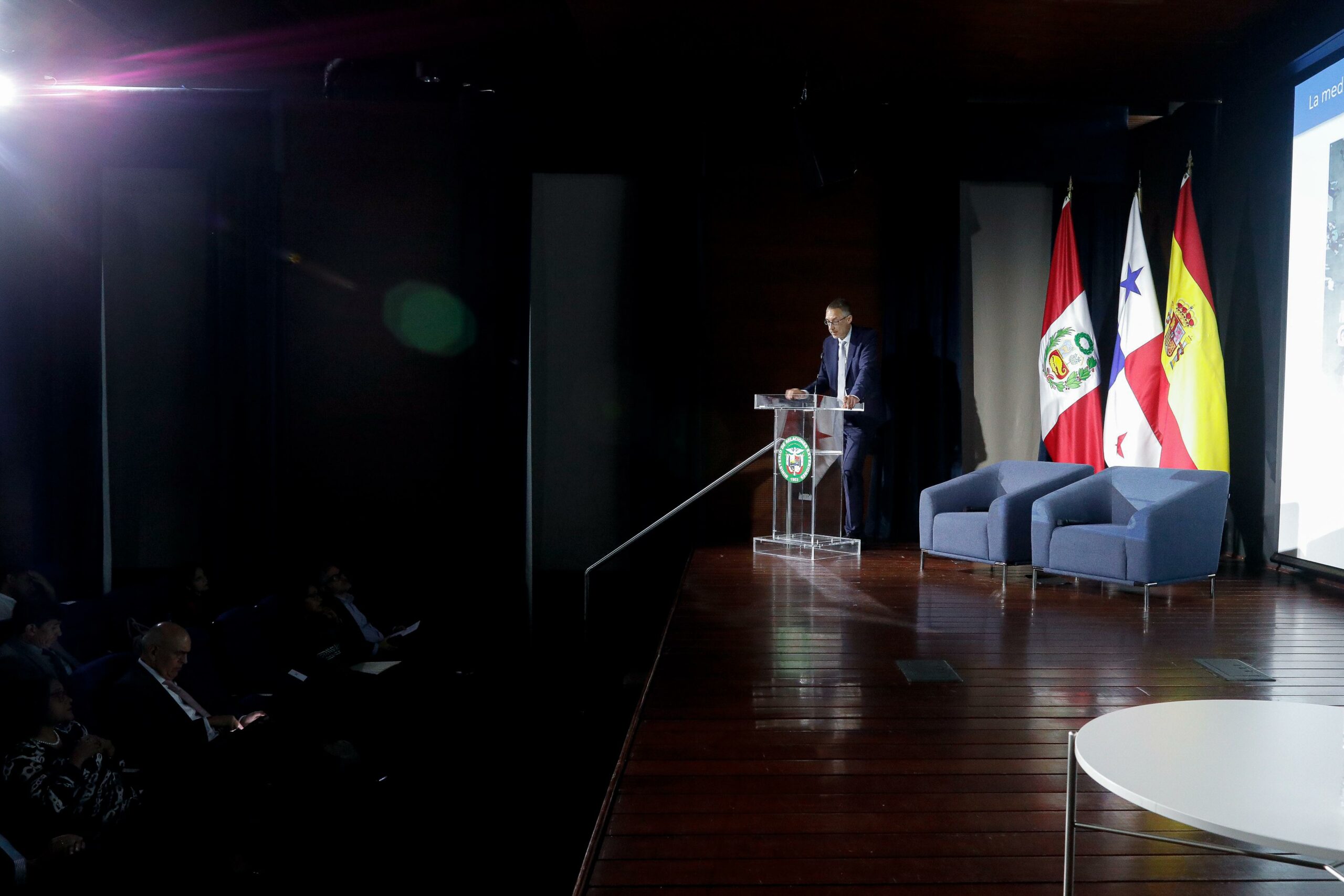
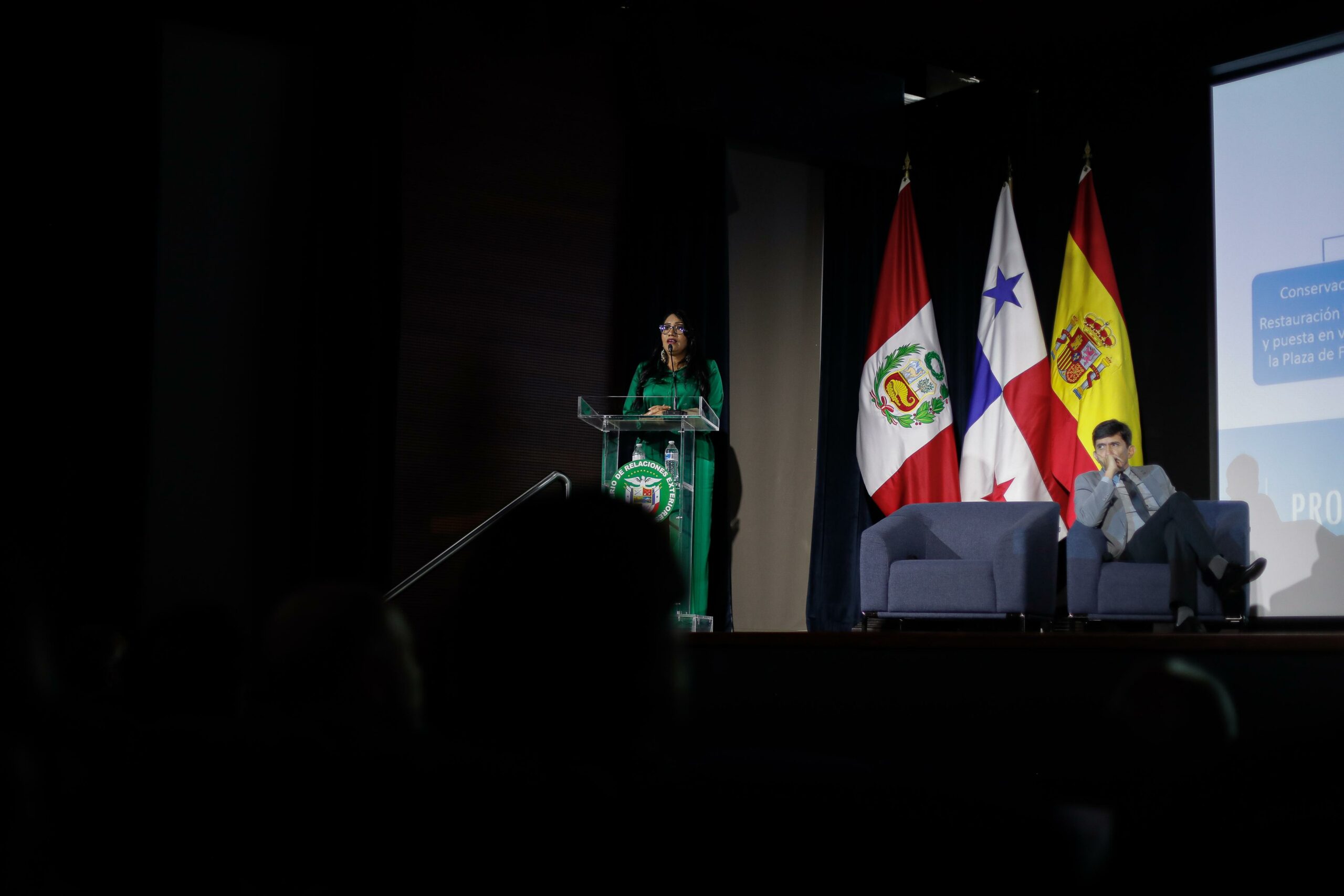
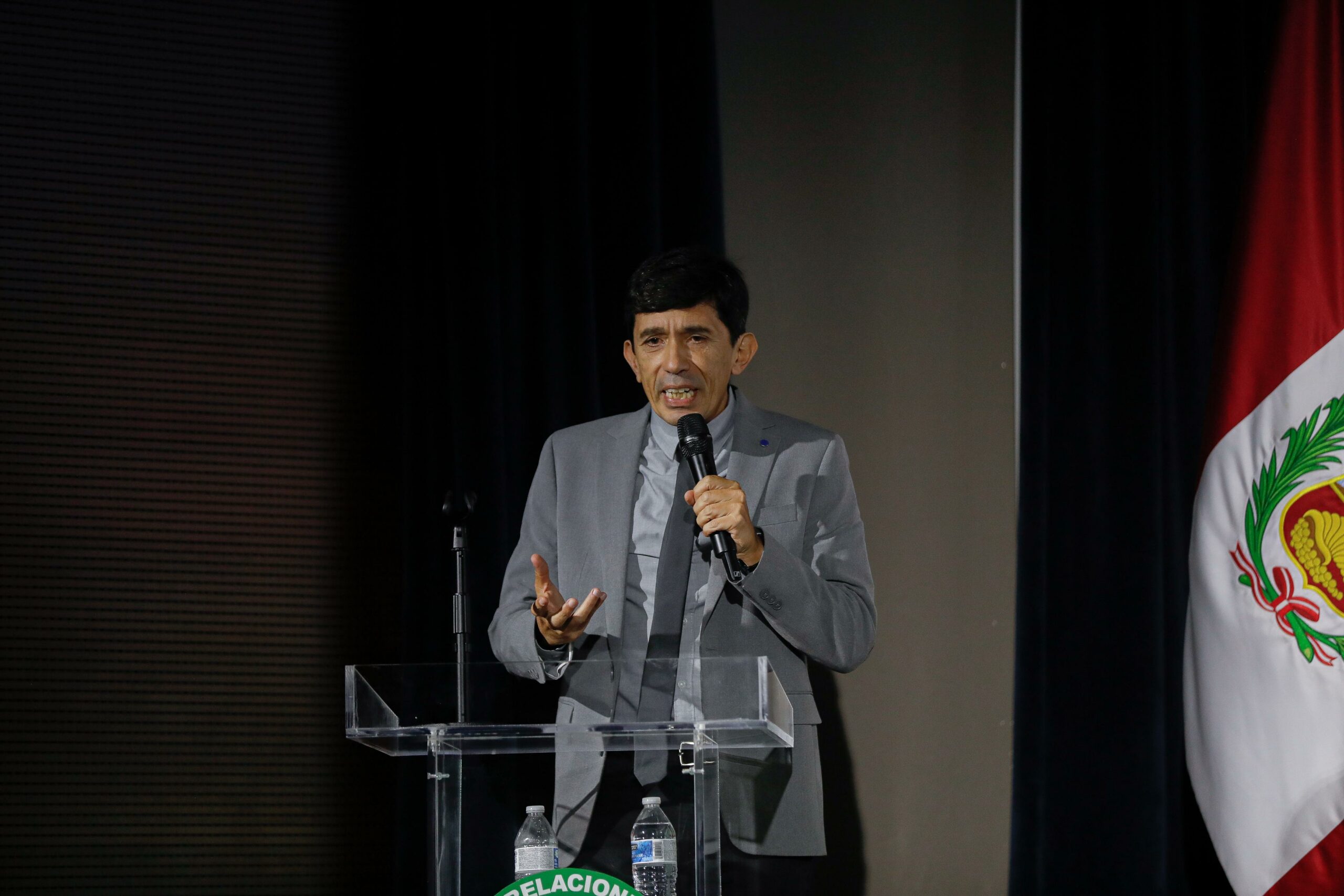
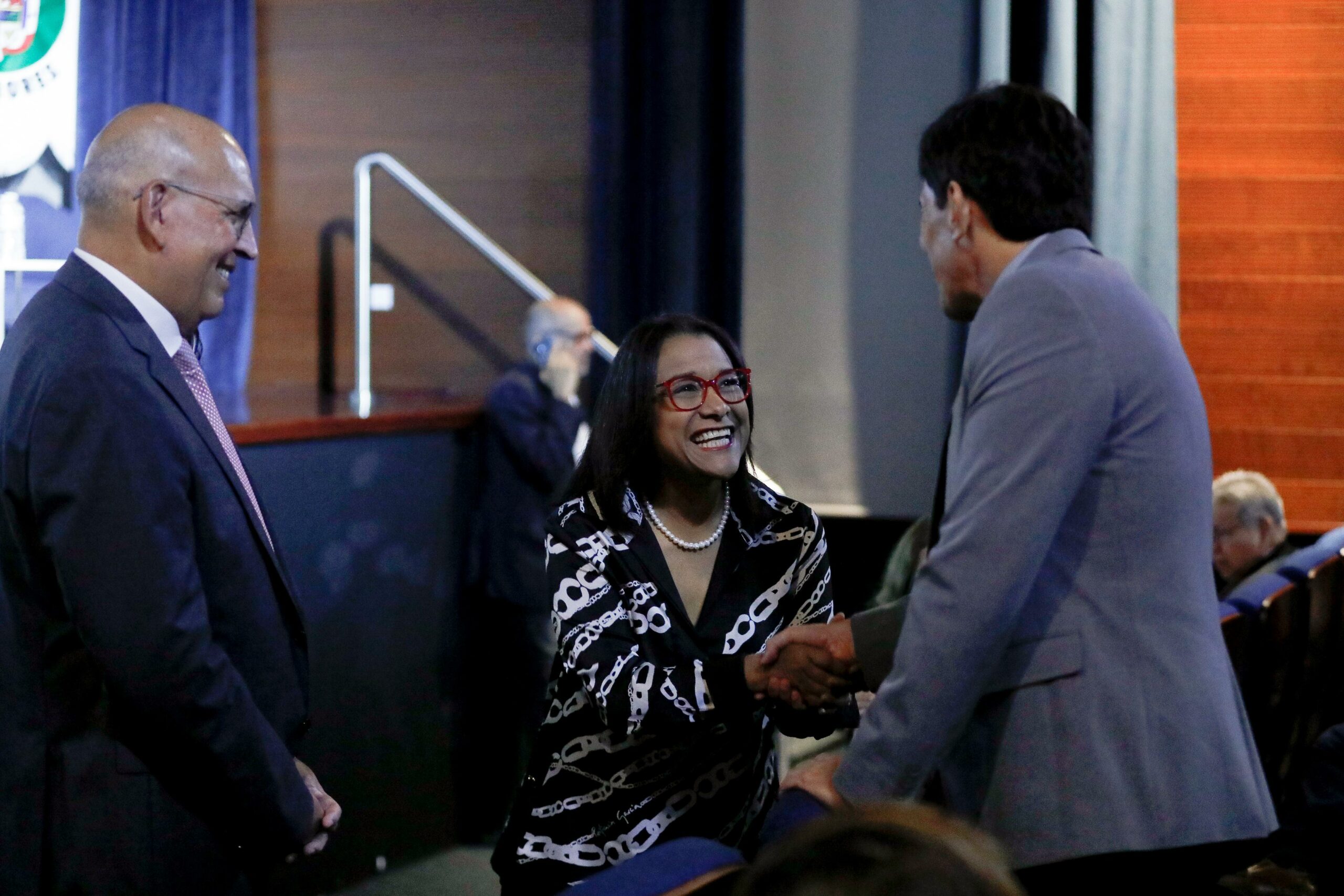
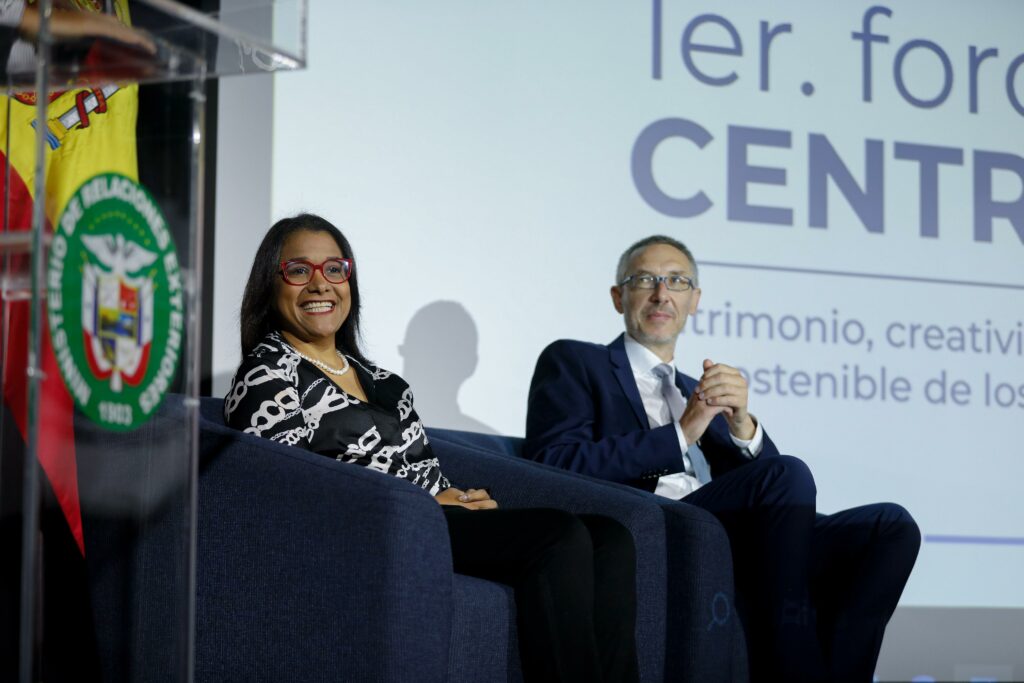
More than 180 specialists, managers, public officials, diplomats, investors and residents met in Panama from April 22 to 24 to participate in the first Vivo Center Forum, organized by the Ministry of Culture (MiCultura), in collaboration with the United Nations Educational, Scientific and Cultural Organization (UNESCO) and the support of the Peruvian Embassy in Panama, a guest country at this first issue.
Under the motto "Heritage, Creativity and Sustainable Urban Development of historic centers," the event aims at strengthening institutional strategic partnerships to advance sustainable urban development in Panama.
The program puts to value the material and immaterial cultural heritage of the historic centre, promoting creativity and innovation for the inclusive use of the city.
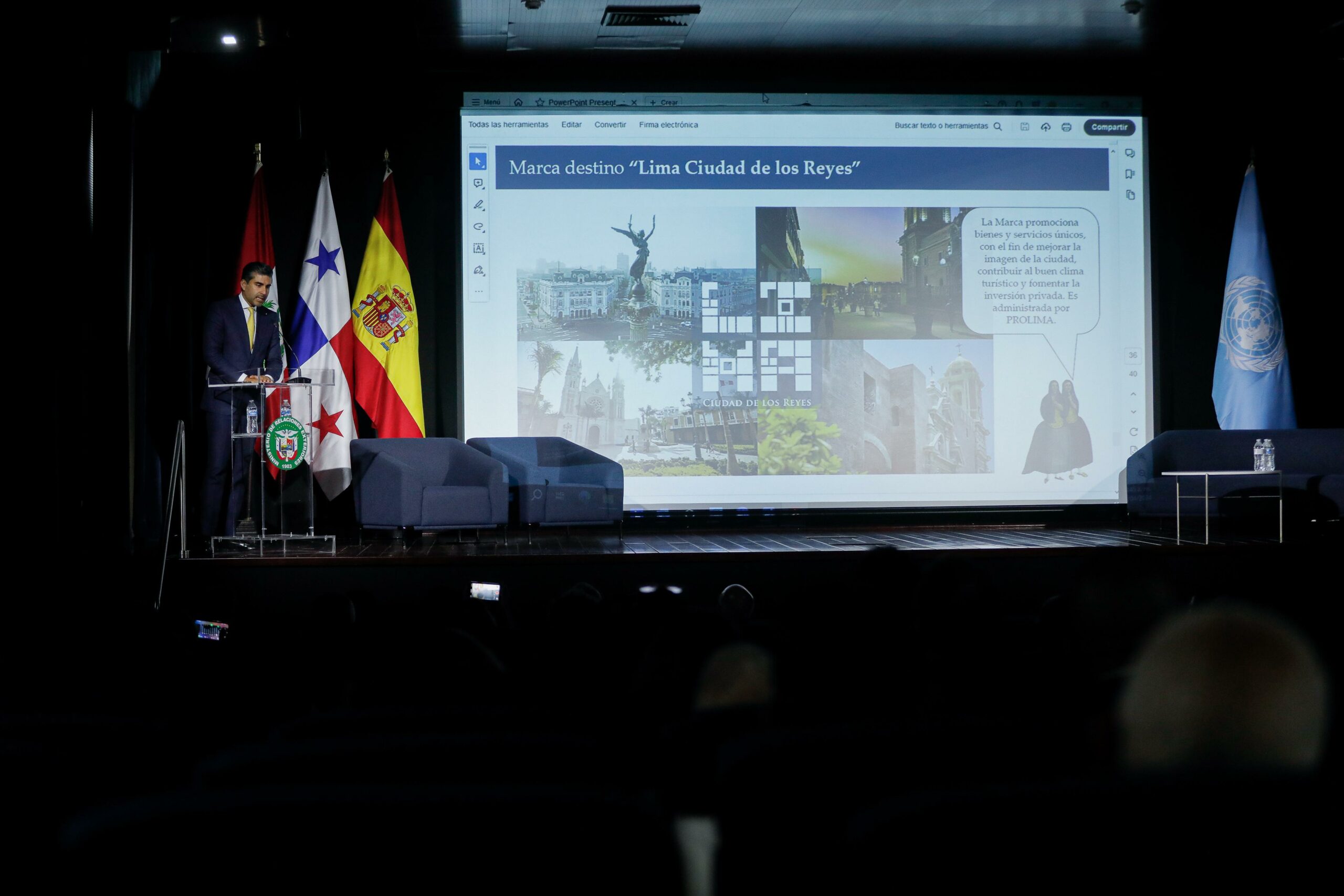
That activity, which began with master's lectures by Alexander Leicht, director of the Regional Office of the UNESCO and representative of the UNESCO for Panama, and representing the guest country, Luis Martin Bogdanovich, director of the Programme for Recovery of the Lima Historical Center, who presented the case of the Peruvian capital as a model of cultural and urban transformation.
The regional representative of UN-Habitat for Latin America and the Caribbean, Elkin Velásquez, will also participate and will highlight them by video and indicates that opportunities for historic centres, as part of the New Urban Agenda, to generate inclusive economic development in the region.
Giselle González Villarrué, Minister of Culture, announced that as a result of this forum will start training a network of experts and experts dedicated to cultural heritage, both material and immaterial, to promote the exchange of knowledge and experience.
"That network will be at the heart of our medium term strategy to preserve and celebrate our heritage, ensuring that every effort will be information about collective wisdom and interdisciplinary collaboration.
González Villarre announced that this first edition of the Centro Vivo Forum, "Heritage, creativity and sustainable urban development of historic centers" will be advanced to the future as an ongoing and regular platform for devising and applying creative methods that protect and promote our rich cultural heritage to the world. "
The photo exhibition "Materializar" was held after the Forum at the Heurtemate Building, at Plaza Santa Ana, organized by the Embassy of Peru.
Following the agenda, on April 23, a Workshop on Intangible Heritage and Creative Economics was held at the headquarters of the office of the Casco Antiguo, about challenges of applying scientific knowledge to the practice of the conservation and protection of cultural heritage in Panama.
At the same time, a tour of two of the historic heritage centers, located in Colón Province, to the Fort of San Lorenzo and the Royal Aduna of Portobelo with the exhibitors of UNESCO and Peru, as well as national experts, will share their experiences and best practices in managing historic centers, property routes, social inclusion through cultural heritage and development of the creative economy.
On April 24 from 10: 00 a.m. to 9: 00 p.m. this cultural meeting will be closed with a festival at the Plaza de la Independencia.