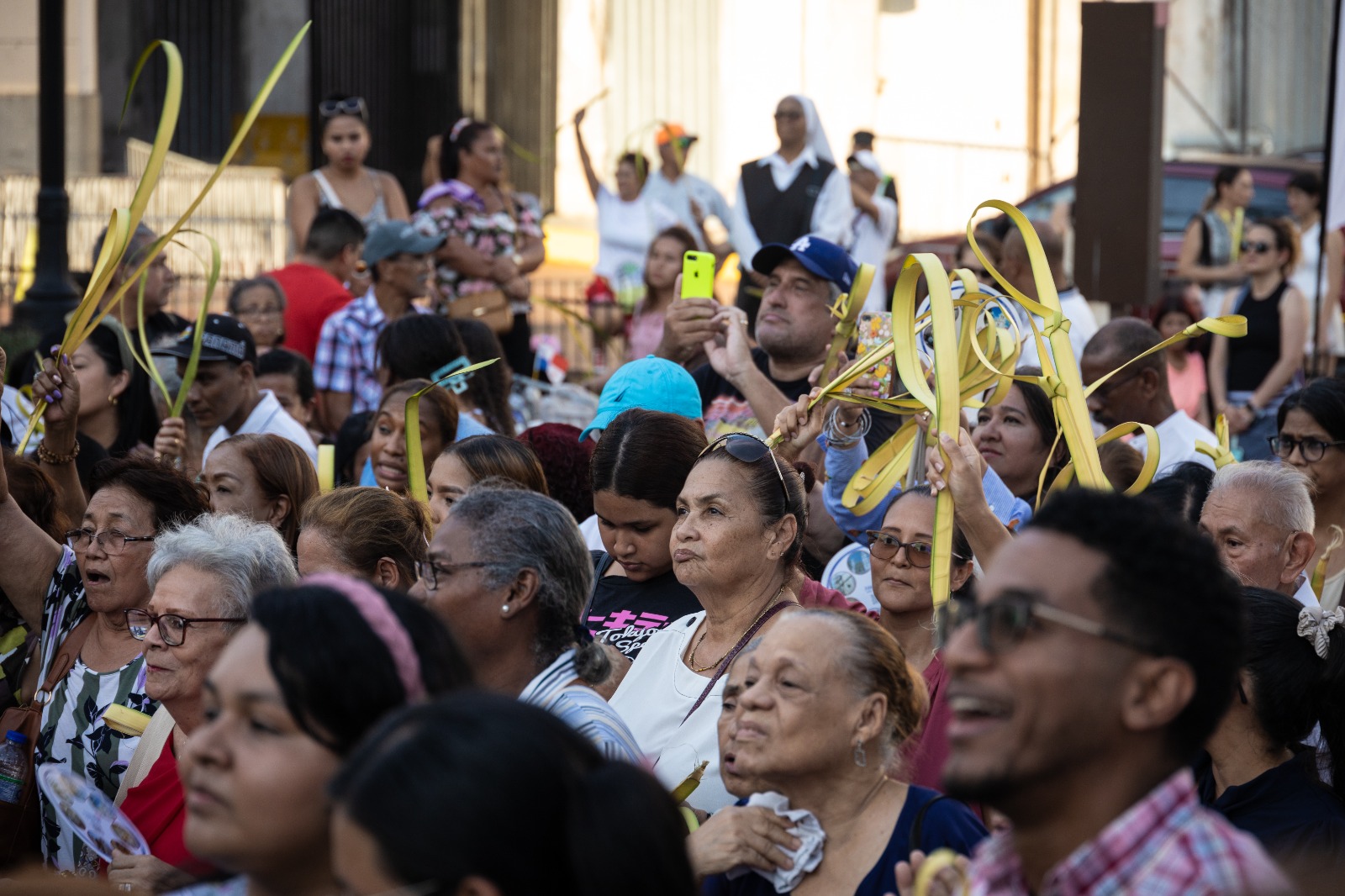
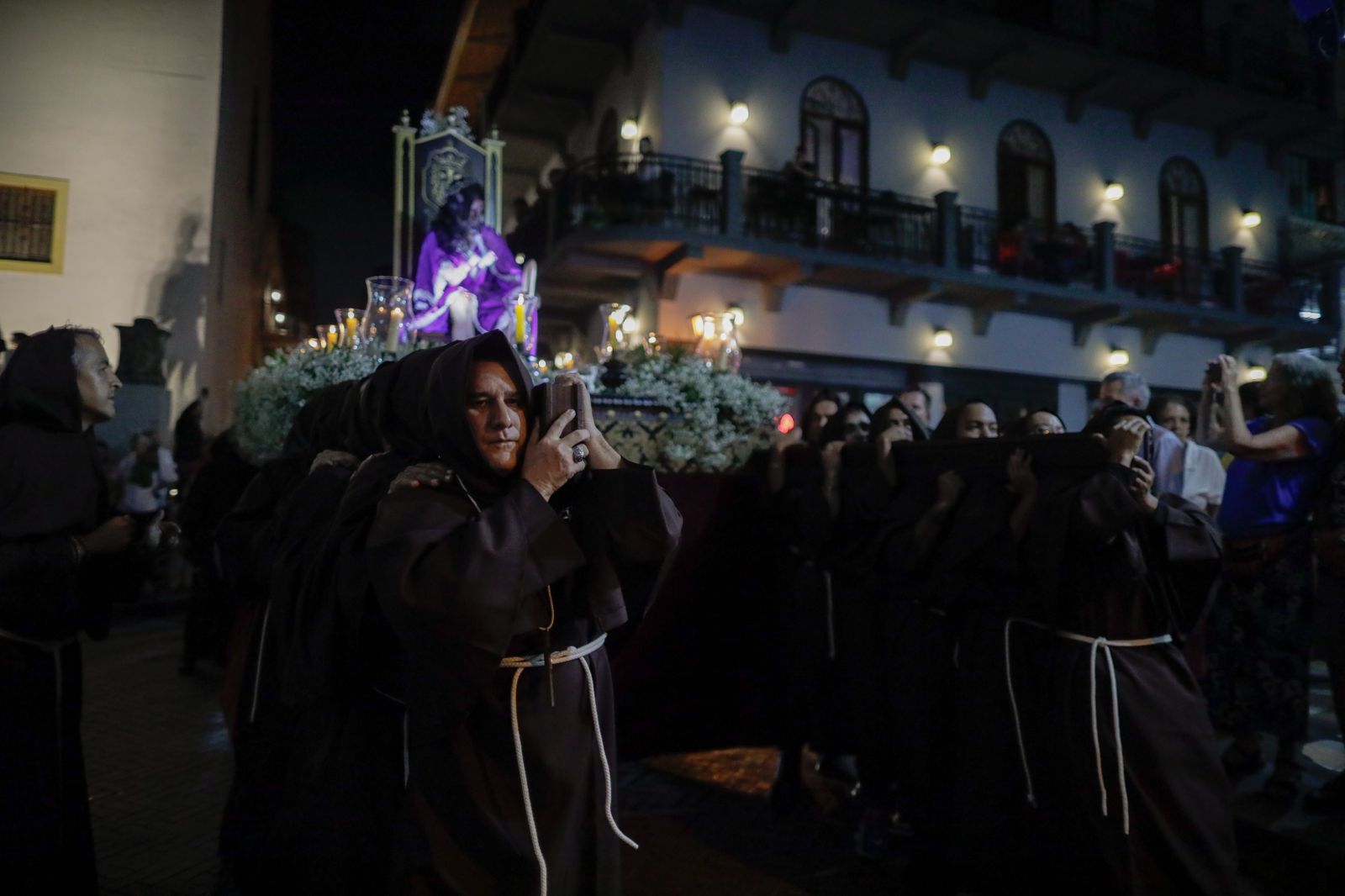
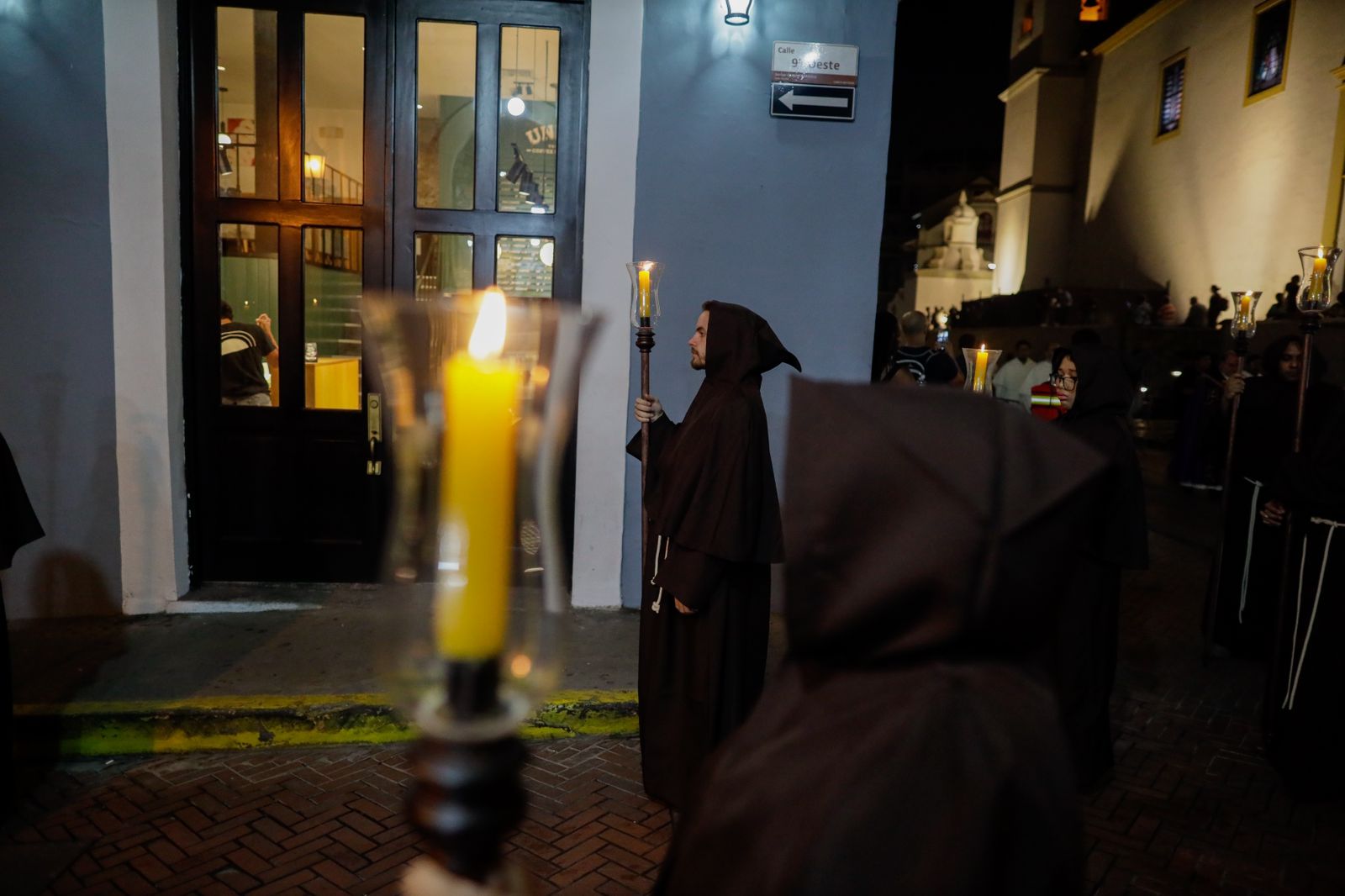
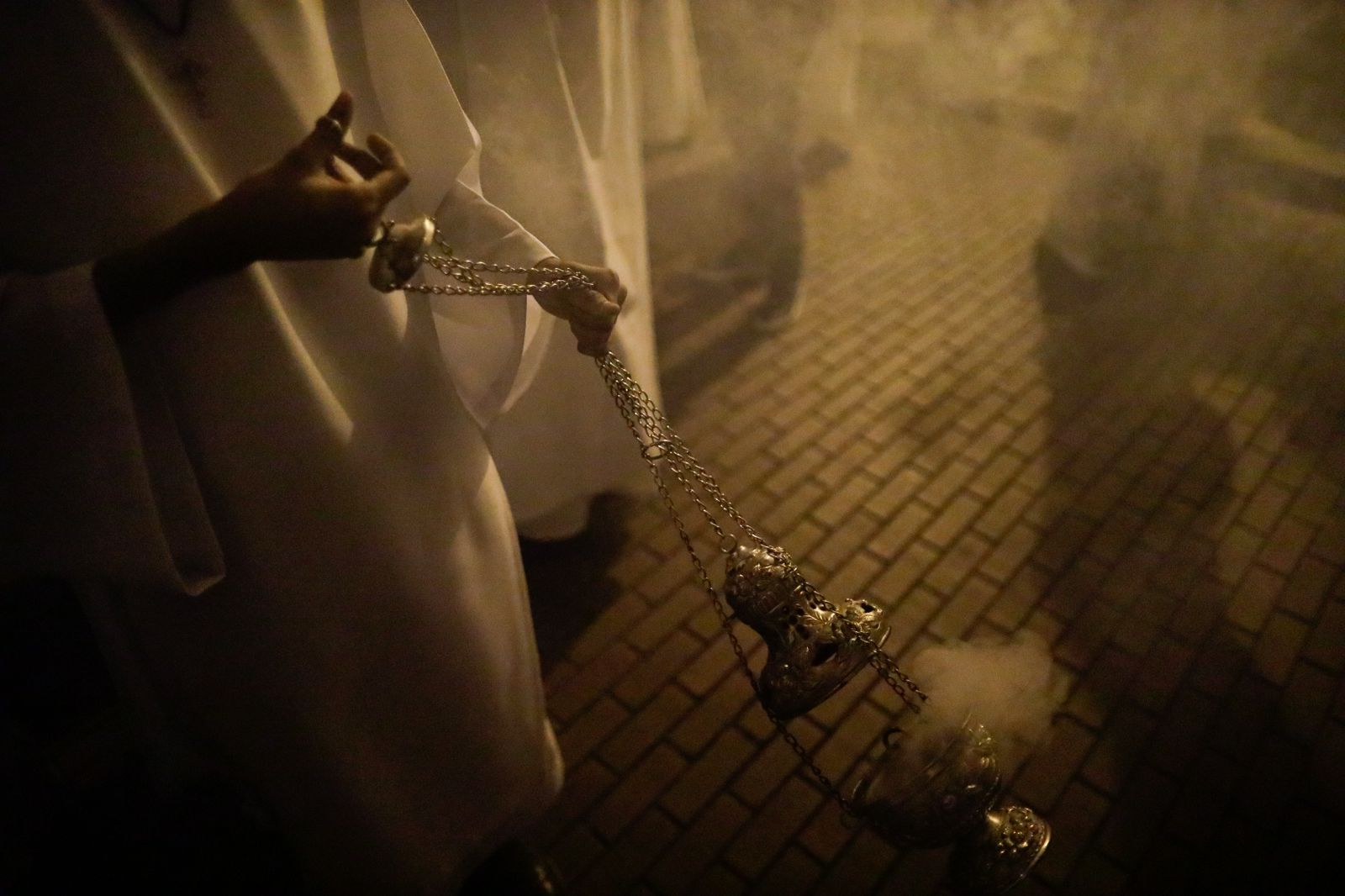
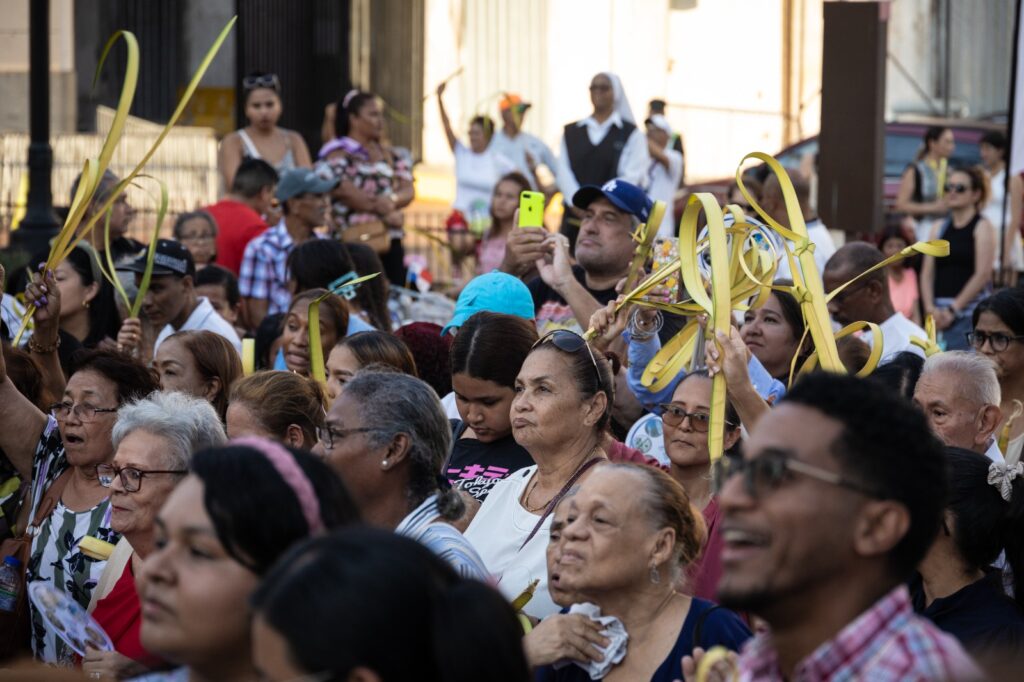
The celebration of Holy Week at Casco Antiguo, which is organized by a committee with participation from government agencies, private company, residents and merchants of the area, goes beyond the religious to become a "tourist-cultural" product.
Yessenia Sánchez, head of the office of the Casco Antiguo (OCA) at the Ministry of Culture, detailed that since last year we have been bringing about an approach that resulted in the establishment of a committee with at least 19 representatives of non-governmental entities and groups.
That Committee, Sánchez detailed, co-ordinated in a comprehensive manner so that the celebration of the Major Week at Casco Antiguo will be conducted in a coordinated, organized and public assistance and security for all attendees.
According to the organizers they seek to be seen not only as a matter of tradition and devotion but as a celebration where we appreciate the artisan, that is reflected from the selection of the motif, the dressage, the habits of the flowers, in the artists that are singing in the chores, the chosen songs, that is to say throughout a creative system around a religious party that is at national level but that at the Casco has awaken an interest, not only from nationals but also from foreigners.
Sánchez detailed that some have been brought from Seville and other parts of Spain and the assistants will have to watch them in churches of the area as La Merced, at the Basilica of La Catedral, at St. Francis's Church of Assisi and San Felipe Neri.
The director of the OCA did not rule out that in the future and depending on the fulfilment of some demands of the UNESCO this celebration, that transcends boundaries and social strata, could be in the range of Intangible Cultural Heritage
Also, from the religious part, the celebration of Holy Week in the area has a considerable economic impact and in this sense, Sanchez revealed that last year, in five days, Holy week generated to the shops about 10 million dollars in consumption.