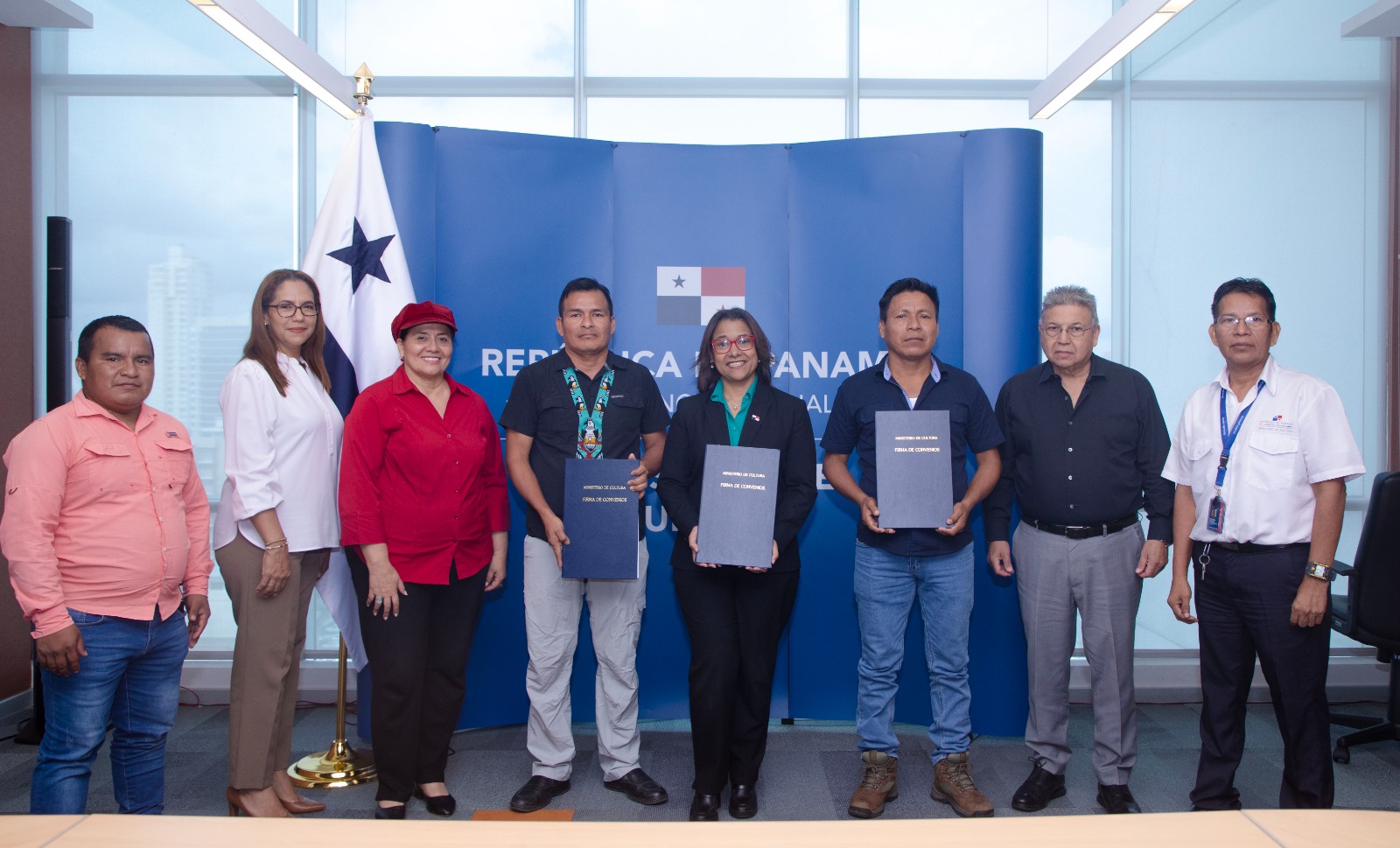
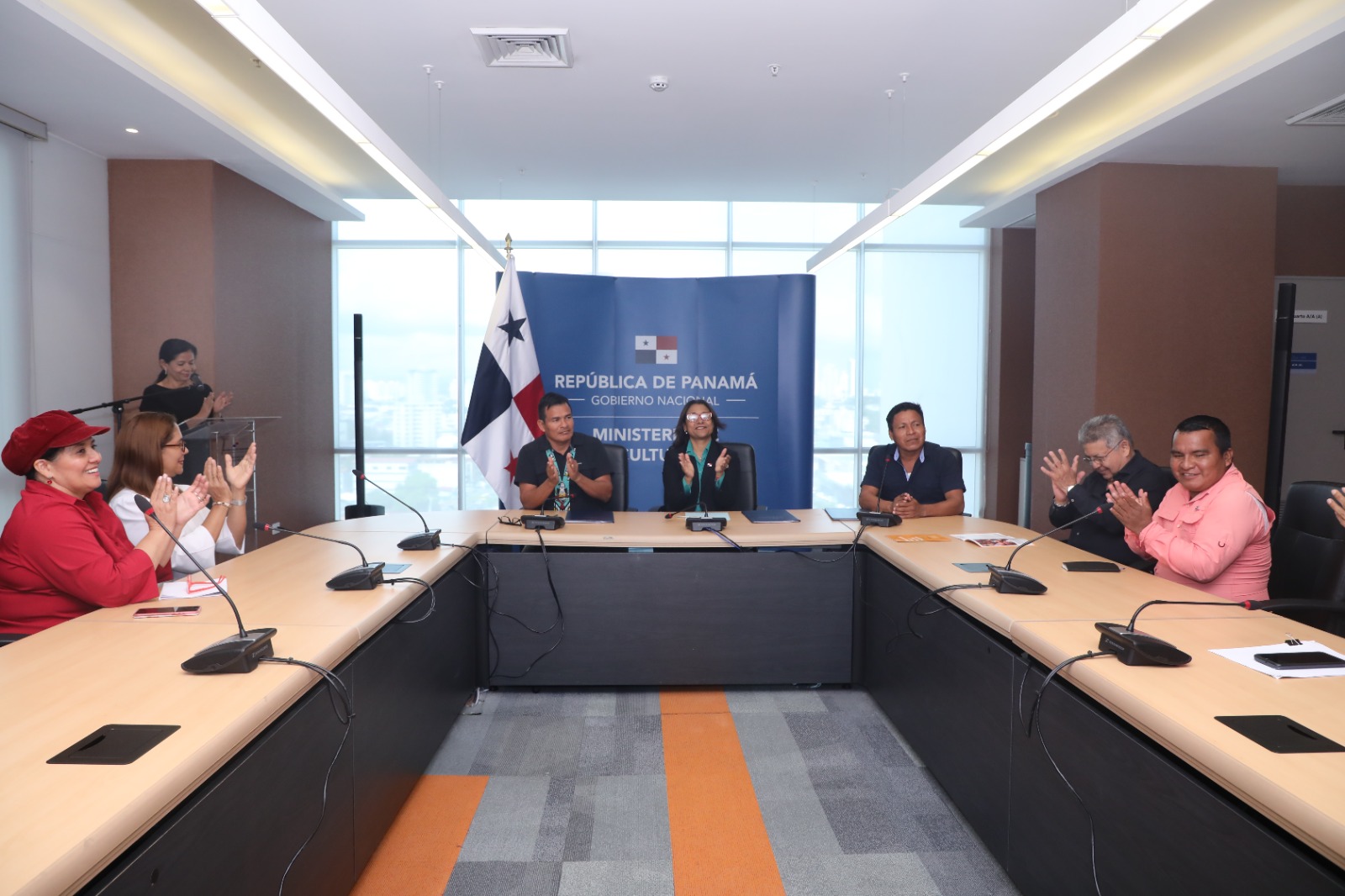
To formalize the protection of the cultural heritage of the communities that make up the Embera Wounaan collective lands, their ethnic identity, customs, arts, music and intimate relationship with Mother Earth, the Ministry of Culture (MiCultura) and the Embera Wounaan collective lands have signed a framework convention for cultural cooperation.
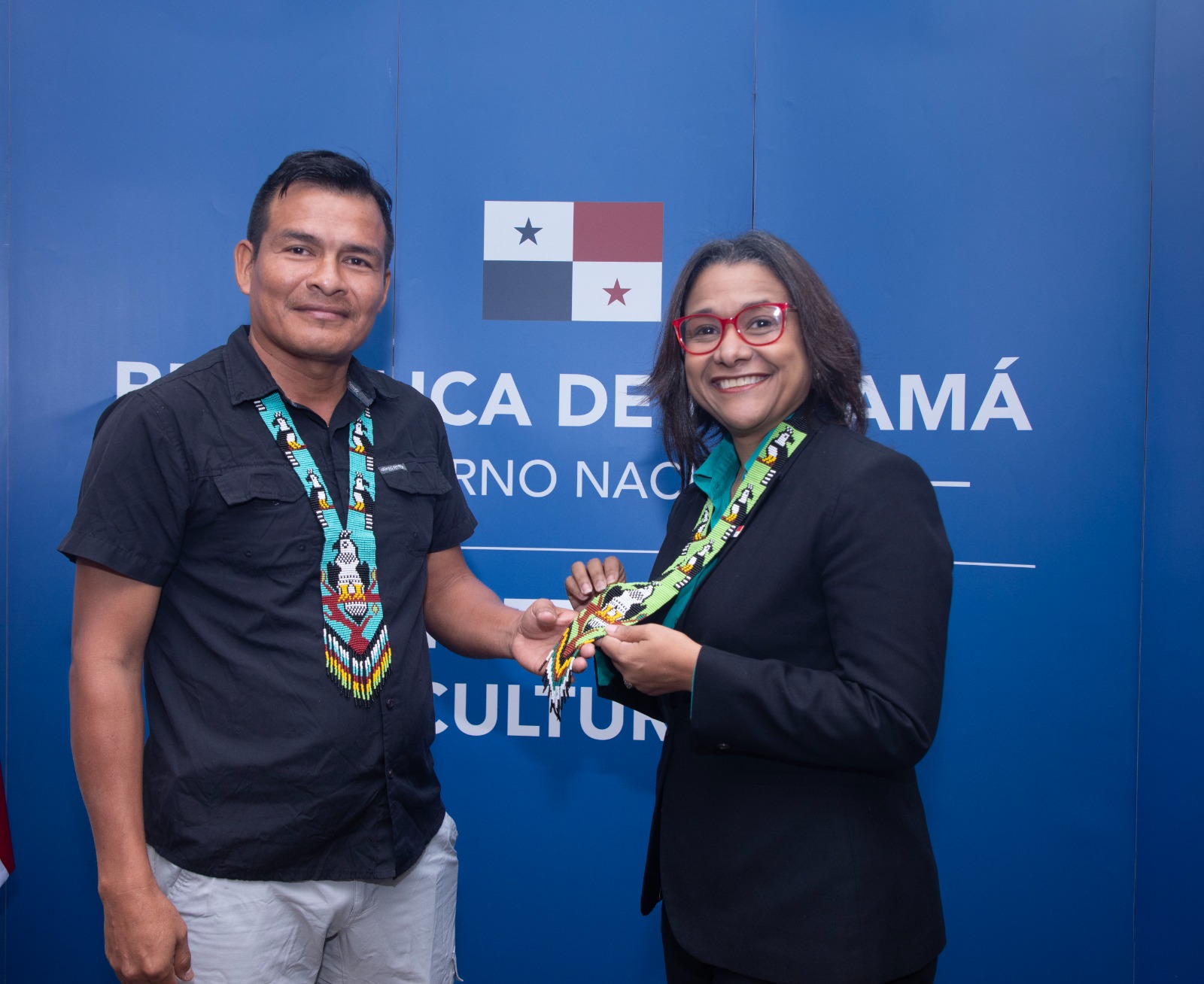
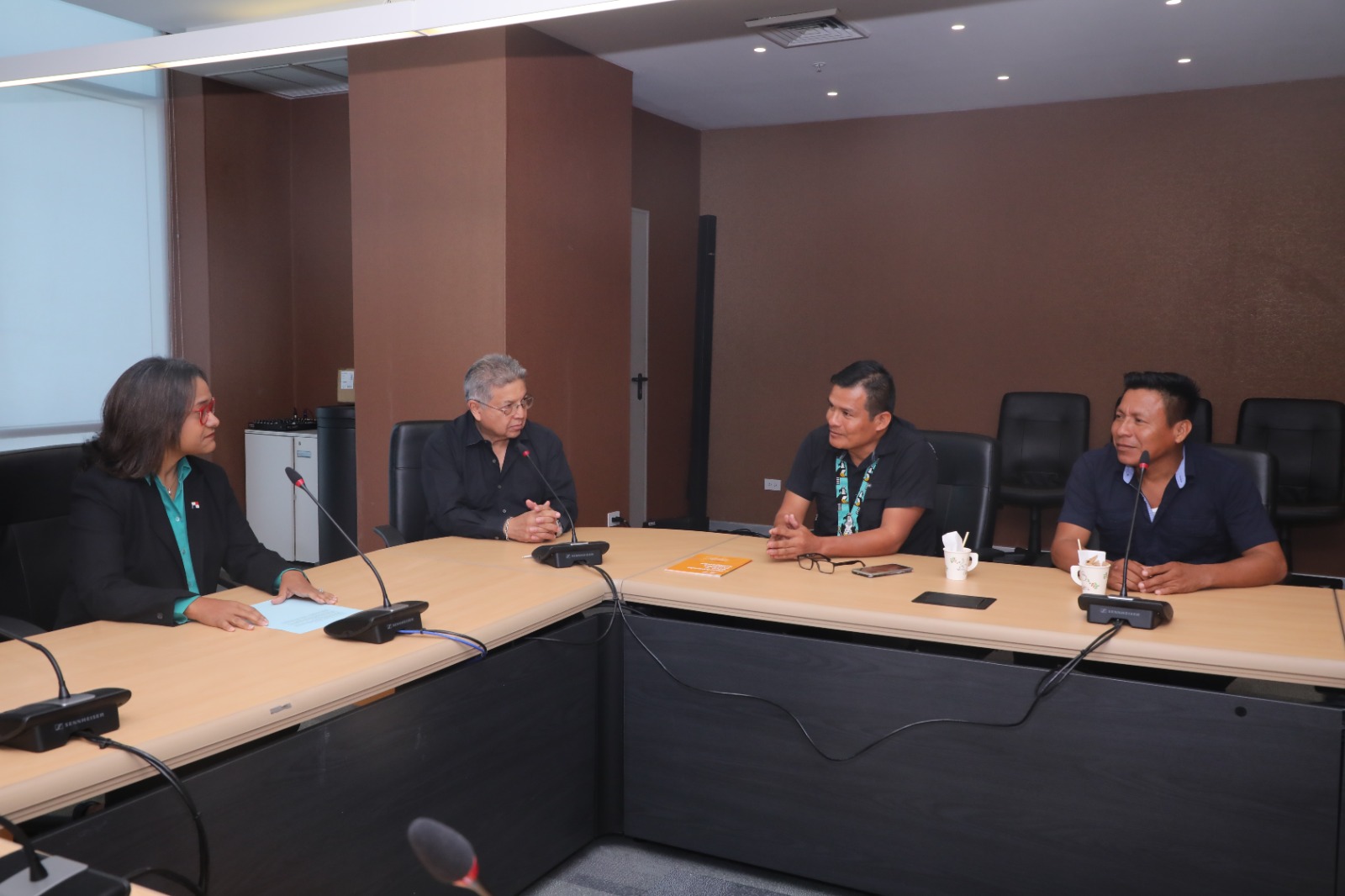
The agreement was signed between Giselle González Villarrué, Minister of Culture, Gabriel Minguisama Grajales, General Cacique of Giselle Wounaan Collective Lands, and Hedil Teucama Dogirama, President of the Board of Directors of the General Congress of Gebra Wounaan Collective Lands. The agreement states that the parties will promote common actions aimed at the rescue, conservation and dissemination of traditional knowledge and cultural expressions.
The General Congress of Social and Social Farms includes territories in three provinces: Panama, Darién and Colón, run by a General Cacique, five regional caciques (Pura Drua region, Balsa region, Tuira region, Jaqué region and Chagres region) and in each of the 46 communities a local nokó.
"It's a historic and special day, you are very important to the development of this country. To the Ministry of Culture it's a great commitment and responsibility, so we will continue with several tasks with the aim that the three cultures that make up this Congress (emberá, Yebida and Wounaan) can be shown to the world. Minister Giselle González Villarrué expressed the value of her great crafts woven with natural fibres and the interest of communities to highlight the meaning of her body painting.
The highest authority stated that "from the Coordination of Intangible Cultural Heritage (IPC) a number of training initiatives, programs and projects will be undertaken with the aim of protecting their intangible cultural heritage, including with the potential to propose to UNESCO, elements of this culture: and as part of this management, to safeguard living heritage, especially for its interaction and wisdom about nature."
Meanwhile, Emma Gómez, co-ordinator of MiCultura's PCI, emphasized that his interest in protecting body painting, his three languages (embera bedea, Koumeu and Yebida) and his cesteria activities have been expressed. "
The traditional authorities in this partnership expressed their appreciation for this understanding agreement, which strengthens that readiness that MiCultura has had to work with indigenous communities, thus signalling a line of development thought and making them available as authorities to work together.
The signed agreement indicates that the parties will propose projects to organize and conduct a number of cultural activities that enhance, recognize, strengthen and disseminate local and international cultural wealth to communities of the Embera-Wounaan collective lands.
To facilitate and promote voluntary activity among communities to conduct an inventory of the events of peoples and communities of collective lands as MiCultura conduct the documentation will be one of the commitments of "collective lands."