Welcoming the 120 years of brotherhood and diplomatic relations between Peru and Panama, the Ministry of Culture (MiCultura) organized with this South American country's embassy in Panama, a Cultural Reunion this 28 and 29 September with multidisciplinary activities that were held in the districts of Penonomé and Natá of the province of Coclé.
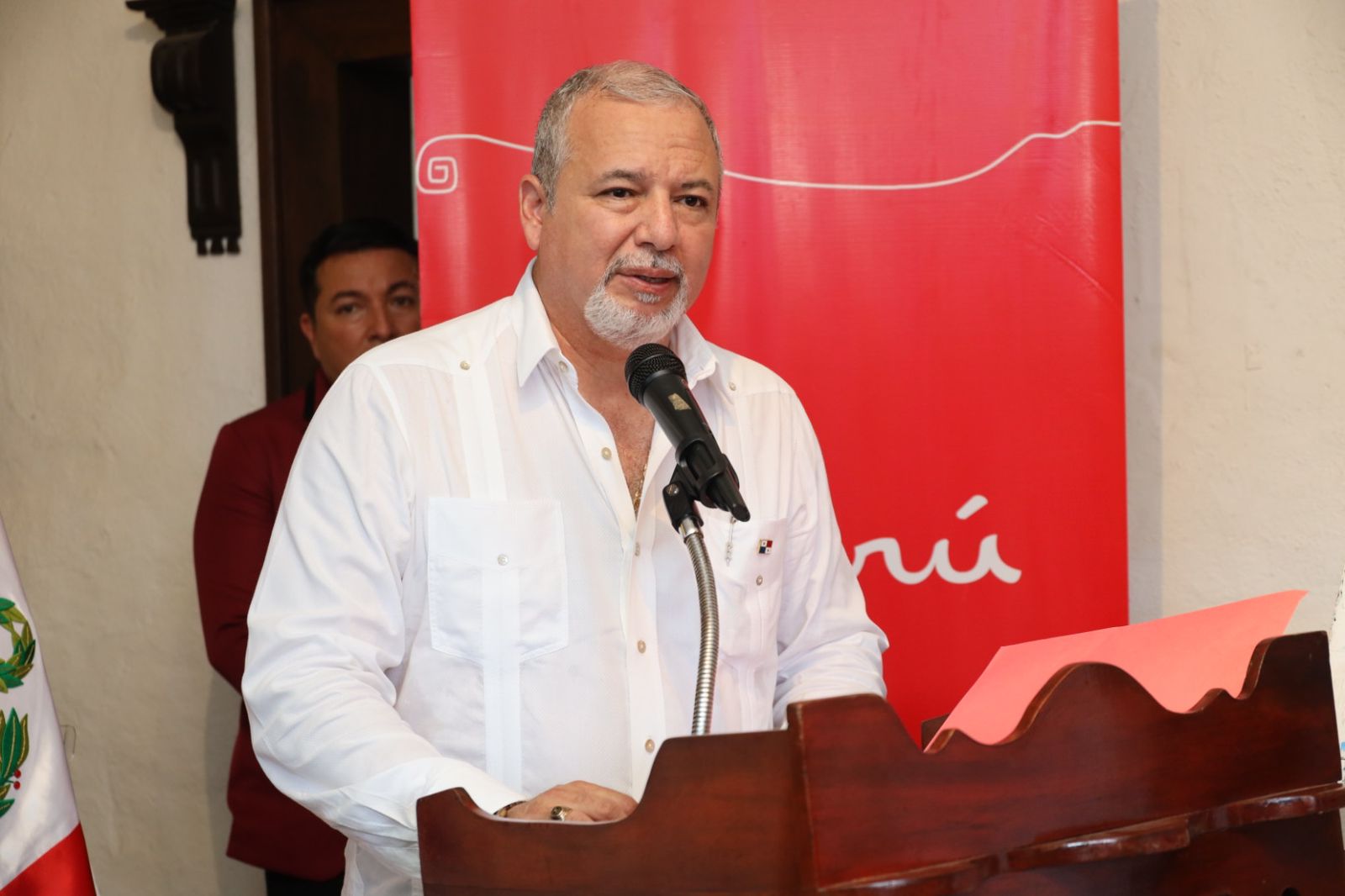
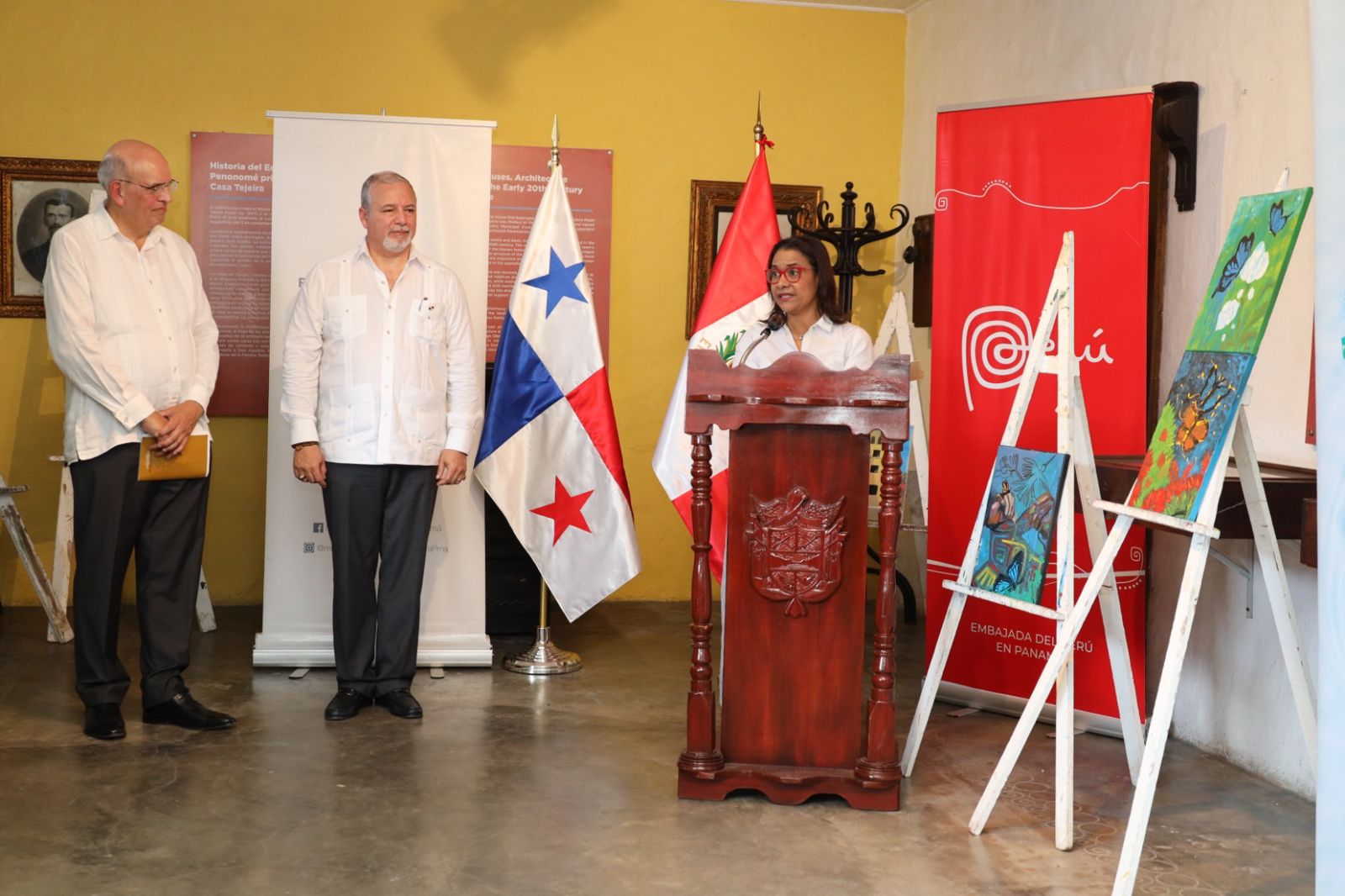
In this respect, Mario López Miguvarri, Ambassador Plenipotentiary of Peru to Panama emphasized "this year with the support of the Ministry of Culture and Coclesan entities we have wished to move our celebration to Coclé to introduce some of Peru's artistic manifestations with the aim of integrating more with Peruvians and Panamanians."
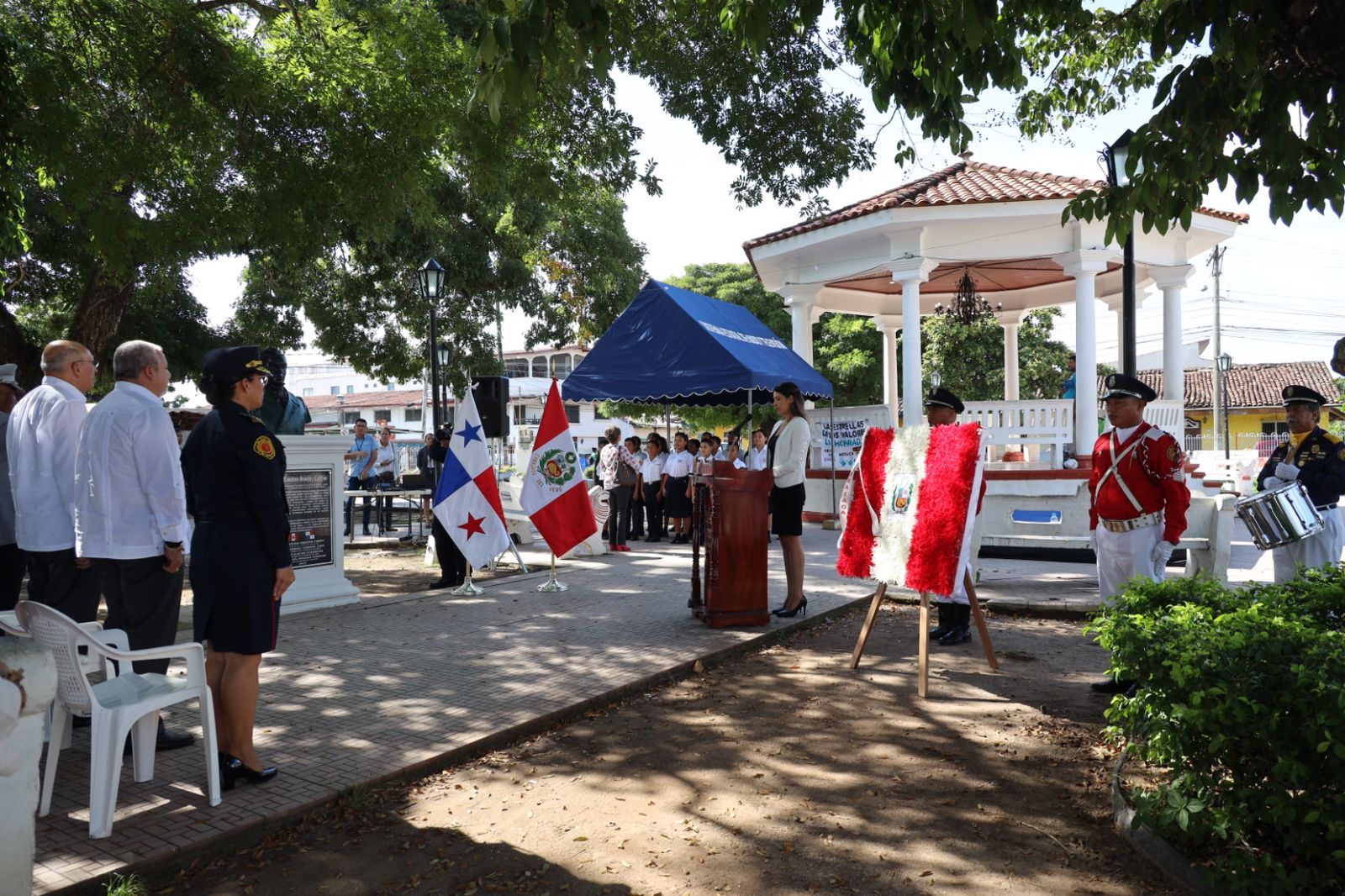
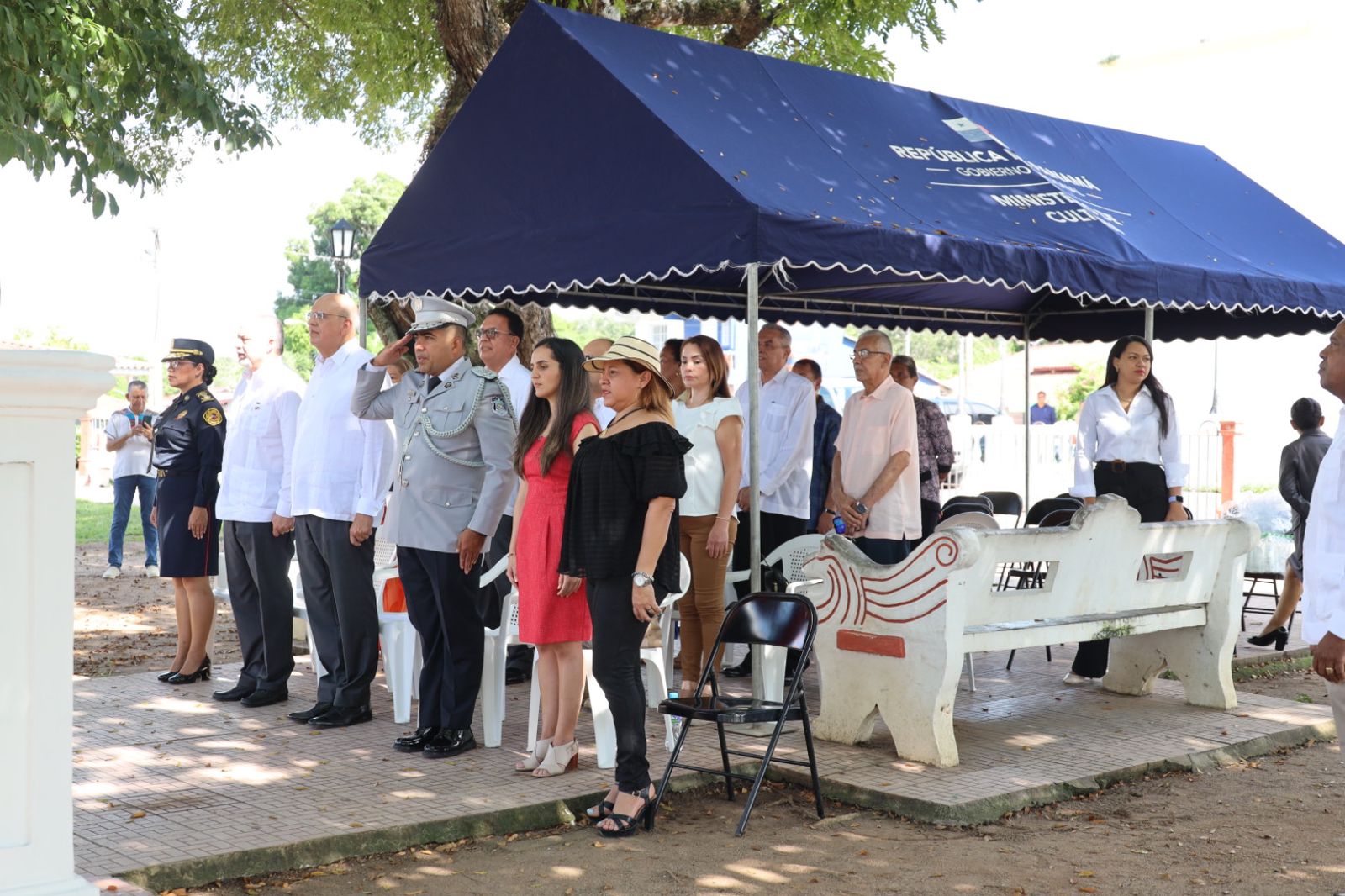
That interesting Cultural Reunion began at the 8 December Park in Penonomé with the production of a floral offering to the bust of José Faustino Sánchez Carrión, a Peruvian procer with the task of convening nations to the Anfictionic Congress that was developed in Panama in 1826 and that as well as influence the Peruvian independent movement, played an important role in strengthening and united Latin America.
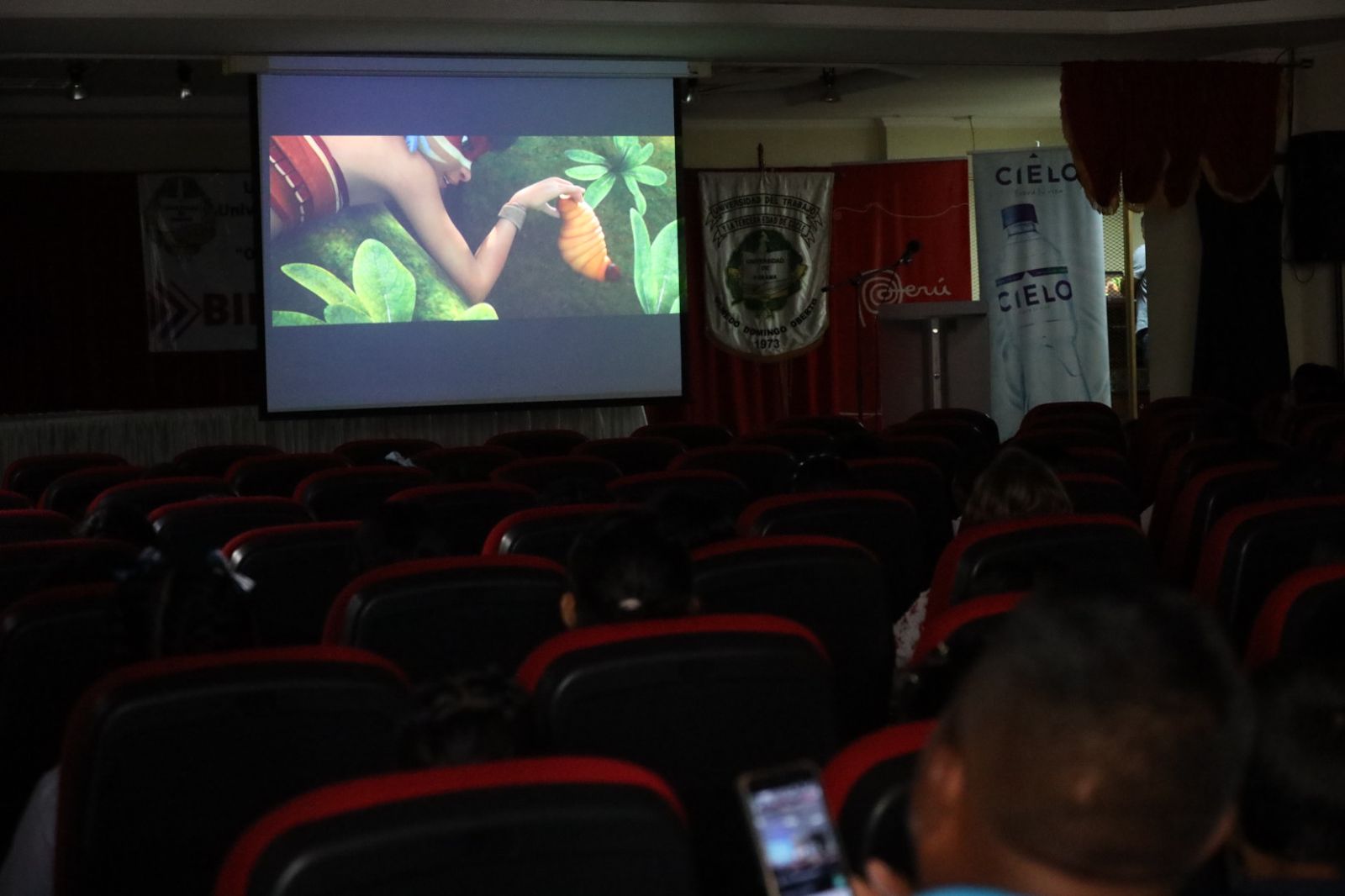
Following up with the production at the University of Labour of the film "Ainbo" linked with the Amazon jungle and the conservation of the environment we all have been trying to defend, enjoyed by pupils from primary schools of the Penonomé District.
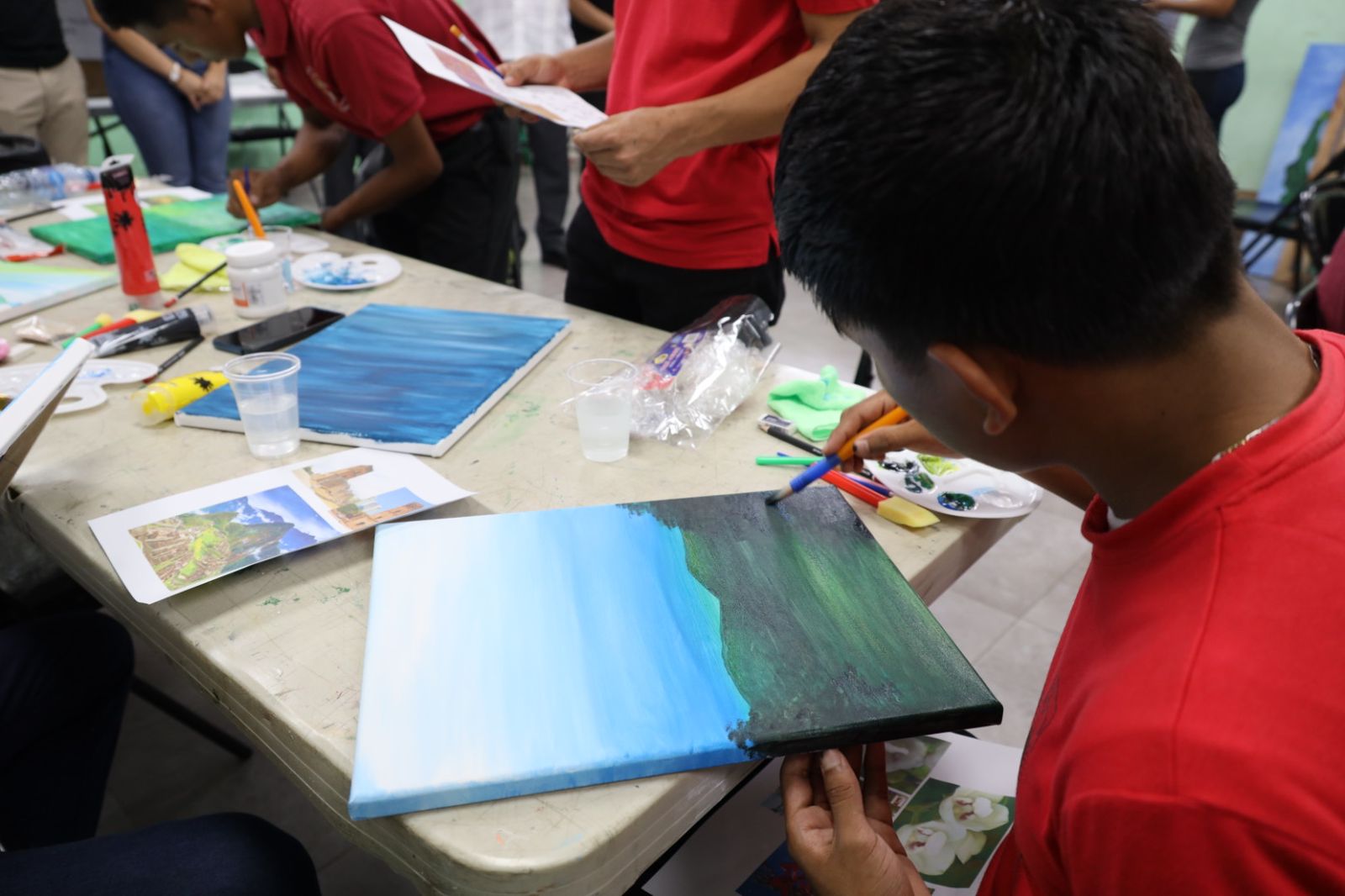
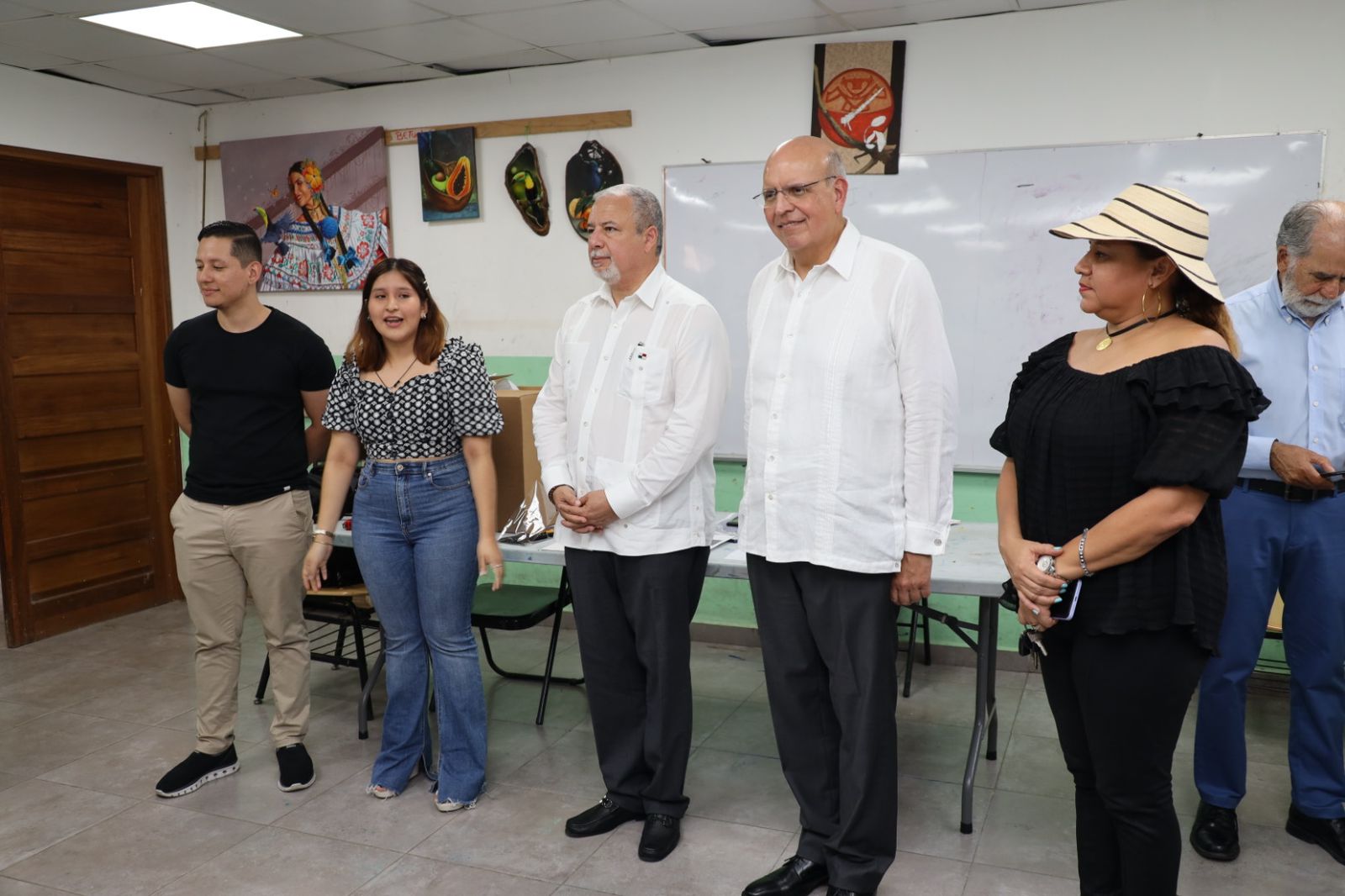
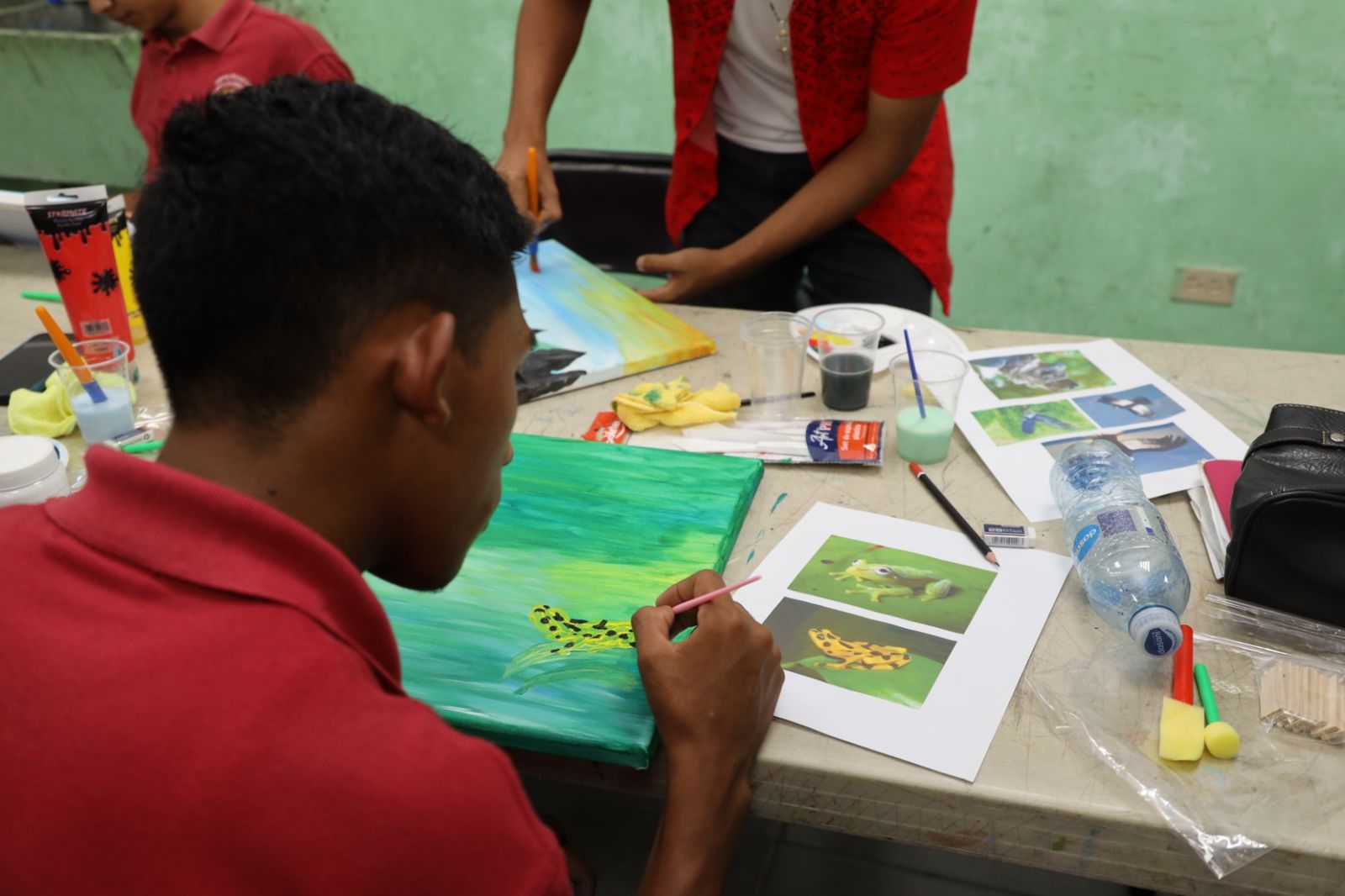
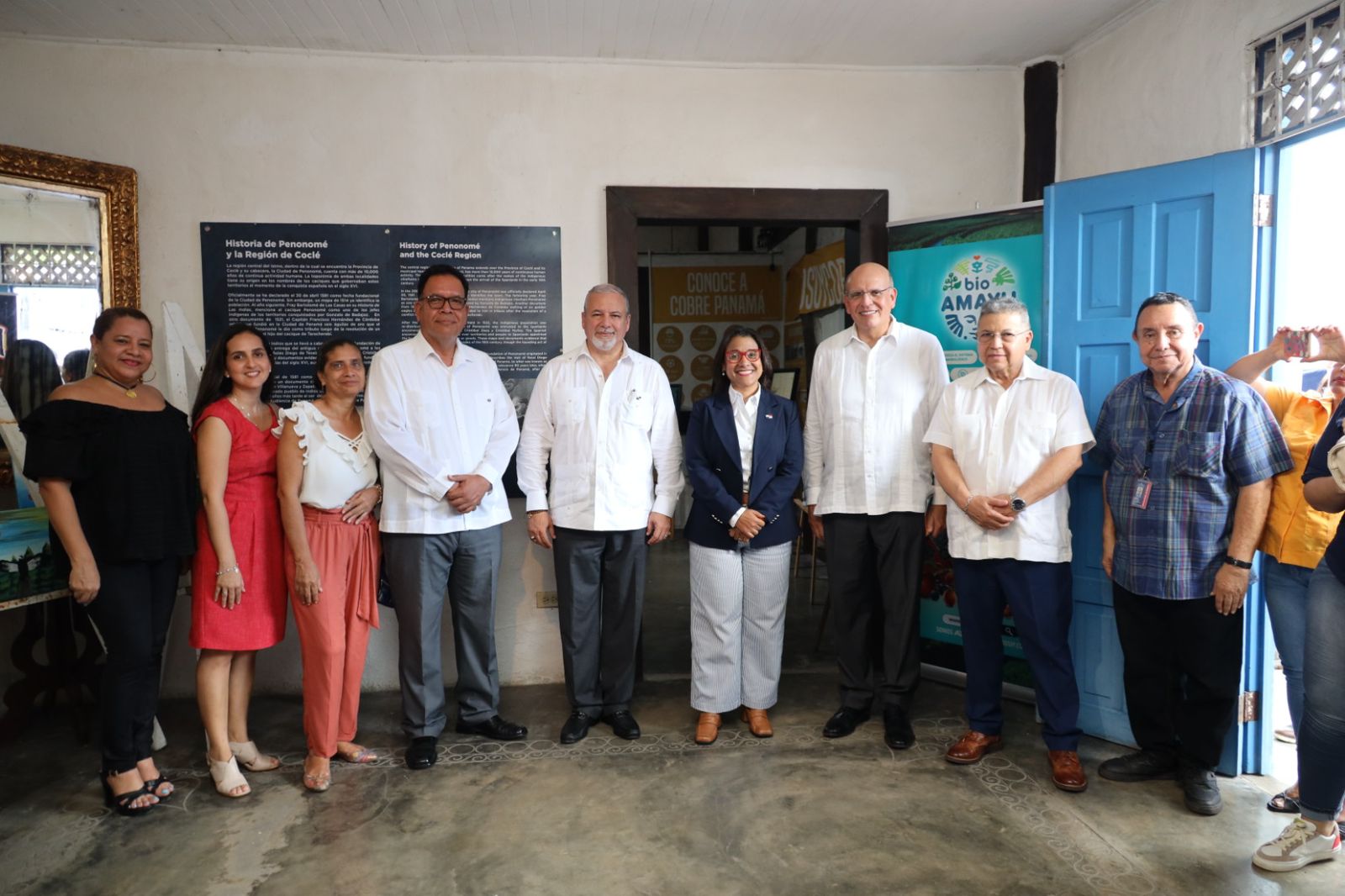
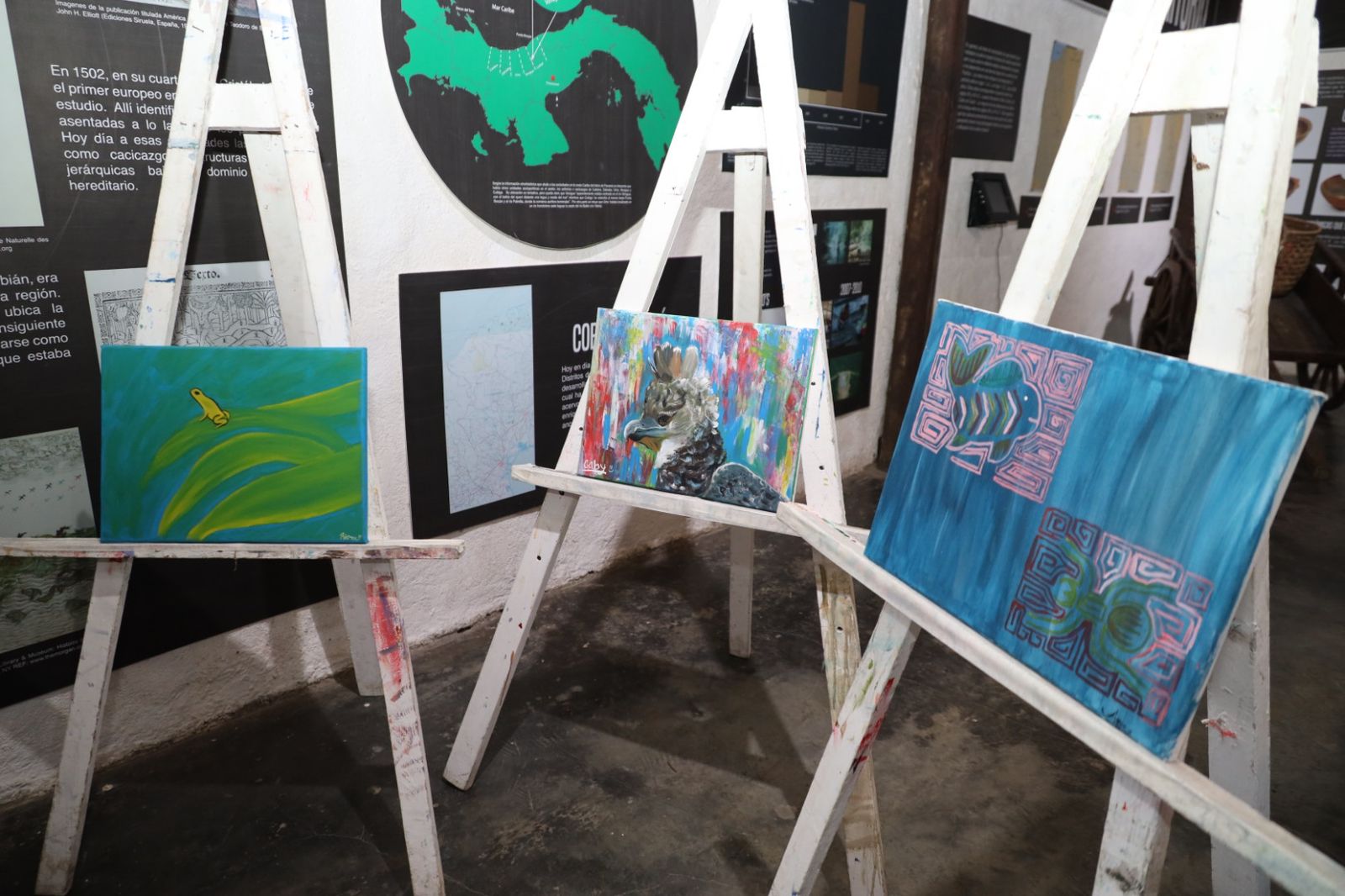
At this day of activity was the presence of the Ambassador of Peru to Panama, Mario López Chavarri, Julio Palacios, Governor of the province of Coclé and Eby Figueroa, regional director of MiCultura in Coclé, who also visited the Centro de Bellas Artes Estelina Tejeira where a workshop was held by the plastic artists Celeste Marquina (Peruvian) and Jordin Marín (Panamanian) who formed the duo art collective "Munay."
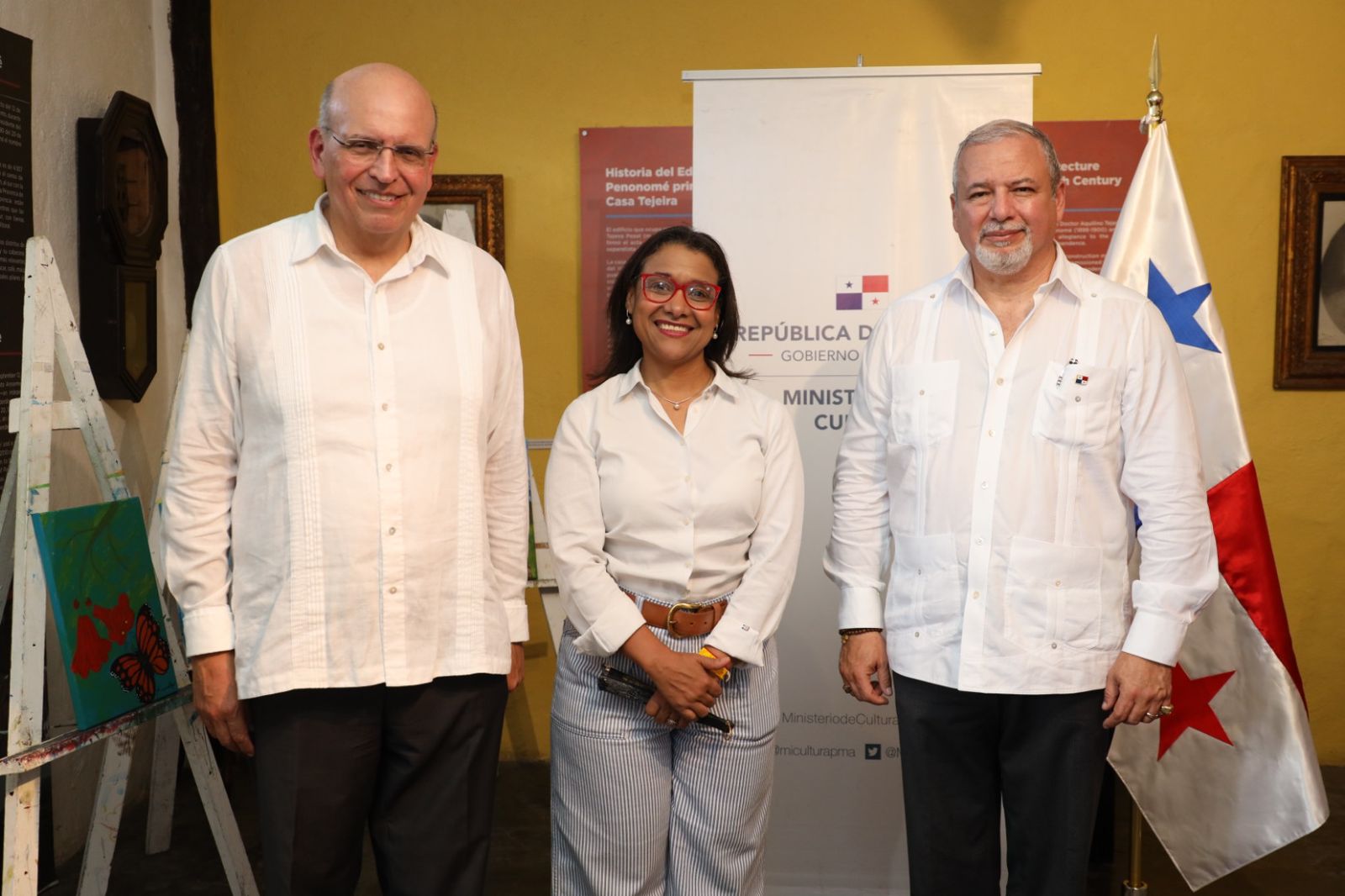
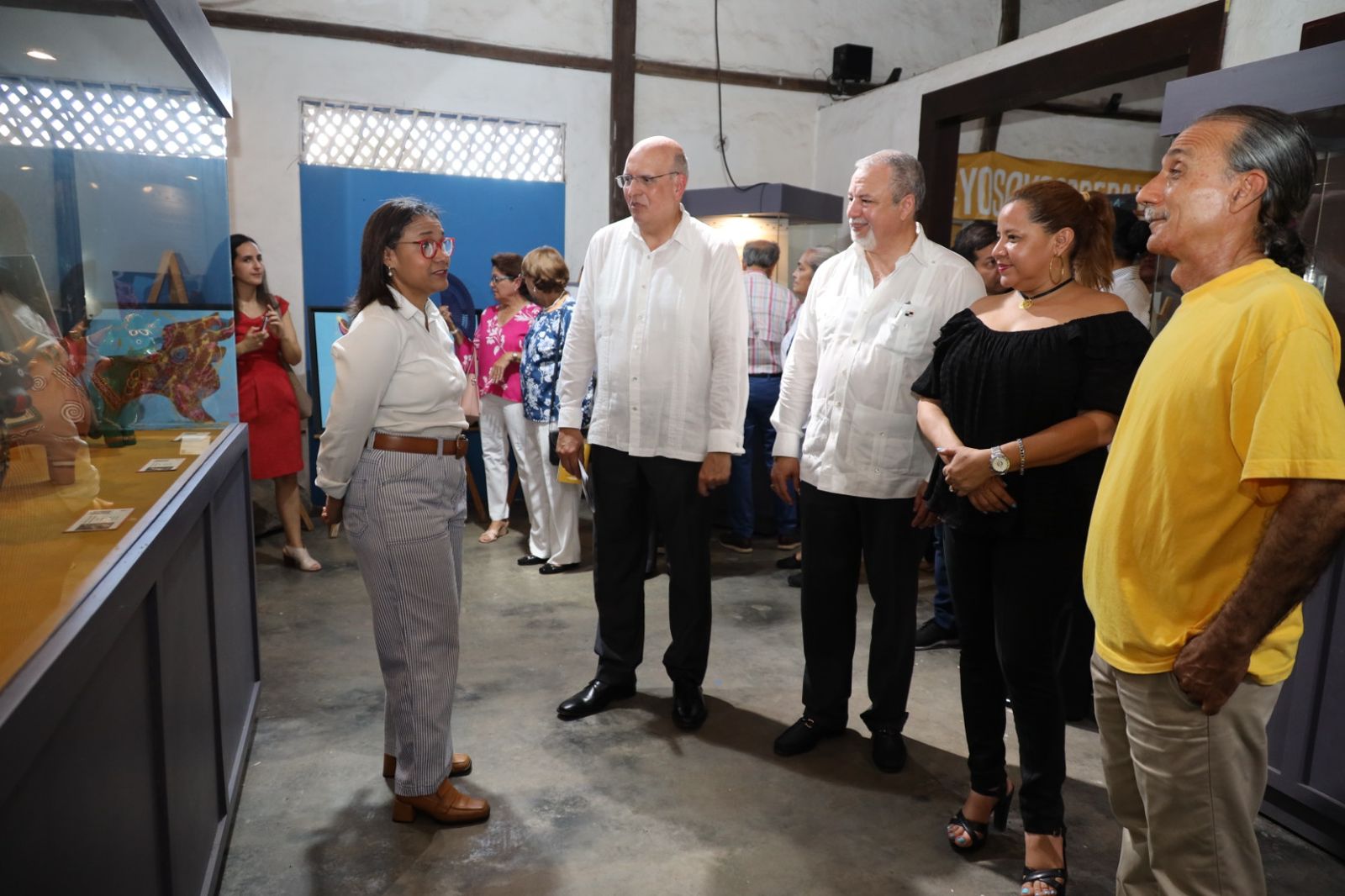
Once this workshop was completed, the works were shown at an art exhibition called "A common look" at a fusion of the culture and diversity of both nations as the motias with the lines of Nazca, Panama La Vieja with Machu pichu, the flower of the holy spirit with the pantyhose flower among other symbols of Panama and Peru and will be exhibited at the Penonomé Museum, whose opening was held by the Minister of Culture, Giselle González Villarrué with the authorities described above.
To this sample we have an exhibition of ceramics with replicas of the Torito of Pucará, a tradition closely linked to southern Peru and that is part of the identity the Andean culture of Peru and with many meanings among them that of the protection of households.
"Today, governed by modernity, we define relations between our nations: Panama and Peru, as two sister countries that share a history, a culture and a vision of development and that during the age of independence, Panama and Peru fought together against Spanish rule," said Giselle González Villarrué, Minister of Culture at the opening of the sample.
The highest cultural authority also emphasized that "since the first exchange of diplomatic notes in 1903, both countries have had a cordial and fruitful relationship with respect for each other, cooperation and solidarity and have been cooperating in a number of areas, including trade, regional integration, security, education, health, tourism, environmental and of course culture."